

The Ritz-Carlton Oʻahu, Turtle Bay
Kahuku
Hotel in Kahuku, United States
 Book with Pearl
The Read
Price
$500–750per night
Why go
Choose The Ritz-Carlton Oʻahu, Turtle Bay for a special-occasion North Shore stay where the resort setting matters more than city access. It is strongest for couples and retreat-style trips; business travelers should only pick it when Kahuku is the target area, not as a Honolulu base.
About The Ritz-Carlton Oʻahu, Turtle Bay
The Ritz-Carlton Oʻahu, Turtle Bay is a Kahuku hotel for travelers who want to evaluate the stay primarily around the property and its location rather than a dense city itinerary. The clearest trust signal is its Virtuoso Luxury Hotel Partner (2026) recognition.
Choose it for a resort-first Oʻahu stay, not a city base
The decision point is direct: choose The Ritz-Carlton Oʻahu, Turtle Bay if Kahuku is the right base for the trip. If the plan depends on frequent time in other parts of Oʻahu, compare the overall location and itinerary fit before booking. For broader planning around the area, use our full Kahuku hotels guide, plus our full Kahuku restaurants guide when building meals around the stay.
Seasonal value matters more than chasing a specific room
public details here are limited, so do not build the decision around an unconfirmed room type, dining claim, service format, or price expectation. Instead, compare available dates and total trip fit. If the nightly rate changes meaningfully, check the same dates against other Oʻahu options before committing.
Booking this hotel is less about chasing a single feature and more about deciding whether Kahuku is the right setting for the stay. For alternatives, compare other resort-led options such as Four Seasons Resort Oahu at Ko Olina or Aulani, A Disney Resort & Spa, and more city-oriented stays such as Hilton Hawaiian Village Waikiki Beach Resort, Hilton Vacation Club The Modern Honolulu, or The Prince Hotel.
Planning details
- Location
- 57-091 Kamehameha Hwy
- Phone
- (808) 293-6000
The take
The Take
The Vibe
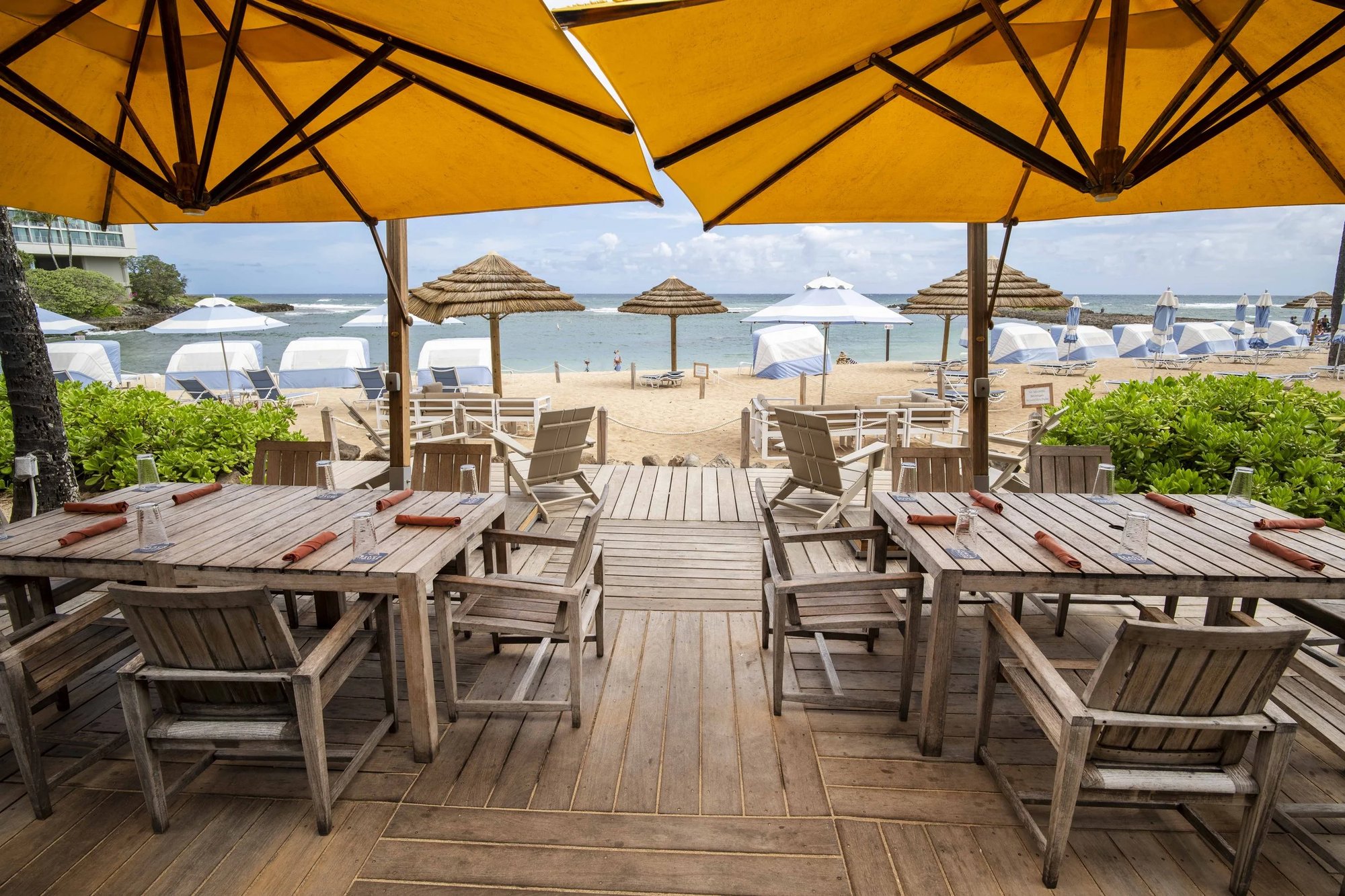
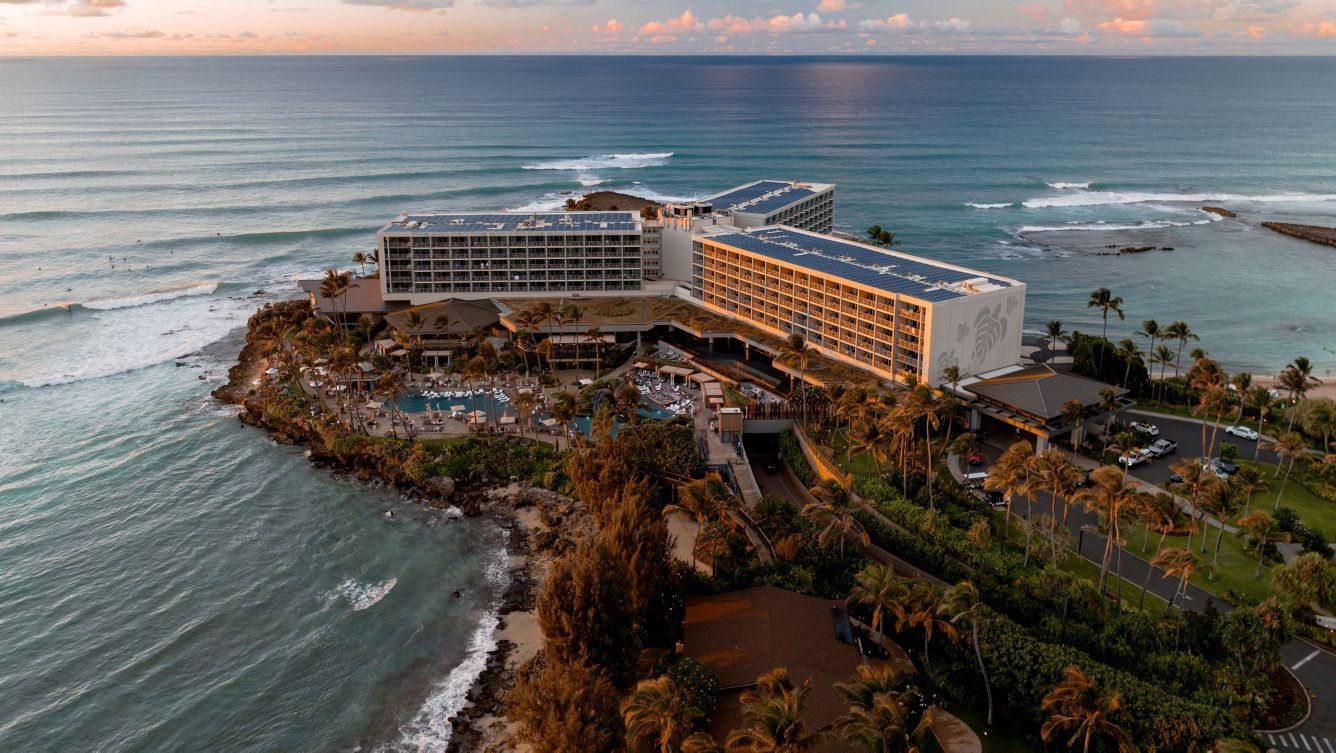
The Ritz-Carlton Oʻahu, Turtle Bay presents itself as a landscape-first luxury resort that emphasizes scale and place. Sitting on nearly 1,100 acres of North Shore coastline, the property reads more like a managed coastal territory than a compact hotel; ocean-facing accommodations, coastal trails, and miles of shoreline shape the guest experience. The writing frames the resort in the same conversation as remote American properties that build identity around their sites, so the prevailing mood is calm, spacious, and landscape-driven—a serene luxury that privileges ocean views and the rhythms of the Pacific.
Best For
Turtle Bay is best for travelers who prioritize outdoor access and a resort that centers its program on place. The mix of spa facilities, golf courses, ocean-facing rooms, and water-based activities suits couples on romantic getaways, families looking for a broad slate of on-property amenities, and guests seeking wellness-focused time away. Its large footprint and landscape programming also make it a natural pick for multi-day stays where spending time on coastal trails, booking spa treatments, and playing golf are central to the visit.
Stay Tips
Guests should lean into the resort's coastal orientation when planning a stay: request ocean-facing accommodations to maximize the shoreline setting, and allow time in the itinerary for spa services and on-property recreational offerings such as golf or water-based activities mentioned in the description. Because the property is spread across a large estate, plan logistics—transport between facilities and time to explore coastal trails—so you can experience the landscape-focused programming that defines Turtle Bay.
Venue details
Ambiance
Elegant and serene with ocean vistas, natural light, and a barefoot luxury atmosphere blending sophistication with island tranquility.
Tags
Vibe
Best For
Experience
Amenities
View
Accessibility
About the Stay
- Rooms
- 443
- Check-in
- 15:00
- Check-out
- 11:00
- Property Style
- Barefoot Luxury Resort
- Design Style
- Modern Hawaiian with Chic Neutral Décor and Turquoise Accents
- Pool
- Yes
- Spa
- Yes
- Families
- Welcome
- Cancellation
- Moderate
Know before you go
Know Before You Go
- Getting there
- 57-091 Kamehameha Hwy
Planning details
Location
57-091 Kamehameha Hwy · Directions
Recognition and awards

Also consider
Also Consider
- The Prince Hotel, Notable alternative
- Aulani, A Disney Resort & Spa, Notable alternative
- Four Seasons Resort Oahu at Ko Olina, Notable alternative
- Hilton Vacation Club The Modern Honolulu, Notable alternative
- Hilton Hawaiian Village Waikiki Beach Resort, Notable alternative
Hotel context
How it compares on Oʻahu
The Ritz-Carlton Oʻahu, Turtle Bay is the better fit if the goal is a quieter North Shore resort stay and an occasion-led trip. Four Seasons Resort Oahu at Ko Olina is the cleaner cross-shop for polished resort service on the west side, while Aulani, A Disney Resort & Spa makes more sense for families who want built-in entertainment and a child-focused resort rhythm.
For travelers who need Honolulu access, Hilton Hawaiian Village Waikiki Beach Resort and Hilton Vacation Club The Modern Honolulu are more practical, even if the ambiance is busier. Choose them for city convenience, group logistics, and Waikiki density; choose Kahuku when a slower resort bubble is the point.
The Prince Hotel is the value-check option in this set: compare it when the rate gap is large and luxury branding is less important than a comfortable base. For a celebration, Turtle Bay is the stronger mood pick; for easier urban movement, the Honolulu peers win.
Explore Kahuku
Around this place
Discover more on Pearl
Unlock the full The Ritz-Carlton Oʻahu, Turtle Bay guide in Pearl, including awards, comparisons, FAQs, planning details, and nearby places.
Compare The Ritz-Carlton Oʻahu, Turtle Bay
| Venue | Location | Awards |
|---|---|---|
| The Ritz-Carlton Oʻahu, Turtle Bay | Kahuku | 2026 Virtuoso Luxury Hotel Collection2025 Michelin Selected Hotels |
| The Prince Hotel | Oahu | No published awards |
| Aulani, A Disney Resort & Spa | Ko Olina | No published awards |
| Four Seasons Resort Oahu at Ko Olina | Oahu | 2026 Virtuoso Luxury Hotel Collection2026 Forbes 4-StarStar Wine Lists 20262026 La Liste Top Hotels2025 Forbes 4-StarFour Seasons Hotels |
| Hilton Vacation Club The Modern Honolulu | Urban Honolulu | No published awards |
| Hilton Hawaiian Village Waikiki Beach Resort | Urban Honolulu | No published awards |




How The Ritz-Carlton Oʻahu, Turtle Bay compares with similar nearby venues.
FAQ
Frequently Asked Questions
Is The Ritz-Carlton Oʻahu, Turtle Bay good for business travel?
It can work if Kahuku is compatible with the trip plan. If the schedule requires frequent time in a more central Oʻahu setting, compare it with a more city-oriented option such as Hilton Hawaiian Village Waikiki Beach Resort.
Which room category is best at The Ritz-Carlton Oʻahu, Turtle Bay?
room-category guidance is not available here. Choose based on the current options shown by the hotel or booking channel, and compare the total value against the type of stay you want. If the goal is a shorter, more urban stay, The Prince Hotel is a useful comparison.
Do loyalty programs work at The Ritz-Carlton Oʻahu, Turtle Bay?
loyalty-program details are not available here. The confirmed recognition to note is its Virtuoso Luxury Hotel Partner (2026) status. For a different resort profile, Aulani, A Disney Resort & Spa is a useful comparison.
What is check-in like at The Ritz-Carlton Oʻahu, Turtle Bay?
check-in details are not available here. Confirm timing, arrival policies, and any booking-specific requirements directly with the hotel before travel. If a more central Oʻahu arrival is important, Hilton Hawaiian Village Waikiki Beach Resort may be easier to compare for that type of itinerary.
How is the location of The Ritz-Carlton Oʻahu, Turtle Bay?
The location is Kahuku. That makes location fit the main question: choose it if Kahuku suits the trip, and compare other Oʻahu hotels if you need a different base. The Prince Hotel or Hilton Hawaiian Village Waikiki Beach Resort may fit a more city-oriented stay better.
How does The Ritz-Carlton Oʻahu, Turtle Bay compare to nearby hotels?
It is best compared by location and trip style rather than by claims about rooms, dining, or amenities. The Ritz-Carlton Oʻahu, Turtle Bay is the Kahuku option; Four Seasons Resort Oahu at Ko Olina and Aulani, A Disney Resort & Spa offer different resort settings, while Hilton Hawaiian Village Waikiki Beach Resort, Hilton Vacation Club The Modern Honolulu, and The Prince Hotel are useful comparisons for travelers considering a more urban Oʻahu stay.