
Hotel in Jimma, Ethiopia
Planned hotel(s) in Jimma (part of the 10-hotel portfolio)
150ptsSouthwest Ethiopia Pioneer
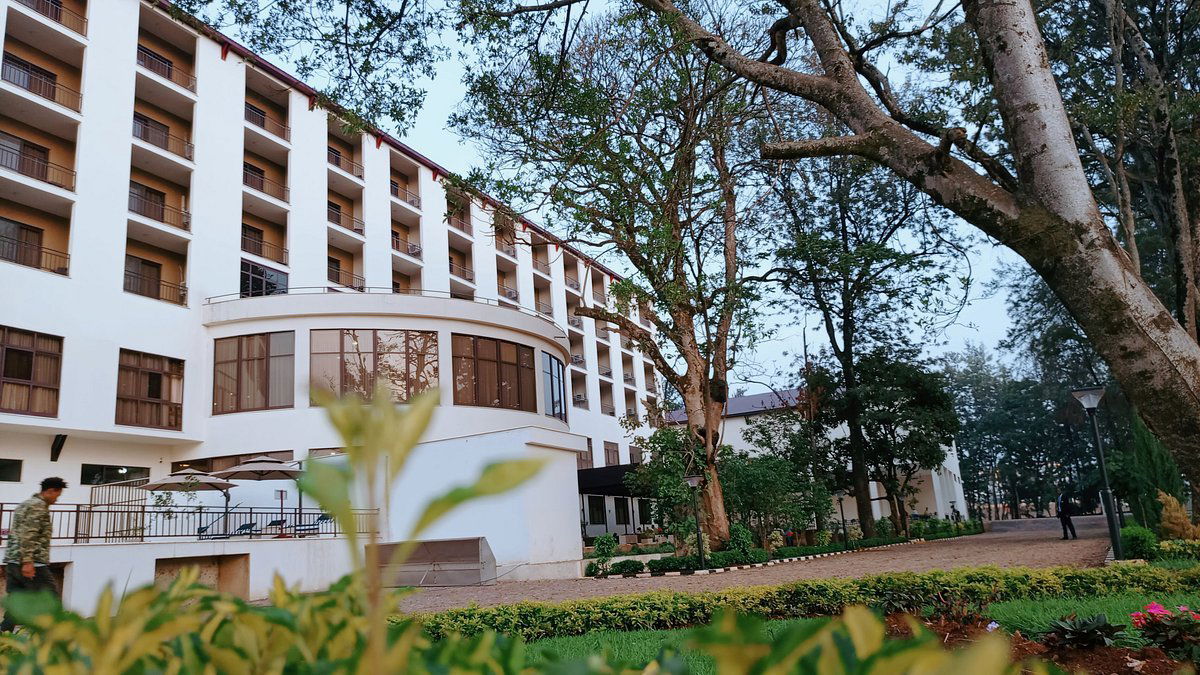
About Planned hotel(s) in Jimma (part of the 10-hotel portfolio)
Jimma sits at the geographic and cultural heart of Ethiopia's coffee-growing southwest, and the planned hotel forming part of a 10-property portfolio represents a deliberate bet on the region's emerging appeal to international travellers. Details on format, price, and opening timeline remain to be confirmed, but the broader portfolio signals a structured approach to premium hospitality across Ethiopia's most compelling destinations.
Southwest Ethiopia's Hospitality Frontier
Jimma occupies a position in Ethiopia that most international travellers have yet to reckon with seriously. The largest city in the country's southwest, it sits within Oromia Region at an elevation that moderates the equatorial heat, surrounded by forest-covered hills that produce some of the world's most traceable arabica coffee. The city's claim to being the birthplace of coffee is contested in the way all origin stories are, but the density of wild coffee forest in the surrounding zone is not. For a hospitality project anchored in place, Jimma offers something that more visited Ethiopian cities cannot: genuine agricultural texture, proximity to communities still practising traditional coffee ceremonies at their source, and a relative absence of the infrastructure that flattens experience elsewhere.
The planned hotel in Jimma forms part of a 10-property Ethiopian portfolio, a scale of commitment that signals something more considered than opportunistic development. Portfolios of this ambition in emerging African markets tend to follow one of two architectural logics: either they replicate a standardised format across locations, reducing design risk at the cost of local specificity, or they treat each city as a distinct brief, using regional materials, vernacular building traditions, and site-specific spatial arrangements to differentiate the properties within the group. Which approach this portfolio takes will define its position in Ethiopia's growing premium hospitality conversation.
Architecture as Argument in Emerging Markets
The architectural question matters more in Jimma than it might in a city with an established hotel culture. In destinations where travellers already know what to expect, design can be decorative. In a city like Jimma, where premium hospitality infrastructure is thin, the physical form of a new hotel makes an argument about what the place is and who it is for. Properties in comparable Ethiopian contexts have made that argument in different directions: Eco Omo Lodge in Jinka and Evangadi Lodge in Turmi both lean into landscape integration, using materials and massing that register as rooted rather than imported. A Jimma property operating within the same portfolio logic would face similar pressure to locate itself within the region's visual and material culture.
Broader international reference set for this kind of design challenge is instructive. Properties like Amangiri in Canyon Point have shown that architecture calibrated to a specific landscape can become the primary reason for a visit, outweighing food, service, or amenity in traveller motivation. At a more urban scale, Hotel The Mitsui Kyoto demonstrates how historical material culture can be reinterpreted through contemporary hospitality without becoming pastiche. The question for Jimma's planned property is whether its design will anchor it to the southwest's particular character or position it as a generic premium address that happens to be located here.
The Portfolio Context: Ethiopia's 10-City Bet
Understanding the Jimma property means understanding the portfolio it belongs to. A 10-hotel commitment across Ethiopia represents a long-horizon read on the country's tourism trajectory, one that requires either significant capital patience or a phased development model in which earlier-opening properties cross-subsidise later ones. Sister projects in the portfolio cover cities including Addis Ababa, Bahir Dar, and Hawassa, each with its own tourism profile and infrastructure baseline.
Jimma's position within that network is logistically significant. Ethiopian Airlines operates scheduled services into Jimma Aba Segud Airport, making the city reachable from Addis Ababa without the overland commitment that comparable southwest Ethiopia destinations require. For a portfolio trying to connect urban and landscape properties into coherent multi-night itineraries, Jimma sits at a useful juncture between the capital's gateway function and the more remote experiences available further south and west. The Dorze Lodge in South Ethiopia Regional State represents the kind of endpoint that a Jimma property could naturally precede or follow in a regional routing.
What Premium Means in Jimma's Context
Premium hospitality in a city like Jimma operates by different metrics than it does in the reference addresses that define the category globally. Properties like Cheval Blanc Paris, Le Bristol Paris, or La Réserve Paris compete on density of service, historical address value, and proximity to established luxury infrastructure. In Jimma, the premium proposition is built differently: on reliability of utilities, quality of connectivity, food sourcing transparency, and the ability to deliver a consistent experience in a city where supply chains are less predictable. Travellers arriving from Addis Ababa or internationally will calibrate expectations accordingly, and properties that understand this distinction tend to deliver more satisfying stays than those that import a template from a different context.
The coffee dimension deserves specific attention. Jimma's position within Ethiopia's coffee geography means that a well-designed hospitality experience here has access to a supply chain that no amount of money can replicate in Paris or Tokyo. Direct relationships with nearby coffee farms, on-site preparation using regional varieties, and programming that connects guests to the agricultural reality of the surrounding landscape are assets that properties in more established markets spend considerable effort and capital to simulate. In Jimma, they are available as a function of location. Whether this portfolio's property activates that asset deliberately is a question that will define its character once open.
Planning Your Visit
Specific details on opening dates, room categories, pricing, and booking methods for the Jimma property are not yet publicly confirmed. Travellers planning a southwest Ethiopia itinerary should monitor the portfolio's communications for announcements and cross-reference with our full Jimma restaurants guide for context on the city's broader hospitality offering. Jimma is accessible by air from Addis Ababa Bole International Airport on Ethiopian Airlines, with flight times of approximately one hour, making it viable as a multi-night extension rather than a day trip. The dry season months between October and February generally offer the most predictable travel conditions in the region, though the surrounding coffee forests are at their most active during the harvest period from November through January. Guests with interest in the coffee landscape specifically may find that timing a visit around harvest creates access to processing and tasting experiences that are not available year-round. For comparable experiences in Ethiopia's south while plans for Jimma develop, Evangadi Lodge in Turmi and Eco Omo Lodge in Jinka both offer operational precedents for what design-conscious hospitality in the region can look like.
Frequently Asked Questions
- What kind of setting is the planned hotel in Jimma?
- Jimma is a mid-sized city in Ethiopia's Oromia Region, set in the forested southwest highlands at an elevation that keeps temperatures moderate relative to lowland cities. The planned property will occupy an urban or peri-urban position within this context, though specific site details have not been confirmed. For comparable properties operating in similarly positioned Ethiopian cities, the portfolio's entries in Hawassa and Bahir Dar offer a useful reference frame.
- What room category do guests prefer at the planned hotel in Jimma?
- Room categories, pricing tiers, and specific accommodation formats have not been announced for this property. The 10-hotel portfolio's positioning across Ethiopia suggests the group is targeting premium travellers, but whether that translates to boutique-scale keys or a larger room count in Jimma will depend on the site brief. Check portfolio communications directly for category details as they are released.
- What should I know about the planned hotel in Jimma before I go?
- The property is in the planning phase, and confirmed details on address, contact information, pricing, and opening timeline are not yet available. Jimma is served by Ethiopian Airlines from Addis Ababa, and the city's infrastructure has been developing steadily. Building flexibility into any itinerary that includes Jimma is advisable given the lead times involved in new hotel openings in this market.
- Do they take walk-ins at the planned hotel in Jimma?
- No booking information, website, or contact details are currently available for this property, as it remains in the planning phase. Walk-in policies are typically determined closer to opening and will depend on the format the portfolio adopts for this location. Monitoring the group's portfolio for updates is the most reliable approach at this stage.
- What should I know before visiting the planned hotel in Jimma?
- Because the property has not yet opened, travellers should treat any itinerary including it as provisional. Jimma itself is accessible and worth including in a southwest Ethiopia routing regardless of this hotel's status, with the city's coffee culture and surrounding landscape offering significant independent interest. Our Jimma city guide covers the current hospitality and dining context for travellers planning ahead.
- Why is Jimma significant within an Ethiopian hotel portfolio focused on coffee tourism?
- Jimma sits at the centre of one of Ethiopia's most historically significant coffee-producing zones, with wild arabica varieties growing in the forests of the surrounding Kaffa region, which many researchers identify as the geographic origin of the coffee plant. A portfolio property here would have direct access to farm-level coffee supply chains, harvest-season programming, and agricultural heritage that no amount of curation can replicate in cities further from the source. For travellers whose primary interest is understanding coffee at origin rather than in a finished-product context, Jimma occupies a position in the Ethiopian itinerary that Addis Ababa simply cannot fill.
Related editorial
- Best Fine Dining Restaurants in ParisFrom three-Michelin-star icons to the next generation of Parisian chefs pushing boundaries, these are the restaurants that define fine dining in the world's culinary capital.
- Best Luxury Hotels in RomeFrom rooftop terraces overlooking ancient ruins to Michelin-starred hotel dining, these are the luxury hotels that make Rome unforgettable.
- Best Cocktail Bars in KyotoFrom sleek lounges to hidden speakeasies, Kyoto's cocktail scene blends Japanese precision with global influence in ways you won't find anywhere else.
Save or rate Planned hotel(s) in Jimma (part of the 10-hotel portfolio) on Pearl
Keep this venue in your Pearl passport, rate it after you visit, and track it alongside every other place you collect.