

Timber Cove Resort
Sonoma Coast, Jenner
Hotel in Jenner, United States
 Book with Pearl
The Read
Price
$300–500per night
Why go
Timber Cove Resort is a strong Sonoma Coast pick for couples or special-occasion travelers who want a quiet, design-led coastal stay rather than a town-centered wine-country base. Choose it for atmosphere and Jenner access; cross-shop Farmhouse Inn for a more polished wine-country splurge or Dawn Ranch for a Russian River setting.
About Timber Cove Resort
Timber Cove Resort is a property in Jenner with a casual dress code and 2026 Design Hotels Member recognition. It is best shortlisted around those strengths while confirming dining, amenities, room types, service style, and specific trip logistics directly with the property.
For travelers considering a stay in Jenner, Timber Cove Resort is best evaluated directly against the needs of the trip: whether Jenner fits, whether a casual dress code suits the occasion, and whether Design Hotels membership matters as a trust signal.
Book it for a Jenner stay with a recognition
The clearest detail is Timber Cove Resort's 2026 Design Hotels Member recognition. That is the main reason to consider it, especially for travelers who value the Design Hotels affiliation.
The dress code is casual, which makes it easy to plan around without expecting formal attire. Beyond that, confirm current details directly with the property before booking, especially if the stay depends on dining, event needs, accessibility, room views, or other specific requirements.
Where it sits against other regional alternatives
Compared with The Sea Ranch Lodge, Timber Cove Resort is the Jenner option in this comparison set. The Sea Ranch Lodge may still be relevant for travelers comparing broader regional stays, but details should be confirmed directly before treating it as interchangeable with a Jenner stay.
AutoCamp Russian River, Dawn Ranch, The Stavrand, and Farmhouse Inn are useful cross-shops when travelers are weighing Timber Cove Resort against other regional stays. The right choice depends on the trip plan, location preference, and the latest property details rather than assumptions about amenities or service style.
The bottom line: shortlist Timber Cove Resort if a Jenner property with casual dress and Design Hotels membership fits the trip. Confirm all operational details directly before making plans around specific services.
Planning details
- Location
- 21780 North Coast Hwy 1, Jenner 95450, USA
- Phone
- 1-707-847-3231
The take
The Take
The Vibe
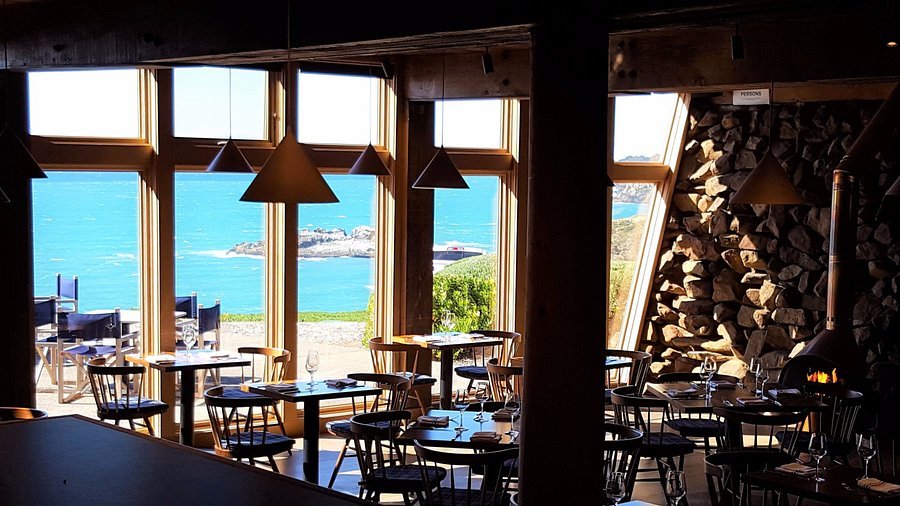
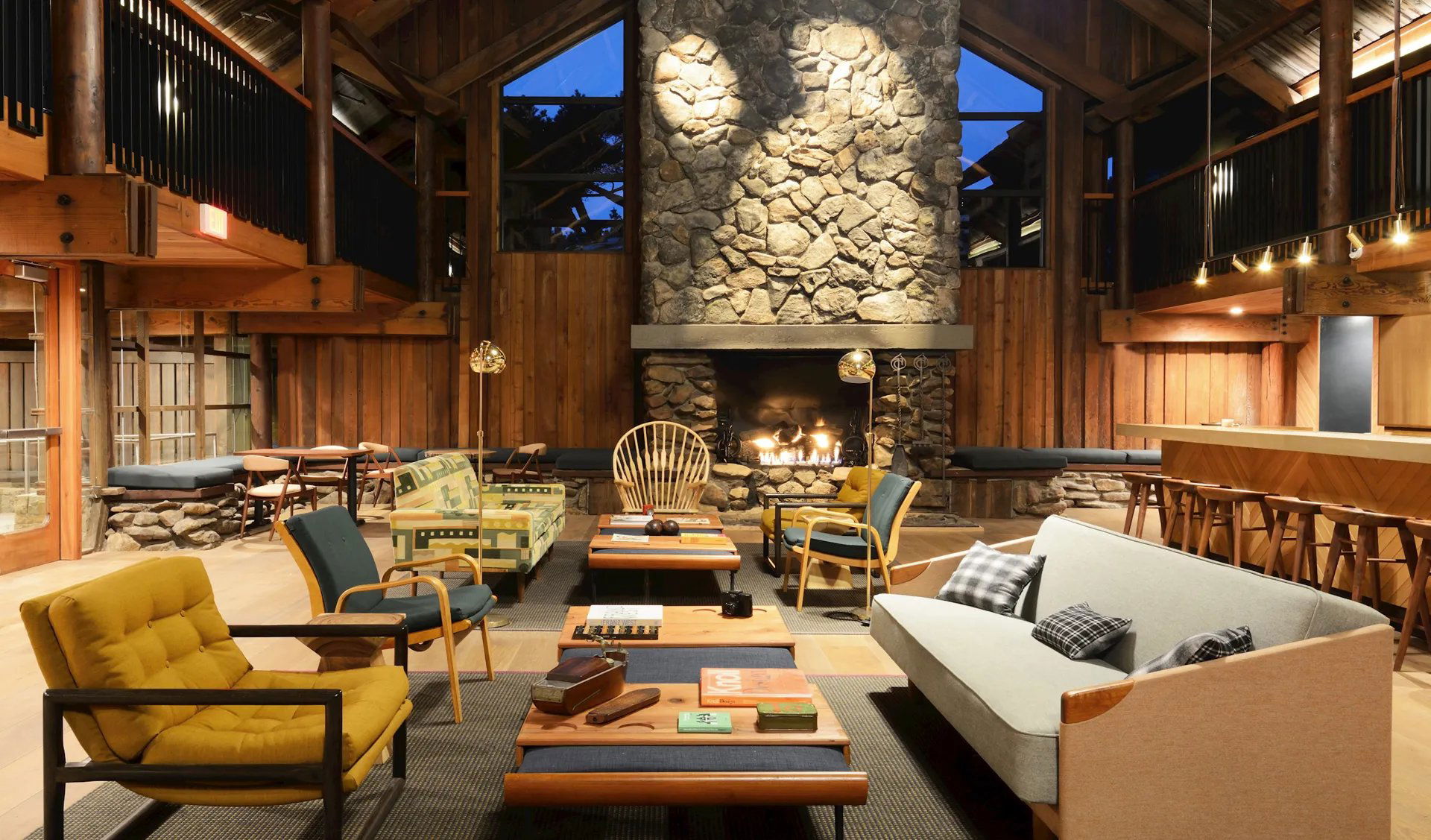
Timber Cove Resort reads like a preserved example of mid‑century California coastal architecture. The low, angular tiers rise from the bluffs with exposed timber framing and local stone, and the property deliberately occupies its site rather than shrinking from it. That architectural confidence—rooted in post‑war regionalist design—gives the resort a classic, quietly charming presence that leans into the raw coastal setting. The experience feels considered and unforced: dramatic views and intact structural details create a refined but unpretentious coastal retreat rather than a homogenized, contemporary makeover.
Best For
Set on a less developed stretch of Highway 1 between Bodega Bay and Jenner, Timber Cove is best for travelers seeking a quiet coastal escape and fans of architecture. It naturally suits romantic getaways, weekend escapes and wellness‑minded retreats, and it’s equally appealing to solo explorers who prize solitude and big Pacific views. The resort’s preserved mid‑century character and bluff‑top siting make it a destination for visitors who want scenery and design as much as creature comforts, away from the busier coastal circuits.
Venue details
Ambiance
Cozy and serene with warm lighting from Nest-guided fireplaces, natural wood accents, and a relaxing atmosphere enhanced by ocean views and vinyl record players.
Tags
Vibe
Best For
Experience
Amenities
View
Accessibility
About the Stay
- Rooms
- 46
- Check-in
- 16:00
- Check-out
- 11:00
- Property Type
- Boutique hotel
- Property Style
- Iconic Mid Century Modern with Rustic Updates
- Design Style
- Rustic Chic Mid Century Modern
- Spa
- Yes
- Families
- Welcome
- Cancellation
- Strict
Know before you go
Know Before You Go
- Getting there
- 21780 North Coast Hwy 1, Jenner 95450, USA
Planning details
Location
21780 North Coast Hwy 1, Jenner 95450, USA · Directions
Recognition and awards
Also consider
Also Consider
- The Sea Ranch Lodge, Notable alternative
- AutoCamp Russian River, Notable alternative
- Dawn Ranch, Notable alternative
- The Stavrand, Notable alternative
- Farmhouse Inn, Notable alternative
Hotel context
How Timber Cove Resort compares nearby
Choose Timber Cove Resort over AutoCamp Russian River if the trip calls for a hotel stay rather than a casual outdoor format. AutoCamp is the easier fit for groups that want a lighter, camp-style setup; Timber Cove is better for couples and celebrations where coastal atmosphere matters more.
The Sea Ranch Lodge is the more design-and-destination cross-shop, especially if the property itself is the main reason for going. Timber Cove Resort makes more sense for travelers centering Jenner and the Sonoma Coast without extending farther north.
For Russian River access, compare Dawn Ranch and The Stavrand. For a higher-polish wine-country stay, Farmhouse Inn is the cleaner splurge alternative. Timber Cove is the coastal choice; those peers are better when restaurants, wineries, or inland logistics drive the decision.
Explore Jenner
Around this place
Discover more on Pearl
Unlock the full Timber Cove Resort guide in Pearl, including awards, comparisons, FAQs, planning details, and nearby places.
Compare Timber Cove Resort
| Venue | Location | Awards |
|---|---|---|
| Timber Cove Resort | Jenner | 2026 Design Hotels Collection2025 Michelin Selected Hotels |
| The Sea Ranch Lodge | Sea Ranch | 2026 Michelin 1 Key2025 Michelin 1 Key2024 Michelin 1 Key |
| AutoCamp Russian River | Guerneville | No published awards |
| Dawn Ranch | Guerneville | No published awards |
| The Stavrand | Guerneville | No published awards |
| Farmhouse Inn | Sonoma | 2026 Virtuoso Luxury Hotel Collection2026 Forbes RecommendedStar Wine Lists 20262025 Michelin Selected Hotels2025 Forbes RecommendedPreferred Hotels Member 2025 |






How Timber Cove Resort Jenner compares with similar nearby venues.
FAQ
Frequently Asked Questions
How is the dining at Timber Cove Resort?
Is Timber Cove Resort family-friendly?
Travelers planning a family stay should contact Timber Cove Resort directly to confirm room options, policies, and any services needed for a stay in Jenner.
Is Timber Cove Resort good for business travel?
When is the best time to book Timber Cove Resort?
Which room category is best at Timber Cove Resort?
Review the property's official room descriptions and contact Timber Cove Resort directly if the stay depends on a particular layout, view, or placement.
How does Timber Cove Resort compare to other properties?
Timber Cove Resort is in Jenner and has 2026 Design Hotels Member recognition. The Sea Ranch Lodge, AutoCamp Russian River, Dawn Ranch, The Stavrand, and Farmhouse Inn may be useful alternatives depending on the preferred location and the latest property details.