

Hotel Saltus
Jenesien, Jenesien San Genesio
Hotel in Jenesien San Genesio, Italy
 Book with Pearl
The Read
Salten Plateau Retreat
Why go
Choose Hotel Saltus for a quiet South Tyrol stay where atmosphere and service matter more than city access. Its Small Luxury Hotels of the World membership and MICHELIN Guide hotel selection make it a safer special-occasion pick than an unvetted mountain retreat, especially for couples who want a composed, low-noise base near Jenesien San Genesio.
About Hotel Saltus
Hotel Saltus is a hotel in Jenesien San Genesio with a smart-casual dress code and two confirmed external recognition signals: Small Luxury Hotels of the World membership and a MICHELIN Guide hotel selection. Beyond those points, evaluate the stay by confirmed fit rather than by assumptions about facilities, dining, or service style.
Use Hotel Saltus as a candidate when you want a Jenesien San Genesio hotel with those confirmed recognition signals. For any specific needs, room type, dining arrangements, wellness facilities, accessibility, family travel, or arrival logistics, confirm directly with the hotel before booking.
Key Information for Hotel Saltus
Hotel Saltus may suit travelers specifically looking at Jenesien San Genesio, but details about specific amenities, views, room categories, dining formats, or on-site facilities should be checked with the hotel. The hotel's confirmed recognition and smart-casual dress code are key features; check current details with the property.
Recognition helps, but the decision is about fit
The hotel carries two confirmed external signals: Small Luxury Hotels of the World membership and a MICHELIN Guide hotel selection. Those recognitions support considering Hotel Saltus, but they should not be read as confirmation of any particular facility, dining program, price point, or service format.
Cross-shop by trip type and location needs. In the wider regional hotel conversation, compare Hotel Saltus with Castel Hörtenberg, Gloriette Guesthouse Boutiquehotel, Hotel Greif, Parkhotel Holzner, and Parkhotel Mondschein, choosing based on location, current availability, and the specific details each property confirms for your dates.
If you are comparing beyond Jenesien San Genesio, keep the comparison practical: confirm location, facilities, booking terms, and current recognition directly with each hotel rather than relying on assumptions from category or style.
Planning details
- Location
- Via Freigasse, 8b, 39050 San Genesio Atesino BZ
- Website
- hotel-saltus.com
- Phone
- +39 0471 155 1190
The take
The Take
The Vibe
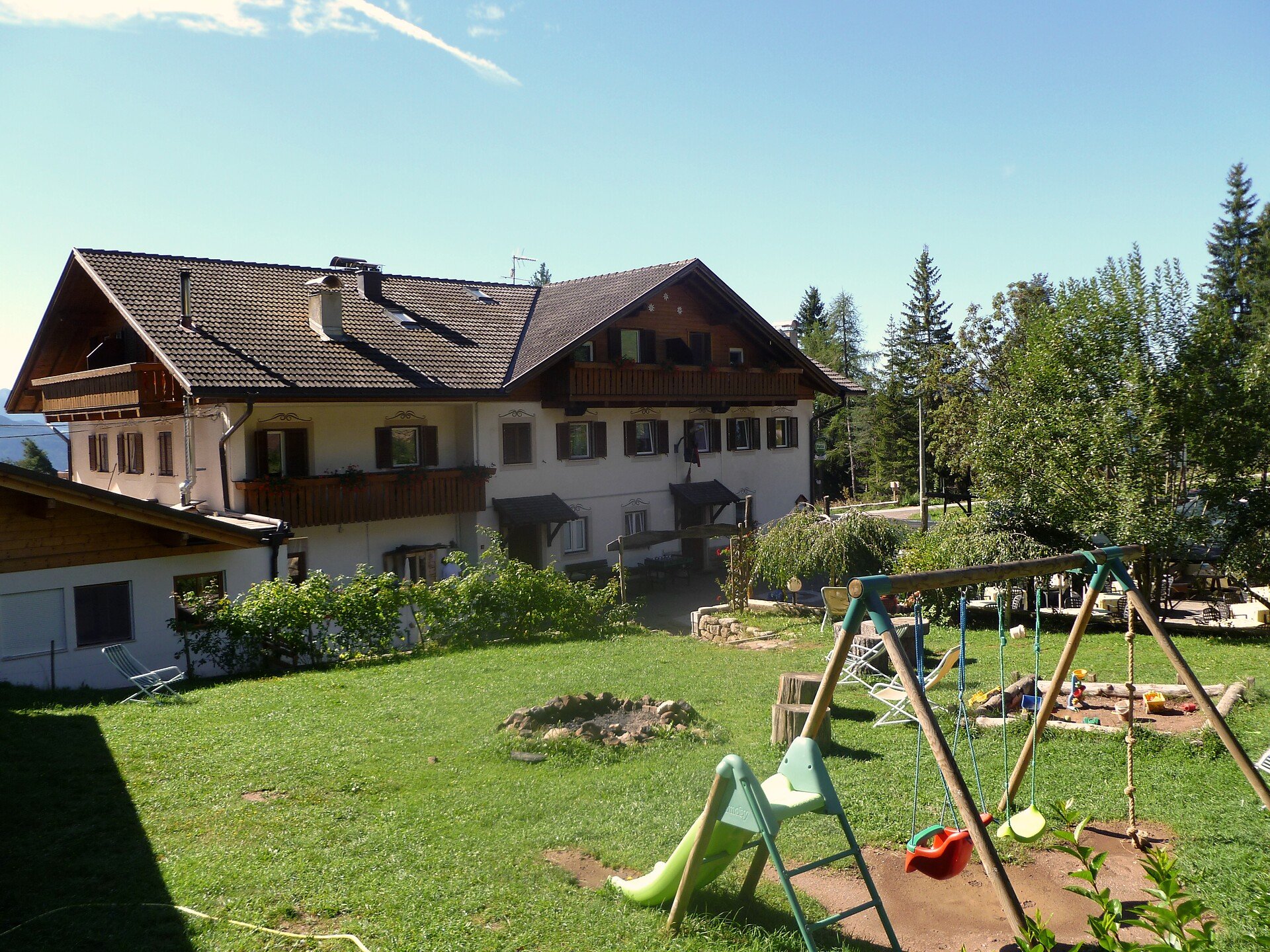
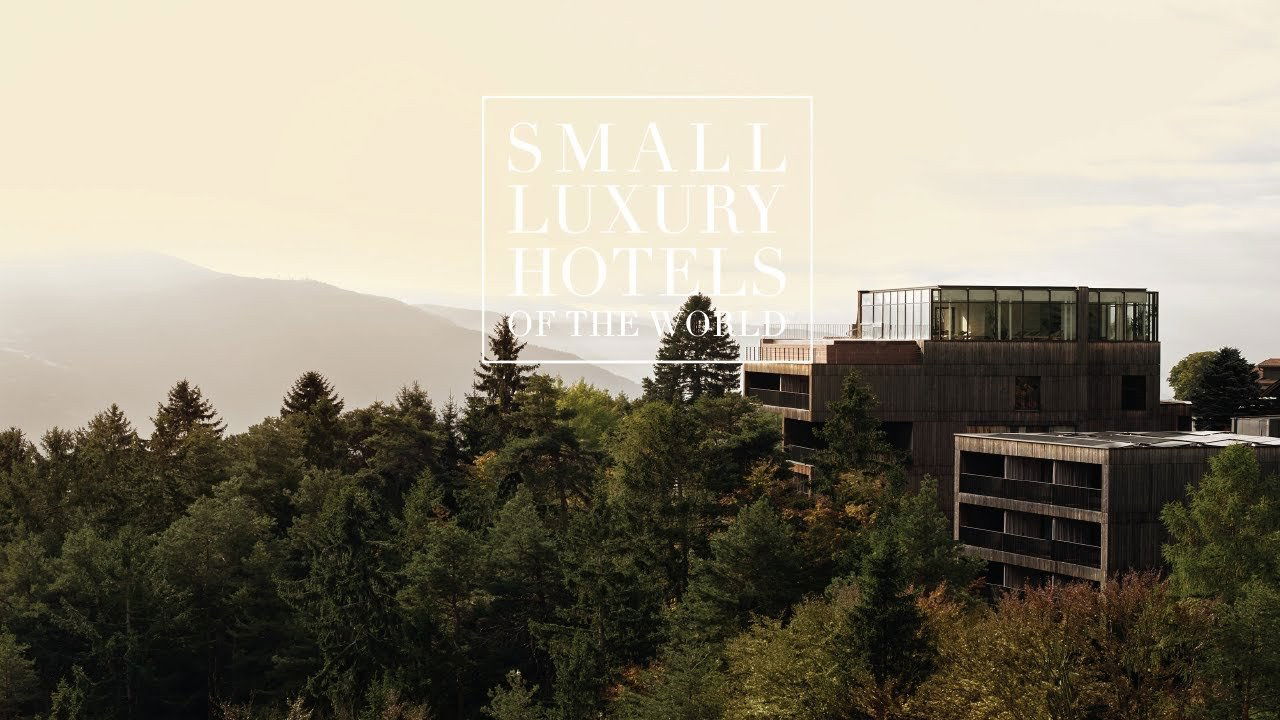
Hotel Saltus reads like a deliberate exercise in alpine restraint: village-scale seclusion, vernacular timber-and-stone construction and carefully considered modern detailing. Perched on the Salten plateau more than a kilometre above Bolzano, the property emphasizes altitude and silence over flash. South-facing glazing and pitched roofs reference a building tradition born of long winters and short summers, while membership in Small Luxury Hotels signals a contemporary, polished edge. Overall the hotel feels quietly refined and intentionally small — a place where architecture, landscape and a slower pace shape the stay.
Best For
This is a stay for travelers who prize quiet, altitude and architectural intention over the bustle of a resort circuit. It suits couples and design-minded travelers looking to escape the city for a short restorative break, and anyone who values a small-key, carefully curated hotel on a plateau above Bolzano. The property’s village scale and focus on regional building traditions make it especially rewarding for guests interested in South Tyrolean vernacular, panoramic outlooks and a peaceful base from which to explore nearby vineyard terraces and mountain roads.
Stay Tips
Arriving is part of the experience: plan your route in advance (a cable car from Bolzano or a scenic road winding through Eisacktal vine terraces are both described). The hotel’s 'limited-key' scale and membership in a small-luxury group suggest booking well ahead, especially in shoulder and high seasons. Prepare for alpine conditions—long winters and brief summers—so pack layered clothing. Treat travel up to the plateau as a deliberate part of the visit rather than an incidental transfer.
Venue details
Ambiance
Calm and nurturing with natural materials, soft lighting, panoramic mountain views, and forest scents creating a harmonious, restful atmosphere
Tags
Vibe
Best For
Experience
Amenities
View
Accessibility
About the Stay
- Rooms
- 39
- Check-in
- 15:00
- Check-out
- 10:30
- Property Style
- Eco Conscious Family Run Mountain Retreat Blending Tradition and Modern Wellness
- Design Style
- Timeless Natural with Local Larch Wood, Minimalist Elegance
Know before you go
Know Before You Go
- Getting there
- Via Freigasse, 8b, 39050 San Genesio Atesino BZ
Planning details
Location
Recognition and awards

Also consider
Also Consider
- Castel Hörtenberg, Notable alternative
- Parkhotel Mondschein, Notable alternative
- Hotel Greif, Notable alternative
- Gloriette Guesthouse Boutiquehotel, Notable alternative
- Parkhotel Holzner, Notable alternative
Hotel context
How Hotel Saltus compares nearby
Pick Hotel Saltus if the priority is a calm hill setting and a stay that feels more retreat-led than city-led. Compared with Castel Hörtenberg, Parkhotel Mondschein, and Hotel Greif, it is the better call when the trip is built around quiet, views, and a slower occasion rather than immediate access to Bolzano's urban rhythm.
For design-forward city energy, Parkhotel Mondschein or Hotel Greif will suit travelers who want to step out for restaurants, shops, and bars with less planning. Castel Hörtenberg is the stronger cross-shop for guests who want a more traditional hotel feel near Bolzano, while Hotel Saltus is better for a quieter celebration.
If the brief is South Tyrol character with a gentler pace, compare Gloriette Guesthouse Boutiquehotel and Parkhotel Holzner. Both make sense for travelers looking beyond the city center. Hotel Saltus earns the nod when external recognition and a polished retreat mood are higher priorities than being closest to town.
Explore Jenesien San Genesio
Around this place
Discover more on Pearl
Unlock the full Hotel Saltus guide in Pearl, including awards, comparisons, FAQs, planning details, and nearby places.
Compare Hotel Saltus
| Venue | Location | Awards |
|---|---|---|
| Hotel Saltus | Jenesien San Genesio | 2025 Michelin Selected HotelsSmall Luxury Hotels Member 2025 |
| Castel Hörtenberg | Bolzano | No published awards |
| Parkhotel Mondschein | Bolzano | No published awards |
| Hotel Greif | Bolzano | No published awards |
| Gloriette Guesthouse Boutiquehotel | Soprabolzano | No published awards |
| Parkhotel Holzner | Soprabolzano | No published awards |
How Hotel Saltus Jenesien San Genesio compares with similar nearby venues.
FAQ
Frequently Asked Questions
How is the dining at Hotel Saltus?
Dining, cuisine, menus, prices, or meal periods are not detailed for Hotel Saltus. The confirmed signals are Small Luxury Hotels of the World membership, a MICHELIN Guide hotel selection, and a smart-casual dress code, so confirm current dining arrangements directly with the hotel.
How is the pool and spa at Hotel Saltus?
A pool, spa, or wellness facilities at Hotel Saltus are not detailed. If those features are important to your stay, confirm the current setup directly with the hotel before booking.
Do loyalty programs work at Hotel Saltus?
Hotel Saltus is a Small Luxury Hotels of the World member, but specific loyalty-program benefits, earning rules, or partner perks are not detailed. Check the booking channel and the hotel's current terms before relying on loyalty value.
Which room category is best at Hotel Saltus?
Specific room-category details for Hotel Saltus are not provided. Ask the hotel directly which category best matches your priorities for privacy, space, view, accessibility, or budget.
When is the best time to book Hotel Saltus?
Specific seasonal demand, pricing, or availability patterns for Hotel Saltus are not provided. Book based on your travel dates and confirm cancellation terms, inclusions, and current rates before committing.
Is Hotel Saltus family-friendly?
Specific family-travel details for Hotel Saltus are not provided. If you are traveling with children, ask the hotel about room setup, policies, and suitable facilities, and compare it with Parkhotel Holzner or Gloriette Guesthouse Boutiquehotel before deciding.
How does Hotel Saltus compare to other hotels?
Choose Hotel Saltus if you want to stay in Jenesien San Genesio and value its confirmed Small Luxury Hotels of the World membership and MICHELIN Guide hotel selection. Castel Hörtenberg, Hotel Greif, Parkhotel Mondschein, Parkhotel Holzner, and Gloriette Guesthouse Boutiquehotel can be useful alternatives to compare by location, availability, and the details each property confirms for your trip.