

Parnas Hotel Jeju
Jungmun, Jeju-si
Hotel in Jeju-si, South Korea
 Book with Pearl
Why go
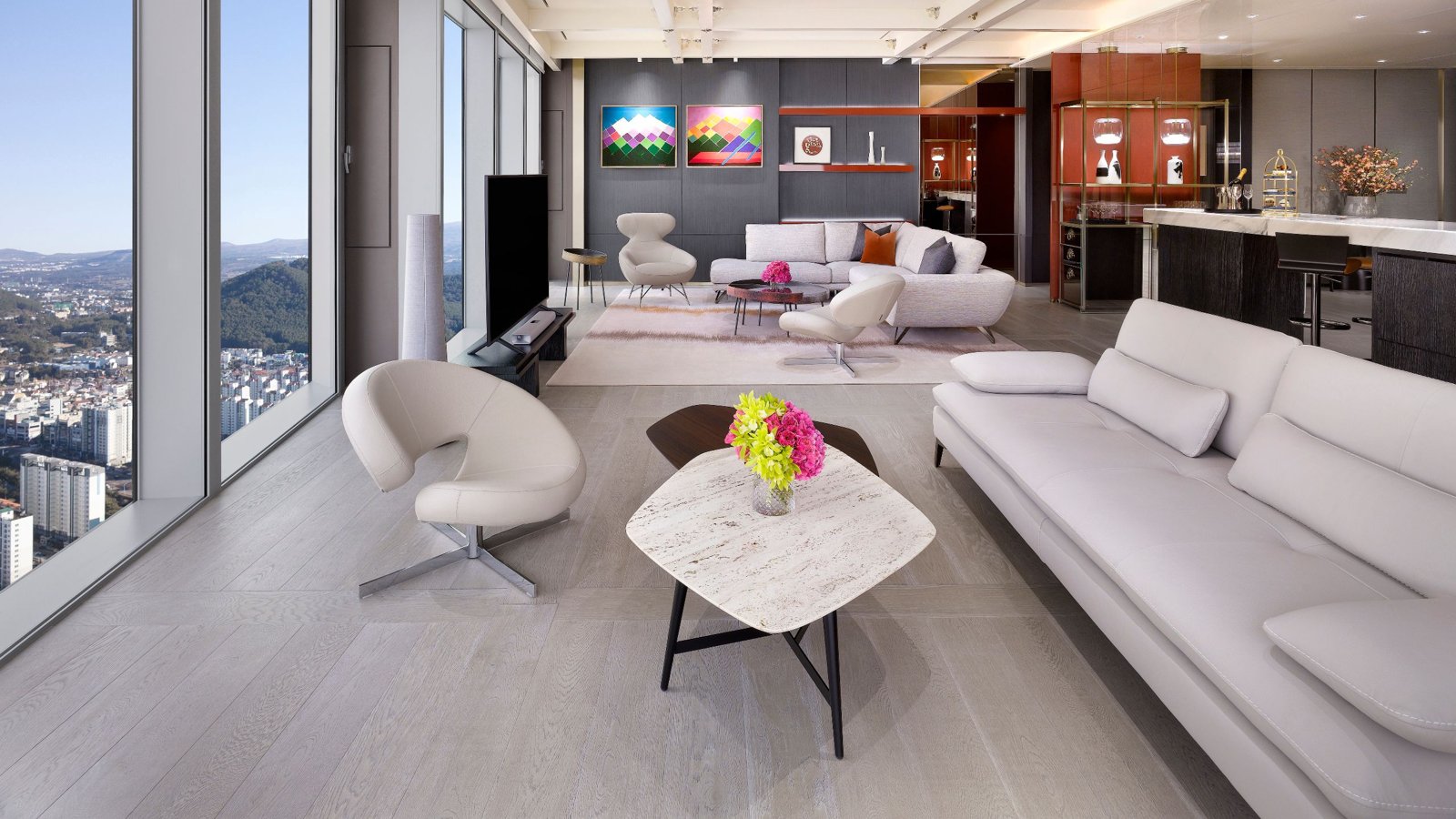
Parnas Hotel Jeju is worth considering if the priority is a polished Jungmun resort base with an easy booking process and a credible 2025 World Luxury Hotel Awards country win. The suite upgrade is worth it mainly for families or longer downtime-heavy stays; standard rooms make more sense if the trip is built around exploring Jeju.
About Parnas Hotel Jeju
Parnas Hotel Jeju is a hotel in Jeju-si with a confirmed 2025 World Luxury Hotel Awards country win. Beyond that recognition, it is best approached as a hotel to evaluate through current official information rather than through claims about rooms, dining, facilities, prices, or service style.
Upgrade only after confirming the room details
Compare the hotel's current room descriptions, cancellation terms, and total cost before booking. If extra space or a higher-category room matters to your trip, confirm exactly what is included directly with Parnas Hotel Jeju or your booking channel.
For a broader hotel comparison, use Our full Jeju-si hotels guide, or compare other hotel options such as JW Marriott Jeju Resort & Spa, LOTTE HOTEL JEJU, Lotte Resort Jeju Art Villas, Podo Hotel, and The Shilla Jeju.
Confirm practical needs before booking
Parnas Hotel Jeju may suit travelers considering a hotel stay in Jeju-si. Before committing, check the hotel's current official information and compare it with other Jeju options. For dining, bars, wineries, or experiences around the city, cross-check Our full Jeju-si restaurants guide, Our full Jeju-si bars guide, Our full Jeju-si wineries guide, and Our full Jeju-si experiences guide.
Planning details
- Location
- 100 Jungmungwangwang-ro 72beon-gil, Seogwipo-si, Jeju-do, South Korea
- Website
- parnashoteljeju.com
- Phone
- +82 64-801-5555
The take
The Take
The Vibe
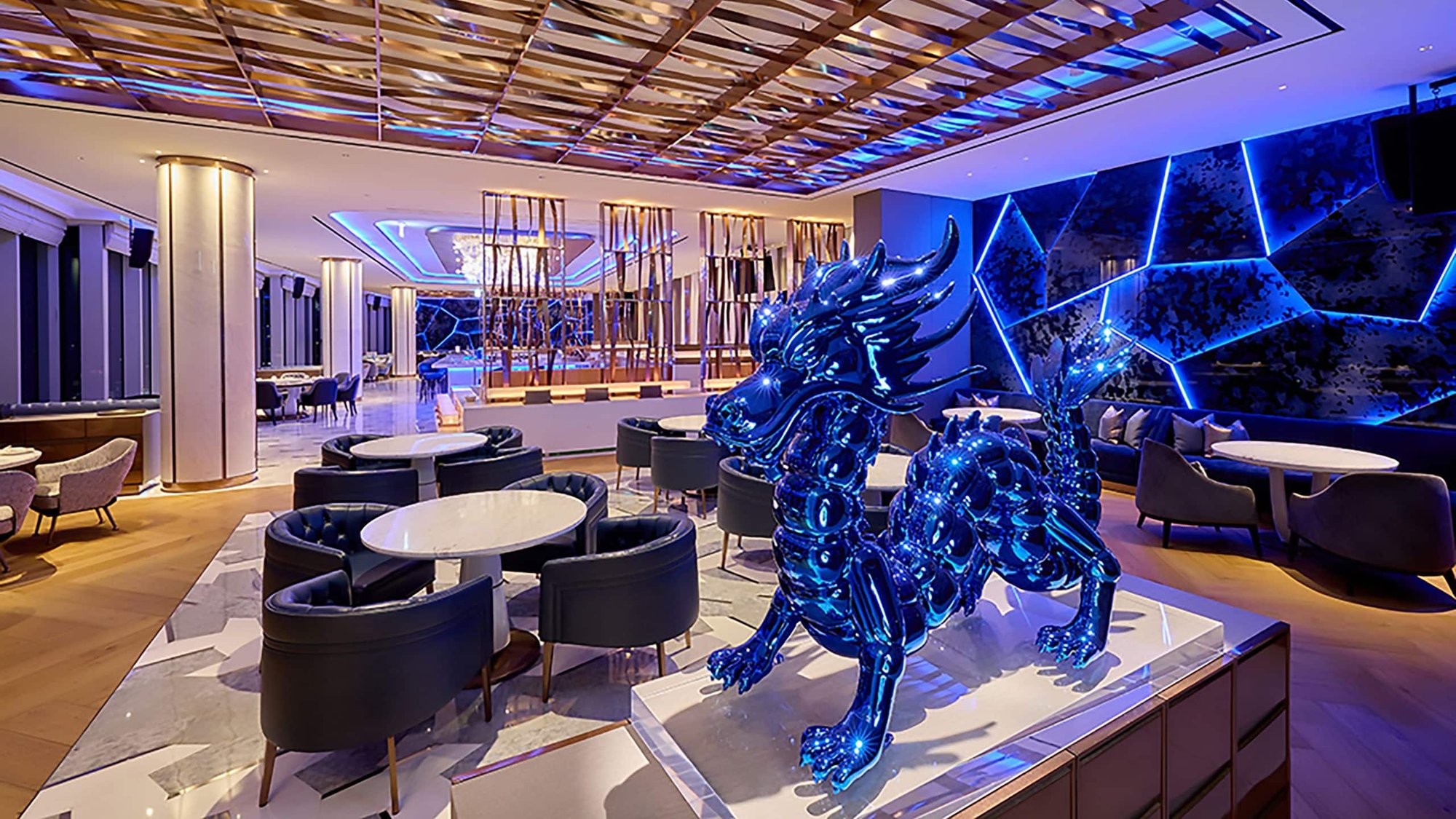
Parnas Hotel Jeju reads as a high-end, large-format resort that competes at the national level rather than simply within the island market. Positioned in Jungmun’s established corridor of premium properties, the hotel carries Country Winner recognition in the Luxury Destination Hotel category — language that underlines an explicitly upscale, sophisticated character. The copy emphasizes landscape access, amenity breadth, and the capacity to keep guests engaged on-property for multiple days, so the overall impression is of a polished, destination-minded resort built to deliver a full-service, luxury stay.
Best For
This property is best for travelers seeking a self-contained luxury resort experience on Jeju’s southern coast. The description stresses the hotel’s scale and amenity breadth and its ability to hold guests on-property across several days, which makes it a natural pick for families, couples on weekend escapes or romantic getaways, and domestic luxury travelers who expect comprehensive facilities. Its standing among well-known regional resort brands also signals suitability for guests booking special-occasion stays or multi-night itineraries focused on relaxation and on-site programming.
Stay Tips
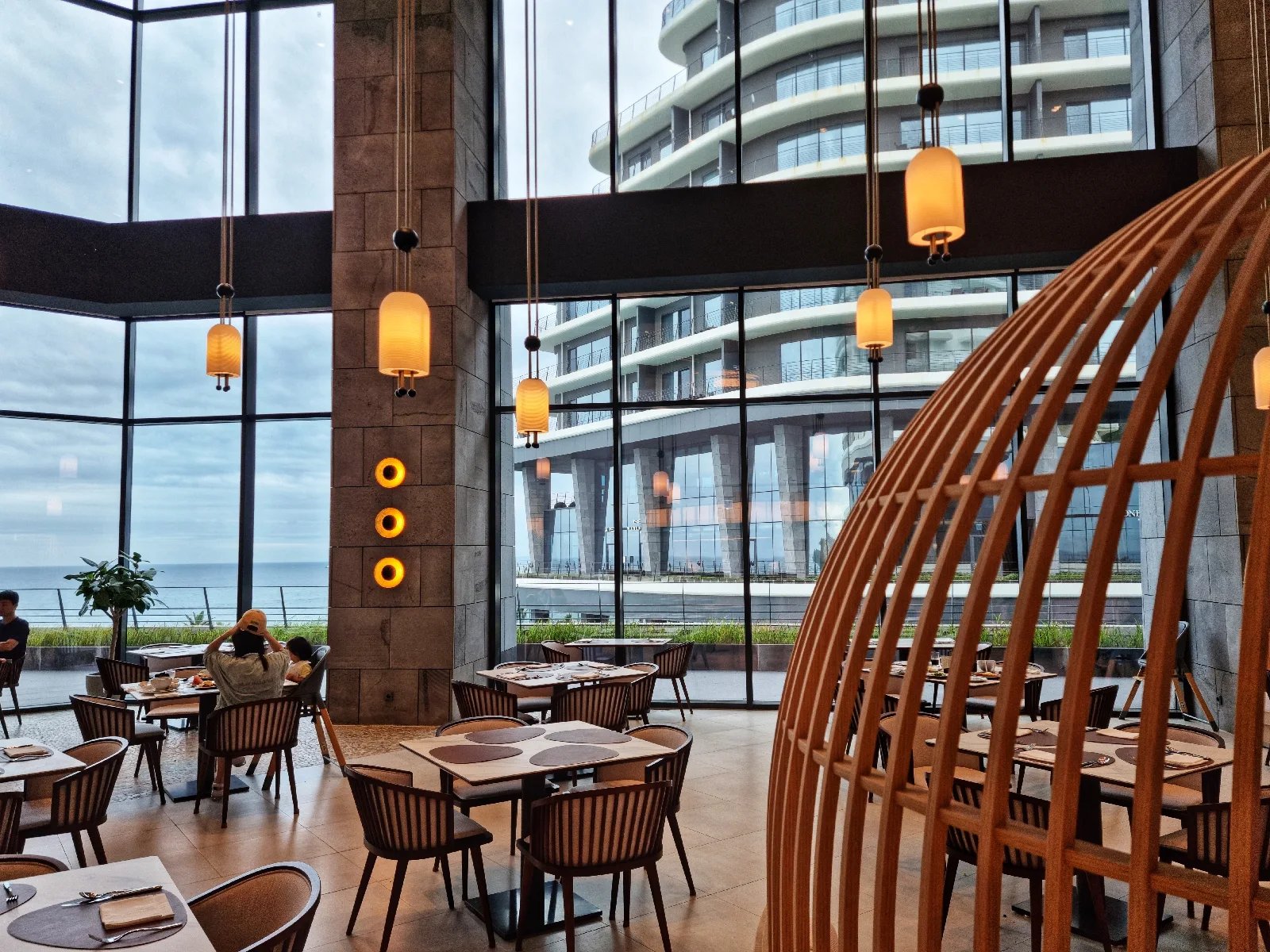
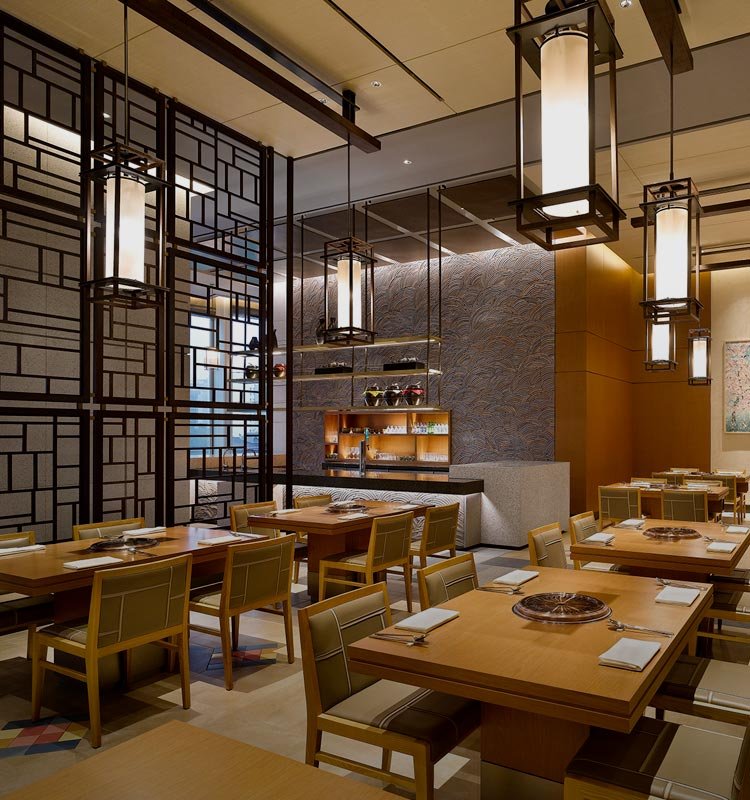
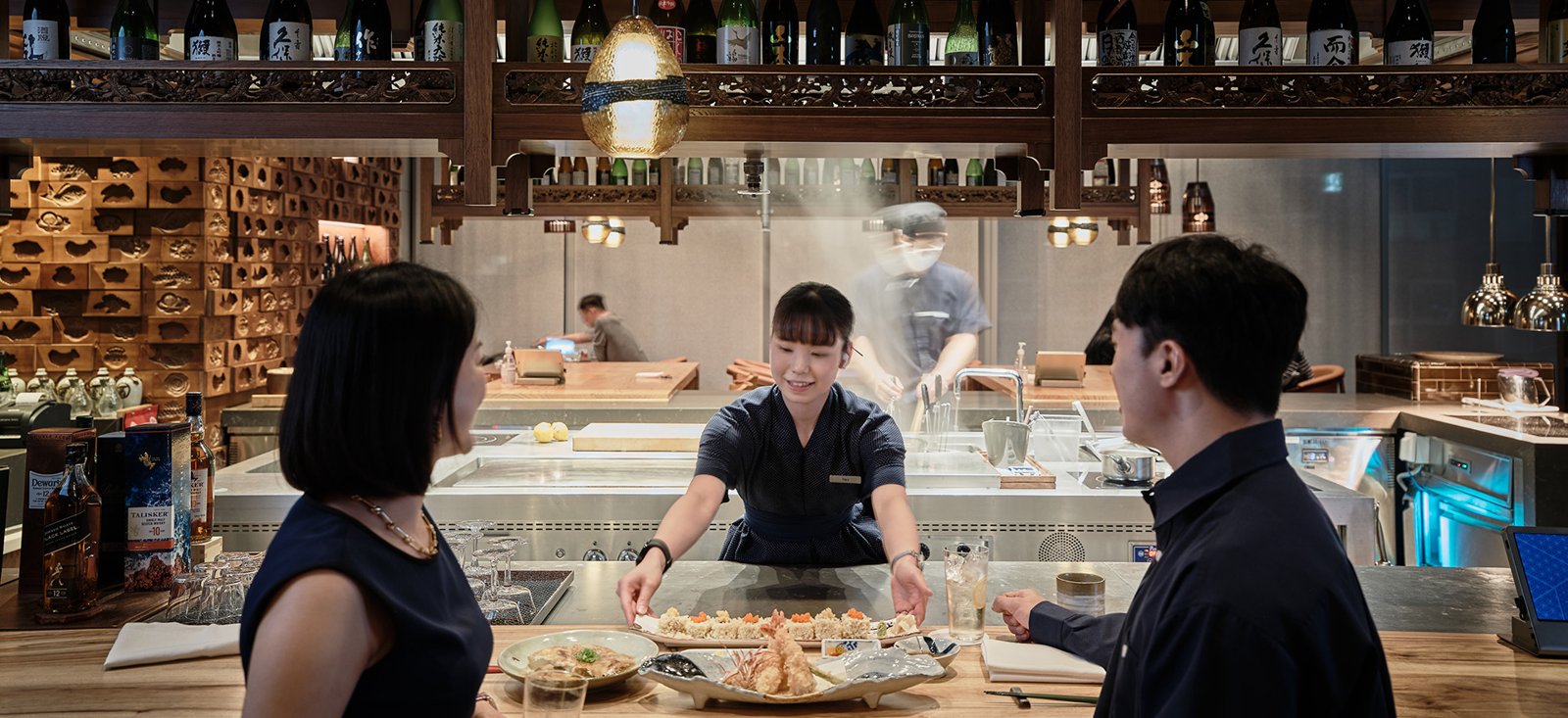
The description situates the hotel's dining program within Jeju’s indigenous culinary context, noting the island’s haenyeo-sourced seafood, black pork, and local citrus as core ingredients. Expect restaurants to reference those local components across menus rather than generic resort offerings. When you dine on-site, look for preparations that showcase haenyeo seafood, regional pork, and citrus accents — the narrative suggests the hotel’s kitchens engage directly with island produce and traditions as part of their resort dining proposition.
Venue details
Ambiance
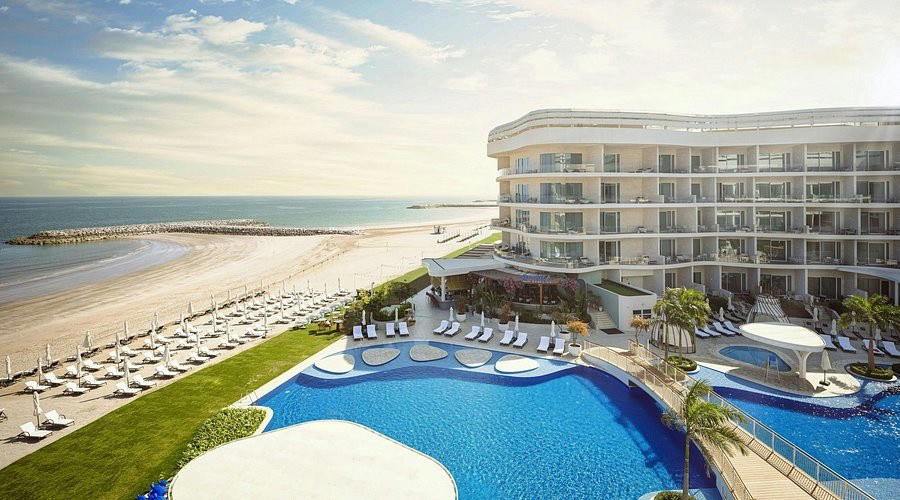
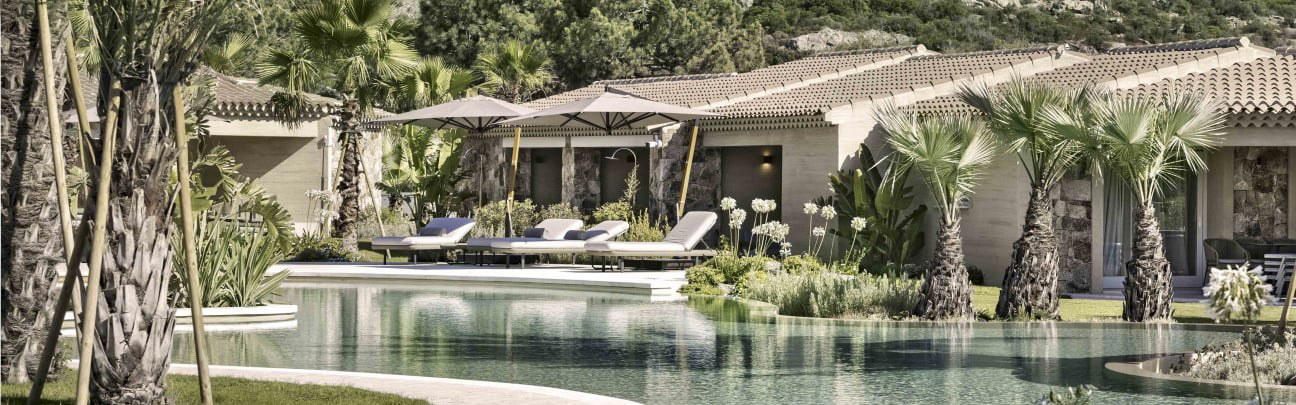
Modern and spacious rooms with ocean-view balconies, serene pool areas, and elegant furnishings creating a relaxing island retreat atmosphere.
Tags
Vibe
Best For
Experience
Amenities
View
Accessibility
About the Stay
- Rooms
- 307
- Check-in
- 15:00
- Check-out
- 11:00
- Property Style
- Modern Beachfront Resort with Spacious Suites and Club Level Luxury.
- Design Style
- Contemporary Elegant with Premium Bedding and Ocean View Balconies.
Know before you go
Know Before You Go
- Getting there
- 100 Jungmungwangwang-ro 72beon-gil, Seogwipo-si, Jeju-do, South Korea
Planning details
Location
100 Jungmungwangwang-ro 72beon-gil, Seogwipo-si, Jeju-do, South Korea · Directions
Recognition and awards
Also consider
Also Consider
- The Shilla Jeju, Notable alternative
- LOTTE HOTEL JEJU, Notable alternative
- Lotte Resort Jeju Art Villas, Notable alternative
- Podo Hotel, Notable alternative
- JW Marriott Jeju Resort & Spa, Notable alternative
Hotel context
How It Compares
Choose Parnas Hotel Jeju over The Shilla Jeju if booking ease and a contemporary resort base matter more than heritage-hotel cachet. The Shilla is the more obvious classic luxury comparison; Parnas is the cleaner pick for travelers who want less friction and are deciding mainly by room category, total cost, and resort comfort.
LOTTE HOTEL JEJU is the safer family-resort cross-shop if brand familiarity and larger-property energy matter. Lotte Resort Jeju Art Villas is better for groups who want villa-style privacy rather than a conventional hotel stay. Parnas sits between those two: easier than a villa decision, calmer than a full-scale family resort.
For a more design-led or retreat-style trip, compare Podo Hotel before committing; for a newer international luxury-resort feel, JW Marriott Jeju Resort & Spa is the sharper splurge comparison. Parnas is the practical middle: credible luxury signal, easy availability, and a strong case when the room category and location fit the itinerary.
Explore Jeju-si
Around this place
Discover more on Pearl
Unlock the full Parnas Hotel Jeju guide in Pearl, including awards, comparisons, FAQs, planning details, and nearby places.
Compare Parnas Hotel Jeju
| Venue | Location | Awards |
|---|---|---|
| Parnas Hotel Jeju | Jeju-si | World Luxury Hotel Awards 20252025 Michelin Selected Hotels |
| The Shilla Jeju | Seogwipo-si | 2026 La Liste Top Hotels2025 Michelin Selected Hotels |
| LOTTE HOTEL JEJU | Seogwipo-si | 2026 La Liste Top Hotels |
| Lotte Resort Jeju Art Villas | Seogwipo-si | 2026 La Liste Top Hotels |
| Podo Hotel | Seogwipo | No published awards |
| JW Marriott Jeju Resort & Spa | Seogwipo | 2026 Forbes Recommended2026 La Liste Top Hotels2026 Michelin 1 Key2025 Michelin 1 Key |




How Parnas Hotel Jeju compares with similar nearby venues.
FAQ
Frequently Asked Questions
Is Parnas Hotel Jeju family-friendly?
If you are planning a family stay, check Parnas Hotel Jeju's current official information before booking and compare it with options such as The Shilla Jeju.
How is the location of Parnas Hotel Jeju?
Is Parnas Hotel Jeju good for business travel?
Do loyalty programs work at Parnas Hotel Jeju?
Parnas Hotel Jeju has a confirmed 2025 World Luxury Hotel Awards country win, but earning, redemption, or elite-benefit rules should be checked directly with the hotel or your booking channel.
Which room category is best at Parnas Hotel Jeju?
Review the hotel's current room descriptions, inclusions, and cancellation terms before choosing a category.
How is the dining at Parnas Hotel Jeju?
If food is a main priority, check Parnas Hotel Jeju's current official information and compare with other Jeju hotel options such as JW Marriott Jeju Resort & Spa or Podo Hotel.
Are pool or spa details for Parnas Hotel Jeju?
If wellness facilities are important to the stay, confirm the current facilities directly with Parnas Hotel Jeju and compare with options such as JW Marriott Jeju Resort & Spa.