



Nayara Bocas del Toro
Isla Frangipani, Bocas del Toro, Isla Frangipani
Hotel in Isla Frangipani, Panama
 Book with Pearl
The Read
Caribbean Overwater Isolation
Price
$1,000–1,500per night
Why go
Nayara Bocas del Toro is worth shortlisting for a luxury private-island Panama stay, especially for couples who want the resort to be the trip's main focus. Its MICHELIN Guide Hotels 2 Keys, Leading Hotels of the World membership, Condé Nast recognition, and Virtuoso status make booking-channel strategy important, especially for upgrades and included-value perks.
About Nayara Bocas del Toro
Is Nayara Bocas del Toro worth booking for a first Isla Frangipani stay? It is a credible option if you are prioritizing a recognized luxury-hotel property and are comfortable making Isla Frangipani the focus of the trip. The hotel's recognition is hotel-focused rather than restaurant- or activity-specific: MICHELIN Guide Hotels 2 Keys for 2025, Leading Hotels of the World membership for 2025, Condé Nast Best Resorts #20 for 2025, and Virtuoso Luxury Hotel Partner status for 2026.
The decision should come down to whether those hotel credentials matter for your trip. Room types, cuisine, transfer details, wellness facilities, prices, or service inclusions should be checked directly before booking. What is clear is that Nayara Bocas del Toro belongs in the conversation for travelers comparing higher-end island-resort stays.
Book for recognized luxury, confirm details
The strongest reason to consider this hotel is its recognition profile. MICHELIN Guide Hotels 2 Keys, Leading Hotels of the World membership, Condé Nast Best Resorts #20 recognition, and Virtuoso Luxury Hotel Partner status all point to a property that has been noticed by major hotel and travel networks. Those signals are useful when comparing Nayara Bocas del Toro with options such as Bocas Bali Luxury Water Villas, Isla Palenque, Islas Secas, Selva Terra Island Resort, or Hotel Aguas Claras.
Those recognitions do not detail every practical aspect a guest may care about. They do not, on their own, guarantee a particular view, menu format, spa program, transfer arrangement, upgrade, or included benefit. For that reason, the safest booking approach is to treat the awards as trust signals, then confirm the exact stay details through the hotel or booking channel before committing.
Loyalty value depends on booking channel and specific benefits
Virtuoso Luxury Hotel Partner status and Leading Hotels of the World membership may be relevant for travelers who book through those channels, but particular inclusions are not specified. Before choosing a rate, confirm what is actually attached to the booking, especially if you are comparing flexible rates, advisor-linked reservations, or other hotel-program options.
As room categories, prices, transfer details, or seasonal demand patterns are not available, avoid building the trip around assumptions. Decide first whether Nayara Bocas del Toro's Isla Frangipani location and hotel-recognition profile fit the trip, then confirm availability, inclusions, and any practical requirements directly.
Quick reference: book this for a recognized Isla Frangipani hotel with luxury-travel credentials; compare alternatives if you need specific details on dining, wellness, room layout, pricing, or logistics before deciding.
Planning details
- Location
- Isla Frangipani
- Website
- nayarabocasdeltoro.com
- Phone
- +5078388362
The take
The Take
The Vibe
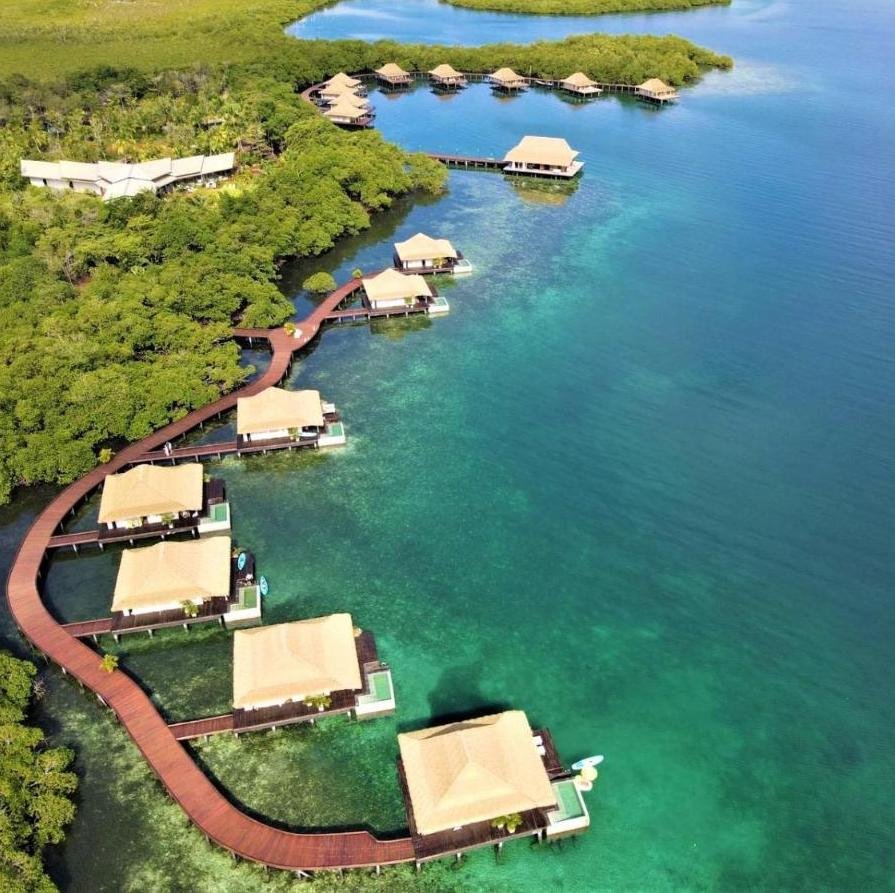
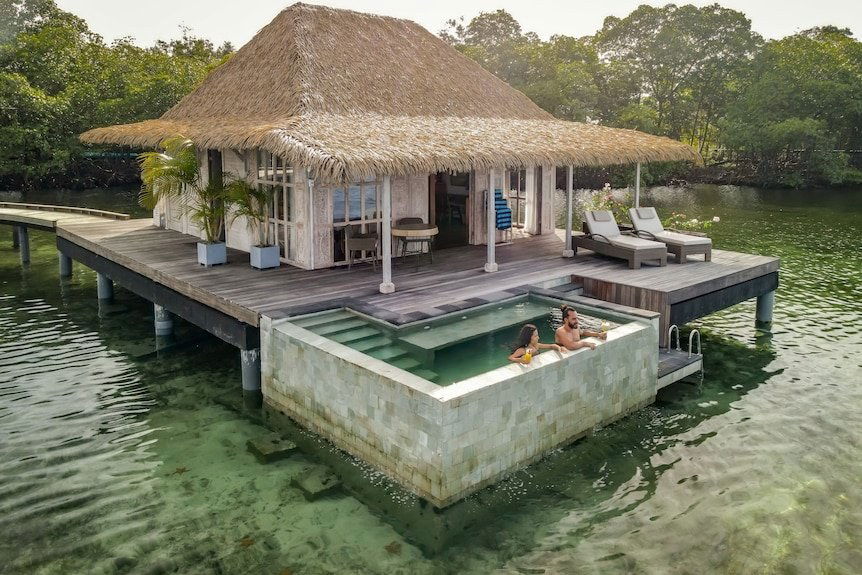
Nayara Bocas del Toro reads as an eco-luxury retreat that privileges the archipelago's natural architecture over conventional beachfront spectacle. Arrivals by water taxi underscore the property's remote, deliberately chosen location on Isla Frangipani, where dense canopy frames the buildings and the surrounding biodiversity becomes the primary backdrop. The hotel’s placement in Leading Hotels of the World and Condé Nast listings signals refined service and thoughtful design, but the experience remains calm and unforced—an understated luxury that leans into conservation, local sourcing, and the steady rhythms of a Caribbean island rather than flashier tourist trappings.
Best For
This is a property for travelers who prize nature as the point of arrival: serious naturalists, couples seeking a secluded luxury escape, and anyone looking for a restorative stay anchored in conservation-minded operations. The island’s remoteness filters out casual crowds, making it a fit for honeymooners and anniversary celebrations already noted in the profile, and for solo explorers pursuing biodiversity and fieldwork-adjacent experiences. Guests who value a considered food programme and an immersive landscape over beach-club energy find the hotel most rewarding.
Stay Tips
Make the most of the on-site kitchen by leaning into its zero-kilometre ethos: inquire about which local farms and producers are highlighted each day and ask servers for dishes that showcase seasonal island ingredients. Plan travel logistics around the water-taxi arrival from Bocas del Toro town so you have time to settle in before dinner, and consider timing an evening meal to coincide with the island’s changing late-afternoon light—the approach and canopy-framed setting are central to the experience and inform both dining and timing choices.
Venue details
Ambiance
Serene and luxurious with understated elegance; guests describe the atmosphere as peaceful, relaxed, and first-class without ostentation, enhanced by tropical gardens, ocean views, and attentive service delivered with genuine warmth.
Tags
Vibe
Best For
Experience
Amenities
View
Accessibility
About the Stay
- Rooms
- 18
- Check-in
- 15:00
- Check-out
- 12:00
- Property Style
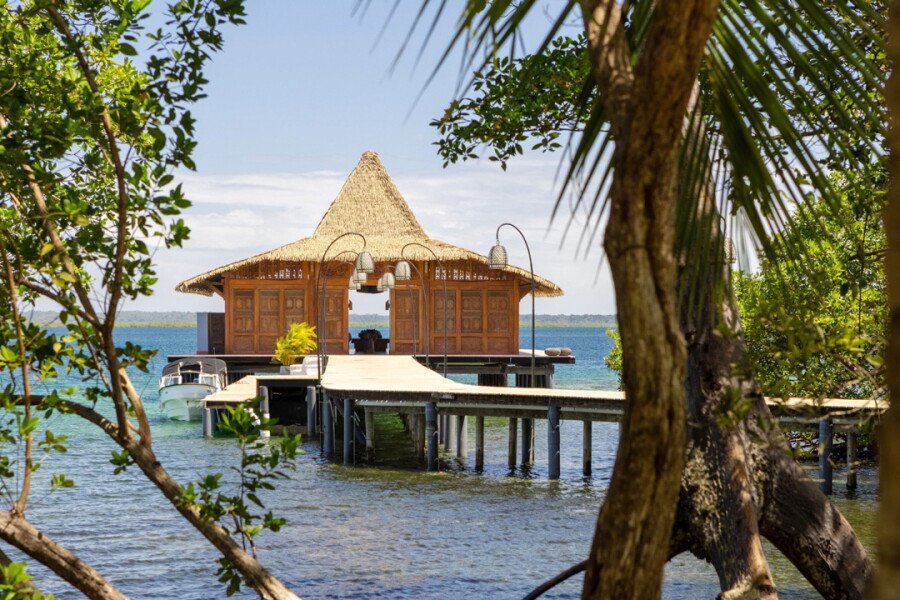
- Balinese Inspired Luxury Overwater Resort with Sustainable Design Principles and Understated Elegance Emphasizing Privacy and Nature Connection.
- Design Style
- Balinese Aesthetic with Teak Wood Construction, Four Poster Canopy Beds, Modern Minimalist Touches, and Organic Integration with Tropical Environment; Treehouses Feature Whimsical Egg Shaped Doors and Curved Wood Rescued From Panama Canal.
- Breakfast
- Included
- Airport Transfer
- Available
- Pool
- Yes
- Spa
- Yes
- Cancellation
- Moderate
Know before you go
Know Before You Go
- Getting there
- Isla Frangipani
Planning details
Location



Also consider
Where to look if this is not available
Try Bocas Bali Luxury Water Villas first if the goal is to stay close to the same over-water, island-resort idea. Look at Islas Secas if the dates are flexible and the trip can shift toward a bigger private-island splurge elsewhere in Panama.
Hotel context
How it compares with Panama island and beach peers
Against Bocas Bali Luxury Water Villas, Nayara Bocas del Toro is the more credential-led choice, with stronger formal hotel recognition for travelers who care about vetted luxury signals. Bocas Bali Luxury Water Villas is the cleaner cross-shop if the main draw is an over-water villa format in the same island orbit, while Nayara is the safer pick for guests prioritizing affiliation, advisor-booking value, and a polished resort framework.
Isla Palenque and Islas Secas are better comparisons for travelers willing to leave Isla Frangipani for a broader Panama nature-resort trip. Choose Isla Palenque if the brief leans more remote-island escape with a different regional feel; choose Islas Secas if the trip is built around a higher-commitment private-island splurge. Nayara Bocas del Toro is easier to justify when Bocas is already the target destination.
Selva Terra Island Resort and Hotel Aguas Claras sit better for travelers who want a looser, less formal beach or nature stay. They are the sensible cross-shops when ambiance matters more than luxury-program benefits. If upgrade priority, recognition, and a resort-first stay matter, Nayara is the stronger call; if budget flexibility and a lighter footprint matter more, start with those alternatives.
Explore Isla Frangipani
Around this place
Discover more on Pearl
Unlock the full Nayara Bocas del Toro guide in Pearl, including awards, comparisons, FAQs, planning details, and nearby places.
Compare Nayara Bocas del Toro
| Venue | Location | Awards |
|---|---|---|
| Nayara Bocas del Toro | Isla Frangipani | 2026 Virtuoso Luxury Hotel CollectionLeading Hotels of the World 20262026 Michelin 2 Keys2025 Conde Nast Best Resorts · #20Michelin 2 Keys 20252025 Michelin 2 Keys |
| Bocas Bali Luxury Water Villas | Isla Frangipani | No published awards |
| Selva Terra Island Resort | San Lorenzo | No published awards |
| Isla Palenque | San Lorenzo | 2026 Michelin 2 Keys2025 Michelin 2 Keys |
| Hotel Aguas Claras | Puerto Viejo | 2026 Michelin 1 Key2025 Michelin 1 Key |
| Islas Secas | Boca Chica | 2026 Robb Report The 50 Greatest Luxury Hotels on Earth · #92026 Virtuoso Luxury Hotel Collection2025 Robb Report The 50 Greatest Luxury Hotels on Earth · #23 |



How Nayara Bocas del Toro compares with similar nearby venues.
FAQ
Frequently Asked Questions
When is the best time to book Nayara Bocas del Toro?
A best booking season or demand pattern is not specified. Once your travel dates are firm, compare availability and terms directly through the hotel or your booking channel. The hotel's recognition includes MICHELIN Guide Hotels 2 Keys for 2025 and Virtuoso Luxury Hotel Partner status for 2026.
How is the location of Nayara Bocas del Toro?
Nayara Bocas del Toro is in Isla Frangipani. If you are comparing it with Hotel Aguas Claras or other regional stays, focus on whether Isla Frangipani itself fits the trip rather than assuming specific transfer times, activities, or access details that are not specified.
How is the dining at Nayara Bocas del Toro?
A cuisine type, chef, menu format, restaurant name, or dining schedule is not specified. Treat dining details as something to check directly with the hotel. If dining is a major priority, compare Nayara Bocas del Toro with options such as Islas Secas or Isla Palenque before booking.
How is the pool and spa at Nayara Bocas del Toro?
Pool or spa details are not specified. The hotel has recognition from MICHELIN Guide Hotels, Leading Hotels of the World, Condé Nast, and Virtuoso, but those signals should not be used as proof of specific wellness facilities or services.
Do loyalty programs work at Nayara Bocas del Toro?
Nayara Bocas del Toro is a Virtuoso Luxury Hotel Partner for 2026 and a Leading Hotels of the World member for 2025. Specific benefits, inclusions, or upgrade terms are not specified, so confirm them through the booking channel before choosing a rate. Bocas Bali Luxury Water Villas may be worth comparing if you are weighing different regional hotel options.
Which room category is best at Nayara Bocas del Toro?
Room categories, views, layouts, or prices are not identified. Choose only after confirming the current room descriptions and inclusions directly with the hotel or booking channel. The dress code is smart casual.