
Bocas Bali Luxury Water Villas
Isla Frangipani
Hotel in Isla Frangipani, Panama
 Book with Pearl
The Read
Caribbean Overwater Architecture
Why go
Bocas Bali Luxury Water Villas is a better fit for travelers prioritizing water-villa privacy in Bocas del Toro than for families who need confirmed kids' facilities, loyalty benefits, or a highly programmed resort stay. First-timers should compare transfer logistics and on-site needs against Nayara Bocas del Toro and Isla Palenque before booking.
About Bocas Bali Luxury Water Villas
Bocas Bali Luxury Water Villas is a venue in Isla Frangipani. This guide is best used as a cautious starting point rather than a complete booking brief.
If you are comparing options, focus first on what Bocas Bali Luxury Water Villas confirms through its official channels. You can also compare it with Nayara Bocas del Toro and the wider options in our full Isla Frangipani hotels guide before committing.
Book only after confirming the essentials
The safest approach is to verify the basics directly before booking: location in Isla Frangipani, arrival logistics, room details, dining availability, family suitability, amenities, cancellation terms, and any other requirements that matter for your trip. For broader comparison, consider Bocas Bali Luxury Water Villas alongside Hacienda AltaGracia, Auberge Resorts Collection; Hotel Aguas Claras; Isla Palenque; Nayara Bocas del Toro; and Selva Terra Island Resort, while keeping in mind that each may have a different setting and style.
Planning details
- Location
- Isla colon, Bocas del Toro, Provincia de Bocas del Toro
- Website
- nayarabocasdeltoro.com
- Phone
- +5078388362
The take
The Take
The Vibe
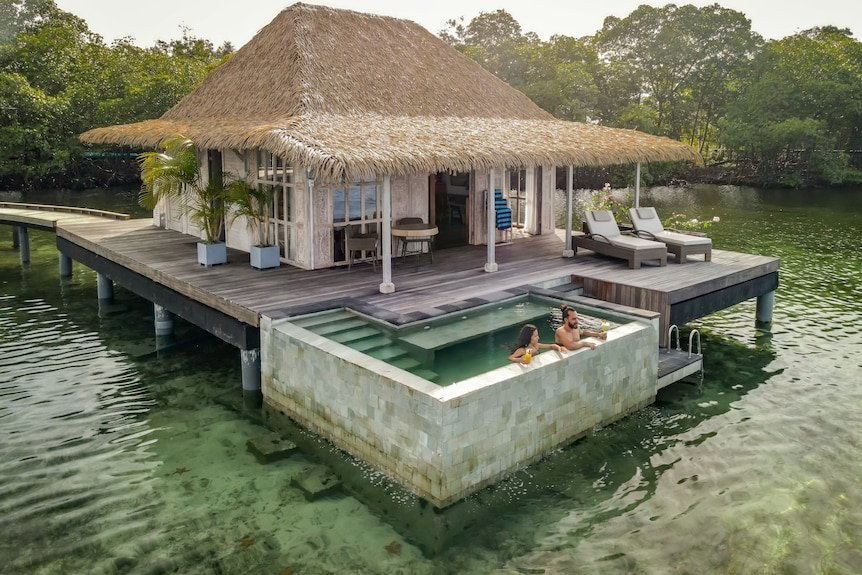
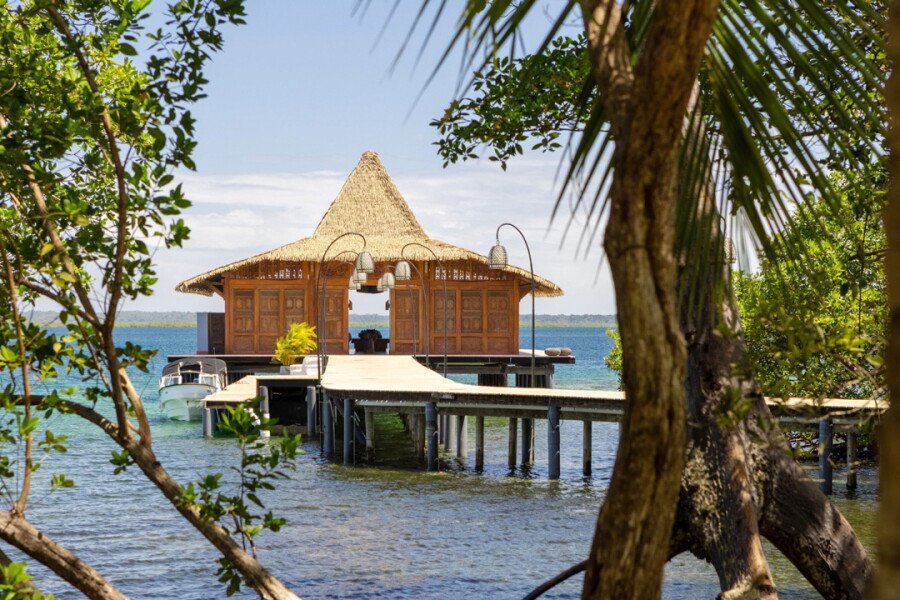
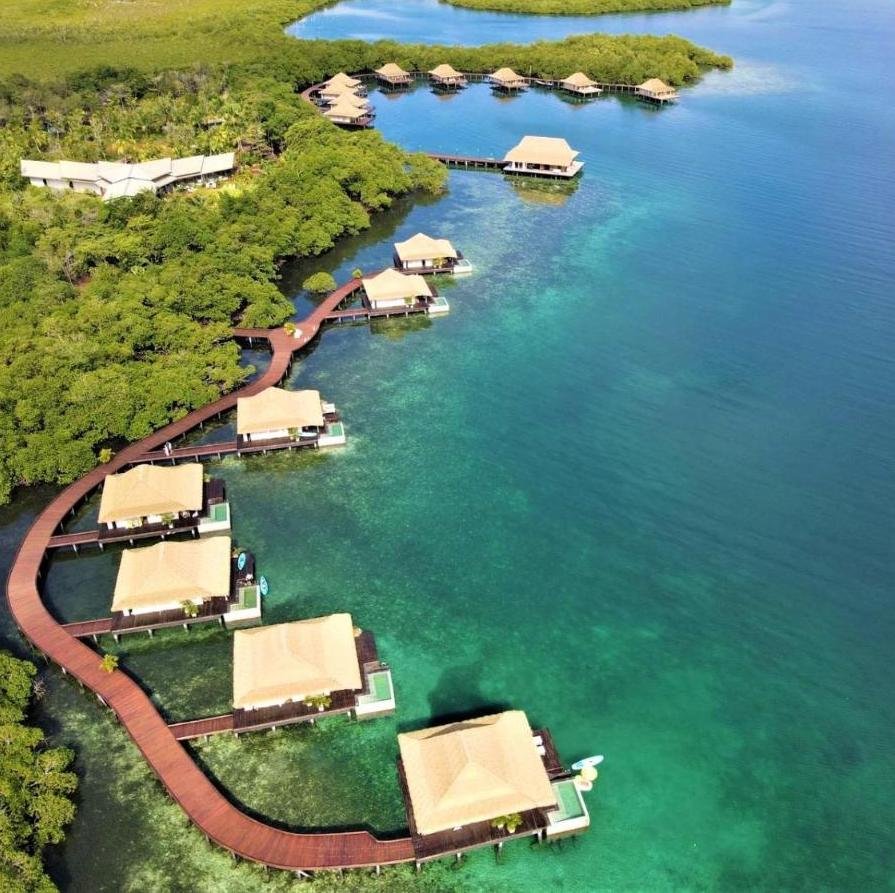
Bocas Bali Luxury Water Villas is a deliberately quiet, contemplative escape built on stilts above the Caribbean. The sixteen overwater villas emphasize sensory removal from land: boat transfers replace road noise, nights are defined by the stillness of open water, and days are scored by reef sounds. Architect Andres Brenes anchors the project in Panamanian material culture rather than exporting another South Pacific aesthetic, so the design reads as regional and considered. The overall effect is serene and intimate, a design-forward waterfront property that foregrounds calm, privacy, and a close relationship with the sea.
Best For
This small overwater property is best suited to travelers seeking seclusion and a design-minded luxury stay. The setting and quietude make it an obvious pick for romantic escapes such as honeymoons and anniversaries, and the limited scale and restorative atmosphere align with wellness-focused getaways and short weekend retreats. Because access is by boat and the villas emphasize privacy, it appeals to guests who want to disconnect from towns and traffic and prioritize calm, water-centered experiences over impulse outings or bustling resort activity.
Stay Tips
Plan logistics ahead: the property is accessible only by water, and the description notes a boat transfer from Isla Colón, so confirm transfer schedules when you book. With just sixteen villas and a small inventory, reserve early—especially for peak travel periods or special dates. Expect limited opportunity to wander into town on a whim, so check meal and provisioning options in advance and coordinate arrival times with the resort. Treat the stay as intentionally removed from mainland conveniences to get the most from the quiet, overwater experience.
Venue details
Ambiance
Serene and tranquil with natural light filtering through thatched roofs, romantic Balinese canopies over king beds, and peaceful ocean views creating a dreamy, luxurious escape.
Tags
Vibe
Best For
Experience
Amenities
View
Accessibility
About the Stay
- Rooms
- 18
- Property Style
- Balinese Inspired Overwater Luxury Villas and Treehouses on a Private Eco Island.
- Design Style
- Balinese with Carved Teak Wood, Tumpang Sari Canopies, Natural Materials, and Open Air Jungle Aesthetics.
Know before you go
Know Before You Go
- Getting there
- Isla colon, Bocas del Toro, Provincia de Bocas del Toro
Planning details
Location
Isla colon, Bocas del Toro, Provincia de Bocas del Toro · Directions
Also consider
Also Consider
- Nayara Bocas del Toro, Notable alternative
- Selva Terra Island Resort, Notable alternative
- Isla Palenque, Notable alternative
- Hotel Aguas Claras, Notable alternative
- Hacienda AltaGracia, Auberge Resorts Collection, Notable alternative
Hotel context
How It Compares
Against Nayara Bocas del Toro, Bocas Bali Luxury Water Villas is the choice to consider when the room format and over-water setting are the point of the trip. Nayara Bocas del Toro is the cleaner cross-shop for travelers who want another Isla Frangipani option before deciding, especially if family suitability and resort logistics matter more than the water-villa idea.
Selva Terra Island Resort and Isla Palenque are better comparison points for travelers open to going out of metro for a broader island-resort decision. Choose Bocas Bali Luxury Water Villas if staying in Bocas del Toro is central to the plan; look at Isla Palenque if the destination can flex and the priority is a different Panama island base.
Hotel Aguas Claras and Hacienda AltaGracia, Auberge Resorts Collection sit outside the immediate Isla Frangipani decision. They make sense as cross-shops for travelers comparing ambiance and overall trip style rather than a like-for-like Bocas water-villa stay. For the easiest decision, keep Bocas Bali Luxury Water Villas on the shortlist only if privacy and the island setting outweigh the need for published family amenities or loyalty-program certainty.
Explore Isla Frangipani
Around this place
Discover more on Pearl
Unlock the full Bocas Bali Luxury Water Villas guide in Pearl, including awards, comparisons, FAQs, planning details, and nearby places.
Compare Bocas Bali Luxury Water Villas
| Venue | Location | Awards |
|---|---|---|
| Bocas Bali Luxury Water Villas | Isla Frangipani | 2025 Michelin 2 Keys |
| Nayara Bocas del Toro | Isla Frangipani | 2026 Virtuoso Luxury Hotel CollectionLeading Hotels of the World 20262025 Conde Nast Best Resorts · #20Michelin 2 Keys 20252025 Michelin 2 Keys |
| Selva Terra Island Resort | San Lorenzo | No published awards |
| Isla Palenque | San Lorenzo | 2025 Michelin 2 Keys |
| Hotel Aguas Claras | Puerto Viejo | 2025 Michelin 1 Key |
| Hacienda AltaGracia, Auberge Resorts Collection | Pérez Zeledón | 100 Most Incredible Hotels in the World · 20262026 Virtuoso Luxury Hotel Collection2026 Mr & Mrs Smith Luxury Hotels2026 La Liste Top Hotels2025 Travel + Leisure 100 Favorite Hotels in the World · #182025 Conde Nast Hotels Gold List |







How Bocas Bali Luxury Water Villas compares with similar nearby venues.
FAQ
Frequently Asked Questions
Is Bocas Bali Luxury Water Villas family-friendly?
Family suitability should be confirmed directly with Bocas Bali Luxury Water Villas before booking. If you are traveling with children, confirm room setup, safety considerations, dining, activities, and policies directly with Bocas Bali Luxury Water Villas before booking. You can also compare it with Nayara Bocas del Toro or Hotel Aguas Claras.
How does Bocas Bali Luxury Water Villas compare to other hotels?
The information here is limited to the venue name and Isla Frangipani location, so a detailed feature-by-feature comparison is not possible from this page alone. For context, compare Bocas Bali Luxury Water Villas with Nayara Bocas del Toro, Selva Terra Island Resort, Isla Palenque, Hotel Aguas Claras, and HaciendaAltaGracia, Auberge Resorts Collection, then confirm each property's current details directly.
Do loyalty programs work at Bocas Bali Luxury Water Villas?
If points, elite benefits, or member rates matter, confirm directly with Bocas Bali Luxury Water Villas before booking, and compare with other properties such as Hacienda AltaGracia, Auberge Resorts Collection where relevant.
How is the dining at Bocas Bali Luxury Water Villas?
What is check-in like at Bocas Bali Luxury Water Villas?
Which room category is best at Bocas Bali Luxury Water Villas?
Ask Bocas Bali Luxury Water Villas directly about current room types, views, layouts, occupancy limits, and privacy before choosing a category.