

Ceylon Tea Trails
Interior
Hotel in Interior, Sri Lanka
 Book with Pearl
The Read
Colonial Bungalow Immersion
Why go
Is Ceylon Tea Trails worth building a Sri Lanka itinerary around? Yes, if tea country is a main event rather than a pass-through stop. Its Michelin 3 Keys recognition in 2025 and Relais Chateaux Award in 2026 make it a serious luxury pick, but the remote estate setting rewards slower travelers more than fast-moving itineraries.
About Ceylon Tea Trails
Ceylon Tea Trails is a venue in Interior with two notable distinctions: Michelin 3 Keys in 2025 and a Relais Chateaux Award in 2026. These recognitions are strong signals, providing a clear editorial anchor without requiring assumptions about the experience itself. Beyond those recognitions, practical information is limited, so planning should stay focused on basics rather than assumed details about services, dining, or location beyond Interior. In other words, this listing is a concise, recognition-led snapshot: notable for its accolades, but without enough operational detail to describe the full visit with confidence.
The dress code is smart casual. This is the main practical guidance, and confirm any operational details directly with the venue before making plans. Smart casual is useful as a broad cue for packing and presentation, but it should not be stretched into conclusions about formality, dining structure, or event expectations. If your plans depend on what to wear for a specific setting, or on whether the dress code is applied differently across parts of the venue, the prudent move is to ask the venue for current guidance rather than relying on inference.
Book with details in mind
Ceylon Tea Trails is best assessed by its location in Interior, its smart casual dress code, and its recognition from Michelin and Relais Chateaux. Those points are meaningful, but they are also narrow. Specific claims about room types, dining formats, pricing, services, or exact location details should not be assumed. For a Pearl-style booking decision, that distinction matters: a venue can be highly recognized while still requiring direct confirmation on the practical details that shape an individual plan.
If those points are enough to support your trip, the next step is to check current availability and policies through the venue or your booking channel. That is especially important because this listing does not establish all the details that many travelers use to make final decisions. If you need more detailed information before committing, ask the venue directly for the latest specifics. A short confirmation step can clarify details, including the current conditions, inclusions, and any requirements that may affect your visit.
Who should cross-shop before committing
Cross-shop if you need to compare Ceylon Tea Trails with other options before deciding. This is not because the recognitions are weak; rather, it is because the information is limited, and comparison can help you decide whether the profile is enough for your needs. Other named options to consider include Ceylon Tea Trails, Nine Skies, Taru Villas Levita - Kandy, The Golden Ridge, Uga Halloowella, and W15 Hanthana Estate Kandy. Use that comparison to test the basics you care about most, while considering each option.
The verdict: consider Ceylon Tea Trails if its recognitions and Interior location fit your plans. It has a strong awards profile and a simple dress-code note, but not enough detail to support broader claims about the experience. If you need detailed information on specific services, dining, pricing, or facilities before booking, confirm those directly before committing. That approach keeps the decision grounded: attractive where details are available, cautious where information is silent.
Inside Ceylon Tea Trails
Planning details
- Location
- Dunkeld Estate, Hatton, 22000, Sri Lanka
- Website
- resplendentceylon.com/ceylon-tea-trails
- Phone
- +94117745730
The take
The Take
The Vibe
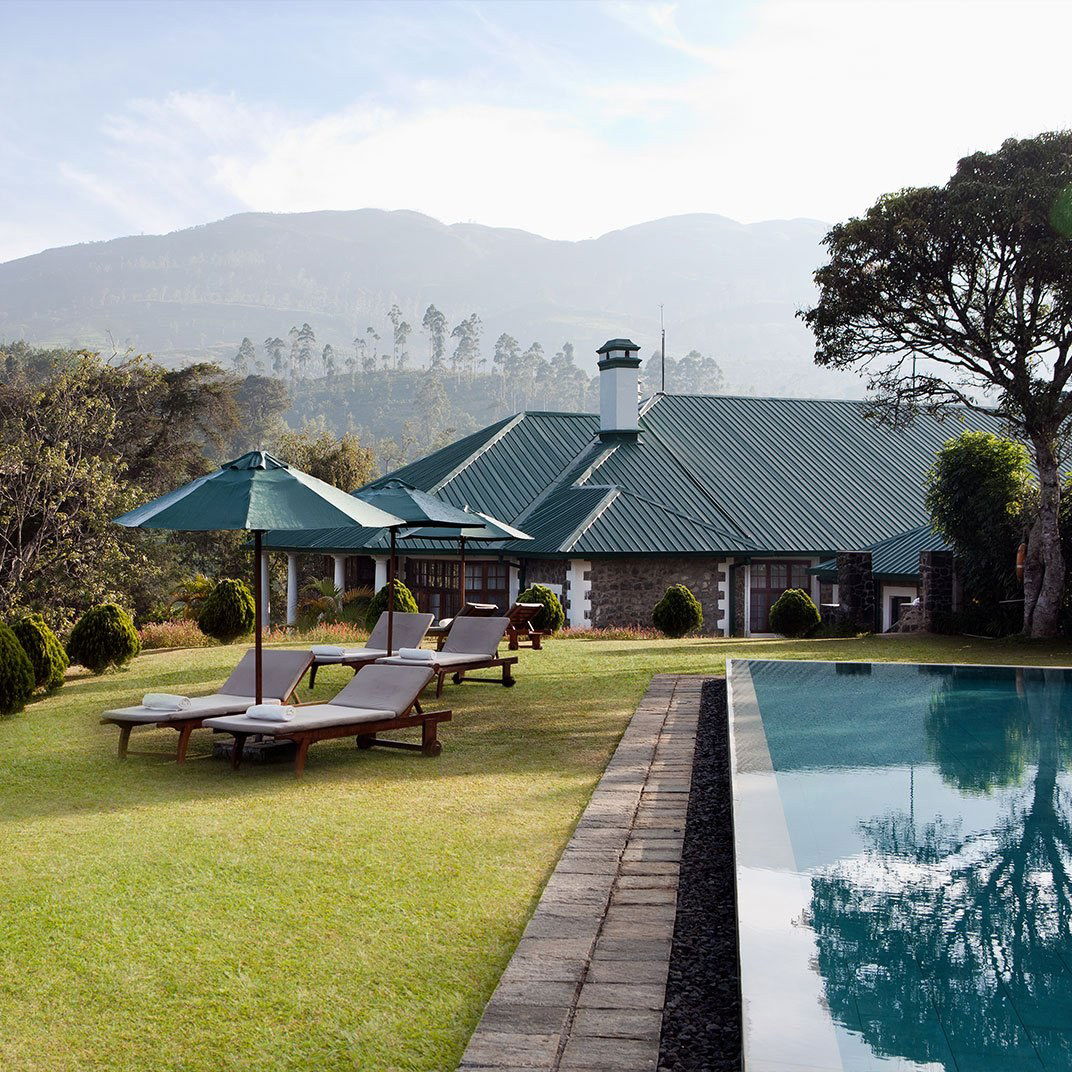
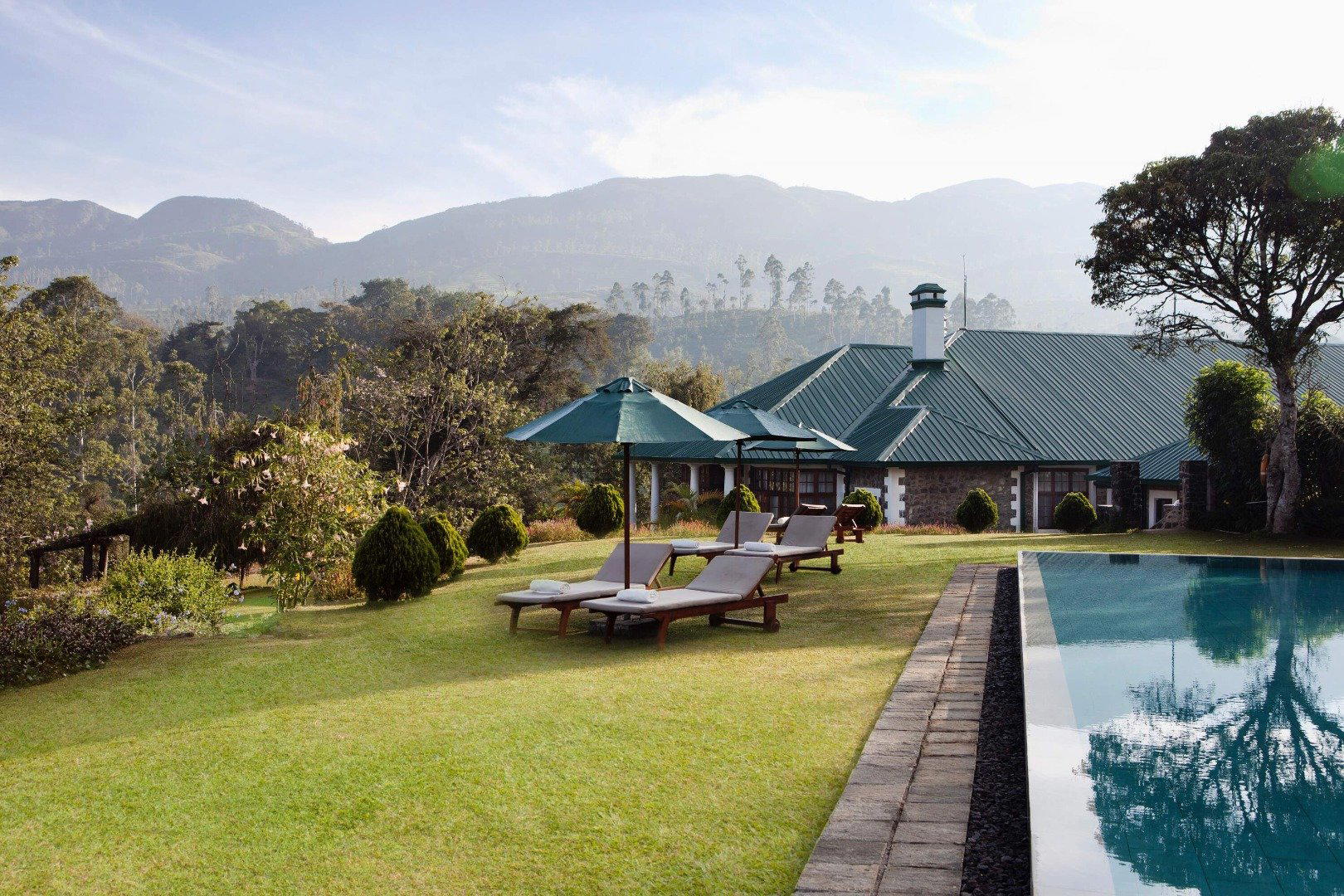
Ceylon Tea Trails reads as a quietly refined highland retreat where colonial-era plantation bungalows are sensitively restored and repurposed for contemporary comfort. The conserved architectural bones—high-pitched roofs and broad verandas—frame views of terraced tea slopes and create an atmosphere that is measured rather than theatrical. Because the bungalows are dispersed along a valley, the place feels private and unhurried; the emphasis is on slow appreciation of setting, history and altitude. The overall tone is elegant and contemplative, favoring solitude, long verandah hours and the steady presence of the surrounding tea landscape.
Best For
This property is best for travelers seeking a secluded highland escape that privileges privacy and heritage character. Couples and honeymooners find intimacy in the dispersed bungalow layout and the preserved colonial architecture; guests who want to pair rugged coastline time with calm mountain days will appreciate the logical itinerary connections the text suggests. The estate suits visitors who value scenic walks across tea terraces, restorative quiet and an immersive sense of place rather than a busy resort program or urban amenities.
Stay Tips
Plan logistics around the journey: the road from Colombo takes roughly four hours with a winding final ascent to about 4,000 feet, and Kandy is roughly two hours away. The property comprises four plantation bungalows spread across a valley, so anticipate a dispersed layout and a sense of privacy. If your trip combines coastline and highlands, the description explicitly recommends pairing this stay with coastal hotels such as Amangalla in Galle or Amanwella in Tangalle to create a balanced itinerary that moves from sea level to mountain tranquility.
Venue details
Ambiance
Serene and tranquil with refined elegance; guests describe the setting as peaceful and restorative, enhanced by natural mountain views, lush gardens, and intimate bungalow accommodations.
Tags
Vibe
Best For
Experience
Amenities
View
Accessibility
About the Stay
- Rooms
- 27
- Check-in
- 14:00
- Check-out
- 11:00
- Property Style
- Heritage Tea Estate Resort with Colonial Era Bungalows Integrated Into an Active Working Tea Landscape, Emphasizing Timeless Hospitality and Immersive Cultural Experience.
- Design Style
- Classic Colonial Elegance with Refined Furnishings, Natural Materials, and Tea Estate Aesthetics; Rooms Feature Premium Bedding, Deep Soaking Tubs, and Private Bathrooms with Handmade Amenities.
Know before you go
Know Before You Go
- Getting there
- Dunkeld Estate, Hatton, 22000, Sri Lanka
Planning details
Location
Dunkeld Estate, Hatton, 22000, Sri Lanka · Directions
Recognition and awards

Also consider
Where to look if this is full
If availability is tight, start with Nine Skies for another country-house style stay, especially on an Ella-focused itinerary. For a Kandy-area alternative with easier routing, compare W15 Hanthana Estate Kandy and Taru Villas Levita - Kandy.
Hotel context
How it compares in Sri Lanka's interior
Uga Halloowella and W15 Hanthana Estate Kandy are the stronger cross-shops if the trip needs hill-country atmosphere with easier access to Kandy. Choose Ceylon Tea Trails when the tea-estate setting is the reason for the stay; choose the Kandy-side options when sightseeing logistics matter more.
Nine Skies is the better comparison for travelers looking toward Ella and a softer country-house rhythm. The Golden Ridge is more practical for guests who want a conventional hotel base, while Ceylon Tea Trails is the more destination-led choice.
Taru Villas Levita - Kandy is the sensible backup for a smaller, easier Kandy-area stay. For recognition-led luxury, Ceylon Tea Trails has the clearer awards signal; for flexibility and less itinerary pressure, the Kandy peers are easier to justify.
Explore Interior
Around this place
Discover more on Pearl
Unlock the full Ceylon Tea Trails guide in Pearl, including awards, comparisons, FAQs, planning details, and nearby places.
Compare Ceylon Tea Trails
| Venue | Location | Awards |
|---|---|---|
| Ceylon Tea Trails | Interior | 2026 Relais Chateaux HotelsMichelin 3 Keys 20252025 Michelin 3 Keys |
| Uga Halloowella | Hatton | No published awards |
| The Golden Ridge | Nuwara Eliya | No published awards |
| W15 Hanthana Estate Kandy | Kandy | 2025 Michelin 1 Key |
| Nine Skies | Demodara | 2026 La Liste Top Hotels |
| Taru Villas Levita - Kandy | Kandy | Small Luxury Hotels Member 2025 |



How Ceylon Tea Trails Interior compares with similar nearby venues.
FAQ
Frequently Asked Questions
When is the best time to book Ceylon Tea Trails?
Book once your dates are fixed and you have confirmed the current availability and policies directly with the venue or your booking channel. Ceylon Tea Trails has Michelin 3 Keys (2025) and a Relais Chateaux Award (2026), but specific demand patterns are not available.
Is Ceylon Tea Trails family-friendly?
Family-specific facilities and policies are not detailed. Contact Ceylon Tea Trails directly to confirm whether the venue fits your family's needs.
Is Ceylon Tea Trails good for business travel?
How does Ceylon Tea Trails compare to other venues?
Choose Ceylon Tea Trails if its recognition and Interior location suit your plans. You can also compare it with Uga Halloowella, The Golden Ridge, W15 Hanthana Estate Kandy, Nine Skies, or Taru Villas Levita - Kandy, depending on the base you prefer.
Do loyalty programs work at Ceylon Tea Trails?
Loyalty program participation is not available. Do not plan around points, redemptions, or benefits unless your booking channel confirms them in advance.
How is the location of Ceylon Tea Trails?
Ceylon Tea Trails is in Interior. No more specific address or neighborhood detail is available, so confirm exact arrival logistics directly with the venue before traveling.