

Camp Creek Inn
Inlet Beach
Hotel in Inlet Beach, United States
 Book with Pearl
The Read
Residential-Scale Retreat
Why go
Camp Creek Inn is worth considering if the goal is a quieter Inlet Beach base with a more residential, resort-style feel rather than a beach-town hotel in the middle of the action. Its Preferred Hotels L.V.X. Collection and Forbes 4-Star recognition help justify a premium, but suite upgrades make sense mainly for families, longer stays, or trips with real room time.
About Camp Creek Inn
Camp Creek Inn is a premium stay in Inlet Beach with two clear recognition points: Preferred Hotels L.V.X. Collection in 2025 and Forbes 4-Star in 2026. Beyond those confirmed signals, specific details about amenities, room categories, dining, pricing, services, and exact location should be checked directly with the property before booking.
For travelers comparing Camp Creek Inn with other Gulf Coast hotel options, the safest approach is to treat the accolades as quality signals rather than as a complete description of the stay. The confirmed dress code is smart casual, which is useful to know when planning what to pack or how to dress for on-property settings where it applies.
Where the upgrade decision matters
Camp Creek Inn may be worth considering when a recognized Inlet Beach property is the priority. Because details about room types, suite layouts, rates, and included services are not available here, the upgrade decision should be made by comparing the live room descriptions and prices on the booking channel you plan to use.
Do not assume a larger room, package, or premium category is automatically the better value without checking what is actually included for your dates. The confirmed Preferred Hotels L.V.X. Collection and Forbes 4-Star recognition can support confidence in the property, but they do not replace a date-specific comparison of rates, policies, and inclusions.
Who should choose it over the beach-first options
Camp Creek Inn is best approached as an Inlet Beach hotel choice with confirmed premium recognition. It is a stronger fit for travelers who want to book around those quality signals than for guests who need confirmed details about specific amenities, dining formats, room layouts, or on-site services before deciding.
Recognition from Preferred Hotels L.V.X. Collection and Forbes gives the property a useful quality signal, but it should not replace the basic fit check. Confirm current rates, room details, cancellation terms, amenities, and service offerings directly before booking, especially if a specific feature is essential to the trip.
Planning details
- Location
- 684 Fazio Dr, Inlet Beach, FL 32461
- Website
- campcreekinn.com
- Phone
- +1 855-669-7768
The take
The Take
The Vibe
Camp Creek Inn presents a deliberately restrained alternative to the louder, pastel-scaled resorts along Highway 30A. The name and design gestures signal a kind of rustic, self-effacing hospitality that favors nuance over spectacle. At 75 rooms the inn leans small and modest, resisting the maximalist, neo‑traditional theatrics common in the corridor and cultivating a low-key coastal character instead. Architecturally and atmospherically it reads more like a modest country inn than a Gulf-front resort tower, which gives the property a quietly charming, intimate presence that appeals to guests who prioritize understatement and authenticity.
Best For
This inn suits travelers who want a quieter, more considered stay on 30A: couples on weekend escapes or anniversaries, solo travelers seeking a subdued coastal base, and small groups or families who prefer calm over spectacle. Its scale and restraint attract guests who have sampled the area’s flashier options and are looking to slow down rather than be constantly entertained. The property’s pared-back sensibility also aligns with wellness-minded trips and romantic getaways, where low-key design and measured hospitality provide the setting for rest and recalibration.
Venue details
Ambiance
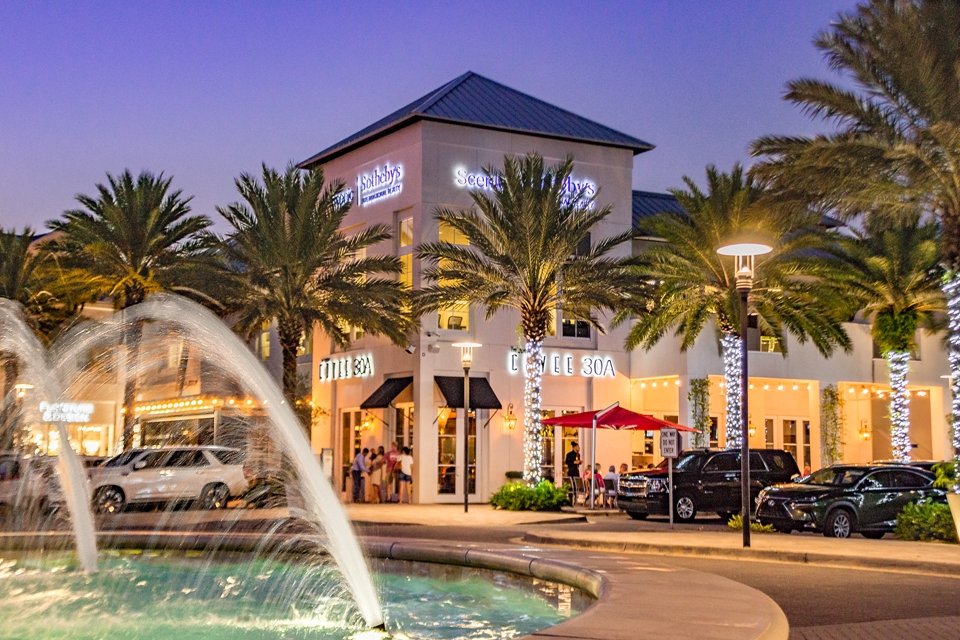
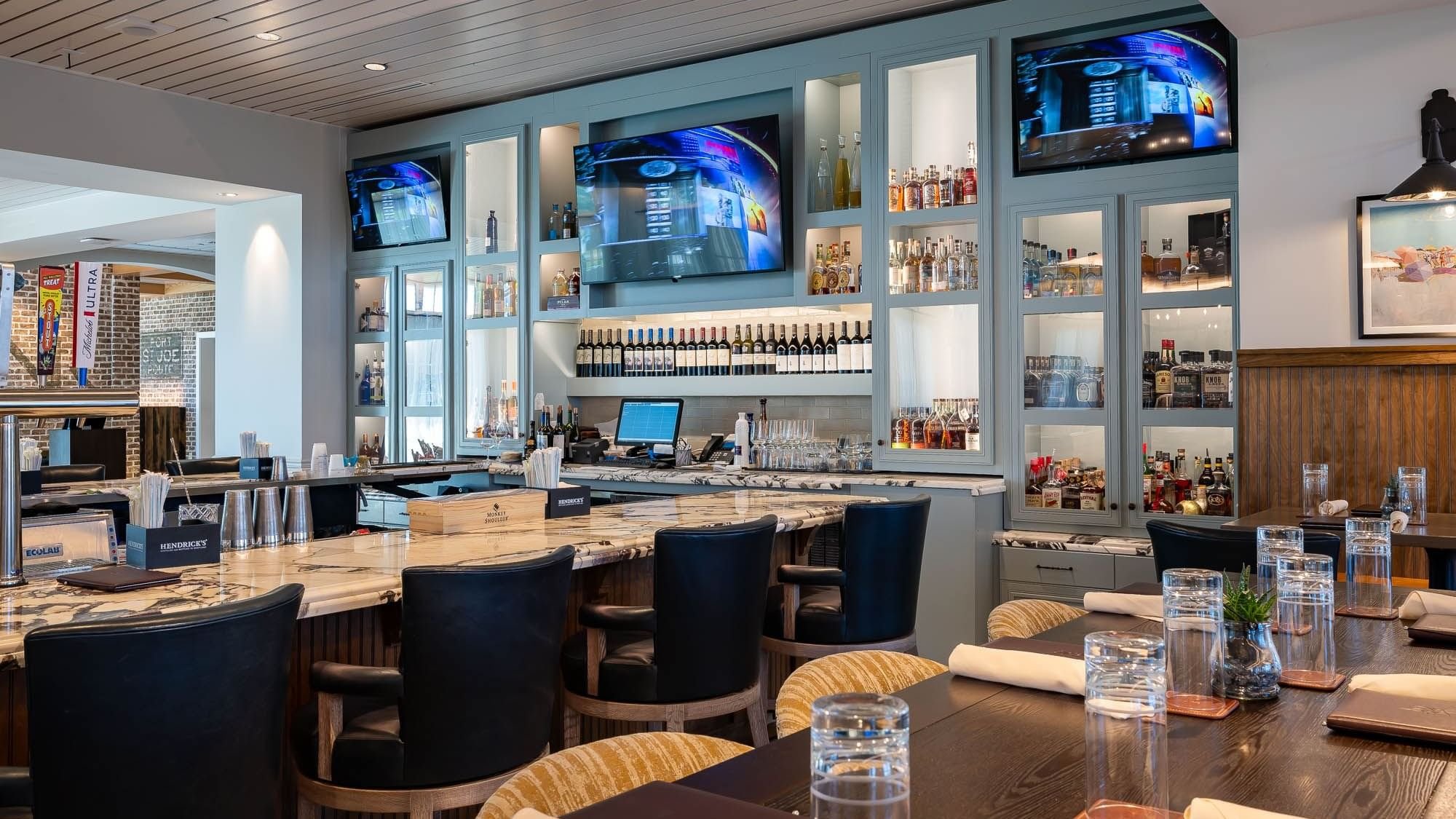
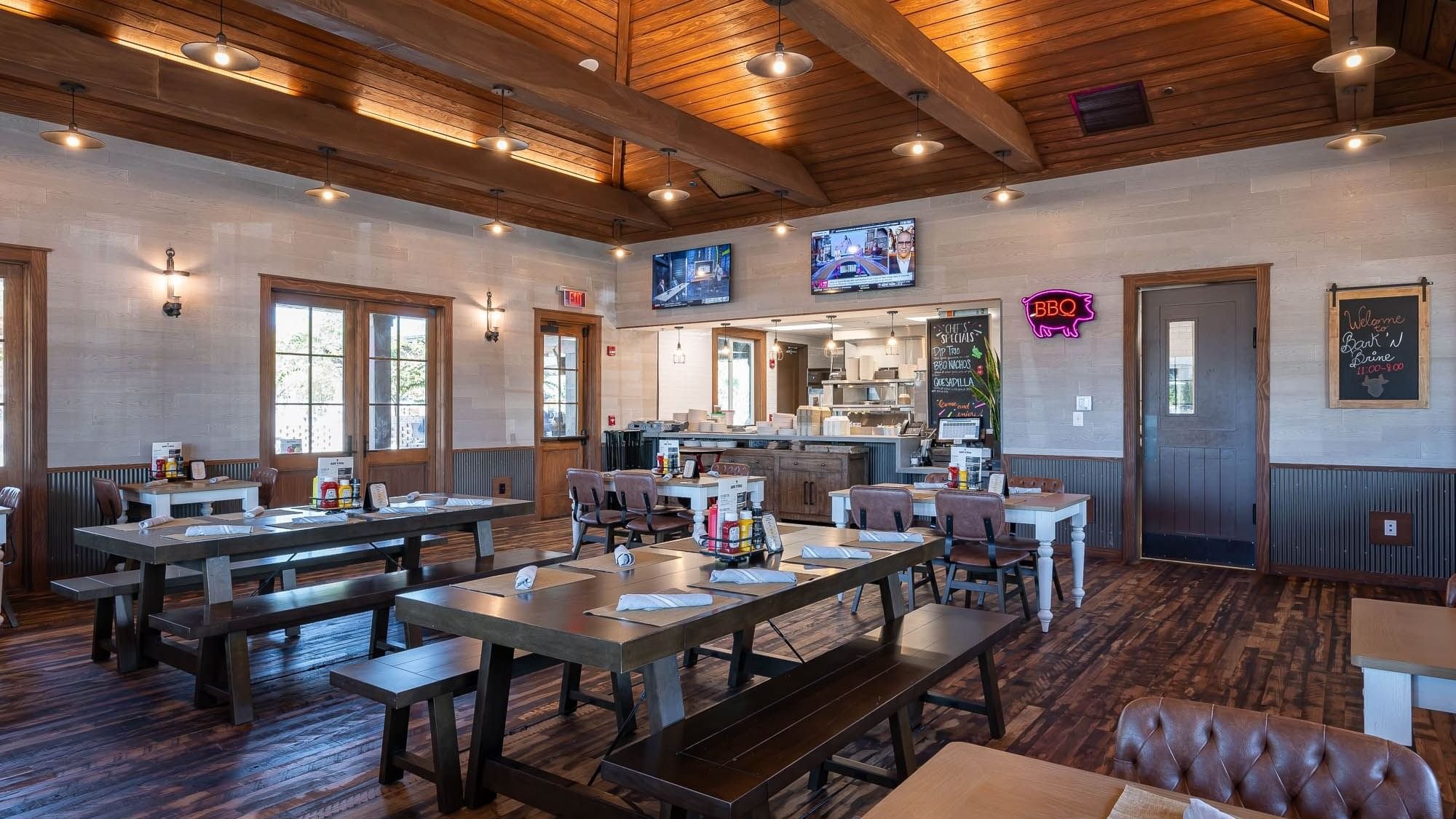
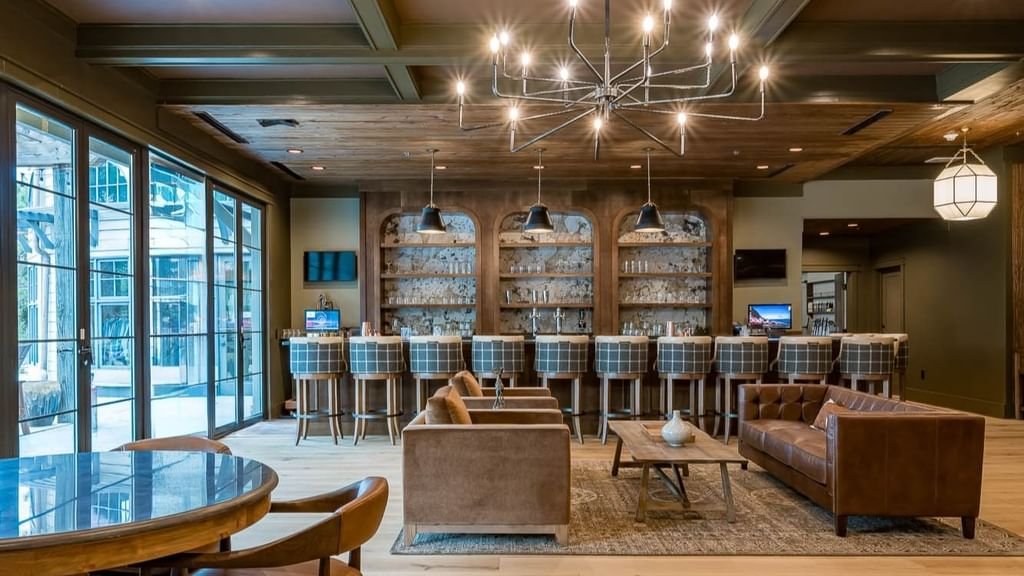
Calming and welcoming with wooden tones, light cream touches, exposed brick elements, soaring windows, and abundant natural light creating a refined yet relaxed coastal luxury atmosphere.
Tags
Vibe
Best For
Experience
Amenities
View
Accessibility
About the Stay
- Rooms
- 75
- Property Type
- Boutique hotel
- Property Style
- Laid Back Luxury with Louisiana Inspired Architecture Framed by Tall Pines and Emerald Fairways, Blending Coastal Charm with Elevated Comfort.
- Design Style
- Contemporary Coastal with Wooden Accents, Light Cream Palette, Exposed Brick Fireplaces, and Abundant Natural Light Throughout the Three Story Estate Esque Building.
- Pool
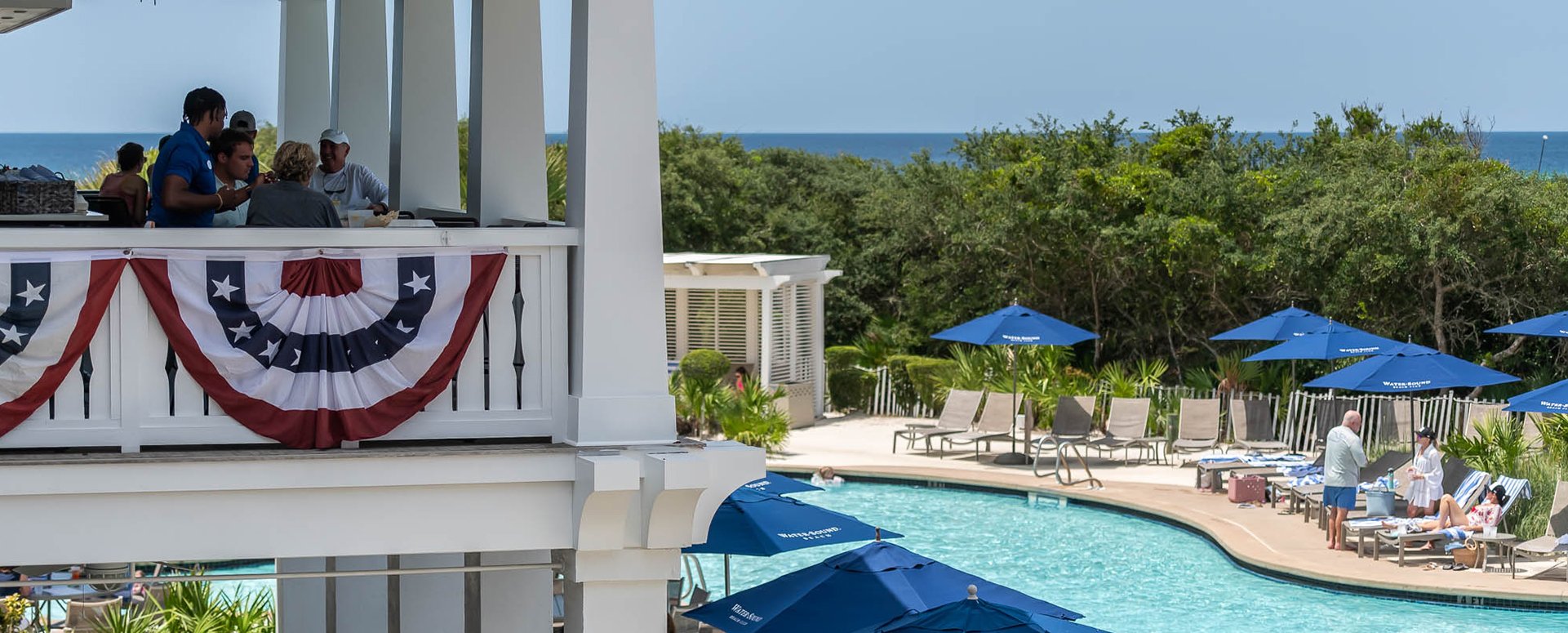
- Yes
- Spa
- Yes
- Families
- Welcome
Know before you go
Know Before You Go
- Getting there
- 684 Fazio Dr, Inlet Beach, FL 32461
Planning details
Location
Recognition and awards

Also consider
Where to look if this is not the right fit
Try WaterColor Inn if beach access and a classic 30A stay matter more than the golf-side setting. Consider The Pearl Hotel if the trip should feel more centered around town atmosphere and a smaller hotel experience.
Hotel context
How Camp Creek Inn compares on 30A and nearby resort stays
Choose Camp Creek Inn over The Pearl Hotel if a quieter, golf-oriented Inlet Beach base matters more than being in a more walkable beach-town setting. The Pearl Hotel is the cleaner fit for travelers who want the stay to feel centered around town access and a tighter hotel footprint; Camp Creek Inn is better for guests who want more breathing room and a resort-residential mood.
WaterColor Inn is the stronger cross-shop for travelers who want a classic 30A beach stay with easier access to the coast-focused rhythm of the area. Camp Creek Inn makes more sense when the trip is built around golf, quiet, and retreat time. Sandestin Golf and Beach Resort is the larger-scale alternative; pick it when breadth of resort infrastructure matters more than a smaller, more contained feel.
The Henderson Beach Resort is the better match for travelers who want a fuller beach-resort atmosphere, while Camp Creek Inn is the more restrained choice for Inlet Beach specifically. The Hotel at Auburn University & Dixon Conference Center is a different-use case entirely, stronger for university or conference travel than a Gulf Coast leisure stay.
Explore Inlet Beach
Around this place
Discover more on Pearl
Unlock the full Camp Creek Inn guide in Pearl, including awards, comparisons, FAQs, planning details, and nearby places.
Compare Camp Creek Inn
| Venue | Location | Awards |
|---|---|---|
| Camp Creek Inn | Inlet Beach | 2026 Forbes 4-StarPreferred Hotels L.V.X. Collection 2025 |
| The Pearl Hotel | Alys Beach | 2026 Forbes RecommendedStar Wine Lists 20262025 Forbes Recommended |
| WaterColor Inn | Santa Rosa Beach | 2026 Virtuoso Luxury Hotel Collection2026 Forbes RecommendedStar Wine Lists 20262025 Forbes Recommended |
| Sandestin Golf and Beach Resort | Miramar Beach | 2025 Conde Nast Best Resorts · #50 |
| The Henderson Beach Resort | Destin | 2026 Virtuoso Luxury Hotel CollectionStar Wine Lists 20262025 Forbes RecommendedPreferred Hotels L.V.X. Collection 2025 |
| The Hotel at Auburn University & Dixon Conference Center | Auburn | Preferred Hotels Member 2025 |



How Camp Creek Inn Inlet Beach compares with similar nearby venues.
FAQ
Frequently Asked Questions
Which room category is best at Camp Creek Inn?
Choose a room category only after comparing the current descriptions, rates, and inclusions for your dates. details about specific room types or suite advantages are not available here, so the safest approach is to confirm directly before booking.
How is the pool and spa at Camp Creek Inn?
Specific details about pool or spa offerings are not available here. If those features are important to the stay, check Camp Creek Inn's official channels before booking.
How is the location of Camp Creek Inn?
Camp Creek Inn is in Inlet Beach. Specific street-address details are not included here, so confirm directions directly with the property or your booking channel.
Do loyalty programs work at Camp Creek Inn?
Camp Creek Inn is listed in the Preferred Hotels L.V.X. Collection for 2025. Exact earning, redemption, and benefit rules can vary, so confirm the current program terms before booking.
Is Camp Creek Inn family-friendly?
family-specific details are not available here. If you are booking for a family trip, confirm room setup, policies, and relevant services directly with the property.