

La Torre del Canónigo
Dalt Vila, Ibiza
Hotel in Ibiza, Spain
 Book with Pearl
The Read
16th-Century Walls, UNESCO Panorama
Why go
Book La Torre del Canónigo if the goal is a special-occasion Ibiza Town stay with historic atmosphere over resort scale. Its strongest use case is a couple's trip or polished short break based around Eivissa, backed by MICHELIN Guide hotel selection, Small Luxury Hotels of the World membership, and a Mr & Mrs Smith approval signal.
About La Torre del Canónigo
La Torre del Canónigo in Ibiza is best presented on the strength of its confirmed hotel recognitions rather than on claims about facilities, setting, room count, pricing, or service style. The signals are clear: Small Luxury Hotels of the World Member (2025), Mr & Mrs Smith Seal of Approval (2026), and MICHELIN Guide, Hotels Selected (2025).
Use those credentials as the reliable starting point when deciding whether it fits your trip. The available data does not establish specific amenities, room categories, prices, dining format, transfer details, or neighborhood claims, so travelers should confirm those practical details directly before booking.
Choose this for confirmed hotel credentials, not assumptions
La Torre del Canónigo is a hotel option in Ibiza with multiple confirmed recognition signals. That makes it relevant for travelers comparing premium stays, especially when third-party hotel selection and membership credentials matter in the decision.
The practical trade-off is that the record here is limited. Do not infer a particular facility set, arrival setup, room layout, or on-property experience from the name alone. For a broader hotel search, use our full Ibiza hotels guide; for pairing the stay with meals or drinks nearby, scan our full Ibiza restaurants guide and our full Ibiza bars guide before locking dates.
The arrival-to-departure read
Plan the stay around what: La Torre del Canónigo is in Ibiza and carries confirmed recognition from Small Luxury Hotels of the World, Mr & Mrs Smith, and the MICHELIN Guide hotel selection. Specific arrival logistics, access details, and check-in procedures are not part of the data here.
During the stay, confirm the details that matter most to your party before relying on them: room type, amenities, transport arrangements, and any dining or service expectations. The dress code on record is smart casual, which is a useful baseline for the tone of the stay.
For departure planning, use the same cautious approach. The record does not establish transfer times, parking arrangements, or luggage logistics, so those details should be checked directly with the hotel or your booking channel.
Planning details
- Location
- Carrer de Joan Roman, 1, 07800 Eivissa, Illes Balears
- Website
- latorredelcanonigo.com
- Phone
- +34 971 30 38 84
The take
The Take
The Vibe
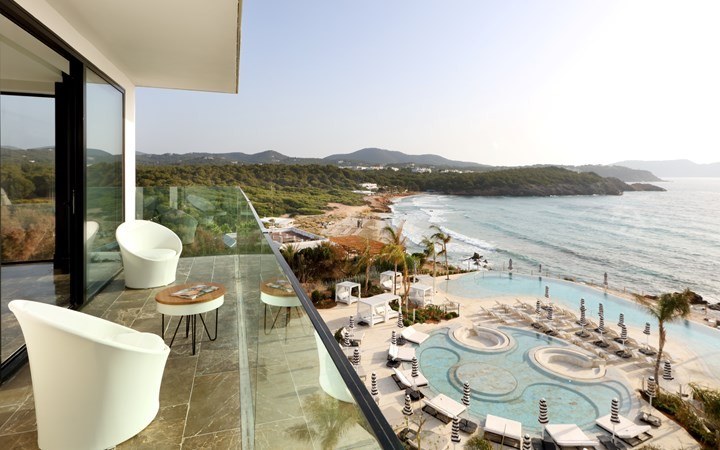
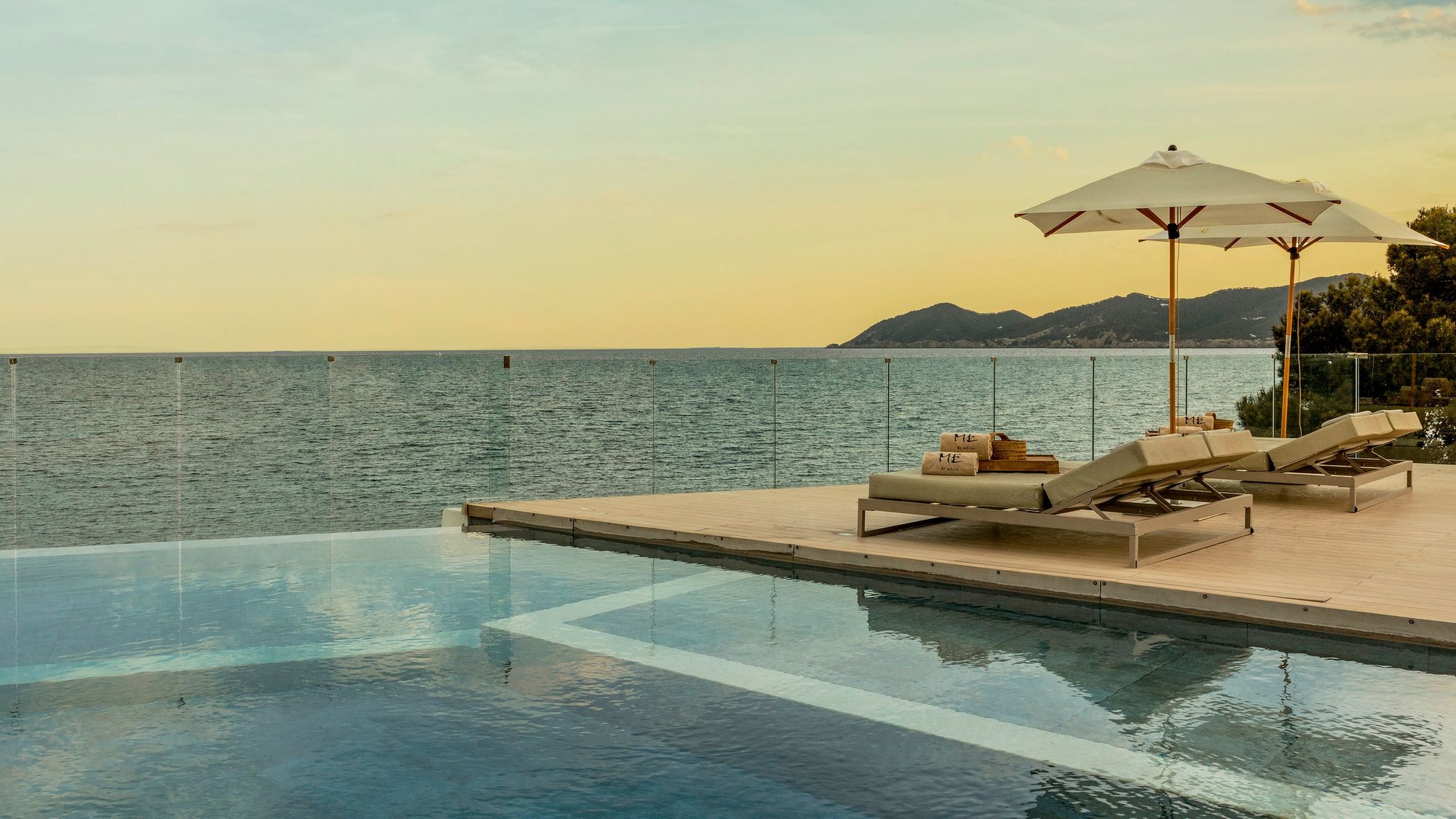
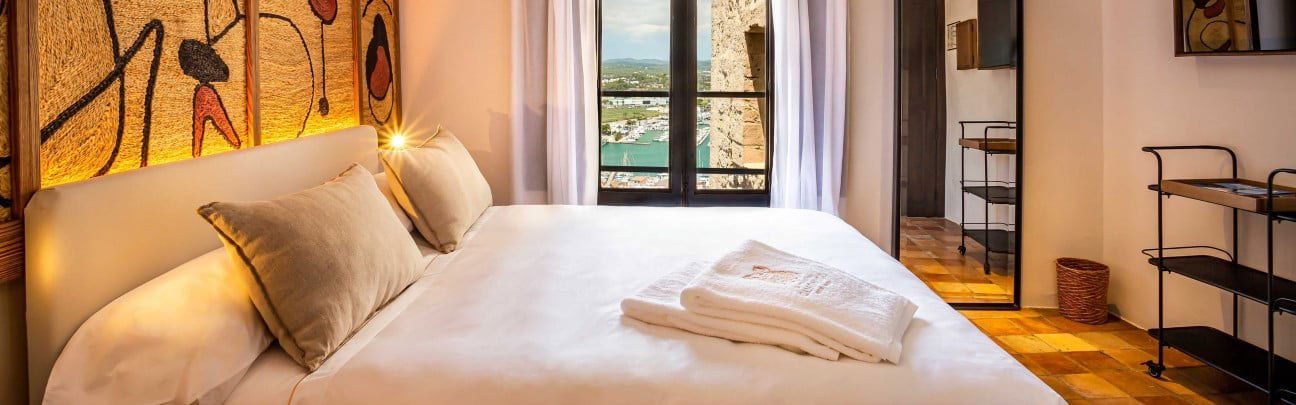
La Torre del Canónigo feels rooted in place: the property inhabits three 16th-century buildings within UNESCO-listed Dalt Vila, and that history governs every decision. The hotel trades contemporary excess for architectural specificity — modern interventions read as accents on an essentially historic fabric. Arriving through the town’s narrow, ochre-stone streets and archways functions as part of the experience, so the stay is more about texture, views and provenance than programming or poolside theatrics. The result is a quietly scenic, design-led hideaway that emphasizes atmosphere and locality over amenity volume.
Best For
This hotel suits travelers who prioritize location and architectural character over resort-style conveniences. It particularly rewards history-minded guests and design-conscious couples who want to be inside Dalt Vila’s fortified upper town, as well as anyone who values a low-key, scenic setting with direct sightlines to the harbour. Because the property is small and embedded in the old town, it attracts guests looking for an immersive, place-based stay rather than a high-energy, amenity-driven holiday.
Stay Tips
Plan your arrival as part of the visit: the route through Dalt Vila’s labyrinthine streets is deliberately theatrical and involves climbing the hillside through archways and narrow passages. Allow time to walk from drop-off points and expect a pedestrian approach rather than a grand driveway; comfortable shoes and modest luggage handling make sense. Bear in mind that the hotel’s operations are shaped by historic restrictions, so don’t treat it like a large-format resort — the experience centers on architecture, setting and quiet intimacy rather than extensive on-site programming.
Venue details
Ambiance
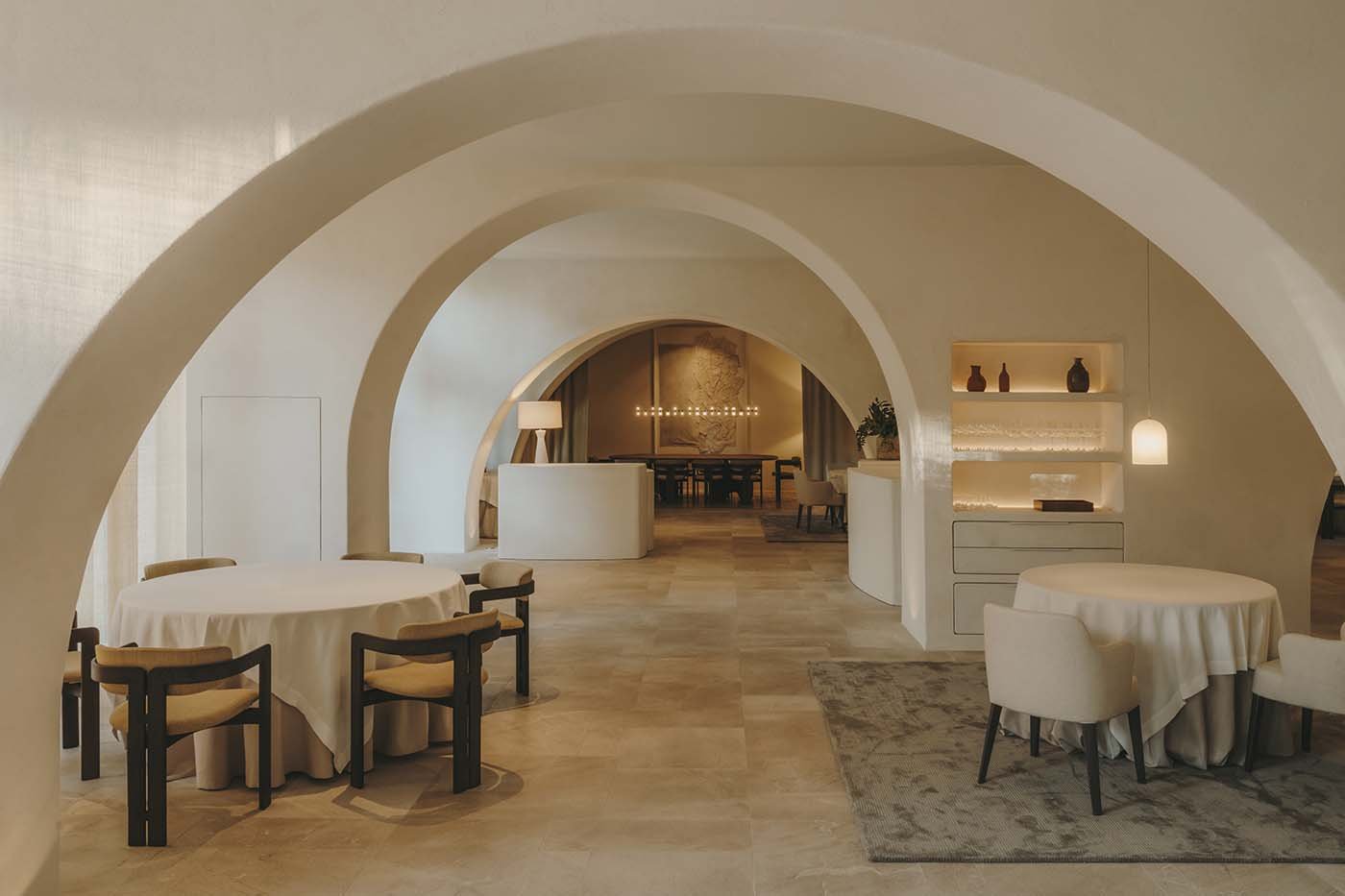
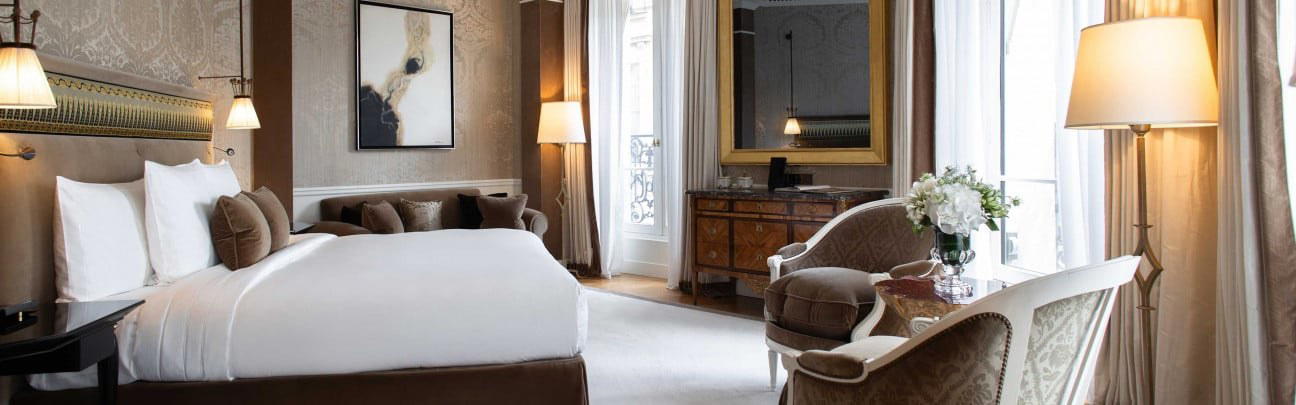
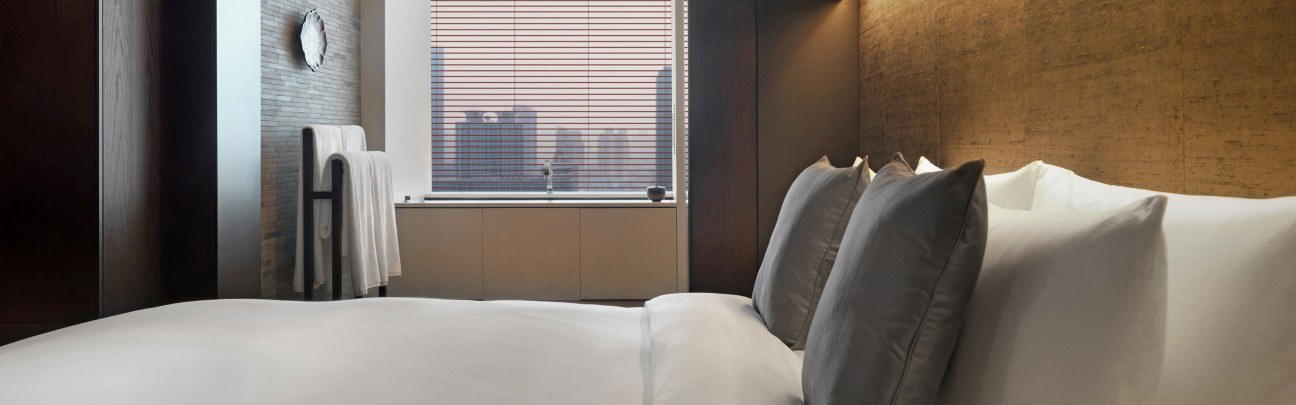
Sophisticated and tranquil with minimalist modern design, exposed stone walls, and serene lighting enhanced by stunning marina views.
Tags
Vibe
Best For
Experience
Amenities
View
About the Stay
- Rooms
- 26
- Check-in
- 15:00
- Property Style
- Historic Boutique Hotel Blending 16th Century Architecture with Contemporary Mediterranean Luxury.
- Design Style
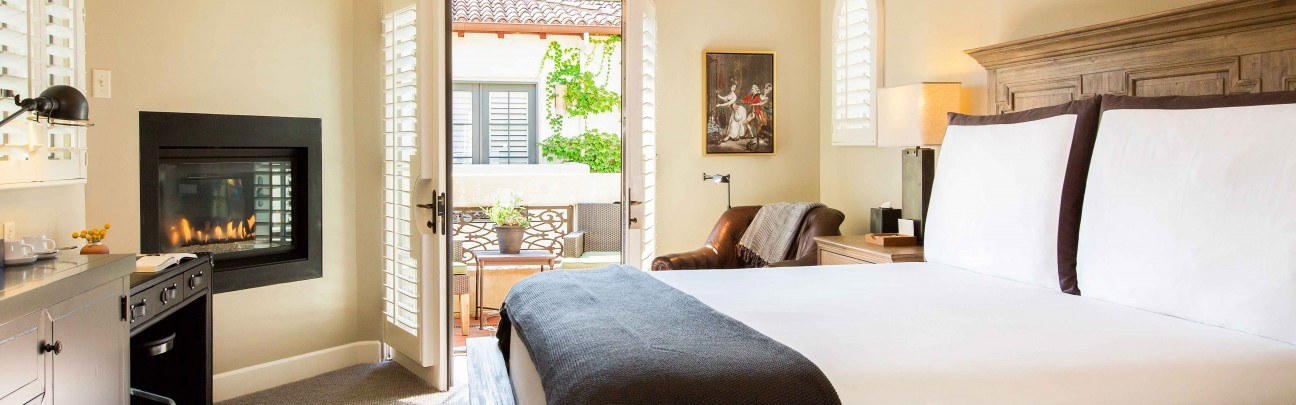
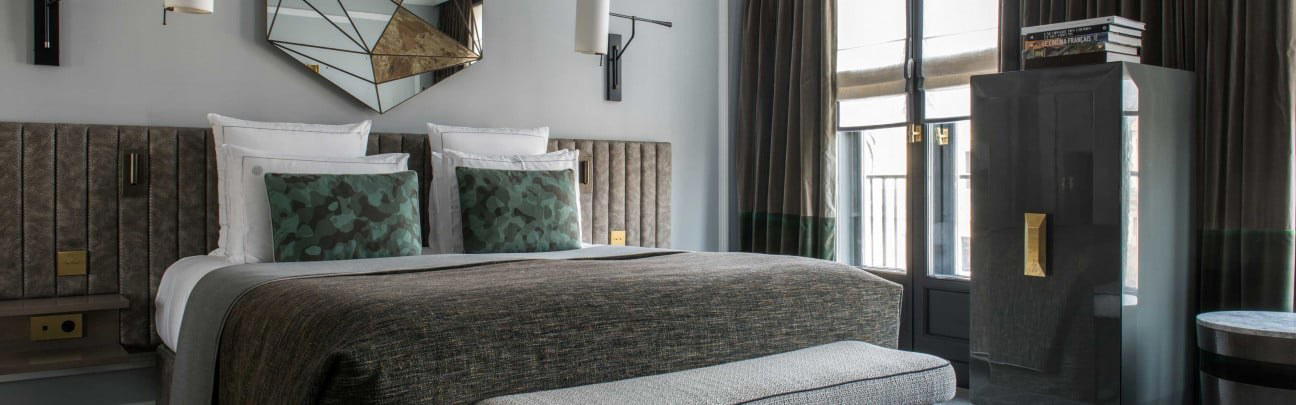
- Minimalist with Exposed Stone, White Palette, Velvet Fabrics, and Modern Monochrome Details.
Know before you go
Know Before You Go
- Getting there
- Carrer de Joan Roman, 1, 07800 Eivissa, Illes Balears
Planning details
Location
Carrer de Joan Roman, 1, 07800 Eivissa, Illes Balears · Directions

Also consider
Also Consider
- Mirador de Dalt Vila, Notable alternative
- Montesol Experimental, Notable alternative
- NH Collection Ibiza, Notable alternative
- Ibiza Gran Hotel, Notable alternative
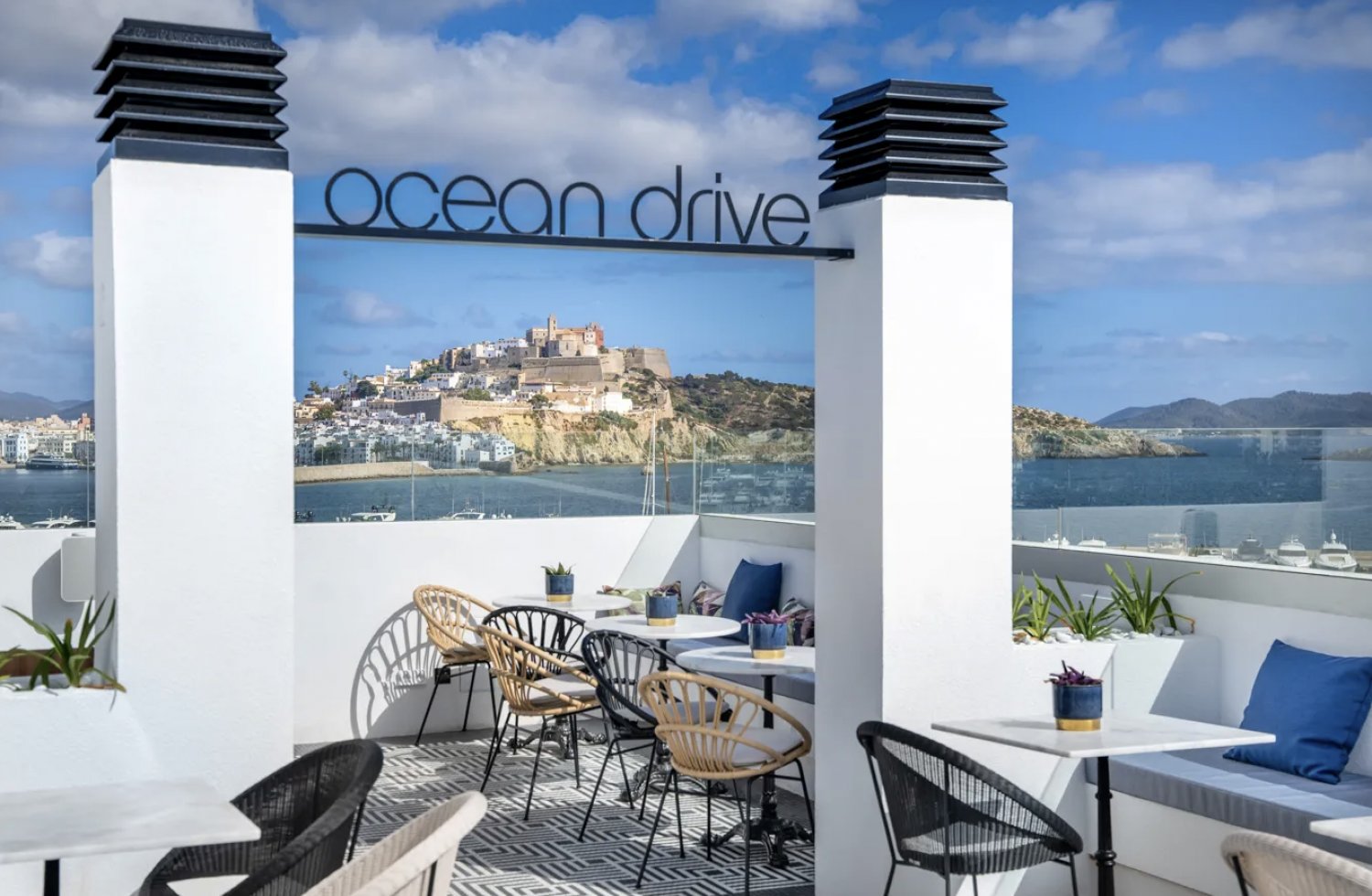
- OCEAN DRIVE Ibiza, Notable alternative
Hotel context
How it compares in Ibiza
Mirador de Dalt Vila is the closest cross-shop for travelers who want the old-city feel but are comparing comfort and polish in the same Ibiza Town orbit. La Torre del Canónigo is the more compelling pick when atmosphere is the deciding factor; Mirador de Dalt Vila is the safer comparison if the group wants a more conventional luxury-hotel read.
Montesol Experimental and NH Collection Ibiza make more sense for travelers who want a city base with simpler logistics. Choose Montesol Experimental for a more design-forward urban stay, NH Collection Ibiza for a less occasion-driven booking, and La Torre del Canónigo when the old-town setting is the reason for the trip.
Ibiza Gran Hotel is the stronger fit for guests who want a bigger luxury-hotel experience, while OCEAN DRIVE Ibiza is a better fallback for travelers prioritizing an easier, more contemporary base. La Torre del Canónigo is not the broadest-purpose option; it is the more targeted choice for couples and celebrations that benefit from a historic Ibiza Town setting.
Explore Ibiza
Around this place
Discover more on Pearl
Unlock the full La Torre del Canónigo guide in Pearl, including awards, comparisons, FAQs, planning details, and nearby places.
Compare La Torre del Canónigo
| Venue | Location | Awards |
|---|---|---|
| La Torre del Canónigo | Ibiza | 2026 Mr & Mrs Smith Luxury Hotels2025 Michelin Selected HotelsSmall Luxury Hotels Member 2025 |
| Mirador de Dalt Vila | Ibiza | 2026 Relais Chateaux Hotels2025 Michelin Selected Hotels2025 Relais Chateaux Award |
| Montesol Experimental | Ibiza | No published awards |
| NH Collection Ibiza | Ibiza | No published awards |
| Ibiza Gran Hotel | Ibiza | 2026 Forbes Recommended2025 Forbes Recommended |
| OCEAN DRIVE Ibiza | Baleares | Preferred Hotels Member 2025 |



How La Torre del Canónigo Ibiza compares with similar nearby venues.
FAQ
Frequently Asked Questions
How is the location of La Torre del Canónigo?
La Torre del Canónigo is in Ibiza. The data does not support a more specific street address, neighborhood description, or landmark-based location claim here.
What is check-in like at La Torre del Canónigo?
Which room category is best at La Torre del Canónigo?
The data does not include room categories. Choose based on the current options shown by the hotel or booking channel, and confirm the layout, access, and capacity details that matter for your stay.
How does La Torre del Canónigo compare to nearby hotels?
La Torre del Canónigo can be compared with other Ibiza hotel options such as Ibiza Gran Hotel, Mirador de Dalt Vila, Montesol Experimental, NH Collection Ibiza, and OCEAN DRIVE Ibiza. The most reliable confirmed differentiators are its Small Luxury Hotels of the World membership, Mr & Mrs Smith Seal of Approval, and MICHELIN Guide hotel selection.
When is the best time to book La Torre del Canónigo?
The data does not establish booking windows, seasonal demand, or price patterns. If your dates are important, confirm availability and terms through the hotel or your booking channel.