
Hotel in Hue City, Vietnam
Indochine Palace
275ptsDynastic Design Discipline

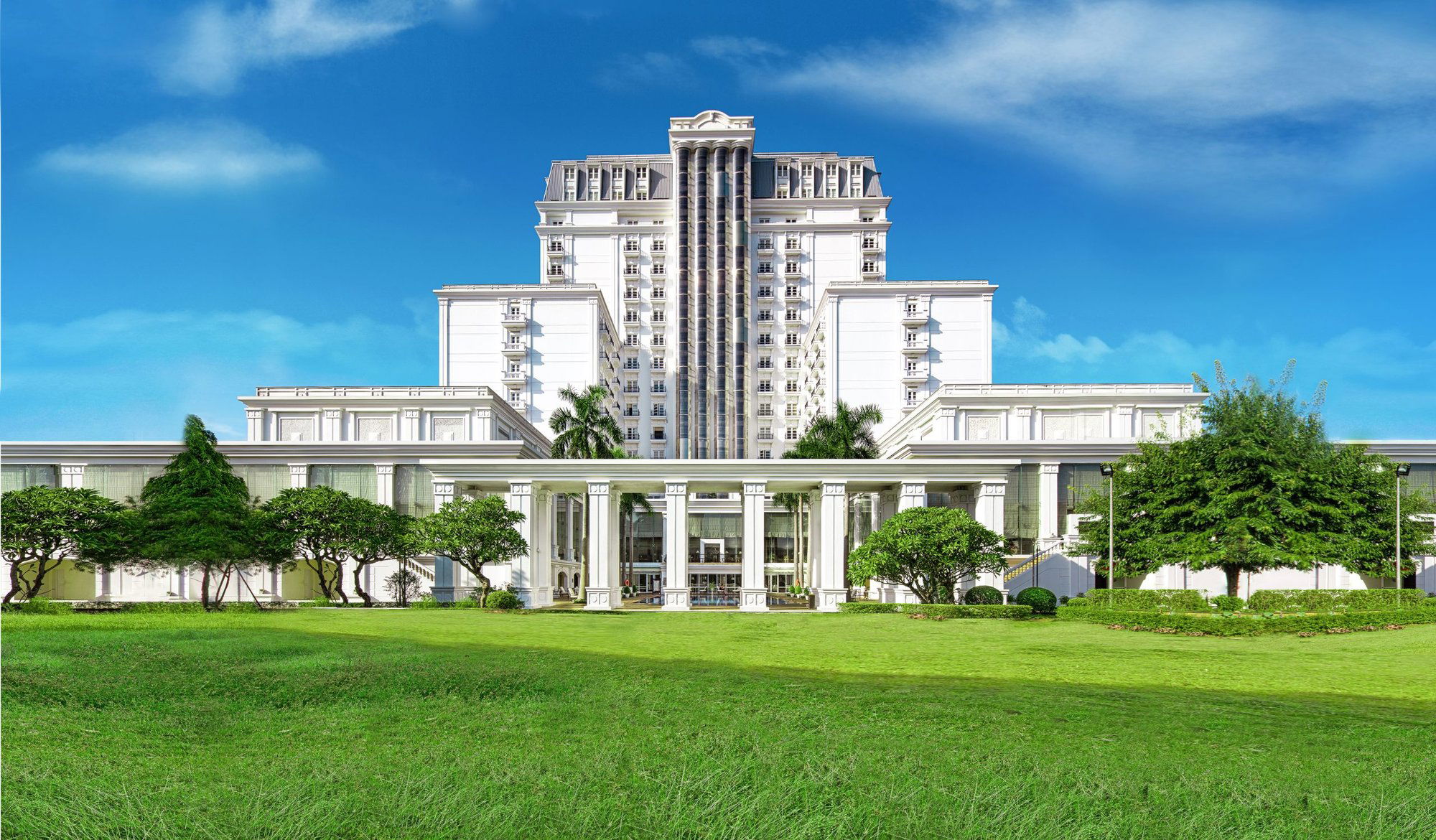
About Indochine Palace
Indochine Palace sits on Hùng Vương in the heart of Hue, holding dual recognition as both Global Winner for Luxury Palace Hotel and Continent Winner for Luxury Design Hotel. In a city defined by dynastic architecture and layered colonial history, the property positions itself at the intersection of heritage form and contemporary design discipline. For travellers treating Hue as more than a corridor between Hanoi and Da Nang, it represents the city's most award-validated address.
Where Hue's Dynastic Aesthetic Meets Contemporary Design Discipline
Approach 105A Hùng Vương on any given afternoon and the visual language of Indochine Palace is already doing its work before you reach the entrance. Hue is a city that takes architecture seriously, shaped by centuries of Nguyen dynastic building practice and a Franco-Vietnamese colonial overlay that left wide boulevards, shuttered facades, and a particular gravity to civic scale. Against that backdrop, the design choices made at Indochine Palace carry more weight than they would in a generic urban context. The property does not read as a hotel trying to evoke the past; it reads as a building in genuine conversation with the city around it.
Vietnam's premium accommodation tier has split in a recognisable direction over the past decade. International-flag properties have consolidated around business-travel infrastructure and loyalty programmes, while a smaller cohort of design-led independent and semi-independent properties has positioned itself around architectural identity and place-specificity. Indochine Palace sits clearly in the second group, and its back-to-back recognition as Global Winner for Luxury Palace Hotel and Continent Winner for Luxury Design Hotel at the World Luxury Hotel Awards confirms it is being evaluated in that peer set, not against mid-scale international brands.
The Design Argument in a Heritage City
Hue's complexity as an architectural context is worth understanding before assessing what Indochine Palace does with it. The Imperial Citadel, a UNESCO World Heritage Site, anchors the city's identity around a walled, axially organised Nguyen court aesthetic. The French colonial period layered European institutional architecture across the south bank of the Perfume River. The result is a city where design choices in the premium hospitality sector are immediately read against two competing reference points: the regal and the colonial.
Properties that lean too heavily on imperial motif risk pastiche. Those that ignore the local register entirely tend to feel displaced. The dual award recognition Indochine Palace holds, specifically the Luxury Design Hotel continent win alongside the Palace Hotel global win, suggests the property has found a position that satisfies both criteria: formal enough in scale and material language to earn the palace designation, but with sufficient design coherence to be evaluated as a contemporary design property rather than a themed one. That is a harder balance to strike than it appears, and properties across Vietnam that have attempted it, including some in the colonial-heritage category in Hanoi and Hoi An, have not always succeeded.
For comparison, Azerai La Residence, Hue occupies a restored French Governor's Residence on the same south bank, giving it an authentic colonial anchor that Indochine Palace does not claim. The two properties represent different architectural arguments: one rooted in preservation and adaptive reuse, the other in new construction with heritage inflection. Neither approach is inherently superior, but they attract different travellers and generate different experiences of the city.
Hue as a Design Destination
The broader case for Hue as a serious destination, rather than an overnight stop between Da Nang and Hanoi, rests partly on the density of its architectural patrimony and partly on the quality of accommodation now available to sustain a longer stay. The Perfume River, the Imperial Citadel, the royal tombs spread across the surrounding hills, the covered Dong Ba Market: these are not attractions that reward a single rushed day. The city repays the traveller who stays three nights over the one who rushes through in twelve hours.
The concentration of premium properties on and near Hùng Vương gives that longer stay a practical anchor. Silk Path Grand Hue Hotel & Spa sits within the same corridor, offering a different scale and positioning. For those extending the Central Vietnam circuit, Langco Bay Retreat adds a coastal counterpoint roughly an hour to the south, and Banyan Tree Lăng Cô anchors the Lăng Cô lagoon for travellers who want resort scale alongside imperial-city access. Further down the coast, Almanity Hoi An Wellness Resort and Four Seasons Resort The Nam Hai, Hoi An serve Hoi An's distinct architectural and culinary scene, which pairs well with a Hue base for those building a longer Central Vietnam itinerary.
Positioning Within Vietnam's Premium Hotel Tier
Vietnam's luxury hotel conversation is largely dominated by coastal and resort properties: Amanoi in Vinh Hy, Anantara Quy Nhon Villas, Amiana Resort Nha Trang, and InterContinental Phu Quoc Long Beach Resort among them. City-based luxury, particularly in secondary cities, occupies a smaller and harder-to-sustain position. Hanoi's premium tier includes properties like InterContinental Hanoi Westlake by IHG, and Ho Chi Minh City supports addresses like Amanaki Saigon Boutique Hotel. In that national context, a globally recognised luxury palace property in Hue represents a meaningful signal: the city is holding its own at a tier usually reserved for beach resort or capital-city addresses.
The Global Winner recognition for Luxury Palace Hotel specifically places Indochine Palace in a category defined by grandeur of scale, formality of service architecture, and the expectation of ceremonial space. That language fits Hue more naturally than it would fit Da Nang or Nha Trang, which is partly why the award carries more local credibility here than it might elsewhere.
Planning a Stay
Indochine Palace is located at 105A Hùng Vương in the Thuận Hóa ward of Hue City, placing it within practical distance of the south-bank civic axis and accessible to the main crossings to the Imperial Citadel on the north bank. Hue is served by Phu Bai International Airport, approximately eight kilometres south of the city centre, with domestic connections from Hanoi and Ho Chi Minh City, and some regional routes. The dry season running from roughly February through August represents the most reliable window for exploring the city's outdoor heritage sites, though Hue's shoulder months offer thinner crowds around the tombs and citadel. Booking ahead is advisable for the period surrounding the Hue Festival, a biennial cultural event that draws significant visitor numbers and tightens availability across all premium addresses in the city. Specific rates, room configuration, and current booking procedures are leading confirmed directly with the property, as those details fall outside confirmed available data.
For travellers building a broader Vietnam circuit, the Central Vietnam route connecting Hue to Da Nang and Hoi An forms one of the country's most coherent heritage corridors, with Novotel Danang Premier Han River and Four Points by Sheraton Danang covering the Da Nang midpoint. Further afield, Hotel de la Coupole MGallery in Sapa and Emeralda Resort Ninh Binh represent the northern heritage-destination tier for those extending the trip. Our full Hue City restaurants and hotels guide covers the wider city scene in depth.
Frequently Asked Questions
Which room offers the leading experience at Indochine Palace?
Without verified room-category data from the property, it would be misleading to name a specific room type. What the award record does indicate is that Indochine Palace earned its Luxury Design Hotel recognition at a continental level, which typically reflects consistency across the public areas and the primary room tiers rather than a single standout suite. In palace-category hotels generally, rooms on upper floors or with direct views toward a landmark axis tend to reward the premium paid, and in Hue that would logically point toward orientation toward the Perfume River or the Hùng Vương boulevard. Confirming current availability and room configuration directly with the property will give the clearest picture.
What makes Indochine Palace worth visiting?
The case rests on two independent signals. First, Hue is a city where the quality of your base materially affects the experience of the place: the heritage sites require time and unhurried movement, and a well-positioned, design-coherent hotel makes that possible. Second, Indochine Palace holds the only dual award at Global Winner for Luxury Palace Hotel and Continent Winner for Luxury Design Hotel in Hue, placing it in a verified peer set that extends well beyond the local market. For the traveller treating Hue as a serious destination rather than a stopover, those credentials translate into a stay with architectural substance on leading of the city's own considerable depth.
Recognized By

Related editorial
- Best Fine Dining Restaurants in ParisFrom three-Michelin-star icons to the next generation of Parisian chefs pushing boundaries, these are the restaurants that define fine dining in the world's culinary capital.
- Best Luxury Hotels in RomeFrom rooftop terraces overlooking ancient ruins to Michelin-starred hotel dining, these are the luxury hotels that make Rome unforgettable.
- Best Cocktail Bars in KyotoFrom sleek lounges to hidden speakeasies, Kyoto's cocktail scene blends Japanese precision with global influence in ways you won't find anywhere else.
Save or rate Indochine Palace on Pearl
Keep this venue in your Pearl passport, rate it after you visit, and track it alongside every other place you collect.