
Las Brisas Huatulco
Tangolunda Bay, Huatulco
Hotel in Huatulco, Mexico
 Book with Pearl
The Read
Hillside Pacific Scale
Why go
Las Brisas Huatulco is the practical choice for a resort-style stay in Bahía Tangolunda, especially for celebrations or groups that need an easy Huatulco base. Choose it over smaller Oaxacan coast hotels if predictability and scale matter more than boutique intimacy.
About Las Brisas Huatulco
Las Brisas Huatulco is a Huatulco venue with a casual dress code and Preferred Hotels Member recognition in 2025.
Choose this for a Huatulco option with a known hotel-collection signal
The clearest reason to keep Las Brisas Huatulco on a shortlist is its Preferred Hotels Member recognition in 2025. That can be useful when comparing it with more independent options, but it should not be read as a substitute for checking the current experience, inclusions, or services.
For travelers comparing other options, Monte Uzulu Boutique Hotel, Zoa Hotel, Cocolia Hotel, and La Valise Mazunte may also come up in research. Treat those as separate choices rather than direct proof of what Las Brisas Huatulco offers.
Plan it as a Huatulco base, then verify the details that matter
For a Huatulco trip, the practical approach is to decide whether the venue name, city, casual dress code, and Preferred Hotels Member status are enough to keep it in consideration, then confirm the specifics that matter for your plans.
Verdict: consider Las Brisas Huatulco if you want a Huatulco option with Preferred Hotels Member recognition in 2025. Look elsewhere if your choice depends on details such as facilities, exact location, or on-site services.
Planning details
- Location
- Boulevard Tangolunda LT 1, Bahía Tangolunda, 70989 Bahías de Huatulco, Oax.
- Website
- lasbrisashotels.com.mx/es/huatulco
- Phone
- +52 958 583 0200
The take
The Take
The Vibe
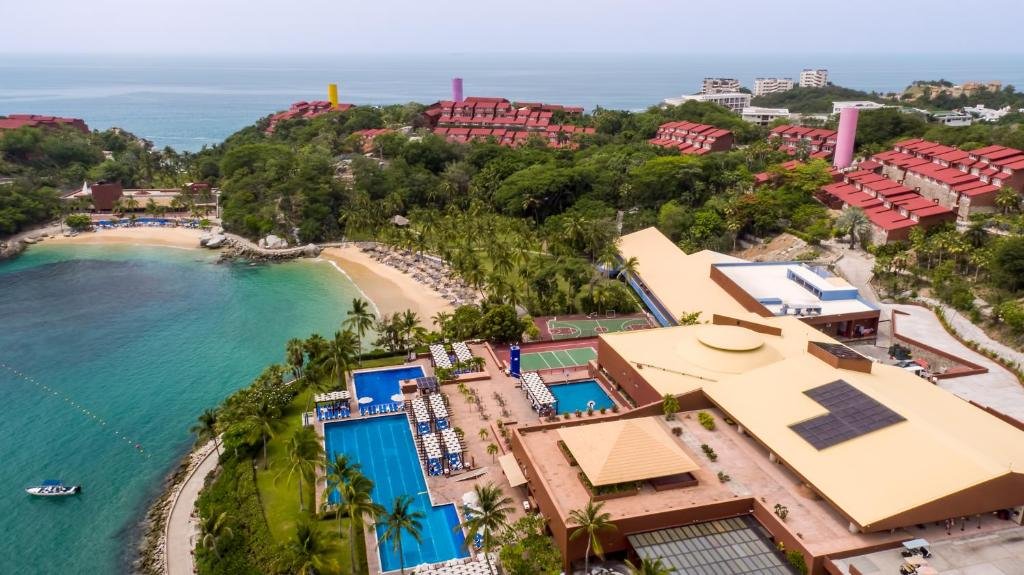
Las Brisas Huatulco reads like a purposeful, classic seaside resort: a large-scale property sited to take full advantage of Bahía Tangolunda, with architecture that cascades rooms down the hillside. The brand’s signature composition — stepped buildings and semi-private outdoor spaces for each unit — produces a composed, unhurried atmosphere that foregrounds the natural setting. Because the hotel was developed as part of a planned resort zone rather than grafted onto an existing town, the design emphasizes wide views and the theatrical relationship between building and bay rather than a village-like intimacy.
Best For
This is a resort that favors guests who want scenic access and a range of accommodation choices. Its 484 rooms and varied room categories make it well suited to families looking for space and convenience, and to couples seeking bay-facing privacy and dramatic sunsets from hillside rooms. The property’s scale means it accommodates a broad guest profile rather than presenting as a niche boutique escape, so it works for multi-generational stays and couples who prioritize vistas over small-key seclusion.
Stay Tips
When booking, prioritize rooms on the upper tiers of the hillside for the most commanding views of Bahía Tangolunda; the property’s defining feature is its bay-facing orientation. Look for room categories that explicitly note outdoor or semi-private outdoor space if you want terraces or balconies. Keep the resort’s scale in mind — with nearly 500 rooms it operates on a large-resort logic, so book earlier for preferred room location and view rather than expecting boutique-style scarcity.
Venue details
Ambiance
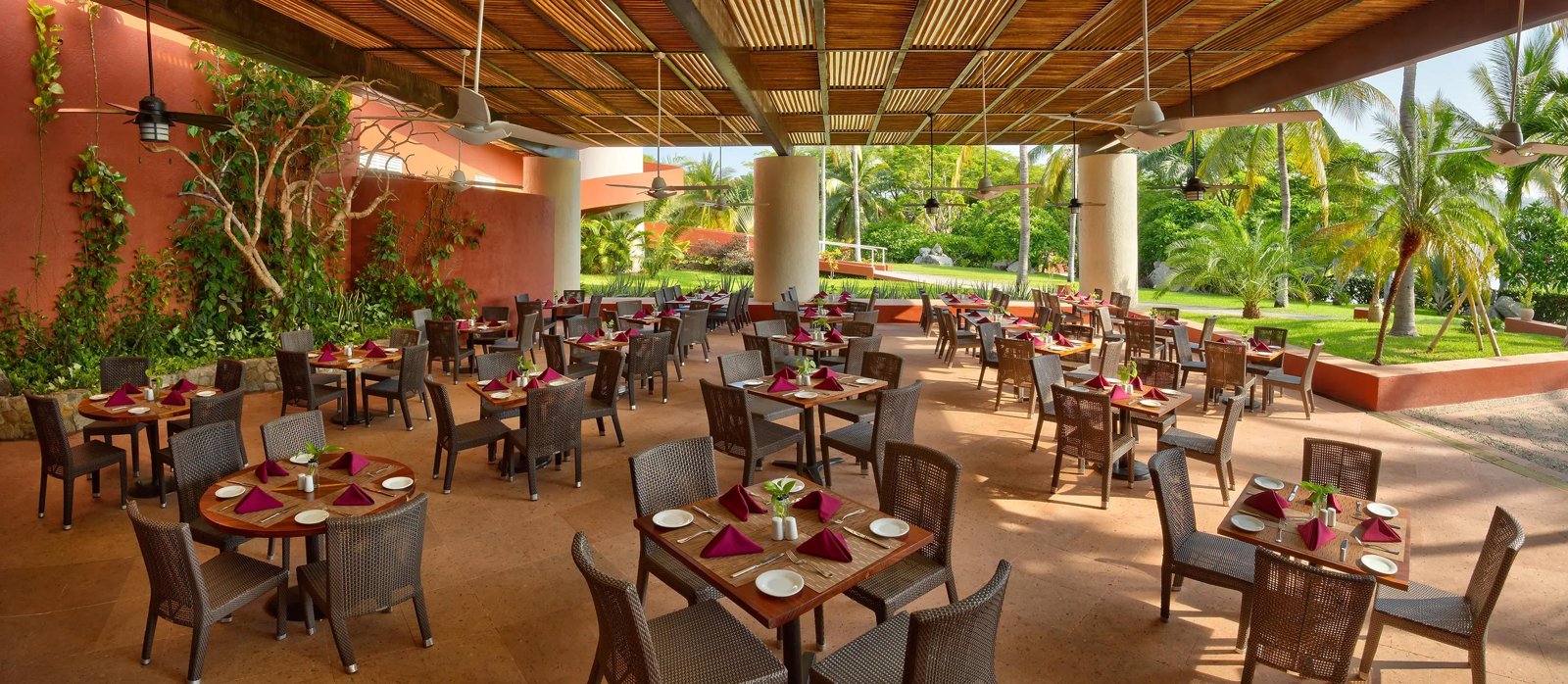
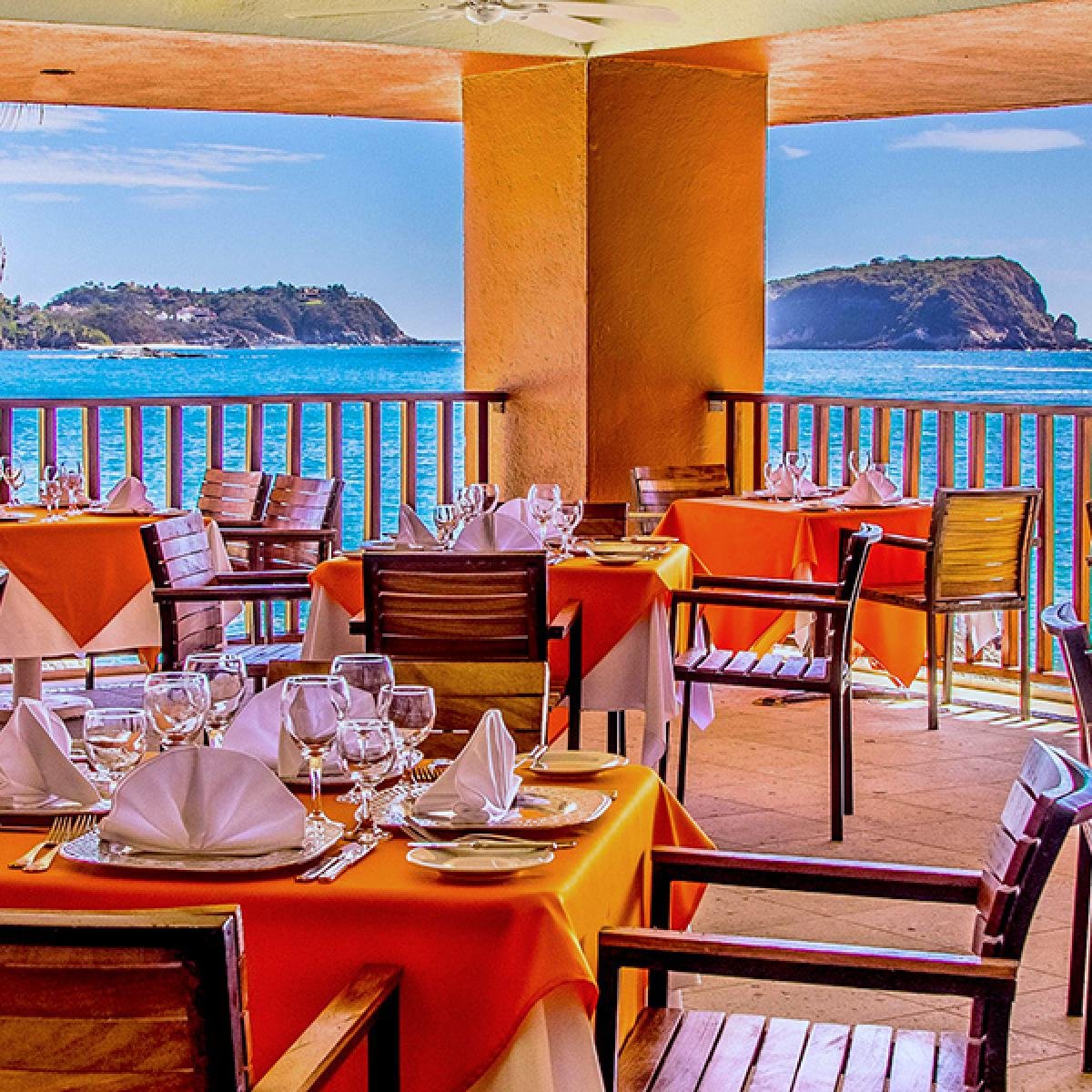
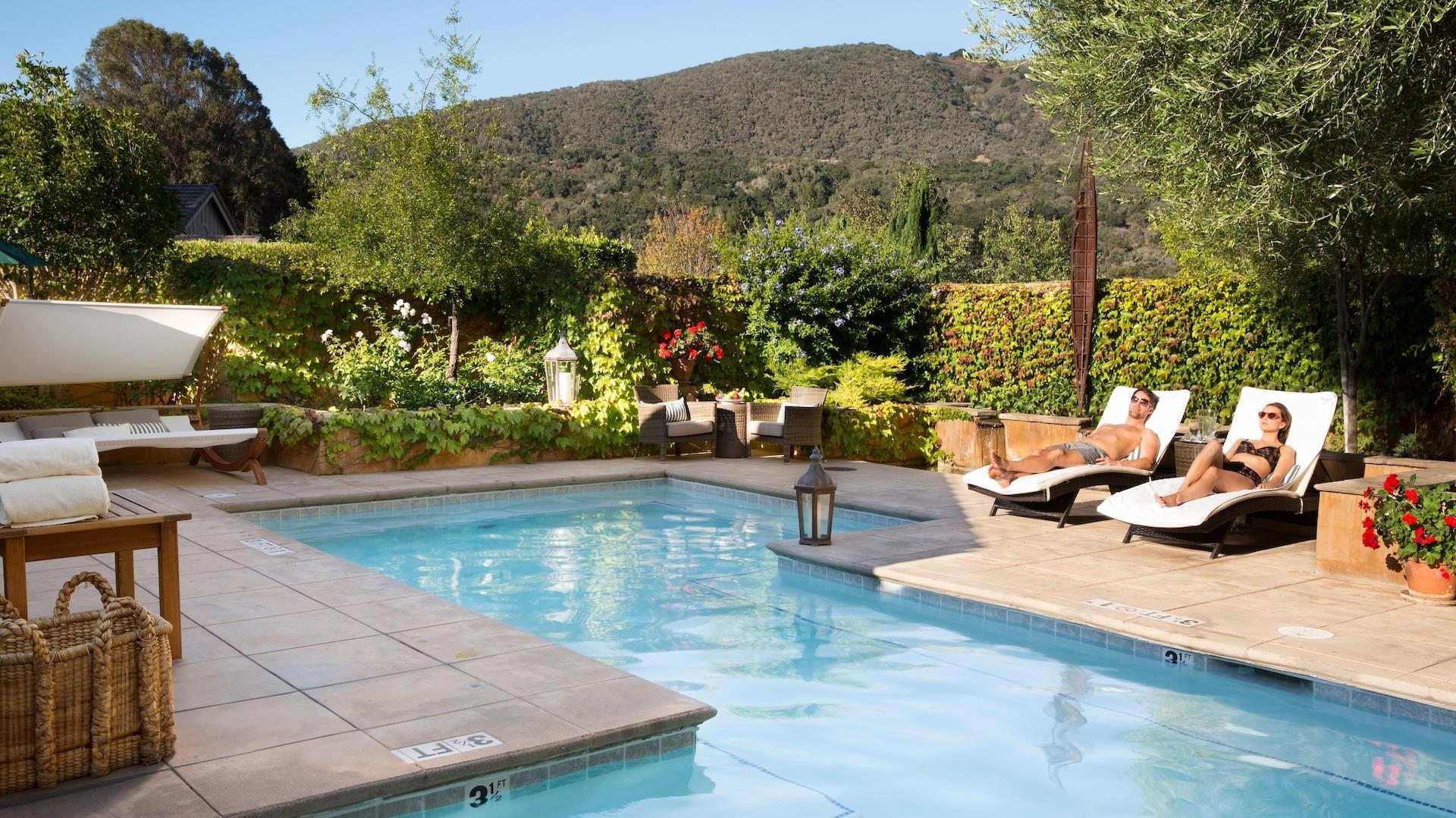
Relaxed beachfront atmosphere with beautiful grounds, pools, and ocean views enhanced by spa and wellness facilities.
Tags
Vibe
Best For
Experience
Amenities
View
Accessibility
About the Stay
- Rooms
- 494
- Property Style
- Classic Beach Resort with Private Beach Access
- Design Style
- Contemporary with Marble Bathrooms and Balconies
- Breakfast
- Included
- Pool
- Yes
- Spa
- Yes
- Families
- Welcome
Know before you go
Know Before You Go
- Getting there
- Boulevard Tangolunda LT 1, Bahía Tangolunda, 70989 Bahías de Huatulco, Oax.
Planning details
Location
Boulevard Tangolunda LT 1, Bahía Tangolunda, 70989 Bahías de Huatulco, Oax. · Directions
Recognition and awards
Also consider
Where to look if this is not the right fit
If the brief is a smaller, more design-led Oaxacan coast stay, cross-shop Monte Uzulu Boutique Hotel or Zoa Hotel. If the trip is more romantic and less group-oriented, compare La Valise Mazunte before committing to a larger resort format.
Hotel context
How Las Brisas Huatulco compares in the Huatulco set
Choose Las Brisas Huatulco if the priority is a resort-style Huatulco base with a more familiar hotel framework. Monte Uzulu Boutique Hotel, Zoa Hotel, Cocolia Hotel, and La Valise Mazunte are better cross-shops for travelers who want a smaller coastal hotel rather than a bigger Huatulco resort setting.
For value, the decision comes down to what the stay needs to solve. Las Brisas Huatulco is the easier pick for mixed groups and celebration trips because the format is more predictable. The boutique peers are stronger if ambiance and a quieter scale matter more than resort convenience.
Grúas Bahías de Huatulco is not a like-for-like luxury comparison, so use it only if the travel need is functional rather than occasion-led. For a date trip or milestone stay, keep the comparison focused on Las Brisas Huatulco versus the smaller coastal hotels.
Explore Huatulco
Around this place
Discover more on Pearl
Unlock the full Las Brisas Huatulco guide in Pearl, including awards, comparisons, FAQs, planning details, and nearby places.
Compare Las Brisas Huatulco
| Venue | Location | Awards |
|---|---|---|
| Las Brisas Huatulco | Huatulco | Preferred Hotels Member 2025 |
| Grúas Bahías de Huatulco | Crucecita | No published awards |
| Monte Uzulu Boutique Hotel | San Agustinillo | No published awards |
| Zoa Hotel | Mazunte | 2026 Michelin 1 Key2025 Michelin 1 Key |
| Cocolia Hotel | Mazunte | No published awards |
| La Valise Mazunte | Mazunte | 2026 Travel + Leisure It List Hotels2026 Mr & Mrs Smith Luxury HotelsSmall Luxury Hotels Member 2025 |




How Las Brisas Huatulco compares with similar nearby venues.
FAQ
Frequently Asked Questions
How is the pool and spa at Las Brisas Huatulco?
The available information here is limited to Huatulco as the city, casual dress code, and Preferred Hotels Member recognition in 2025.
Is Las Brisas Huatulco good for business travel?
How does Las Brisas Huatulco compare to other options?
Las Brisas Huatulco can be considered alongside other options such as Monte Uzulu Boutique Hotel, Zoa Hotel, Cocolia Hotel, and La Valise Mazunte. Grúas Bahías de Huatulco may appear in broader research, but it is not a direct hotel comparison.
Do loyalty programs work at Las Brisas Huatulco?
The recognized status here is Preferred Hotels Member in 2025.