

BUDERSAND Hotel
Hörnum
Hotel in Hörnum, Germany
 Book with Pearl
The Read
Coastal Links Retreat
Price
$500–750per night
Why go
Book BUDERSAND Hotel if the Sylt trip should feel service-led, calm, and anchored in Hörnum rather than centered on the island's busier northern villages. It is the better fit for couples and returning guests who want a polished south-coast base, while Söl'ring Hof or Benen-Diken-Hof may suit travelers chasing a smaller or more traditional island stay.
About BUDERSAND Hotel
Is BUDERSAND Hotel worth booking? Yes, if the point of the trip is to stay in Hörnum and you want a hotel with recognized quality. BUDERSAND Hotel is in Hörnum, has a smart-casual dress code, and is recognized with Michelin 2 Keys in 2024 and a La Liste Top Hotels 2026 score of 96.5 points.
Focus on the established accolades rather than assuming specific room views, facilities, restaurant formats, prices, or seasonal programs. If those details matter for your trip, confirm them directly with the hotel before booking.
Choose it for a recognized Hörnum hotel stay
BUDERSAND Hotel is a stronger fit for travelers who specifically want Hörnum as their base and value hotel recognition. Michelin 2 Keys and a 96.5-point La Liste Top Hotels score place it in a notable hotel category. Treat the accolades as a quality signal, not as proof of particular amenities, dining formats, room categories, or inclusions.
The dress code is smart casual, which is useful to know when planning what to pack. Beyond that, do not assume specific pricing, meal periods, spa facilities, check-in details, or service formats.
Where it fits among comparison hotels
For a Hörnum-focused stay, BUDERSAND Hotel is the direct reference point. Travelers comparing other options may also look at Alte Strandvogtei, Hof Galerie, Hotel Aarnhoog, Benen-Diken-Hof, and Söl'ring Hof, depending on which location and style best fit the trip. Use those names as comparison points, but confirm current details with each property before relying on specifics.
For planning around the area, use Our full Hörnum hotels guide and Our full Hörnum restaurants guide. Other dining in Hörnum can also be considered generically alongside the hotel, but any specific venue details should be confirmed directly before making plans.
Inside BUDERSAND Hotel
Planning details
- Location
- Am Kai 3, 25997 Hörnum (Sylt)
- Website
- budersand.de
- Phone
- +49 4651 46070
The take
The Take
The Vibe
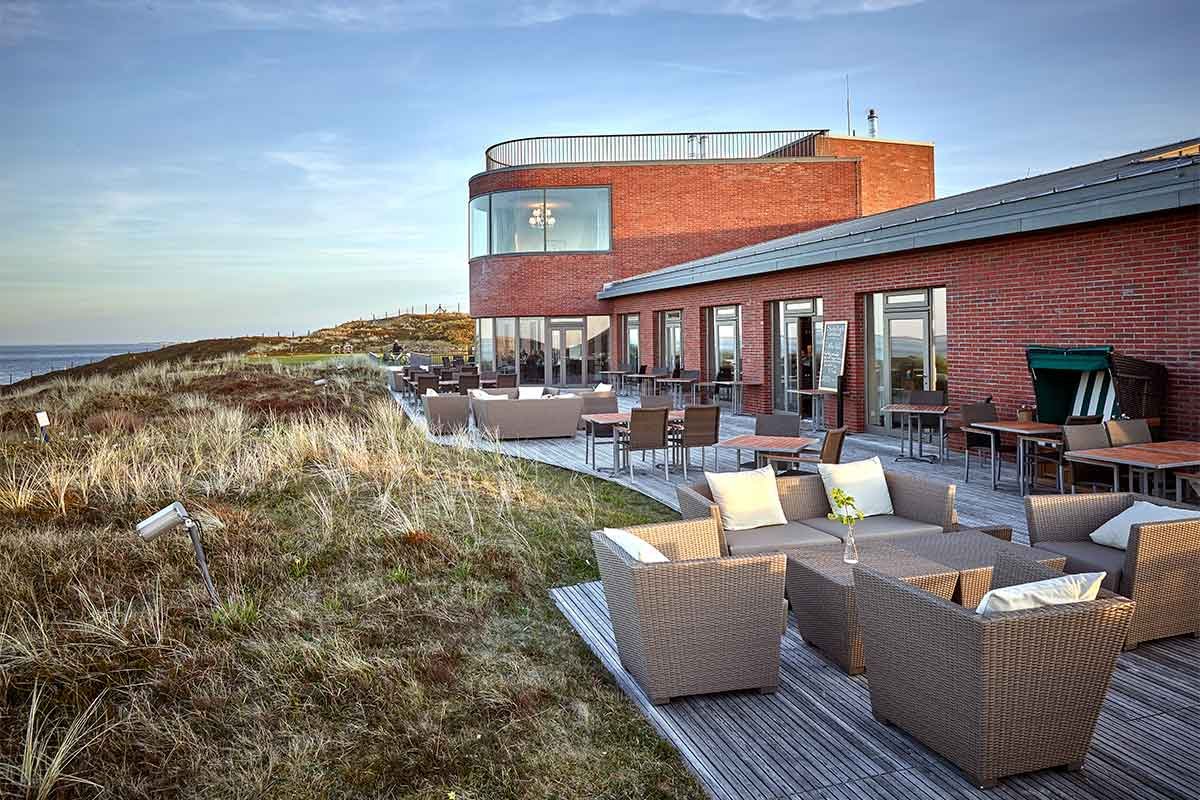
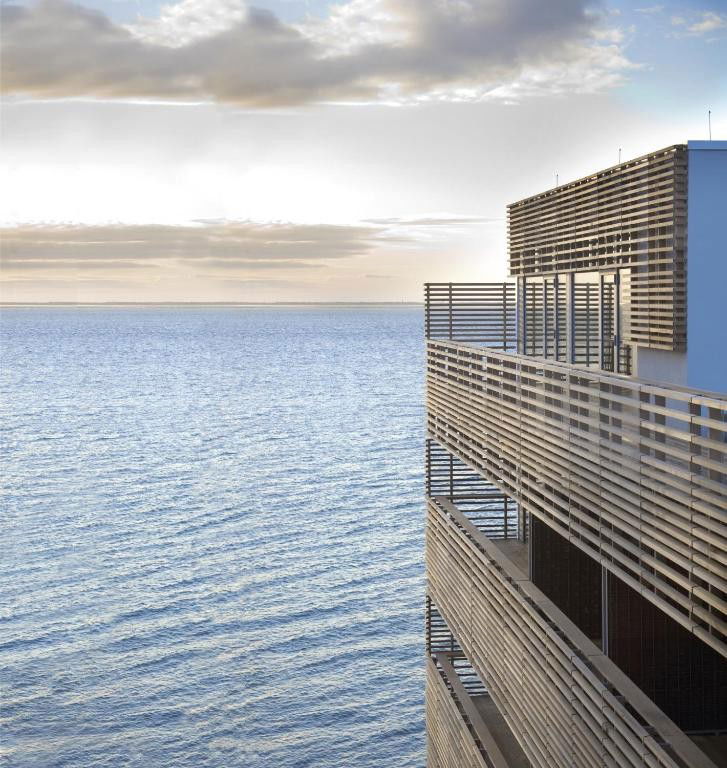
BUDERSAND reads as a modern, quietly composed intervention on Sylt’s southern tip. The building’s low, horizontal massing and crisp lines deliberately defer to the surrounding sea and the adjacent links course, making the landscape the principal actor. Interiors and rooms are designed to frame the exterior rather than compete with it, so the hotel feels restrained and minimal rather than ornate. That architectural discipline produces a calm, contemplative atmosphere: you arrive expecting views and elemental coastal light, not dramatic interior flourishes, and the property delivers a refined, serene coastal aesthetic.
Best For
BUDERSAND is ideal for travelers who prioritize coastal scenery and thoughtful modern design, and for golfers seeking direct access to an 18-hole links course. With 77 balcony-equipped rooms facing either the fairways or the Wadden Sea, the hotel suits couples and small groups wanting a quiet, design-led seaside escape. Its placement on the island’s quieter southern tip appeals to guests after solitude and strong landscape connections rather than bustling resort activity. In short, it’s a destination for people who want to be outside—on the links or watching the tides—while staying in a carefully composed architectural setting.
Stay Tips
When booking, specify your preference for a sea-facing or fairway-facing room: all rooms have balconies, so your choice determines whether your primary view is the Wadden Sea or the golf course. Golfers should plan and reserve tee times in advance given the course’s central role in the property’s layout. Expect the hotel’s strengths to be its views and architecture rather than interior theatrics, so prioritize rooms with balconies and early arrival times if you want to catch low-tide light over the tidal flats.
Venue details
Ambiance
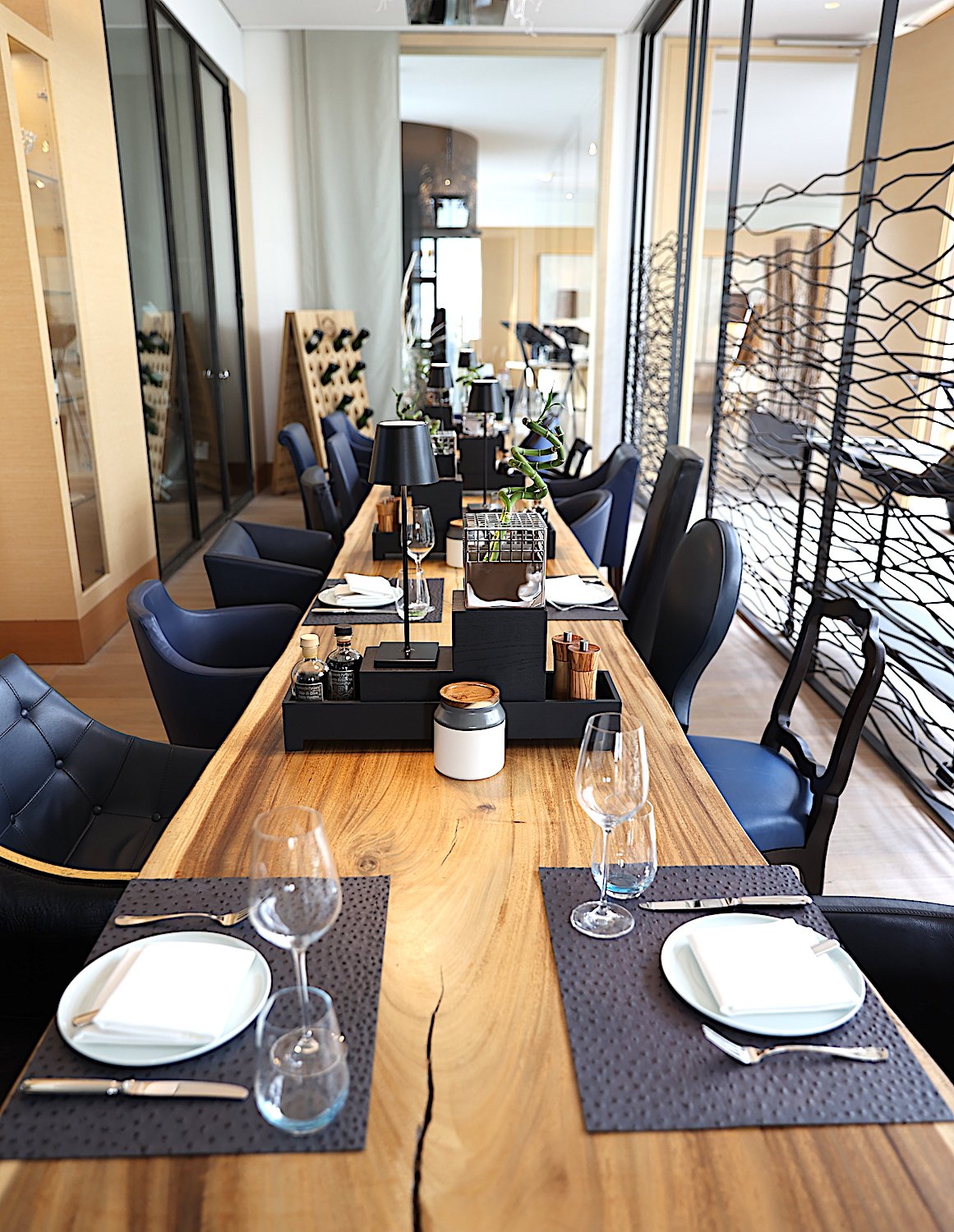
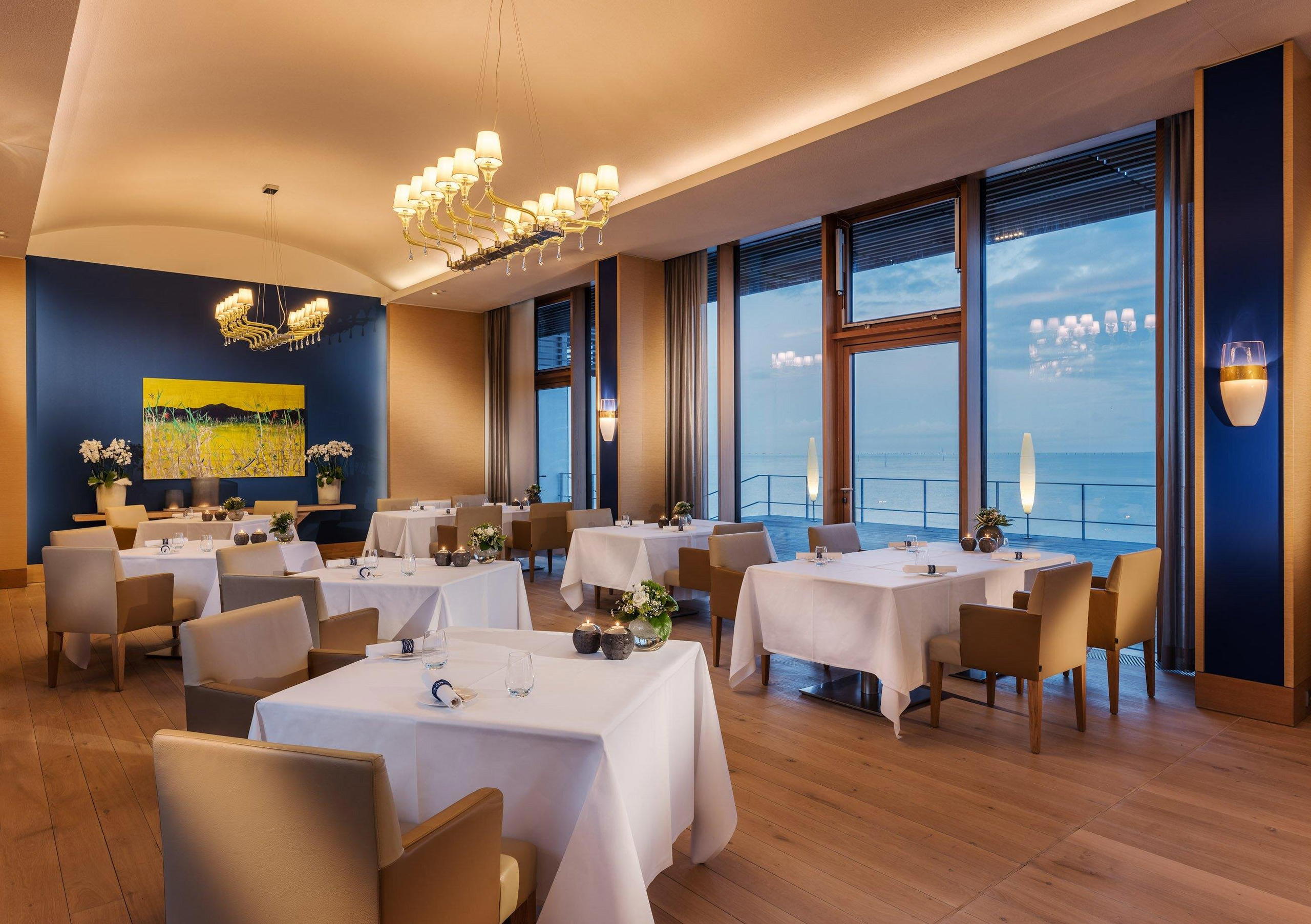
Serene and elegant with natural light, warm colors, and stunning sea views creating a tranquil oasis for relaxation.
Tags
Vibe
Best For
Experience
Amenities
View
Accessibility
About the Stay
- Rooms
- 75
- Check-in
- 15:00
- Check-out
- 12:00
- Property Style
- Contemporary Beachfront Resort with Golf and Spa
- Design Style
- Crisp Contemporary with Stylish Interiors and Warm Colors
- Airport Transfer
- Available
- Pool
- Yes
- Spa
- Yes
- Families
- Welcome
Know before you go
Know Before You Go
- Getting there
- Am Kai 3, 25997 Hörnum (Sylt)
Planning details
Location
Recognition and awards

Also consider
Also Consider
- Alte Strandvogtei, Notable alternative
- Söl'ring Hof, Notable alternative
- Hof Galerie, Notable alternative
- Hotel Aarnhoog, Notable alternative
- Benen-Diken-Hof, Notable alternative
Hotel context
How It Compares
BUDERSAND Hotel is the strongest pick in this group for travelers who want a full-service Hörnum anchor with serious hotel recognition behind it. Compared with Söl'ring Hof, it feels like the safer choice for a polished hotel stay, while Söl'ring Hof is the better cross-shop if the trip is built around a smaller, more intimate Sylt experience.
Alte Strandvogtei and Hof Galerie are easier recommendations for guests who want a quieter, less formal island mood. They are sensible alternatives if value and low-key ambiance matter more than a heavily serviced stay.
Hotel Aarnhoog and Benen-Diken-Hof are the practical backups when availability is tight or when Hörnum is not essential. Choose BUDERSAND for the south-Sylt setting and service confidence; choose the others when village atmosphere or a softer price-feel is the priority.
Explore Hörnum
Around this place
Discover more on Pearl
Unlock the full BUDERSAND Hotel guide in Pearl, including awards, comparisons, FAQs, planning details, and nearby places.
Compare BUDERSAND Hotel
| Venue | Location | Awards |
|---|---|---|
| BUDERSAND Hotel | Hörnum | 2026 La Liste Top Hotels2026 Michelin 2 KeysMichelin 2 Keys 20252025 Michelin 2 Keys2024 Michelin 2 Keys |
| Alte Strandvogtei | Sylt | No published awards |
| Söl'ring Hof | Sylt | 2026 La Liste Top Hotels2026 Michelin 2 KeysMichelin 2 Keys 20252025 Michelin 2 Keys2024 Michelin 2 Keys |
| Hof Galerie | Sylt | 2026 Michelin 1 Key2025 Michelin 1 Key |
| Hotel Aarnhoog | Sylt | No published awards |
| Benen-Diken-Hof | Sylt | No published awards |


How BUDERSAND Hotel Hörnum compares with similar nearby venues.
FAQ
Frequently Asked Questions
Do loyalty programs work at BUDERSAND Hotel?
Loyalty program details for BUDERSAND Hotel are not available. The hotel is in Hörnum, has Michelin 2 Keys for 2024, and appears in La Liste Top Hotels 2026 with 96.5 points. If points, elite benefits, or member rates are important, confirm directly with the hotel before booking. Benen-Diken-Hof is another property travelers may compare.
How is the dining at BUDERSAND Hotel?
Specifics on the hotel's cuisine, restaurant format, meal periods, chef, pricing, or dietary accommodations are not available. Treat dining as something to confirm directly with BUDERSAND Hotel before booking. If dining is a major part of the trip, Söl'ring Hof is another name travelers may compare, and other Hörnum dining can be considered generically.
Which room category is best at BUDERSAND Hotel?
Specific room categories, views, sizes, or upgrade value at BUDERSAND Hotel are not identified. Choose based on the current room descriptions and cancellation terms provided by the hotel. Hof Galerie is another option travelers may compare when weighing different stay styles.
How is the pool and spa at BUDERSAND Hotel?
Specific pool or spa facilities at BUDERSAND Hotel are not established. The hotel is located in Hörnum, has a smart-casual dress code, Michelin 2 Keys in 2024, and a La Liste Top Hotels 2026 score of 96.5 points. If wellness facilities are important, confirm the current offering directly with the hotel. Alte Strandvogtei is another property travelers may compare.
How is the location of BUDERSAND Hotel?
BUDERSAND Hotel is in Hörnum. A more specific street address or landmark description is not available. If you want Hörnum as your base, it belongs on the shortlist; if you are comparing other locations, Hotel Aarnhoog is another property travelers may consider.
What is check-in like at BUDERSAND Hotel?
Specific check-in procedures, arrival style, or service details at BUDERSAND Hotel are not established. Its recognition includes Michelin 2 Keys in 2024 and a La Liste Top Hotels 2026 score of 96.5 points, but guests should confirm practical arrival details directly with the hotel. Benen-Diken-Hof is another property travelers may compare.