
Kloster Hornbach
Hornbach
Hotel in Hornbach, Germany
 Book with Pearl
The Read
Monastic Conversion Hospitality
Price
$200–300per night
Why go
Kloster Hornbach is worth shortlisting if the stay should feel tied to Hornbach rather than interchangeable. Its 2025 Michelin 1 Key gives useful reassurance, but the main reason to book is the monastery setting; compare with Lösch für Freunde for another Hornbach option and with regional restaurant-hotels if dining is the priority.
About Kloster Hornbach
Kloster Hornbach is a Michelin 1 Key property in Hornbach with a smart casual dress code.
Use Kloster Hornbach as a Hornbach option with Michelin 1 Key recognition in 2025. If your decision depends on a specific restaurant format, wellness facilities, room category, business setup, or family services, check those details directly before booking.
A Michelin 1 Key stay in Hornbach
The clearest reason to put Kloster Hornbach on a shortlist is its Michelin 1 Key recognition in 2025. That is a meaningful hotel accolade, but travelers should still match the stay against their own amenity, dining, and service priorities.
The dress code is smart casual. For guests, that gives a simple expectation for presentation without implying a formal or highly prescriptive setting.
Who should book, and who should cross-shop
Book Kloster Hornbach if you want a Michelin 1 Key stay in Hornbach and are comfortable checking any trip-specific needs directly with the property. Cross-shop if your choice depends on details such as spa access, dining format, room layout, business facilities, or family services.
For comparison, consider Esplanade Saarbrücken, Lösch für Freunde, L'Arnsbourg, L'Arnsbourg Restaurant et Hôtel, and Villa René Lalique - Hôtel & Restaurant according to the needs of your trip. Other dining in Hornbach can also be considered generically if you are planning meals separately.
Quick reference: choose Kloster Hornbach for a Michelin 1 Key stay in Hornbach; check specific amenities, dining, and service details before committing.
Planning details
- Location
- Im Klosterbezirk 1, 66500 Hornbach
- Website
- kloster-hornbach.de
- Phone
- +49 6338 910100
The take
The Take
The Vibe
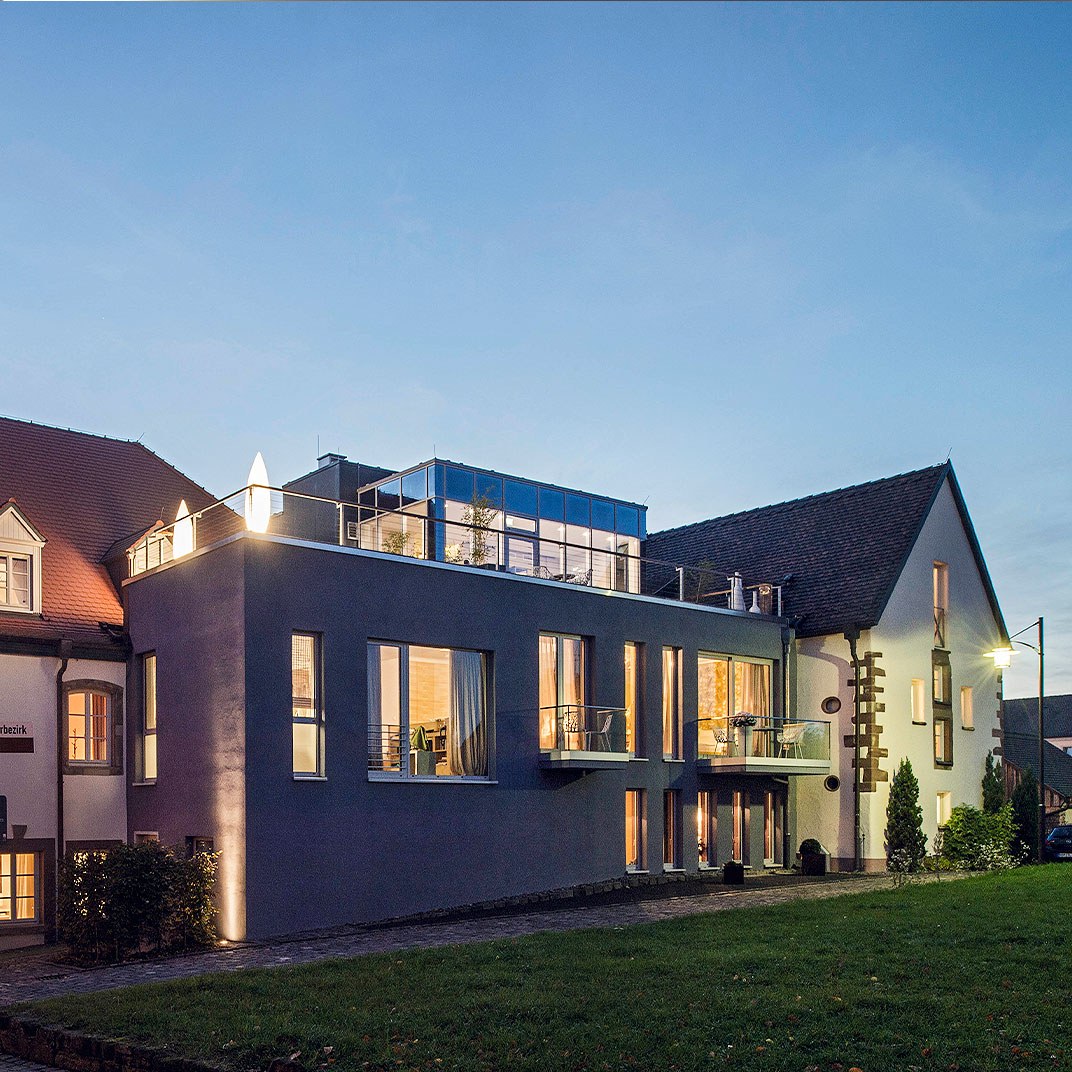
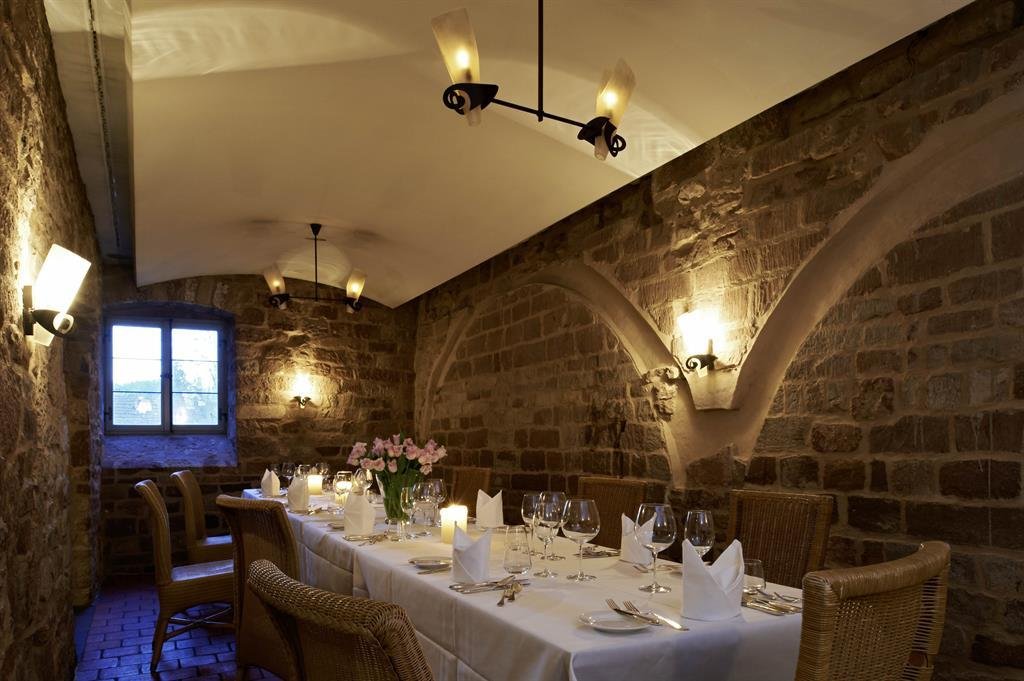
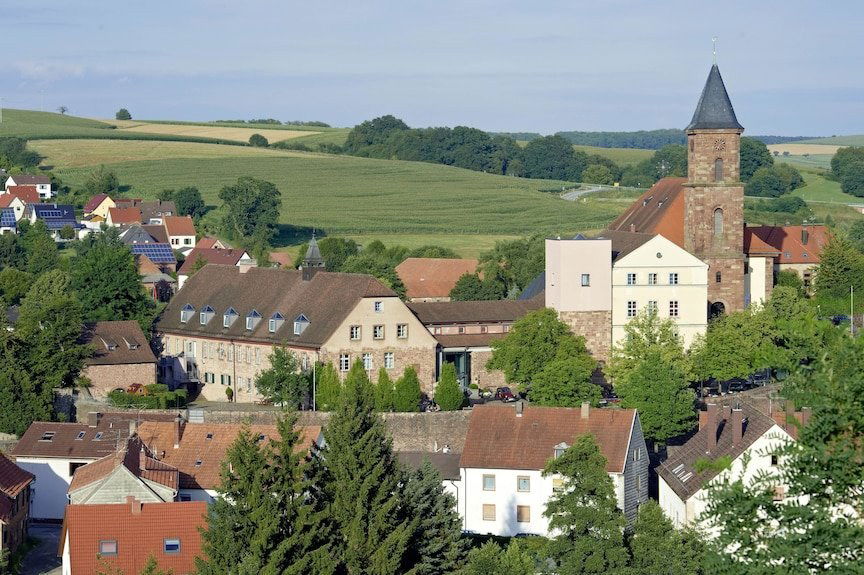
Kloster Hornbach reads like a building shaped by centuries: thick stone walls, ecclesiastical forms and a measured sense of proportion create a deeply serene atmosphere. The former monastery’s architecture informs every spatial decision, from the enclosing walls to the refectory-turned-restaurants, and the property’s silence feels intentional rather than merely quiet. Hospitality here leans on a Benedictine ethic—attentive, deliberate service that complements the historic setting. Guests encounter a calm, classical presence that favors reflection and slow rhythms over spectacle, making the hotel feel like a thoughtful retreat from modern haste.
Best For
This is a destination for travelers who prize history, calm and extended stays. With just 33 rooms and a countryside setting, it suits couples seeking a contemplative romantic getaway and small groups celebrating weddings who want a heritage backdrop. The hotel’s emphasis on monastic hospitality and spatial restraint also appeals to guests on wellness-focused retreats or anyone after a quiet weekend escape; the architecture and service philosophy reward visitors who plan multiple nights and welcome a slow, restorative pace.
Stay Tips
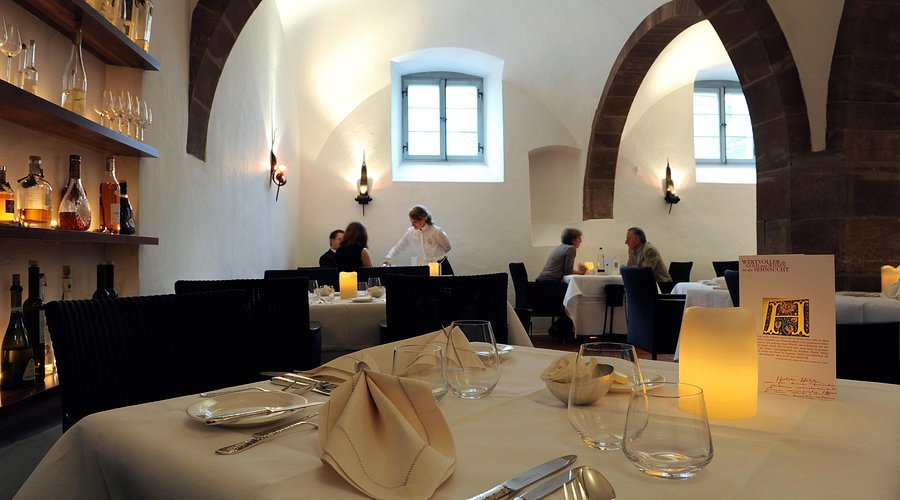
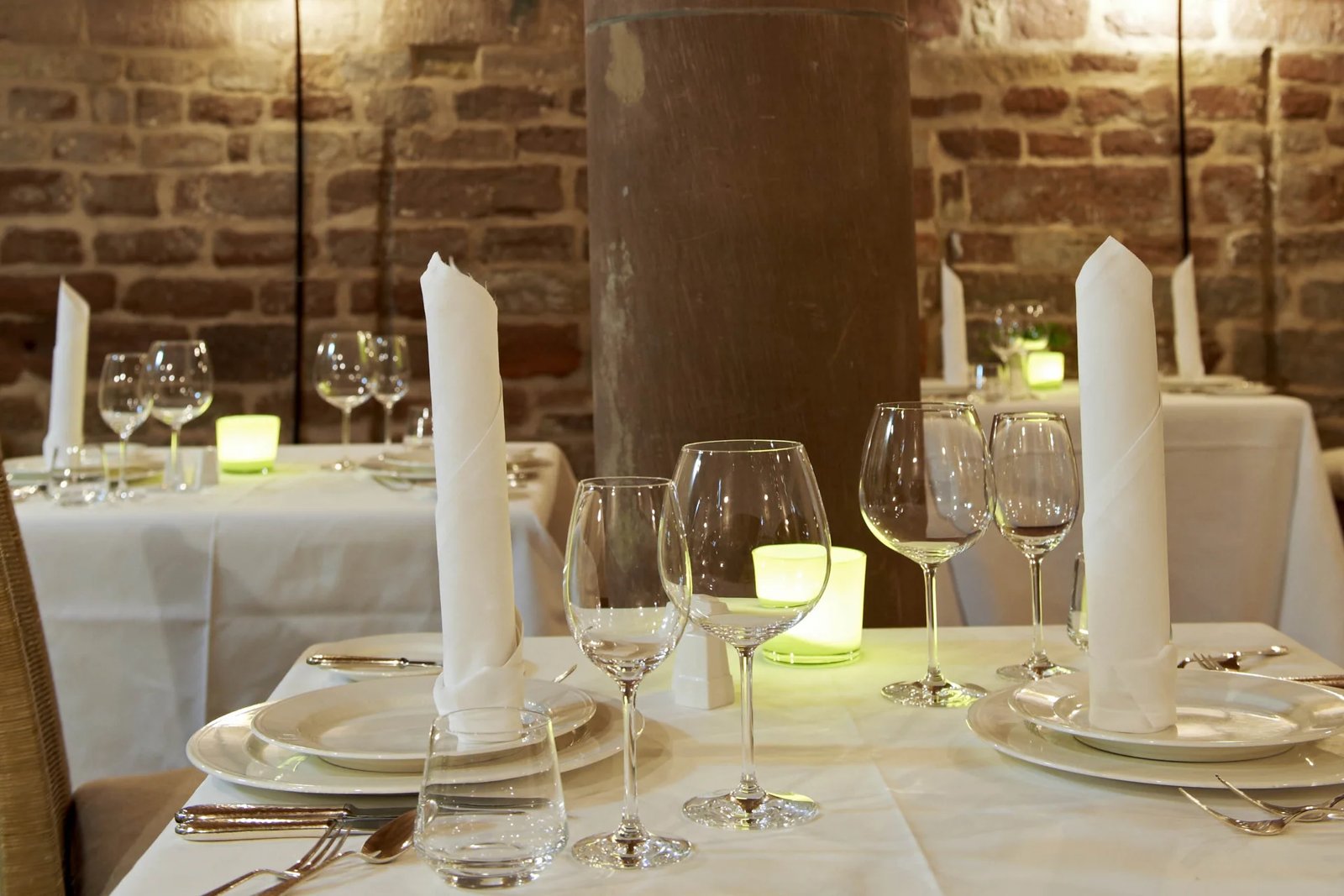
Dining here is designed around variety: the former refectory is divided into three distinct restaurant spaces so multi-night stays avoid repetition. Guests staying several nights are best served by sampling each restaurant across the course of a stay to experience the property’s culinary range. Because the culinary layout is a deliberate response to longer visits, plan your meals across different evenings rather than relying on a single dining option to get the full sense of how the hotel stages food and communal life in its converted monastic spaces.
Venue details
Ambiance
Cozy and serene atmosphere in historic cloister walls with warm lighting, personal touches like welcome notes, and relaxing spa areas praised for tranquility.
Tags
Vibe
Best For
Experience
Amenities
View
Accessibility
About the Stay
- Rooms
- 48
- Check-in
- 15:00
- Check-out
- 11:00
- Property Type
- Heritage hotel
- Property Style
- Historic Monastery with Modern Accents
- Design Style
- Blend of Ancient Stone Architecture and Contemporary Elegance
- Breakfast
- Included
- Airport Transfer
- Available
- Pool
- Yes
- Spa
- Yes
- Pets
- Allowed
- Families
- Welcome
Know before you go
Know Before You Go
- Getting there
- Im Klosterbezirk 1, 66500 Hornbach
Planning details
Location
Recognition and awards
Also consider
Also Consider
- Lösch für Freunde, Notable alternative
- Esplanade Saarbrücken, Notable alternative
- L'Arnsbourg, Notable alternative
- L'Arnsbourg Restaurant et Hôtel, Notable alternative
- Villa René Lalique - Hôtel & Restaurant, Notable alternative
Hotel context
How it compares
Kloster Hornbach is the better Hornbach pick for travelers who want a stay shaped by setting and atmosphere, with Michelin 1 Key recognition adding confidence. Lösch für Freunde is the natural local alternative, especially if the decision is simply whether to stay in Hornbach rather than travel out for a more restaurant-led hotel.
Esplanade Saarbrücken is the more practical comparison if city access matters. Choose it over Kloster Hornbach when the trip is business-leaning or Saarbrücken is the actual anchor; choose Kloster Hornbach when the overnight itself should feel quieter and more place-specific.
For a dining-first trip, cross-shop harder with L'Arnsbourg, L'Arnsbourg Restaurant et Hôtel, and Villa René Lalique - Hôtel & Restaurant. Those are better fits when the restaurant is the reason for travel; Kloster Hornbach is the better value call when the room, setting, and Hornbach location carry the decision.
Explore Hornbach
Around this place
Discover more on Pearl
Unlock the full Kloster Hornbach guide in Pearl, including awards, comparisons, FAQs, planning details, and nearby places.
Compare Kloster Hornbach
| Venue | Location | Awards |
|---|---|---|
| Kloster Hornbach | Hornbach | 2025 Michelin 1 KeyMichelin 1 Key 2025 |
| Lösch für Freunde | Hornbach | No published awards |
| Esplanade Saarbrücken | Saarbrücken | 2026 Michelin 1 Key2025 Michelin 2 Keys2024 Michelin 2 Keys |
| L'Arnsbourg | Baerenthal | No published awards |
| L’Arnsbourg Restaurant et Hôtel | Baerenthal | 2026 Relais Chateaux Hotels2025 Relais Chateaux Award |
| Villa René Lalique - Hôtel & Restaurant | Wingen-sur-Moder | 2026 Relais Chateaux Hotels2026 Michelin 1 Key2025 Gault & Millau Exceptional Hotel2025 Michelin 1 Key2025 Relais Chateaux Award |




How Kloster Hornbach Hornbach compares with similar nearby venues.
FAQ
Frequently Asked Questions
Which room category is best at Kloster Hornbach?
How is the dining at Kloster Hornbach?
If dining is central to your trip, check current details directly with Kloster Hornbach and compare with options such as L'Arnsbourg Restaurant et Hôtel if appropriate.
Is Kloster Hornbach good for business travel?
If you need meeting space, work amenities, or city access, check those requirements before booking and compare with Esplanade Saarbrücken if it better suits your itinerary.
Is Kloster Hornbach family-friendly?
Do loyalty programs work at Kloster Hornbach?
How is the pool and spa at Kloster Hornbach?
If wellness access is important, check current facilities directly and compare with L'Arnsbourg or Villa René Lalique - Hôtel & Restaurant if they suit your trip.