


Namia River Retreat
Cam Thanh, Hoi An
Hotel in Hoi An, Vietnam
 Book with Pearl
The Read
River-Axis Seclusion
Why go
Namia River Retreat is the right Hoi An pick for a calm, wellness-led stay rather than a high-energy resort base. Its Tatler 2025 wellness recognition, Small Luxury Hotels of the World membership, and Virtuoso partner status make it a credible choice for spa-focused travelers; cross-shop Danang if beachfront scale, city access, or golf matters more.
About Namia River Retreat
Is Namia River Retreat worth booking in Hoi An? It is best considered for travelers prioritising a wellness-recognised Hoi An stay rather than a trip built around specific facilities, dining, or location details. The clearest reasons to consider it are its Hoi An setting, Small Luxury Hotels of the World membership, Tatler 2025 hotel recognition, Tatler 2025 wellness-retreat recognition, and Virtuoso Luxury Hotel Partner recognition for 2026.
A wellness-recognised stay in Hoi An
For travelers comparing Hoi An hotel options, Namia River Retreat is most defensible as a wellness-recognised choice. Its credentials include Tatler 2025 recognition as a Best Wellness Retreat, Tatler 2025 Best Vietnam: Best Wellness Retreat, and a listing in Tatler's Best Hotels Asia-Pacific, alongside Small Luxury Hotels of the World membership.
The main caution is category fit. Room types, dining details, spa facilities, pool facilities, service style, and the precise setting within Hoi An should be checked directly before booking. For a broader regional comparison set, travelers can also look at options such as Furama Resort Danang, Hyatt Regency Danang Resort & Spa, Novotel Danang Premier Han River, Premier Village Danang Resort Managed by Accor, or The Point Da Nang Golf Club, depending on the overall trip plan.
Book from current details; cross-shop for other trip priorities
Because the strongest reasons to book are recognition and positioning rather than operational details, booking decisions should be based on the official current information from the property. Confirm the room category, inclusions, dining arrangements, arrival details, and any wellness programming directly before committing.
Quick reference: consider Namia River Retreat for a wellness-recognised stay in Hoi An with Tatler 2025, Small Luxury Hotels of the World, and Virtuoso recognition; compare other regional venues if the trip is primarily about a different setting or activity.
Planning details
- Location
- Cồn Bắp, Cẩm Nam, Hội An, Quảng Nam, Vietnam
- Phone
- (+84) 0235 3969 888
The take
The Take
The Vibe
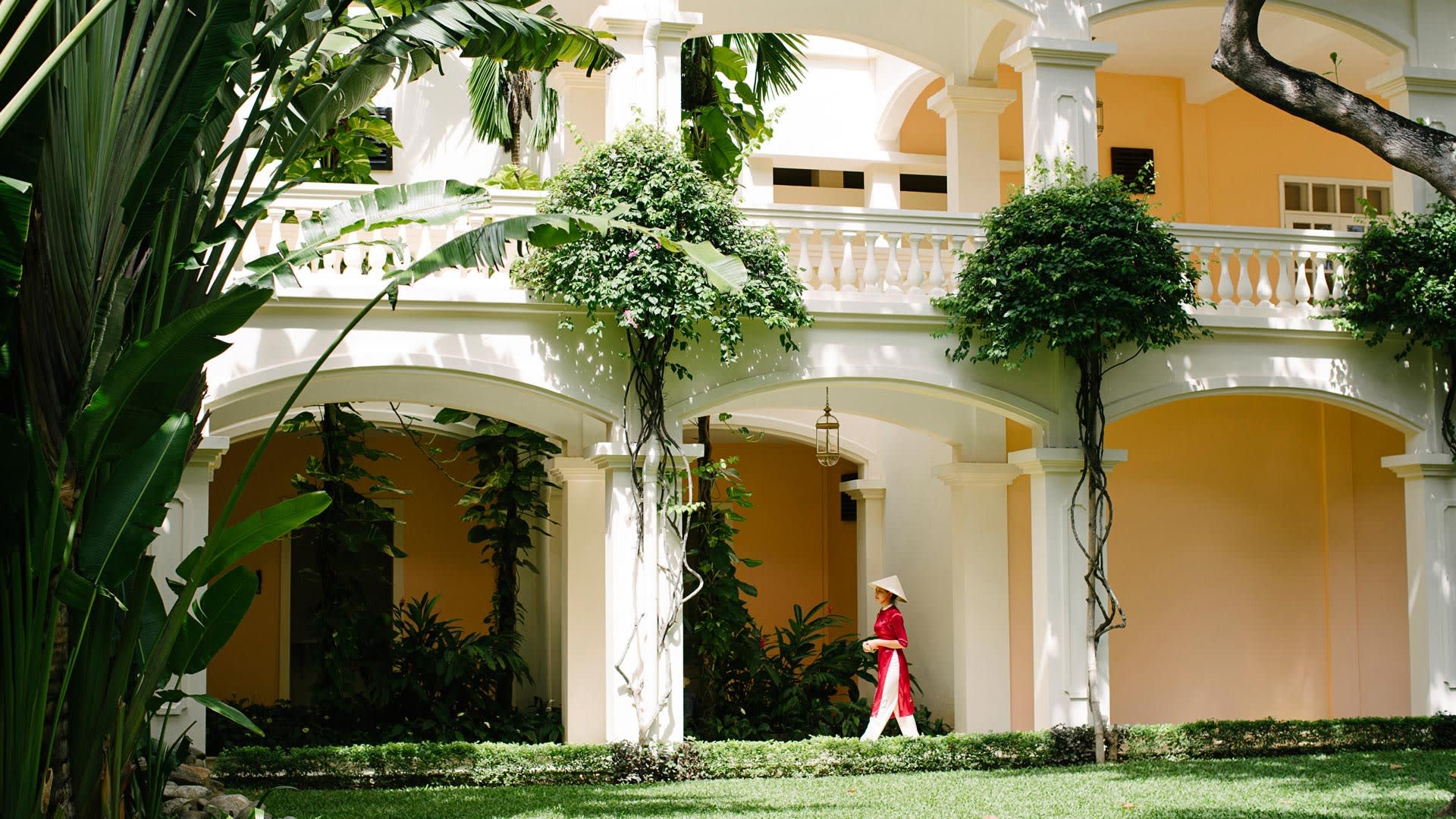
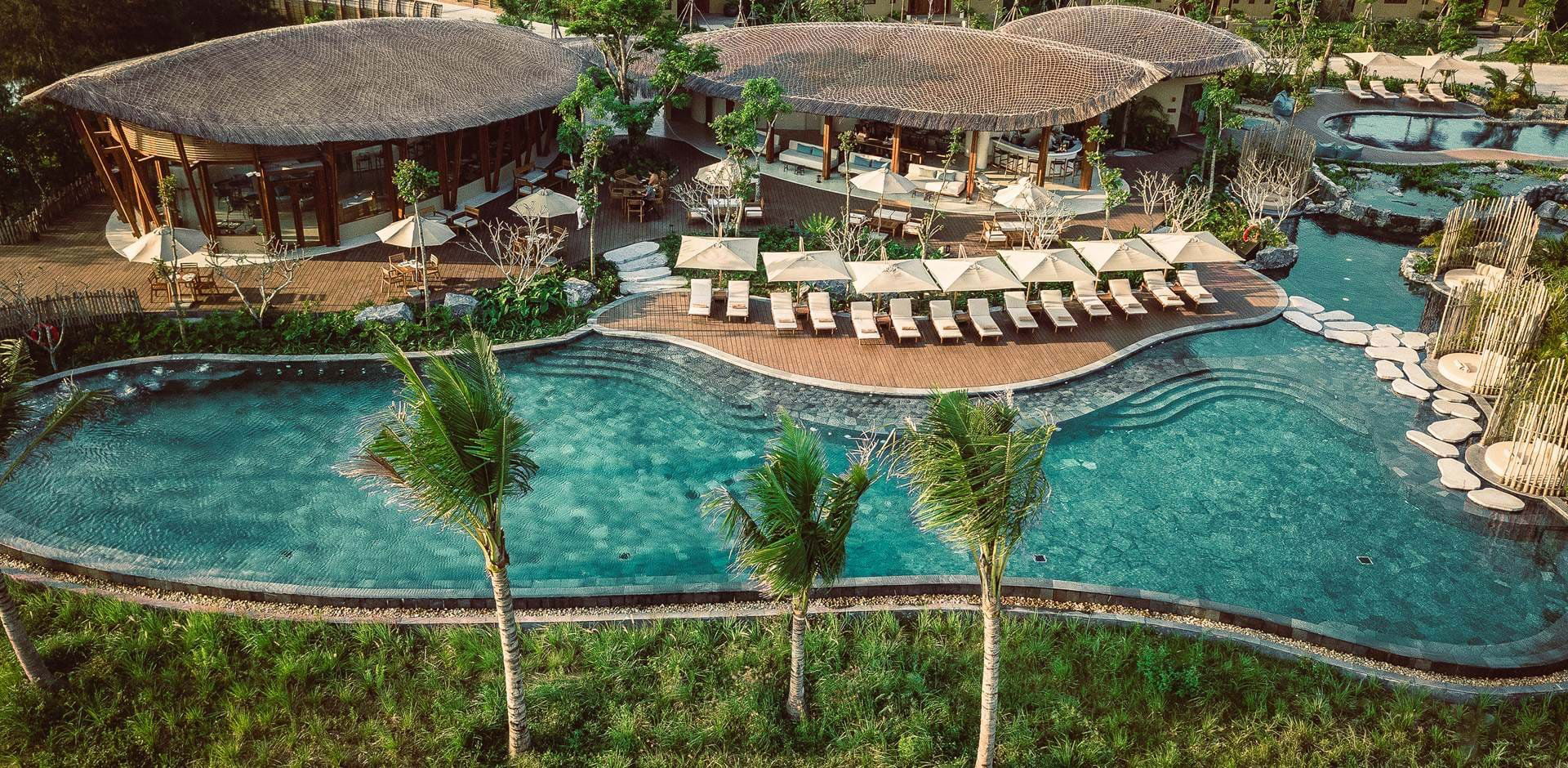
Namia River Retreat presents an intimate, river‑edge alternative to Hoi An’s larger beach resorts, leaning squarely into wellness and slow travel. The property’s small scale and riverside siting create a serene atmosphere where the landscape — the Thu Bon River and floodplain villages — sets the rhythm. Programming skews toward culture‑adjacent and healing traditions rather than nightlife or watersports, and the 2025 Tatler Asia recognition as a Leading Wellness Retreat underlines its programmatic focus. Expect calm communal spaces, discreet service and an overall relaxed tone that suits travelers seeking restorative time beside the river.
Best For
This retreat is best for travelers prioritizing wellness, quiet and cultural immersion. It suits couples on romantic getaways and honeymooners who want an intimate riverside setting, and guests focused on spa and traditional Vietnamese healing practices. Families seeking a low‑key, restorative stay can also find it appealing, provided they value calm over pools or nightlife. The property’s orientation away from beach resort energy makes it a poor fit for those wanting watersports or late‑night scenes, and a strong choice for anyone seeking a deliberate, slow‑paced hotel experience.
Stay Tips
Book river‑view accommodations and wellness programming early, since the property’s intimate scale suggests limited availability. Prioritize spa or treatment reservations linked to the retreat’s Thuốc Nam and other Vietnam‑centered wellness offerings, as the hotel is positioned around programmatic depth rather than a generic spa. Allow extra time to enjoy the riverside setting and culture‑adjacent experiences; the property’s pace rewards unhurried itineraries rather than tightly scheduled day trips.
Venue details
Ambiance
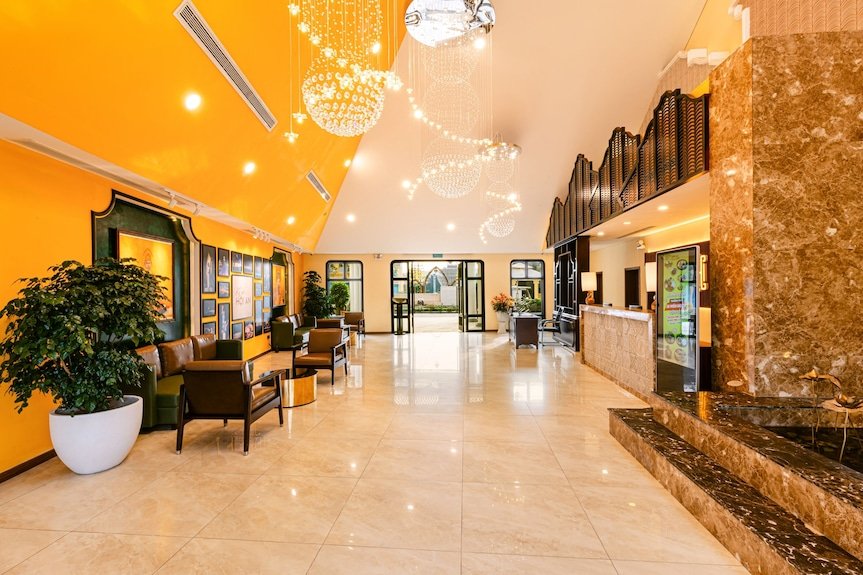
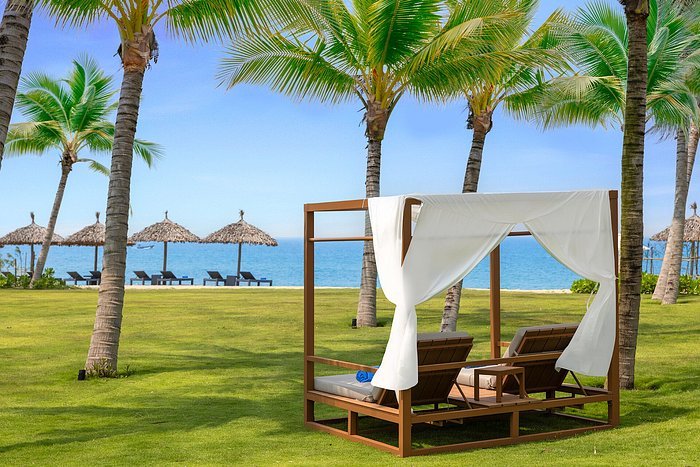
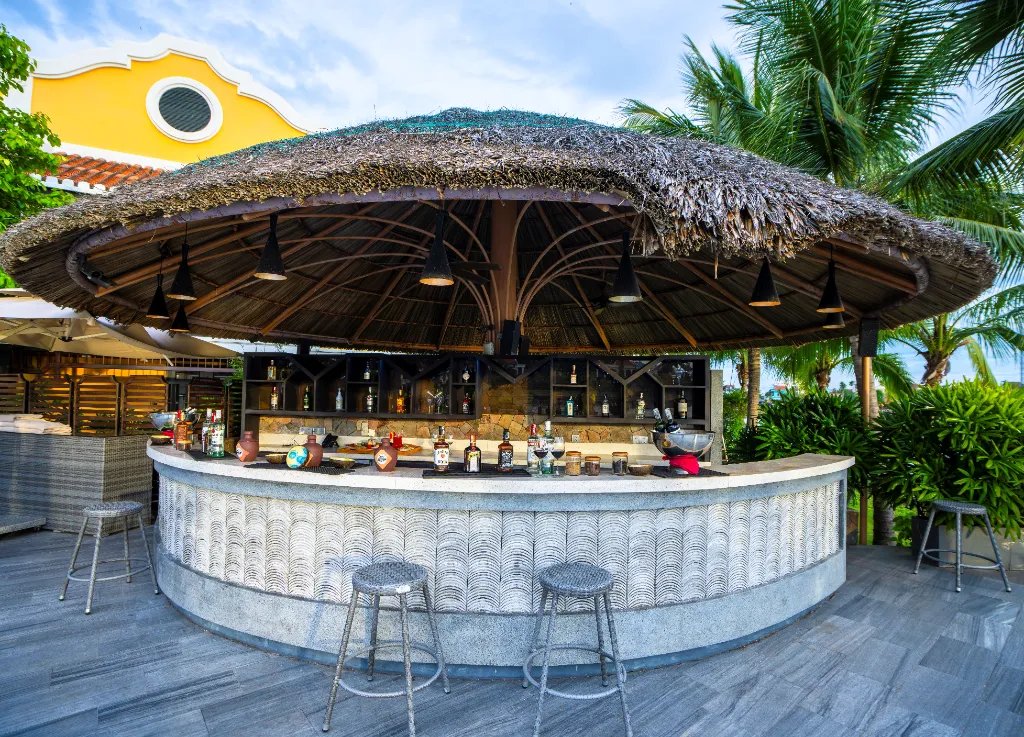
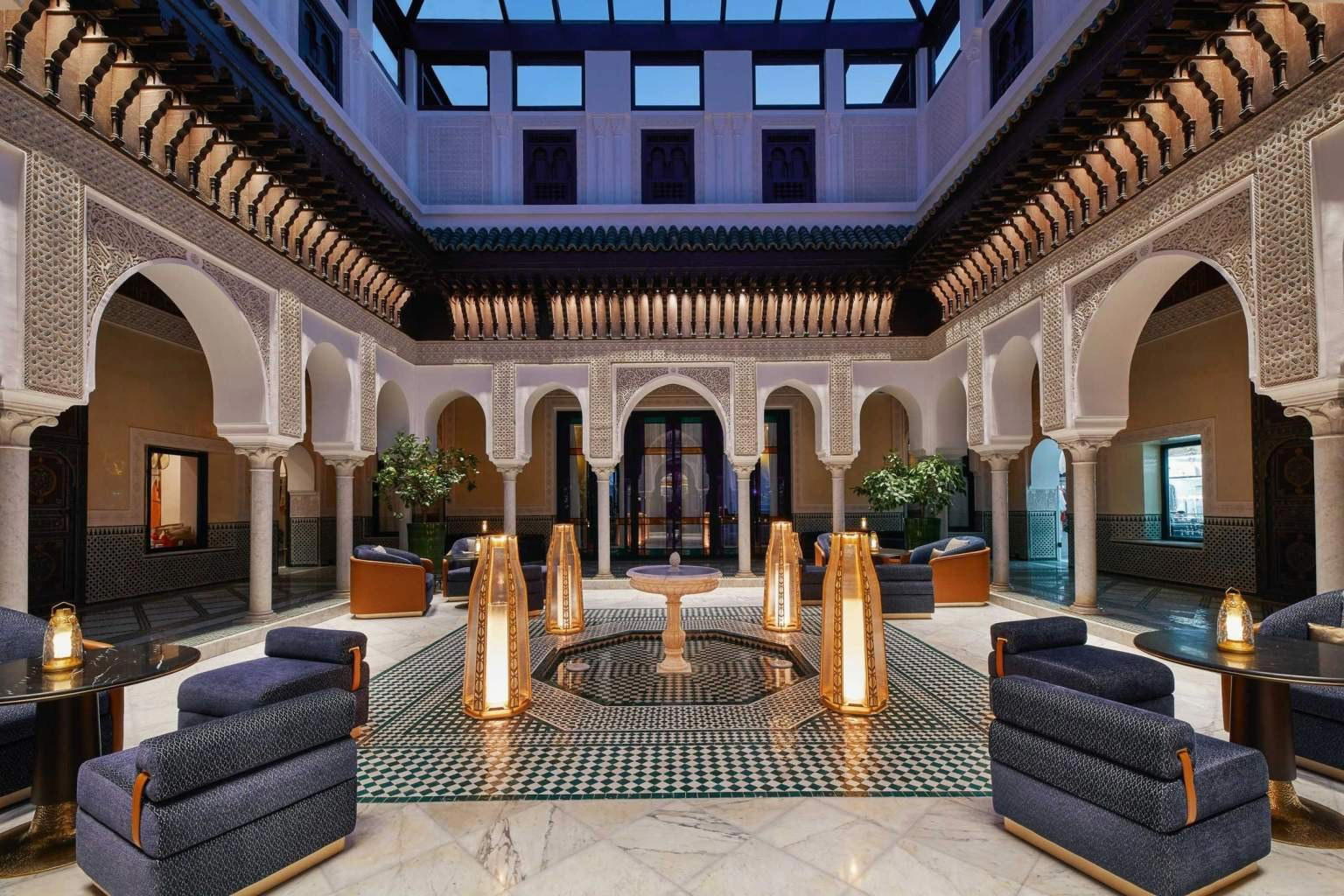
Tranquil and serene with peaceful river views, modern chic design fusing traditional Vietnamese elements, soundproofed rooms, and calming neutral tones.
Tags
Vibe
Best For
Experience
Amenities
View
About the Stay
- Rooms
- 60
- Check-in
- 15:00
- Check-out
- 11:00
- Property Style
- Wellness Inclusive Riverside Resort with Private Pool Villas
- Design Style
- Modern Chic with Traditional Vietnamese Fusion and Neutral Tones
Know before you go
Know Before You Go
- Getting there
- Cồn Bắp, Cẩm Nam, Hội An, Quảng Nam, Vietnam
Planning details
Location
Cồn Bắp, Cẩm Nam, Hội An, Quảng Nam, Vietnam · Directions


Also consider
Also Consider
- Hyatt Regency Danang Resort & Spa, Notable alternative
- Furama Resort Danang, Notable alternative
- Premier Village Danang Resort Managed by Accor, Notable alternative
- The Point Da Nang Golf Club, Notable alternative
- Novotel Danang Premier Han River, Notable alternative
Hotel context
How It Compares
Choose Namia River Retreat if the priority is a quiet Hoi An wellness stay with stronger retreat credentials than a standard resort break. Hyatt Regency Danang Resort & Spa and Furama Resort Danang make more sense for travelers who want a larger Danang beach-resort environment, but they are less tailored to a river-retreat mood in Hoi An.
Premier Village Danang Resort Managed by Accor is the better cross-shop for families or groups who want villa-style space and resort infrastructure. Namia is the cleaner choice for couples or solo travelers who care more about spa time, quiet, and a slower daily rhythm. Booking difficulty is easy here, so it is also less stressful than planning around scarce-room, high-demand resort dates.
For a non-resort trip, Novotel Danang Premier Han River is stronger for Danang city access, while The Point Da Nang Golf Club is the obvious pick if golf drives the itinerary. For Hoi An hotels specifically, compare Anantara Hoi An Resort, Almanity Hoi An Wellness Resort, Four Seasons Resort, The Nam Hai, Hoi An Memories Resort & Spa, Hotel Royal Gallery Hoi An, Hotel Royal Hoi An Danang, Namia River Retreat - Wellness Inclusive Resort, and Silk Sense Hoi An River Resort. For wider planning, use Our full Hoi An hotels guide, plus Our full Hoi An restaurants guide, Our full Hoi An bars guide, Our full Hoi An wineries guide, and Our full Hoi An experiences guide.
Also worth browsing across Vietnam: Aira Boutique Hanoi Hotel & Spa in Hanoi, Amanaki Saigon Boutique Hotel in Ho Chi Minh City, Amanoi in Vinh Hy, Amiana Resort Nha Trang in Nha Trang, An Lam Retreats Saigon River in Thuan An District, Anantara Quy Nhon Villas in Quy Nhon, Ancient Hue Garden Houses in Hue, Asteria Mui Ne Resort in Phan Thiet, and Azerai Ke Ga Bay in Ham Thuan Nam District. For outlier inspiration, see !Xaus Lodge in Dawid Kruiper.Here Baa Atoll Maldives in Baa Atoll, and "Róże i Zen" Apartamenty. Pokoje Gościnne in Torun.
Explore Hoi An
Around this place
Discover more on Pearl
Unlock the full Namia River Retreat guide in Pearl, including awards, comparisons, FAQs, planning details, and nearby places.
Compare Namia River Retreat
| Venue | Location | Awards |
|---|---|---|
| Namia River Retreat | Hoi An | 2026 Virtuoso Luxury Hotel CollectionTatler Best Hotels Asia-Pacific 2025Small Luxury Hotels Member 2025 |
| Hyatt Regency Danang Resort & Spa | Da Nang | 2025 Travel + Leisure 100 Favorite Hotels in the World · #862025 Michelin Selected Hotels |
| Furama Resort Danang | Da Nang | No published awards |
| Premier Village Danang Resort Managed by Accor | Da Nang | No published awards |
| The Point Da Nang Golf Club | Ngu Hanh Son | No published awards |
| Novotel Danang Premier Han River | Hai Chau | No published awards |


How Namia River Retreat Hoi An compares with similar nearby venues.
FAQ
Frequently Asked Questions
How does Namia River Retreat compare to other regional stays?
Choose Namia River Retreat if you want a Hoi An stay with wellness-retreat recognition. It is recognised by Tatler in 2025, including as a Best Wellness Retreat, and is a Small Luxury Hotels of the World member. It is also listed as a Virtuoso Luxury Hotel Partner for 2026. For a wider regional comparison, travelers may also consider Furama Resort Danang, Hyatt Regency Danang Resort & Spa, Novotel Danang Premier Han River, Premier Village Danang Resort Managed by Accor, or The Point Da Nang Golf Club.
What is check-in like at Namia River Retreat?
How is the pool and spa at Namia River Retreat?
Namia River Retreat is a wellness-recognised Hoi An property, including Tatler 2025 Best Wellness Retreat recognition. Check the property's official channels for current pool, spa, treatment, and facility information before booking.
Is Namia River Retreat good for business travel?
Business travelers should confirm meeting spaces, remote-work amenities, and corporate services directly. Namia River Retreat can be considered for travelers who want a Hoi An stay with wellness recognition, while Novotel Danang Premier Han River is another regional hotel to compare if a different trip base is preferred.
How is the dining at Namia River Retreat?
For a dining-led trip, check the property's official channels for current restaurant concepts, cuisine, menus, prices, and service hours before booking. Other dining in Hoi An can be considered separately.
Which room category is best at Namia River Retreat?
Review the property's official room descriptions, inclusions, views, layouts, and size differences before choosing. For context, travelers can compare Namia River Retreat with another regional hotel such as Novotel Danang Premier Han River, depending on the desired trip style.
Is Namia River Retreat family-friendly?
Families considering Namia River Retreat should confirm child policies, activities, bedding arrangements, and facilities directly with the property. Travelers comparing regional stays may also look at Hyatt Regency Danang Resort & Spa or Furama Resort Danang, without assuming the same services or setting.