
Melia Ba Vi Mountain Retreat
Ba Vi, Hanoi
Hotel in Hanoi, Vietnam
 Book with Pearl
Why go
Melia Ba Vi Mountain Retreat is worth booking for a quiet special-occasion escape outside central Hanoi, not for a restaurant-led city stay. Its 2025 MICHELIN Guide Hotels Selected recognition supports the overall hotel choice, but dining should be treated as part of the retreat rather than the reason to go.
About Melia Ba Vi Mountain Retreat
Melia Ba Vi Mountain Retreat is a Hanoi hotel listed as MICHELIN Guide, Hotels Selected for 2025, with a smart-casual dress code. Specific claims about cuisine, restaurant format, prices, opening hours, room count, facilities, or exact location details should be checked directly with the property before booking.
That makes it a better fit for travelers choosing the hotel itself rather than relying on assumed dining or service details. If your plans depend on a particular meal format, a specific restaurant experience, or a tightly scheduled city itinerary, confirm those points with the hotel before committing.
Choose it for the hotel recognition, not assumed dining details
The strongest trust signal is external hotel recognition: Melia Ba Vi Mountain Retreat is a MICHELIN Guide, Hotels Selected property for 2025. That supports it as a considered hotel choice in Hanoi, but it should not be read as confirmation of a particular restaurant concept, cuisine, tasting menu, bar program, or price level.
For dining-led travel, keep the distinction clear. It does not establish a destination restaurant plan at the property. Treat meals and service details as items to confirm directly, especially if the occasion depends on a specific format or timing.
Who should book, and who should compare other Hanoi hotels
Book Melia Ba Vi Mountain Retreat if the hotel recognition and smart-casual positioning match the kind of stay you want in Hanoi. It can make sense for travelers who are comfortable checking practical details directly with the property rather than relying on assumptions about dining, facilities, or location specifics.
For a broader Hanoi hotel comparison, consider JW Marriott Hotel Hanoi, Lotte Hotel Hanoi, InterContinental Hanoi Westlake by IHG, InterContinental Hanoi Landmark72, or Dusit Le Palais Tu Hoa Hanoi. Those names are useful cross-shops when you want to compare a recognized hotel stay with other premium options in Hanoi.
Planning details
- Location
- Cote 600m, Ba Vi National Park, Ba Vì, Hà Nội, Vietnam
- Website
- melia.com/en/hotels/vietnam/hanoi/melia-ba-vi-mountain-retreat
- Phone
- +84 24 3200 9999
The take
The Take
The Vibe
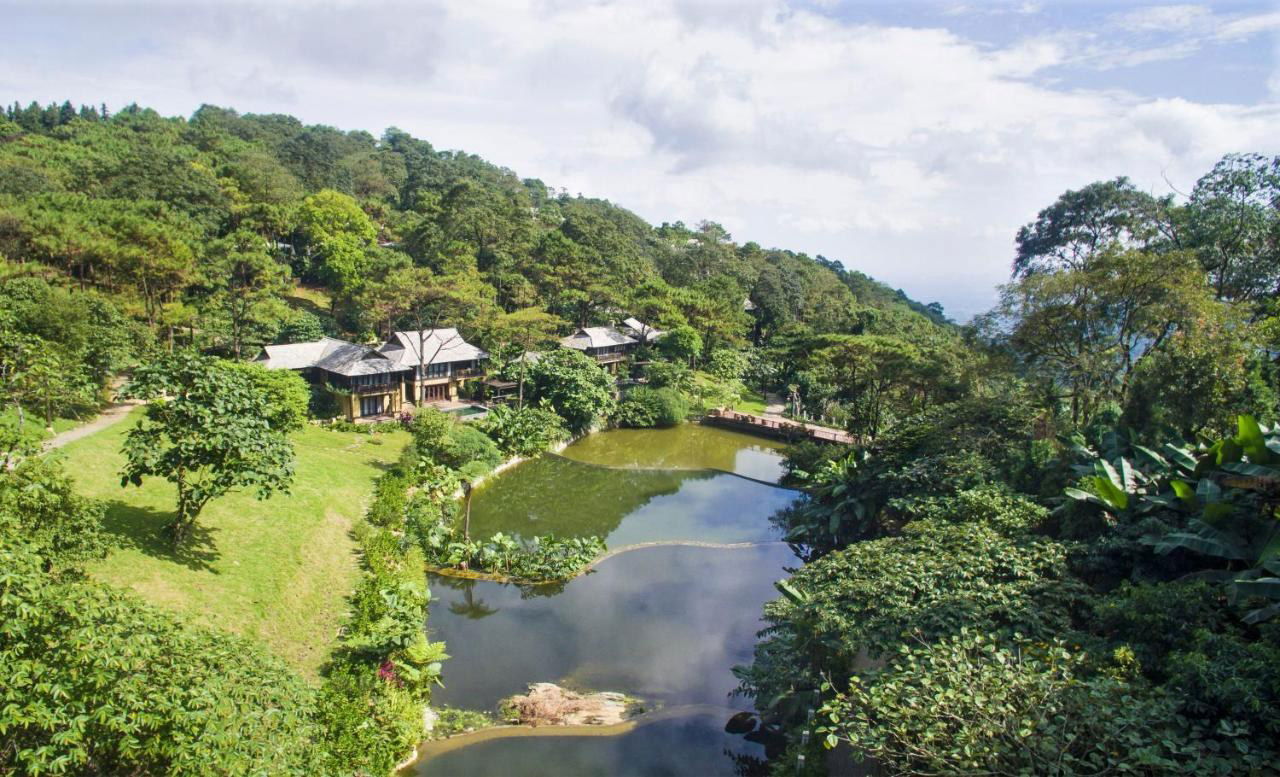
Melia Ba Vi Mountain Retreat reads as a purpose-built highland escape that foregrounds distance and natural immersion. Set inside Ba Vi National Park at roughly 600 metres, the property leans into cool air, ridge-top outlooks and a slower tempo; hospitality here is calibrated around the landscape rather than urban proximity. The tone is serene and relaxed, with an understated charm that complements the rugged park setting. With a Michelin Selected designation the retreat balances refined service standards with the quieter, restorative rhythm of a mountain site, making it feel both composed and refreshingly remote.
Best For
This retreat suits travellers from Hanoi who want a short, restorative break without long domestic travel: weekend escapes, wellness-focused stays and romantic getaways are all strong fits. Families looking for a nature-forward outing also find the setting appealing, as do solo travellers seeking quiet immersion. The property’s elevation and park location make it well matched to guests prioritizing fresh air, scenic walks and a change of pace from the city; the Michelin Selected rating signals that guests can expect a measured level of hospitality alongside the natural benefits.
Stay Tips
Plan for the journey and the climate: the road climbs through plantation forest and terraced slopes to reach the retreat, and temperatures at 600 metres run noticeably cooler than Hanoi’s valley floor, so bring layers. Allow time for transfers—approach is part of the experience—and build in daylight hours for outdoor exploration in the park. Given the property’s highland, retreat orientation, guests should set expectations around a quiet, nature-first stay rather than urban conveniences; practical items for walking and cooler evenings make the visit more comfortable.
Venue details
Ambiance
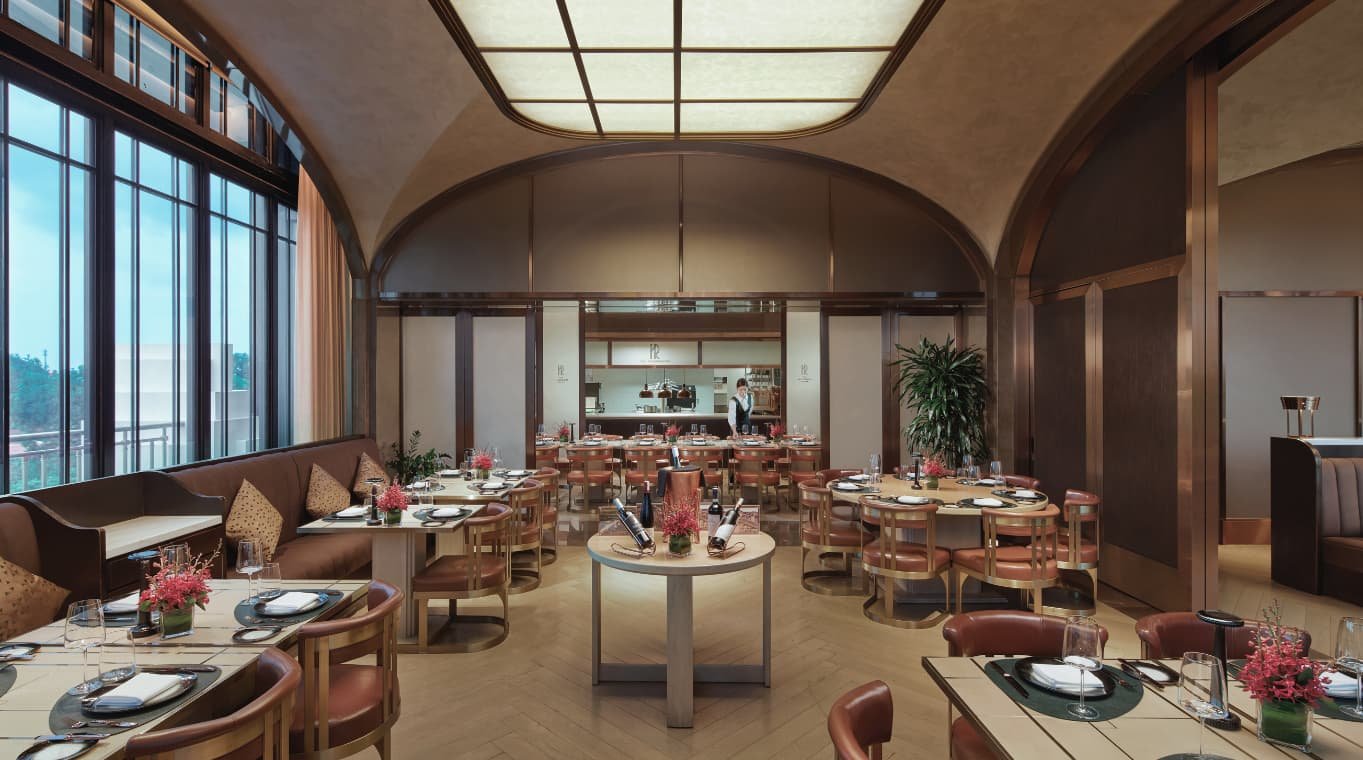
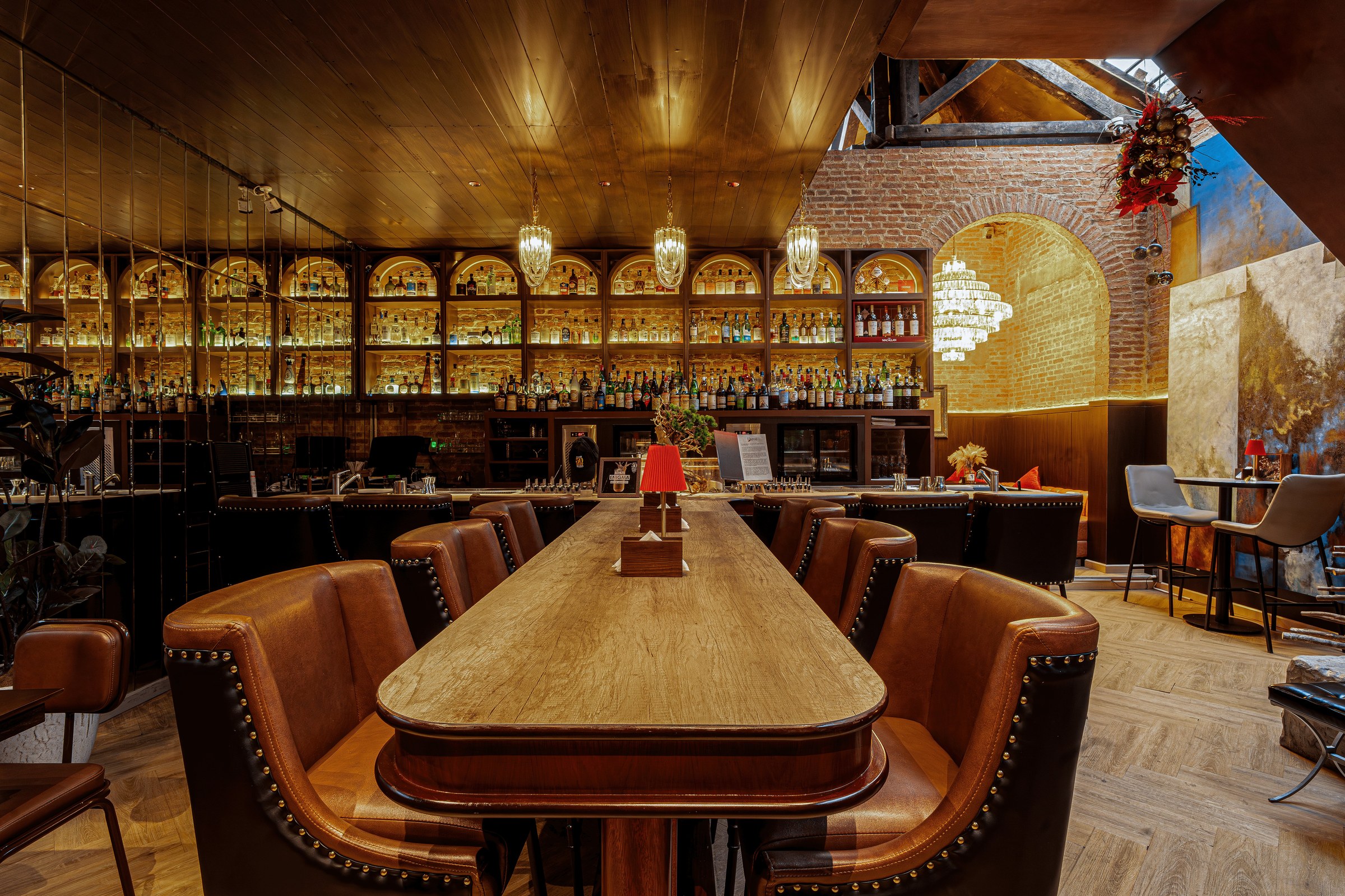
Serene and relaxing jungle setting with rustic charm, stone fireplaces, dark timber, and unhurried textured rooms overlooking mountains and gardens.
Tags
Vibe
Best For
Experience
Amenities
View
Accessibility
About the Stay
- Rooms
- 44
- Check-in
- 14:00
- Check-out
- 11:00
- Property Style
- Mountain Retreat Fusing French Colonial and Vietnamese Village Architecture
- Design Style
- Rustic Elegance with Dark Timber, Rattan, Stone Fireplaces, and Natural Textures
Know before you go
Know Before You Go
- Getting there
- Cote 600m, Ba Vi National Park, Ba Vì, Hà Nội, Vietnam
Planning details
Location
Cote 600m, Ba Vi National Park, Ba Vì, Hà Nội, Vietnam · Directions
melia.com/en/hotels/vietnam/hanoi/melia-ba-vi-mountain-retreat
Recognition and awards
Also consider
Also Consider
- InterContinental Hanoi Landmark72, Notable alternative
- JW Marriott Hotel Hanoi, Notable alternative
- Lotte Hotel Hanoi, Notable alternative
- Dusit Le Palais Tu Hoa Hanoi, Notable alternative
- InterContinental Hanoi Westlake by IHG, Notable alternative
Hotel context
How it compares with Hanoi hotels
Choose Melia Ba Vi Mountain Retreat over InterContinental Hanoi Landmark72, JW Marriott Hotel Hanoi, and Lotte Hotel Hanoi if the priority is quiet and a retreat-style occasion. Those city hotels are more practical for meetings, restaurant access, and short stays where transit time matters.
For ambiance, InterContinental Hanoi Westlake by IHG is the closer city alternative: it keeps guests in Hanoi while giving a softer, waterside feel. Melia Ba Vi Mountain Retreat is the stronger choice only when being outside the city is part of the plan, not a compromise.
If booking ease and a newer city-hotel feel matter more than retreat energy, compare Dusit Le Palais Tu Hoa Hanoi. For a celebration built around staying in, Melia Ba Vi Mountain Retreat is the more atmospheric bet; for a celebration built around dinners, bars, and taxis, stay in Hanoi.
Explore Hanoi
Around this place
Discover more on Pearl
Unlock the full Melia Ba Vi Mountain Retreat guide in Pearl, including awards, comparisons, FAQs, planning details, and nearby places.
Compare Melia Ba Vi Mountain Retreat
| Venue | Location | Awards |
|---|---|---|
| Melia Ba Vi Mountain Retreat | Hanoi | 2025 Michelin Selected Hotels |
| InterContinental Hanoi Landmark72 | Hanoi | No published awards |
| JW Marriott Hotel Hanoi | Hanoi | 2026 Forbes Recommended2025 Michelin Selected Hotels2025 Forbes Recommended |
| Lotte Hotel Hanoi | Hanoi | No published awards |
| Dusit Le Palais Tu Hoa Hanoi | Hanoi | 2026 Travel + Leisure It List Hotels |
| InterContinental Hanoi Westlake by IHG | Hanoi | No published awards |


How Melia Ba Vi Mountain Retreat Hanoi compares with similar nearby venues.
FAQ
Frequently Asked Questions
What is check-in like at Melia Ba Vi Mountain Retreat?
Specific check-in details are not available. Melia Ba Vi Mountain Retreat is in Hanoi, has a smart-casual dress code, and is listed as MICHELIN Guide, Hotels Selected for 2025. Confirm arrival timing and procedures directly with the hotel before travel.
Do loyalty programs work at Melia Ba Vi Mountain Retreat?
Loyalty-program participation is not available, so check directly before booking. If points, status benefits, or brand-specific perks are central to the decision, also compare Hanoi options such as JW Marriott Hotel Hanoi or Lotte Hotel Hanoi.
How is the dining at Melia Ba Vi Mountain Retreat?
Specific dining details such as cuisine, menu format, pricing, hours, and service style are not available. The dress code is smart casual. If the meal is the main decision point, compare other Hanoi hotels such as InterContinental Hanoi Landmark72 or JW Marriott Hotel Hanoi and check official channels for current details.
How does Melia Ba Vi Mountain Retreat compare to nearby hotels?
Melia Ba Vi Mountain Retreat is a MICHELIN Guide, Hotels Selected property for 2025 in Hanoi. For comparison, InterContinental Hanoi Landmark72, JW Marriott Hotel Hanoi, Lotte Hotel Hanoi, Dusit Le Palais Tu Hoa Hanoi, and InterContinental Hanoi Westlake by IHG are other premium Hanoi hotel options to consider depending on your itinerary and priorities.
How is the location of Melia Ba Vi Mountain Retreat?
Melia Ba Vi Mountain Retreat is in Hanoi. More specific address, neighborhood, access, and transport details are not available, so confirm them directly with the hotel before booking. Travelers comparing Hanoi stays may also look at InterContinental Hanoi Westlake by IHG or InterContinental Hanoi Landmark72.