
Vazisubani Estate
Vazisubani, Gurjaani Municipality
Hotel in Gurjaani Municipality, Georgia
 Book with Pearl
The Read
Qvevri-Rooted Estate Hospitality
Why go
Vazisubani Estate is worth prioritizing for a calm Kakheti stay, especially if the trip has a retreat, wine-country, or client-hosting angle. It is less useful for meeting-heavy business travel than Tbilisi peers, and hard booking means it works better as a planned stay than a last-minute fallback.
About Vazisubani Estate
Vazisubani Estate is a venue in Gurjaani Municipality with Michelin 1 Key recognition for 2025. The recorded dress code is smart casual.
Use this guide as a cautious starting point rather than a full operational profile. Check dining style, facilities, room count, prices, hours, booking difficulty, loyalty benefits, and transport logistics directly through the property or your booking channel before you commit.
A Michelin-recognized stay in Gurjaani Municipality
The strongest reason to place Vazisubani Estate on a shortlist is its Michelin 1 Key recognition in 2025. For travelers comparing stays in Gurjaani Municipality, that credential gives the property a clear quality signal.
Where it fits versus the wider hotel set
Travelers comparing this stay with other options may also look at Golden Tulip Design Tbilisi, Khedi Hotel Tbilisi, Tsinandali Estate, A Radisson Collection Hotel, Lopota Lake Resort & Spa, and Communal Hotel Telavi. Those names are useful reference points for building a broader hotel shortlist, while amenity, price, and service-style comparisons should be checked property by property.
Vazisubani Estate is a Gurjaani Municipality stay with Michelin 1 Key recognition in 2025 and a smart casual dress code. For anything more specific, confirm details with the property before planning around them.
Planning details
- Location
- Vazisubani Estate Kakheti Region, Vazisubani, 1504
- Website
- vazisubaniestate.ge
- Phone
- +995 353 20 02 22
The take
The Take
The Vibe
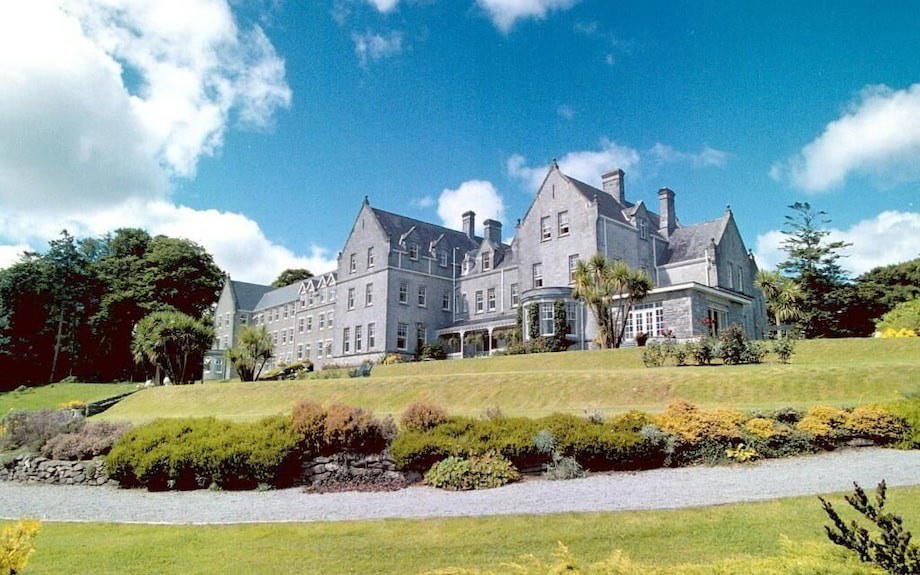
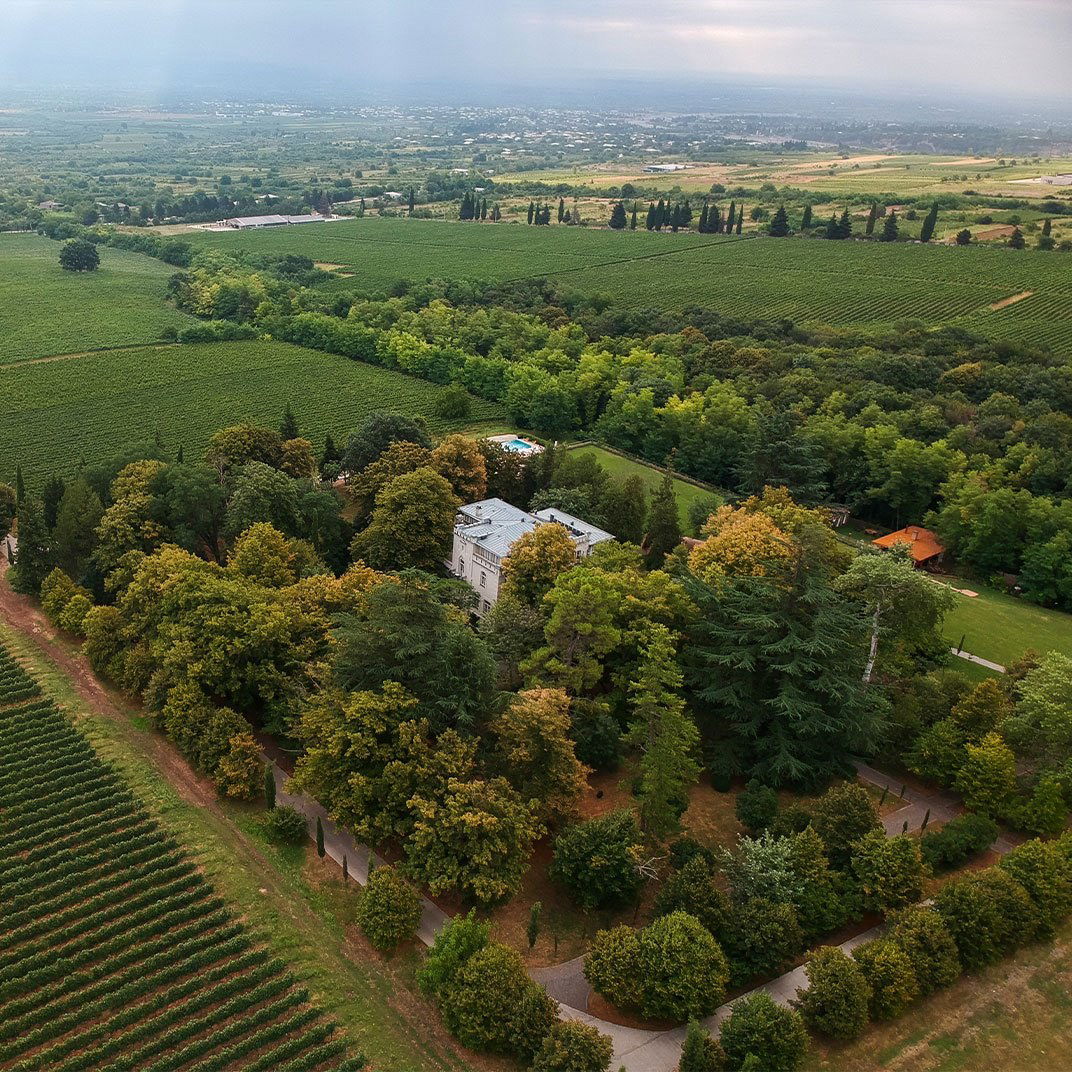
Vazisubani Estate reads like a lived-in chapter of Georgian wine-country history. The 19th-century manor is carefully restored rather than reimagined, and interiors and design choices are rooted in the building's original fabric. With just 19 rooms and owner-managed hospitality, the estate feels intimate and quietly charming rather than flashy. The surrounding working vineyards and ongoing Qvevri winemaking anchor the property in Kakheti’s millennia-old vinous tradition, so guests experience both rustic agricultural authenticity and a measured, historically respectful elegance during their stay.
Best For
This is a strong pick for travelers who prize history, wine culture and a peaceful rural setting. Couples seeking a romantic, low-key escape and honeymooners who want an intimate property benefit from the manor’s small size and restorative atmosphere. It also suits wine-minded visitors who want to stay in the heart of Kakheti’s winemaking landscape, and anyone who prefers owner-run hotels that emphasize local character over international brand standardization. The accessible pricing relative to larger estate hotels makes it appealing for discerning travelers on a moderate budget.
Stay Tips
Rooms are limited — the estate has only 19 accommodations — so book well in advance, especially for weekend stays and peak harvest months. Rates are presented from about $161 per night, which positions the property as an accessible, owner-managed alternative to larger flagged estates. When reserving, ask the hotel about on-site wine activities or demonstrations related to the Qvevri method; the description highlights active winemaking on the property, so staff can likely advise on any tastings or vineyard access. Expect a quiet, intimate rural experience rather than resort-style amenities.
Venue details
Ambiance
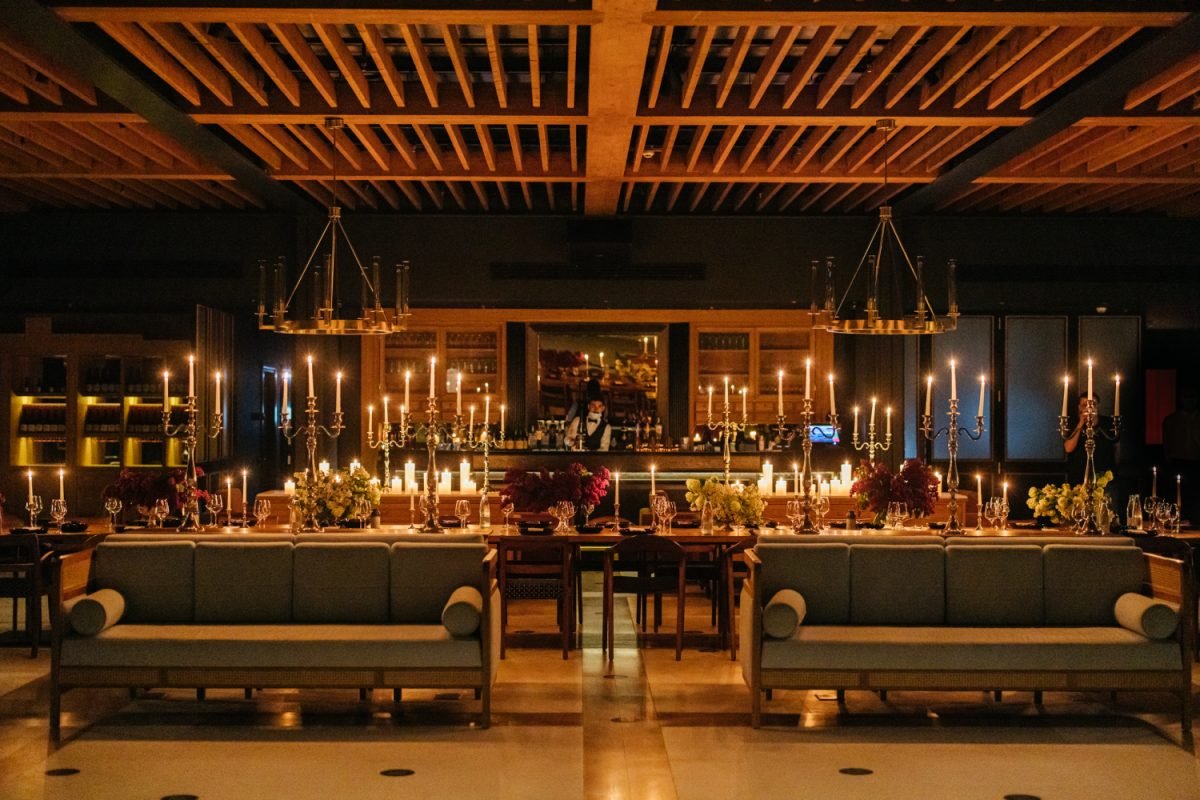
Relaxing and peaceful atmosphere with stunning mountain and vineyard views, enhanced by colonial-style furniture and natural surroundings.
Tags
Vibe
Best For
Experience
Amenities
View
Accessibility
About the Stay
- Rooms
- 19
- Check-in
- 15:00
- Check-out
- 12:00
- Property Style
- Restored 19th Century Noble Estate Turned Boutique Hotel
- Design Style
- Contemporary Classic with Victorian Antiques
Know before you go
Know Before You Go
- Getting there
- Vazisubani Estate Kakheti Region, Vazisubani, 1504
Planning details
Location
Recognition and awards
Also consider
Also Consider
- Tsinandali Estate, A Radisson Collection Hotel, Notable alternative
- Communal Hotel Telavi, Notable alternative
- Lopota Lake Resort & Spa, Notable alternative
- Golden Tulip Design Tbilisi, Notable alternative
- Khedi Hotel Tbilisi, Notable alternative
Hotel context
How It Compares
Compared with Tsinandali Estate, A Radisson Collection Hotel, Vazisubani Estate is the more intimate-feeling choice for travelers who want an estate atmosphere over a bigger branded hotel experience. Tsinandali is the safer pick for guests who value recognizable hotel infrastructure; Vazisubani is the sharper choice when quiet and setting carry more weight.
Communal Hotel Telavi is better for travelers who want a town base and easier movement around Telavi. Lopota Lake Resort & Spa is better for a resort-style stay with broader leisure appeal. Vazisubani Estate sits between them: calmer than a town hotel, less resort-driven than Lopota, and better suited to a focused Kakheti escape.
For business travel, Golden Tulip Design Tbilisi and Khedi Hotel Tbilisi are more practical if meetings are in the capital. Choose Vazisubani Estate only when the itinerary is already anchored in Gurjaani Municipality or when the stay itself needs to do client-hosting work.
Explore Gurjaani Municipality
Around this place
Discover more on Pearl
Unlock the full Vazisubani Estate guide in Pearl, including awards, comparisons, FAQs, planning details, and nearby places.
Compare Vazisubani Estate
| Venue | Location | Awards |
|---|---|---|
| Vazisubani Estate | Gurjaani Municipality | 2025 Michelin 1 KeyMichelin 1 Key 2025 |
| Tsinandali Estate, A Radisson Collection Hotel | Tsinandali | 2025 Michelin 1 Key |
| Communal Hotel Telavi | Kakheti | No published awards |
| Lopota Lake Resort & Spa | Napareuli | 2025 Michelin 1 Key |
| Golden Tulip Design Tbilisi | Tbilisi | No published awards |
| Khedi Hotel Tbilisi | Tbilisi | No published awards |
How Vazisubani Estate compares with similar nearby venues.
FAQ
Frequently Asked Questions
How does Vazisubani Estate compare to other hotels?
Vazisubani Estate is a Gurjaani Municipality stay with Michelin 1 Key recognition in 2025. Travelers building a broader shortlist may also compare it with Tsinandali Estate, A Radisson Collection Hotel, Communal Hotel Telavi, and Lopota Lake Resort & Spa; for amenity-by-amenity comparisons, check each property directly.
Do loyalty programs work at Vazisubani Estate?
How is the pool and spa at Vazisubani Estate?
If wellness facilities are important, check the property's current information before planning a stay around the pool or spa.
How is the dining at Vazisubani Estate?
The dress code is smart casual, and the property has Michelin 1 Key recognition for 2025. For dining format, cuisine, menu, or chef details, confirm directly with the property.
Is Vazisubani Estate good for business travel?
It may be relevant for travelers considering a stay in Gurjaani Municipality. For meeting facilities, business services, transport timing, or work-trip amenities, confirm details directly with the property. Travelers may separately compare Golden Tulip Design Tbilisi and Khedi Hotel Tbilisi.
When is the best time to book Vazisubani Estate?
Confirm availability and cancellation terms through the property or booking channel for your exact dates.