
Yangshuo Sugar House
Yangshuo, Guilin
Hotel in Guilin, China
 Book with Pearl
The Read
Post-Industrial Karst Conversion
Why go
Yangshuo Sugar House is the Guilin-area hotel to consider for a special-occasion Yangshuo stay, backed by a Michelin 1 Key in 2025. It is less suited to rushed business travel or one-night transits; the value is strongest when the hotel itself is part of the plan and there is enough time to use the setting properly.
About Yangshuo Sugar House
Yangshuo Sugar House in Guilin has a Michelin 1 Key in 2025. Use that recognition as the main decision signal, then confirm practical details directly before booking. If the stay depends on particular facilities, meal plans, transport arrangements, loyalty benefits, or arrival timing, check those points with the hotel or booking channel.
Worth choosing when the Michelin recognition is the key signal
Yangshuo Sugar House is best evaluated as a Guilin hotel with a confirmed Michelin 1 Key in 2025. For broader planning, use Our full Guilin hotels guide and cross-check a comparison property such as Alila Yangshuo.
Planning details
- Location
- No, 102 东岭路阳朔县桂林市广西壮族自治区541905
- Website
- sugar-house-541900.hotel-yangshuo.com/en
- Phone
- +867738883999
The take
The Take
The Vibe
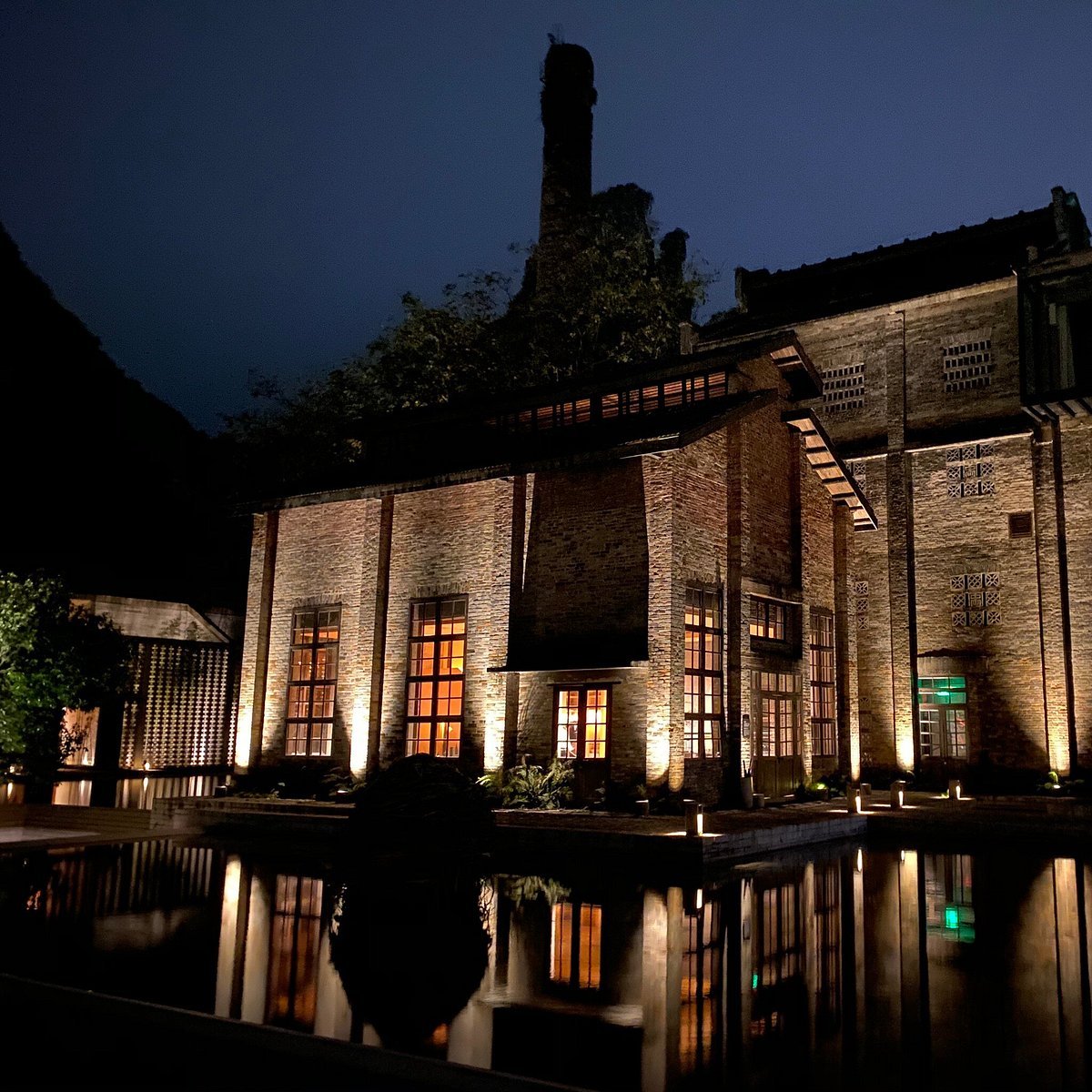
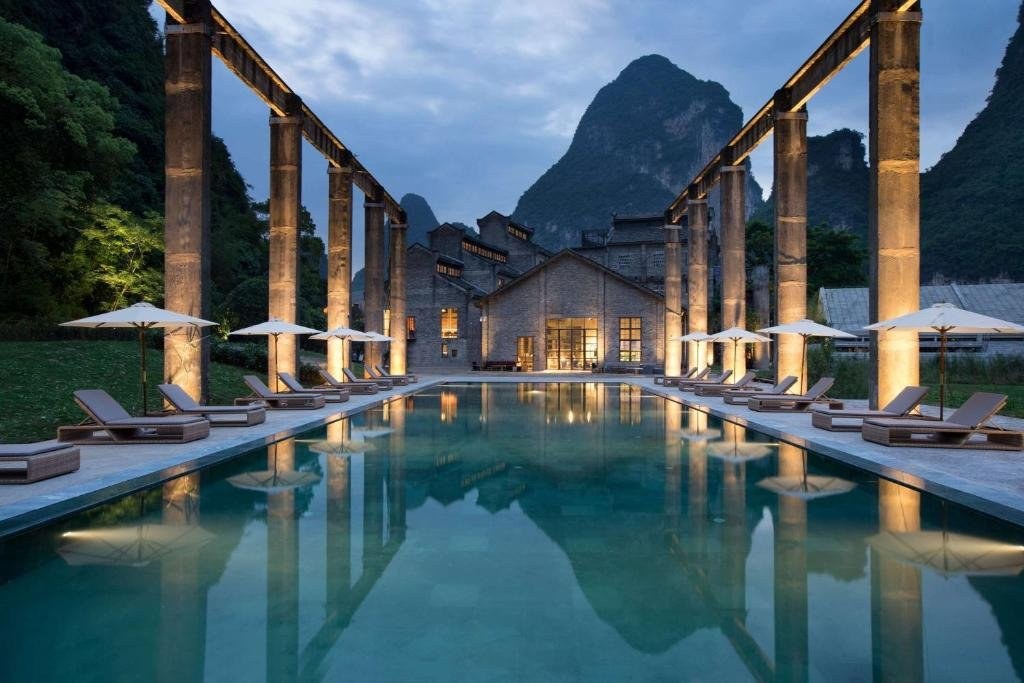
Yangshuo Sugar House presents an architectural dialogue between industrial memory and karst landscape. Vector Architects preserves weathered red brick from a decommissioned sugar mill and pairs it with new, perforated concrete interventions that filter light and frame views. The result feels deliberately permeable — interiors and exteriors acknowledge the towering limestone karst around them rather than compete with it. The resort reads more like a curated conversion than a boutique hotel trying to blend in, so guests experience both the rawness of preserved factory fabric and the considered restraint of contemporary architectural moves.
Best For
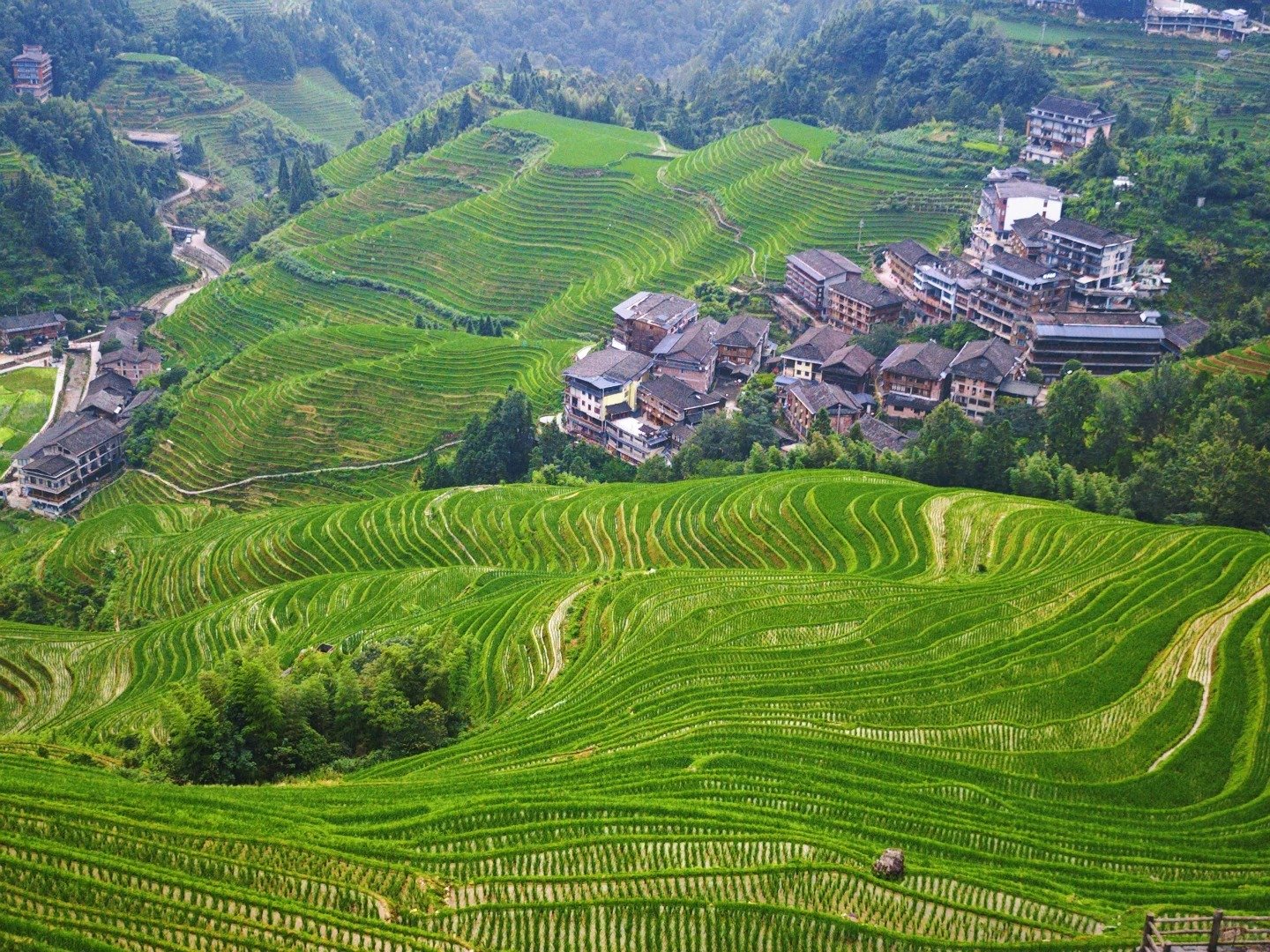
This property is best for travelers who prioritize architecture and landscape in their stays. The hotel serves as a site-specific conversion where the building itself is the primary draw, so architects, design-minded guests and photographers find the setting particularly rewarding. It's also well suited to short scenic getaways: visitors coming to see the Li River corridor and the karst formations appreciate how rooms and common areas keep the landscape in view. If you prefer accommodation with a strong sense of place and creative adaptive reuse, Yangshuo Sugar House fits that bill.
Stay Tips
When booking, prioritize rooms and orientations that reference the surrounding karst — the architecture is designed so the landscape is legible through walls and windows, so a room with direct sightlines will maximize the experience. Pack a camera: the Li River corridor and limestone towers are prominent elements of the stay. For broader planning around dining and local exploration, consult regional guides to the Guilin–Yangshuo area to map outings and restaurants in advance.
Venue details
Ambiance
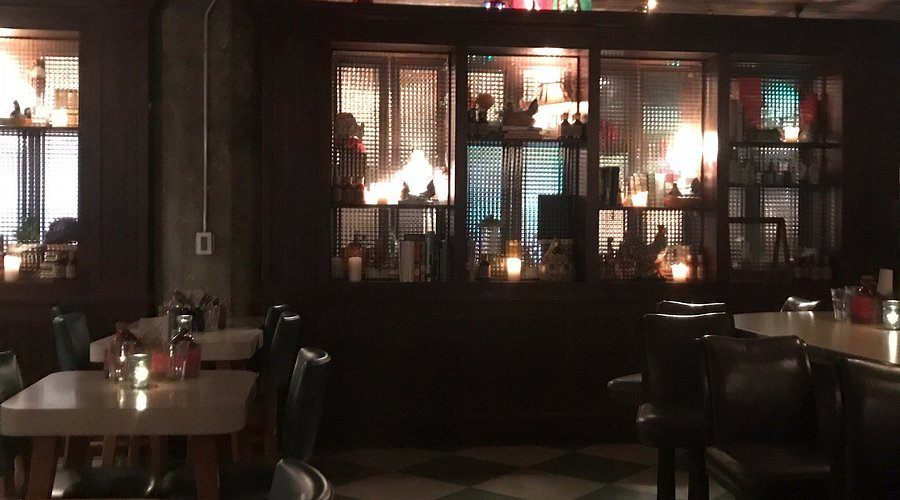
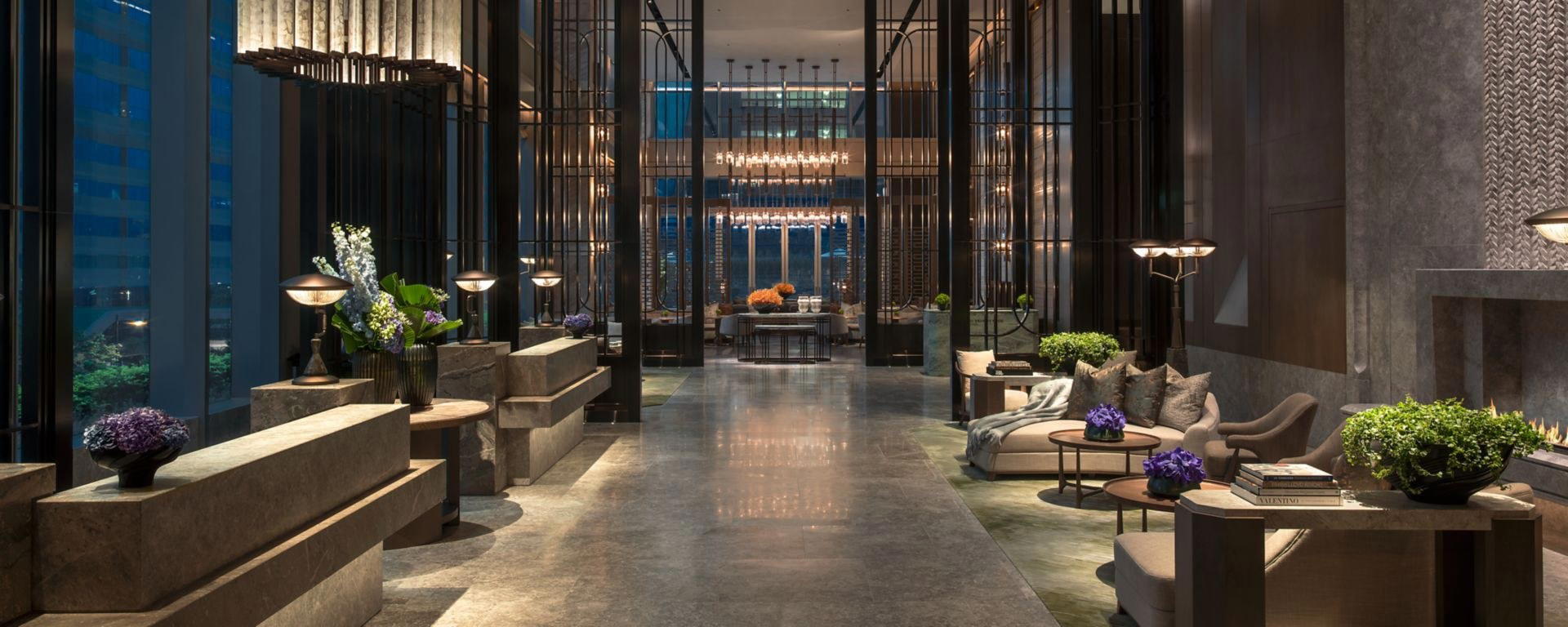
Relaxed and serene with natural light, minimalist design, and stunning mountain and river views from spacious, comfortable rooms and pool deck.
Tags
Vibe
Best For
Experience
Amenities
View
Accessibility
About the Stay
- Rooms
- 117
- Check-in
- 15:00
- Check-out
- 12:00
- Property Type
- Boutique hotel
- Property Style
- Converted Historic Sugar Factory Resort
- Design Style
- Modern Industrial Minimalist
- Airport Transfer
- Available
- Pool
- Yes
- Spa
- Yes
- Families
- Welcome
- Cancellation
- Moderate
Know before you go
Know Before You Go
- Getting there
- No, 102 东岭路阳朔县桂林市广西壮族自治区541905
Planning details
Location
Recognition and awards
Also consider
Also Consider
- Alila Yangshuo, Notable alternative
- InterContinental Foshan by IHG, Notable alternative
- White Swan Hotel, Notable alternative
- Jumeirah Guangzhou, Notable alternative
- LN Hotel Five, Notable alternative
Hotel context
How It Compares
Against Alila Yangshuo, Yangshuo Sugar House is the more award-signaled choice for travelers who want the hotel to carry the occasion. Alila Yangshuo is the closest practical cross-shop in Guilin, so start there if the date is unavailable or if the rate difference makes a longer stay more sensible.
InterContinental Foshan by IHG, White Swan Hotel, Jumeirah Guangzhou, and LN Hotel Five sit outside the Guilin metro, so they are not substitutes for a Yangshuo scenery-led trip. They make more sense for Pearl readers building a Guangzhou or Foshan city itinerary around meetings, shopping, or easier transport.
For value for money, choose Yangshuo Sugar House when the stay is slow enough to justify the destination positioning. For easier logistics, the Guangzhou and Foshan peers are safer. For a similar Guilin-area leisure brief, compare first with Alila Yangshuo rather than stretching the search to out-of-metro hotels.
Explore Guilin
Around this place
Discover more on Pearl
Unlock the full Yangshuo Sugar House guide in Pearl, including awards, comparisons, FAQs, planning details, and nearby places.
Compare Yangshuo Sugar House
| Venue | Location | Awards |
|---|---|---|
| Yangshuo Sugar House | Guilin | 2026 Michelin 1 KeyMichelin 1 Key 20252025 Michelin 1 Key |
| Alila Yangshuo | Guilin | No published awards |
| InterContinental Foshan by IHG | Foshan | No published awards |
| White Swan Hotel | Guangzhou | No published awards |
| Jumeirah Guangzhou | Guangzhou | No published awards |
| LN Hotel Five | Guangzhou | 2025 Michelin Selected HotelsSmall Luxury Hotels Member 2025 |



How Yangshuo Sugar House Guilin compares with similar nearby venues.
FAQ
Frequently Asked Questions
How is the dining at Yangshuo Sugar House?
The confirmed quality signal available here is Michelin 1 Key in 2025 for the hotel.
Do loyalty programs work at Yangshuo Sugar House?
Is Yangshuo Sugar House good for business travel?
If your trip depends on meeting space, late-arrival logistics, transport, or loyalty benefits, confirm those details directly; comparison hotels such as InterContinental Foshan by IHG or Jumeirah Guangzhou should be evaluated separately rather than treated as Guilin alternatives.
What is check-in like at Yangshuo Sugar House?
Confirm timing and arrival requirements directly before booking; comparison hotels such as White Swan Hotel or LN Hotel Five should be assessed separately for their own locations and services.