
Park Hotel ai Cappuccini
historical district, Gubbio
Hotel in Gubbio, Italy
 Book with Pearl
The Read
17th-Century Monastic Conversion
Price
$100–200per night
Why go
Park Hotel ai Cappuccini is the practical Gubbio pick for a calm special-occasion stay, especially if the trip is built around the town rather than a remote estate. Book it over countryside peers when easier logistics and a quieter base matter more than resort-style seclusion.
About Park Hotel ai Cappuccini
Park Hotel ai Cappuccini is a hotel in Gubbio. It has a smart-casual dress code and was a Small Luxury Hotels of the World member in 2025.
Book for Gubbio with confirmed essentials in mind
The clearest reason to consider Park Hotel ai Cappuccini is that it is a Gubbio option with Small Luxury Hotels of the World membership in 2025. That may matter to travelers who prefer a recognized independent-hotel collection, but it should not be treated as proof of any specific amenity, room type, dining program, or loyalty benefit unless confirmed at booking.
Room-category strategy should be cautious. Choose only after checking the current room descriptions and cancellation terms. If a particular view, layout, accessibility feature, or bed setup matters, verify it directly with the hotel.
Who should choose this over other Umbrian hotels
Choose Park Hotel ai Cappuccini if your search is specifically centered on Gubbio and you want a hotel with the recognition noted above. For travelers comparing broader Umbrian stays, Castello di Reschio, Hotel Castello di Monterone, Sina Brufani, Tenuta di Murlo, and Vocabolo Moscatelli Boutique Hotel & Restaurant may also be part of the shortlist, depending on the itinerary.
Do not choose it based on assumptions about resort-style facilities, dining, wellness, family services, or nightlife. Those details should be checked before booking.
Bottom line: Park Hotel ai Cappuccini is a Gubbio hotel with smart-casual dress guidance and Small Luxury Hotels of the World membership in 2025. Beyond that, treat specific stay details as items to verify directly rather than as settled facts.
Planning details
- Location
- Via Tifernate, 55, 06024 Gubbio PG
- Website
- parkhotelaicappuccini.it
- Phone
- +39 075 9234
The take
The Take
The Vibe
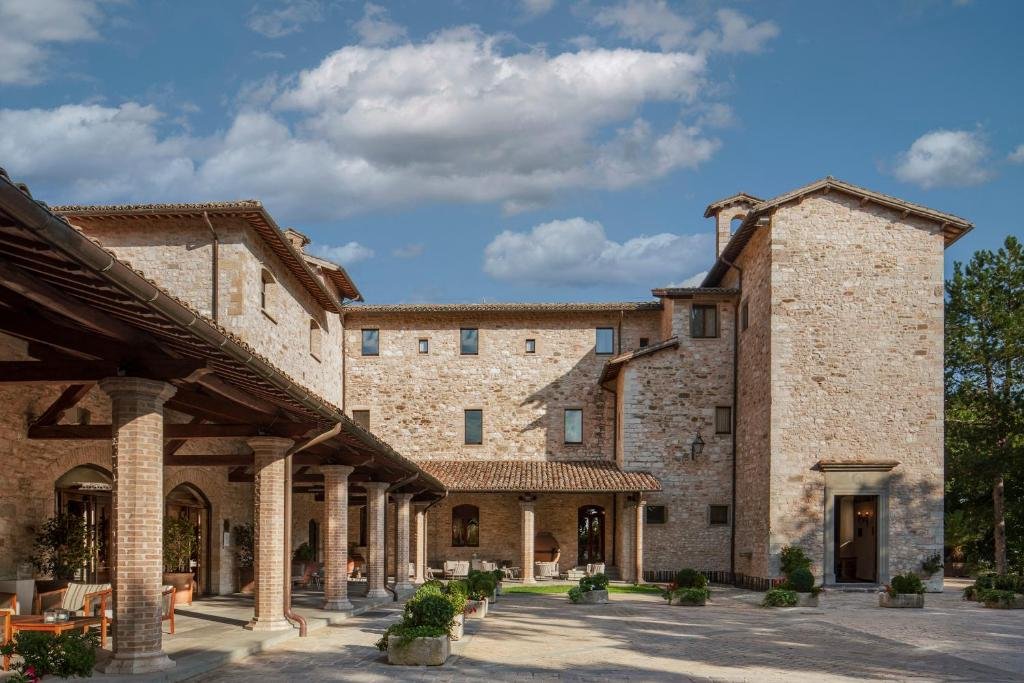
Park Hotel ai Cappuccini reads like a careful restoration rather than a fashionable retrofit. The 17th‑century Capuchin monastery’s spatial logic—cloister arcades, refectory proportions and a silent, ordered layout—remains legible throughout, creating a historically grounded, serene atmosphere. The grounds of olive groves and secular trees and the hillside siting against Foce Mountain reinforce a contemplative rural character. The experience feels restrained and refined rather than showy, so guests encounter architecture and landscape first, with hospitality folded into those surviving forms.
Best For
This hotel is best for travelers who prize architectural integrity and quiet immersion in place. It suits visitors drawn to medieval towns who want easy walking access to Gubbio’s center while remaining removed enough to enjoy private gardens and cloisters. Couples seeking a peaceful romantic getaway and anyone on a weekend escape or wellness-focused break will appreciate the restorative silence and scenic mountain setting. History-minded guests who value a property that preserves its original spatial order will find the stay particularly rewarding.
Stay Tips
Plan for a low‑key, contemplative stay rather than a bustling town‑center experience. The property sits at the foot of a steep incline into Gubbio’s historic centre, so bring comfortable shoes for the short walk uphill into the piazze. Allow time to explore the cloister, courtyard and surrounding olive groves on the grounds; these are central to the hotel’s appeal. Because the description stresses a preserved, quiet atmosphere, expect subdued common spaces and a focus on the site’s architectural and natural setting when booking and packing.
Venue details
Ambiance
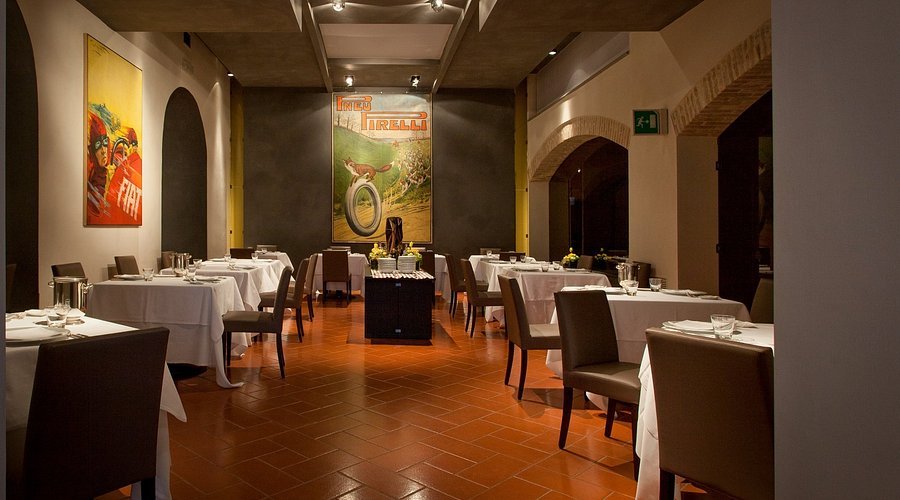
Quiet and relaxing with soundproofed rooms, serene spa areas surrounded by olive groves, and a cozy restaurant with beamed ceilings.
Tags
Vibe
Best For
Experience
Amenities
View
Accessibility
About the Stay
- Rooms
- 92
- Check-in
- 14:00
- Check-out
- 12:00
- Property Type
- Heritage hotel
- Property Style
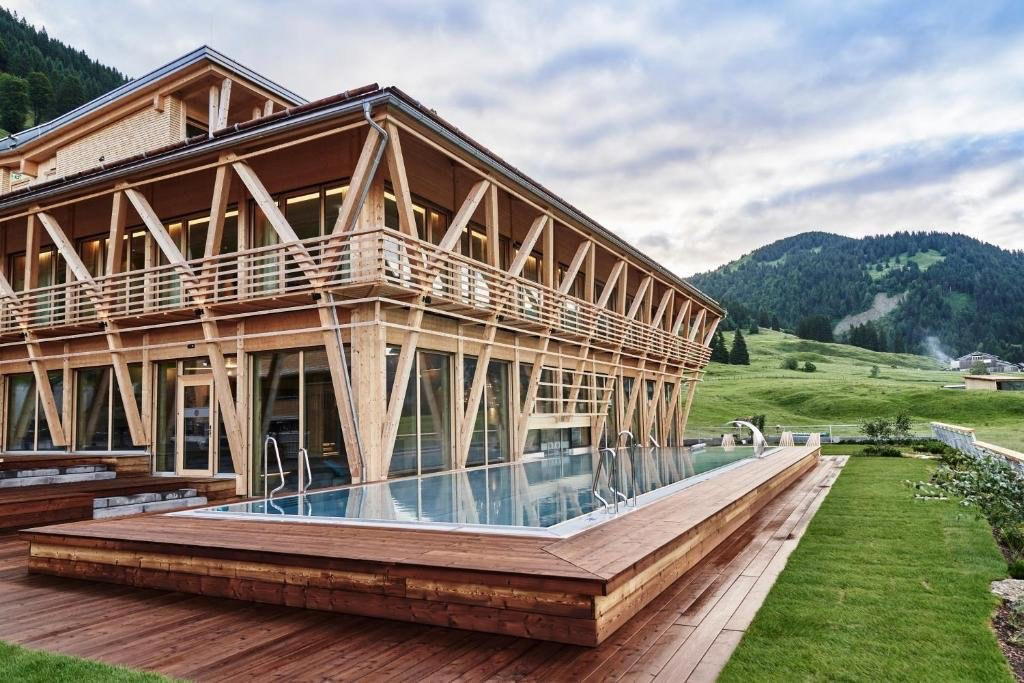
- Restored 17th Century Monastery Blending Historic Cloister Charm with Modern Extensions
- Design Style
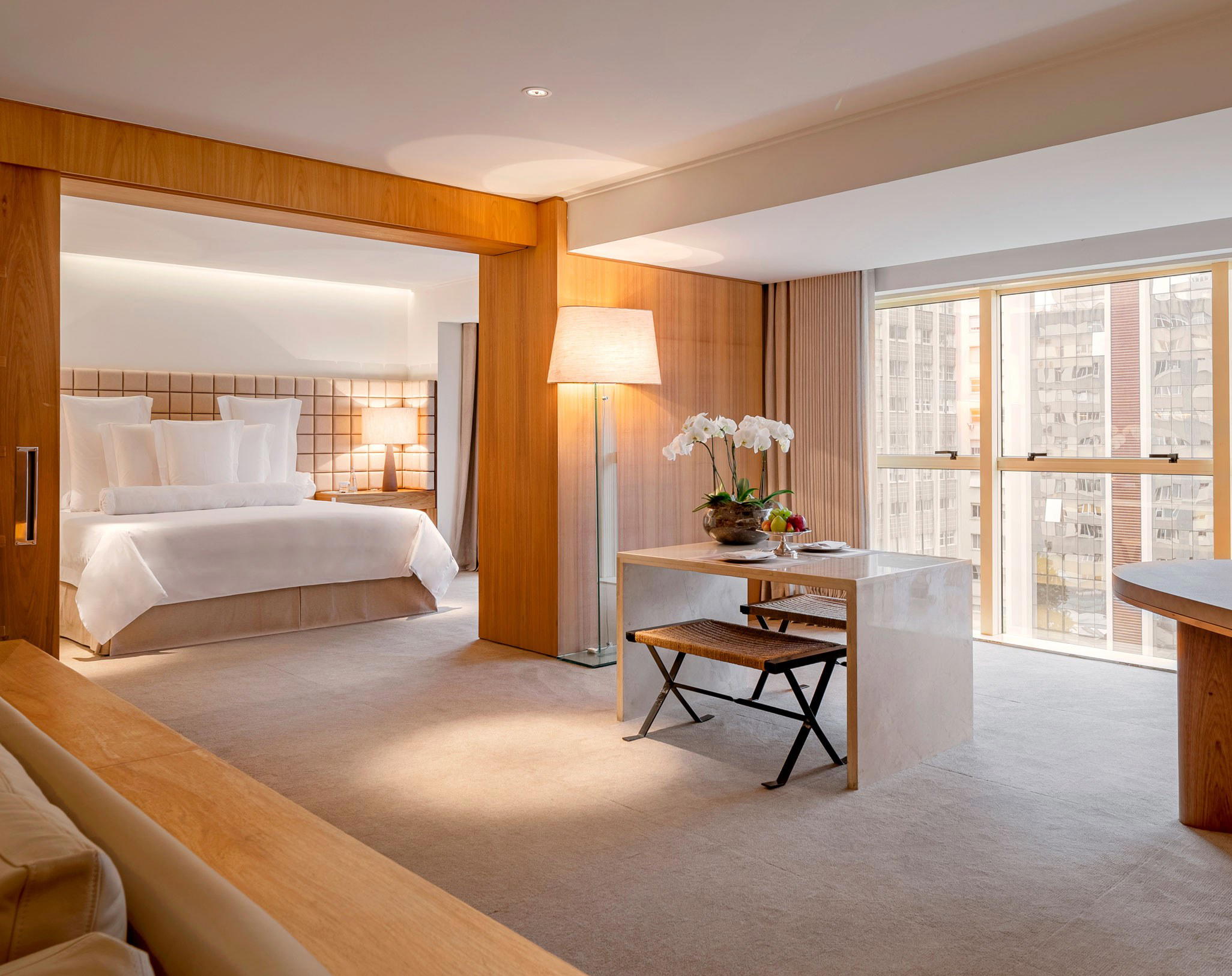
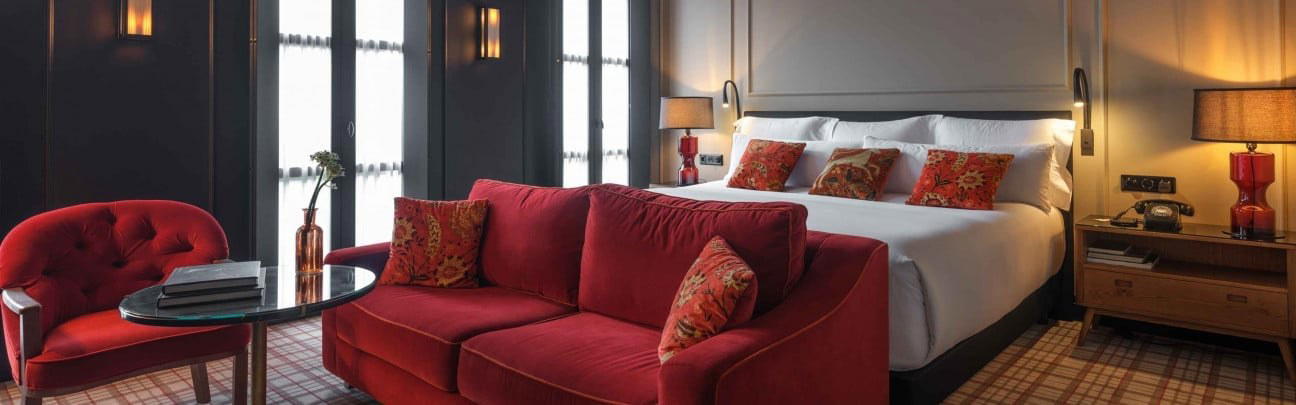
- Mix of Antique Furniture, Four Poster Beds in Cloister Rooms, and Quietly Sophisticated Contemporary Style
- Breakfast
- Included
- Airport Transfer
- Available
- Pool
- Yes
- Spa
- Yes
- Pets
- Allowed
- Families
- Welcome
- Cancellation
- Moderate
Know before you go
Know Before You Go
- Getting there
- Via Tifernate, 55, 06024 Gubbio PG
Planning details
Location
Recognition and awards

Also consider
Also Consider
- Tenuta di Murlo, Notable alternative
- Vocabolo Moscatelli Boutique Hotel & Restaurant, Notable alternative
- Hotel Castello di Monterone, Notable alternative
- Castello di Reschio, Notable alternative
- Sina Brufani, Notable alternative
Hotel context
How it compares in and around Gubbio
Park Hotel ai Cappuccini is the more practical Gubbio choice if the trip is town-focused and booking ease matters. Tenuta di Murlo and Castello di Reschio are better for travelers who want a countryside stay where the property is the main reason to go. Choose them for a slower, estate-led trip; choose Park Hotel ai Cappuccini when the plan is to spend meaningful time in Gubbio itself.
Vocabolo Moscatelli Boutique Hotel & Restaurant is the sharper cross-shop for a boutique hotel with a restaurant-forward feel, while Park Hotel ai Cappuccini reads as the steadier option for a classic, quiet hotel stay. For value, the right call comes down to how much time will be spent on property: if the room is mainly a base, do not overbuy the hotel experience.
Hotel Castello di Monterone and Sina Brufani make more sense for travelers widening the search toward Perugia and historic-city stays. Park Hotel ai Cappuccini remains the better fit for a Gubbio-first itinerary, especially for couples or business travelers who want calm, easy logistics, and less booking friction.
Explore Gubbio
Around this place
Discover more on Pearl
Unlock the full Park Hotel ai Cappuccini guide in Pearl, including awards, comparisons, FAQs, planning details, and nearby places.
Compare Park Hotel ai Cappuccini
| Venue | Location | Awards |
|---|---|---|
| Park Hotel ai Cappuccini | Gubbio | Small Luxury Hotels Member 2025 |
| Tenuta di Murlo | Perugia | No published awards |
| Vocabolo Moscatelli Boutique Hotel & Restaurant | Umbertide | 2026 Design Hotels Collection2026 Mr & Mrs Smith Luxury Hotels2026 Michelin 1 Key2025 Michelin 1 Key2024 Michelin 1 Key |
| Hotel Castello di Monterone | Perugia | 2026 Michelin 1 Key2025 Michelin 1 Key2024 Michelin 1 Key |
| Castello di Reschio | Lisciano Niccone | 2026 World’s 50 Best Hotels 51-100 · #952026 Virtuoso Luxury Hotel Collection2026 La Liste Top Hotels2026 Michelin 3 Keys2025 World’s 50 Best Hotels · #812025 Michelin 3 Keys2025 Conde Nast Hotels Gold ListSmall Luxury Hotels Member 20252024 World's 50 Best Hotels · #42 |
| Sina Brufani | Perugia | No published awards |








How Park Hotel ai Cappuccini Gubbio compares with similar nearby venues.
FAQ
Frequently Asked Questions
When is the best time to book Park Hotel ai Cappuccini?
How does Park Hotel ai Cappuccini compare to other Umbrian hotels?
Park Hotel ai Cappuccini is a Gubbio hotel with Small Luxury Hotels of the World membership in 2025. Travelers comparing broader Umbrian options may also look at Castello di Reschio, Hotel Castello di Monterone, Sina Brufani, Tenuta di Murlo, and Vocabolo Moscatelli Boutique Hotel & Restaurant, depending on the trip.
What is check-in like at Park Hotel ai Cappuccini?
Confirm arrival time, identification requirements, transfer needs, and any late-arrival procedure directly with the hotel before travel to Gubbio.
Are wellness facilities at Park Hotel ai Cappuccini?
Do loyalty programs work at Park Hotel ai Cappuccini?
Park Hotel ai Cappuccini is a Small Luxury Hotels of the World member in 2025. Any loyalty earning, redemption, partner benefit, or booking-channel requirement should be checked with the relevant program before reserving.
Which room category is best at Park Hotel ai Cappuccini?
Choose based on the hotel's current descriptions, and confirm any essential feature such as bed type, view, accessibility, or extra space before booking.
Is Park Hotel ai Cappuccini family-friendly?
If traveling with children, confirm room setup, occupancy rules, dining arrangements, and any child-focused amenities directly with the hotel in Gubbio.