




Gstaad Palace
Gstaad
Hotel in Gstaad, Switzerland
 Book with Pearl
The Read
Dynastic Alpine Retreat
Why go
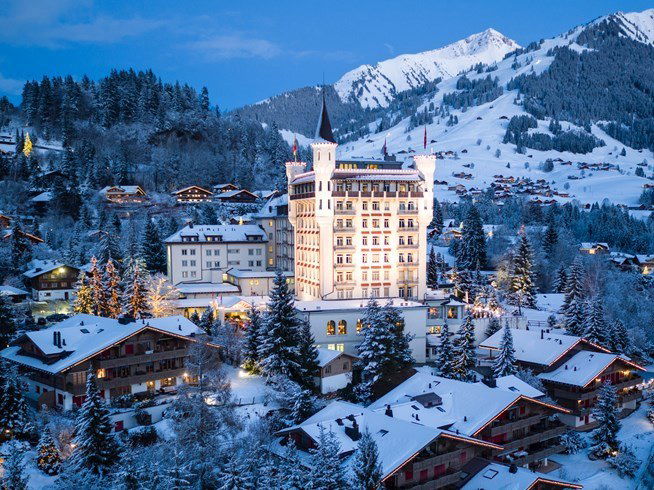
Gstaad Palace is a hotel on Palacestrasse in Gstaad.
About Gstaad Palace
Gstaad Palace is a luxury-hotel option in Gstaad with a smart-casual dress code and several strong recognition signals. The clearest grounded facts are its Michelin 2 Keys in 2025, Leading Hotels of the World membership in 2025, La Liste Top Hotels 2026 score of 95 points, Condé Nast Gold List 2025 inclusion, and Virtuoso Luxury Hotel Partner status in 2026.
Travelers comparing Gstaad Palace with Hotel Olden or Miiro The Mansard should base the final choice on current availability, direct booking terms, and the kind of Gstaad stay they want.
Book it for confirmed luxury recognition, not for unverified specifics
The strongest documented case for Gstaad Palace is its recognition profile. Michelin 2 Keys places it in a clearly acknowledged hotel tier, while Leading Hotels of the World membership, La Liste Top Hotels recognition, Condé Nast Gold List inclusion, and Virtuoso Luxury Hotel Partner status add further luxury-hotel context.
What should not be inferred from those signals is a specific room style, dining concept, price level, service format, or amenity set unless confirmed directly at booking. Guests also comparing The Alpina Gstaad or Park Gstaad should treat those as separate Gstaad luxury options and verify current details with each property.
The value case depends on your reason for choosing Gstaad Palace
Value should not be framed around a specific price point. The safer way to assess Gstaad Palace is to decide whether its confirmed recognition and Gstaad setting justify prioritizing it over another hotel for the same dates.
Recognition supports the splurge: Michelin 2 Keys in 2025, Leading Hotels of the World membership in 2025, La Liste Top Hotels 2026 at 95 points, Condé Nast Gold List 2025, and Virtuoso Luxury Hotel Partner status in 2026. Those signals do not guarantee that every traveler will prefer it, but they do justify considering it in the serious luxury set alongside Le Grand Bellevue, The Alpina Gstaad, and Park Gstaad.
Use our full Gstaad hotels guide to cross-shop the broader hotel field, then check our full Gstaad restaurants guide, our full Gstaad bars guide, and our full Gstaad experiences guide if the stay depends on more than the hotel choice. Quick reference: choose Gstaad Palace if its confirmed luxury recognition and Gstaad setting match your trip; compare other Gstaad options if availability, booking terms, or personal preference point elsewhere.
Inside Gstaad Palace
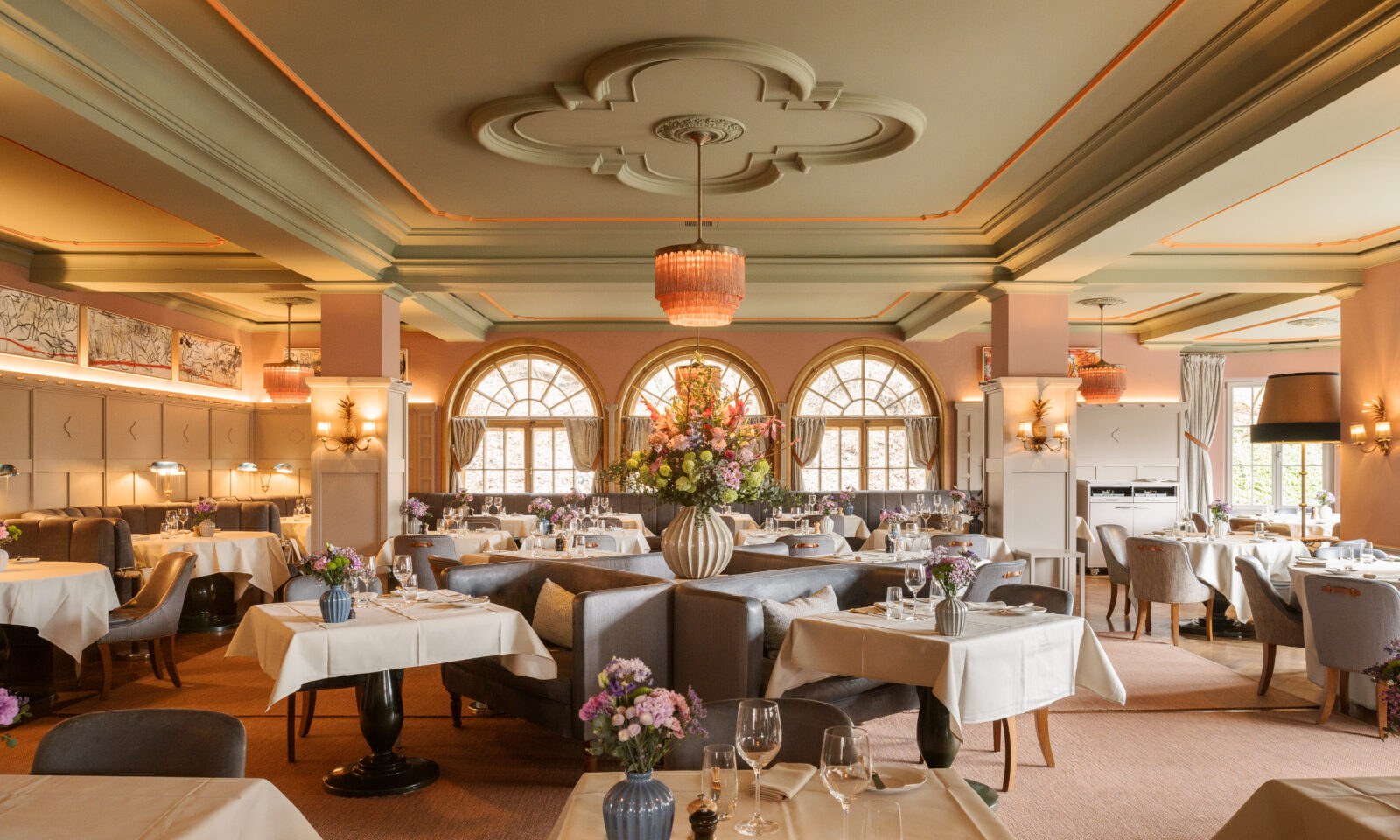
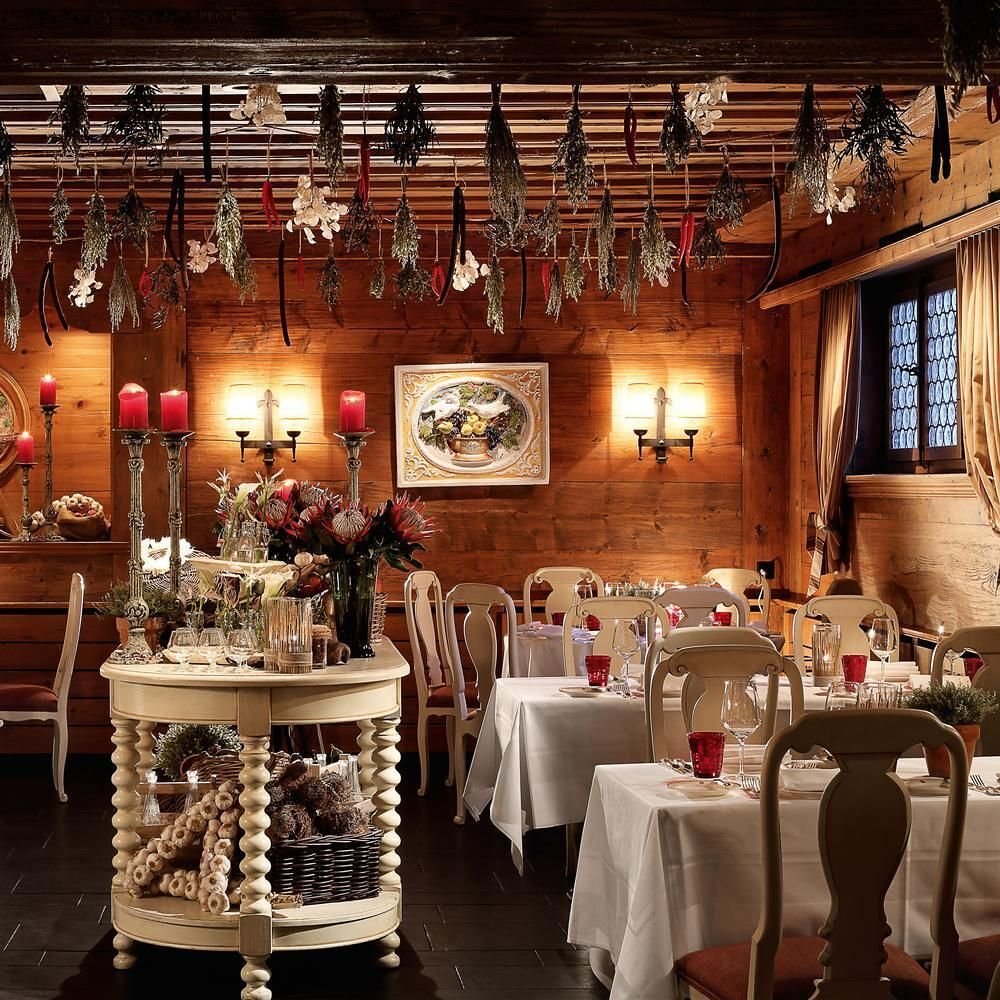
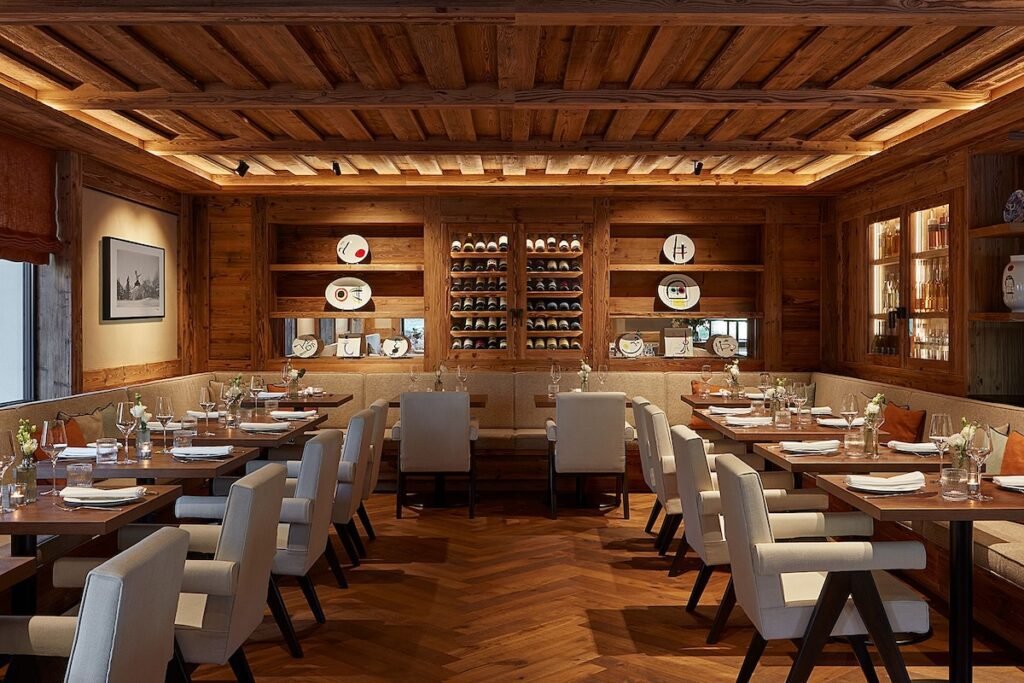
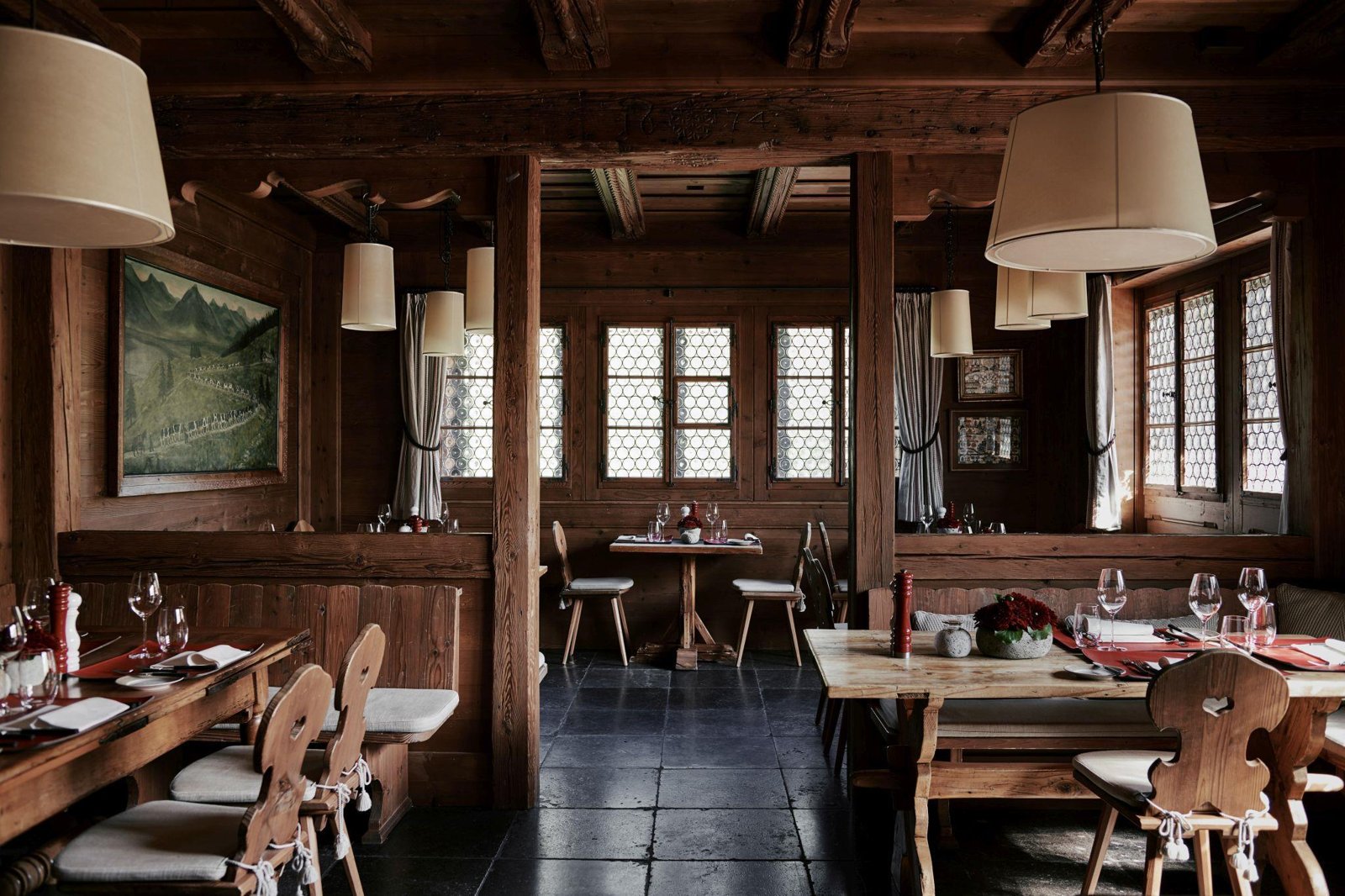
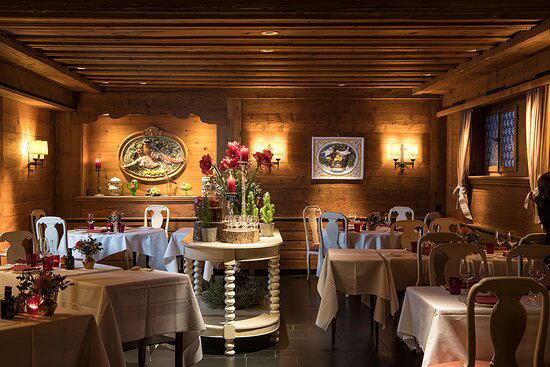 restaurantGildo's RistoranteGildo's Ristorante brings Italian cooking to Palacestrasse 28, holding consecutive Michelin Plate recognition in 2024 and 2025. In a Gstaad dining scene weighted toward Swiss Alpine and French formats, it occupies the mid-to-upper price tier as the resort's clearest Italian reference point. The Google score reflects a limited review sample, making direct experience the more reliable measure.
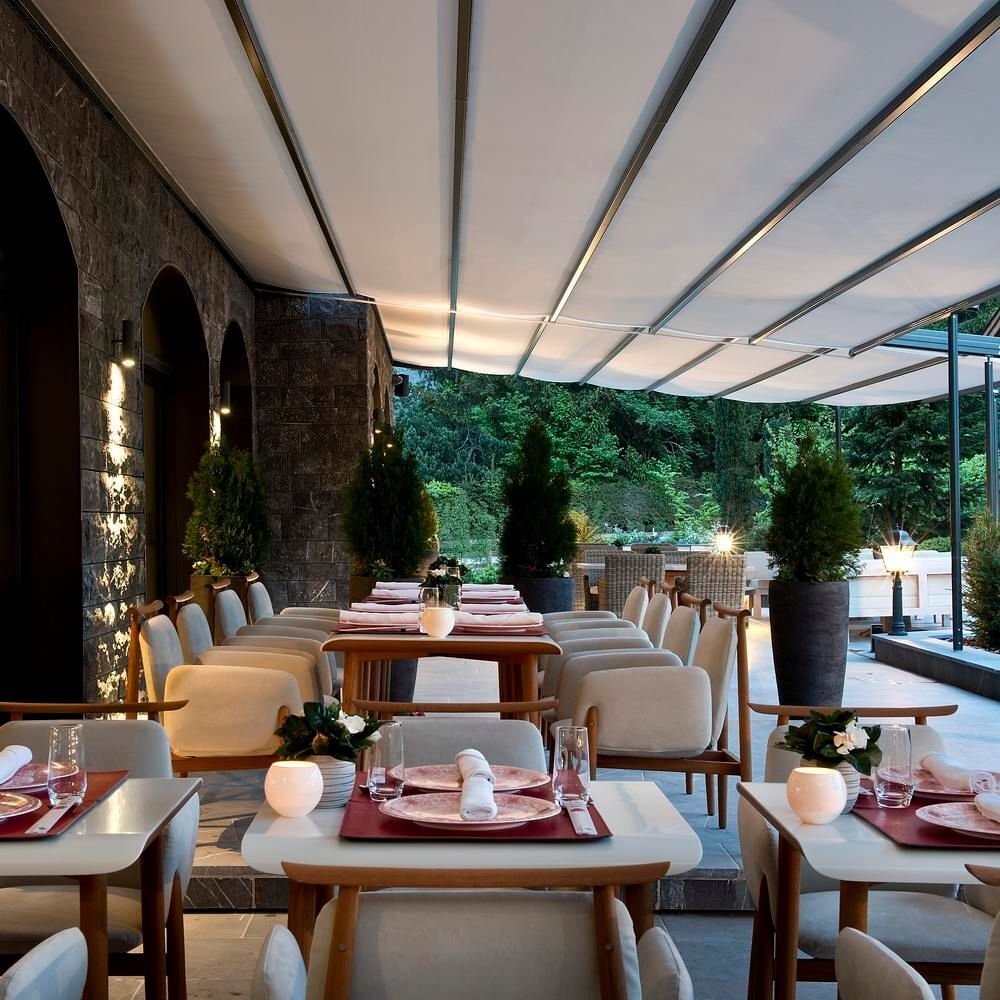
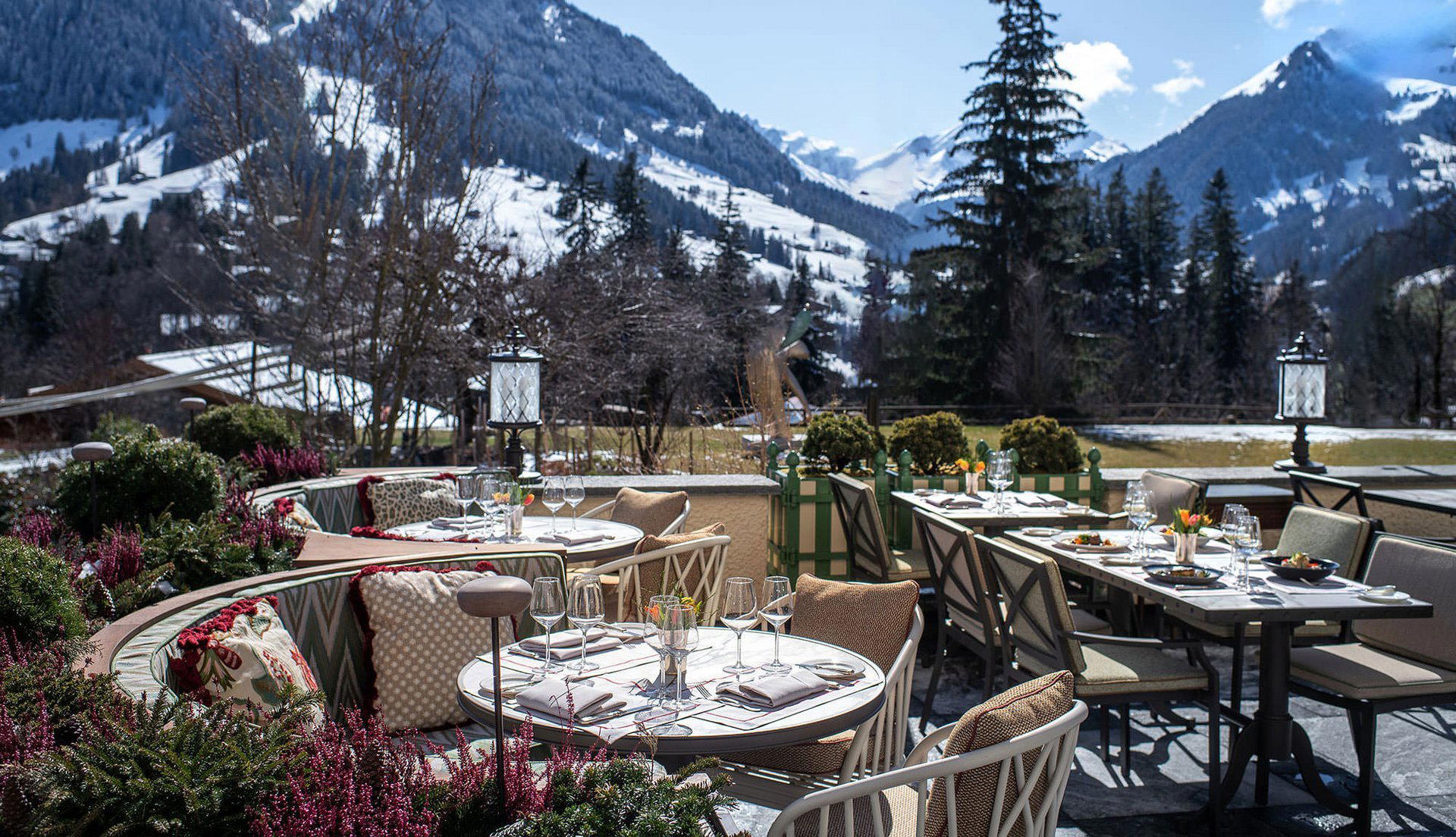 restaurantLe Grand et La TerrasseLe Grand et La Terrasse occupies one of Gstaad's most recognisable addresses on Palacestrasse, where the Alpine setting frames a dining room that takes its sourcing seriously. In a village that positions itself at the top of Swiss resort dining, the restaurant sits within a competitive tier that includes both modern European and classic Alpine cooking traditions. Visitors travelling to Gstaad for the broader food and hotel scene should factor it into their planning early.
Planning details
- Location
- Palacestrasse 28, 3780 Gstaad
- Website
- palace.ch/de
- Phone
- +41 33 748 50 00
The take
The Take
The Vibe
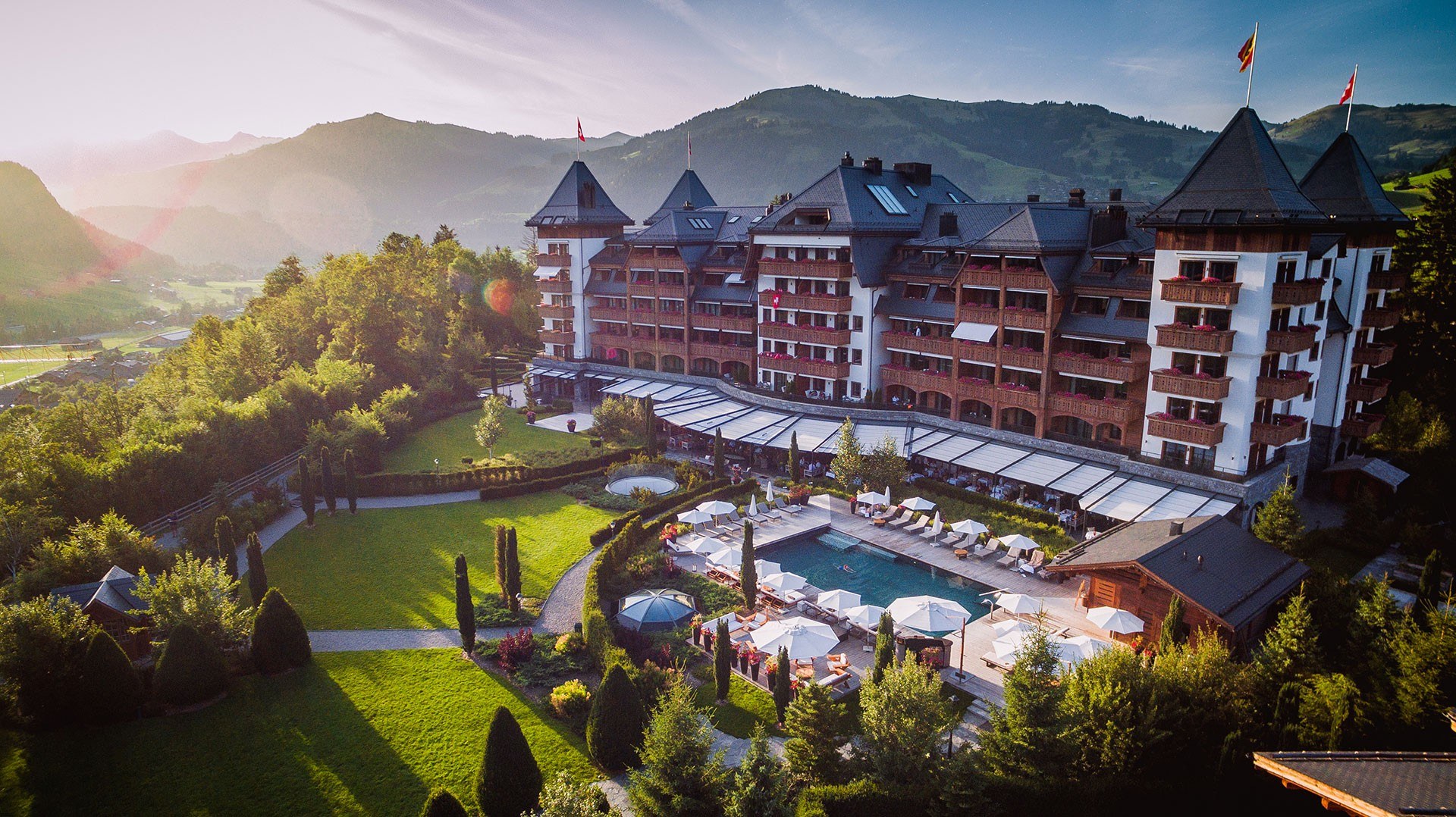
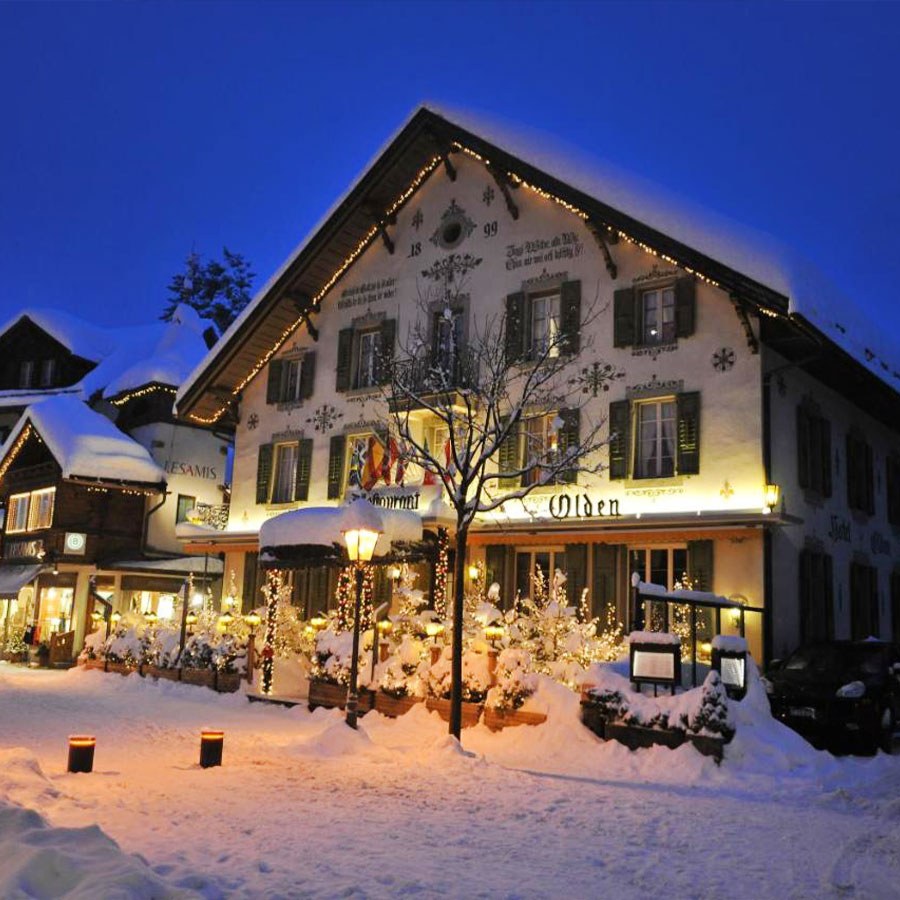
The Gstaad Palace presents itself as a storied Alpine landmark that marries grand scale with quietly personal hospitality. The turreted silhouette on its hilltop reads like living theater, and the building’s century-plus history is visible in stone, furnishings, and the rhythms of daily life. Inside, the tone is less institutional pomp than the cultivated warmth of a private club: long-tenured staff, returning families and a sense of social memory create an intimate, charming atmosphere. The result is a historic, iconic hotel that feels both dignified and warmly familiar rather than ostentatious.
Best For
The Palace is best for travelers who prize ceremony and continuity: couples marking milestones, families returning across generations and anyone planning a formal celebration. Its longstanding reputation and heritage settings suit anniversaries and special occasions that call for a grand gesture with discreet, attentive service. Guests who appreciate architecture, legacy and the calm confidence of a hotel where staff know regulars by name will find the Palace especially rewarding; it favors those seeking a refined, quietly authoritative escape rather than a trendy, ephemeral experience.
Venue details
Ambiance
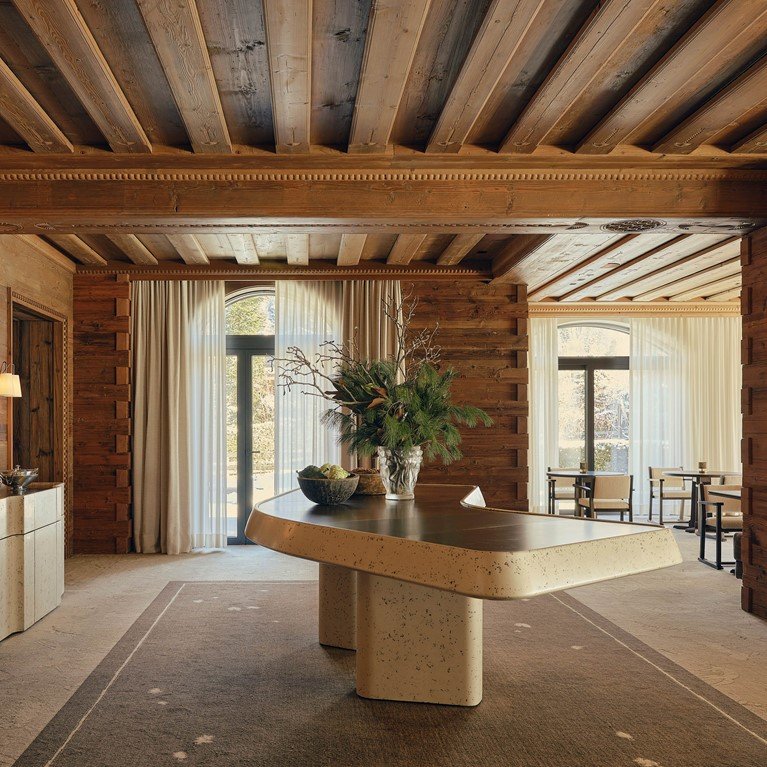
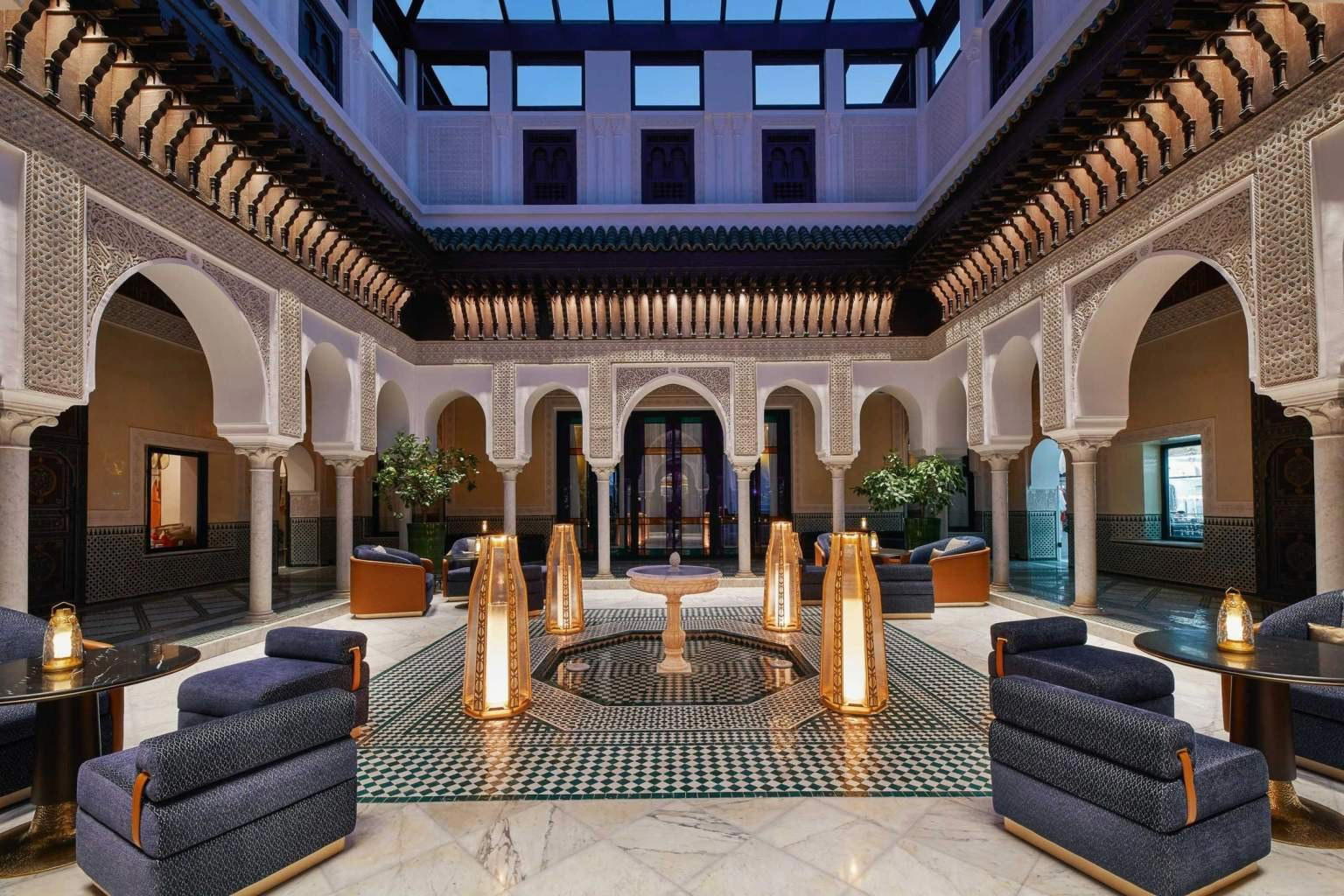
Elegant alpine-style lobby with painted ceilings, open fires, and mountain views; spa with granite walls, fireplaces, and serene relaxation areas.
Tags
Vibe
Best For
Experience
Amenities
View
Accessibility
About the Stay
- Rooms
- 90
- Check-in
- 15:00
- Check-out
- 12:00
- Property Style
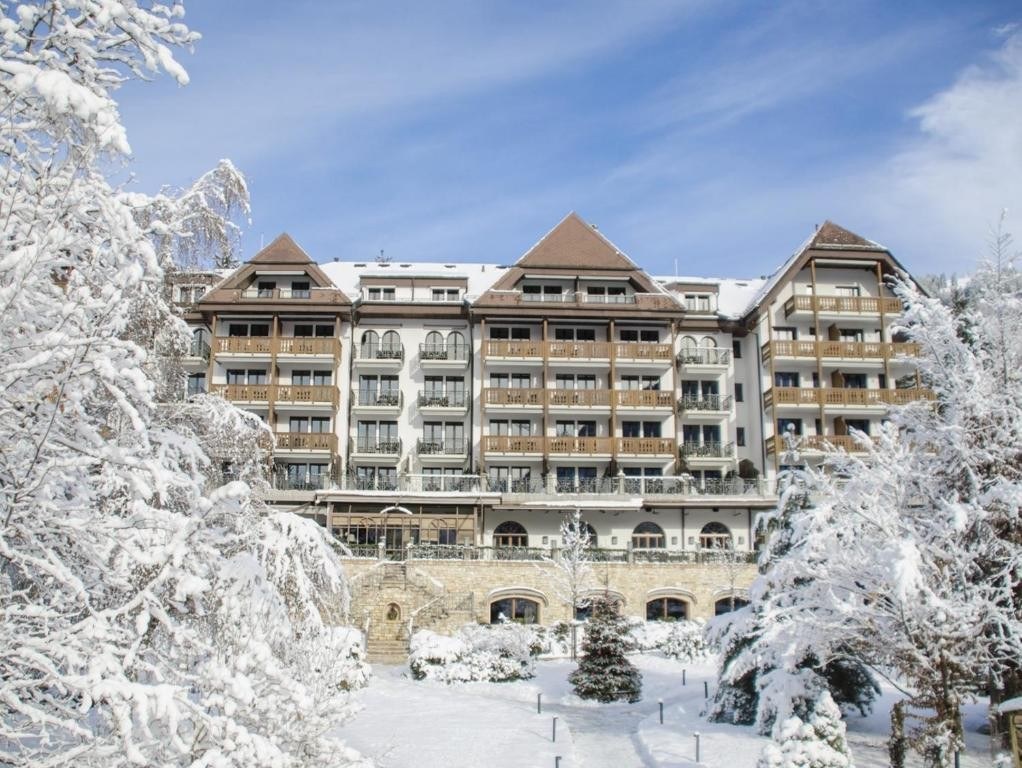
- Castle Like Luxury Palace with Alpine Elegance
- Design Style
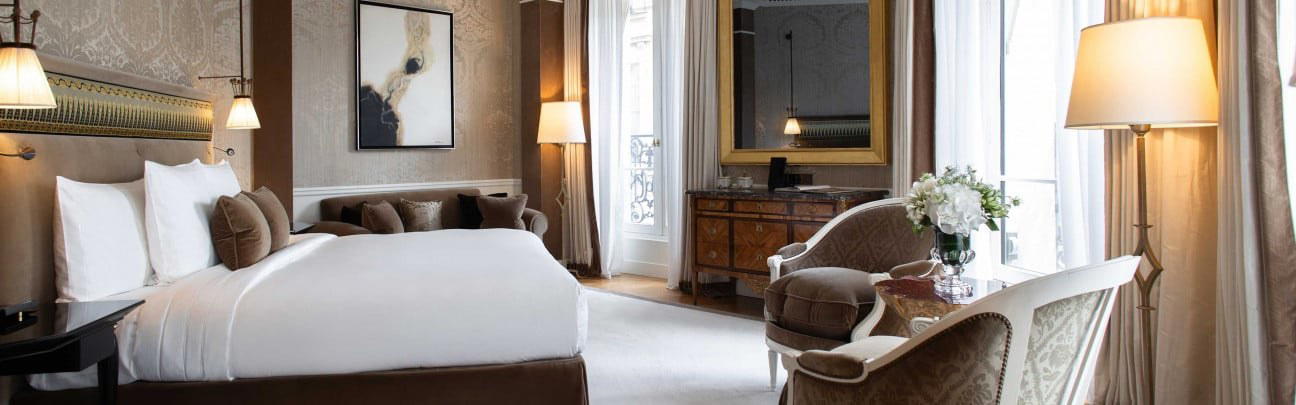
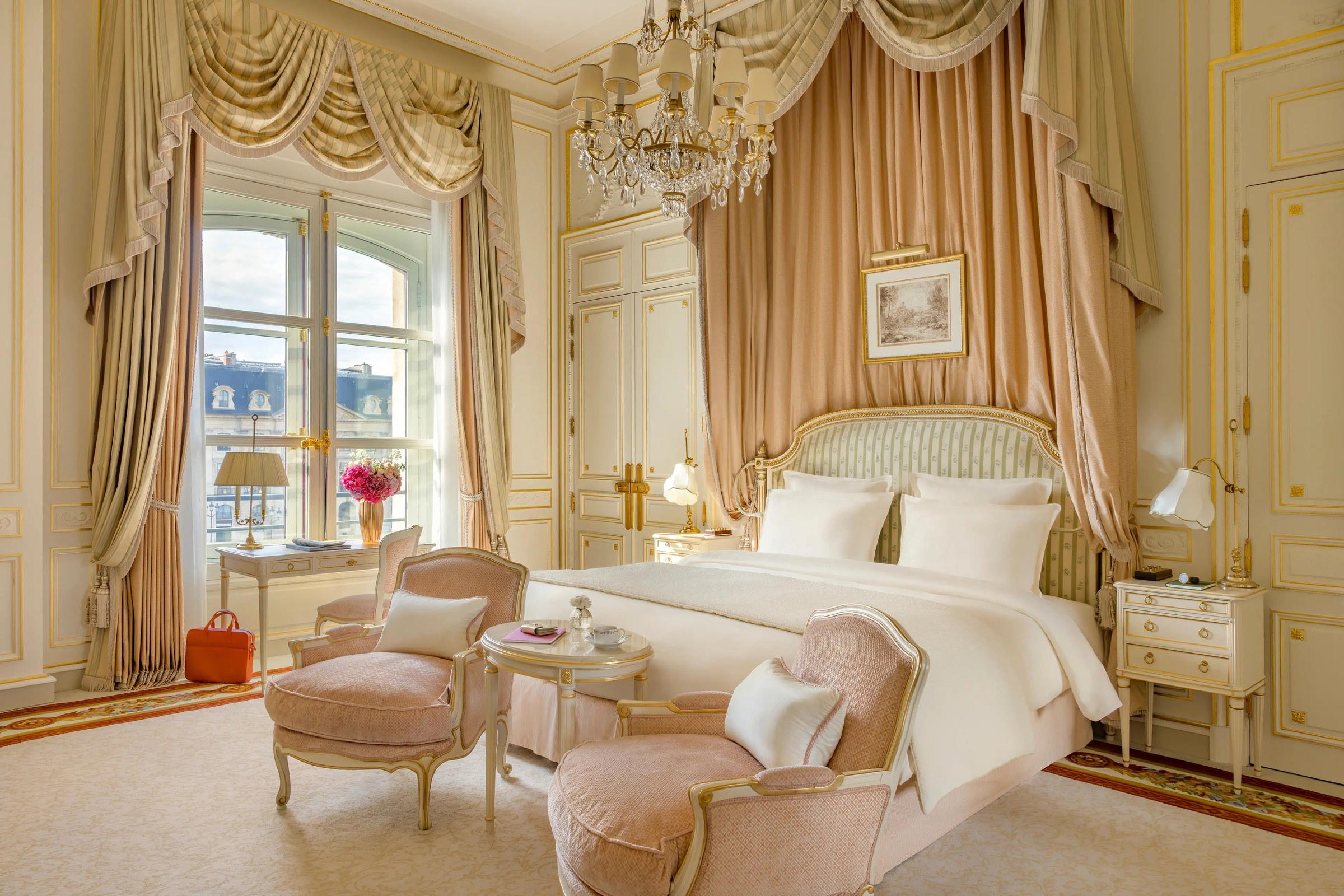
- Chic Alpine Style, Individually Furnished Rooms with Sophisticated Coziness
Know before you go
Know Before You Go
- Getting there
- Palacestrasse 28, 3780 Gstaad
Planning details
Location
Recognition and awards




Also consider
Also Consider
- Hotel Olden, Notable alternative
- Park Gstaad, Notable alternative
- The Alpina Gstaad, Notable alternative
- Miiro The Mansard, Notable alternative
- Le Grand Bellevue, Notable alternative
Hotel context
Gstaad Palace is the choice for a grand-hotel stay where service depth and occasion matter. Against The Alpina Gstaad and Park Gstaad, it feels more traditional and more ceremonial; those two make more sense for travelers who want a sleeker alpine mood.
For value, Hotel Olden and Miiro The Mansard are better cross-shops if the room is mainly a base for the village. They are the more practical alternatives when availability or total spend matters more than full-service resort infrastructure.
Le Grand Bellevue sits closest as a luxury comparison for guests who want polish without the same palace-style scale. If the booking is for a milestone winter trip, Gstaad Palace is the stronger statement; if the goal is a refined but slightly less formal stay, Le Grand Bellevue is the easier recommendation.
Explore Gstaad
Around this place
Discover more on Pearl
Unlock the full Gstaad Palace guide in Pearl, including awards, comparisons, FAQs, planning details, and nearby places.
Compare Gstaad Palace
| Venue | Location | Awards |
|---|---|---|
| Gstaad Palace | Gstaad | 2026 Virtuoso Luxury Hotel CollectionLeading Hotels of the World 20262026 La Liste Top Hotels2026 Michelin 2 Keys2025 Michelin 2 Keys2025 Michelin 1 KeyMichelin 2 Keys 20252025 Conde Nast Hotels Gold List2024 Michelin 2 Keys |
| Hotel Olden | Gstaad | No published awards |
| Park Gstaad | Gstaad | 2025 Michelin Selected Hotels2024 Michelin 2 Keys |
| The Alpina Gstaad | Gstaad | 2026 Virtuoso Luxury Hotel Collection2026 Forbes 4-Star2026 La Liste Top Hotels2026 Michelin 3 Keys2025 Forbes 4-Star2025 Michelin 3 KeysPreferred Hotels Preferred Residences 20252024 Michelin 3 Keys |
| Miiro The Mansard | Gstaad | No published awards |
| Le Grand Bellevue | Gstaad | 2026 Forbes 4-Star2026 Virtuoso Luxury Hotel Collection2026 Mr & Mrs Smith Luxury Hotels2026 La Liste Top Hotels2026 Michelin 2 Keys2025 Forbes 4-Star2025 Michelin 2 KeysSmall Luxury Hotels Member 20252024 Michelin 2 Keys |







How Gstaad Palace Review: Gstaad Luxury Hotel Verdict compares with similar nearby venues.
FAQ
Frequently Asked Questions
How does Gstaad Palace compare to nearby hotels?
Gstaad Palace is a luxury-hotel option in Gstaad with Michelin 2 Keys in 2025 and other recognition. If you are comparing it with Park Gstaad, The Alpina Gstaad, Le Grand Bellevue, Hotel Olden, or Miiro The Mansard, verify current rates, availability, and booking terms directly before deciding.
When is the best time to book Gstaad Palace?
Do loyalty programs work at Gstaad Palace?
Gstaad Palace is a Leading Hotels of the World member in 2025 and a Virtuoso Luxury Hotel Partner in 2026. If booking benefits matter, compare the current terms available through those channels before choosing between Gstaad Palace, Le Grand Bellevue, or Park Gstaad.
How is the dining at Gstaad Palace?
Dining details should be confirmed directly with Gstaad Palace before booking.
Is Gstaad Palace good for business travel?
It may suit travelers who want a recognized luxury hotel in Gstaad. The confirmed facts are its Michelin 2 Keys in 2025, Virtuoso Luxury Hotel Partner status in 2026, and other luxury-hotel recognition.