

Hotel Pigalle
Centrum, Gothenburg
Hotel in Gothenburg, Sweden
 Book with Pearl
Why go
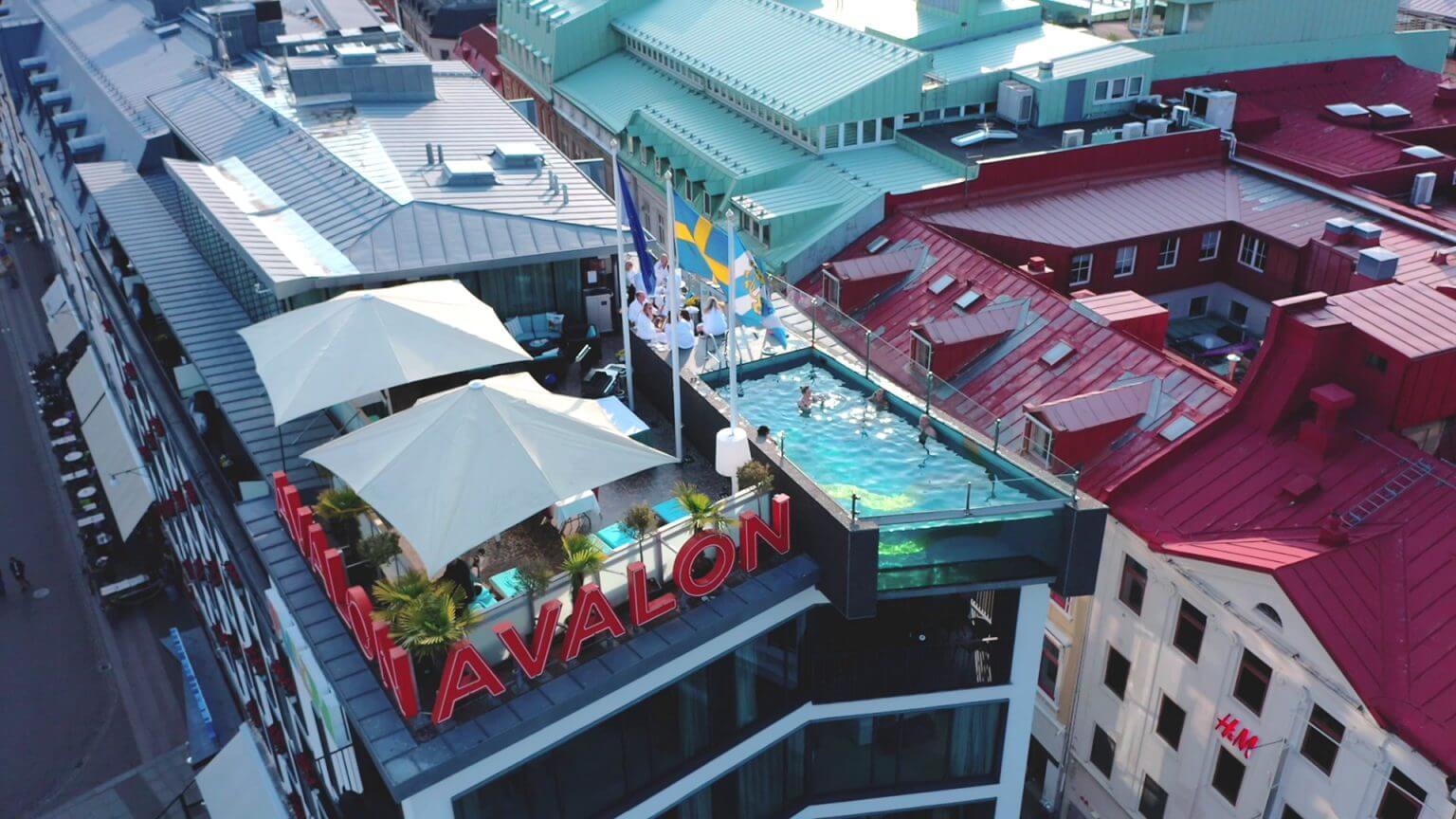
Book Hotel Pigalle if you want a central Gothenburg stay with stronger atmosphere than a standard business hotel. It is better for couples and first-time leisure trips than for travelers prioritizing loyalty perks, pool time, or a full spa program; compare live rates carefully because no fixed price band is published.
About Hotel Pigalle
Is Hotel Pigalle worth booking in Gothenburg? Hotel Pigalle is a Gothenburg hotel listed as MICHELIN Guide, Hotels Selected for 2025. That is the core fact to build around, and it is meaningful for travelers who like to begin with curated hotel recognition before looking at practical logistics. Beyond that recognition and a smart-casual dress code, this profile does not provide details on amenities, room types, dining format, prices, hours, or service style.
That means the safest way to judge it is as a hotel to compare against live booking details rather than as a property with a fully rounded amenity profile here. In practical terms, the MICHELIN hotel selection can place Hotel Pigalle on the shortlist, but it should not replace the normal booking checks that determine whether a stay fits a specific trip. If a pool, spa, restaurant format, loyalty program, or specific room setup is important to the trip, confirm those details directly before booking.
Book it for a MICHELIN hotel selection, then confirm the details
Hotel Pigalle's clearest distinction is its MICHELIN Guide, Hotels Selected recognition for 2025. That can make it a useful name to include on a Gothenburg hotel shortlist, especially for travelers who use MICHELIN hotel selections as a first filter. The value of that filter is that it narrows the search to a property that has at least one clear, externally recognizable hotel credential, while still leaving room for the guest to check the details that matter most to them.
The caution is that the available information is intentionally limited. There is no pool, spa, price band, room category guidance, restaurant format, or service schedule in the source material. That absence should not be read as evidence that those things do or do not exist; it simply means they are not covered in this venue profile. Treat any decision beyond the MICHELIN hotel selection and smart-casual dress code as something to confirm through current booking channels.
Who should choose it first
Choose Hotel Pigalle if you want a Gothenburg hotel with confirmed MICHELIN Guide, Hotels Selected status and you are comfortable checking current practical details before committing. It is a better fit for travelers who are happy to start with the selection signal, then verify the specifics of the stay before making a final decision. It is less suitable as a blind booking if your decision depends on specific amenities, dining, wellness facilities, room layouts, or a published price expectation.
For comparisons, consider other named hotel options such as Dorsia Hotel & Restaurant, Hotel Flora Göteborg, Hotel Riverton, Hjortviken Country Club, or Marstrands Kurhotell, depending on the kind of stay you are researching. Those names can help frame a broader hotel search while you confirm the details that matter for your itinerary. Use those names as starting points rather than as proof of a specific feature set.
For planning around the stay, pair the hotel search with Gothenburg hotel research, then build the rest of the trip from the city guides for restaurants, bars, and experiences. This is the most reliable way to keep the hotel decision in context: first confirm the stay details, then shape meals, drinks, and activities around what is actually booked. Quick reference: Hotel Pigalle is a Gothenburg hotel with MICHELIN Guide, Hotels Selected recognition for 2025; confirm all other stay details before booking.
Planning details
- Location
- Södra Hamngatan 2A, 411 06 Göteborg, Sweden
- Website
- hotelpigalle.se
- Phone
- +46 31 80 25 21
The take
The Take
The Vibe
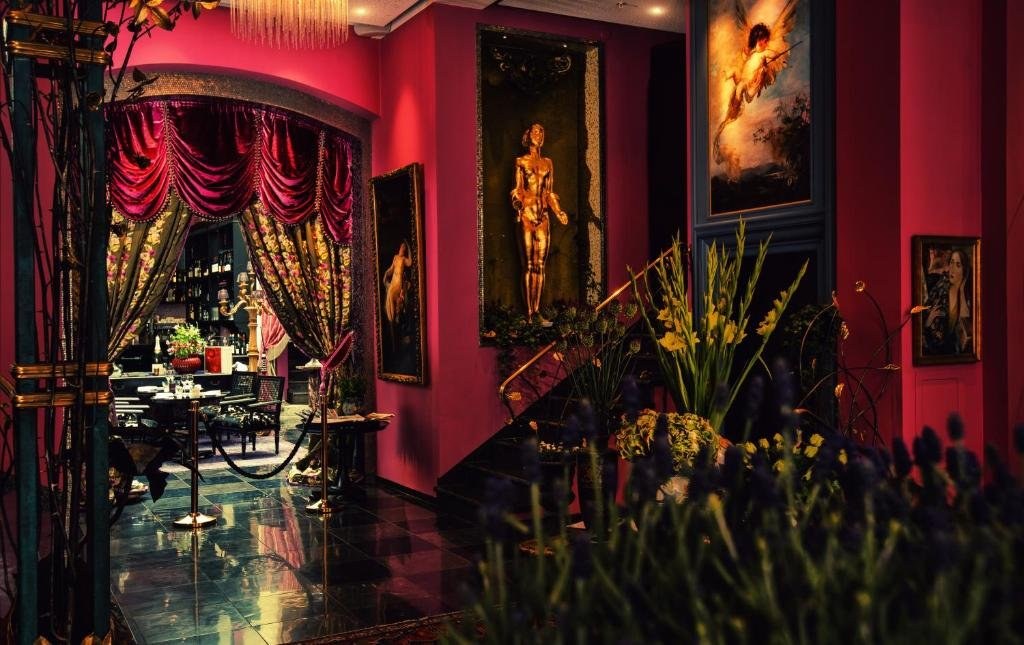
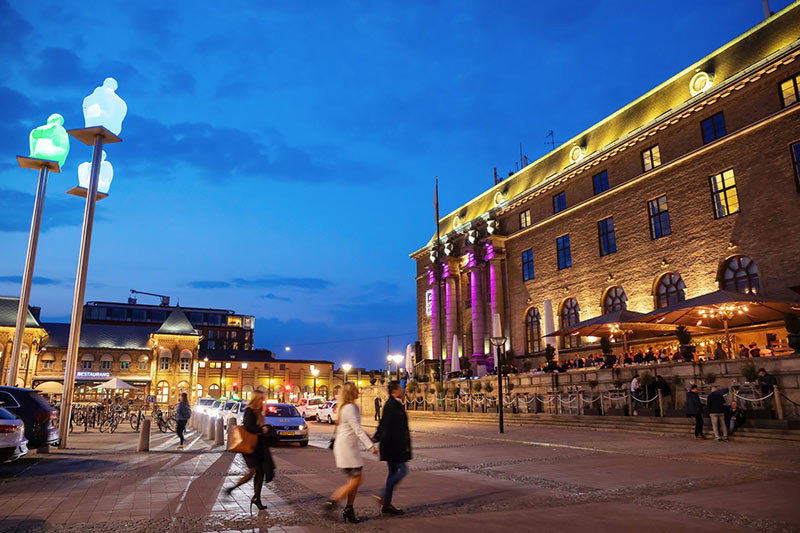
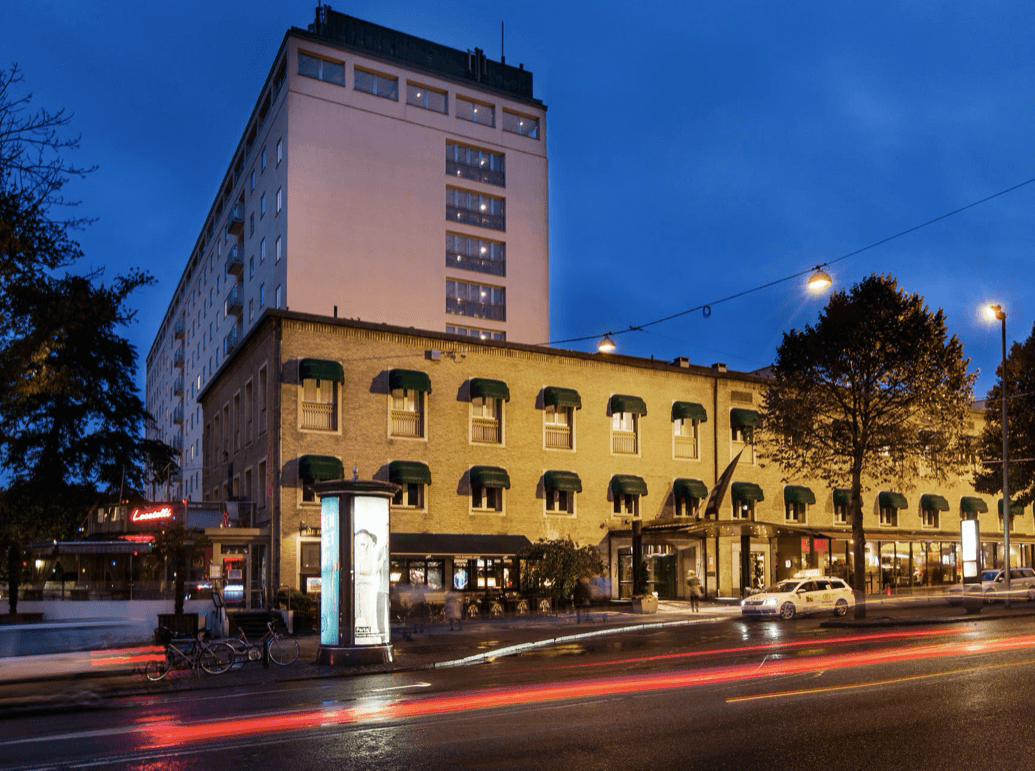
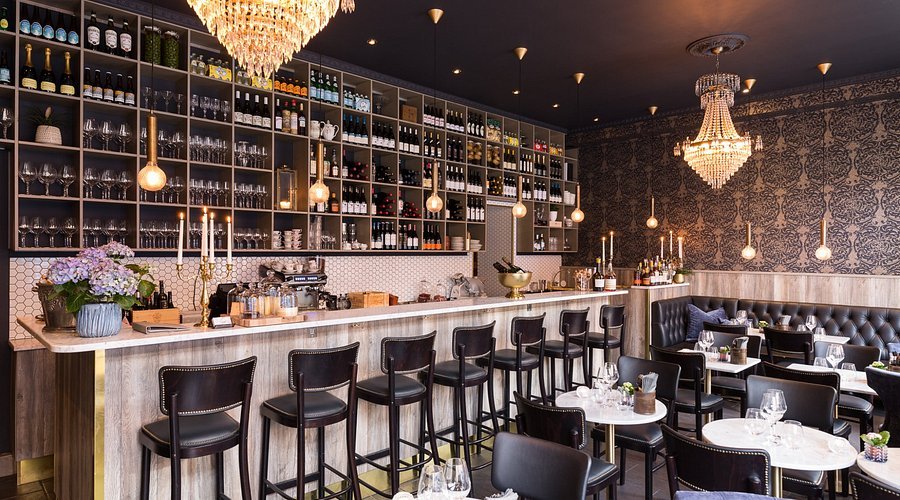
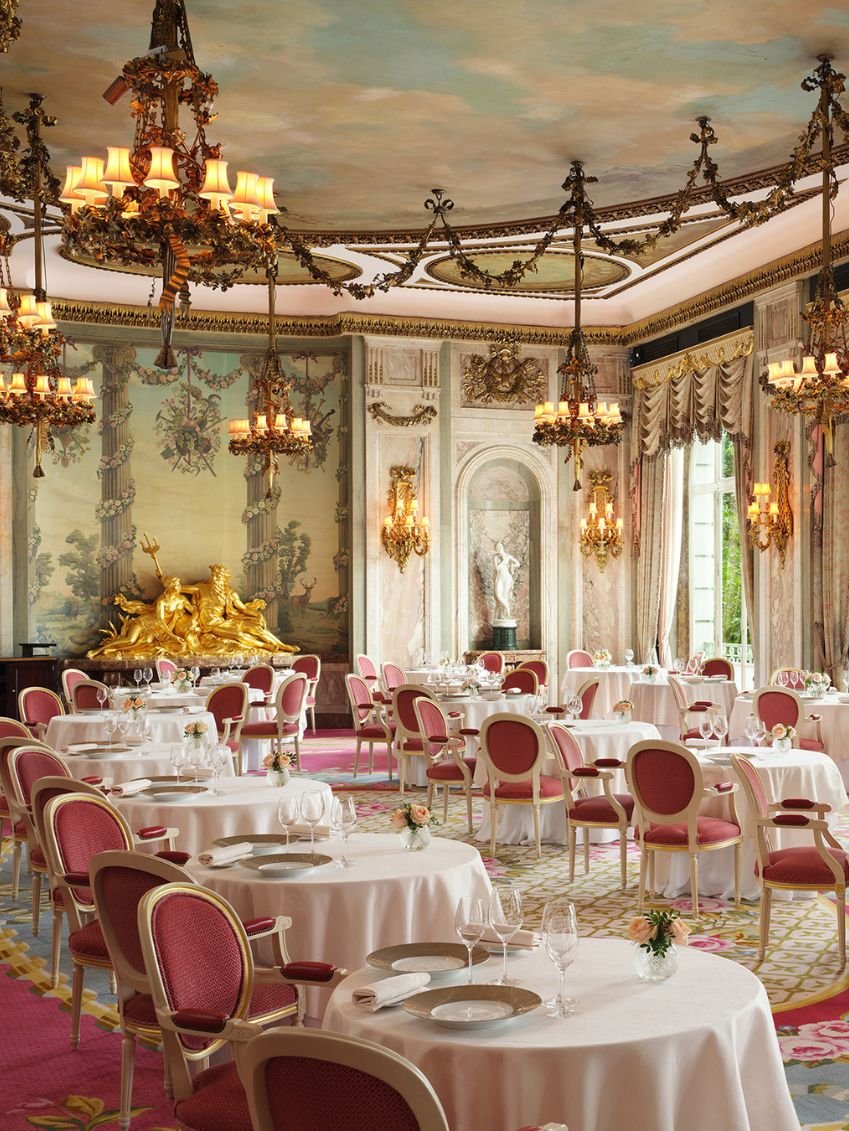
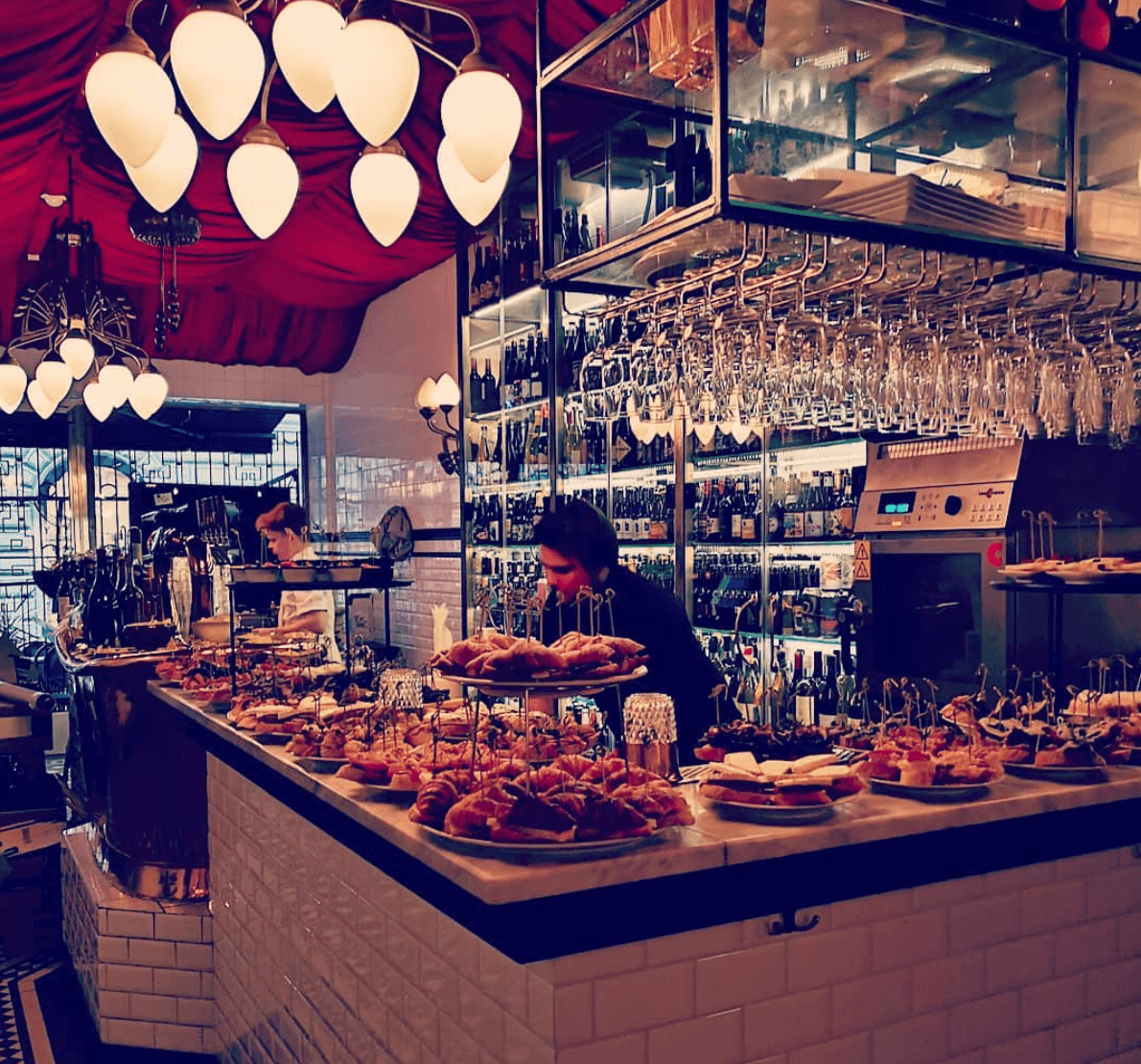
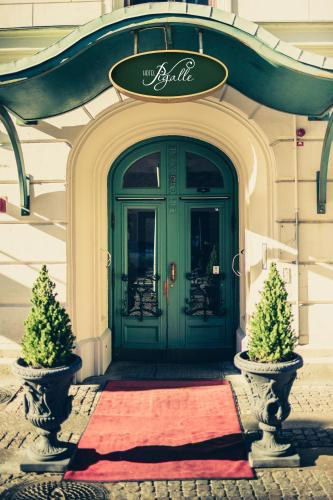
Hotel Pigalle occupies a period canal-side building and leans fully into a theatrical, design-forward identity. The public spaces trade Scandinavian minimalism for jewel tones, velvet upholstery and the kind of scale—high ceilings and wide facades—that reads as confident and a little decadent. Staff and programming skew toward presentation and polish: the bar is a focal point, and the property's overall attitude aligns more with a private members' club than a typical business hotel. That combination makes Pigalle feel both classic and intentionally opulent, with an urbane, sophisticated energy rooted in its historic fabric.
Best For
Pigalle suits travelers who want a central, design-led stay with strong food-and-drink credentials. Its canal-side address places guests within easy walking distance of Avenyn and the Saluhallen market, so the hotel works well as a base for evening meals, drinks and short explorations of Gothenburg’s central dining scene. The theatrical bar and Michelin-aware restaurant environment make it a natural pick for couples on a date night or groups marking a special occasion, and the hotel’s intimate, club-like sensibility frames stays as more than purely functional overnight stops.
Venue details
Ambiance
Bold, eclectic decor with dramatic features, patterned wallpapers, velvet curtains, and a lively yet indulgent atmosphere blending historic charm with modern vibrancy.
Tags
Vibe
Best For
Experience
Amenities
View
Accessibility
About the Stay
- Rooms
- 81
- Check-in
- 15:00
- Check-out
- 11:00
- Property Type
- Boutique hotel
- Property Style
- Boutique Luxury in Historic Palace House with 1920s European Influences.
- Design Style
- Eclectic Parisian Inspired with Bold Patterns, Period Lighting, and Dramatic Features.
Know before you go
Know Before You Go
- Getting there
- Södra Hamngatan 2A, 411 06 Göteborg, Sweden
Planning details
Location
Recognition and awards

Also consider
Also Consider
- Dorsia Hotel & Restaurant, Notable alternative
- Hotel Flora Göteborg, Notable alternative
- Hotel Riverton, Notable alternative
- Hjortviken Country Club, Notable alternative
- Marstrands Kurhotell, Notable alternative
Hotel context
How Hotel Pigalle compares in Gothenburg
Choose Hotel Pigalle over Dorsia Hotel & Restaurant if you want an easier, more flexible city stay with a strong sense of atmosphere. Dorsia is the one to cross-shop when the restaurant-hotel pairing is the point of the trip; Hotel Pigalle is the cleaner choice when the hotel is a stylish base rather than the whole evening plan.
Hotel Flora Göteborg is the practical alternative for travelers who want a lighter boutique stay and are comparing live rates closely. Hotel Riverton is the safer pick for a more conventional business-leaning stay. Hotel Pigalle sits between them: more character than a standard city hotel, less of an operational bet than a destination resort.
If wellness is the main reason for the trip, cross-shop outside the city with Hjortviken Country Club or Marstrands Kurhotell. Those make more sense for a reset-focused stay, while Hotel Pigalle is better for a Gothenburg itinerary built around the city itself.
Explore Gothenburg
Around this place
Discover more on Pearl
Unlock the full Hotel Pigalle guide in Pearl, including awards, comparisons, FAQs, planning details, and nearby places.
Compare Hotel Pigalle
| Venue | Location | Awards |
|---|---|---|
| Hotel Pigalle | Gothenburg | 2026 White Guide Sweden Hotels - Exceptional Level2025 Michelin Selected Hotels |
| Dorsia Hotel & Restaurant | Gothenburg | 2026 White Guide Sweden Hotels - Global Exceptional Level2025 Michelin Selected HotelsSmall Luxury Hotels Member 2025 |
| Hotel Flora Göteborg | Gothenburg | No published awards |
| Hotel Riverton | Gothenburg | No published awards |
| Hjortviken Country Club | Hindas | No published awards |
| Marstrands Kurhotell | Marstrand | No published awards |

How Hotel Pigalle Gothenburg compares with similar nearby venues.
FAQ
Frequently Asked Questions
Do loyalty programs work at Hotel Pigalle?
Hotel Pigalle has MICHELIN Guide, Hotels Selected recognition for 2025; if points or status benefits matter, confirm directly before booking.
Is Hotel Pigalle good for business travel?
It may still be worth comparing with other hotel options such as Hotel Riverton, but confirm practical details such as workspace, meeting facilities, and booking terms directly.
What is check-in like at Hotel Pigalle?
How is the location of Hotel Pigalle?
Hotel Pigalle is in Gothenburg. Use the hotel's current booking or contact information for exact arrival planning.
How is the dining at Hotel Pigalle?
If in-house dining is important, confirm the current restaurant or bar offering directly; for comparison research, Dorsia Hotel & Restaurant is another named option to review.
Which room category is best at Hotel Pigalle?
Choose based on current room descriptions, photos, cancellation terms, and live rates from the booking channel you trust.
How is the pool and spa at Hotel Pigalle?
If wellness facilities are central to the trip, confirm directly and compare with options such as Marstrands Kurhotell or Hjortviken Country Club as part of broader hotel research.