
Schloss Eberstein
Gernsbach
Hotel in Gernsbach, Germany
 Book with Pearl
The Read
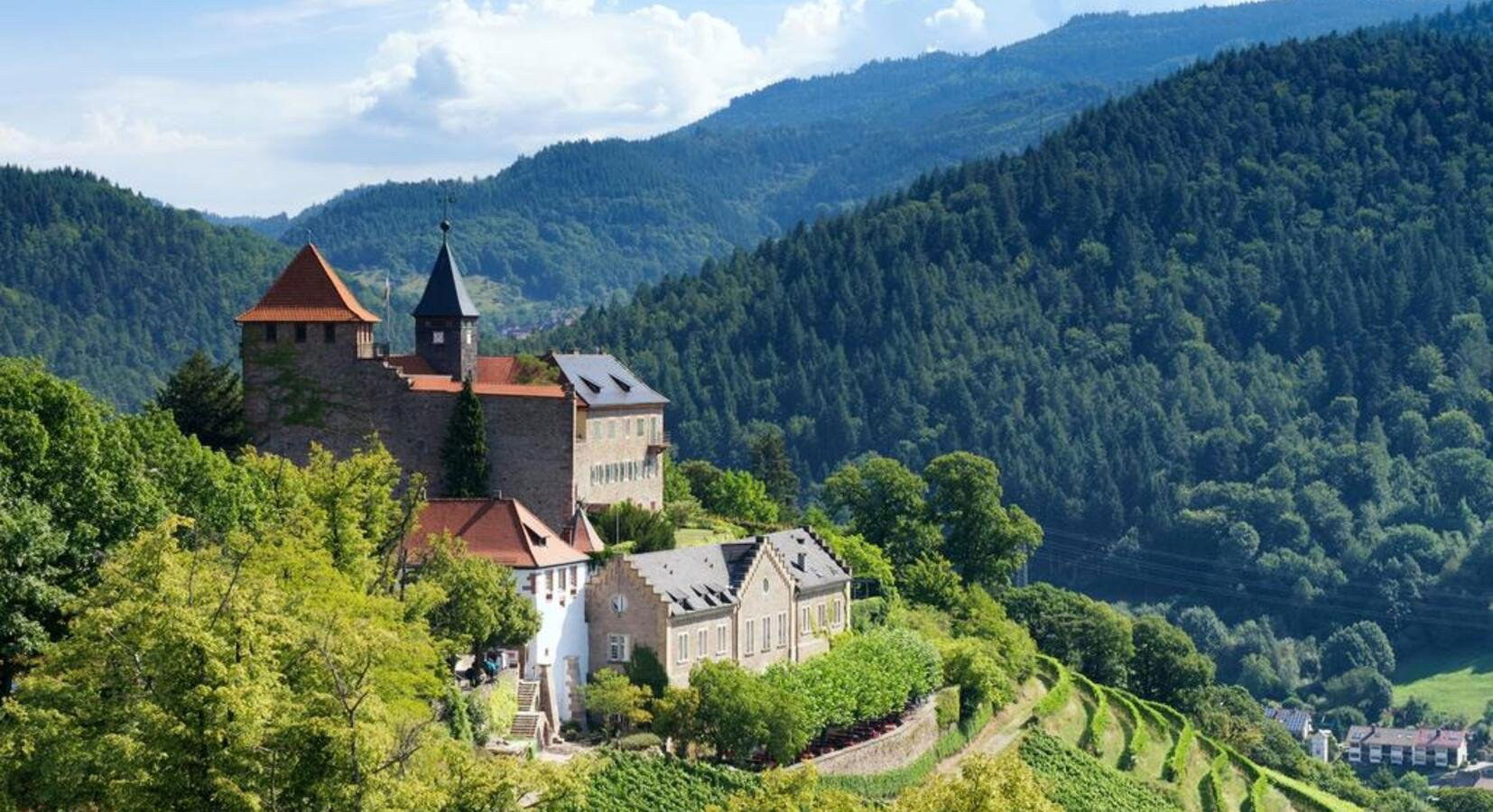
Ridge-Top Baden Castle
Why go
Schloss Eberstein is worth considering for a special-occasion stay near Gernsbach, especially if a castle setting matters more than large-hotel facilities. Its Michelin 1 Key recognition in 2025 gives the experience a credible quality signal, but travelers who want a deeper spa or resort setup should compare it with Baden-Baden and Black Forest peers before committing.
About Schloss Eberstein
Is Schloss Eberstein worth booking in Gernsbach? It is a reasonable shortlist choice for travelers seeking a stay in Gernsbach with a confirmed hotel accolade: Michelin 1 Key recognition in 2025. With its recognition and Gernsbach location, the property's style should align with your trip.
Schloss Eberstein is in Gernsbach, has a smart-casual dress code, and holds Michelin 1 Key recognition for 2025.
A Gernsbach stay with confirmed Michelin 1 Key recognition
Schloss Eberstein is a Gernsbach hotel choice, primarily recognized by its Michelin 1 Key. This supports considering it for a more considered stay.
For travelers comparing options, the decision should come down to location preference and the type of stay you want. Schloss Eberstein keeps you in Gernsbach; other named hotels such as Brenners Park-Hotel & Spa, Maison Messmer, Hotel Erbprinz – Gourmet & Spa, Hotel Traube Tonbach, and Steigenberger Icon Europäischer Hof Baden Baden may be relevant comparisons depending on your itinerary, but their fit should be checked separately.
How to think about booking and expectations
Book with clear expectations. If a particular restaurant format, spa program, lunch service, price level, seat count, or business-travel setup is important, verify them directly before committing.
The smart-casual dress code is the clearest practical guidance. This makes Schloss Eberstein a place to approach with a polished but not overly formal wardrobe, while other operational details should be confirmed with the property.
Quick reference: choose Schloss Eberstein if you want a Gernsbach stay with confirmed Michelin 1 Key recognition in 2025, and verify any facility, dining, or service-specific requirements before booking.
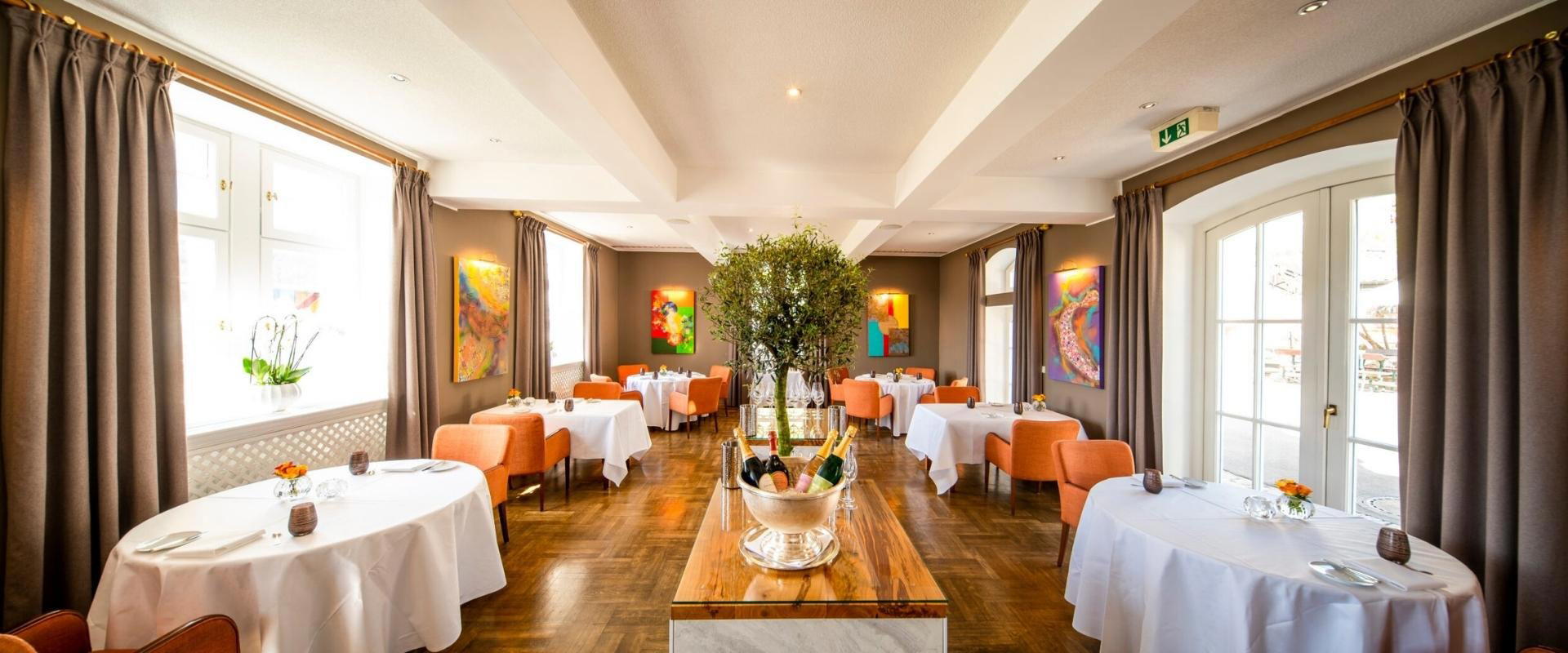
Inside Schloss Eberstein
Planning details
- Location
- Schloss Eberstein 1, 76593 Gernsbach
- Website
- hotel-schloss-eberstein.de
- Phone
- +49 7224 995950
The take
The Take
The Vibe
Schloss Eberstein presents as a custodial, historically grounded castle hotel that foregrounds place over programmed amenities. The fourteenth-century origins and restrained approach to interior change make the architecture itself the principal attraction; rooms number just fourteen, and the property feels owner‑managed rather than scaled like a resort. The climb up switchbacks through the Murg Valley primes you for a sense of arrival—this is a destination you reach. Overall the tone is quietly historic and intimate: a small, deliberate lodging experience anchored in the Black Forest ridge and the building’s long lineage.
Best For
This hotel suits travelers who prize history, landscape and solitude over full‑service resort programming. With only fourteen rooms and a design that emphasizes custodial care of the medieval fabric, Schloss Eberstein is well matched to couples on a romantic getaway or anniversary, anyone seeking a short weekend escape, and visitors who want to lodge in a historic structure with dramatic Black Forest views. It is not positioned as a conference or large‑group destination; instead it rewards guests who value architecture, setting and a restrained, place‑forward stay.
Stay Tips
Book well in advance and plan logistics carefully: with just fourteen rooms and an owner‑managed scale, availability fills up quickly. Expect the experience to hinge on the building and the setting rather than extensive on‑site programming—the description explicitly notes “no large‑scale amenity stack.” Allow extra time for the approach—the road climbs in switchbacks through the Murg Valley—and prioritize a room that faces the ridge if views matter to you. Pack accordingly, treating the stay as a scenic, architecture‑focused retreat rather than a spa or resort weekend.
Venue details
Ambiance
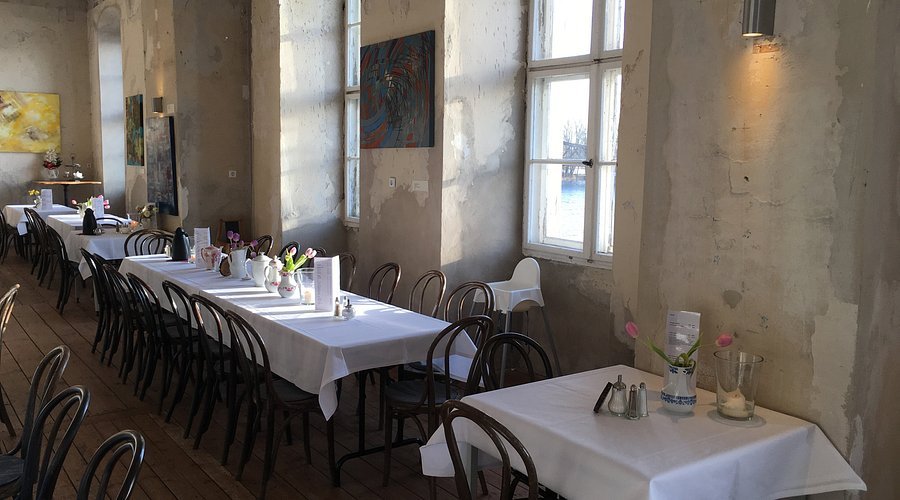
Cozy and romantic with stylish furnishings, valley views from large windows, and a serene, old-world castle atmosphere.
Tags
Vibe
Best For
Experience
Amenities
View
Accessibility
About the Stay
- Rooms
- 32
- Check-in
- 15:00
- Check-out
- 11:00
- Property Style
- Historic Castle Hotel with Modern Comforts in a Fairytale Black Forest Setting.
- Design Style
- Classic Elegant with Cozy, Individually Furnished Rooms Blending Old World Charm and Contemporary Luxury.
Know before you go
Know Before You Go
- Getting there
- Schloss Eberstein 1, 76593 Gernsbach
Planning details
Location
Recognition and awards
Also consider
Where to look if this is full
If Schloss Eberstein is unavailable, try Brenners Park-Hotel & Spa for a more spa-forward luxury stay near Baden-Baden. For a Black Forest trip where dining and resort depth matter more than castle atmosphere, compare availability at Hotel Traube Tonbach.
Hotel context
How Schloss Eberstein compares nearby
Choose Schloss Eberstein if the goal is atmosphere and privacy over scale. Compared with Brenners Park-Hotel & Spa, it is the quieter, more castle-led option; Brenners is the safer pick for travelers who want a larger luxury-hotel machine and spa emphasis. Steigenberger Icon Europäischer Hof Baden Baden is better for guests who want a central Baden-Baden base with a grand-hotel feel rather than a retreat above Gernsbach.
Maison Messmer makes more sense for travelers prioritizing city access and a familiar upscale hotel rhythm. Schloss Eberstein is the more occasion-oriented choice when the room, arrival, and setting carry the trip. For food-and-spa weighting, compare closely with Hotel Erbprinz – Gourmet & Spa and Hotel Traube Tonbach, both of which are stronger cross-shops for travelers who want the stay to revolve around dining infrastructure and wellness time.
Booking difficulty is the key practical difference: Schloss Eberstein should be treated as a planned-ahead special-occasion stay, not a last-minute Baden-Baden substitute. If availability is tight, Maison Messmer or Steigenberger Icon Europäischer Hof Baden Baden will usually feel easier for a city-focused itinerary, while Hotel Traube Tonbach is the better comparison for a full Black Forest hotel escape.
Explore Gernsbach
Around this place
Discover more on Pearl
Unlock the full Schloss Eberstein guide in Pearl, including awards, comparisons, FAQs, planning details, and nearby places.
Compare Schloss Eberstein
| Venue | Location | Awards |
|---|---|---|
| Schloss Eberstein | Gernsbach | Michelin 1 Key 20252025 Michelin 1 Key |
| Brenners Park-Hotel & Spa | Baden-Baden | 2026 Virtuoso Luxury Hotel CollectionTown & Country Hotel Awards 20262026 Robb Report The 50 Greatest Luxury Hotels on Earth2026 La Liste Top Hotels2025 Michelin Selected Hotels |
| Steigenberger Icon Europäischer Hof Baden Baden | Baden-Baden | 2025 Michelin 1 Key |
| Maison Messmer | Baden-Baden | World Luxury Hotel Awards 20252025 Michelin 1 Key |
| Hotel Erbprinz – Gourmet & Spa | Ettlingen | No published awards |
| Hotel Traube Tonbach | Baiersbronn | 2026 La Liste Top Hotels2025 Michelin 3 Keys2024 Michelin 3 Keys |







How Schloss Eberstein Gernsbach compares with similar nearby venues.
FAQ
Frequently Asked Questions
How does Schloss Eberstein compare to other hotels?
Schloss Eberstein is a Gernsbach option with confirmed Michelin 1 Key recognition in 2025. Brenners Park-Hotel & Spa, Maison Messmer, Hotel Erbprinz – Gourmet & Spa, Hotel Traube Tonbach, and Steigenberger Icon Europäischer Hof Baden Baden can be useful comparison points, but confirm each hotel's location, facilities, and style separately before booking.
How is the pool and spa at Schloss Eberstein?
What is check-in like at Schloss Eberstein?
Is Schloss Eberstein good for business travel?
If you need meeting space, fast logistics, or other work-related amenities, confirm those details directly before booking. Steigenberger Icon Europäischer Hof Baden Baden may be a relevant comparison depending on your itinerary.
How is the dining at Schloss Eberstein?
A practical note is a smart-casual dress code, so verify restaurant details directly if dining is central to your stay.
Do loyalty programs work at Schloss Eberstein?
If earning or redeeming benefits is important, check directly before booking and compare with hotels such as Brenners Park-Hotel & Spa or Steigenberger Icon Europäischer Hof Baden Baden where relevant to your trip.