

Burg Schwarzenstein
Geisenheim
Hotel in Geisenheim, Germany
 Book with Pearl
The Read
Rheingau Viticultural Retreat
Why go
Book Burg Schwarzenstein if the trip is built around Geisenheim and the Rheingau rather than city convenience. Michelin 1 Key recognition in 2025 and Relais & Châteaux recognition in 2026 make it a serious countryside choice, but the value is strongest when you can use the setting, dining access, and wine-region location rather than treating it as a stopover.
About Burg Schwarzenstein
Should you book Burg Schwarzenstein in Geisenheim? Consider it if you want a recognized stay in Geisenheim. The property has a Michelin 1 Key for 2025, a Relais Chateaux Award for 2026, and a smart-casual dress code.
Specifics like the exact room to choose, nightly rate, dining format, amenities, or service style are not included. They do, however, give a useful starting point: Burg Schwarzenstein is best evaluated as a recognized hotel in Geisenheim rather than as a generic overnight base.
Worth it for a Geisenheim stay, weaker if you need specifics upfront
The strongest reason to consider this property is recognition. Michelin awarded Burg Schwarzenstein 1 Key in 2025, and a Relais Chateaux Award is listed for 2026. If those signals matter to your trip, it belongs on the shortlist.
Pricing, room categories, amenities, menus, hours, or booking difficulty are not established. That means the practical approach is to confirm current details directly before committing, especially if your decision depends on a particular room type, facility, or dining plan.
Dress code is smart casual. Beyond that, avoid assuming a specific format or level of formality.
Use Geisenheim as the filter before comparing options
For travelers set on Geisenheim, start with whether the trip specifically needs to be based in Geisenheim. If the itinerary is food-led, cross-check Geisenheim restaurants before choosing dates.
The decision is not whether Burg Schwarzenstein has recognized status; its awards indicate that it does. The more important question is whether a stay in Geisenheim fits the trip better than a different base.
For broader planning, compare it naturally with other hotel options such as Hofgut Wißberg - Das Weinberghotel, Hotel Nassauer Hof, Hyatt Regency Mainz, Land & Golf Hotel Stromberg, or Schlosshotel Kronberg. Burg Schwarzenstein is the Geisenheim option; the others may suit different priorities depending on the wider itinerary.
Inside Burg Schwarzenstein
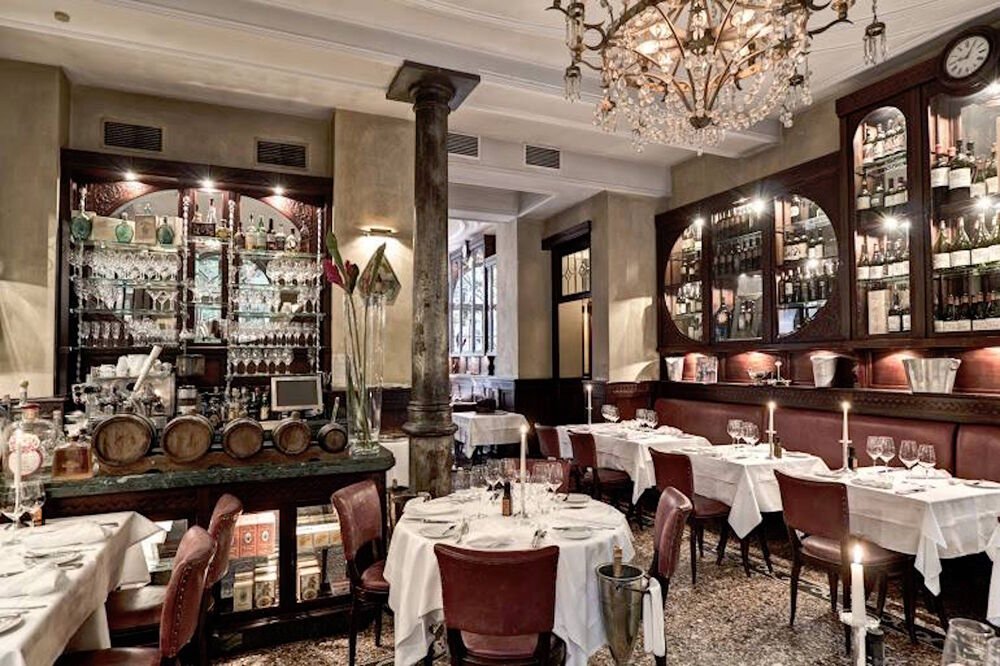
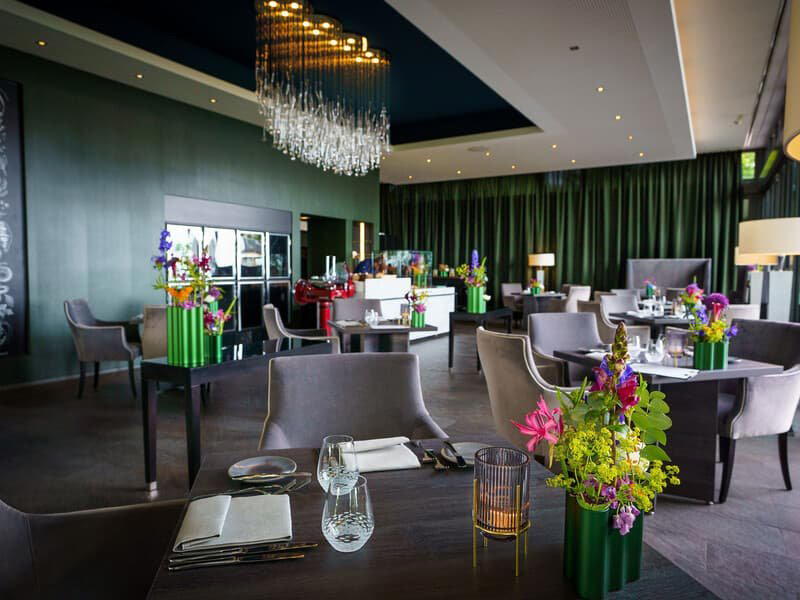 restaurantBurg RestaurantBurg Restaurant sits on Rosengasse in Geisenheim, the Rheingau town that doubles as Germany's foremost wine research address. Under chef Sven Vogel, the kitchen carries a Cooking Classics designation, placing it in a tier of German restaurants that treat the national culinary canon with seriousness rather than nostalgia. For visitors working through the region's wine estates, it provides a table grounded in tradition rather than trend.
 restaurantBrasserie SchwarzensteinBrasserie Schwarzenstein sits in Geisenheim's Rosengasse, at the heart of one of Germany's most significant wine-growing towns in the Rheingau. The brasserie format places it in a tier between the region's castle-dining institutions and its more casual wine-tavern staples, making it a practical anchor for visitors combining vineyard exploration with a proper sit-down meal.
Planning details
- Location
- Rosengasse 32, 65366 Geisenheim
- Website
- burg-schwarzenstein.de
- Phone
- +49 6722 99500
The take
The Take
The Vibe
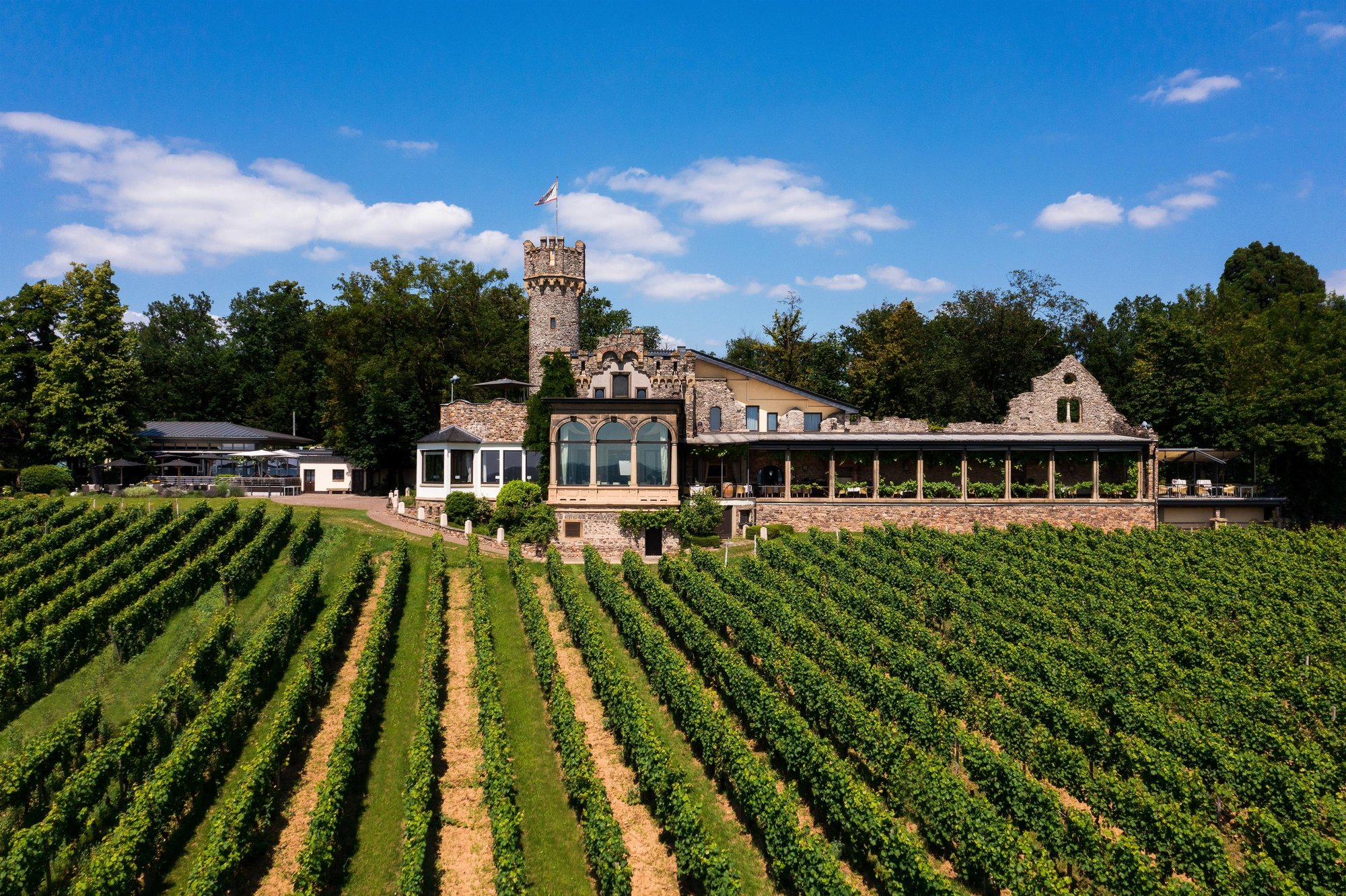
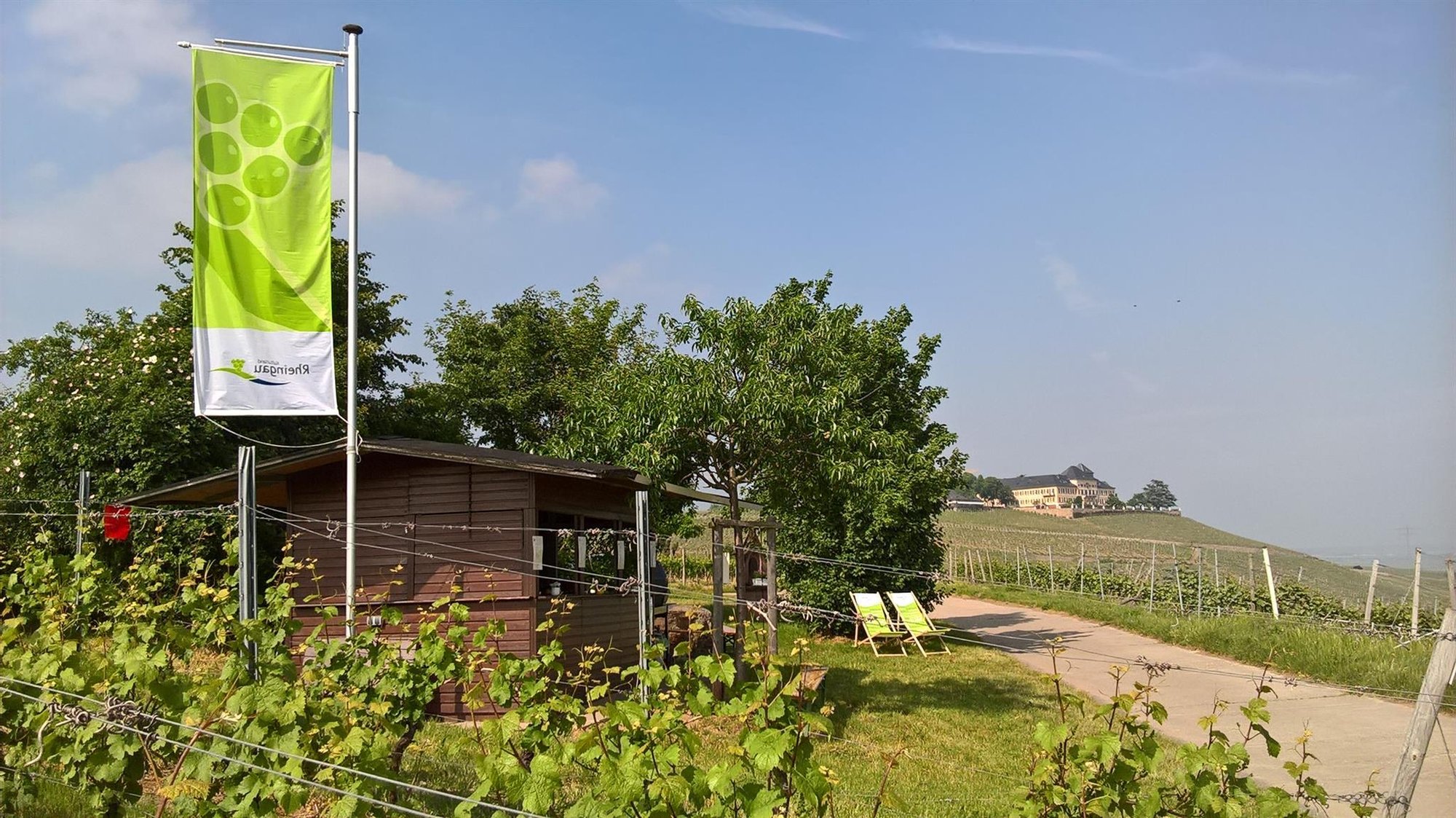
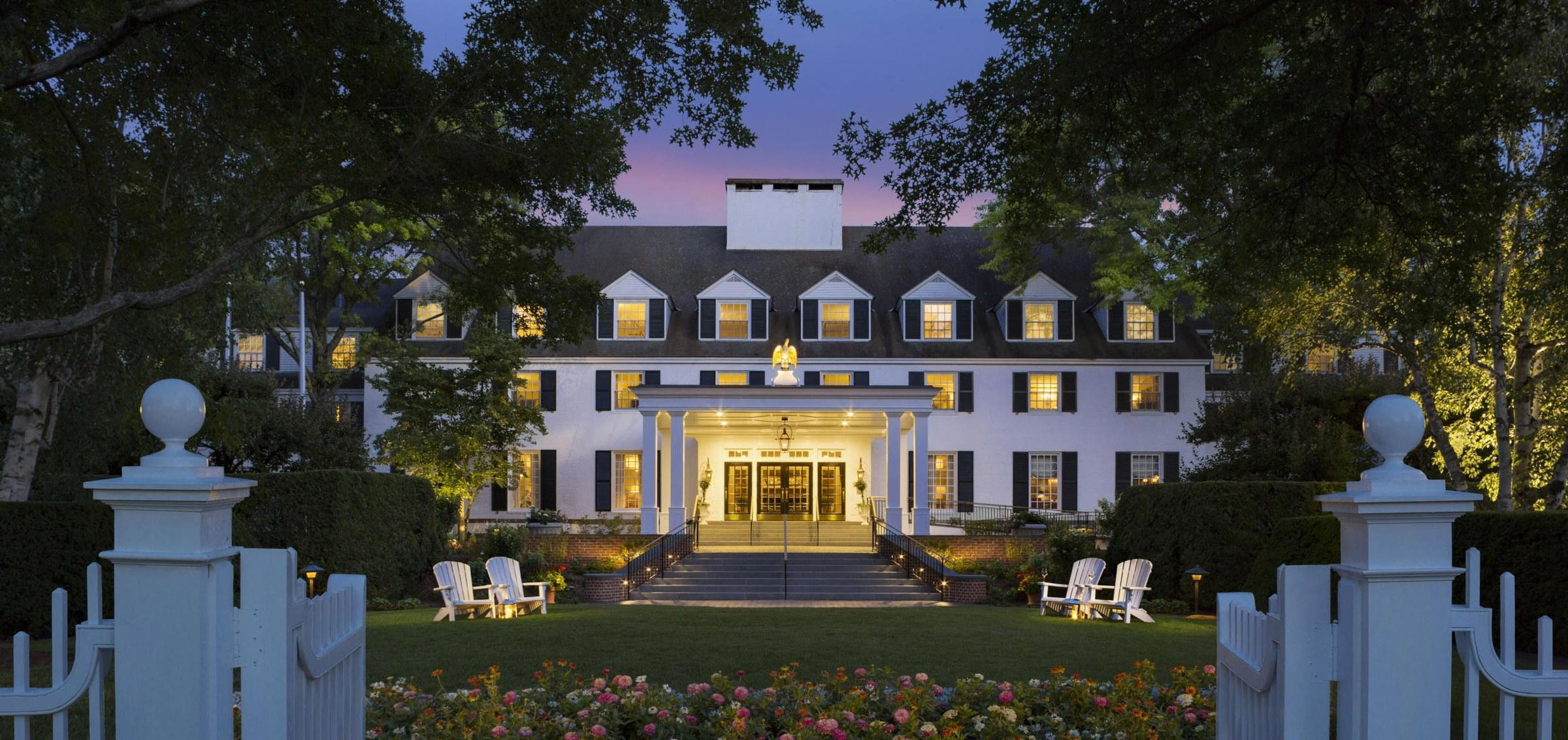
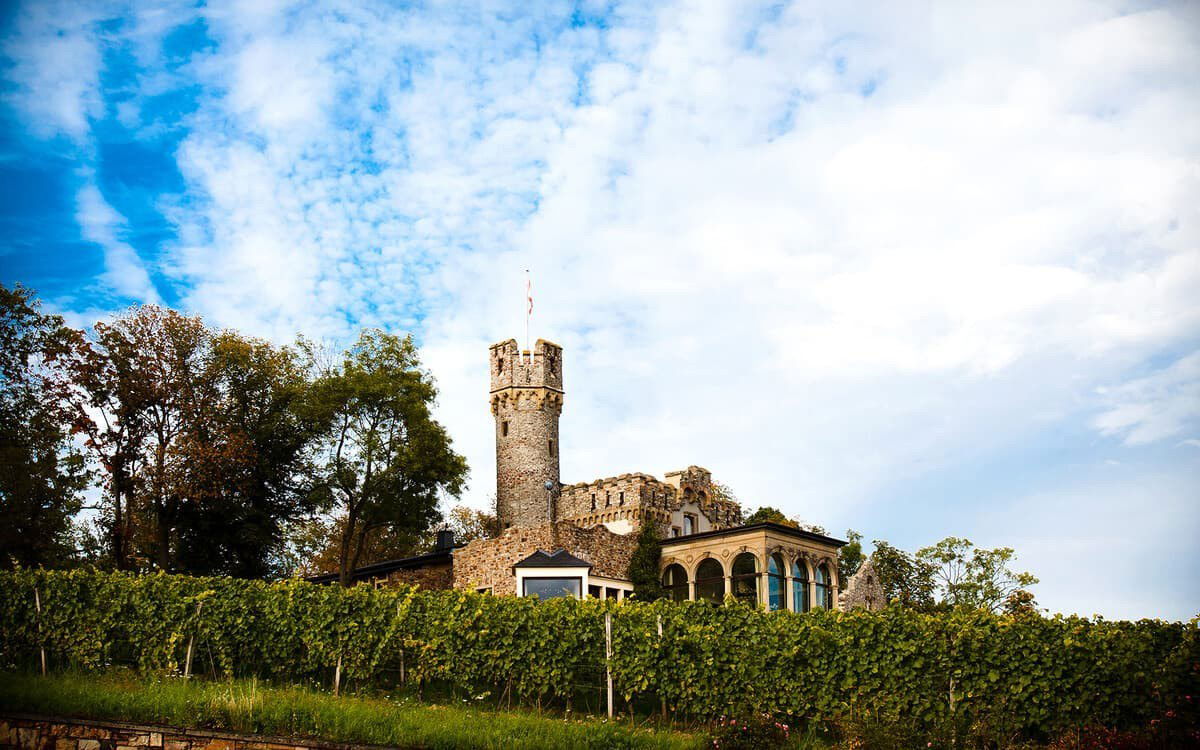
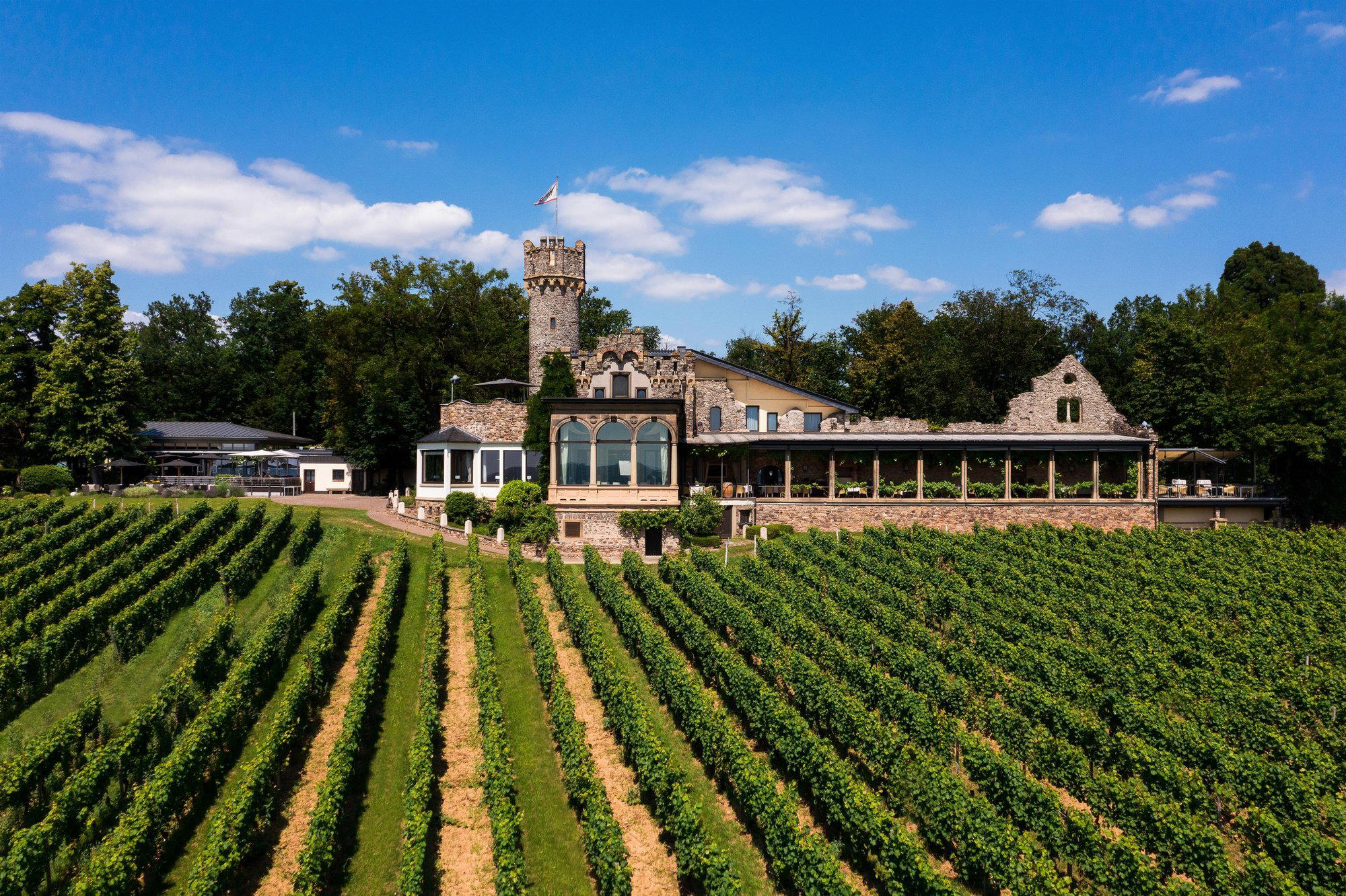
Burg Schwarzenstein reads like a deliberately romantic 19th-century country house: a stone turret punctuates the roofline, exposed masonry and wooden beams appear in the principal rooms, and English-style gardens cradle the property. The hotel leans into historicist architecture rather than literal fortification, so interiors feel both imposing and eminently livable. Tower rooms with curved walls and narrow windows emphasize vertical drama, while four-poster beds and silk canopies underline the period character. Overall the place presents as a heritage estate set carefully into vineyard landscapes, offering a classic, storybook hotel experience grounded in regional winemaking history.
Best For
This is an ideal pick for travelers seeking a heritage stay in wine country — particularly couples on romantic getaways, honeymooners and guests celebrating anniversaries or a weekend escape. The property’s small scale and distinct castle rooms favor intimate, leisurely visits rather than high‑activity itineraries. Guests who prize architectural character and close proximity to vineyards will appreciate the main building and tower rooms for their original features; those who want more conventional accommodations can opt for the other structures on the grounds. The gardens and hillside setting also suit quiet, contemplative stays amid Rheingau scenery.
Stay Tips
Book early for the handful of authentically historic rooms: only seven rooms occupy the main castle and tower, and those units are where the original stone walls, beams and four‑poster beds are most evident. If you want architectural drama, request a tower room for curved walls and vertical emphasis; if you prefer garden or vineyard outlooks, note the property’s vineyard setting and English‑style gardens when reserving. Be mindful that the hotel spreads across three structures, so confirm which building you’re booking to match your preference for historic character versus more recent extensions.
Venue details
Ambiance
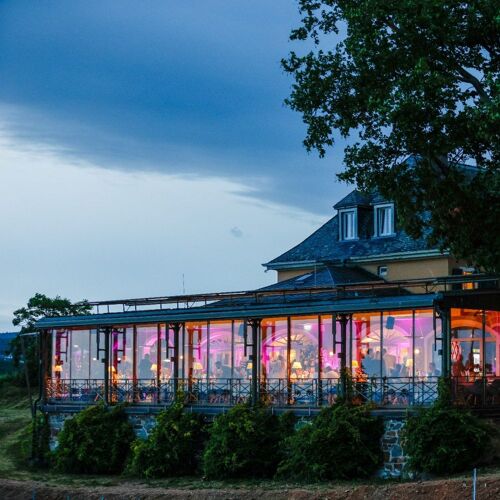
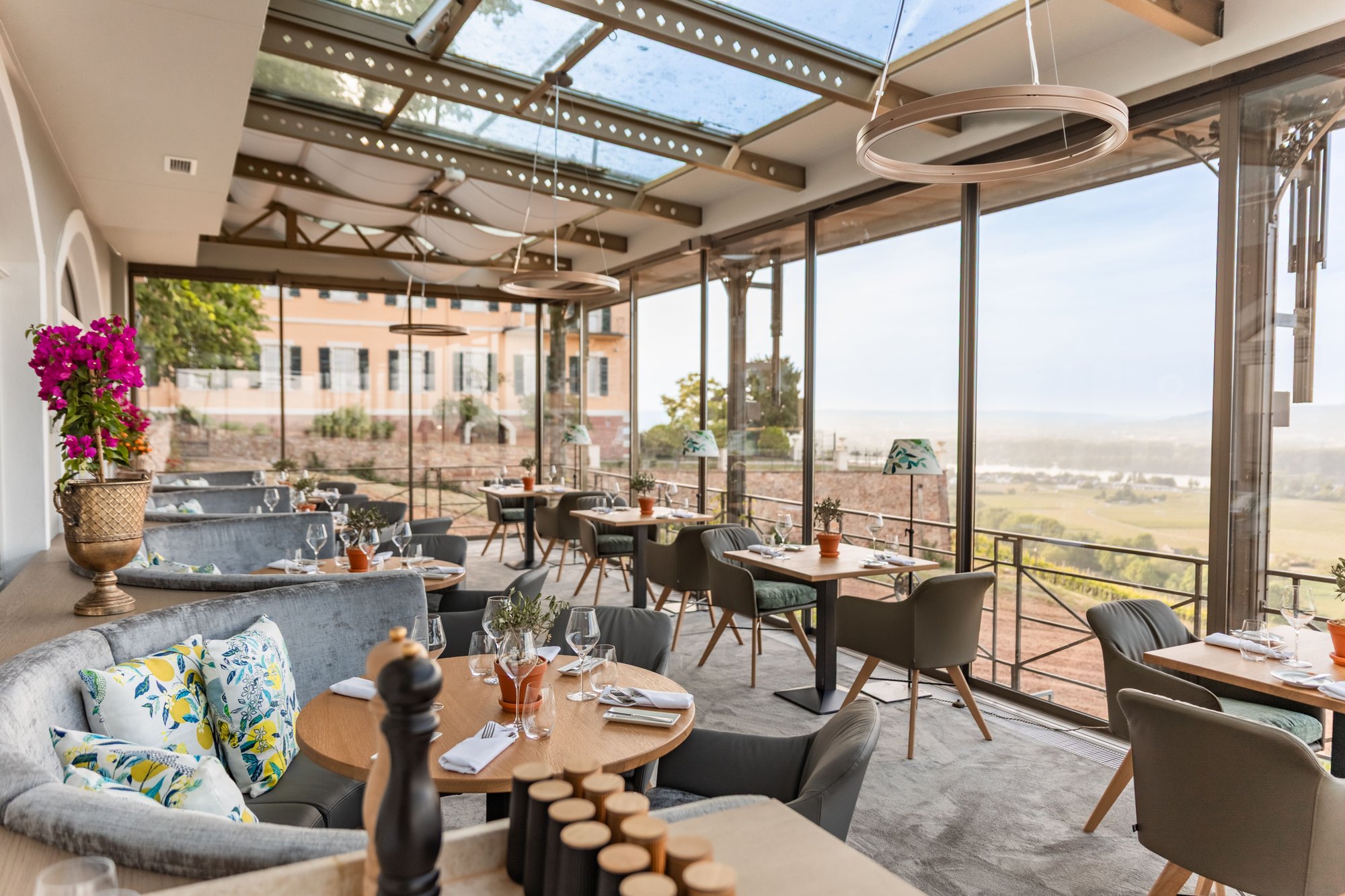
Tranquil and elegant with modern luxury blended into historic castle elements, featuring breathtaking vineyard vistas from breakfast rooms and terraces.
Tags
Vibe
Best For
Experience
Amenities
View
About the Stay
- Rooms
- 38
- Check-in
- 15:00
- Check-out
- 11:00
- Property Style
- Historic Castle Estate with Modern Annexes
- Design Style
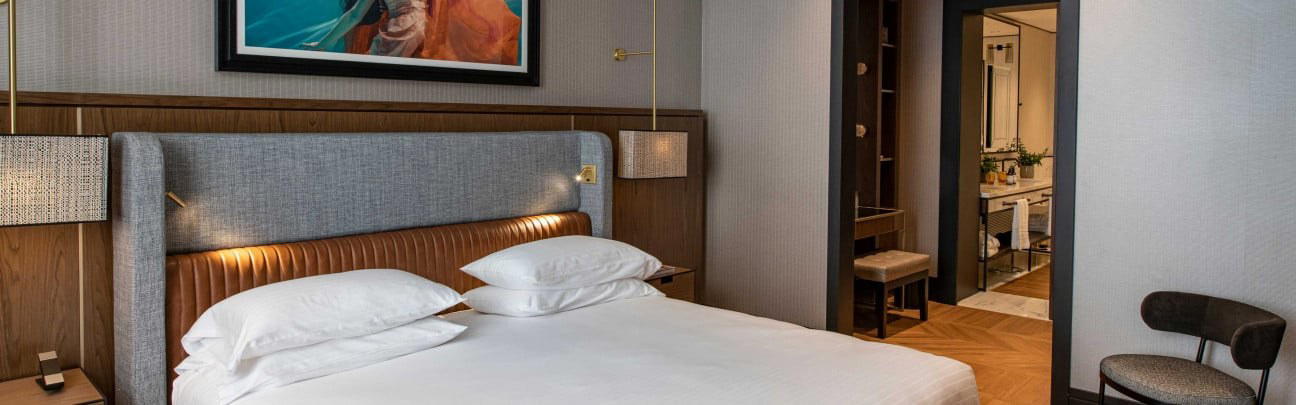
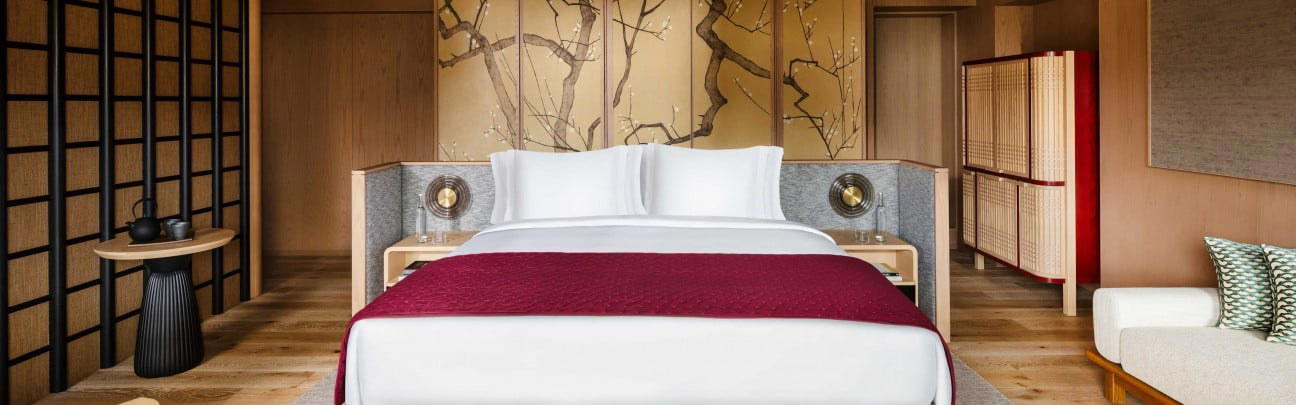
- Elegant Blend of Classic Period Details and Contemporary Luxury
Know before you go
Know Before You Go
- Getting there
- Rosengasse 32, 65366 Geisenheim
Planning details
Location
Recognition and awards

Also consider
If dates do not work
Try Hofgut Wißberg - Das Weinberghotel if the priority is a wine-region stay with a likely gentler value profile. Try Hyatt Regency Mainz if the trip needs easier city access and fewer compromises around transport.
Hotel context
How Burg Schwarzenstein compares in the Rheingau and nearby city set
Burg Schwarzenstein is the stronger choice for a Geisenheim-based wine-country stay where atmosphere and recognition matter. Hofgut Wißberg - Das Weinberghotel is the more obvious cross-shop if vineyard setting is the priority and the target is likely a softer value equation. Land & Golf Hotel Stromberg makes more sense for travelers who want golf and resort-style time rather than a tighter Rheingau focus.
For city convenience, Hyatt Regency Mainz is easier to justify for business travel, rail access, and Mainz-based dinners. Hotel Nassauer Hof is the Wiesbaden luxury alternative for travelers who want a more urban grand-hotel base. Choose Burg Schwarzenstein over both only if the trip's main value comes from being in wine country.
Schlosshotel Kronberg is the closer comparison for a castle-style splurge. It is the better fit when Frankfurt-region access matters; Burg Schwarzenstein is the better fit when the Rheingau is the reason for the trip. Because booking is hard, keep one of these peers ready if dates are fixed.
Explore Geisenheim
Around this place
Discover more on Pearl
Unlock the full Burg Schwarzenstein guide in Pearl, including awards, comparisons, FAQs, planning details, and nearby places.
Compare Burg Schwarzenstein
| Venue | Location | Awards |
|---|---|---|
| Burg Schwarzenstein | Geisenheim | 2026 Relais Chateaux Hotels2026 Michelin 1 KeyMichelin 1 Key 20252025 Michelin 1 Key2025 Relais Chateaux Award |
| Land & Golf Hotel Stromberg | Stromberg | No published awards |
| Hofgut Wißberg - Das Weinberghotel | St Johann | No published awards |
| Hotel Nassauer Hof | Wiesbaden | No published awards |
| Hyatt Regency Mainz | Mainz | No published awards |
| Schlosshotel Kronberg | Kronberg | 2026 Virtuoso Luxury Hotel Collection2026 La Liste Top Hotels2025 Michelin Selected HotelsSmall Luxury Hotels Member 2025 |





How Burg Schwarzenstein Geisenheim compares with similar nearby venues.
FAQ
Frequently Asked Questions
How is the location of Burg Schwarzenstein?
Burg Schwarzenstein is in Geisenheim. It is best considered by travelers who specifically want to stay in Geisenheim. If a more urban base is the priority, Hyatt Regency Mainz is another option to compare.
How is the pool and spa at Burg Schwarzenstein?
Pool and spa details should be confirmed directly before booking if they matter to your stay. The reasons to note the hotel are its Michelin 1 Key (2025), Relais Chateaux Award (2026), and smart-casual dress code. Schlosshotel Kronberg is another hotel to compare.
Do loyalty programs work at Burg Schwarzenstein?
Loyalty-program details are not available. The listed strengths are the Michelin 1 Key (2025) and Relais Chateaux Award (2026), not a points or loyalty benefit. If loyalty benefits are your main goal, Hyatt Regency Mainz may be worth comparing.
How is the dining at Burg Schwarzenstein?
Specific dining details, menu format, cuisine, and service style are not available. Burg Schwarzenstein has a Michelin 1 Key (2025), a Relais Chateaux Award (2026), and a smart-casual dress code. For another hotel comparison, Hofgut Wißberg - Das Weinberghotel is worth considering.
Is Burg Schwarzenstein family-friendly?
Family-specific amenities and policies should be confirmed directly with the hotel before booking. The profile is a recognized Geisenheim hotel with a Michelin 1 Key (2025), a Relais Chateaux Award (2026), and a smart-casual dress code. For different trip logistics, Land & Golf Hotel Stromberg is another option to compare.
Is Burg Schwarzenstein good for business travel?
It can be considered if you need to stay in Geisenheim, but specific business amenities are not available. The profile is a Geisenheim hotel with a Michelin 1 Key (2025), a Relais Chateaux Award (2026), and a smart-casual dress code. Hyatt Regency Mainz and Schlosshotel Kronberg are other options to compare for different business-travel needs.