

Historic Rocky Waters Inn
Gatlinburg Strip, Gatlinburg
Hotel in Gatlinburg, United States
 Book with Pearl
The Read
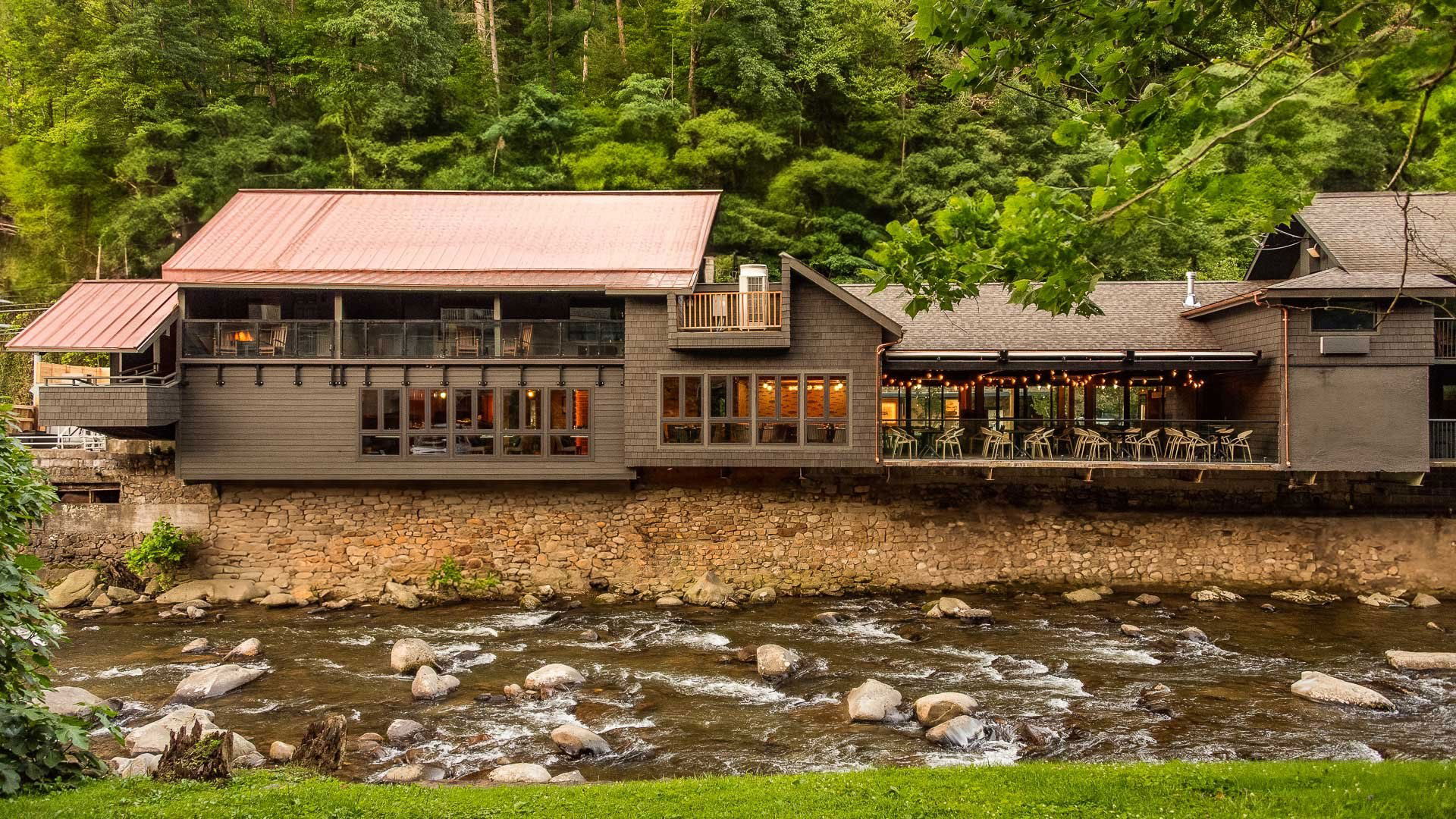
Riverfront Linear Lodging
Why go
Historic Rocky Waters Inn is a good Gatlinburg pick if the goal is a polished in-town hotel rather than a resort campus outside the city. Its Small Luxury Hotels of the World membership and MICHELIN Guide hotel selection give it stronger credibility than a standard Parkway stay, though travelers wanting a full spa-resort or outdoor-camp format should cross-shop the regional alternatives.
About Historic Rocky Waters Inn
Gatlinburg's hotel choice can be a careful decision, so the smart question is whether Historic Rocky Waters Inn fits the kind of stay you want. Historic Rocky Waters Inn is worth a look if the priority is a Gatlinburg base with recognition from Small Luxury Hotels of the World and the MICHELIN Guide hotel selection.
The strongest case here is for travelers who want to stay in Gatlinburg and are weighing a recognized hotel against other regional options. The venue is in Gatlinburg, is a Small Luxury Hotels of the World member, and is selected by the MICHELIN Guide's hotel program. For a broader hotel scan, use our full Gatlinburg hotels guide; if the trip is food-led, pair it with our full Gatlinburg restaurants guide.
A recognized Gatlinburg hotel for travelers comparing regional stays
The recognition is the main reason to consider this property. Membership in Small Luxury Hotels of the World and selection by the MICHELIN Guide's hotel program distinguish Historic Rocky Waters Inn from a generic hotel search in Gatlinburg. That makes it a reasonable short-list pick for travelers who want a Gatlinburg stay with third-party recognition.
Do not choose it based on assumptions about specific amenities, service formats, dining, or room details. If the trip depends on particular hotel features, compare current details directly with the property and with other regional options. For a Gatlinburg stay where hotel recognition matters, Historic Rocky Waters Inn belongs in the conversation.
Planning details
- Location
- 333 Parkway, Gatlinburg, TN 37738
- Website
- rockywatersinn.com
- Phone
- +1 865-436-2559
The take
The Take
The Vibe
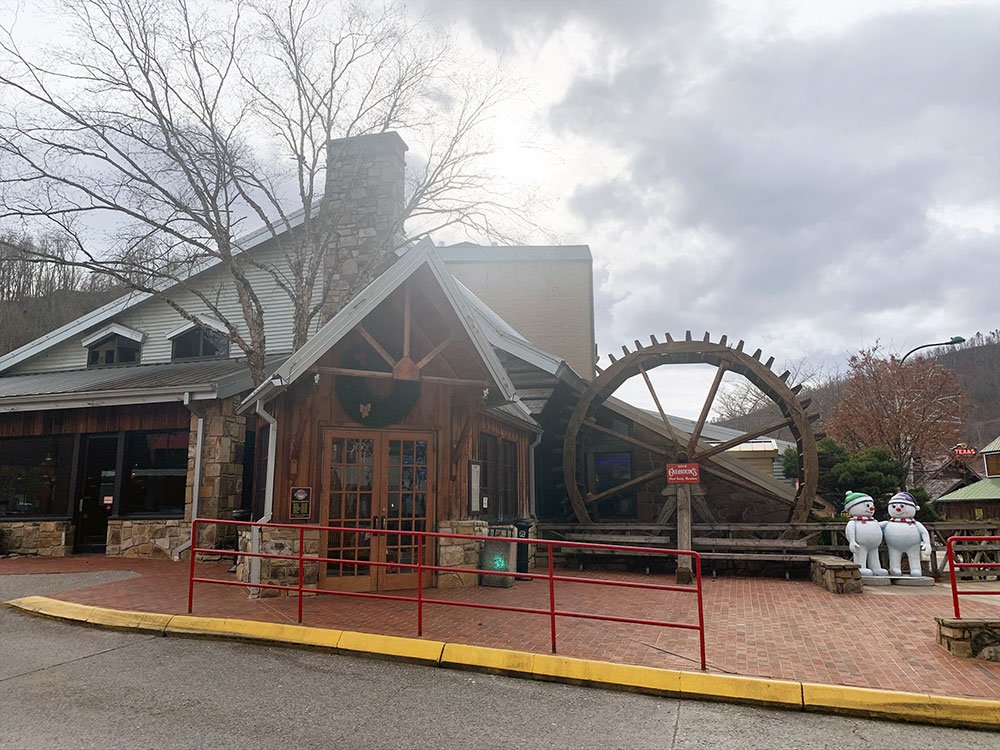
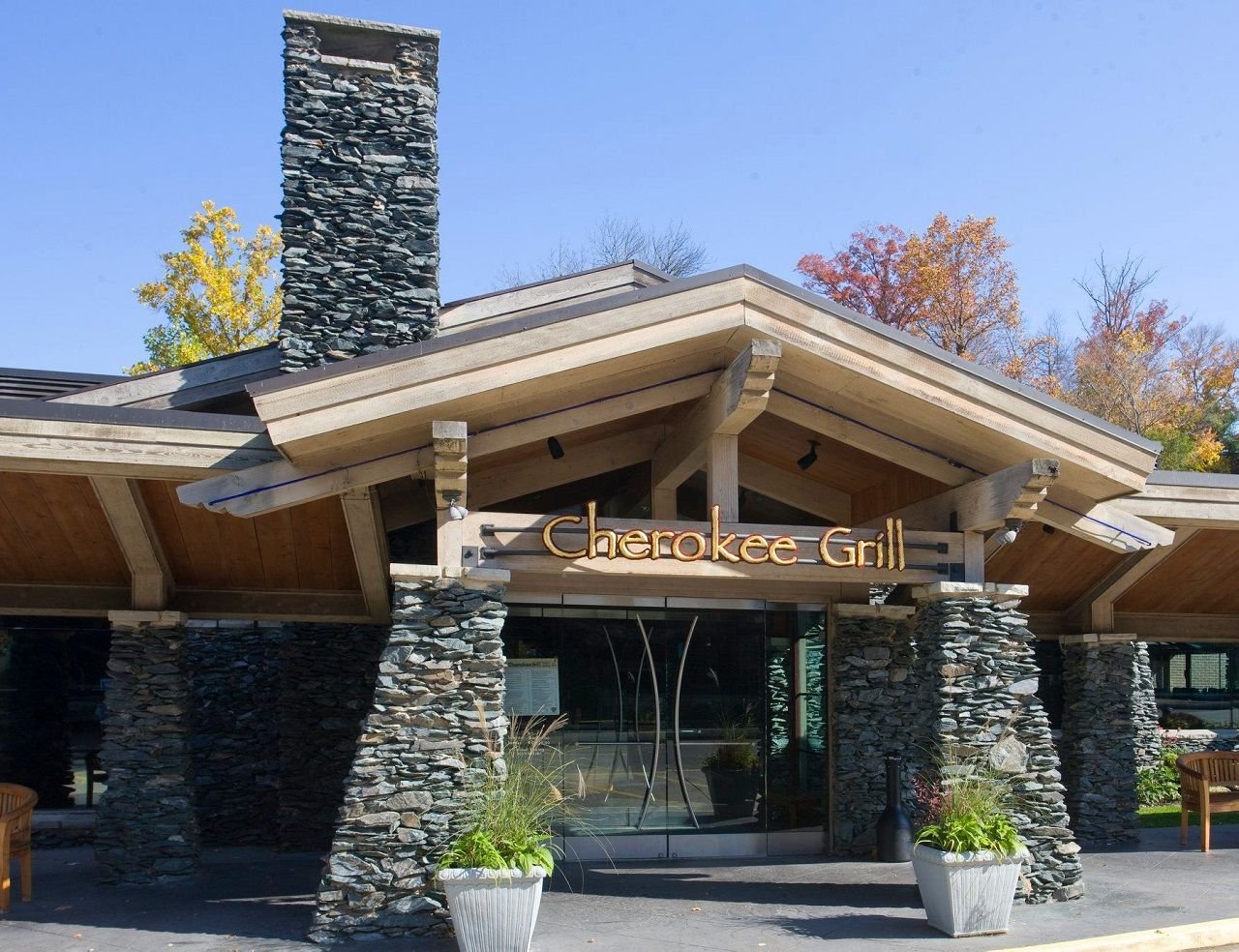
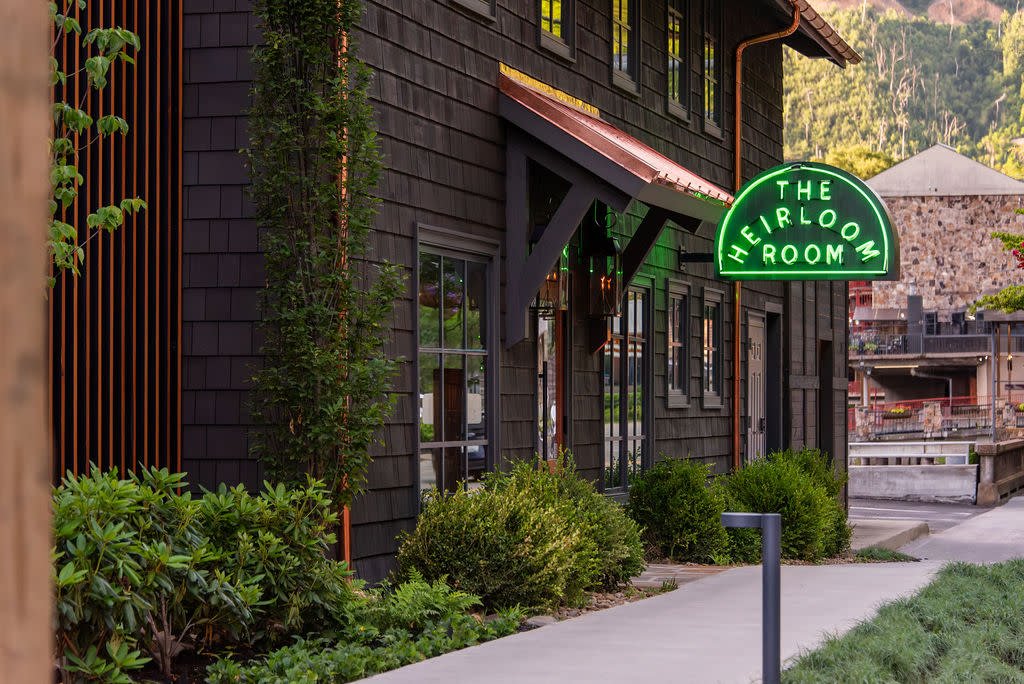
Rocky Waters reads as a study in restraint: the description names a "minimalist facade" and emphasizes functional mountain vernacular rather than the decorative Appalachian styling that later dominated the Smokies. The building recedes into the ridgeline and positions its architecture to favor the surrounding landscape, so the inn feels quietly composed rather than theatrical. A linear run of rooms follows the Little Pigeon River, and that water-oriented plan reinforces a calm, landscape-first character. Operating continuously since 1935, the property conveys a historically grounded, understated presence that privileges view and proportion over roadside convenience.
Best For
The inn is best for travelers who prioritize scenic calm and an understated historic atmosphere. Its location at the threshold of Gatlinburg and Great Smoky Mountains National Park makes it a practical base for nature-focused outings, while the river-facing rooms provide a peaceful counterpoint to the busier Parkway. The property suits couples and anyone seeking an intimate, low-key retreat and guests who appreciate architectural restraint and direct access to riverside views rather than the typical strip-motel experience.
Stay Tips
When booking, request a Little Pigeon River–facing room to secure the feature the description highlights: rooms are intentionally positioned to face the water rather than parking. Because the property sits where the Parkway gives way to quieter riverfront terrain, specifying a riverside location helps prioritize landscape and avoid roadside activity. If you want local context or park access tips, mention proximity to Great Smoky Mountains National Park at check-in; the inn’s orientation and siting are its primary draws rather than modern boutique amenities.
Venue details
Ambiance
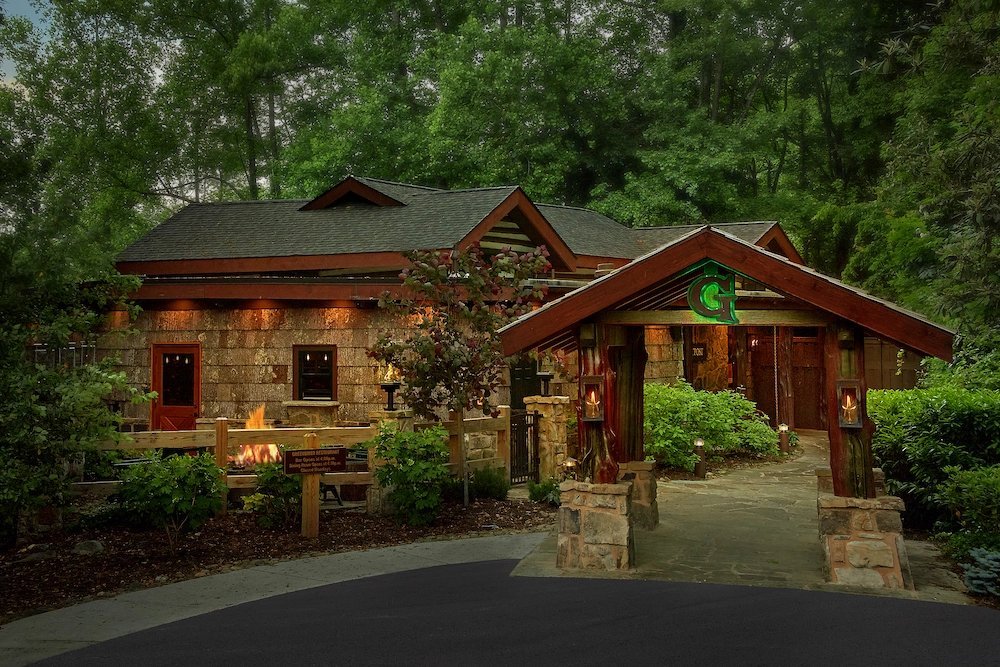
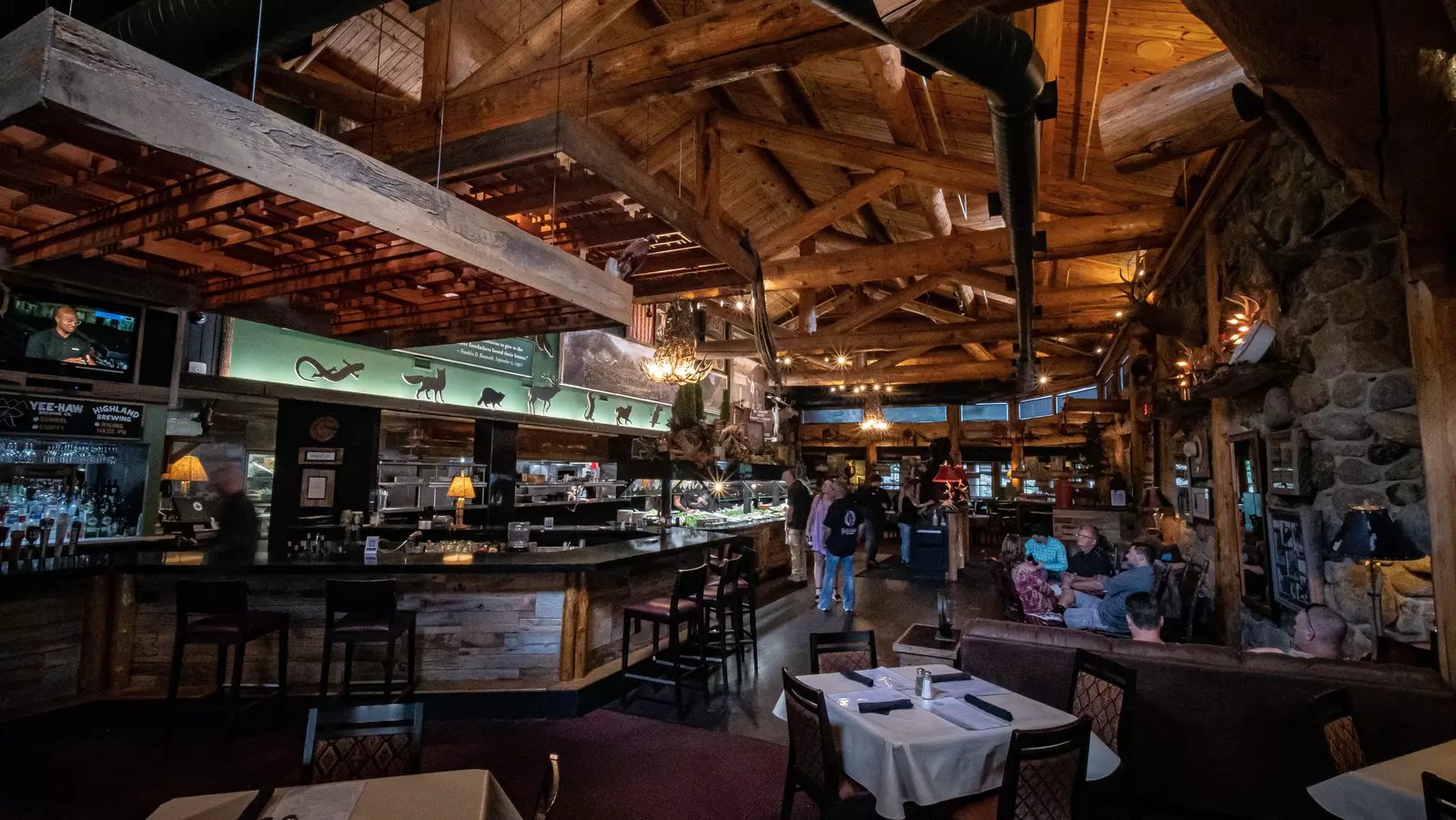
Tranquil and relaxing with the soothing sound of the river from private balconies, cozy rooms featuring fireplaces and soaking tubs, complemented by warm, intimate lighting.
Tags
Vibe
Best For
Experience
Amenities
View
About the Stay
- Rooms
- 36
- Property Style
- Historic Luxury Riverside Inn with Tudor Architecture Renovated in 2024
- Design Style
- Rustic Elegance Featuring Locally Made Furniture, Wood Accents, and Cozy Fireplaces
Know before you go
Know Before You Go
- Getting there
- 333 Parkway, Gatlinburg, TN 37738
Planning details
Location
Recognition and awards

Also consider
Also Consider
- Under Canvas Great Smoky Mountains, Notable alternative
- Dollywood, Notable alternative
- Dollywood's DreamMore Resort & Spa, Notable alternative
- Blackberry Mountain, Notable alternative
- Blackberry Farm, Notable alternative
Hotel context
How it compares with Gatlinburg-area stays
Choose Historic Rocky Waters Inn if staying in Gatlinburg matters more than having a full resort campus. Compared with Under Canvas Great Smoky Mountains, this is the safer hotel-style choice for travelers who want conventional comfort and easier town access; Under Canvas is the better fit for an outdoors-first trip where the lodging format is part of the point.
Dollywood and Dollywood's DreamMore Resort & Spa make more sense for families building the trip around attractions and resort convenience. Historic Rocky Waters Inn is the more adult-leaning call for a quieter Gatlinburg base, especially if the stay is about the Smokies and town access rather than a packaged resort rhythm.
Blackberry Mountain and Blackberry Farm are the cross-shops for travelers who want a destination retreat and are willing to leave Gatlinburg behind for a more immersive stay. If the decision is value for time in town, Historic Rocky Waters Inn is easier to justify; if the hotel is meant to be the whole trip, the Blackberry properties are the stronger comparison set.
Explore Gatlinburg
Around this place
Discover more on Pearl
Unlock the full Historic Rocky Waters Inn guide in Pearl, including awards, comparisons, FAQs, planning details, and nearby places.
Compare Historic Rocky Waters Inn
| Venue | Location | Awards |
|---|---|---|
| Historic Rocky Waters Inn | Gatlinburg | 2025 Michelin Selected HotelsSmall Luxury Hotels Member 2025 |
| Under Canvas Great Smoky Mountains | Great Smoky Mountains | No published awards |
| Dollywood | Pigeon Forge | No published awards |
| Dollywood's DreamMore Resort & Spa | Pigeon Forge | No published awards |
| Blackberry Mountain | Walland | 2026 Relais Chateaux Hotels2025 Relais Chateaux Award |
| Blackberry Farm | Walland | 2026 Food & Wine Top 10 US Hotels for Food and Drink · #2Star Wine Lists 20262026 Relais Chateaux Hotels2026 La Liste Top Hotels2025 Robb Report The 50 Greatest Luxury Hotels on Earth · #17Michelin 2 Keys 20252025 Conde Nast Hotels Gold List2025 Relais Chateaux Award2024 Michelin 2 Keys |







How Historic Rocky Waters Inn Gatlinburg: Worth Booking? compares with similar nearby venues.
FAQ
Frequently Asked Questions
Is Historic Rocky Waters Inn good for business travel?
It may be worth considering if you need a Gatlinburg hotel and value third-party recognition. The Small Luxury Hotels of the World membership and MICHELIN Guide hotel selection are key reasons to consider it. For a work trip, compare current location needs and hotel details directly with the property and with regional options such as Dollywood or Under Canvas Great Smoky Mountains.
Do loyalty programs work at Historic Rocky Waters Inn?
Small Luxury Hotels of the World membership is a hotel-recognition signal rather than proof of a particular points, status, or benefits experience. Travelers comparing broader regional stays may also look at Blackberry Mountain or Blackberry Farm.
When is the best time to book Historic Rocky Waters Inn?
Book once your Gatlinburg dates are fixed and check current availability directly with the hotel or your booking channel. The reasons to keep it on the short list are Small Luxury Hotels of the World membership and MICHELIN Guide hotel selection, rather than any seasonal pricing or availability pattern.
How does Historic Rocky Waters Inn compare to other regional stays?
It is best framed as a recognized Gatlinburg hotel. Compared with Dollywood's DreamMore Resort & Spa, Blackberry Mountain, Blackberry Farm, or Under Canvas Great Smoky Mountains, the decision should come down to your preferred location, current availability, and the hotel details each property shares directly.