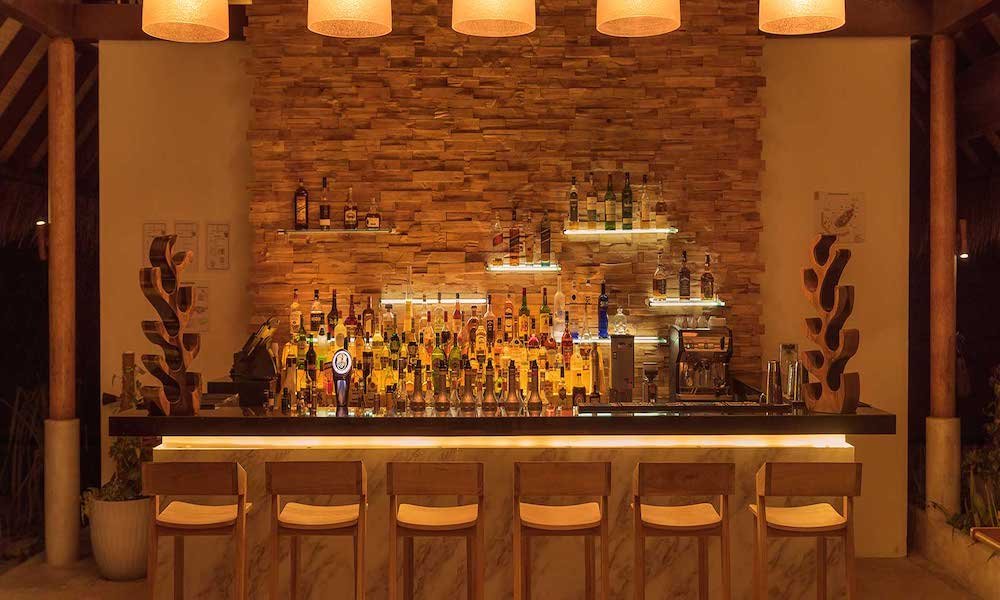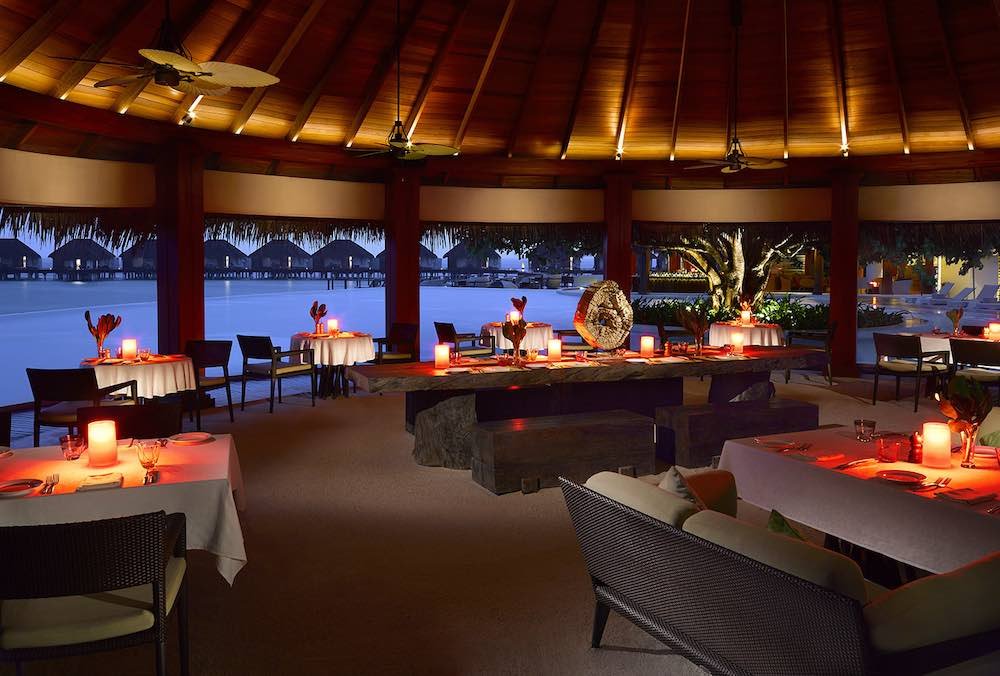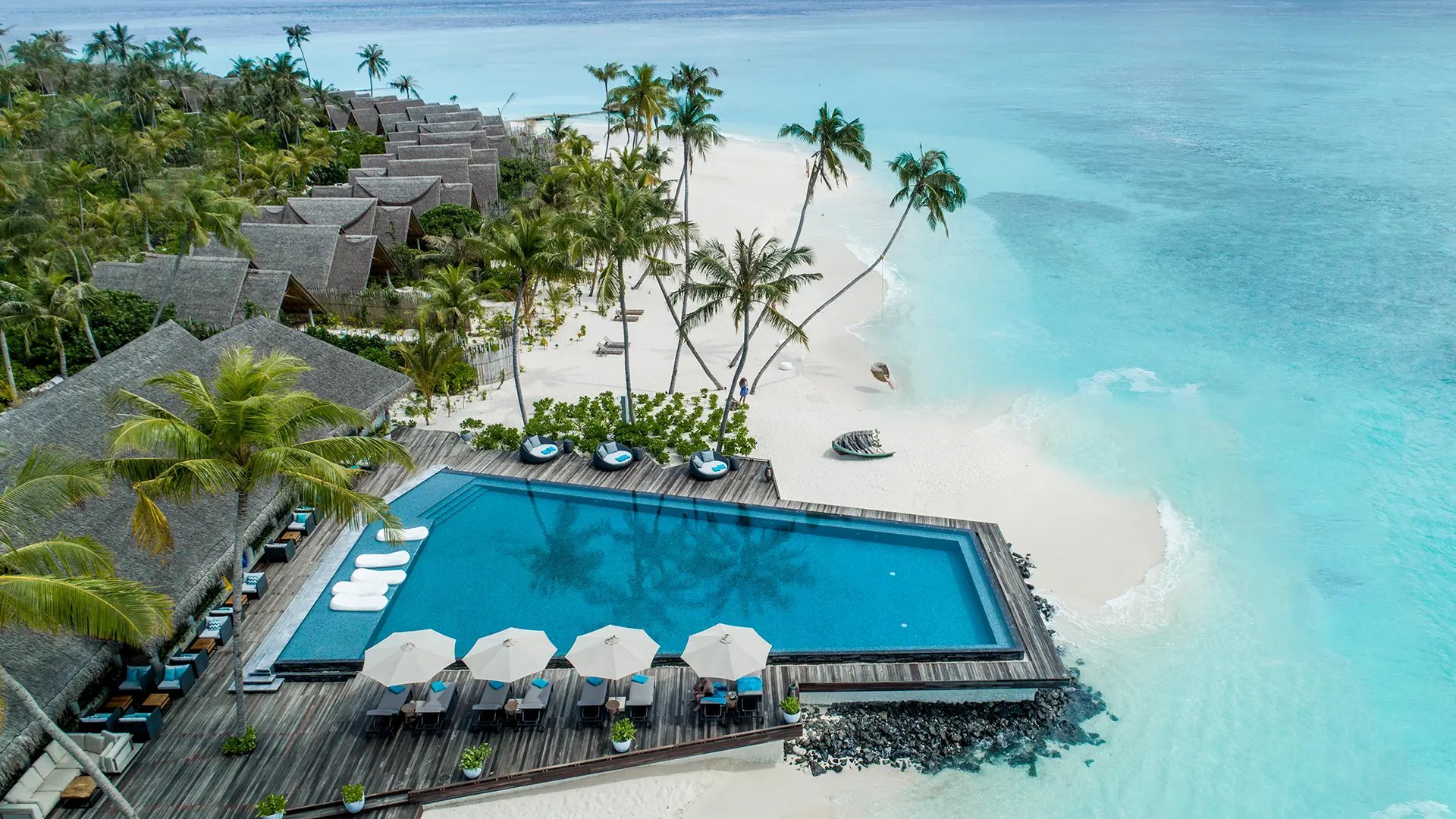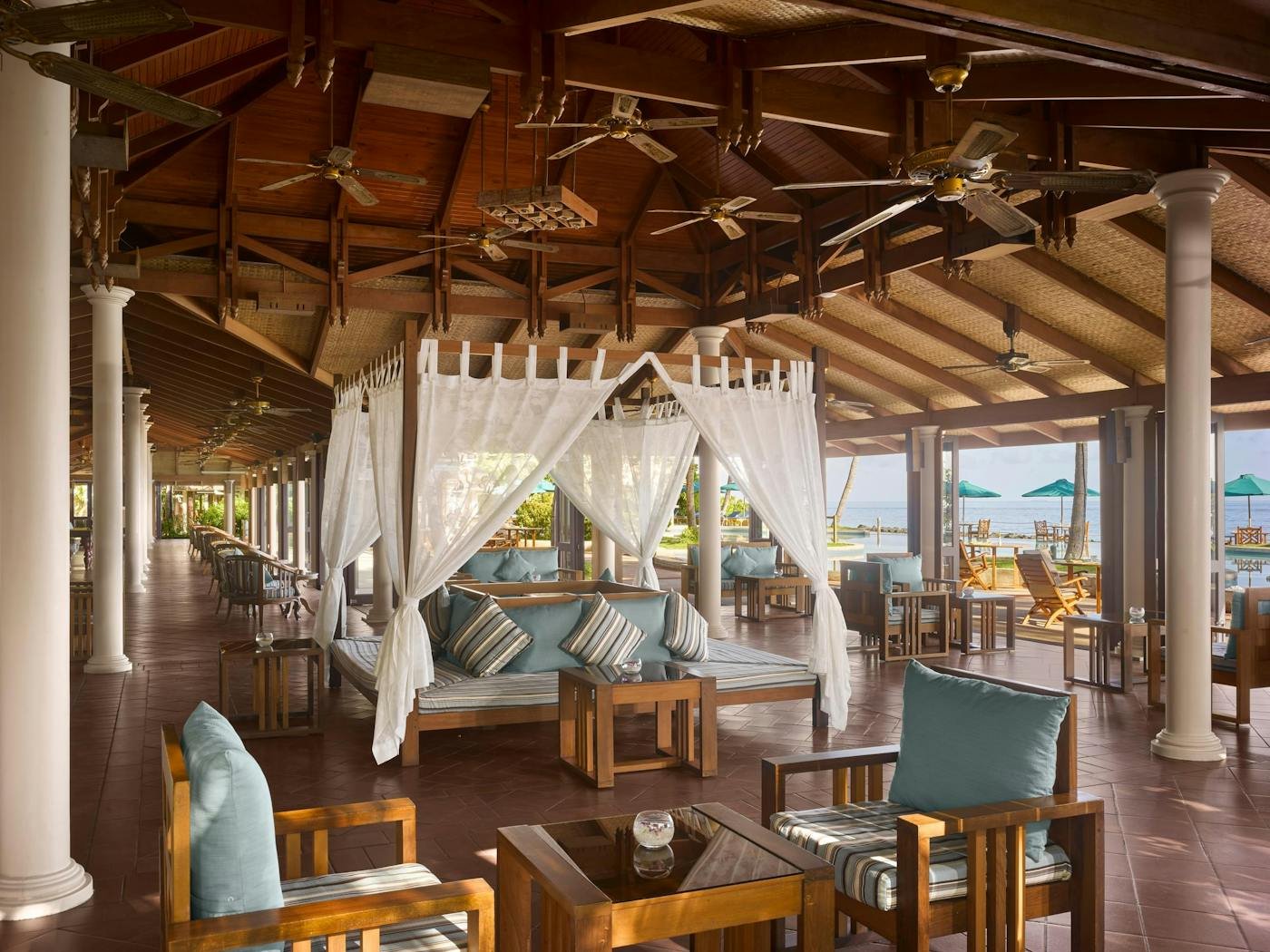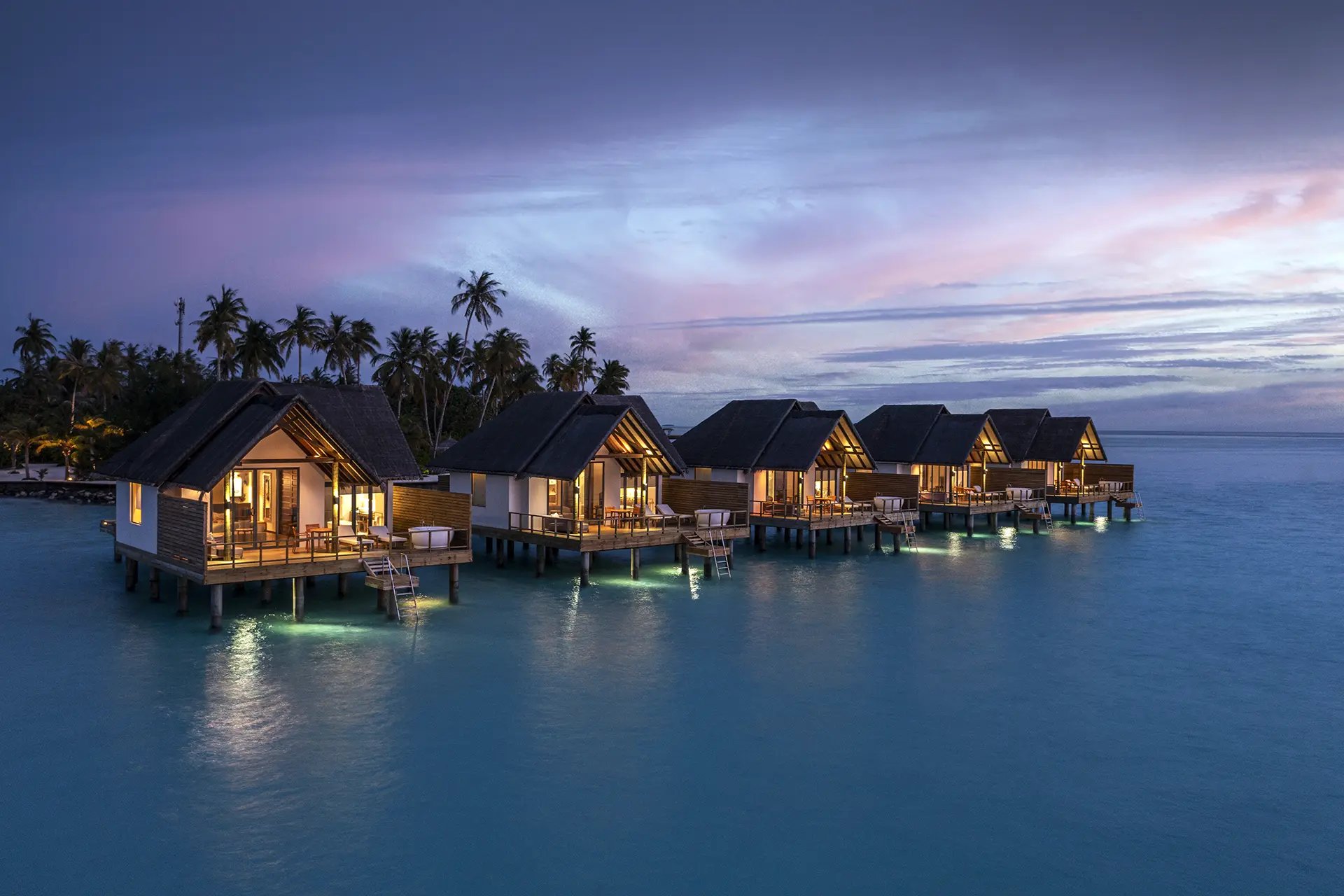

Fushifaru Maldives
Fushifaru
Hotel in Fushifaru, Maldives
 Book with Pearl
Why go
Fushifaru Maldives is a sensible pick for a celebration trip when boutique scale matters more than a large-resort checklist. Its clearest trust signal is World Travel Awards 2025 recognition as Maldives' Leading Boutique Resort, making it strongest for travelers who want a quieter island base in Lhaviyani Atoll rather than a headline-heavy luxury compound.
About Fushifaru Maldives
Fushifaru Maldives is a resort in Fushifaru with one clear positioning signal: World Travel Awards named it Maldives' Leading Boutique Resort for 2025. That makes it most useful to shortlist when the brief is specifically a boutique-resort stay in Fushifaru, rather than when you need a long list of facilities, restaurant details, room categories, or service specifics before deciding.
Details are limited, so the safest way to read Fushifaru Maldives is by its category recognition and dress code. The resort's dress code is smart casual. Beyond that, practical trip questions should be checked directly with the venue before booking, especially if your plans depend on specific dining, wellness, activity, room, or family arrangements.
Book for boutique-resort recognition, not a detailed checklist
In the Maldives, the resort choice often defines the trip. For Fushifaru Maldives, the grounded claim is narrow but meaningful: it has a World Travel Awards 2025 title as Maldives' Leading Boutique Resort. That supports considering it for travelers who specifically want a boutique-resort profile in Fushifaru.
Do not treat the award as proof of other details. It does not establish a particular room type, dining format, spa program, activity schedule, price point, or level of service. Read the award as validation of category fit, then confirm the operational details directly with the resort before booking.
Who should choose it when comparing Maldives resorts
Choose Fushifaru Maldives if the boutique-resort recognition is central to your brief and you are comfortable verifying the remaining details directly. It is less suitable for travelers who need a fully documented checklist of dining, rooms, wellness, activities, pricing, or service format before shortlisting.
There is no information to support choosing this resort on any specific dining, beverage, wellness, room, or activity claim alone. For cross-shopping within the Maldives, Hurawalhi Island Resort, Cheval Blanc Randheli, Kudadoo Maldives Private Island, Six Senses Kanuhura, and Soneva Jani are natural names to compare depending on the trip brief. The practical verdict: choose Fushifaru Maldives when a boutique-resort award in Fushifaru is the point; compare more widely when the trip requires specific facilities, dining, or room details.
Planning details
- Location
- Lhaviyani Atoll, Fushifaru 07086, Maldives
- Website
- fushifaru.com
The take
The Take
The Vibe
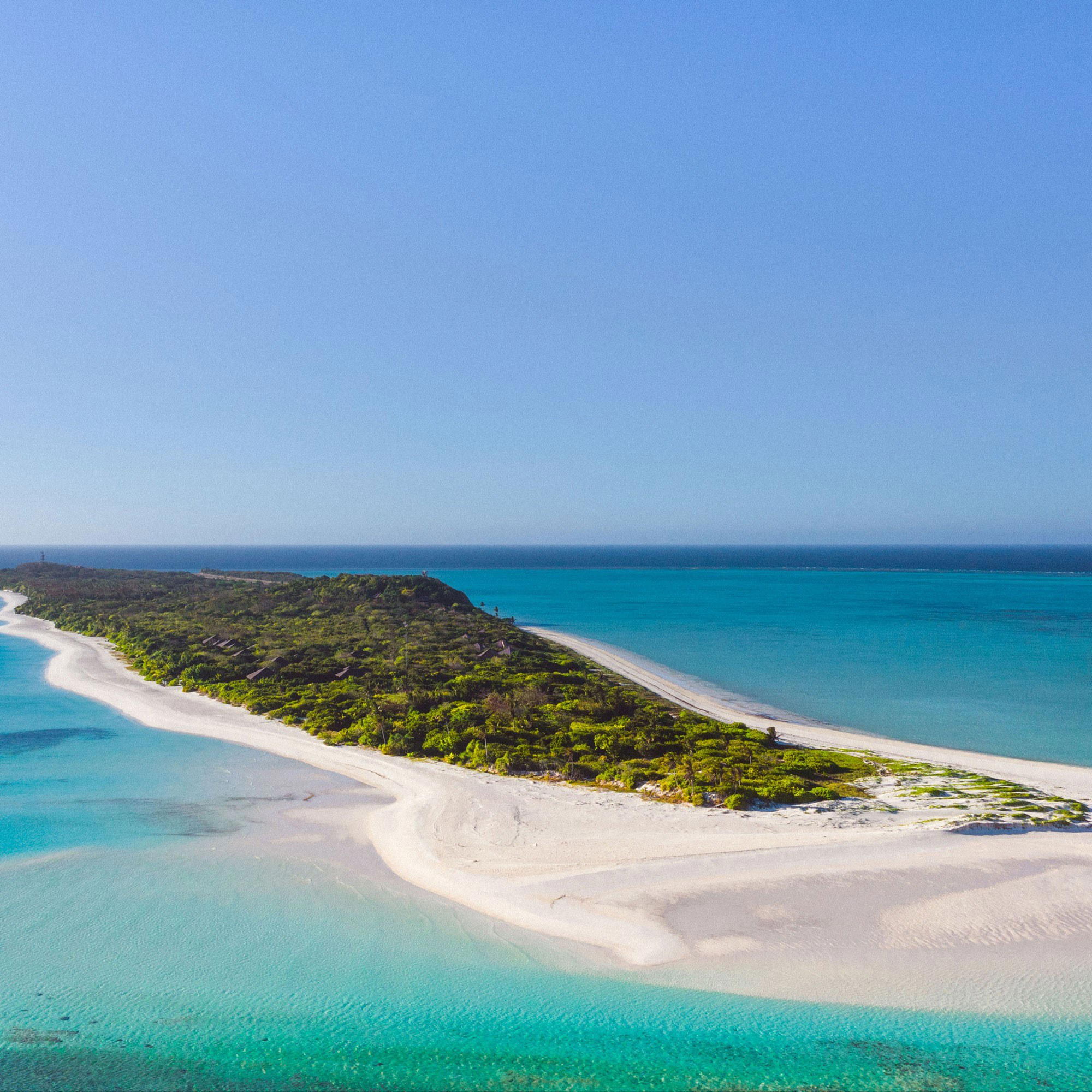
Fushifaru Maldives presents a boutique, design-forward take on island luxury that favors subtlety over spectacle. The architecture leans on vernacular Maldivian forms and natural materials, and buildings intentionally sit close to the water so the resort reads as an extension of the reef and lagoon rather than an imposition on them. The tone is serene and relaxed: fewer headline attractions, more careful attention to daily rhythm, reef quality and the texture of island life. The result is an intimate, charming property for travelers who prefer considered design and quiet aquatic beauty to the scale and fanfare of mega-resorts.
Best For
Fushifaru is best for travelers who prioritize reef experiences, architectural identity and a quieter island pace. The resort appeals especially to experienced Indian Ocean guests who have already sampled more accessible atolls and now seek a mid-range seaplane journey (about 35–40 minutes) to a place with less resort-circuit traffic. Couples and small groups who value a design-led, boutique setting, where snorkeling, lagoon time and the feel of the island matter more than celebrity-restaurant programming, will find it particularly rewarding. Families comfortable with a boutique rhythm may also appreciate the calm focus on reef and place.
Stay Tips
Plan logistics around the seaplane transfer: the resort sits roughly 35–40 minutes from Velana International Airport, so factor that into arrival and departure timing. Choose Fushifaru when you want a reef- and design-focused stay, where architectural identity and reef quality drive the experience. Given the resort’s smaller scale and its positioning as a low-traffic atoll escape, prioritize water activities and time on the reef when arranging your itinerary so you get the features the property is celebrated for.
Venue details
Ambiance
Fushifaru Maldives is tranquil and relaxing, with natural lighting, pristine white sandy beaches, crystal-clear turquoise waters, and an intimate uncrowded atmosphere fostering peace and privacy.
Tags
Vibe
Best For
Experience
Amenities
View
Accessibility
About the Stay
- Rooms
- 63
- Check-in
- 14:00
- Check-out
- 12:00
- Property Type
- Boutique hotel
- Property Style
- Boutique Luxury Resort with Personalized Island Host Butler Service
- Design Style
- Opulent Modern Tropical with Spacious Overwater and Beach Villas Featuring Direct Sea Access and Private Pools
- Breakfast
- Included
- Airport Transfer
- Available
- Pool
- Yes
- Spa
- Yes
- Families
- Welcome
- Cancellation
- Strict
Know before you go
Know Before You Go
- Getting there
- Lhaviyani Atoll, Fushifaru 07086, Maldives
Planning details
Location
Lhaviyani Atoll, Fushifaru 07086, Maldives · Directions
Recognition and awards

Also consider
Also Consider
- Six Senses Kanuhura, Notable alternative
- Hurawalhi Island Resort, Notable alternative
- Kudadoo Maldives Private Island, Notable alternative
- Soneva Jani, Notable alternative
- Cheval Blanc Randheli, Notable alternative
Hotel context
How it compares
Choose Fushifaru Maldives if the priority is boutique atmosphere and an easier-to-read island stay. Six Senses Kanuhura is the better cross-shop for travelers who want a more established luxury-wellness brand feel, while Hurawalhi Island Resort is the more direct Lhaviyani Atoll alternative for guests comparing resort energy within the same broader area.
For a higher-spend, privacy-first trip, Kudadoo Maldives Private Island and Cheval Blanc Randheli are the stronger luxury signals, but they will suit a different buyer: less boutique charm, more statement travel. Soneva Jani is the better fit if the physical setting and resort architecture need to carry the trip.
The practical recommendation is simple: Fushifaru is the value-minded boutique shortlist pick among these names, especially when booking difficulty needs to stay manageable. If the trip is a once-a-decade splurge and the budget can absorb a more famous address, cross-shop Kudadoo, Soneva Jani, or Cheval Blanc Randheli first.
Explore Fushifaru
Around this place
Discover more on Pearl
Unlock the full Fushifaru Maldives guide in Pearl, including awards, comparisons, FAQs, planning details, and nearby places.
Compare Fushifaru Maldives
| Venue | Location | Awards |
|---|---|---|
| Fushifaru Maldives | Fushifaru | World Travel Awards 2025 |
| Six Senses Kanuhura | Lhaviyani Atoll | 2026 Mr & Mrs Smith Luxury Hotels2026 La Liste Top Hotels2026 Michelin 1 Key2025 Michelin 1 Key |
| Hurawalhi Island Resort | Lhaviyani Atoll | 2026 Forbes 5-Star2026 La Liste Top Hotels2025 Forbes 5-Star |
| Kudadoo Maldives Private Island | Lhaviyani Atoll | 2026 Forbes 5-Star2026 Virtuoso Luxury Hotel Collection2026 La Liste Top Hotels2025 Forbes 5-Star |
| Soneva Jani | Noonu Atoll | 2026 Virtuoso Luxury Hotel Collection2026 Forbes 5-Star2026 Mr & Mrs Smith Luxury Hotels2026 La Liste Top Hotels2026 Michelin 2 Keys2025 Michelin 2 Keys2025 Forbes 5-Star2023 World's 50 Best Hotels · #36 |
| Cheval Blanc Randheli | Noonu Atoll | 2026 Virtuoso Luxury Hotel Collection2026 Forbes 5-Star2026 La Liste Top Hotels2026 Michelin 3 KeysTatler Best Hotels Asia-Pacific 20252025 Michelin 3 Keys2025 Forbes 5-Star |









How Fushifaru Maldives compares with similar nearby venues.
FAQ
Frequently Asked Questions
Is Fushifaru Maldives family-friendly?
Specific information about a family program or child-focused facilities is not available. Fushifaru Maldives holds the World Travel Awards 2025 title as Maldives' Leading Boutique Resort, but families should check directly with the resort for current room, activity, and service details before booking.
When is the best time to book Fushifaru Maldives?
Information on booking patterns or seasonal availability is not provided. If Fushifaru Maldives is a priority for your dates, especially given its World Travel Awards 2025 recognition as Maldives' Leading Boutique Resort, check availability directly with the resort or your travel advisor.
How is the dining at Fushifaru Maldives?
Cuisine, restaurant names, menus, prices, or service format are not detailed. The dress code is smart casual, and dining specifics should be checked directly with Fushifaru Maldives. If food is the deciding factor, compare current details with other Maldives resorts such as Cheval Blanc Randheli and Hurawalhi Island Resort.