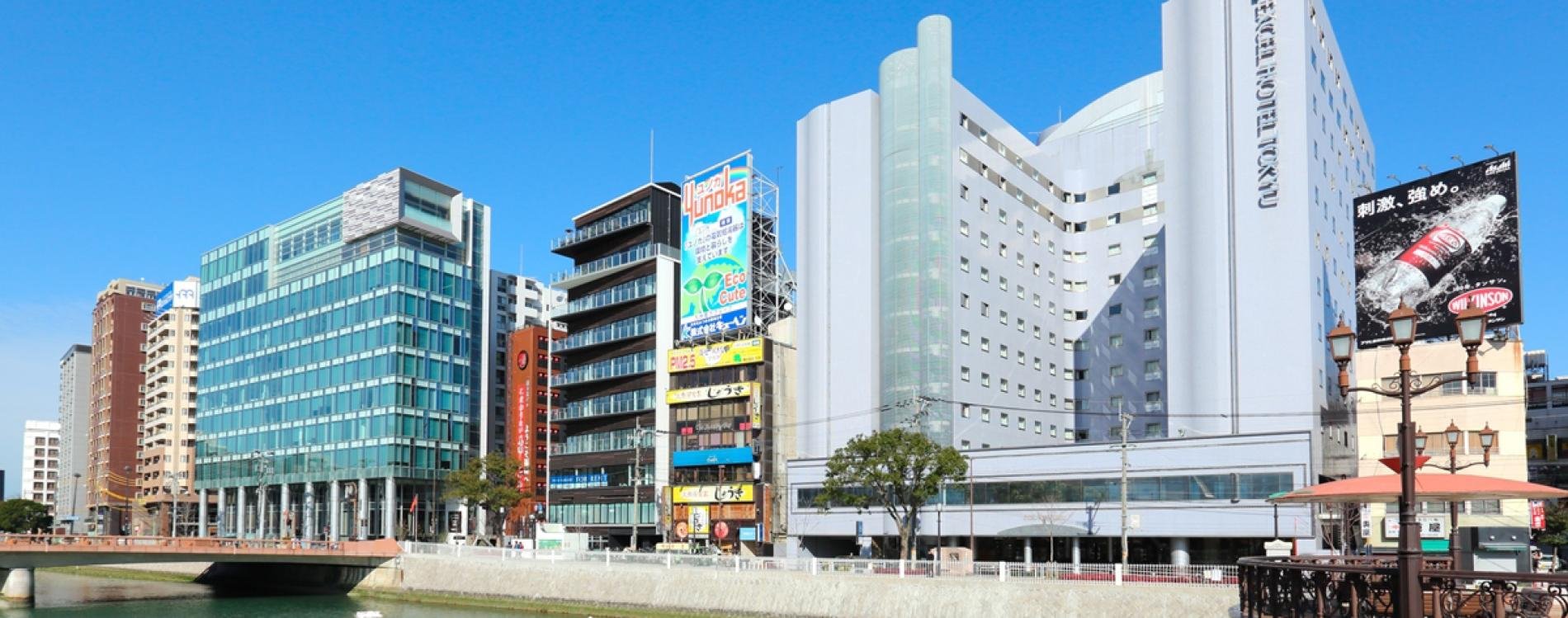

Hakata Excel Hotel Tokyu
Nakasu, Hakata-ku, Fukuoka-shi
Hotel in Fukuoka-shi, Japan
 Book with Pearl
The Read
Nakasu Business Address
Why go
Hakata Excel Hotel Tokyu is a practical Nakasu base for travelers who want Fukuoka access more than a destination hotel. The reason to choose it is convenience and easy booking, not a spa or pool-driven amenity package; compare with higher-touch Fukuoka hotels if the property itself needs to carry the trip.
About Hakata Excel Hotel Tokyu
Hakata Excel Hotel Tokyu is a hotel in Fukuoka-shi. It has a casual dress code and is recognized as a Preferred Hotels Member for 2025. This recognition is an affiliation and not a promise of any specific amenity set.
Fukuoka-shi is the main planning context
For travelers comparing hotels in Fukuoka-shi, Hakata Excel Hotel Tokyu is best evaluated on its basic offerings. It does not have a specific restaurant program, wellness offering, room category strategy, or transportation advantage.
That makes the decision a practical one: decide whether this hotel fits the trip you are building in Fukuoka-shi, then compare it with other stays on your needs such as budget, availability, and the room details shown at booking. Avoid assuming extra amenities or special formats unless confirmed directly during reservation.
Key details
Hakata Excel Hotel Tokyu is in Fukuoka-shi, has a casual dress code, and is listed as a Preferred Hotels Member in 2025. That recognition is a useful signal of affiliation, but it does not imply a pool, spa, dining concept, business facilities, or any other specific feature.
Who should pick it over a flashier Fukuoka-shi hotel
Choose Hakata Excel Hotel Tokyu if you want a Fukuoka-shi hotel and are comfortable making the final decision from current booking details rather than a long list of listed extras. If your trip depends on a specific spa, pool, restaurant, suite category, or business service, confirm those items before committing.
For broader planning, use a Fukuoka-shi hotels guide first, then build meals and nights out through the Fukuoka-shi restaurants guide and other Fukuoka-shi dining resources. Other Fukuoka-shi dining and hotel options can help round out the trip, but Hakata Excel Hotel Tokyu should be judged only on details relevant to your dates.
Planning details
- Location
- 4-chōme-6-7 Nakasu, Hakata Ward, Fukuoka, 810-0801
- Website
- tokyuhotels.co.jp/hakata-e/index.html
- Phone
- +81 92-262-0109
The take
The Take
The Vibe
Hakata Excel Hotel Tokyu reads as a practical, city‑center business property that drops guests directly into Nakasu’s after‑hours energy. The text positions the hotel not as a quiet retreat but as an entry point to a neighbourhood where late‑night ramen counters, yatai stalls and izakayas define local rhythms. Its scale—308 rooms—signals a full‑service urban format focused on functional delivery, and the surrounding streets are lively well into the small hours. Travelers can expect a metropolitan, motion‑forward atmosphere where the neighbourhood’s nightlife and dining tempo shape the guest experience more than on‑property leisure theatrics.
Best For
This hotel is best for travelers who want immediate access to Fukuoka’s dining and nightlife rather than a secluded resort experience. It is particularly well suited to business travelers who need a centrally located, full‑scale urban property, and to visitors planning short weekend escapes or family stays that prioritize walkable proximity to restaurants and late‑night food options. Food‑focused travelers who intend to explore Nakasu’s yatai and izakaya scene also find the location advantageous, since the hotel places guests inside the neighbourhood’s dining rhythm rather than just nearby.
Stay Tips
Use the hotel as a base for eating out rather than relying on extensive on‑site dining: Nakasu’s yatai stalls and late‑hour ramen counters are the main draw and are described as concentrated along the Naka River. Plan to head out in the evening to sample izakayas and street stalls; reservations for sit‑down restaurants in busy evening slots can still be wise, but much of the neighbourhood’s appeal is its informal, walk‑up scene. Pack expectations for a lively streetscape and prioritize neighborhood discovery over in‑house amenities.
Venue details
Ambiance
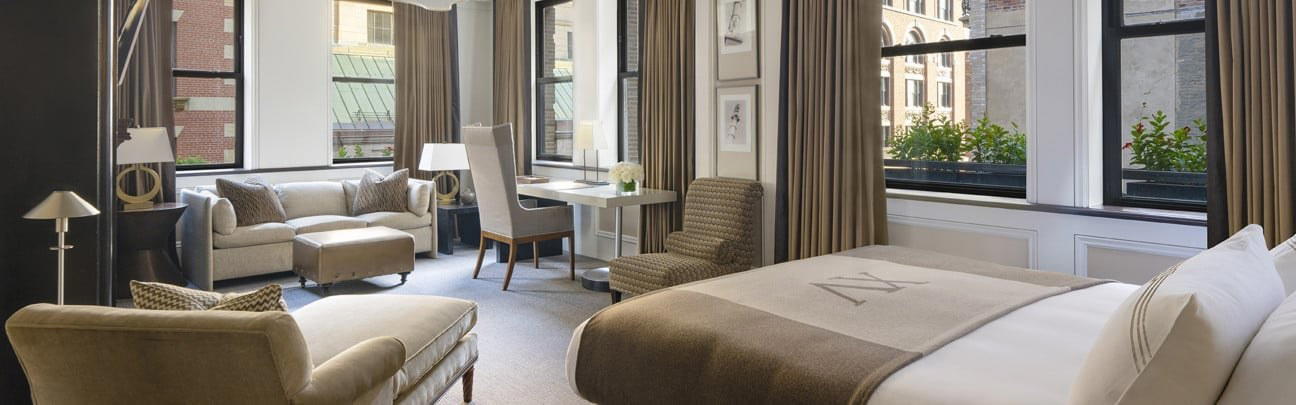
Contemporary and clean with well-lit public areas; rooms are described as small but efficient with comfortable bedding and modern amenities; the area in front of the hotel is illuminated creating a pleasant evening atmosphere.
Tags
Vibe
Best For
Experience
Amenities
View
Accessibility
About the Stay
- Rooms
- 308
- Check-in
- 15:00
- Check-out
- 11:00
- Property Style
- Modern Upscale Business Hotel with Contemporary Design Incorporating Local Hakata Cultural Elements, Positioned as a Functional Luxury Property for Both Leisure and Business Travelers.
- Design Style
- Contemporary Minimalist with Hakata Ori Cultural Design Accents; Rooms Feature High Quality Bedding, Air Purifiers, Heated Toilet Seats, and Modern Furnishings; Emphasis on Functionality and Comfort Over Ornamentation.
Know before you go
Know Before You Go
- Getting there
- 4-chōme-6-7 Nakasu, Hakata Ward, Fukuoka, 810-0801
Planning details
Location
4-chōme-6-7 Nakasu, Hakata Ward, Fukuoka, 810-0801 · Directions
Recognition and awards
Also consider
Where to look if this is not the right fit
If the trip needs a higher-touch luxury hotel, cross-shop The Ritz-Carlton Fukuoka. If the priority is a more atmospheric stay with stronger design intent, compare WITH THE STYLE FUKUOKA before deciding.
Hotel context
How it compares in Fukuoka-shi
Hakata Excel Hotel Tokyu is the practical city-base choice in this set: easier to book and better suited to travelers who plan to spend most of the trip out in Fukuoka. The Ritz-Carlton Fukuoka is the stronger splurge pick if service depth and a more polished luxury stay matter more than rate discipline.
ONE FUKUOKA HOTEL and WITH THE STYLE FUKUOKA are better cross-shops for travelers who want more design presence or a more stay-in atmosphere. Hakata Excel Hotel Tokyu is the cleaner answer for access-first itineraries, especially when the room is mainly a base between meals, meetings, and evening plans.
For a more residential or retreat-style decision, compare NOT A HOTEL FUKUOKA and Hilltop Resort Fukuoka. Those make more sense when ambiance and time on-property matter; Hakata Excel Hotel Tokyu makes more sense when central movement and booking ease are the priority.
Explore Fukuoka-shi
Around this place
Discover more on Pearl
Unlock the full Hakata Excel Hotel Tokyu guide in Pearl, including awards, comparisons, FAQs, planning details, and nearby places.
Compare Hakata Excel Hotel Tokyu
| Venue | Location | Awards |
|---|---|---|
| Hakata Excel Hotel Tokyu | Fukuoka-shi | Preferred Hotels Member 2025 |
| ONE FUKUOKA HOTEL | Fukuoka | No published awards |
| The Ritz-Carlton Fukuoka | Fukuoka | 2026 Virtuoso Luxury Hotel Collection2026 Forbes 4-Star2026 Michelin 1 Key2025 Michelin 1 Key2024 Michelin 1 Key |
| WITH THE STYLE FUKUOKA | Fukuoka | No published awards |
| NOT A HOTEL FUKUOKA | Fukuoka | No published awards |
| Hilltop Resort Fukuoka | Fukuoka | No published awards |




How Hakata Excel Hotel Tokyu compares with similar nearby venues.
FAQ
Frequently Asked Questions
How is the location of Hakata Excel Hotel Tokyu?
Hakata Excel Hotel Tokyu is in Fukuoka-shi. Use the exact booking map or confirmation details for any finer location planning.
Which room category is best at Hakata Excel Hotel Tokyu?
No specific room category is the best choice. Compare the current room details at booking and choose based on the space, bedding, and terms that fit your trip.
Is Hakata Excel Hotel Tokyu family-friendly?
Is Hakata Excel Hotel Tokyu good for business travel?
It may be considered for a Fukuoka-shi stay, but specific business facilities are not mentioned. It is a Preferred Hotels Member (2025), while meeting rooms, workspaces, and other business needs should be checked directly.
How does Hakata Excel Hotel Tokyu compare to other hotels?
Compare Hakata Excel Hotel Tokyu with options such as ONE FUKUOKA HOTEL, The Ritz-Carlton Fukuoka, WITH THE STYLE FUKUOKA, Hilltop Resort Fukuoka, and NOT A HOTEL FUKUOKA based on rates, room details, and amenities for your dates.
How is the dining at Hakata Excel Hotel Tokyu?
A specific dining program at Hakata Excel Hotel Tokyu is not described. If dining is important, confirm current restaurant details with the hotel and consider other dining in Fukuoka-shi.