
French Lick Springs Hotel
French Lick
Hotel in French Lick, United States
 Book with Pearl
The Read
Grand-Scale Beaux-Arts Resort
Why go
French Lick Springs Hotel is the practical French Lick pick for work trips, regional meetings, and resort stays where easy logistics matter more than a showpiece room. Its 2025 Preferred Hotels membership adds a useful credibility signal, while nearby West Baden Springs Hotel is the better cross-shop for a more occasion-driven stay.
About French Lick Springs Hotel
French Lick Springs Hotel is a hotel in French Lick with a smart casual dress code and Preferred Hotels Member recognition for 2025. Guests should confirm specific details about rooms, dining, amenities, meeting facilities, pricing, hours, or services directly before booking.
A French Lick hotel option
French Lick Springs Hotel is in French Lick, has a smart casual dress code, and is recognized as a Preferred Hotels Member in 2025. While these details may be important if you prefer a property connected to a broader hotel collection, they do not indicate specific service levels, room types, restaurant offerings, business setups, or on-site amenities.
For planning, consider the hotel as a French Lick base and confirm the details that matter for your stay before committing. If your trip depends on dining, meetings, accessibility, family amenities, transportation, or specific check-in arrangements, those points should be confirmed directly with the hotel rather than assumed from the property name or regional reputation.
Where it sits against French Lick and regional alternatives
French Lick Springs Hotel can be considered alongside West Baden Springs Hotel when you are comparing hotel options in French Lick. The better choice depends on current rates, availability, and the specific features each property offers for your dates.
If your plans are centered outside French Lick, compare accordingly: Graduate by Hilton Bloomington is relevant for a Bloomington stay, while 21c Museum Hotel, Louisville, Proof On Main, and The Grady are Louisville options rather than French Lick hotels. For French Lick specifically, French Lick Springs Hotel remains a named local option with Preferred Hotels Member recognition in 2025.
Quick reference: consider French Lick Springs Hotel if you want a hotel in French Lick with smart casual dress expectations and Preferred Hotels Member recognition; confirm all other stay details directly before booking.
Planning details
- Location
- 8670 IN-56, French Lick, IN 47432
- Website
- frenchlick.com
- Phone
- +1 888-976-3617
The take
The Take
The Vibe
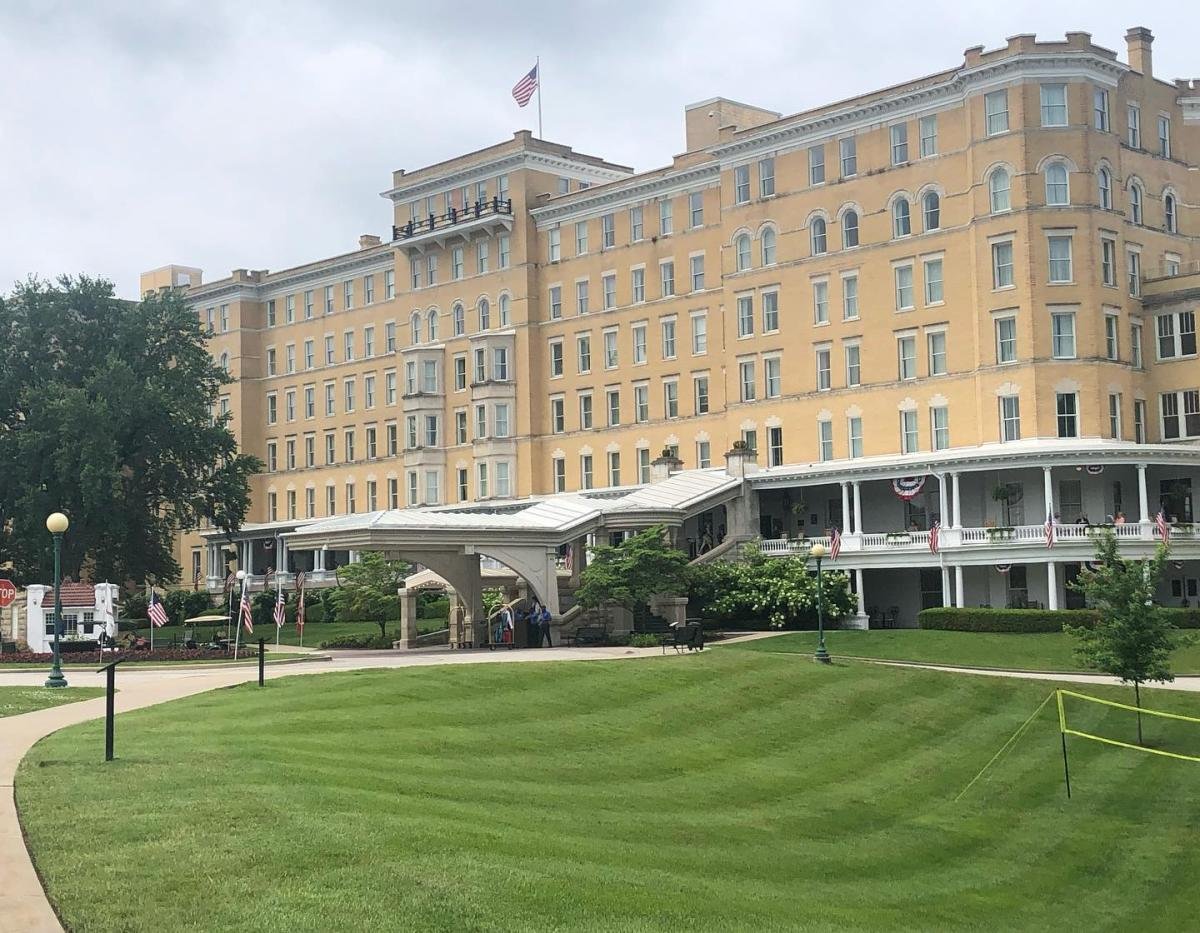
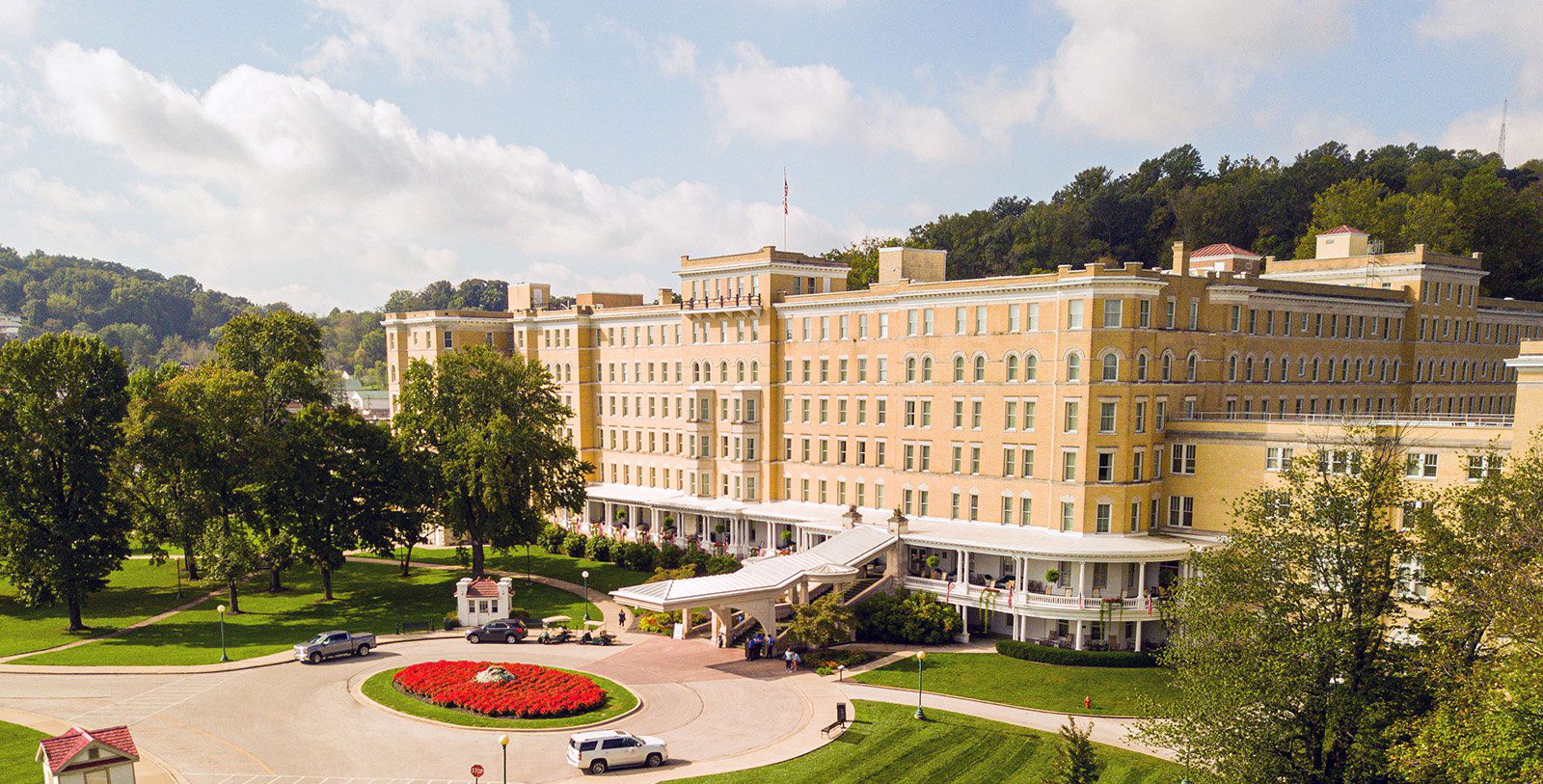
French Lick Springs Hotel presents itself as a large‑scale, purpose-built resort from America’s Gilded Age. The central block reads like a civic building, its long colonnade and horizontal sweep announcing arrival well before the details resolve. The text treats the architecture as the primary experience: Colonial Revival executed at monumental scale, with 513 rooms arrayed across a colonnaded facade. That sense of measured grandeur and institutional composition gives the property a distinctive, almost iconic character—less a boutique hideaway than a self-contained destination whose design signals history and permanence.
Best For
The resort is best for travelers who want a full-service, activity‑driven stay rather than a quick urban stopover. Its campus model—hotel rooms alongside a casino, spa facilities and multiple golf courses—makes it well suited to multi‑day weekends, families and groups looking for varied on‑site programming, and guests focused on golf or spa experiences. Because the hotel was conceived as a destination rather than a mere lodging option, it works especially well for visitors who plan to use the property’s amenities and treat the hotel itself as the main draw.
Stay Tips
Plan and book activities in advance: the property explicitly includes spa facilities and multiple golf courses, so reserving treatments and tee times ahead of arrival is sensible. Expect a sprawling campus—allow extra time to move between buildings and facilities, and check the resort’s schedule for casino and spa hours before you go. For longer stays, treat the hotel as a base for on‑site recreation rather than a point from which you’ll frequently commute elsewhere.
Venue details
Ambiance
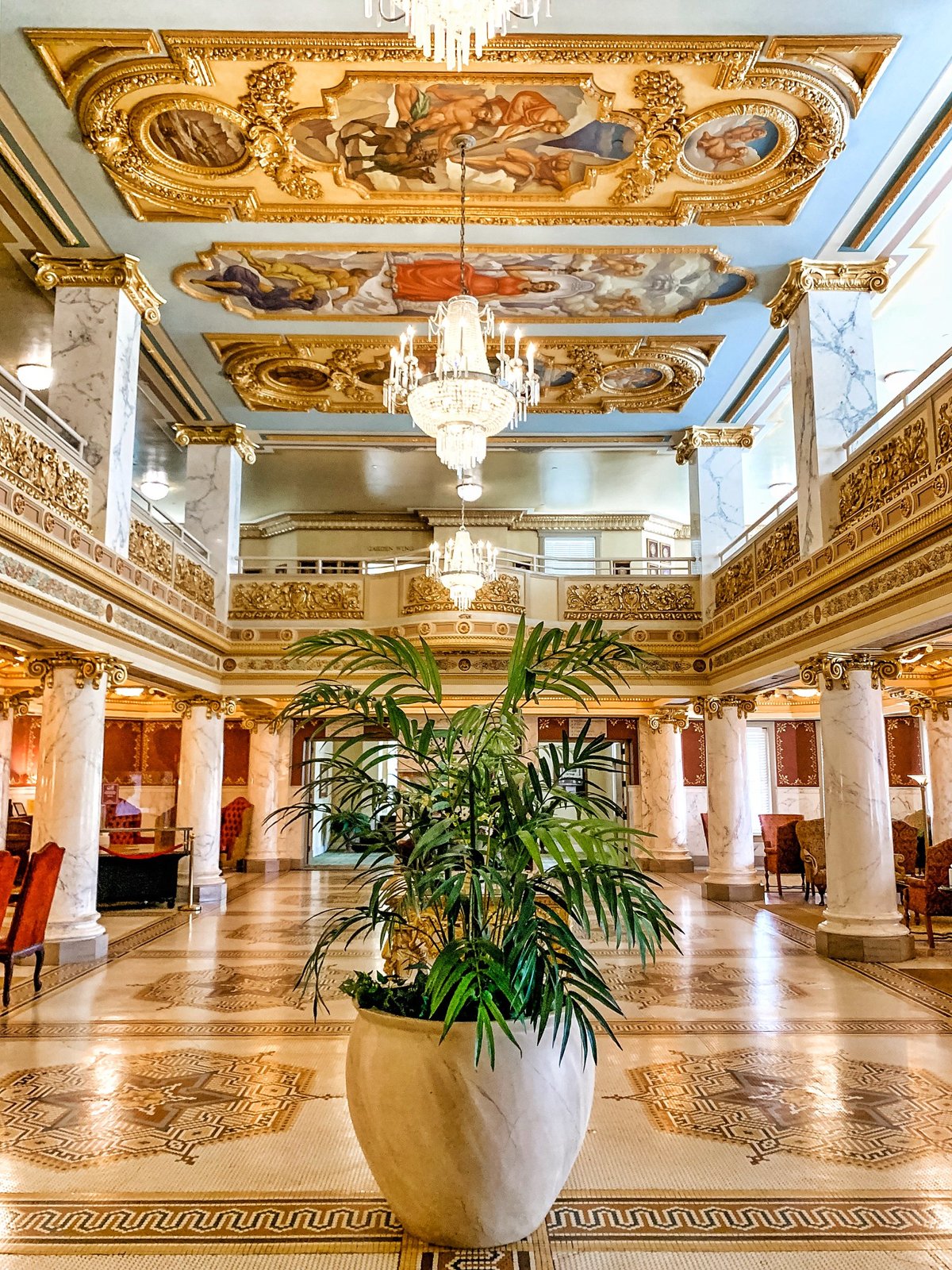
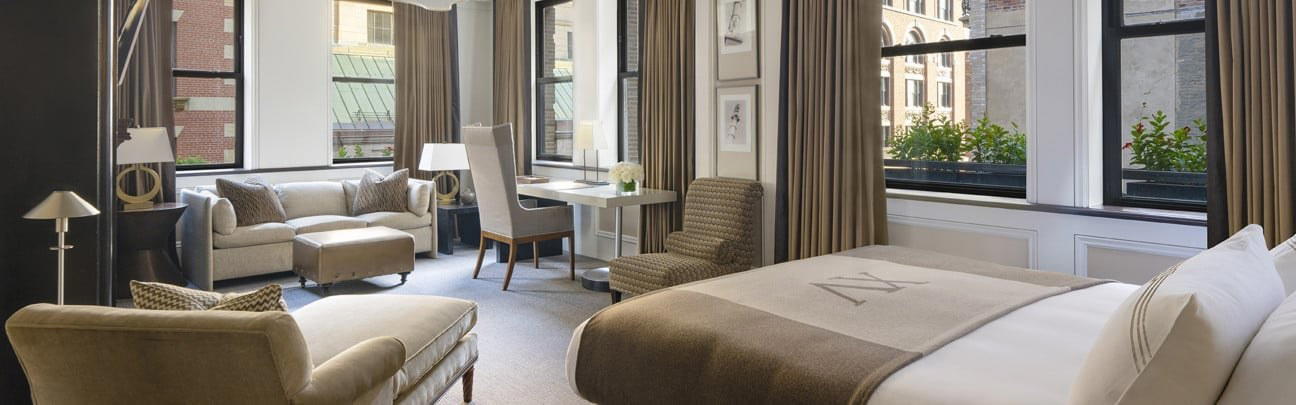
Grand opulent lobby with beautifully painted ceilings, nostalgic corridors, and relaxing veranda rocking chairs evoking old-world elegance.
Tags
Vibe
Best For
Experience
Amenities
View
Accessibility
About the Stay
- Rooms
- 442
- Check-in
- 16:00
- Check-out
- 11:00
- Property Type
- Heritage hotel
- Property Style
- Classic Historic Casino Resort with Modern Amenities Preserving Beaux Arts Architecture.
- Design Style
- Opulent Historic with Nostalgic Accents and Premium Furnishings.
- Pool
- Yes
- Spa
- Yes
- Pets
- Allowed
- Families
- Welcome
Know before you go
Know Before You Go
- Getting there
- 8670 IN-56, French Lick, IN 47432
Planning details
Location
Recognition and awards
Also consider
If this property is not the right fit, cross-shop West Baden Springs Hotel for a more occasion-driven French Lick stay. If the trip is shifting toward Louisville, 21c Museum Hotel, Louisville is the better alternative for a city hotel with more dining and cultural access.
Hotel context
French Lick Springs Hotel is the more practical resort choice for travelers who want French Lick access without making the hotel itself the whole point. West Baden Springs Hotel is the stronger pick for atmosphere and a more occasion-led stay, while French Lick Springs is easier to justify for work trips, repeat stays, and groups that value convenience over ceremony.
Graduate by Hilton Bloomington is the better call when the itinerary is tied to Bloomington rather than French Lick. 21c Museum Hotel, Louisville and Proof On Main make more sense for travelers who want a city stay with stronger dining and arts access. They are not substitutes for a French Lick resort base, but they are better for an urban weekend.
The Grady is another Louisville cross-shop for guests who prefer a smaller city-hotel feel. For booking difficulty, French Lick Springs reads as the easier, lower-friction choice in this set; for ambiance, West Baden and the Louisville options carry more personality.
Explore French Lick
Around this place
Discover more on Pearl
Unlock the full French Lick Springs Hotel guide in Pearl, including awards, comparisons, FAQs, planning details, and nearby places.
Compare French Lick Springs Hotel
| Venue | Location | Awards |
|---|---|---|
| French Lick Springs Hotel | French Lick | Preferred Hotels Member 2025 |
| West Baden Springs Hotel | West Baden Springs | Preferred Hotels L.V.X. Collection 2025 |
| Graduate by Hilton Bloomington | Bloomington | No published awards |
| 21c Museum Hotel, Louisville | Louisville | No published awards |
| Proof On Main | Louisville | No published awards |
| The Grady | Louisville | 2026 Michelin Guide New Hotels2025 Michelin Selected HotelsSmall Luxury Hotels Member 2025 |


How French Lick Springs Hotel Review: French Lick Stay Guide compares with similar nearby venues.
FAQ
Frequently Asked Questions
Do loyalty programs work at French Lick Springs Hotel?
French Lick Springs Hotel is a Preferred Hotels Member in 2025. Any specific benefits, rates, or stay perks should be checked directly before booking.
How is the location of French Lick Springs Hotel?
French Lick Springs Hotel is in French Lick. For specific street address or neighborhood details, location-sensitive plans should be confirmed directly with the hotel.
How does French Lick Springs Hotel compare to nearby hotels?
French Lick Springs Hotel and West Baden Springs Hotel are both relevant names to compare for a French Lick stay. Compare current availability and property details for your dates.
What is check-in like at French Lick Springs Hotel?
Is French Lick Springs Hotel good for business travel?
French Lick Springs Hotel may be considered for a stay in French Lick. If your trip requires meeting space, work areas, connectivity, or other business needs, confirm those details directly before booking.
How is the dining at French Lick Springs Hotel?
When is the best time to book French Lick Springs Hotel?
Check current availability, rates, and cancellation terms for the dates you are considering.