

Leeu House
Franschhoek village, Franschhoek
Hotel in Franschhoek, South Africa
 Book with Pearl
The Read
Village-Centre Cape Dutch
Why go
Leeu House is a strong Franschhoek pick for travellers who want a polished village base rather than a vineyard resort. Its Michelin 1 Key, Small Luxury Hotels of the World membership, and Mr & Mrs Smith Seal of Approval give it credible boutique-hotel validation, but treat dining as a convenience rather than the main reason to stay.
About Leeu House
Leeu House is a Franschhoek stay with smart-casual dress guidance, Michelin 1 Key recognition in 2025, Small Luxury Hotels of the World membership in 2025, and a Mr & Mrs Smith Seal of Approval in 2026.
For planning purposes, Leeu House is best considered a premium Franschhoek hotel to compare carefully against other stays. Its strongest hook is its recognition profile, especially the Michelin 1 Key.
Choose it for a recognised Franschhoek stay, not extras you have not confirmed
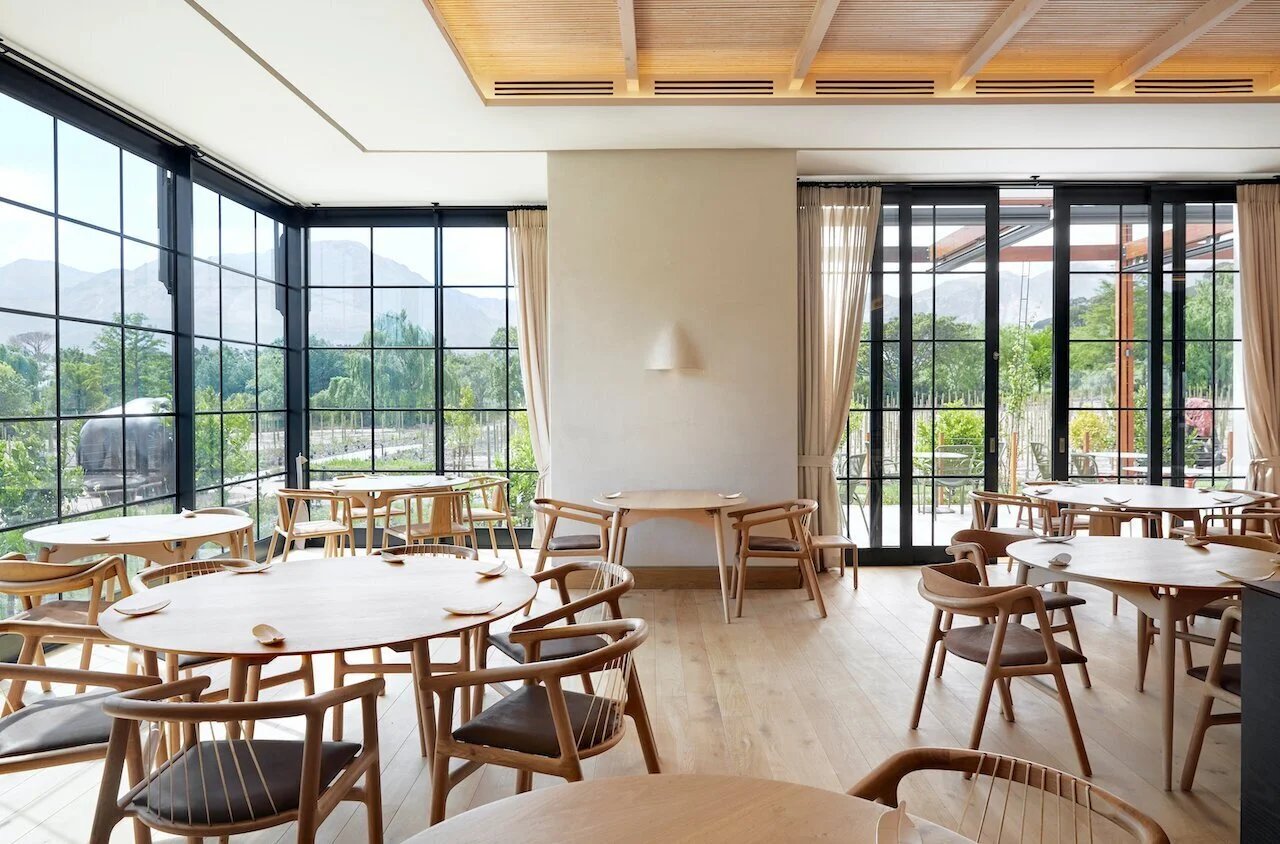
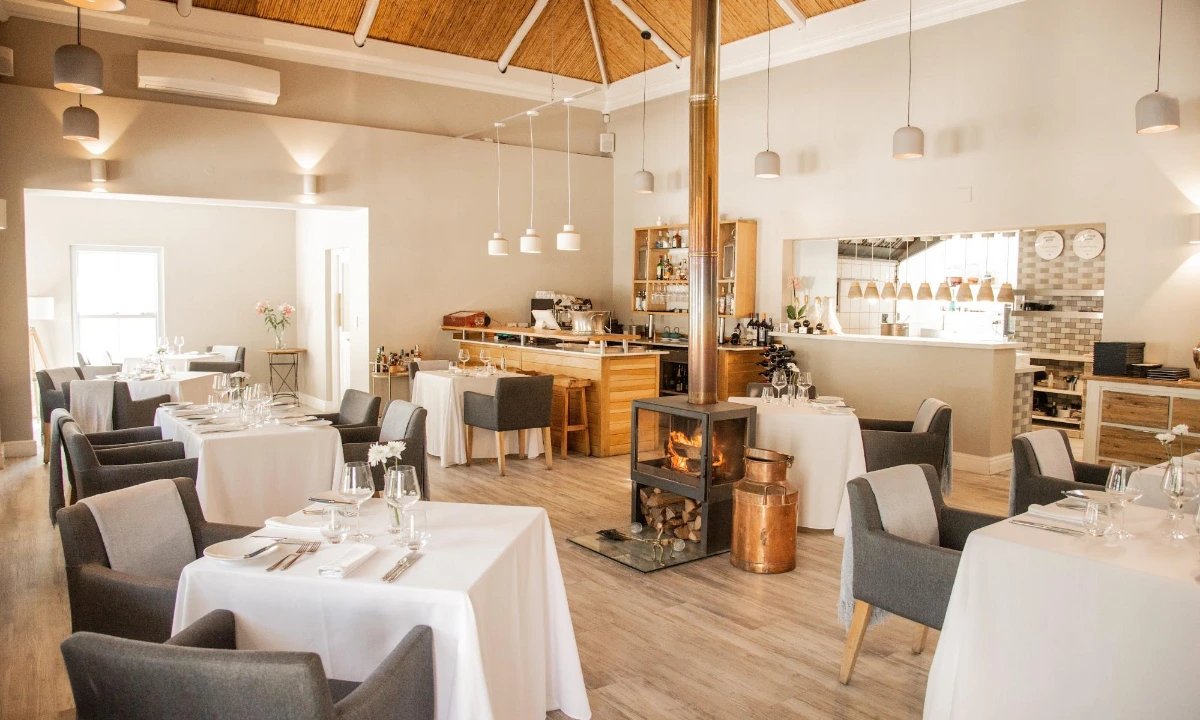
The on-site dining angle should not be the reason to travel. No named restaurant format, chef, menu, cuisine, price, or service details are confirmed, so guests should confirm any dining plans directly with the property. If food is a bigger part of the decision, compare the hotel plan against Le Quartier Francais and other Franschhoek dining options before committing.
That does not weaken the basic case for Leeu House. It clarifies it. The reliable information points to a smart-casual, recognised hotel stay in Franschhoek, supported by Michelin 1 Key status and membership or approval from established hotel-selection brands.
Where it fits among Franschhoek stays
Leeu House is best assessed alongside other Franschhoek accommodation choices rather than through claims about exact facilities or neighbourhood positioning. Natural comparison points include Mont Rochelle, Akademie Street Boutique Hotel and Guest House, Le Quartier Francais, The Last Word Franschhoek, and Ashbourne Boutique Guest House.
Use those comparisons to decide what matters most for the trip. For a wider scan before deciding, use our full Franschhoek hotels guide, then pair the stay with our full Franschhoek restaurants guide, our full Franschhoek wineries guide, or our full Franschhoek experiences guide.
Planning details
- Location
- 12 Huguenot St, Franschhoek, 7690
- Website
- leeucollection.com/SA/leeu-house
- Phone
- +27214922221
The take
The Take
The Vibe
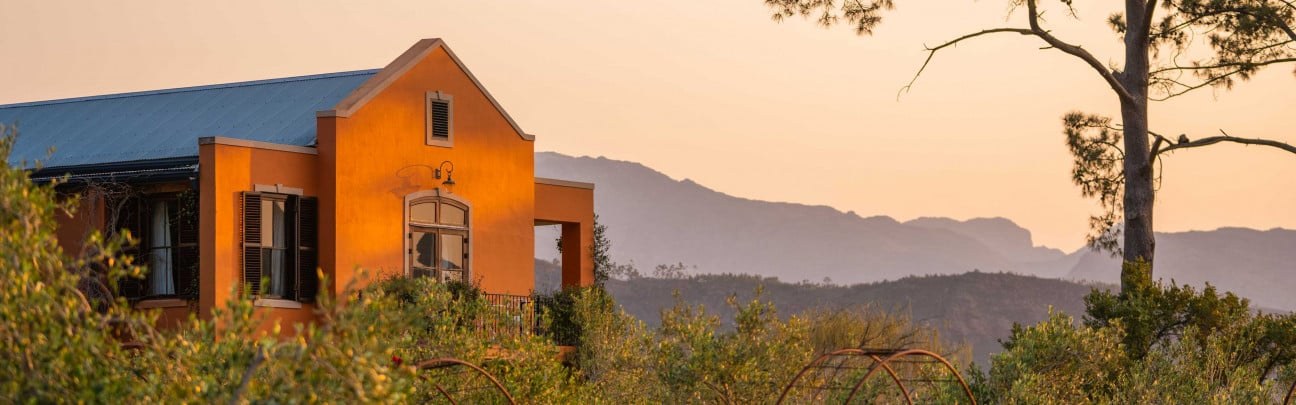
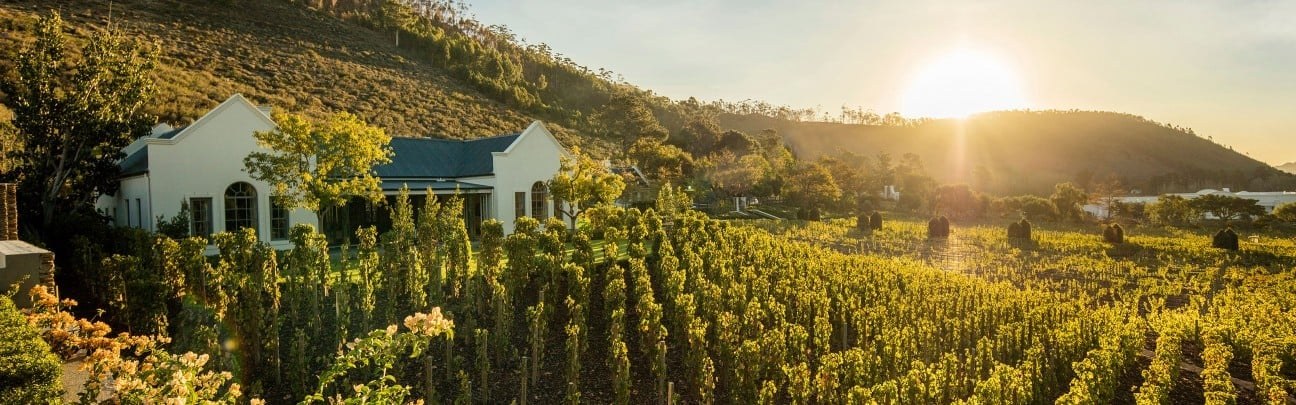
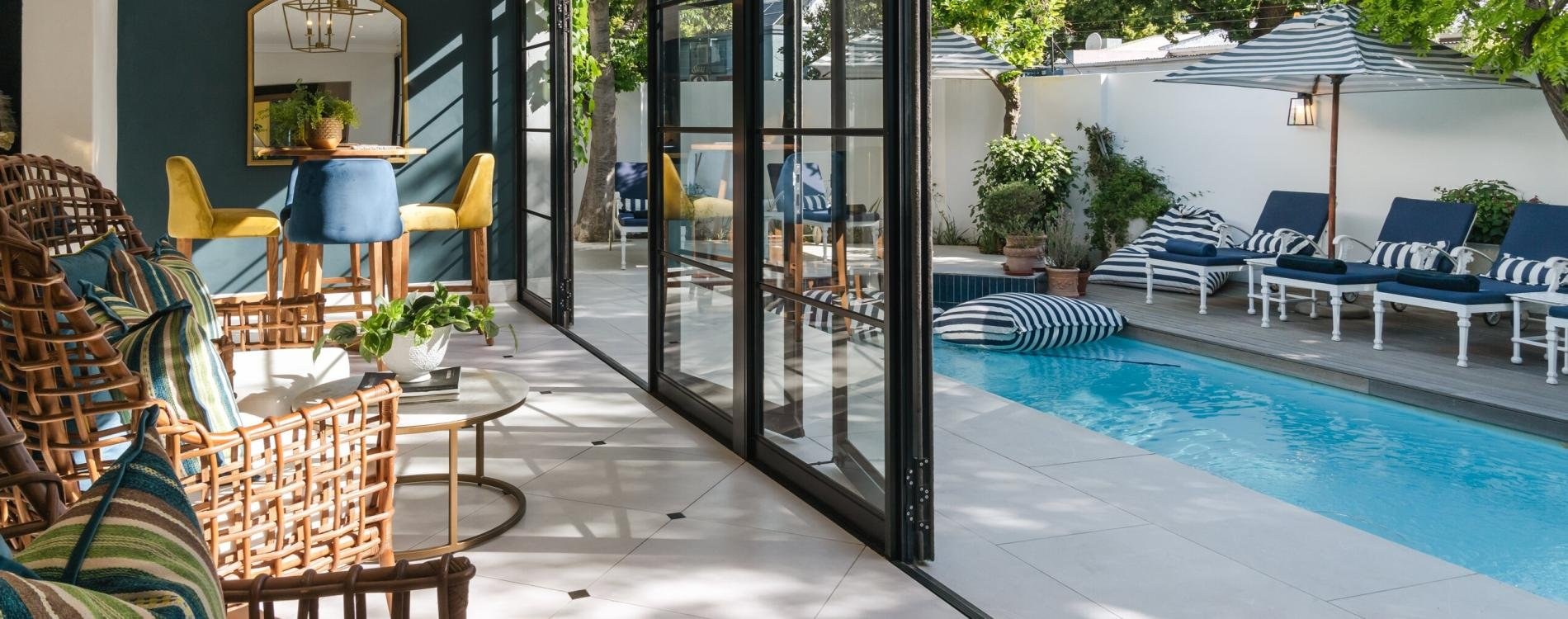
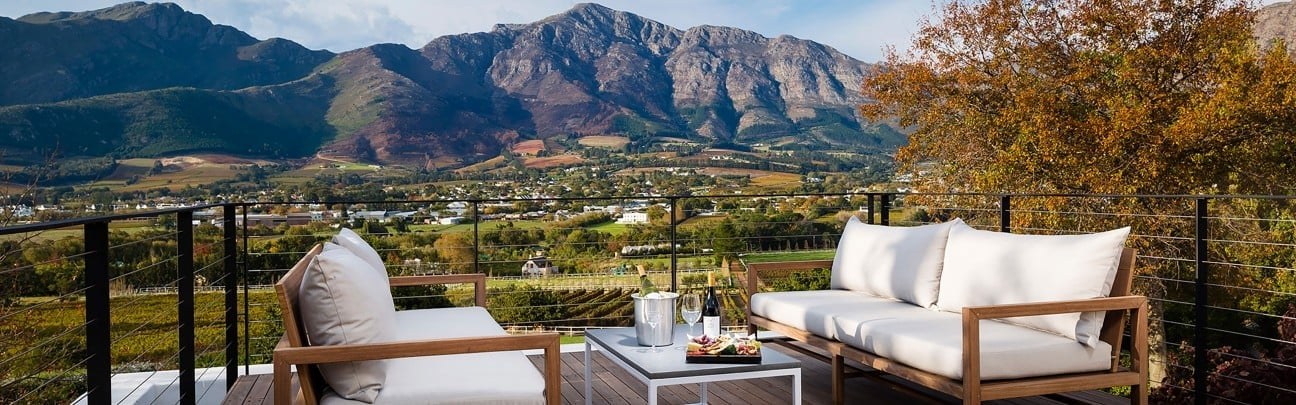
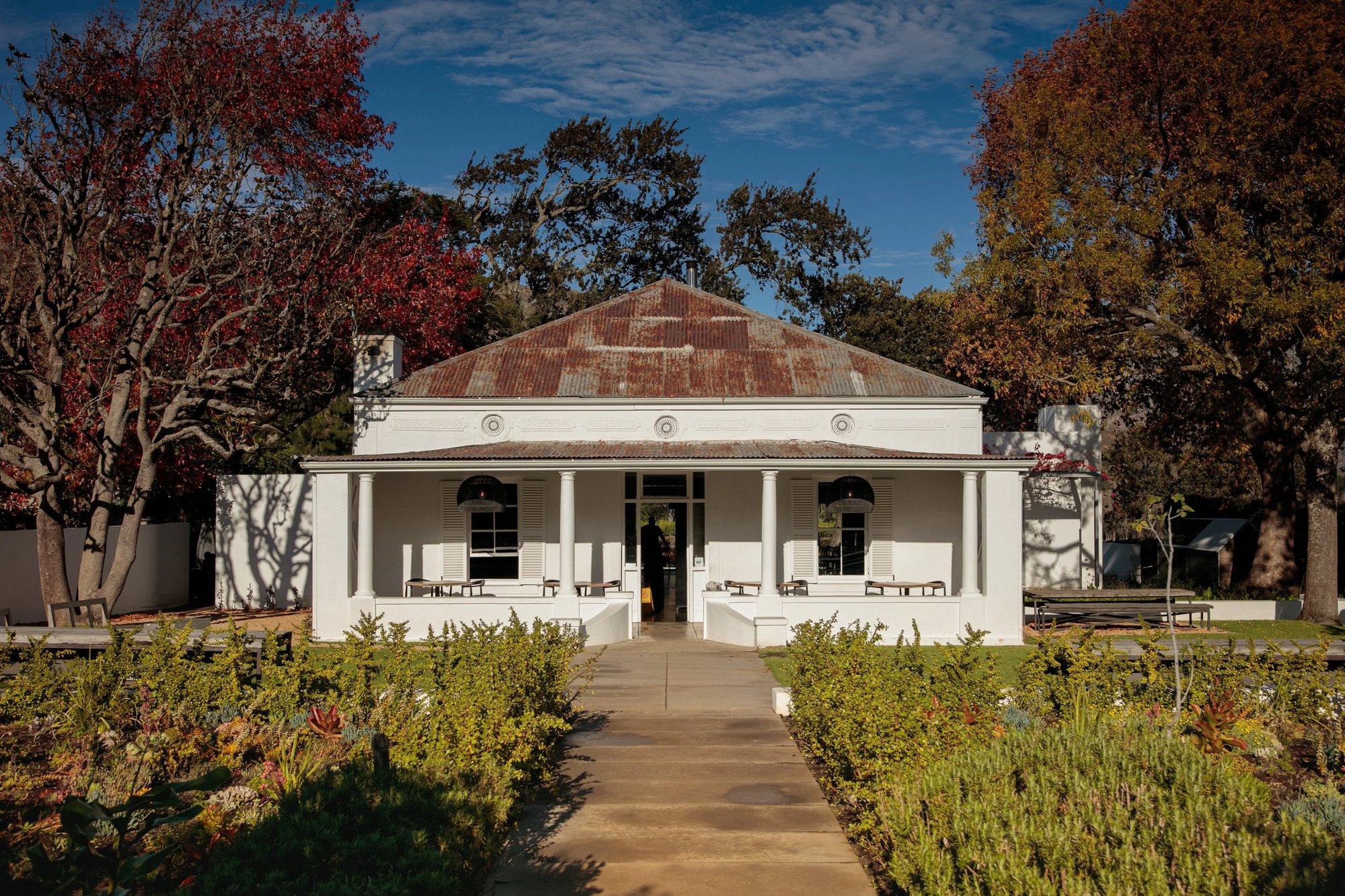
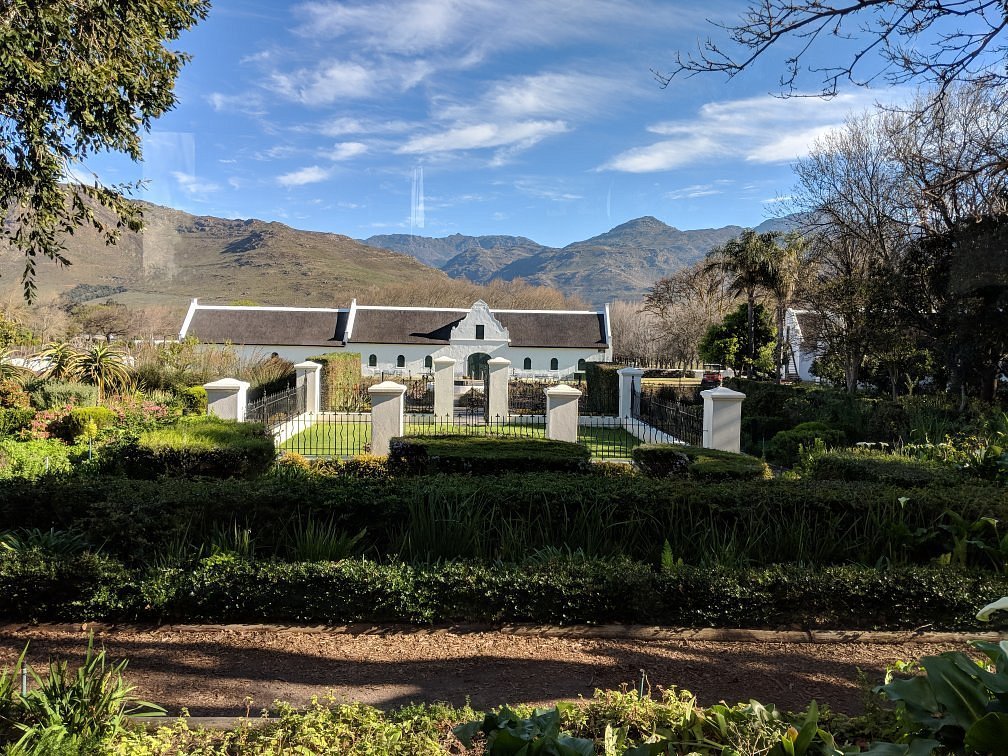
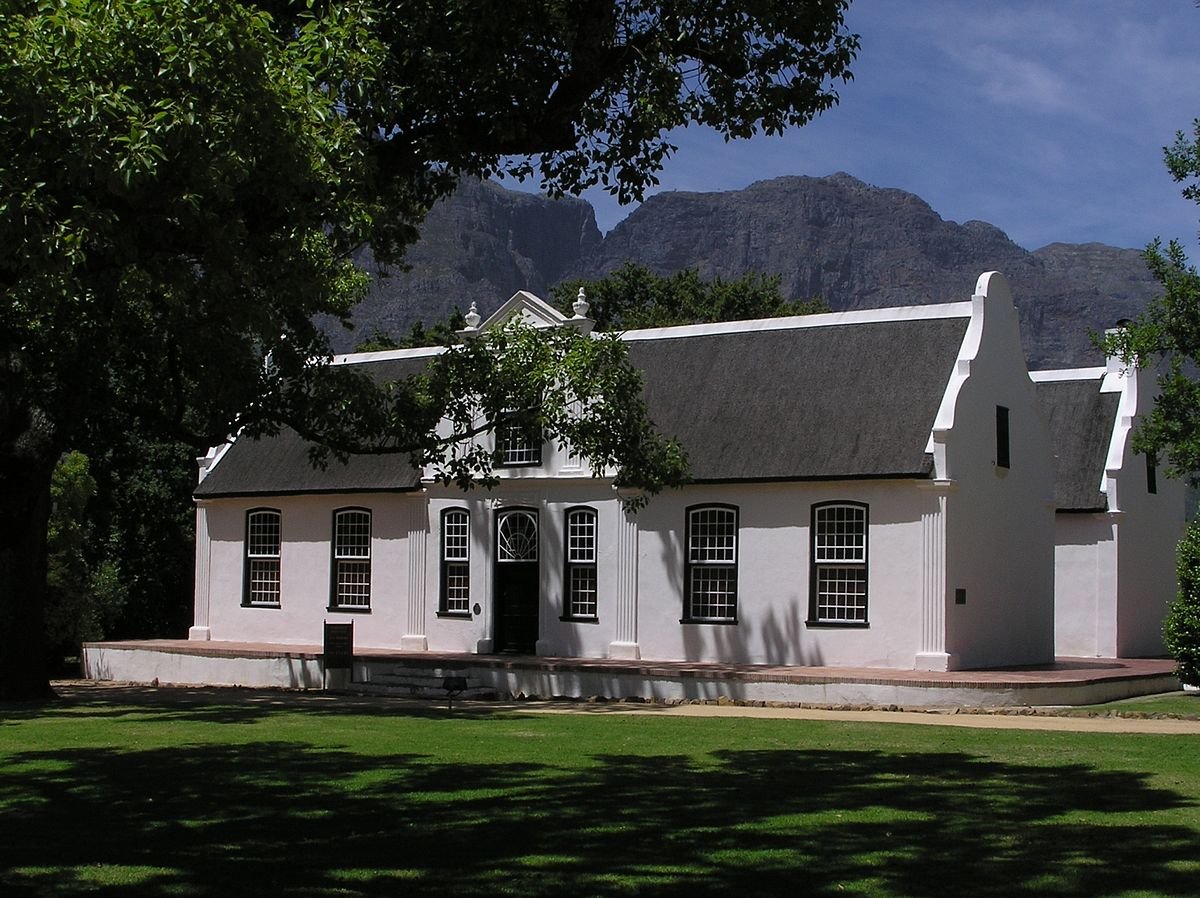
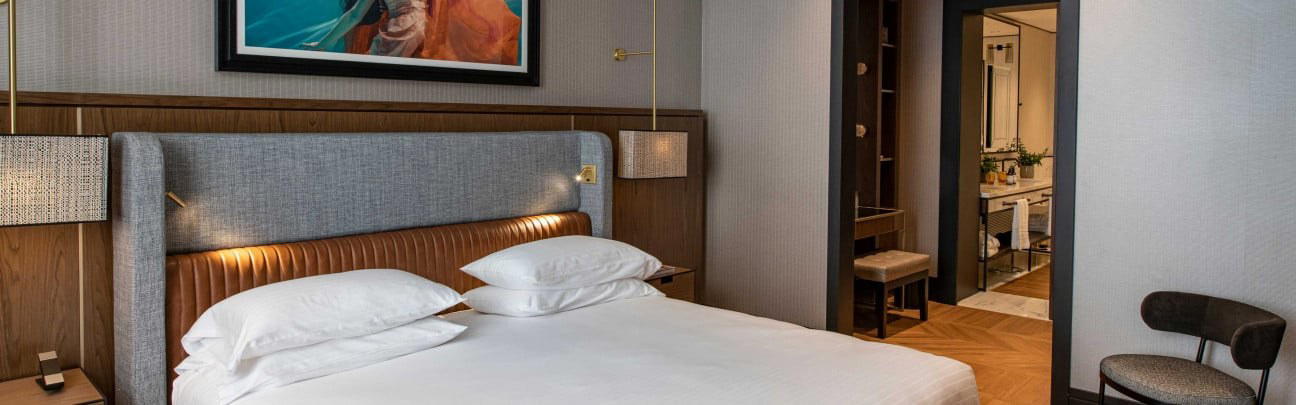
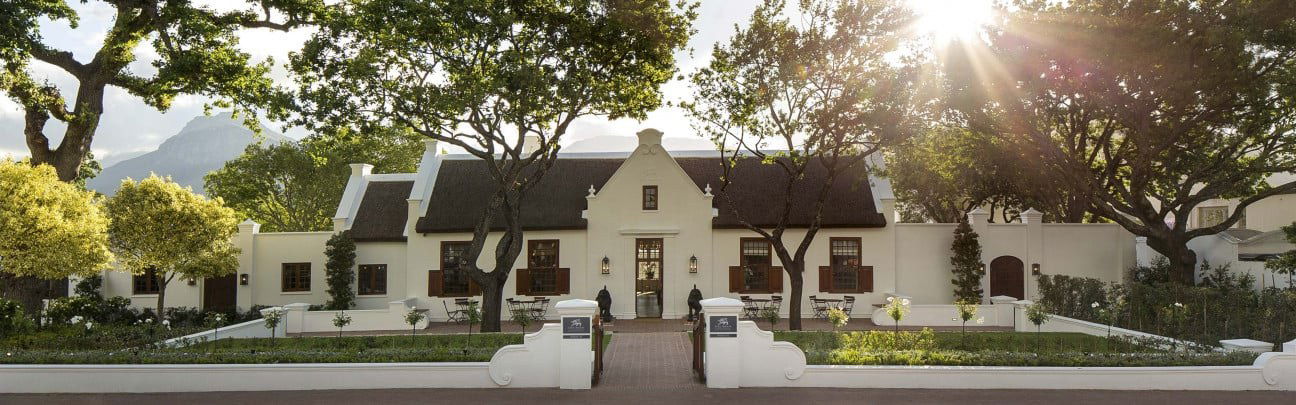
Leeu House presents Cape Dutch formality softened by a relaxed, domestic scale. The whitewashed, symmetrical facade and proportioned gables anchor the property in three centuries of regional architecture, while the interior unfolds around a courtyard garden. Additions to the original footprint read as extensions rather than awkward appendages, and an outdoor terrace and private garden with a swimming pool give the house a calm, garden-centered rhythm. With only twelve suites and furnishings by South African makers, the place feels like a considered village residence rather than a full-scale hotel, favouring quiet comfort and architectural presence.
Best For
This small Franschhoek property suits travellers who want to be lodged in the village’s historic spine and value architectural character and quiet common spaces. The guest-house scale—just twelve suites—makes it appropriate for couples or anyone seeking a low-key, design-led base for exploring Huguenot Street’s shops and restaurants. Guests who prize a courtyard setting, terraces and private garden access appreciate the property’s inward-facing, garden-oriented layout. The service model and intimate scale favour a relaxed, unhurried stay rather than large-group or high-activity itineraries.
Stay Tips
Because Leeu House is deliberately small, plan to book well in advance, particularly for weekends and peak season. Ask the property how individual suites relate to the courtyard, terrace and private garden with pool if direct access or views matter to you. Note that the house reads as a guest-house tier operation—expect personalised, small-scale service and curated interiors featuring South African makers; if you prefer more extensive hotel amenities, confirm what’s offered before you arrive.
Venue details
Ambiance
Relaxed yet sophisticated atmosphere with natural light-filled rooms, serene gardens, and a peaceful poolside setting praised for its calm and elegant comfort.
Tags
Vibe
Best For
Experience
Amenities
View
About the Stay
- Rooms
- 12
- Property Style
- Contemporary Cape Dutch Boutique with Art Filled Gardens
- Design Style
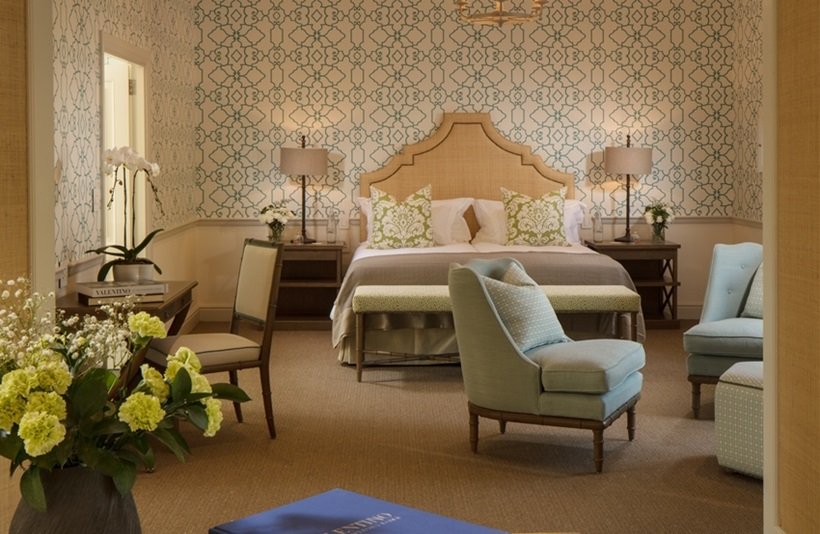
- Relaxed Elegant with Natural Textiles, Sisal Carpets, and Local South African Art and Furnishings
Know before you go
Know Before You Go
- Getting there
- 12 Huguenot St, Franschhoek, 7690
Planning details
Location
Recognition and awards

Also consider
Where to look if it is unavailable
For a similar central boutique stay, check The Last Word Franschhoek or Akademie Street Boutique Hotel and Guest House. If the trip is more about vineyard time than village convenience, Mont Rochelle is the cleaner alternative.
Hotel context
How it compares in Franschhoek
Leeu House is the central, polished choice in this set. Compared with Le Quartier Francais, it is better for guests who want a quieter hotel-first stay; Le Quartier Francais is the stronger cross-shop if dining is central to the trip. Both work for first-timers, but the decision is whether the hotel room or the food plan carries more weight.
Akademie Street Boutique Hotel and Guest House and The Last Word Franschhoek are the closer boutique alternatives. Akademie Street is the better fit for guests who like a guesthouse feel; The Last Word is the easier comparison for travellers prioritising a small central stay. Leeu House has the stronger formal recognition signal, which helps justify choosing it when rates are close.
Mont Rochelle is the pick for a vineyard-hotel mood and more space around the stay, while Ashbourne Boutique Guest House is the sensible value cross-shop if the recognised luxury positioning is less important. If availability is tight, start with The Last Word or Akademie Street before widening to Mont Rochelle.
Explore Franschhoek
Around this place
Discover more on Pearl
Unlock the full Leeu House guide in Pearl, including awards, comparisons, FAQs, planning details, and nearby places.
Compare Leeu House
| Venue | Location | Awards |
|---|---|---|
| Leeu House | Franschhoek | 2026 Mr & Mrs Smith Luxury Hotels2026 Michelin 1 Key2025 Michelin 1 KeyMichelin 1 Key 2025Small Luxury Hotels Member 2025 |
| Le Quartier Francais | Franschhoek | 2026 Michelin 1 Key2025 Michelin 1 KeySmall Luxury Hotels Member 2025 |
| Akademie Street Boutique Hotel and Guest House | Franschhoek | 2026 Michelin 1 Key2025 Michelin 1 Key |
| The Last Word Franschhoek | Franschhoek | 2026 Michelin 1 Key2025 Michelin 1 KeyPreferred Hotels Member 2025 |
| Ashbourne Boutique Guest House | Stellenbosch | No published awards |
| Mont Rochelle | Franschhoek | 2026 Virtuoso Luxury Hotel Collection2026 Mr & Mrs Smith Luxury Hotels2026 La Liste Top HotelsPreferred Hotels Member 2025 |




How Leeu House Franschhoek compares with similar nearby venues.
FAQ
Frequently Asked Questions
Which room category is best at Leeu House?
Choose based on the categories currently offered by Leeu House, and confirm the details directly before booking. The strongest confirmed signal is its Michelin 1 Key recognition in 2025.
What is check-in like at Leeu House?
Contact Leeu House directly for arrival times and procedures. What is confirmed is that the property is in Franschhoek and held Michelin 1 Key recognition in 2025.
How does Leeu House compare to nearby hotels?
Compare Leeu House with Mont Rochelle, Le Quartier Francais, Akademie Street Boutique Hotel and Guest House, The Last Word Franschhoek, and Ashbourne Boutique Guest House based on the current room, rate, and facility details each property provides. For Leeu House, the confirmed differentiators here are its Franschhoek setting, smart-casual guidance, Michelin 1 Key recognition in 2025, Small Luxury Hotels of the World membership in 2025, and Mr & Mrs Smith Seal of Approval in 2026.
Do loyalty programs work at Leeu House?
The confirmed booking signals are Leeu House's Small Luxury Hotels of the World membership in 2025, Michelin 1 Key recognition in 2025, and Mr & Mrs Smith Seal of Approval in 2026.
How is the pool and spa at Leeu House?
If those facilities are important, verify the current setup directly with Leeu House before booking, and compare with other Franschhoek stays such as Mont Rochelle if needed.