    Hotel in Frankfurt, Germany

    ATLANTIC Hotel Frankfurt am Main

    150Pearl Points

    Frankfurt Hotel Base

    ATLANTIC Hotel Frankfurt am Main, Hotel in Frankfurt

    About ATLANTIC Hotel Frankfurt am Main

    Frankfurt’s hotel scene is shaped by trade fairs, banking weeks, rail links and a growing appetite for design-led stays. ATLANTIC Hotel Frankfurt am Main should be read through that practical urban context: a city hotel where the value lies in how the building, public spaces and location logic serve a business-heavy destination rather than resort-style theatre.

    Frankfurt Seen Through Its Hotel Architecture

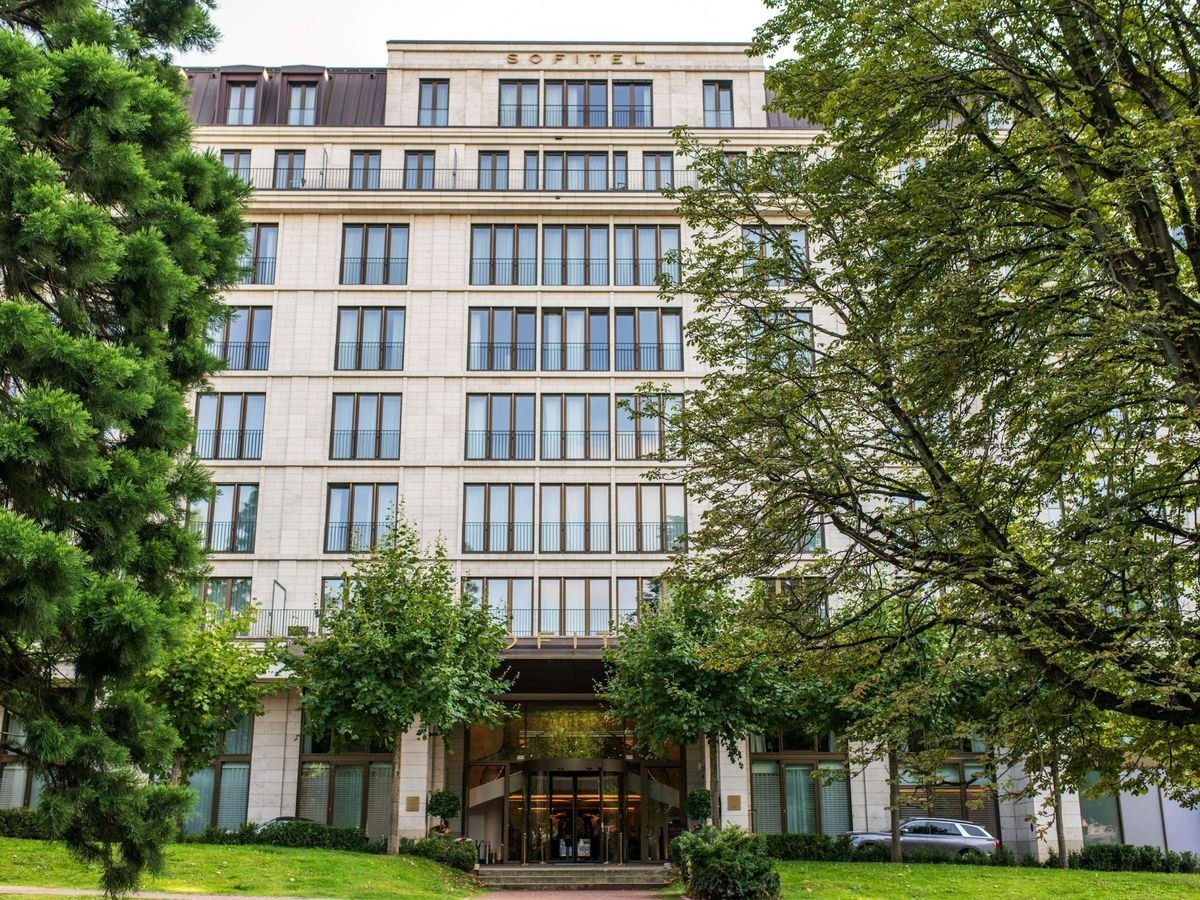
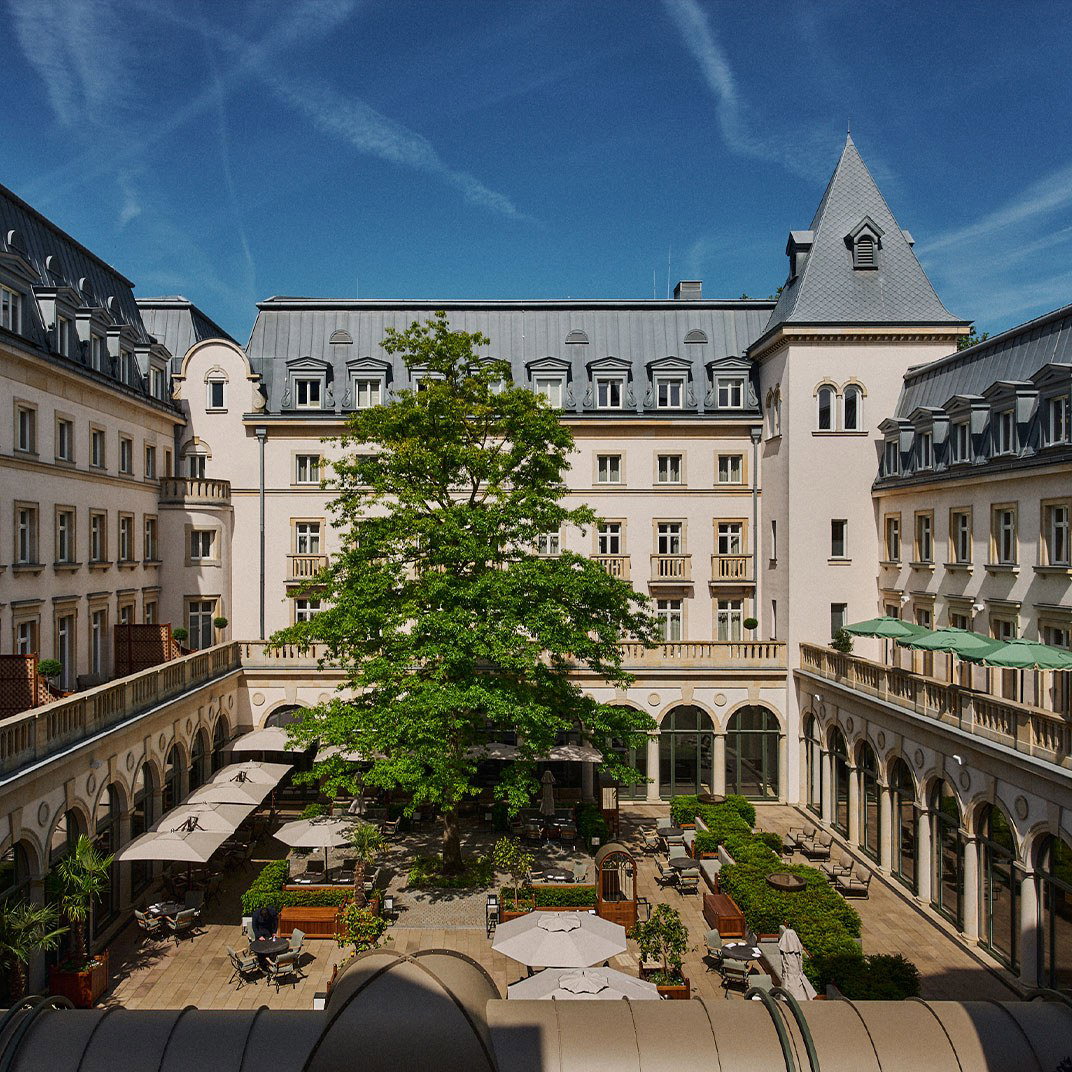
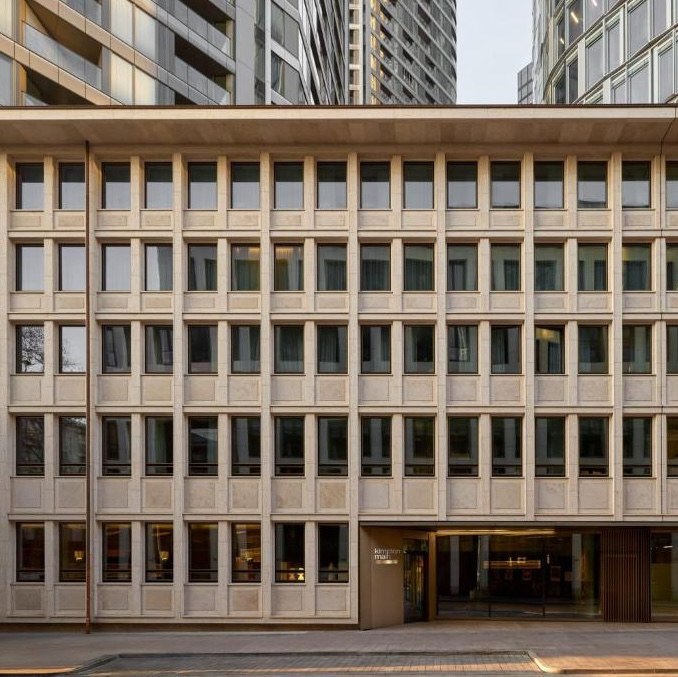
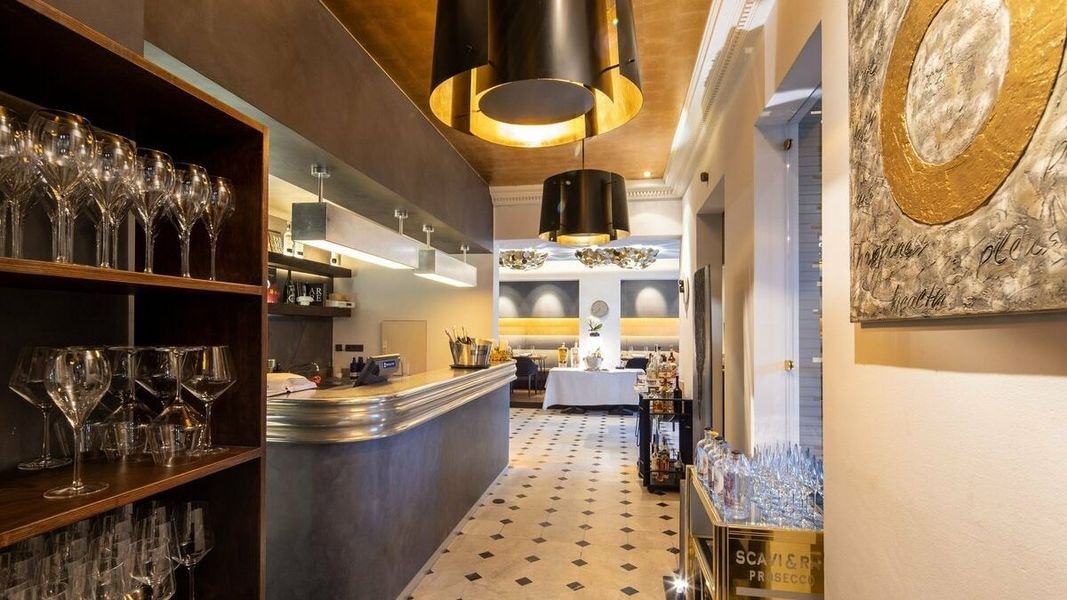
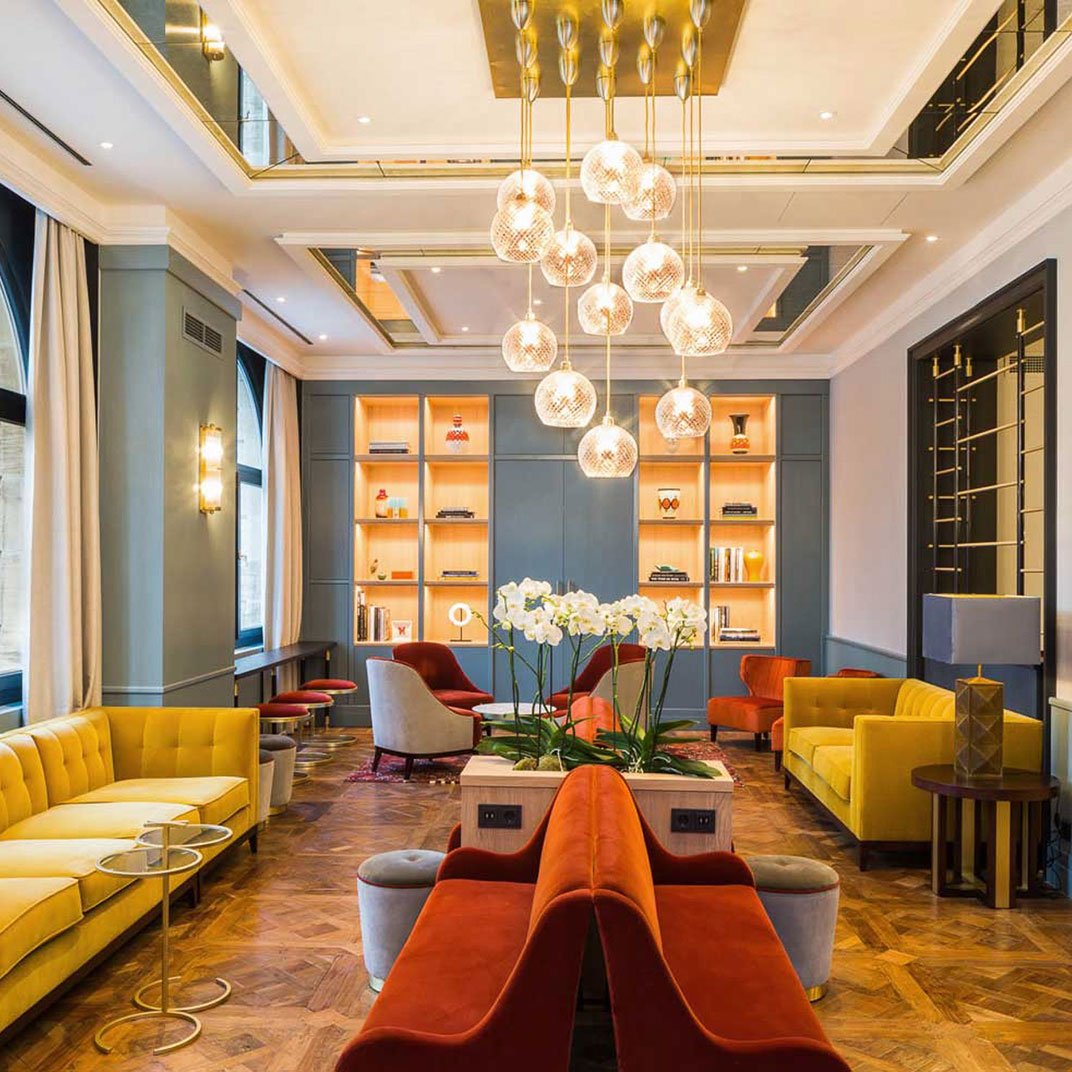
    Approaching a Frankfurt hotel is rarely a slow ceremonial act. The city announces itself in harder materials: glass towers, tram lines, station concourses, exhibition traffic, office lobbies with clipped morning rhythms. That physical environment matters because Frankfurt’s strongest hotels are not judged only by softness or ceremony. They are judged by how intelligently they handle movement, privacy, meetings, early departures, late arrivals and the shift from corporate tempo to evening calm. ATLANTIC Hotel Frankfurt am Main is a 4-star hotel in Frankfurt am Main, where architecture and operational clarity carry more weight than resort fantasy.

    Frankfurt has a different hospitality grammar from Munich, Hamburg or Berlin. Munich leans into courtly polish and seasonal leisure; Hamburg has mercantile grandeur, lakeside addresses and old-money restraint; Berlin uses hotel space as theatre, club-adjacent social stage or historical argument. Frankfurt is more compressed and transactional. Messe weeks, banking calendars and airport connectivity shape demand. In that setting, design is not decoration first. It is a system for absorbing pressure: arrivals in clusters, lobby meetings that do not need a boardroom, rooms quiet enough after a long-haul flight, breakfast service that can handle people on schedules. The useful question is not whether a property has a photogenic lobby, but whether the building helps the city make sense.

    The city’s better hotel choices split into clear camps. There are large international properties built around scale and conference logic, including JW Marriott Hotel Frankfurt. There are boutique or collection-led addresses where identity comes through smaller design decisions, as at LUME Boutique Hotel, Autograph Collection and Hotel Nizza. There are brand-driven lifestyle hotels with louder narrative codes, from 25hours Hotel The Trip to Moxy Frankfurt East, Moxy Frankfurt Airport and lyf East Frankfurt. There are incoming or newer lifestyle signals such as Kimpton Main Frankfurt. The Atlantic name reads differently within that set: less about a playful brand universe, more about the disciplined urban hotel tradition that German business cities continue to support.

    Why Design Matters More in Frankfurt Than It First Appears

    Frankfurt can be misread by visitors who only see the airport, the banking district and a meeting room. The city has museums along the Main, a compact old town reconstruction, Sachsenhausen tavern culture and serious dining scattered across business and residential quarters. Yet hotel selection often begins with the same practical problem: how much friction does the stay remove? Architecture becomes the answer. A hotel here needs to manage thresholds, from street to lobby, lobby to lift, lift to room, room to breakfast and breakfast to departure. If those transitions are clean, the stay feels composed. If they are not, Frankfurt’s efficiency becomes fatigue.

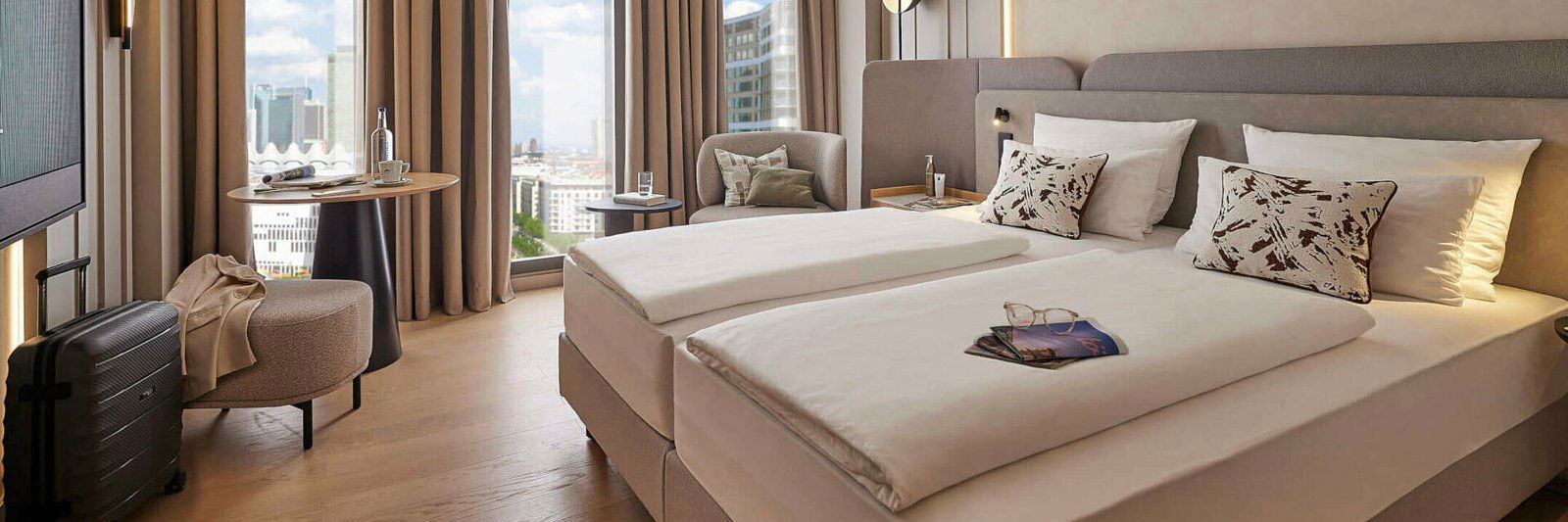
    ATLANTIC Hotel Frankfurt am Main should be viewed through that lens. The supplied record confirms a 4-star hotel with 373 rooms and an average nightly rate of $199, but does not provide an architect, restaurant concept, awards list, address, phone number or booking method. That absence matters editorially. Without confirmed details, the responsible reading is category-based rather than claim-heavy: this is a Frankfurt hotel entry to compare against the city’s business, design and transport-oriented options, not a property to describe through invented amenities or unverified design flourishes.

    That restraint is especially important in hotel writing because design language is easy to inflate. Many properties claim intimacy, local spirit or urban sophistication; fewer prove it through plan, material choices, acoustic control, lighting and circulation. In Frankfurt, the competitive field rewards hotels that understand the city’s working rhythm. A guest arriving during a trade fair may value a lobby that can function as a brief meeting zone. A traveller connecting through the airport may care more about room quietness and morning timing than decorative drama. A weekend visitor may want a base that makes the river museums, restaurants and bars legible without turning the hotel into the whole trip.

    The City Context: Finance, Fairs and Short-Stay Precision

    Frankfurt’s hotel market is unusually sensitive to the calendar. Major trade fairs and financial events can change room availability and pricing sharply, while quieter weekends can feel like a different city. That temporal pattern is a useful planning signal: booking early matters during Messe periods, and comparisons should be made by date rather than by general reputation alone. A hotel that looks conservative in a leisure city may become highly effective in Frankfurt when the city is full and transit timing is the main luxury.

    The airport also changes the calculation. Frankfurt Airport is one of Europe’s major intercontinental hubs, and its presence creates demand for properties that serve arrivals and departures as much as destination travel. That does not mean every strong Frankfurt hotel needs to sit at the terminals. It means the city’s hospitality culture prizes reliability: clear access, predictable service structure, breakfast hours that suit business movement, and rooms that support recovery between flights, meetings and dinners. In this market, architectural calm is commercial intelligence.

    Dining and drinking should be planned around the city rather than assumed from the hotel page. For broader context, the Frankfurt restaurants guide is the more useful companion for table planning, while the Frankfurt bars guide maps the evening scene beyond hotel lounges. Travellers building a wider itinerary can also compare lodging options through the Frankfurt hotels guide, and extend the trip through the Frankfurt experiences guide or the Frankfurt wineries guide if the plan reaches into wine country and regional excursions.

    How to Place This Hotel Against German Luxury and Design Peers

    Germany’s hotel hierarchy is not one uniform ladder. The country has grand lakeside resorts, Black Forest culinary houses, Baltic retreats, island hotels and urban business properties that answer different needs. Comparing a Frankfurt city hotel with a countryside retreat can be misleading unless the purpose of travel is clear. Schloss Elmau Luxury Spa Retreat & Cultural Hideaway in Elmau and Weissenhaus Private Nature Luxury Resort in Weissenhaus operate in a resort register where land, wellness, cultural programming and retreat time define the stay. Frankfurt hotels, by contrast, are tested by compression.

    That contrast sharpens the editorial point. Fairmont Hotel Vier Jahreszeiten in Hamburg carries the weight of an established grand-hotel city tradition. Althoff Seehotel Überfahrt in Rottach-Egern and Hotel Traube Tonbach in Baiersbronn belong to a leisure-and-gastronomy lineage where meals, landscape and long stays support the case. Söl'ring Hof in Sylt and BUDERSAND Hotel in Hörnum rely on island setting and northern light as part of the architecture of the trip. Frankfurt has to work without that natural stage.

    Urban properties therefore need another kind of confidence. They need proportion, wayfinding, efficient service choreography and enough design identity to keep the stay from feeling anonymous. Smaller German addresses such as Villa Contessa in Bad Saarow or Esplanade Saarbrücken in Saarbrücken make the case for intimacy and regional specificity. Frankfurt’s case is more metropolitan: the hotel has to support a city where many guests are time-poor, schedule-bound and moving between airport, station, office, fairground and dinner.

    What the ATLANTIC Name Suggests, and What the Data Does Not Confirm

    The ATLANTIC name carries associations with formal German hospitality, but this page relies only on the supplied record for venue-specific facts. No hotel group, awards, restaurant, bar, spa, chef, or design author is confirmed in the record. That limits any serious critic from making claims about interiors, service rituals, views, bedding, breakfast, wellness facilities or culinary programming. The honest editorial approach is to place ATLANTIC Hotel Frankfurt am Main in the wider Frankfurt hotel decision rather than dress sparse data in decorative certainty.

    That does not make the entry useless. Sparse records can be helpful because they force the right questions. In Frankfurt, the first question should be purpose: business travel, fair attendance, airport connection, weekend culture or a dining-led city break. The second should be geography, since neighbourhood choice changes the feel of the trip. The third should be timing, because fair weeks alter the city’s hotel economics. The fourth should be design tolerance: some travellers want a lively lobby and branded social energy; others prefer quieter circulation and fewer visual cues. A hotel in Frankfurt succeeds when it answers those questions cleanly.

    International comparisons underline the point. The Fifth Avenue Hotel in New York City operates in a market where design narrative and neighbourhood theatre carry heavy weight. Hôtel de Paris Monte-Carlo in Monte Carlo belongs to a palace tradition where history, service ceremony and address are central to the proposition. Badrutt's Palace Hotel in St. Moritz is inseparable from Alpine seasonality and social ritual. Frankfurt is less theatrical, but that makes design discipline more visible. There is nowhere to hide behind a famous promenade, mountain view or casino square.

    Planning the Stay

    Plan using current availability and a date-specific comparison against other Frankfurt hotels. During large fairs, reserve earlier than a normal city weekend and compare cancellation terms carefully. For a short business stay, prioritise access to the relevant office, fairground, station or airport connection over broad neighbourhood romance. For a weekend stay, weigh the hotel against restaurants, museums along the Main and evening plans, because Frankfurt rewards compact routing.

    Price should be read dynamically. A hotel that appears moderate on a quiet weekend may move into a different bracket during fair demand, and Frankfurt’s business calendar can make generic price assumptions unreliable. Frankfurt’s role as a financial, trade-fair and airport city creates a demanding hotel market in which weak operations are exposed quickly. That market pressure is not a substitute for a star rating, but it explains why functional design and service consistency matter in this city.

    For travellers comparing tone, the decision tree is simple. Choose a larger international address if meetings, predictable scale and global brand familiarity matter. Choose a boutique property if the trip needs stronger local atmosphere and smaller spaces. Choose a lifestyle brand if public areas, informal work zones and a younger social register are part of the appeal. Consider ATLANTIC Hotel Frankfurt am Main if the priority is a Frankfurt city-hotel framework and the live price, location and room details align with the trip. The deciding evidence should be current and practical, not generic romance.

    Location

    Frankfurt, Germany

    Keep this place

    Save or rate ATLANTIC Hotel Frankfurt am Main on Pearl

    Keep this venue in your Pearl passport, rate it after you visit, and track it alongside every other place you collect.