
Hotel Die Sonne Frankenberg
Old Town / Marktplatz, Frankenberg
Hotel in Frankenberg, Germany
 Book with Pearl
The Read
Fairy Tale Route Heritage Stay
Why go
Hotel Die Sonne Frankenberg is worth considering if you want a calm, central Frankenberg base rather than a countryside resort. It suits return visitors who value location, atmosphere, and low-friction pacing over big-hotel amenities or loyalty-program strategy.
About Hotel Die Sonne Frankenberg
Hotel Die Sonne Frankenberg is in Frankenberg, and the dress code is smart casual. Beyond that, specific claims about rooms, amenities, service style, pricing, awards, dining, wellness facilities, or booking patterns should be confirmed directly with the hotel.
That makes the decision less about chasing a detailed feature list and more about confirming the practical points that matter for your trip directly with the hotel before booking. If your stay depends on a particular room type, arrival arrangement, family setup, dining plan, or accessibility need, verify those details with the property or your booking channel.
Choose it for Frankenberg, with details confirmed before booking
Hotel Die Sonne Frankenberg is best considered when you specifically want to stay in Frankenberg and are comfortable confirming the finer points yourself. The dress code is smart casual, so avoid assuming a particular hotel format, dining concept, amenity level, or resort-like experience unless it is stated by the hotel at the time you book.
If you are comparing it with other regional stays such as FREIgeist Göttingen Innenstadt, Hotel Deimann, Hotel Jagdhof Glashütte, Hotel Rosenpark, or Romantik Hotel Landhaus Bärenmühle, compare the current booking terms, location needs, room details, and services directly. The right choice will depend on what each property confirms for your dates.
Inside Hotel Die Sonne Frankenberg
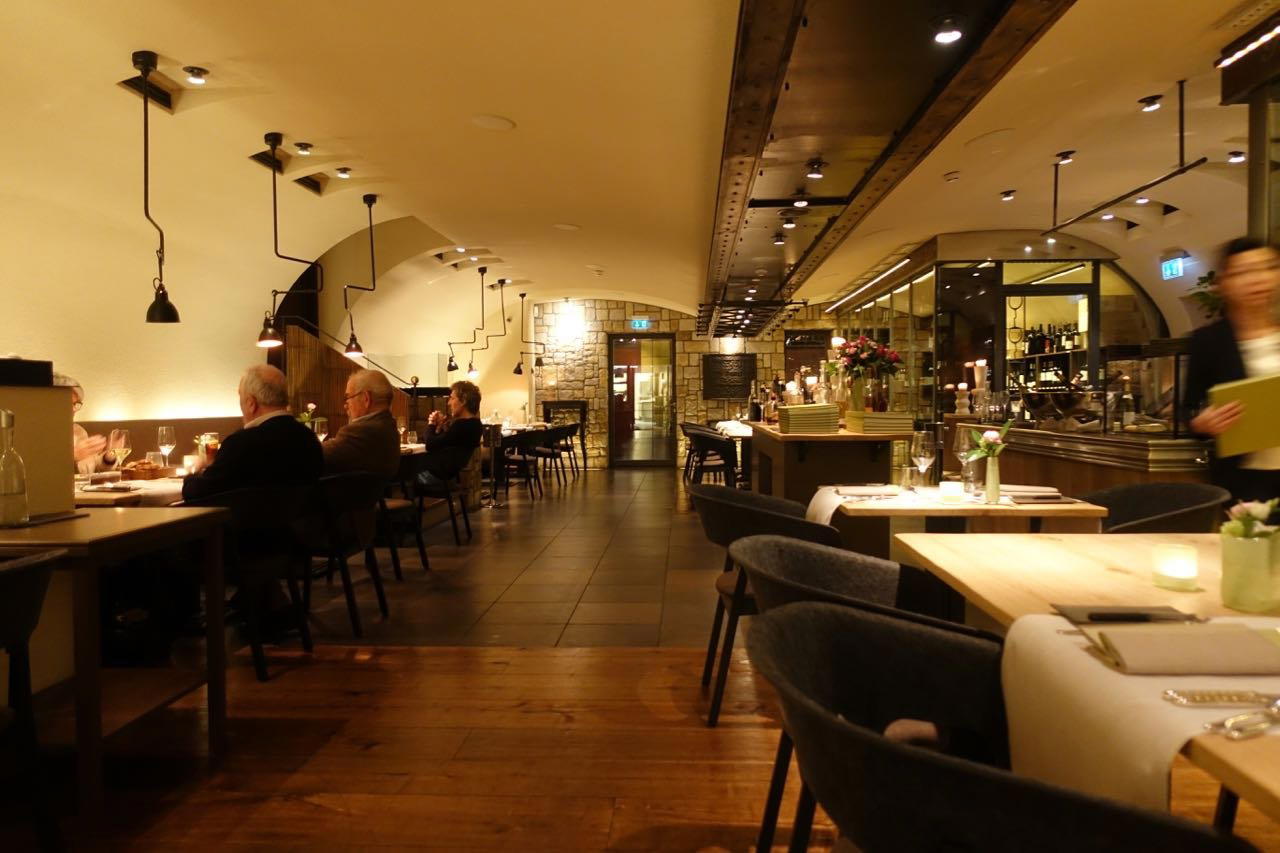 restaurantPhilipp SoldanPhilipp Soldan holds a Michelin star for the second consecutive year under chef Richard van Oostenbrugge, bringing creative fine dining to Frankenberg's medieval market square. In a region where serious cooking has historically concentrated in larger cities, the restaurant represents a deliberate bet on small-town destination dining. It sits at the €€€€ price point, competing directly with Germany's leading creative tables.
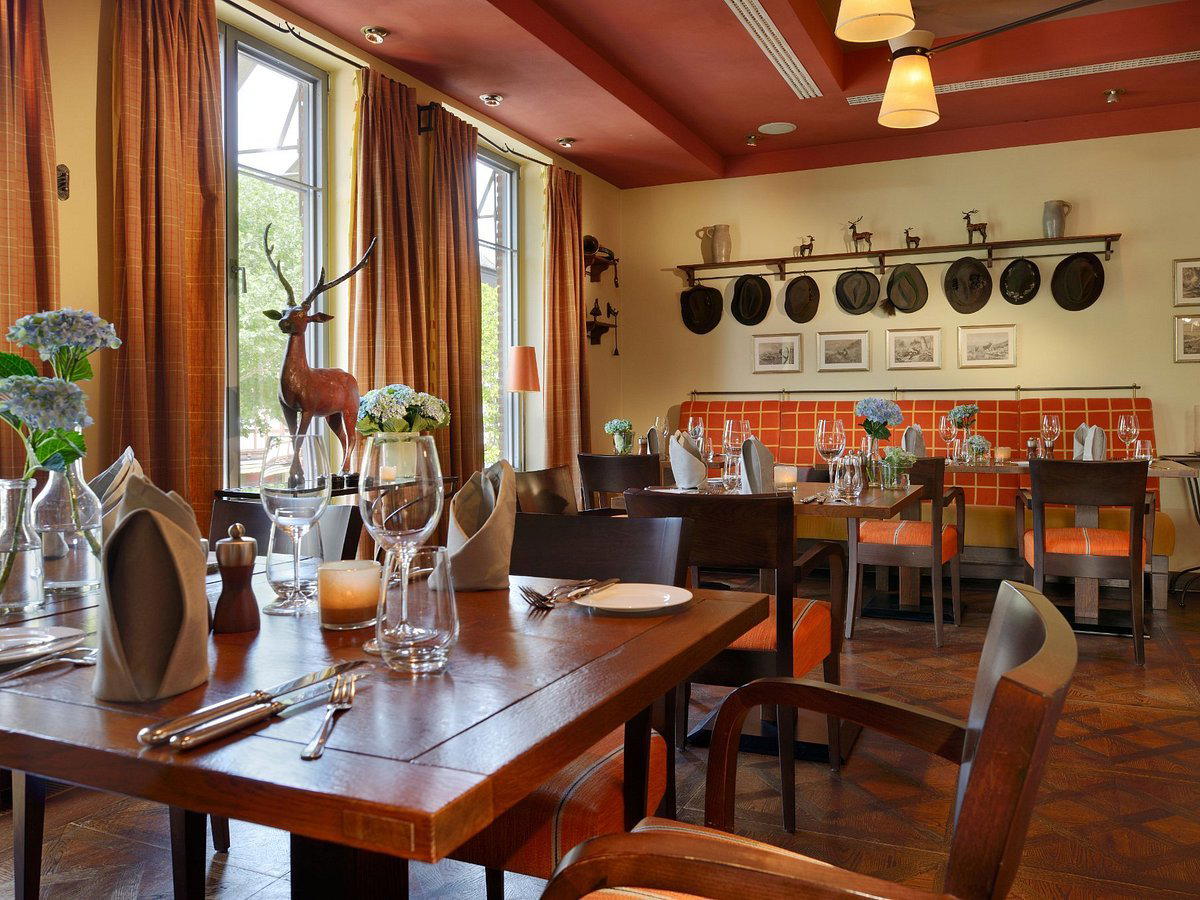 restaurantSonneStubenSonneStuben holds a Michelin Plate for 2024 and 2025, placing it among Frankenberg's most consistently recognised addresses for country cooking. Situated on Marktplatz in the centre of a small Hessian market town, it operates at the accessible end of the price spectrum, making Michelin-recognised quality available without the formality of a destination tasting menu restaurant.
Planning details
- Location
- Marktpl. 2, 35066 Frankenberg (Eder)
- Website
- sonne-frankenberg.de
- Phone
- +49 6451 7500
The take
The Take
The Vibe
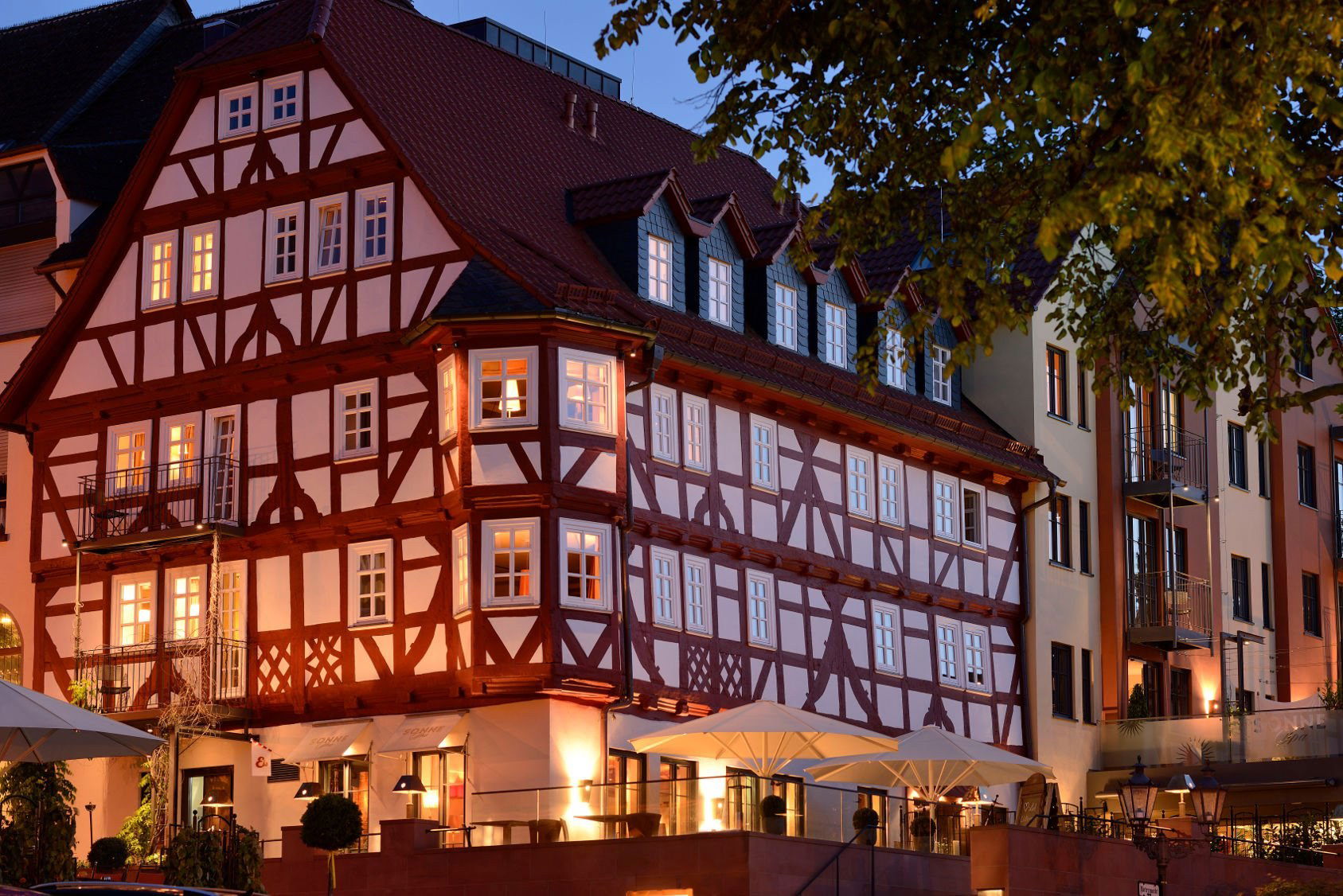
Hotel Die Sonne Frankenberg occupies three joined 16th-century buildings on the town’s market square and reads as a quietly refined statement of German provincial luxury. The restoration celebrates historic fabric — varying ceiling heights, exposed timbers and distinct room proportions — while furnishing interiors for comfort rather than museum display. The result is an intimate, classic property that feels warm and charming: part small-town landmark, part considered design conversion. Its scale and the way each suite reflects the original building footprints give the hotel a highly personal, layered character rather than a standardized chain-hotel feel.
Best For
Die Sonne is best for travelers who treat accommodation as the reason to visit: couples on a romantic getaway, guests marking an anniversary or anyone seeking a quiet, small-town weekend escape along the Deutsche Märchenstraße. With just 59 rooms carved from three historic structures, the hotel suits visitors who appreciate architectural character, exposed timber ceilings and carefully calibrated historic-modern interiors. It also appeals to those who prefer a measured, formal-luxury service style in a scenic, storybook Hessian setting rather than a metropolitan hub.
Stay Tips
Room categories at Die Sonne reflect the structural logic of its three buildings, so choose based on the spatial qualities you value: the description calls out 'cozier suites' with exposed timber ceilings in the denser original structures, while other suites occupy different footprints and ceiling heights. Because the hotel is itself a reason to visit Frankenberg, book early, especially for weekend stays or special occasions. If architectural character matters, request a room noted for original features when reserving to ensure you get the kind of historic-space experience the property emphasizes.
Venue details
Ambiance
Modern, warm, and sophisticated atmosphere with a lively but refined feel; historic half-timbered spaces are paired with contemporary design and sun-filled, quiet suites.
Tags
Vibe
Best For
Experience
Amenities
View
Accessibility
About the Stay
- Rooms
- 63
- Check-in
- 15:00
- Check-out
- 11:00
- Property Style
- Luxury Boutique Hotel in Restored Historic Buildings with Spa and Destination Dining
- Design Style
- Historic Half Timbered Ensemble with Timeless Elegant Interiors, Natural Warm Colors, High Quality Textiles, and Modern Comfort.
Know before you go
Know Before You Go
- Getting there
- Marktpl. 2, 35066 Frankenberg (Eder)
Planning details
Location
Also consider
Where to look if this is not the right fit
If the goal is countryside quiet, consider Romantik Hotel Landhaus Bärenmühle instead. If the trip needs a more contemporary city base, FREIgeist Göttingen Innenstadt is the cleaner cross-shop.
Hotel context
How it compares with nearby hotel options
Hotel Die Sonne Frankenberg is the better fit if the trip needs a town-centered base in Frankenberg itself. Romantik Hotel Landhaus Bärenmühle reads more like the rural alternative: choose that for a quieter countryside mood, but expect less of the immediate town access that makes Frankenberg stays easier.
Hotel Rosenpark, Hotel Deimann, and Hotel Jagdhof Glashütte are stronger cross-shops when the stay is more about a self-contained hotel experience than Frankenberg specifically. Pick them if the hotel itself is the destination; stay with Die Sonne if the town base is the point.
FREIgeist Göttingen Innenstadt is the sharper comparison for guests who want a more urban, contemporary feel. It makes more sense for city energy and rail-friendly plans, while Die Sonne is the practical call for a slower Frankenberg stay with easier local orientation.
Explore Frankenberg
Around this place
Discover more on Pearl
Unlock the full Hotel Die Sonne Frankenberg guide in Pearl, including awards, comparisons, FAQs, planning details, and nearby places.
Compare Hotel Die Sonne Frankenberg
Comparison notes
For Frankenberg-centered plans, Hotel Die Sonne Frankenberg is the most direct fit among this set because it keeps the stay tied to the town rather than pushing the trip into a countryside or city-hotel format. Romantik Hotel Landhaus Bärenmühle is the stronger rural-feeling alternative, while FREIgeist Göttingen Innenstadt is better for travelers who want a more urban base.
Hotel Rosenpark, Hotel Deimann, and Hotel Jagdhof Glashütte make more sense when the hotel experience is the main event. Choose Die Sonne when access to Frankenberg and a calmer town rhythm matter more than a resort-style agenda.
FAQ
Frequently Asked Questions
What is check-in like at Hotel Die Sonne Frankenberg?
Is Hotel Die Sonne Frankenberg family-friendly?
How is the location of Hotel Die Sonne Frankenberg?
Hotel Die Sonne Frankenberg is in Frankenberg. Use the hotel's current listing or your booking map if exact positioning matters for your plans.
Do loyalty programs work at Hotel Die Sonne Frankenberg?
Do not assume points, elite benefits, or partner-program recognition unless your booking channel or the hotel confirms them in writing.