
The Armstrong Hotel
Old Town, Fort Collins
Hotel in Fort Collins, United States
 Book with Pearl
The Read
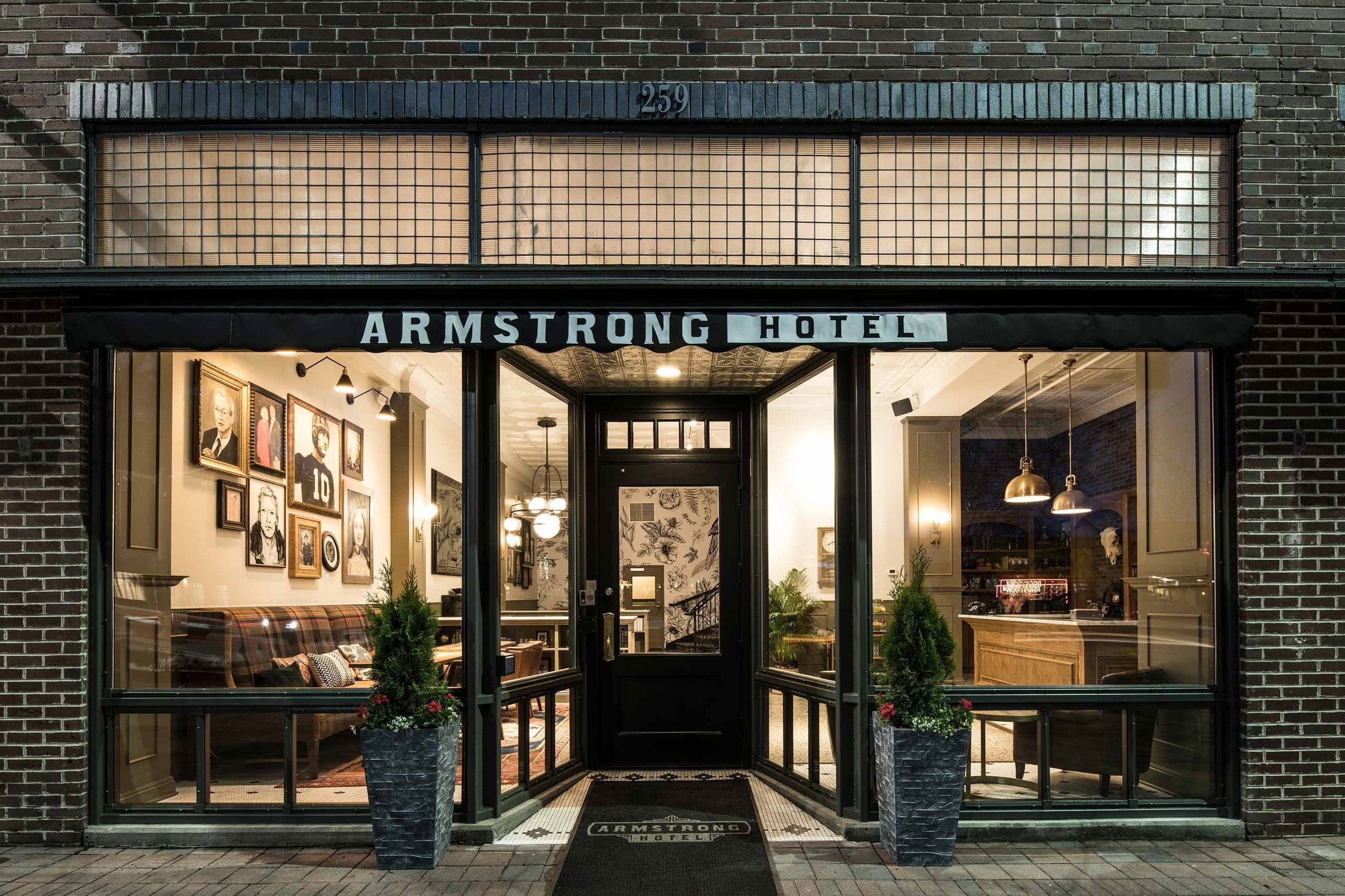
Century-Old Brick, Modern Counter
Why go
The Armstrong Hotel is worth pricing first for a Fort Collins stay built around Old Town walkability. Its Michelin 1 Key recognition gives it a stronger quality signal than a standard downtown stay, but the value depends on the rate: choose it when location will save time, and cross-shop if resort amenities or larger-room logistics matter more.
About The Armstrong Hotel
Fort Collins hotel searches can make the choice feel like a tradeoff between familiar brands and a more distinctive local stay. The Armstrong Hotel is a Fort Collins hotel with Michelin 1 Key recognition in 2025, making it a credible option for travelers who want a quality signal without relying on claims about amenities, dining, or service format.
Choose it for a Fort Collins stay with a confirmed quality signal
The Armstrong Hotel is best evaluated as a Fort Collins base rather than through specifics about neighborhood placement, restaurant programming, or resort-style facilities. The clearest distinction is its Michelin 1 Key recognition in 2025.
For planning, treat it as a hotel to compare on your actual dates, room needs, and preferred trip style. The Michelin 1 Key recognition gives it a stronger quality signal than a typical independent hotel listing, but the decision still comes down to whether The Armstrong Hotel fits the kind of Fort Collins stay you are booking.
Rates make sense when the hotel itself fits the trip
This is a stronger candidate for travelers who value a recognized Fort Collins hotel over a property chosen mainly for amenities. Quick reference: choose The Armstrong Hotel for a Fort Collins stay with Michelin 1 Key recognition; cross-shop if your decision depends on specific amenities, room configuration, dining, loyalty perks, or a lower rate.
Planning details
- Location
- 259 S College Ave, Fort Collins, CO 80524
- Website
- thearmstronghotel.com
- Phone
- +1 970-484-3883
The take
The Take
The Vibe
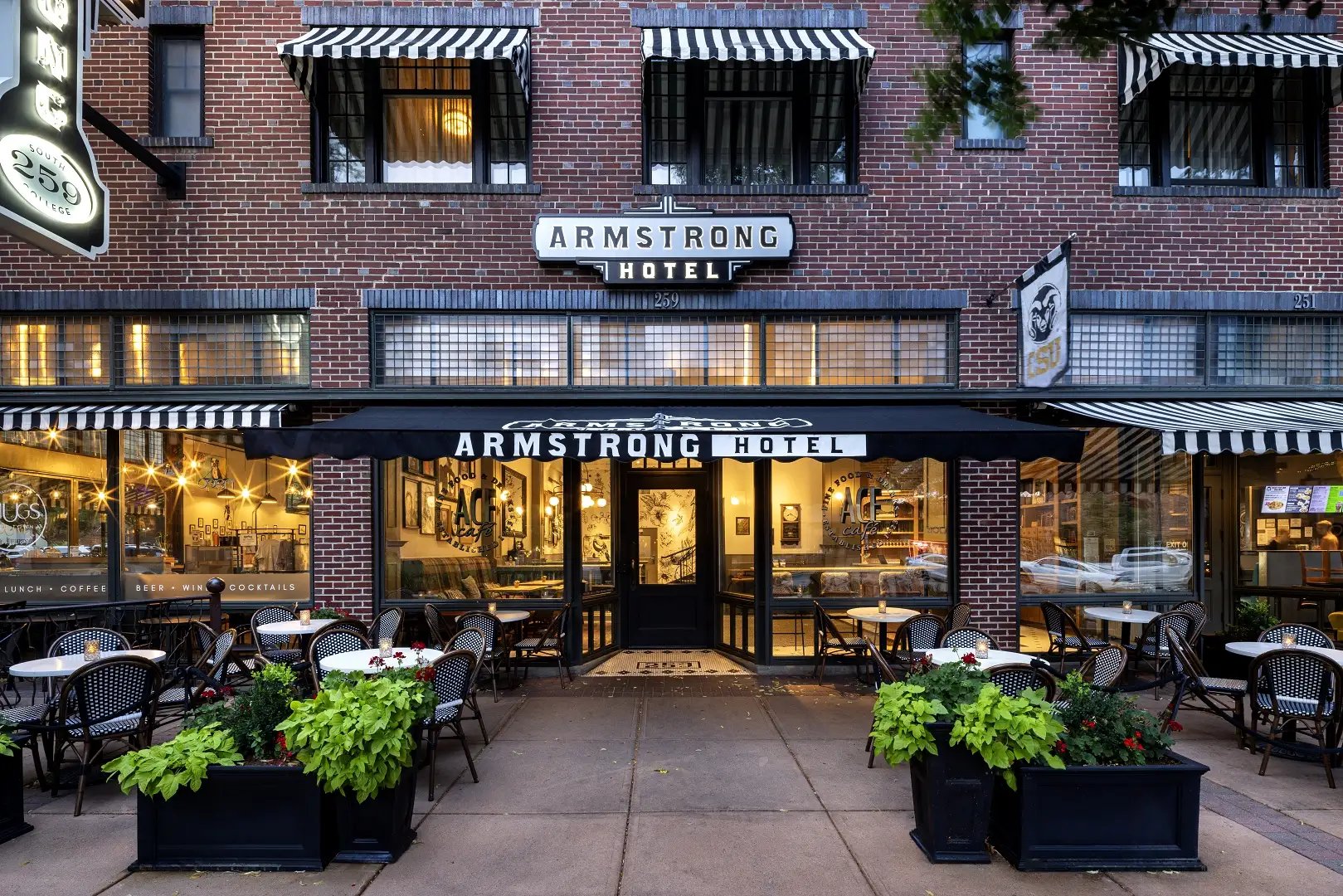
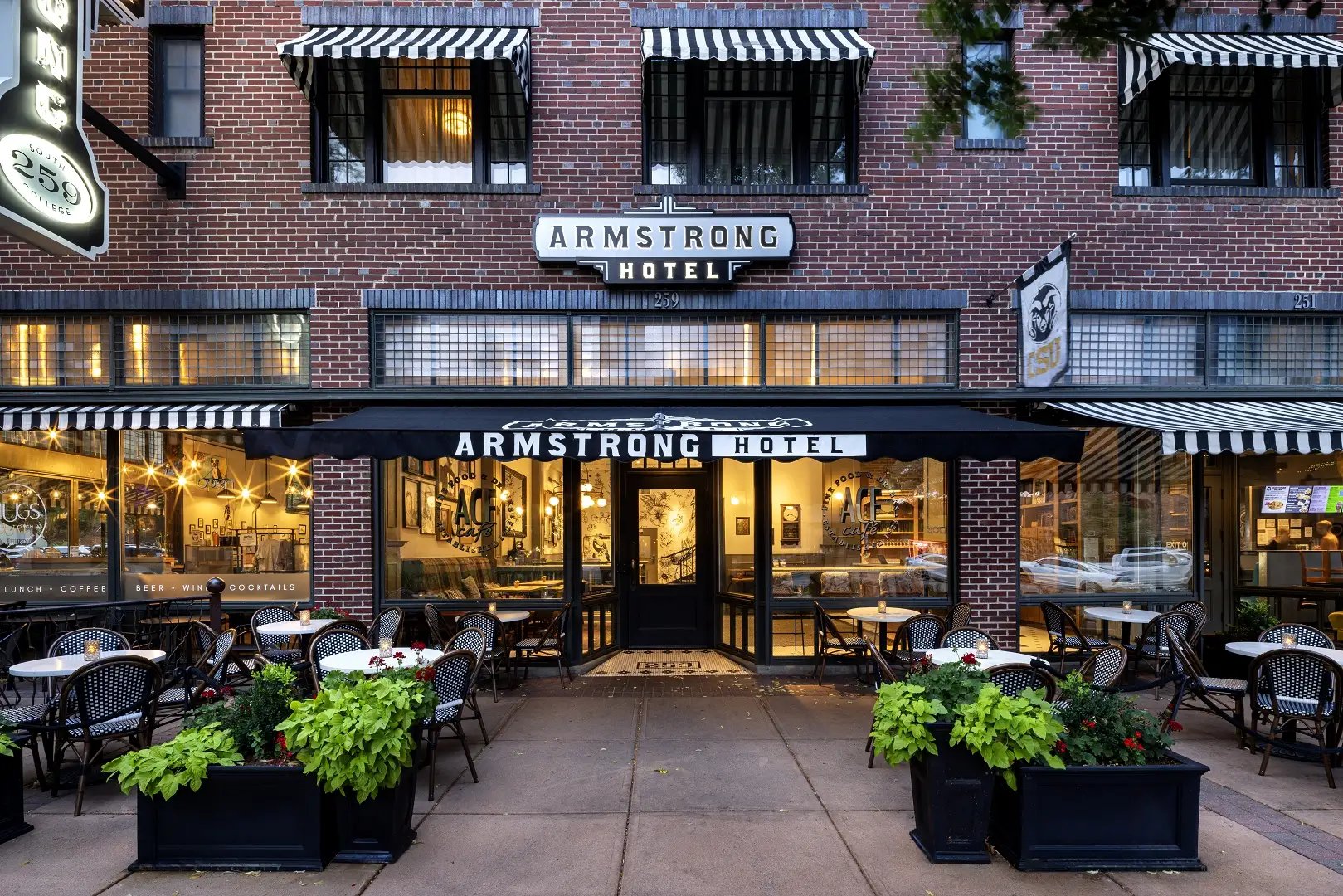
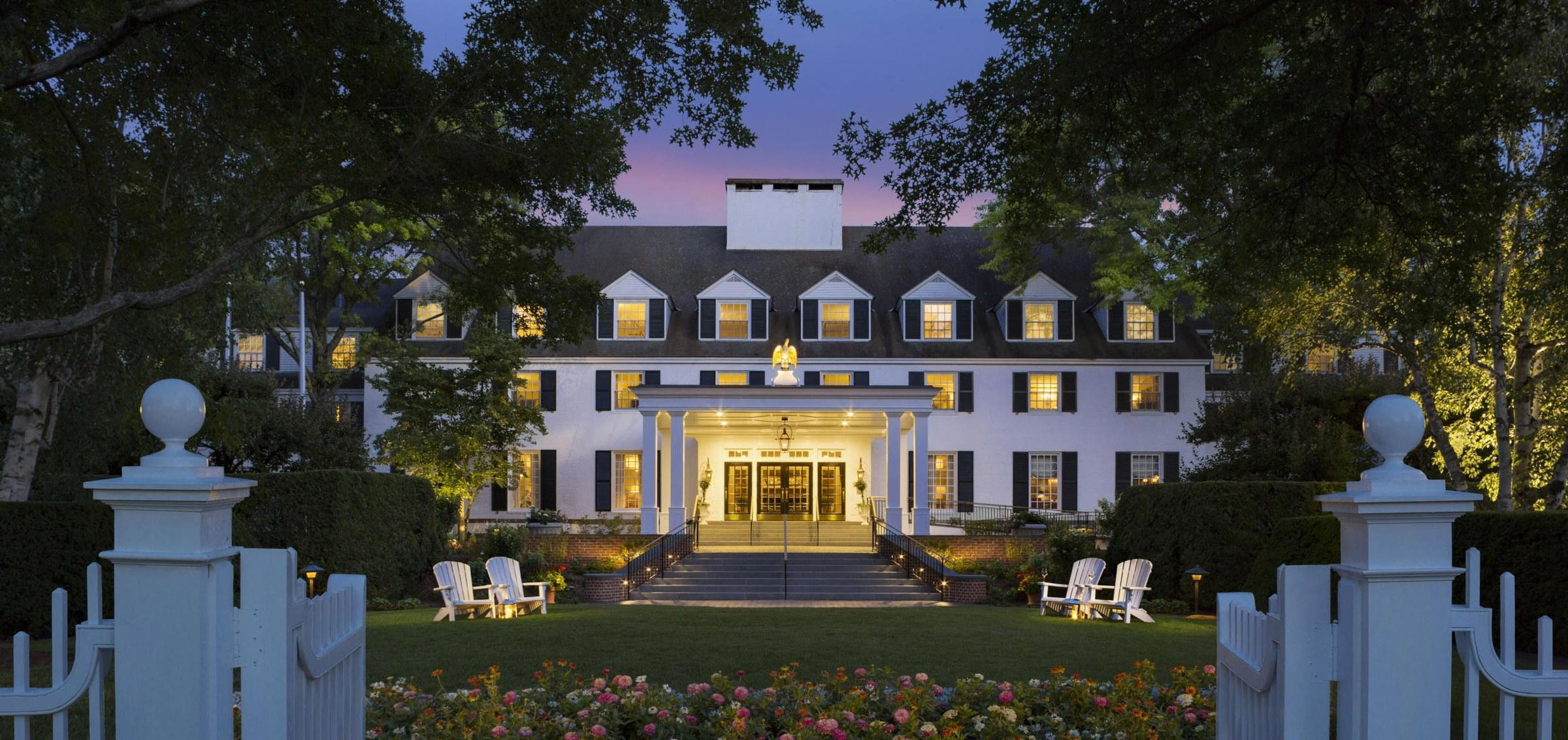
The Armstrong reads as a boutique hotel that deliberately threads modern hospitality into a thoroughly historic shell. Housed in a 1923 building on Fort Collins’ College Avenue, the property preserves the original brick character while its centenary renovation updates 54 rooms to contemporary boutique standards. That balance — respect for the building’s bones without sacrificing current expectations — gives the hotel a quietly refined temperament. A 2024 Michelin Guide Key designation underscores that the experience extends beyond mere heritage: attentive programming and design choices position the Armstrong as a polished, historically rooted stay in Old Town.
Best For
The Armstrong is well suited to short urban getaways and practical stays that value character alongside convenience. Its Old Town address places guests steps from College Avenue’s shops, breweries and university energy, making it an easy pick for weekend escapes, business trips and romantic getaways that favor walkable downtown life. With a modest 54-room scale and a renovation that modernizes without erasing history, the hotel appeals to travelers who want a boutique alternative to chain properties and who appreciate being lodged inside the city’s historic commercial fabric.
Venue details
Ambiance
Charming and eclectic historic atmosphere with stylish decor, cozy lobby, speakeasy lounge vibe, though some street noise in downtown location mitigated by white noise machines.
Tags
Vibe
Best For
Experience
Amenities
View
Accessibility
About the Stay
- Rooms
- 54
- Check-in
- 15:00
- Check-out
- 11:00
- Property Style
- Historic Boutique with Modern Upgrades
- Design Style
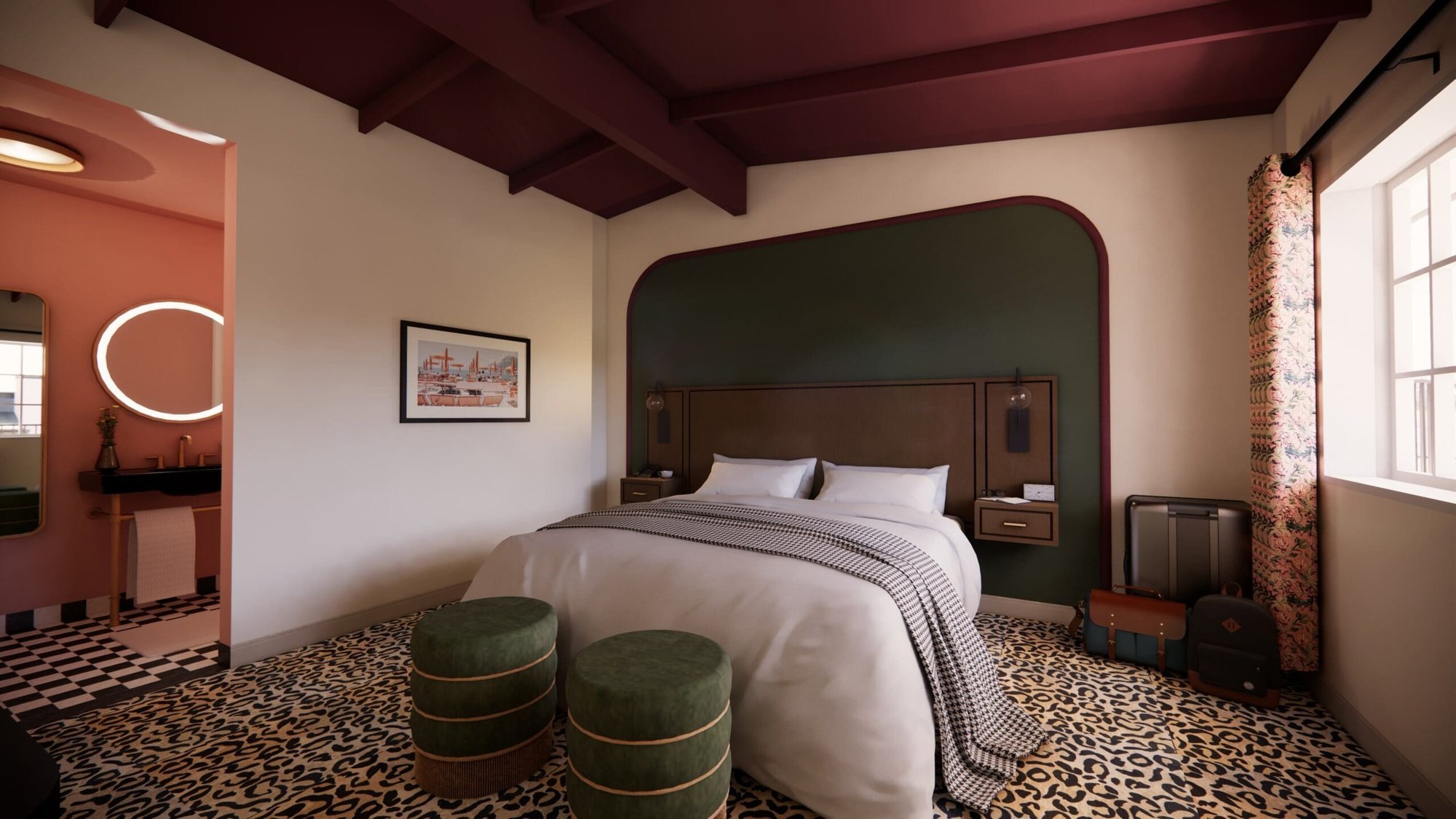
- Period Style with Colorado Elements, High Ceilings, Hardwood Floors, Stylish Eclectic Decor
Know before you go
Know Before You Go
- Getting there
- 259 S College Ave, Fort Collins, CO 80524
Planning details
Location
Recognition and awards
Also consider
Also Consider
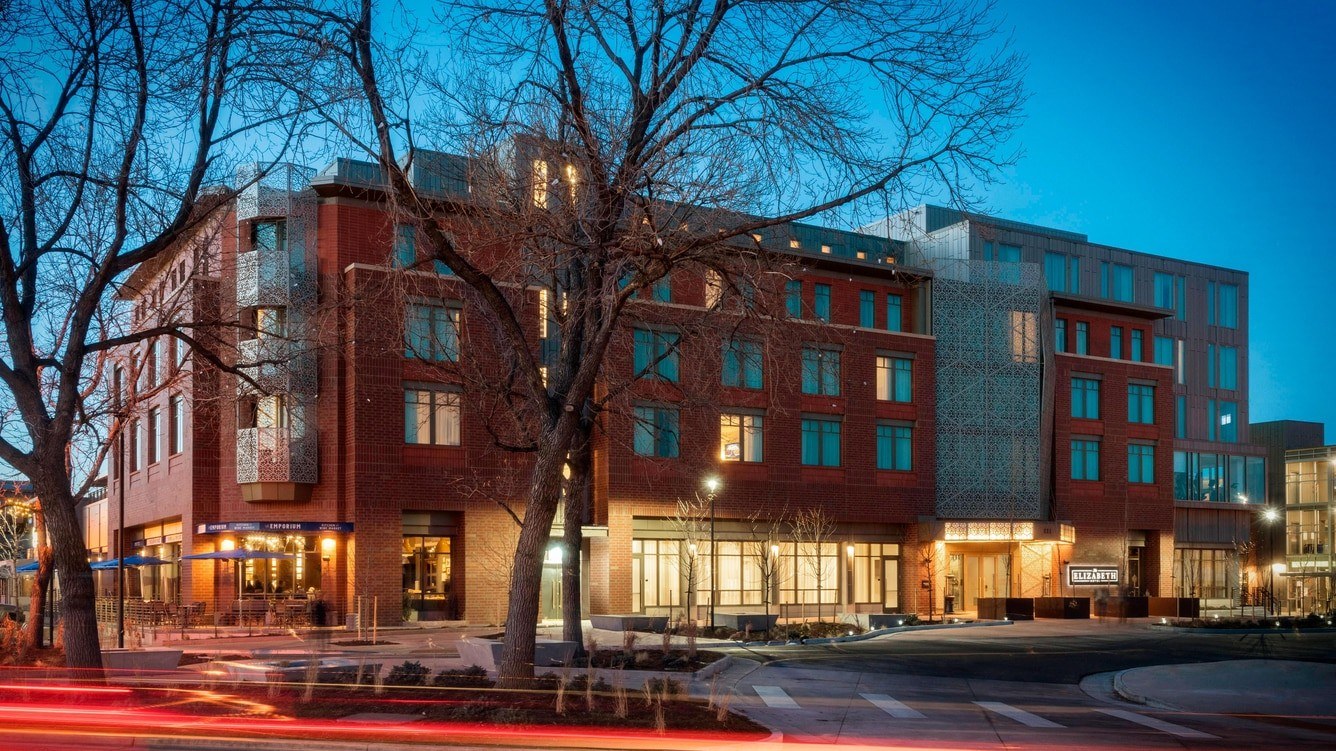
- The Elizabeth Hotel, Autograph Collection, Notable alternative
- Sylvan Dale Guest Ranch, Notable alternative
- Hotel Boulderado, Notable alternative
- St Julien Hotel & Spa, Notable alternative
- Rawah Ranch, Notable alternative
Hotel context
How it compares in Fort Collins and nearby Colorado stays
For a Fort Collins-first trip, The Armstrong Hotel is the more character-led downtown choice, while The Elizabeth Hotel, Autograph Collection is the safer pick for travelers who prefer a larger branded hotel format. If loyalty benefits, predictable service standards, or a more conventional full-service setup matter, The Elizabeth is easier to justify; if Old Town personality and a smaller hotel feel matter more, choose The Armstrong.
Sylvan Dale Guest Ranch and Rawah Ranch are not like-for-like substitutes. They make more sense for travelers who want the stay itself to be the main event, with a ranch setting and more time on property. The Armstrong is the better fit when Fort Collins dining, bars, and downtown access are the reason for the trip.
Against Boulder options, Hotel Boulderado is the heritage-city alternative, while St Julien Hotel & Spa is the stronger pick for spa-focused comfort. Choose The Armstrong when Fort Collins is the target and the rate keeps downtown convenience in proportion; choose Boulder when the itinerary is built around Boulder rather than Northern Colorado.
Explore Fort Collins
Around this place
Discover more on Pearl
Unlock the full The Armstrong Hotel guide in Pearl, including awards, comparisons, FAQs, planning details, and nearby places.
Compare The Armstrong Hotel
| Venue | Location | Awards |
|---|---|---|
| The Armstrong Hotel | Fort Collins | Michelin 1 Key 20252025 Michelin 1 Key2024 Michelin 1 Key |
| The Elizabeth Hotel, Autograph Collection | Fort Collins | 2025 Michelin 1 Key2024 Michelin 1 Key |
| Sylvan Dale Guest Ranch | Loveland | 2026 USA Today Best Ranches · #18 |
| Hotel Boulderado | Boulder | No published awards |
| St Julien Hotel & Spa | Boulder | 2026 Forbes 4-Star2025 Michelin Selected Hotels2025 Forbes 4-StarPreferred Hotels L.V.X. Collection 2025 |
| Rawah Ranch | Jelm | Small Luxury Hotels Member 2025 |





How The Armstrong Hotel Fort Collins compares with similar nearby venues.
FAQ
Frequently Asked Questions
Do loyalty programs work at The Armstrong Hotel?
Do not choose this stay for loyalty perks alone unless you have confirmed the current program details directly. The clearest trust signal is the Michelin 1 Key (2025), and the decision here is more about whether The Armstrong Hotel fits your Fort Collins trip than about points. If rewards matter most, compare it with hotels that clearly publish membership earning and redemption details.
What is check-in like at The Armstrong Hotel?
The strongest confirmed quality signal is the Michelin 1 Key (2025), so travelers should confirm current arrival details directly with the hotel before booking.
How does The Armstrong Hotel compare to other Colorado stays?
The Armstrong Hotel makes the most sense if you want a Fort Collins hotel with Michelin 1 Key recognition. Hotel Boulderado, St Julien Hotel & Spa, The Elizabeth Hotel, Autograph Collection, Sylvan Dale Guest Ranch, and Rawah Ranch are useful comparison points depending on the broader kind of Colorado stay you are considering, but confirm each property's location, amenities, and current rates before deciding.
Is The Armstrong Hotel family-friendly?
Families considering The Armstrong Hotel should treat it as a Fort Collins hotel with Michelin 1 Key recognition and confirm practical needs directly before booking.