
Banyan Tree Tamouda Bay
Tamouda Bay, Fnideq
Hotel in Fnideq, Morocco
 Book with Pearl
The Read
Price
$300–500per night
Why go
Choose Banyan Tree Tamouda Bay for a polished north-coast Morocco resort stay, especially for anniversaries, couples' trips, or low-movement family breaks. The case is strongest when the hotel itself is the point of the trip; compare carefully if you need city access, destination dining, or a tighter-value stopover.
About Banyan Tree Tamouda Bay
Banyan Tree Tamouda Bay is a luxury-hotel option in Fnideq. Consider it as a potential stay in Fnideq, and confirm rooms, facilities, dining, pricing, and service style directly before booking.
The dress code is smart casual. Banyan Tree Tamouda Bay is also listed as a Virtuoso Luxury Hotel Partner for 2026, which is a useful recognition signal for travellers comparing luxury hotels.
Book for a Fnideq luxury-hotel stay with key details in mind
Use Banyan Tree Tamouda Bay if the name, Fnideq location, smart-casual standard, and Virtuoso Luxury Hotel Partner recognition fit the trip you are planning. Confirm amenities, room categories, dining formats, prices, and on-property activities directly before booking.
For broader planning, compare it with other named options such as Royal Mansour Tamuda Bay, Sofitel Tamuda Bay Beach and Spa, The St. Regis La Bahia Blanca Resort, Tamuda Bay, The Riad Tarifa, and Villa Mabrouka. Other dining in Fnideq can be considered separately if meals outside the hotel are important to the trip.
If the stay depends on a specific room type, view, facility, meal plan, or activity, verify those details before committing.
How to think about value before committing
Before judging value, confirm price, room inventory, restaurant details, and facilities directly. The strongest hooks are the Fnideq location, smart-casual dress code, and Virtuoso Luxury Hotel Partner recognition for 2026.
Confirm any cuisine, chef, menu, price range, or meal-service detail directly with Banyan Tree Tamouda Bay rather than using it as a basis for booking.
Part of
Banyan Tree27 locations on PearlPlanning details
- Location
- Route Nationale 13, Oued Negro, QJXW+92
The take
The Take
The Vibe
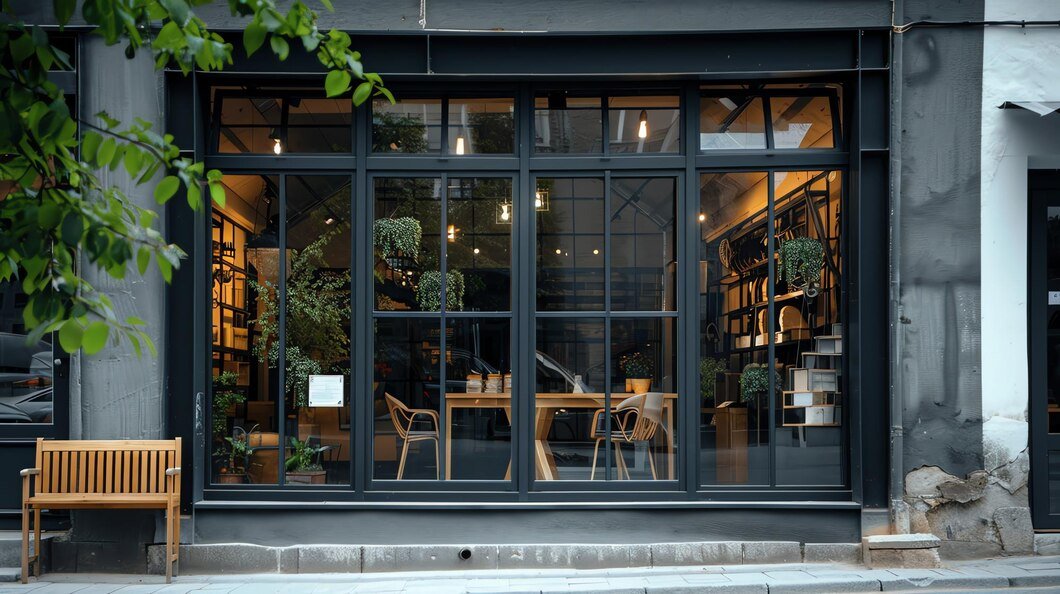
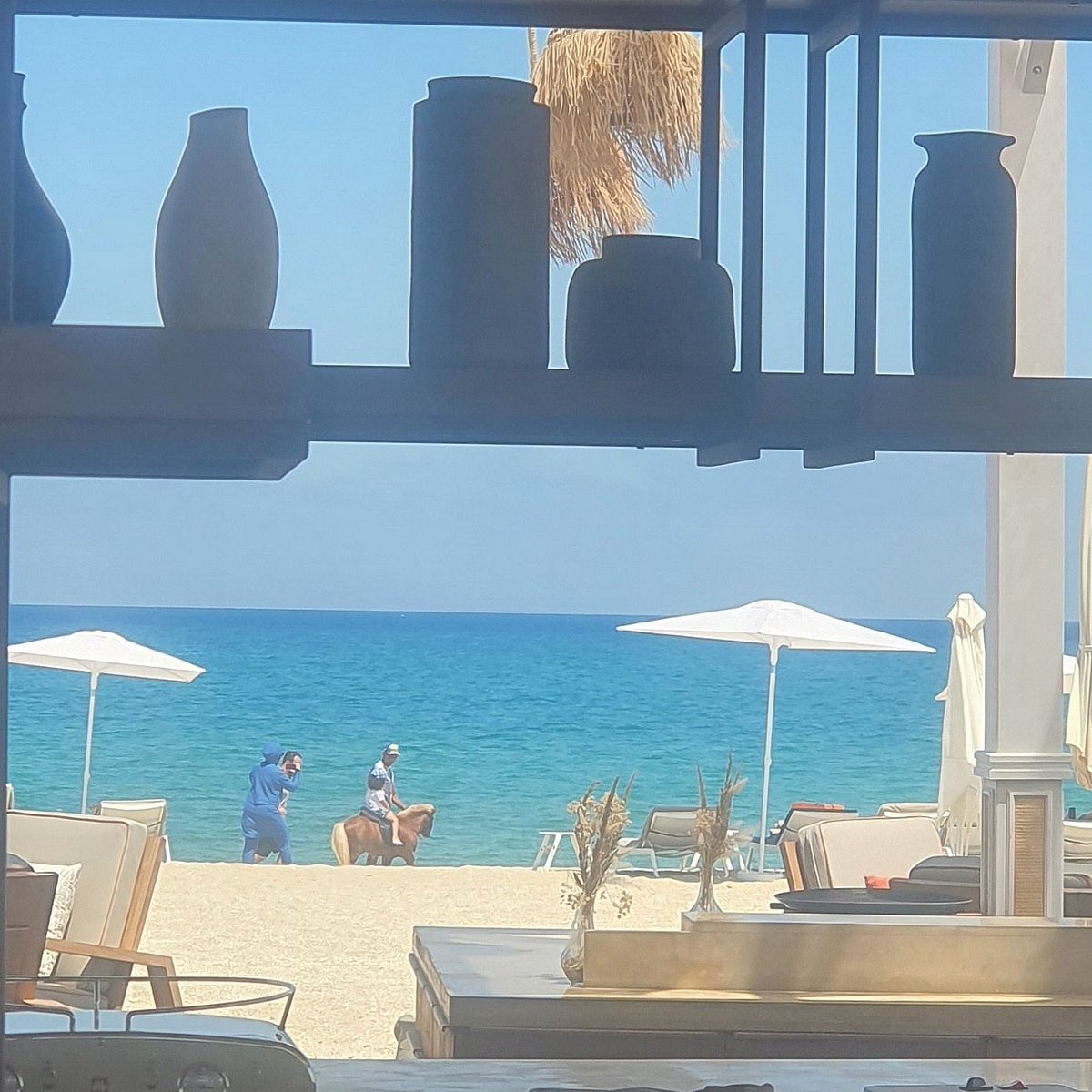
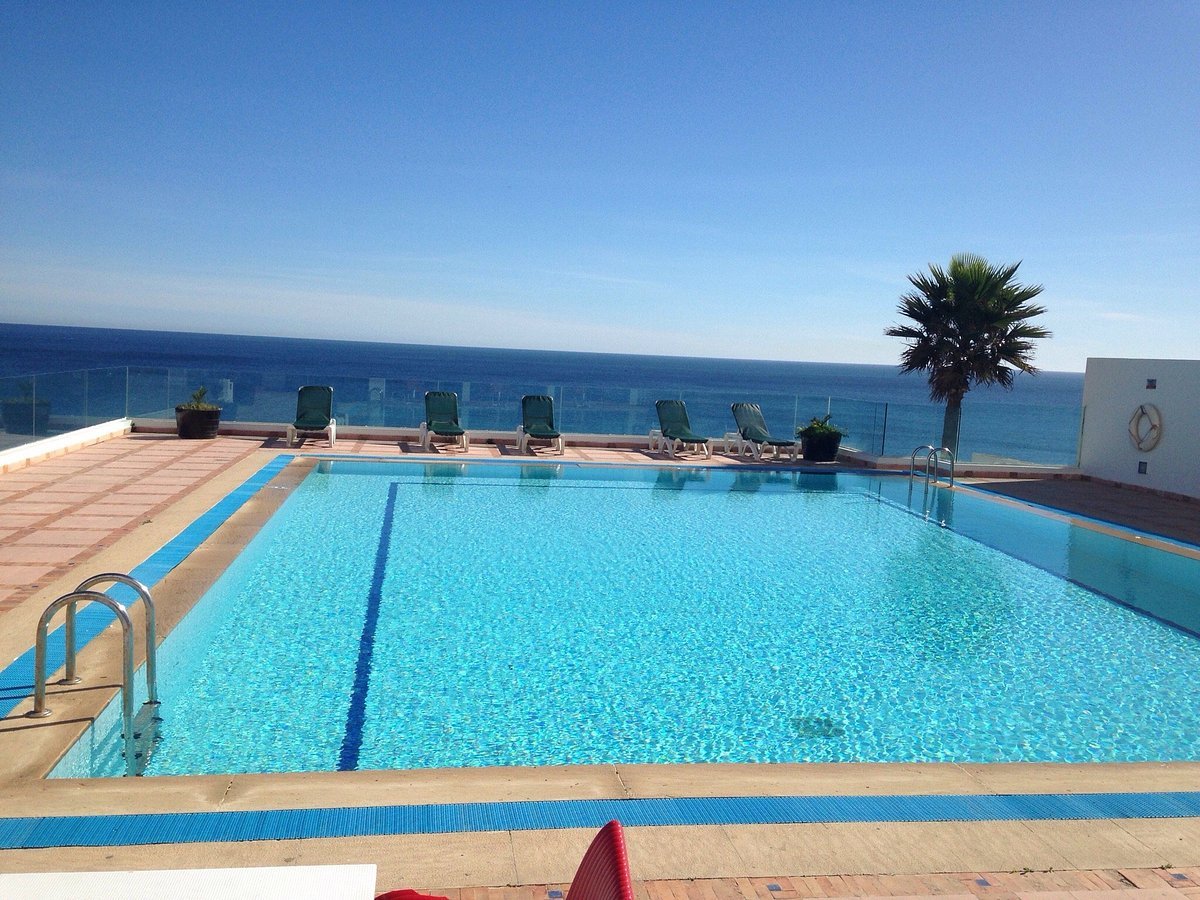
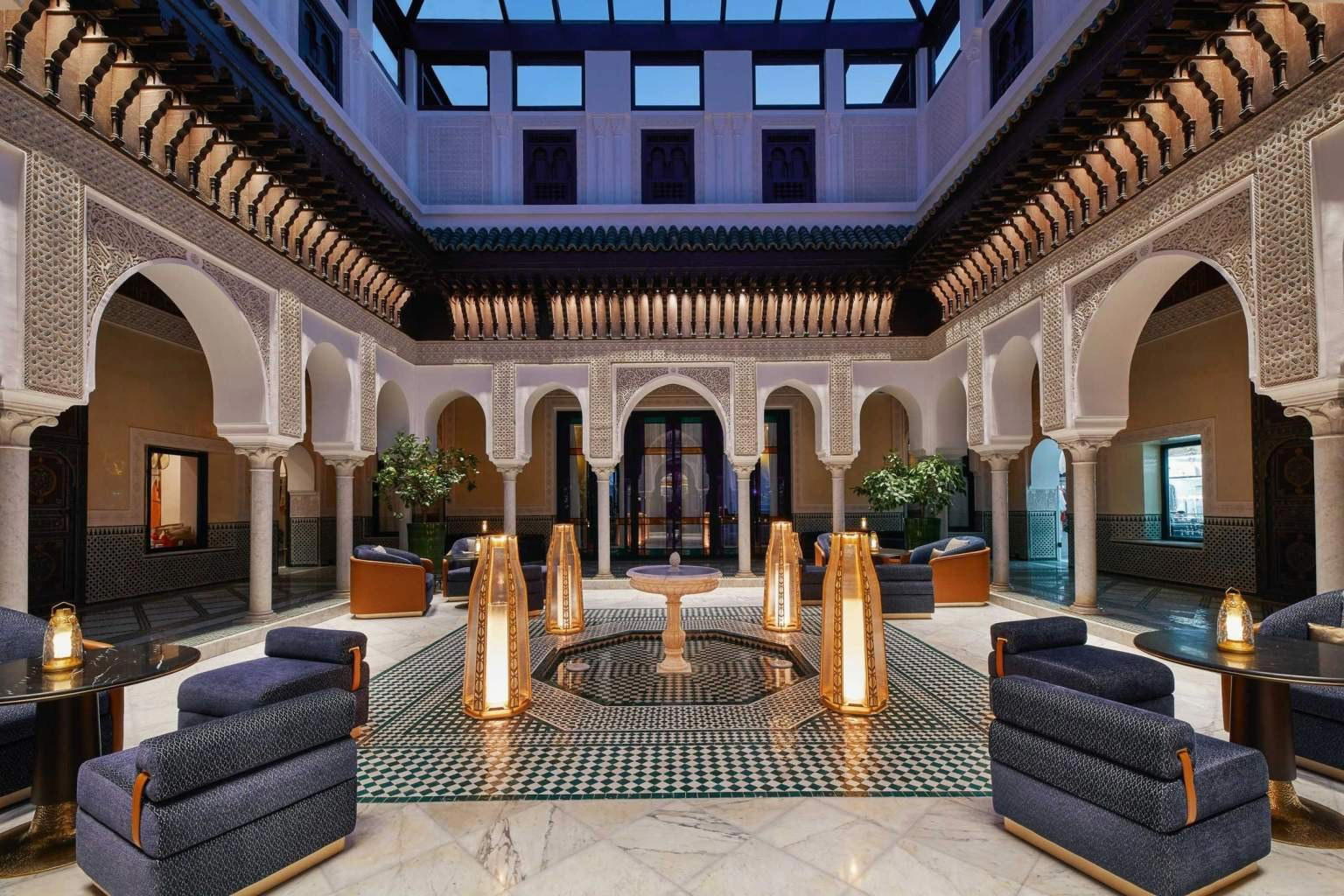
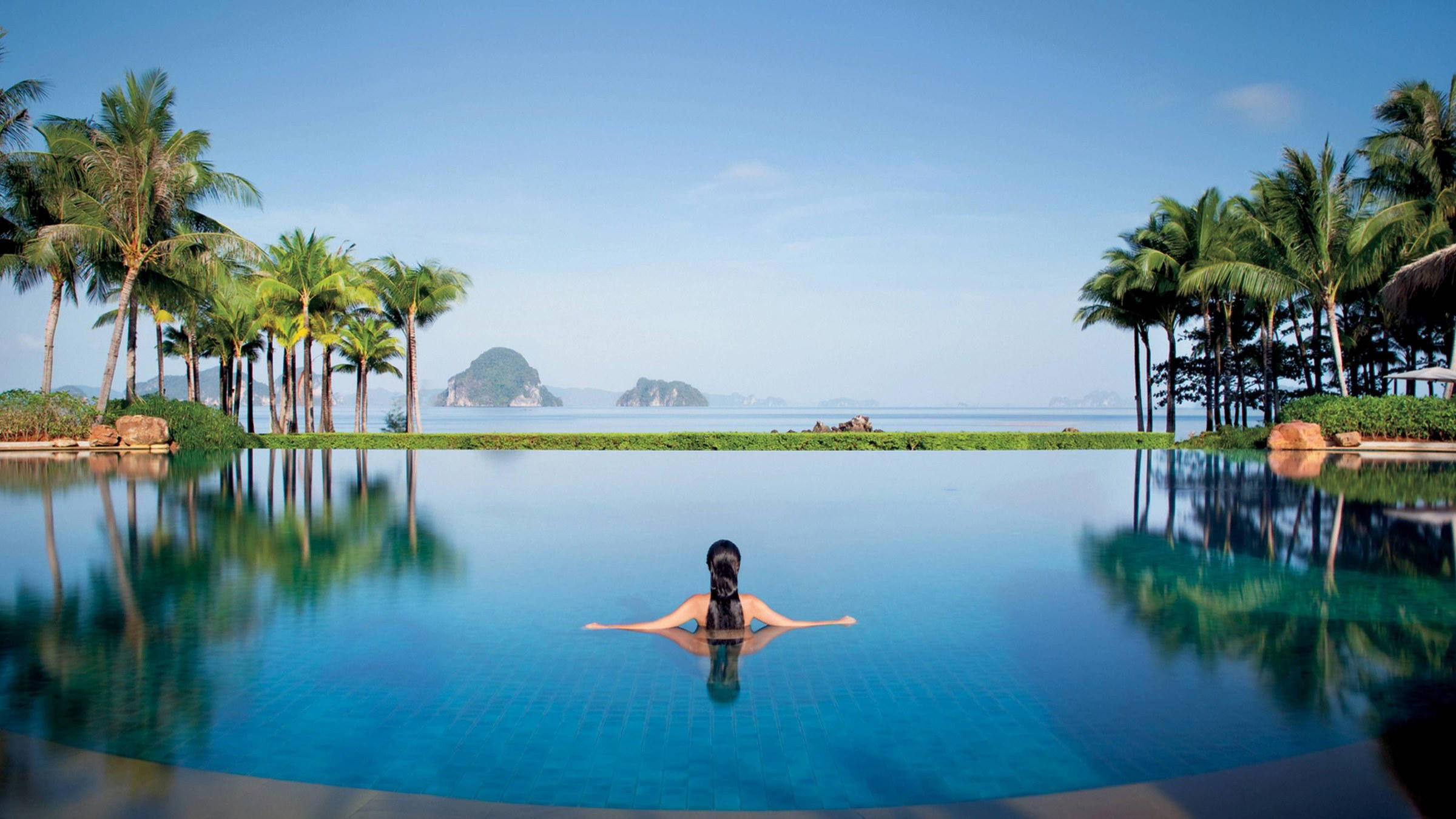
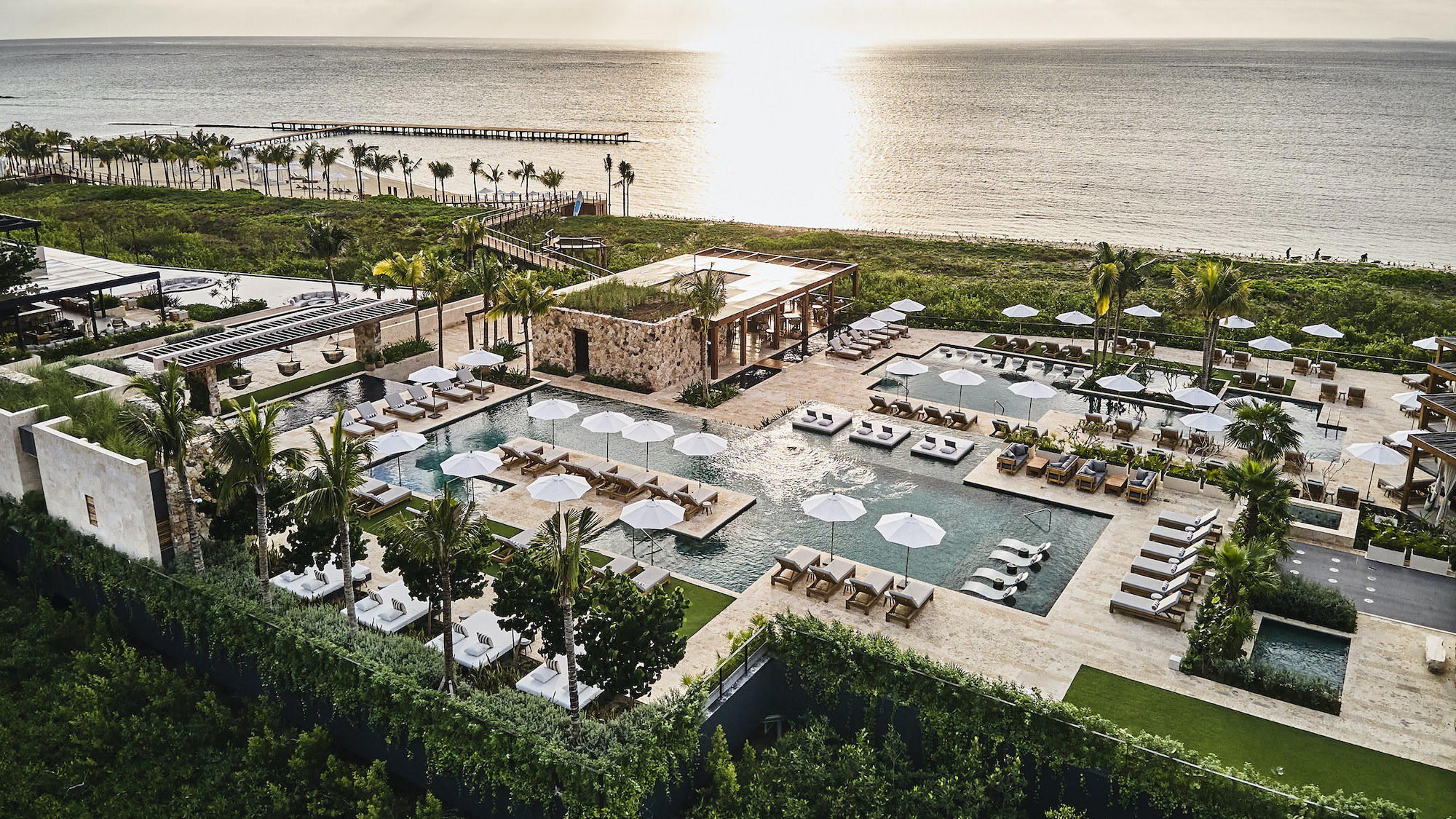
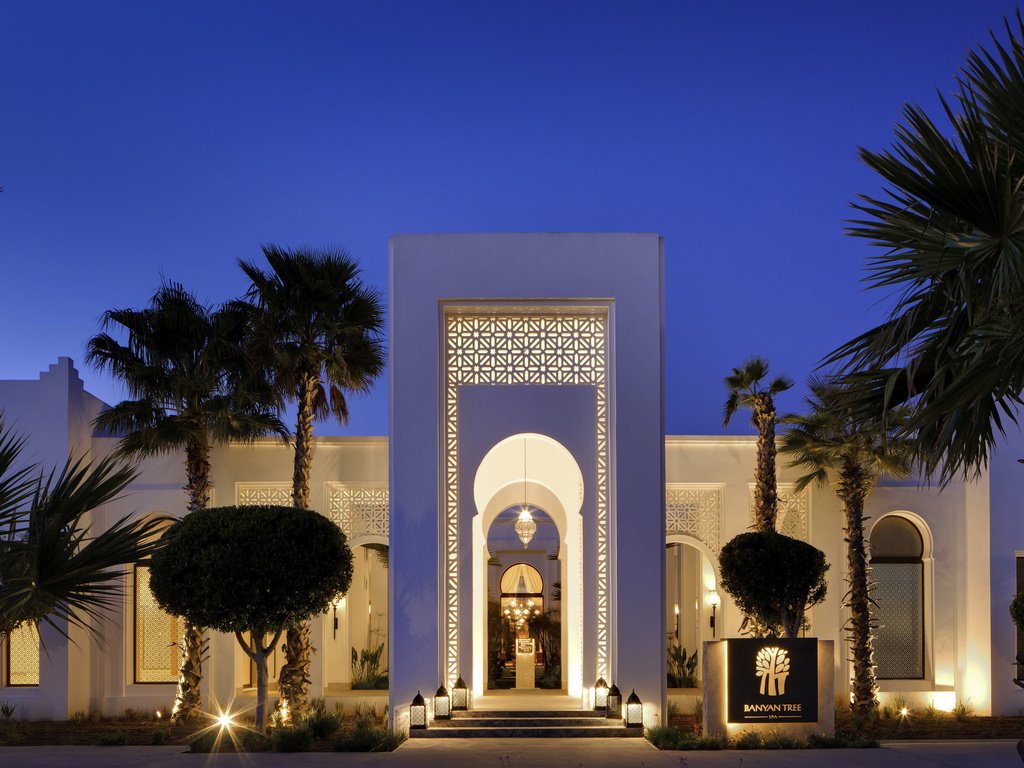
Banyan Tree Tamouda Bay layers Moorish and Andalusian architectural references over a Mediterranean coastal setting, yielding a composed, quietly luxurious resort. The property’s all-villa format — 92 private-pool units — keeps the scale intimate and avoids the anonymity of larger beach complexes. Design decisions feel rooted in regional history rather than pastiche, and the emphasis on private pools and direct sea views encourages slow, reflective stays. Public spaces and dining are scaled to the resort’s mid-size footprint, creating an atmosphere that is sophisticated but unhurried, where architecture and landscape work together to prioritize privacy and calm.
Best For
This resort suits travelers seeking a secluded seaside escape with a strong sense of place: couples and honeymooners who prize privacy benefit from villa pools and Mediterranean views, while wellness-minded guests find the full-scale spa a clear draw. Families who want private accommodations and direct sea access have room options that avoid shared-pool choreography. The property’s intimate scale and design-forward approach also appeal to culturally curious travelers who appreciate architecture rooted in local Andalusian and Moorish traditions. Overall, it’s best for guests who want to slow down and enjoy a refined coastal retreat.
Stay Tips
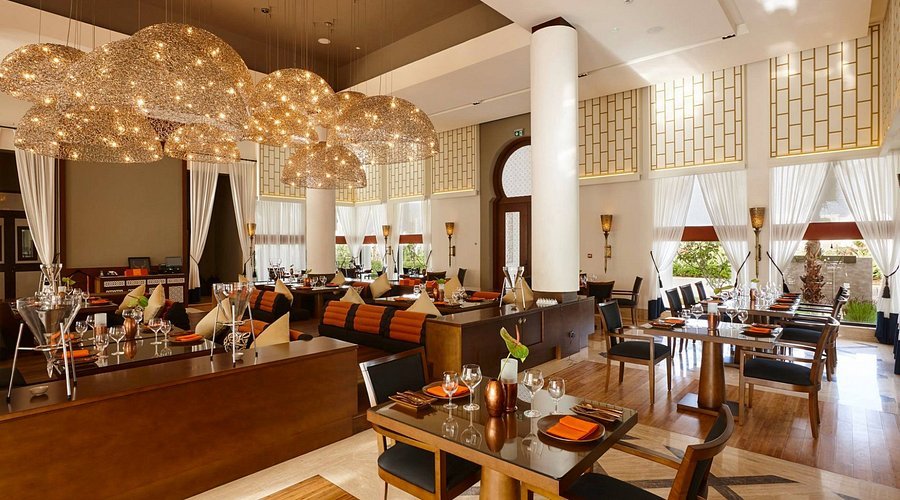
Choose a villa to secure your own private pool and the uninterrupted Mediterranean sightlines the property highlights. The resort runs three distinct restaurants and a full-scale spa, so plan dining and treatments as part of your stay to make the most of the amenities. Because the Banyan Tree format centers on the villa experience, prioritize accommodations with direct sea orientation if coastal views are important. Pack for relaxed, low-key days by your pool or at the spa — the resort’s design and footprint encourage lingering rather than a packed itinerary.
Venue details
Ambiance
Serene and tranquil with Moroccan-inspired decor, high ceilings, private courtyards, and relaxing spa atmosphere praised in guest reviews.
Tags
Vibe
Best For
Experience
Amenities
View
Accessibility
About the Stay
- Rooms
- 92
- Check-in
- 15:00
- Check-out
- 12:00
- Property Style
- Luxury Villa Resort Blending Modern Design with Traditional Moroccan Elements
- Design Style
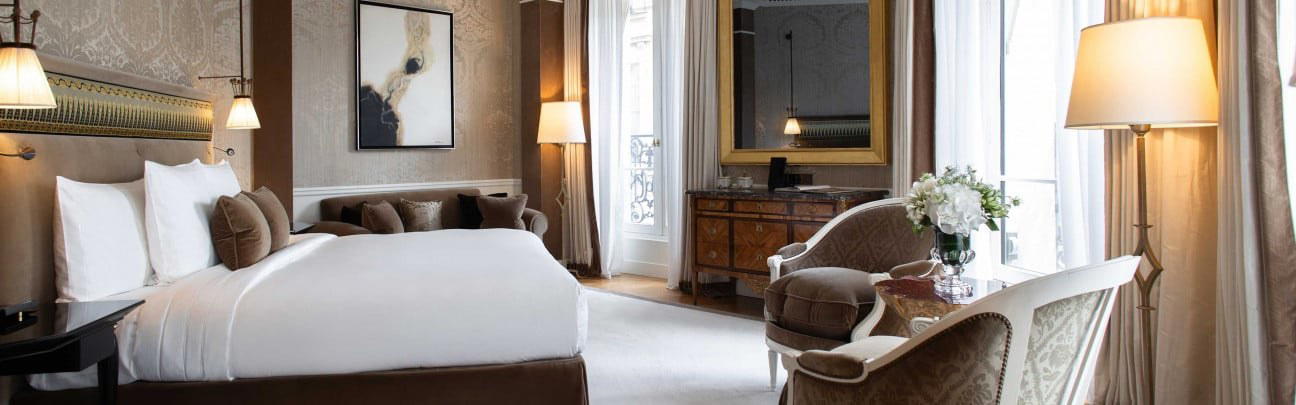
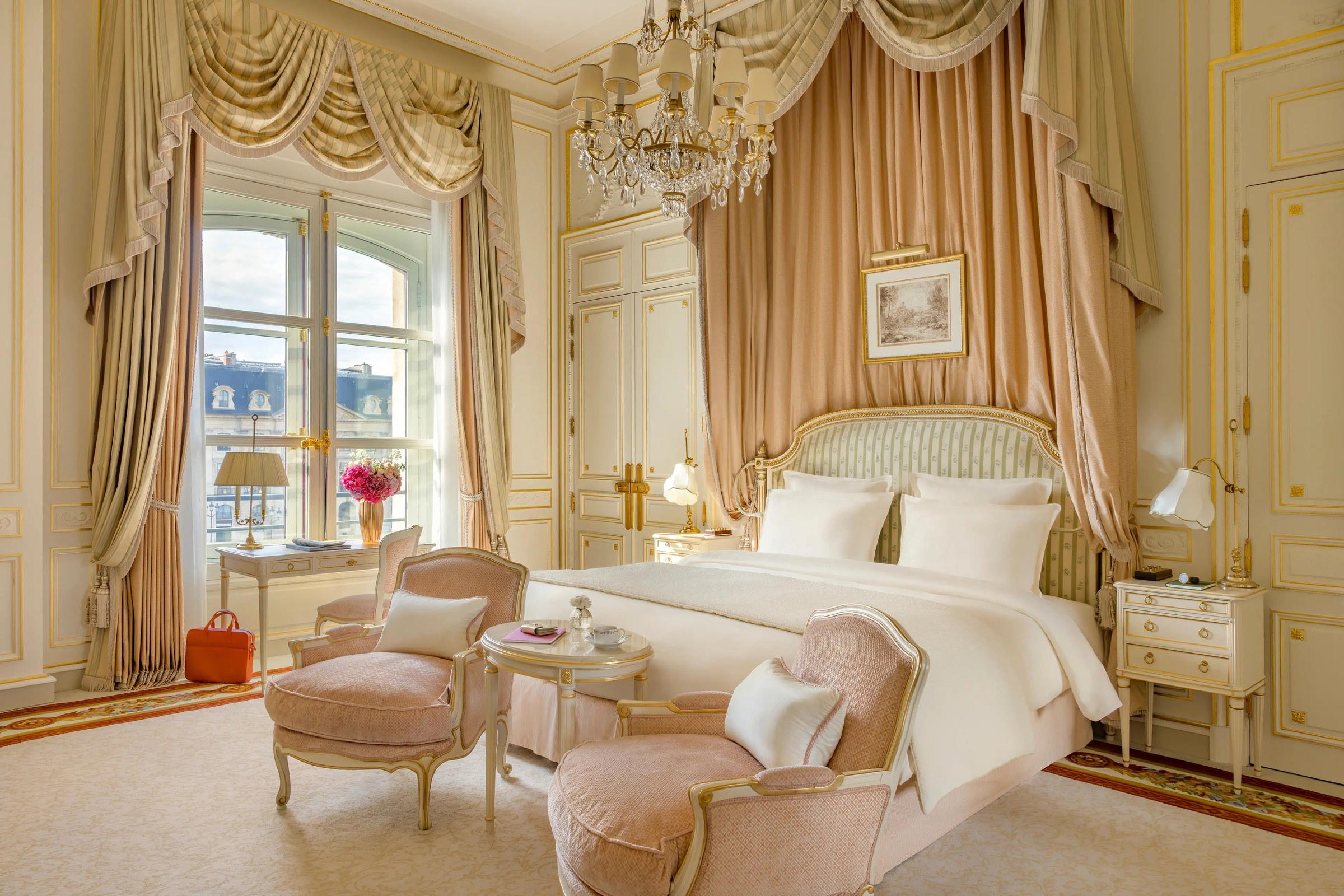
- Moroccan Inspired with Understated Elegance, High Ceilings, and Lavish Interiors
- Airport Transfer
- Available
- Pool
- Yes
- Spa
- Yes
- Families
- Welcome
- Cancellation
- Moderate
Know before you go
Know Before You Go
- Getting there
- Route Nationale 13, Oued Negro, QJXW+92
Planning details
Location
Route Nationale 13, Oued Negro, QJXW+92 · Directions
Recognition and awards

Also consider
If this is not the right fit
Try The St. Regis La Bahia Blanca Resort, Tamuda Bay if the priority is a familiar resort brand and broader hotel infrastructure. Choose Sofitel Tamuda Bay Beach and Spa if the trip needs a more value-conscious beach base.
Hotel context
How it compares in the Tamouda Bay set
Choose Banyan Tree Tamouda Bay when the priority is a contained luxury-resort stay with easy booking and a special-occasion feel. The St. Regis La Bahia Blanca Resort, Tamuda Bay is the cleaner cross-shop for travellers who prefer a large-brand resort format, while Royal Mansour Tamuda Bay is the more obvious splurge comparison if the budget allows and service depth is the main decision point.
Sofitel Tamuda Bay Beach and Spa is the practical value check: start there if price sensitivity matters more than the quietest resort mood. The Riad Tarifa and Villa Mabrouka make more sense for travellers who want a smaller, more character-led stay rather than a full resort base.
The decision is simple: book Banyan Tree Tamouda Bay for a low-friction coastal celebration, Royal Mansour for the higher-spend luxury comparison, St. Regis for familiar resort structure, Sofitel for value checking, and the smaller alternatives when ambiance matters more than resort facilities.
Explore Fnideq
Around this place
Discover more on Pearl
Unlock the full Banyan Tree Tamouda Bay guide in Pearl, including awards, comparisons, FAQs, planning details, and nearby places.
Compare Banyan Tree Tamouda Bay
| Venue | Location | Awards |
|---|---|---|
| Banyan Tree Tamouda Bay | Fnideq | 2026 Virtuoso Luxury Hotel Collection |
| The St. Regis La Bahia Blanca Resort, Tamuda Bay | Tamuda Bay | 2026 Forbes RecommendedStar Wine Lists 20262025 Forbes Recommended |
| Royal Mansour Tamuda Bay | M'diq | 2026 Virtuoso Luxury Hotel CollectionLeading Hotels of the World 20262026 Michelin 2 KeysMichelin 2 Keys 20252025 Michelin 2 Keys |
| Sofitel Tamuda Bay Beach and Spa | Tangier | No published awards |
| The Riad Tarifa | Tarifa | No published awards |
| Villa Mabrouka | Al Hoceima | 2025 Robb Report The 50 Greatest Luxury Hotels on Earth · #10 |






How Banyan Tree Tamouda Bay Fnideq compares with similar nearby venues.
FAQ
Frequently Asked Questions
How is the location of Banyan Tree Tamouda Bay?
Banyan Tree Tamouda Bay is in Fnideq. Use Fnideq as the location reference and confirm exact directions directly before travel. The Virtuoso Luxury Hotel Partner (2026) status is a useful trust signal if you care about a recognised luxury-hotel network.
Is Banyan Tree Tamouda Bay good for business travel?
If work logistics matter, confirm meeting facilities, connectivity, transport, and schedule needs directly with the hotel. Sofitel Tamuda Bay Beach and Spa is another hotel to compare when considering the wider area.
Which room category is best at Banyan Tree Tamouda Bay?
Choose only after confirming the current room options, layouts, views, and inclusions directly with Banyan Tree Tamouda Bay.
How is the pool and spa at Banyan Tree Tamouda Bay?
If those facilities are important to the trip, check directly with Banyan Tree Tamouda Bay before booking. The St. Regis La Bahia Blanca Resort, Tamuda Bay is another hotel you may want to compare for a luxury stay in the broader Tamuda Bay area.
How is the dining at Banyan Tree Tamouda Bay?
Confirm cuisine type, chef, menu format, price range, and meal-service detail directly with Banyan Tree Tamouda Bay rather than using dining as a booking reason.
How does Banyan Tree Tamouda Bay compare to other hotels?
Compare Banyan Tree Tamouda Bay primarily by name, Fnideq location, smart-casual dress code, and Virtuoso Luxury Hotel Partner recognition for 2026. Other named hotels to consider include Royal Mansour Tamuda Bay, Sofitel Tamuda Bay Beach and Spa, The Riad Tarifa, The St. Regis La Bahia Blanca Resort, Tamuda Bay, and Villa Mabrouka.