

Asia Gardens Hotel & Thai Spa
Finestrat, Finestrat (Alicante)
Hotel in Finestrat (Alicante), Spain
 Book with Pearl
The Read
Tropical Immersion on the Costa Blanca
Price
$200–300per night
Why go
Asia Gardens Hotel & Thai Spa is a practical pick for families who want a resort-style Alicante base rather than a city-first hotel. Its strongest case is convenience: pool, spa, and downtime can anchor the trip, with recognition as a Leading Hotels of the World member in 2025 adding a useful quality signal.
About Asia Gardens Hotel & Thai Spa
Asia Gardens Hotel & Thai Spa is a hotel in Finestrat (Alicante). It is best framed as a hotel option rather than a basis for assumptions about specific facilities, dining, prices, room types, or services.
The key planning details are useful: the dress code is smart casual, and Asia Gardens Hotel & Thai Spa is listed as a Leading Hotels of World Member in 2025. Travellers should confirm current operating details directly with the hotel before booking, especially for anything involving restaurants, spa access, arrival arrangements, or special requests.
A Finestrat (Alicante) hotel to assess on the basics
At its simplest, Asia Gardens Hotel & Thai Spa is a hotel in Finestrat (Alicante) with a smart-casual dress code and Leading Hotels of World membership for 2025.
If the priority is a different style of stay, compare it with named alternatives according to the trip's needs rather than assuming they serve the same purpose. Hospes Amérigo may be worth checking for a different hotel context, while SHA, SHA Spain, Nomad Hotel & Spa Altea, and VIVOOD Landscape Hotel & Spa can be considered as other hospitality comparisons. Asia Gardens Hotel & Thai Spa should be assessed on its own current information before booking.
Recognition as a Leading Hotels of World Member in 2025 gives travellers one useful reference point. That credential should not be read as a guarantee that every detail will suit every guest, so current hotel information should still guide the final decision.
Who should choose it, and who should cross-shop first
Choose Asia Gardens Hotel & Thai Spa if the basics match the trip: a hotel in Finestrat (Alicante), smart-casual expectations, and the reassurance of Leading Hotels of World membership in 2025. For anything more specific, such as facilities, restaurant details, wellness services, pricing, or opening schedules, check directly with the hotel before making those details part of the booking decision.
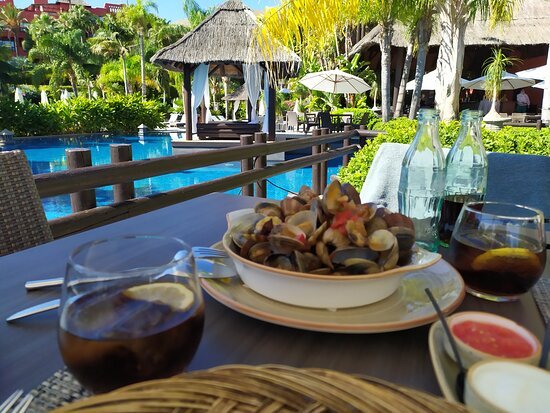
Dining should not be the deciding reason to book until current cuisine, menu format, pricing, and service details have been checked through the hotel's own channels. If meals are central to the trip, compare with other dining in Finestrat (Alicante). For broader trip planning, use current Finestrat (Alicante) hotel, dining, and experience information to decide how much time should be planned around the area.
Planning details
- Location
- Terra Mítica, Rotonda del Fuego, 03502 Finestrat, Alicante
- Website
- asiagardens.es
- Phone
- +34 966 81 84 00
The take
The Take
The Vibe
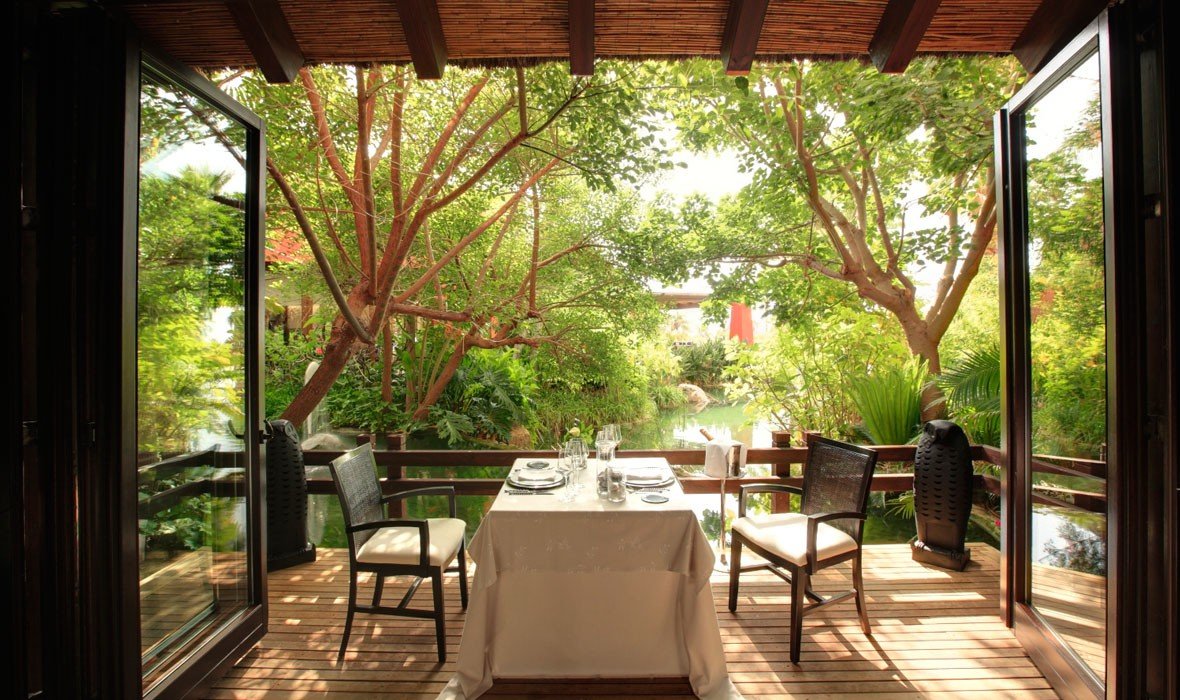
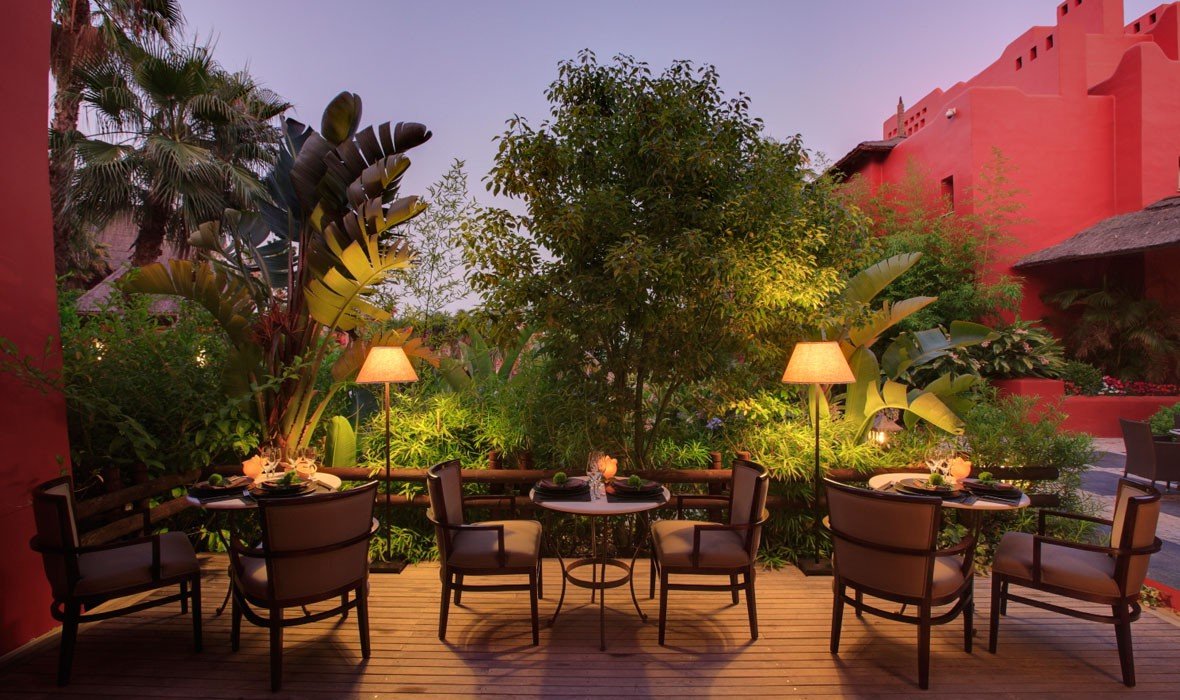
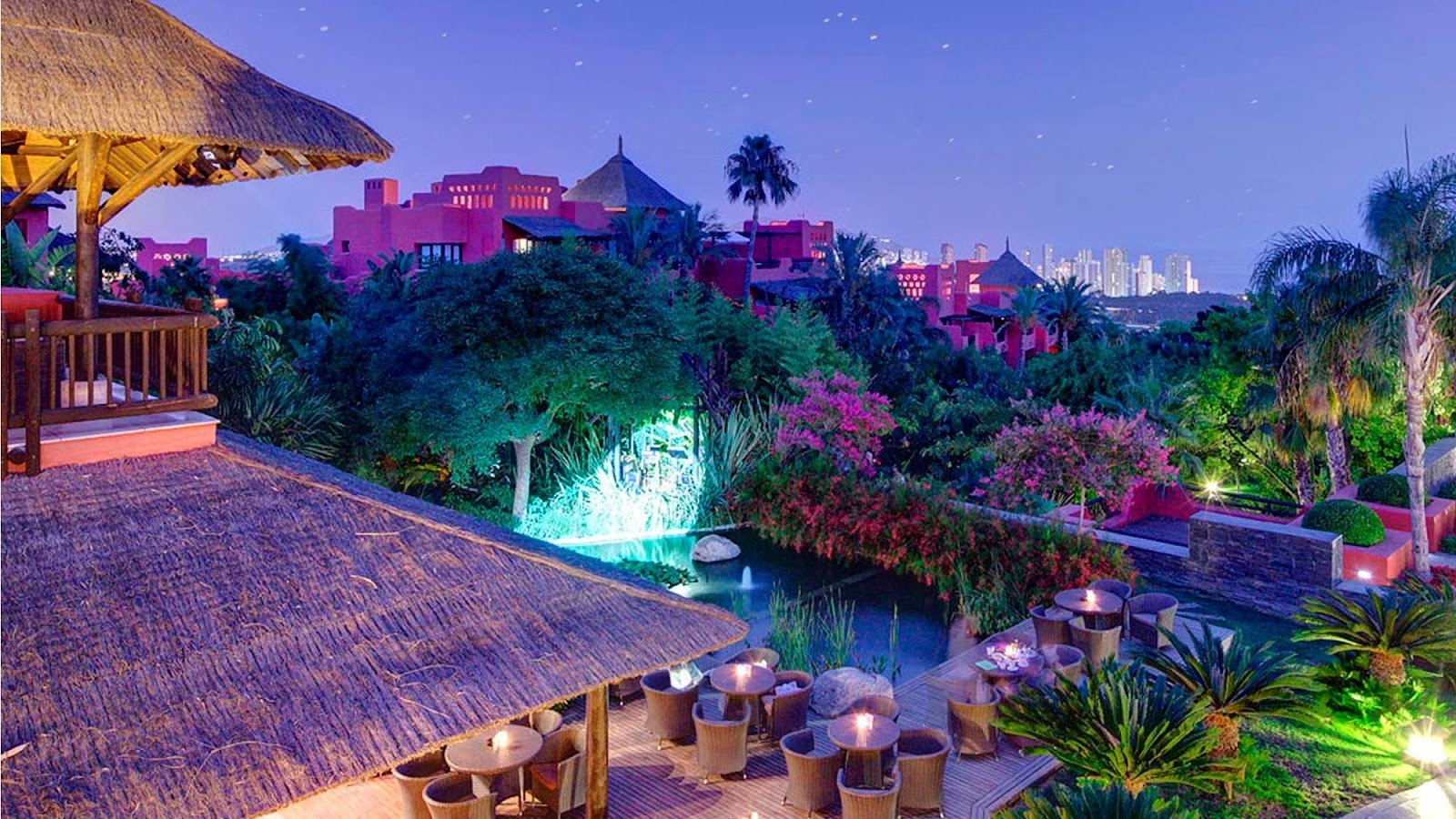
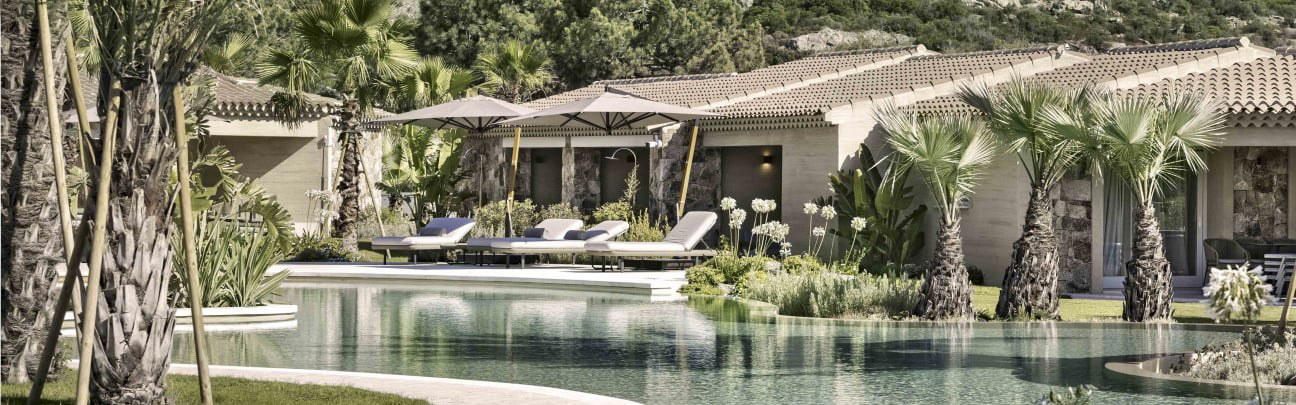
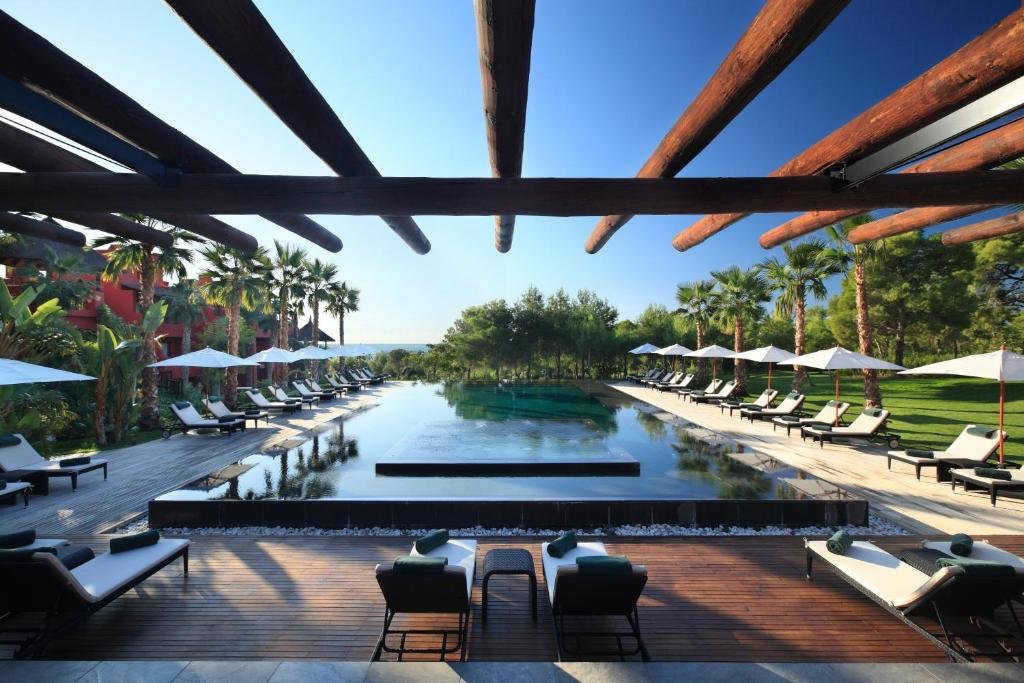
Asia Gardens reads like a Southeast Asian compound planted into the Costa Blanca: pavilion-style structures, open-air corridors and a choreography of shade, reflection pools and dense tropical planting shape movement through the grounds. The experience emphasizes sensorial transitions—water features frame arrivals and paths—so the resort feels calm and measured rather than hurried or generic. That intentional design language, sustained horticulture in a semi-arid context and membership in a global luxury collection give the hotel a composed, design-forward presence that favors relaxation and quiet contemplation over the high-density resort logic of its surroundings.
Best For
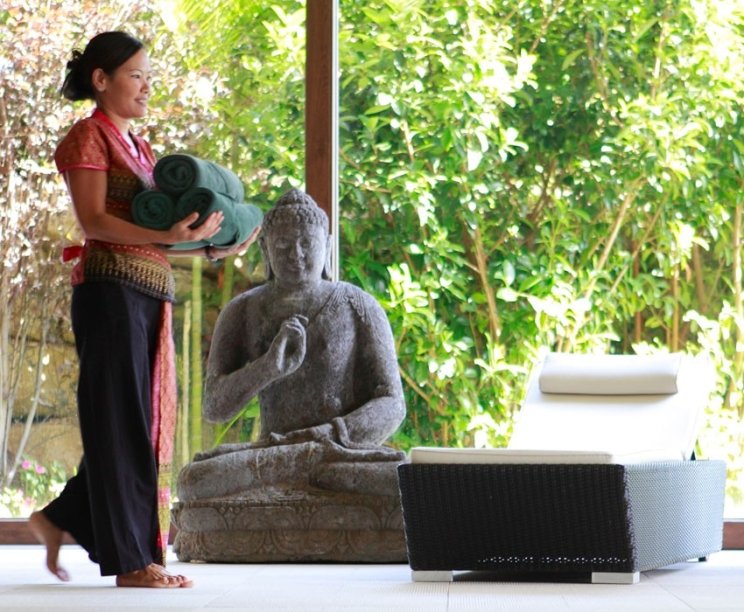
The hotel is well suited to couples and travelers seeking a restorative, scenic stay: its Thai Spa and landscaped grounds make it a natural fit for wellness-focused visits, romantic getaways and honeymoons. Because the property foregrounds private, pavilion-driven sequences and calm outdoor spaces, it also works for families who want resort-style grounds and a distinct sense of place away from the dense coastal towers below. For travelers looking for a short luxury escape on the Costa Blanca that emphasizes design, calm and spa amenities, Asia Gardens is a strong weekend destination.
Venue details
Ambiance
Tranquil and relaxing atmosphere with lush gardens, serene pools, and Balinese-style decor promoting calm and luxury.
Tags
Vibe
Best For
Experience
Amenities
View
Accessibility
About the Stay
- Rooms
- 311
- Check-in
- 16:00
- Check-out
- 12:00
- Property Style
- Asian Inspired Luxury Resort
- Design Style
- Balinese with Fine Woods and Exotic Gardens
- Pool
- Yes
- Spa
- Yes
- Families
- Welcome
- Cancellation
- Moderate
Know before you go
Know Before You Go
- Getting there
- Terra Mítica, Rotonda del Fuego, 03502 Finestrat, Alicante
Planning details
Location
Terra Mítica, Rotonda del Fuego, 03502 Finestrat, Alicante · Directions
Recognition and awards

Also consider
Also Consider
- SHA, Notable alternative
- SHA Spain, Notable alternative
- Nomad Hotel & Spa Altea, Notable alternative
- VIVOOD Landscape Hotel & Spa, Notable alternative
- Hospes Amérigo, Notable alternative
Hotel context
How It Compares
Against SHA and SHA Spain, Asia Gardens Hotel & Thai Spa reads as the more family-resort choice. SHA and SHA Spain are better cross-shops when the trip is primarily wellness-led; Asia Gardens makes more sense when children, pool time, and an easier all-day resort rhythm matter as much as spa access.
Nomad Hotel & Spa Altea is the more natural alternative for travellers who want a smaller coastal-hotel feel, while VIVOOD Landscape Hotel & Spa is a stronger fit for a quieter design-and-nature escape. Asia Gardens is the safer family recommendation when the group wants fewer moving parts and a resort setting with broader appeal across ages.
Hospes Amérigo is the clearest cross-shop for travellers who want Alicante city access instead of a resort-zone stay. Choose Hospes Amérigo for a more urban itinerary; choose Asia Gardens Hotel & Thai Spa when the hotel itself is meant to carry a meaningful share of the holiday.
Explore Finestrat (Alicante)
Around this place
Discover more on Pearl
Unlock the full Asia Gardens Hotel & Thai Spa guide in Pearl, including awards, comparisons, FAQs, planning details, and nearby places.
Compare Asia Gardens Hotel & Thai Spa
| Venue | Location | Awards |
|---|---|---|
| Asia Gardens Hotel & Thai Spa | Finestrat (Alicante) | Leading Hotels of the World 20262025 Michelin Selected Hotels |
| SHA | Albir | No published awards |
| SHA Spain | Alicante | No published awards |
| Nomad Hotel & Spa Altea | Altea | No published awards |
| VIVOOD Landscape Hotel & Spa | Benimantell | 2026 Mr & Mrs Smith Luxury Hotels2026 Michelin 1 Key2025 Michelin 1 Key2024 Michelin 1 Key |
| Hospes Amérigo | Alicante | No published awards |


How Asia Gardens Hotel & Thai Spa compares with similar nearby venues.
FAQ
Frequently Asked Questions
When is the best time to book Asia Gardens Hotel & Thai Spa?
If your dates are fixed, confirm availability and current booking terms directly with Asia Gardens Hotel & Thai Spa in Finestrat (Alicante). If you are comparing hotels, Hospes Amérigo, Nomad Hotel & Spa Altea, SHA, SHA Spain, and VIVOOD Landscape Hotel & Spa may be useful reference points for different styles of stay.
How is the pool and spa at Asia Gardens Hotel & Thai Spa?
The hotel name includes Thai Spa, but guests should confirm current spa, pool, treatment, facility, and access details directly with Asia Gardens Hotel & Thai Spa before booking around spa or leisure plans.
What is check-in like at Asia Gardens Hotel & Thai Spa?
Asia Gardens Hotel & Thai Spa is in Finestrat (Alicante), and guests should check the hotel's current arrival instructions before travelling. Nomad Hotel & Spa Altea can be considered as another hotel comparison, depending on the style of stay desired.
Do loyalty programs work at Asia Gardens Hotel & Thai Spa?
Asia Gardens Hotel & Thai Spa is a Leading Hotels of World Member (2025). Confirm any specific loyalty benefit, booking-channel condition, or guest privilege directly with the hotel or the relevant booking platform before relying on it. If loyalty or membership benefits matter, compare the current terms with other hotels such as SHA Spain and Hospes Amérigo as part of the planning process.