

Hotel Sahrai
Ville Nouvelle, Fez
Hotel in Fez, Morocco
 Book with Pearl
The Read
Medina-View Design Retreat
Why go
Hotel Sahrai is the Fez pick for travelers who want a polished hotel base rather than a more enclosed riad stay. Its Small Luxury Hotels of the World membership and La Liste Top Hotels 2026 score of 91 points give it credible luxury signals, but the real reason to book is practical: a smoother first-timer format for arrival, downtime, departure.
About Hotel Sahrai
Hotel Sahrai is a hotel option in Fez with two recognition signals: Small Luxury Hotels of the World membership in 2025 and a La Liste Top Hotels 2026 score of 91 points.
Use Hotel Sahrai as a Fez hotel to compare against other named options in the city, especially if external recognition matters in the booking decision. The dress code is smart casual, a practical on-property note for planning.
Choose it for confirmed recognition in Fez
The strongest reason to keep Hotel Sahrai on a shortlist is recognition. Its Small Luxury Hotels of the World membership and La Liste Top Hotels 2026 score of 91 points give travelers a clearer basis for comparison than general descriptions of style, service, cuisine, or amenities.
If you are comparing Fez stays, consider Hotel Sahrai alongside Palais Faraj Suites & Spa, Riad Fès, Riad Jardin des Biehn, Riad El Amine Fes, Fes Marriott Jnan Palace. The right choice depends on the current rates, availability, room needs, the experience each property is offering at the time of booking.
Where it sits in the Fez hotel decision
Hotel Sahrai sits in the Fez hotel set as an externally recognized property. Its accolades are useful for comparison; for details such as dining, room size, facilities, views, transfer arrangements, or service style, check the property’s current information before booking.
For value, compare actual dates and policies directly against Fes Marriott Jnan Palace, Palais Faraj Suites & Spa, Riad El Amine Fes, Riad Fès, Riad Jardin des Biehn. Choose Hotel Sahrai when its recognition, Fez location, current availability, smart-casual dress code match what you need for the trip.
Planning details
- Location
- Fes 30000
- Website
- hotelsahrai.com
- Phone
- +212 5 35 94 03 32
The take
The Take
The Vibe
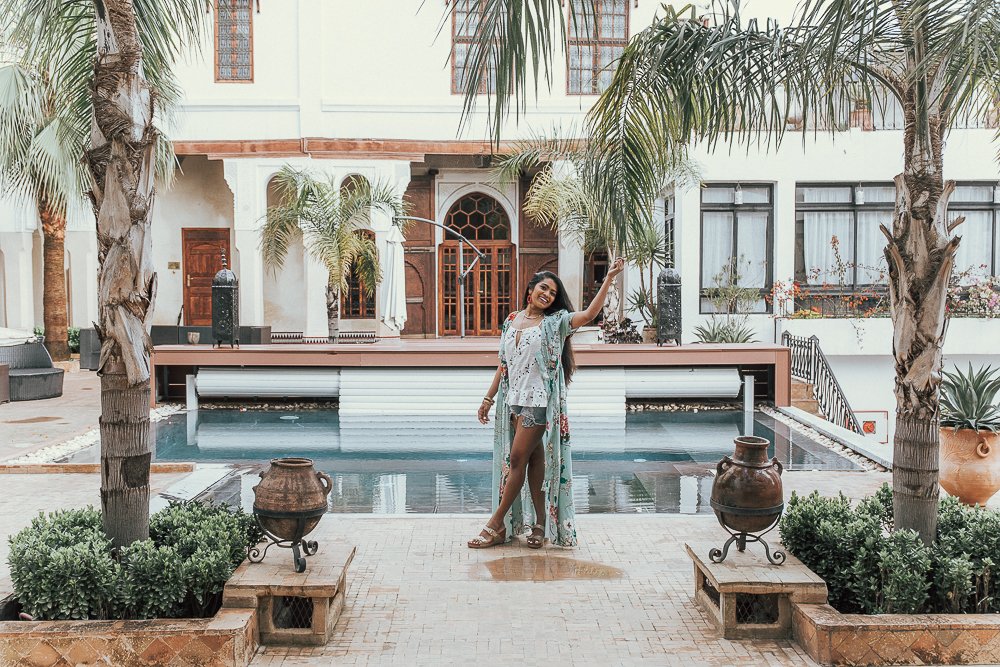
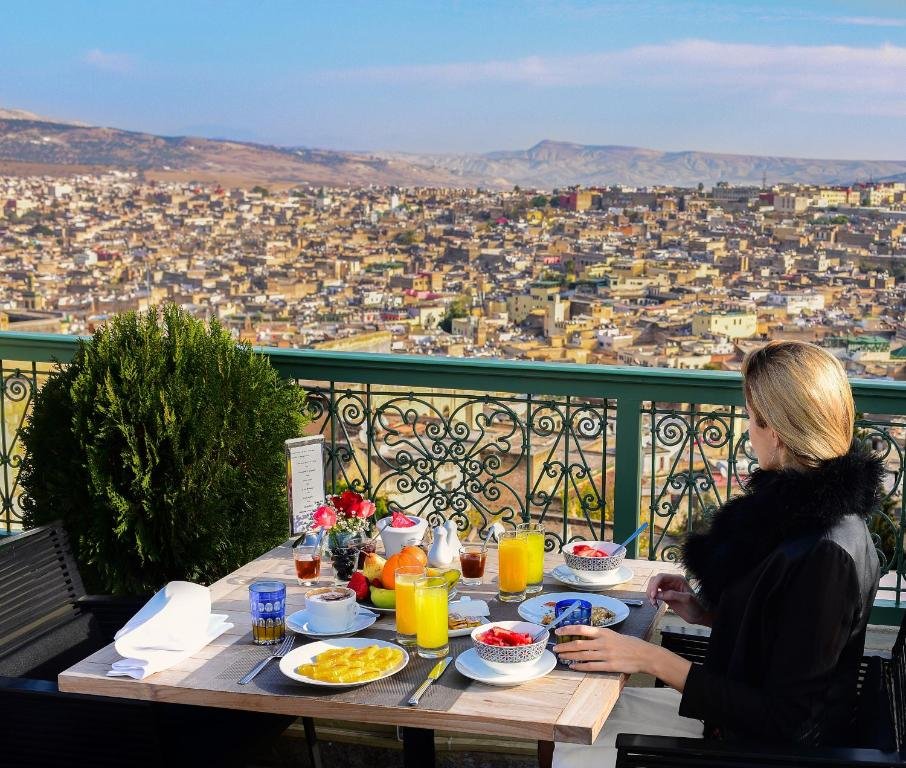
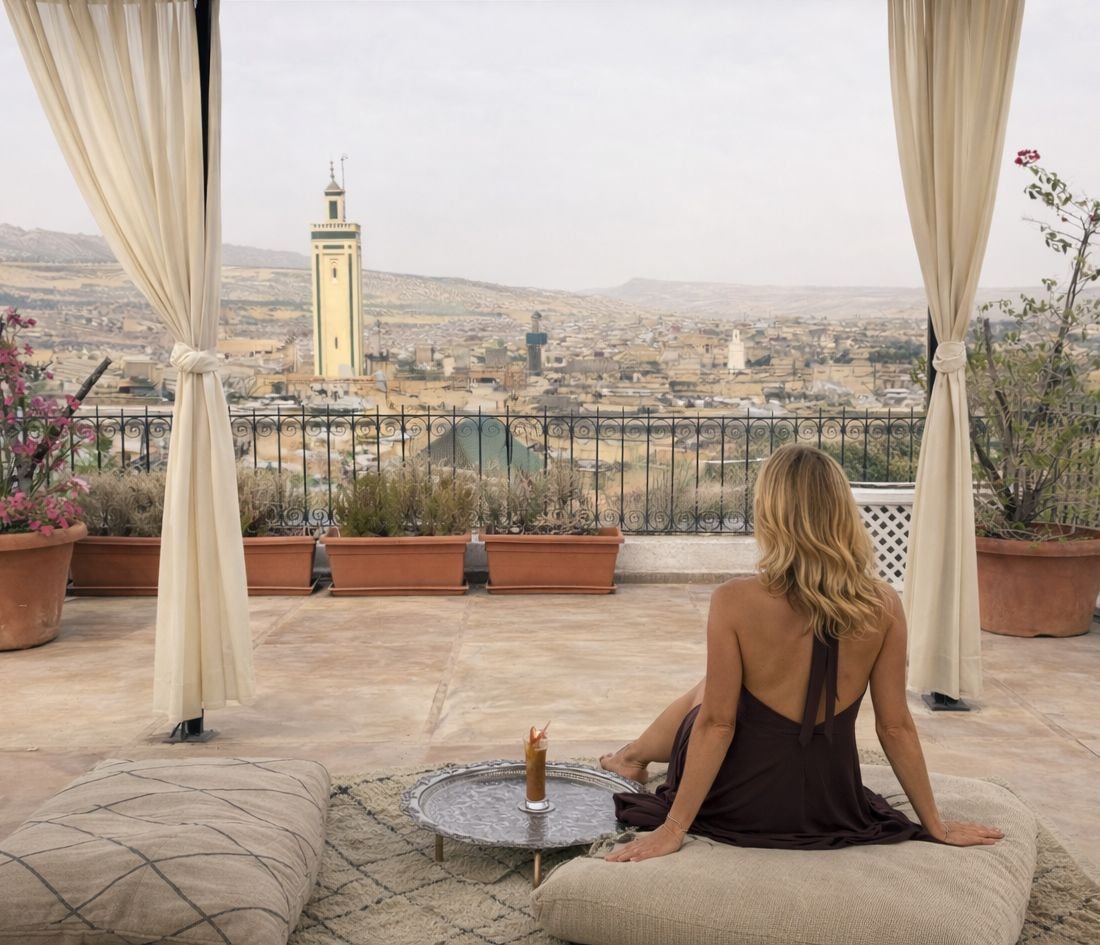
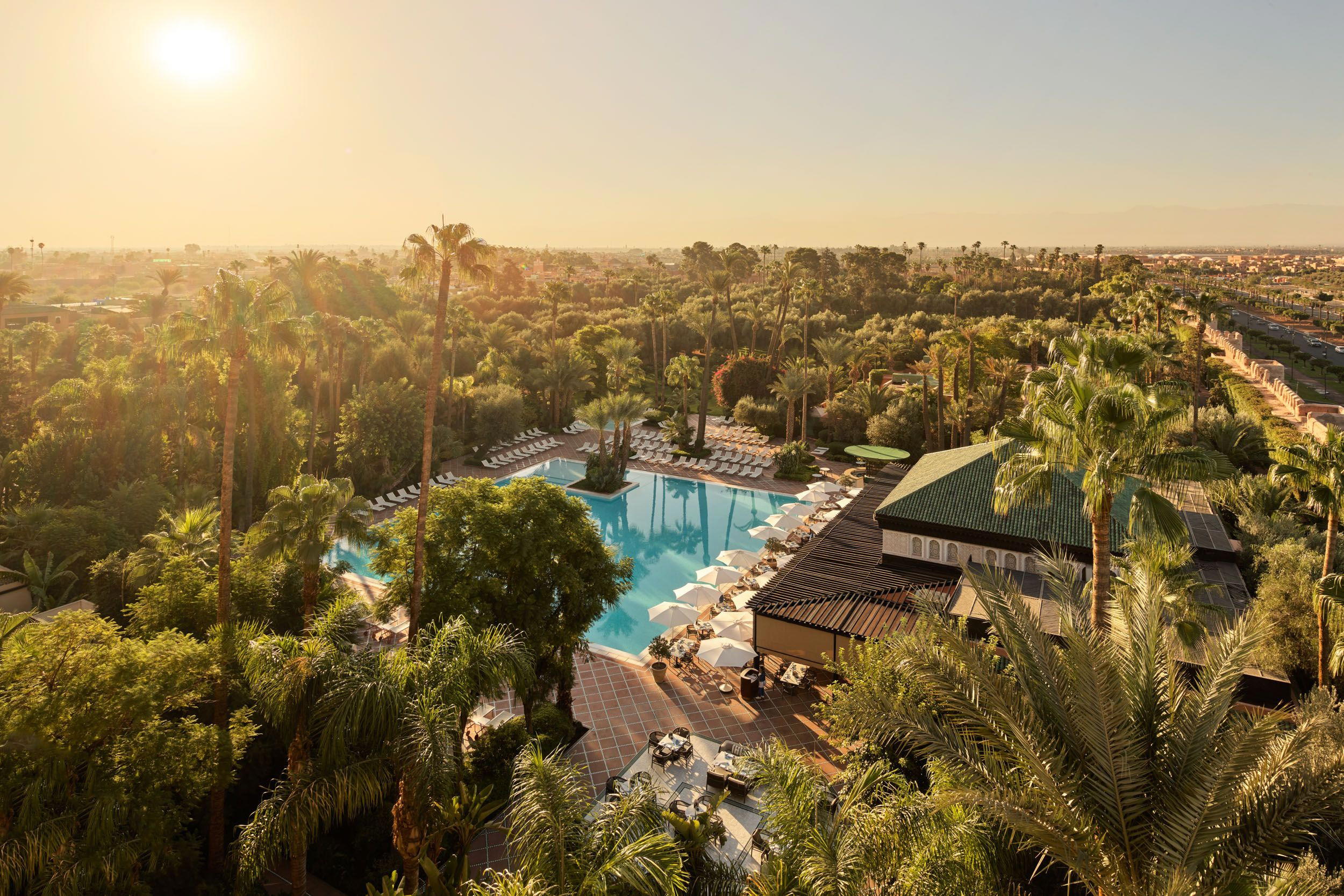
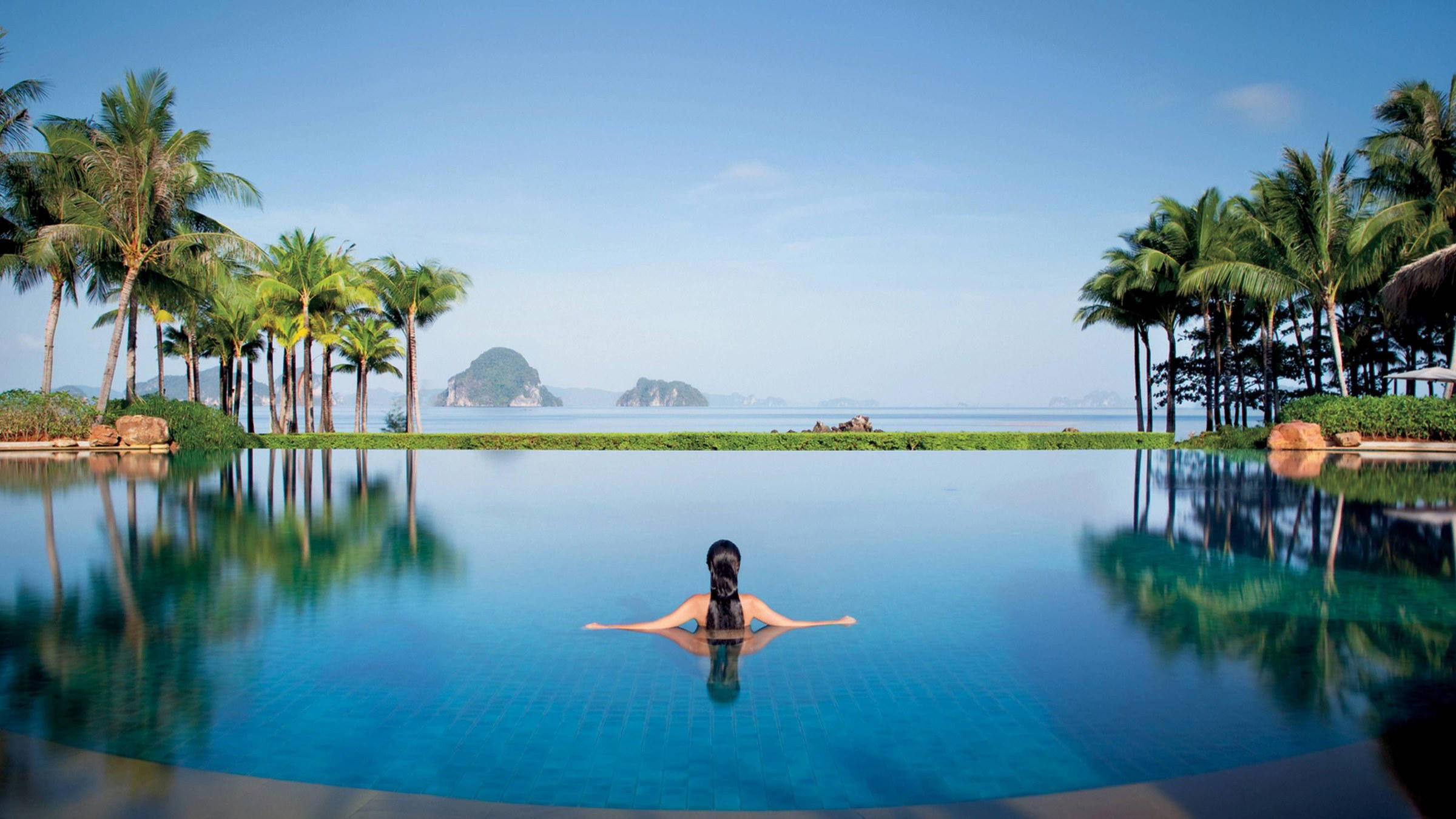
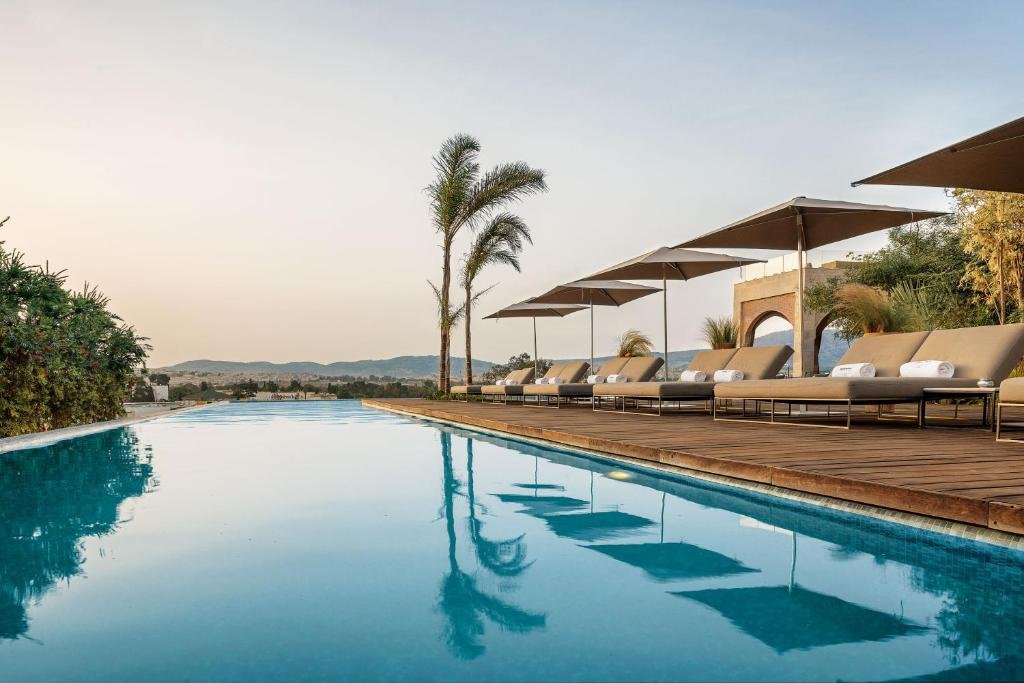
Hotel Sahrai foregrounds view and restraint. Perched above Fez’s medina, the property organizes light and open geometry to make the cityscape—minarets, tiled domes and terracotta roofs—the dominant design element. Interiors are deliberately spare, allowing selective traditional craft details to punctuate otherwise modern volumes. The result reads less like a period pastiche and more like a thoughtful contemporary composition: serene, visually driven and quietly luxurious. Guests experience the city through framed panoramas rather than recreated historic motifs, so the hotel feels like a vantage point as much as a place to stay.
Best For
Sahrai is best for travelers who prize architecture, views and a quietly elevated stay. Its hillside siting and insistence on panorama make it an especially good pick for couples on romantic getaways, honeymoons or anniversaries who want memorable vistas rather than riad-style intimacy. The property’s placement in La Liste’s 2026 Leading Hotels ranking further positions it for guests seeking a wellness-leaning, design-focused retreat: the tone and discipline of the hotel appeal to those booking a restorative stay informed by aesthetics and place.
Venue details
Ambiance
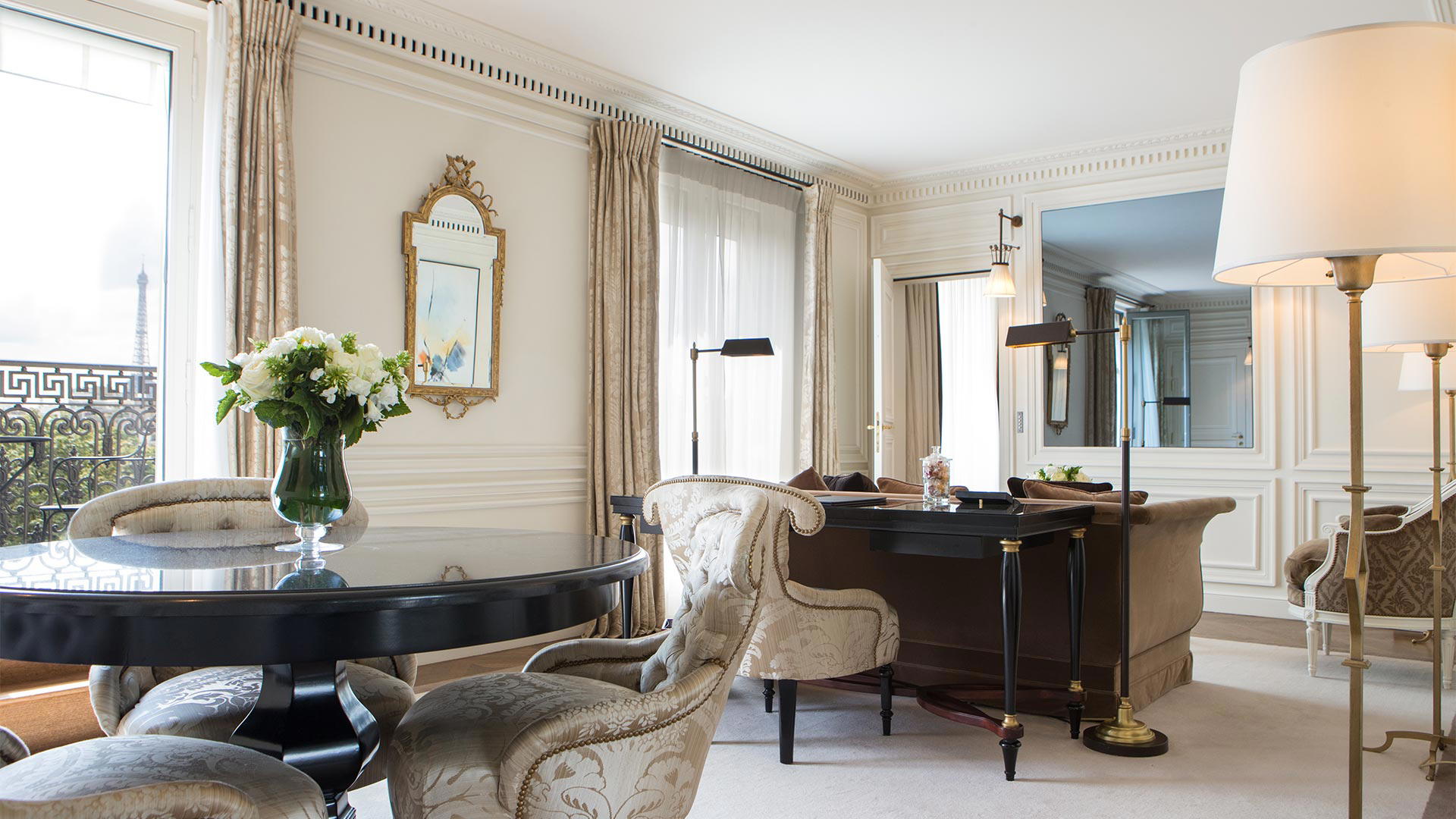
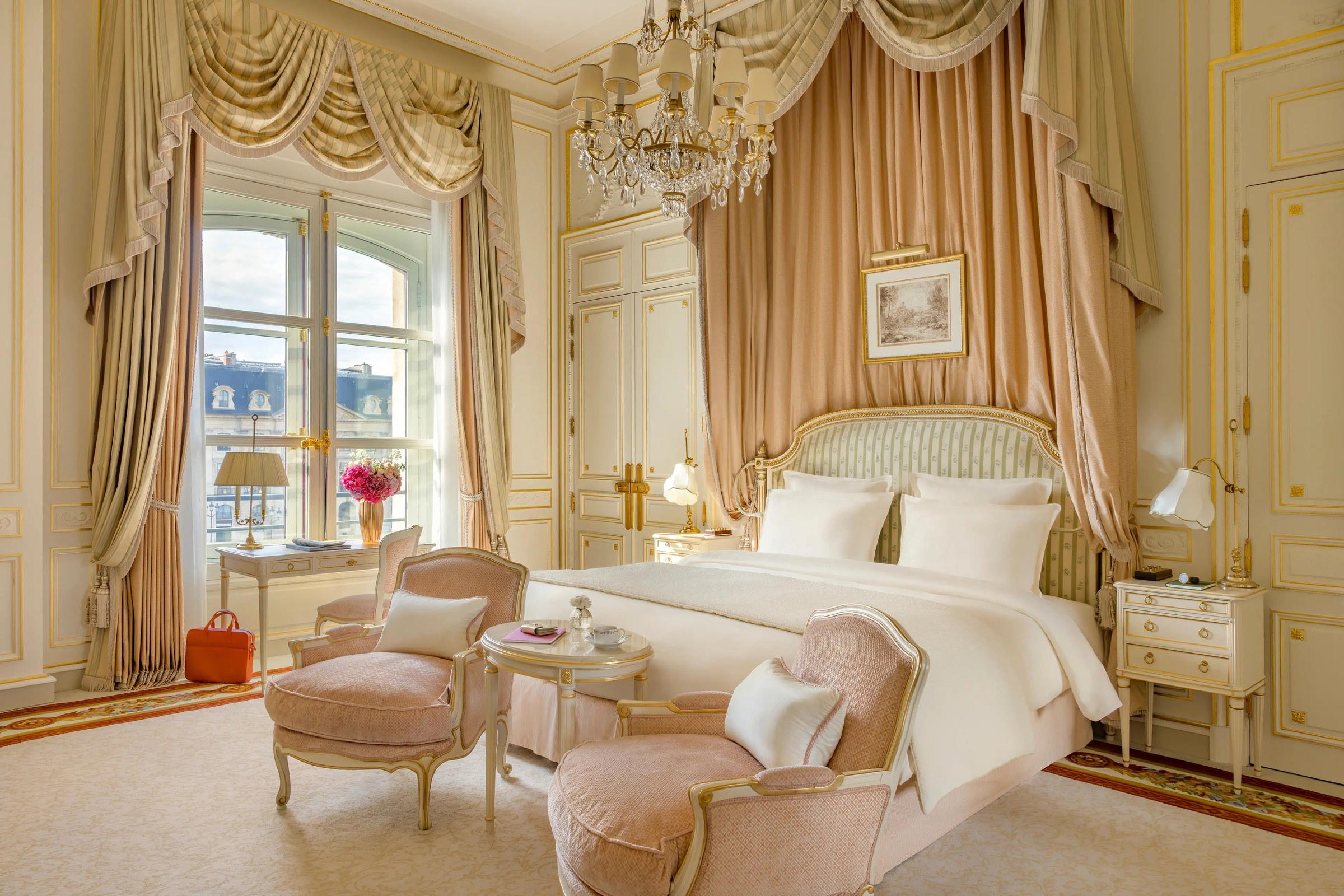
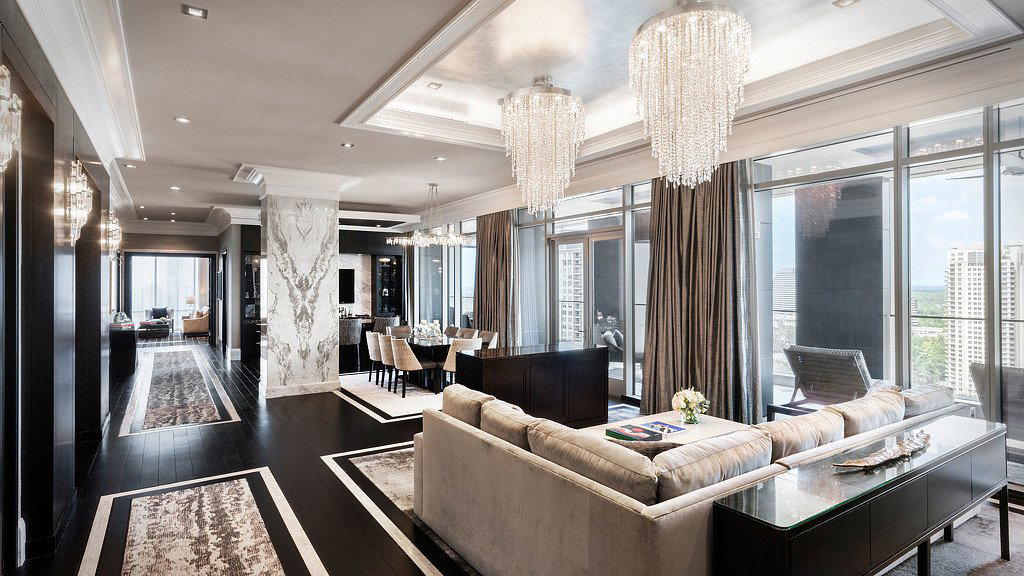
Contemporary and refined with minimalist white and pale brick interiors, warm lantern lighting, and a lively rooftop atmosphere enhanced by visiting DJs on weekends; public areas are modern and elegant while maintaining traditional Moroccan design elements.
Tags
Vibe
Best For
Experience
Amenities
View
Accessibility
About the Stay
- Rooms
- 50
- Check-in
- 15:00
- Check-out
- 11:00
- Property Style
- Contemporary Boutique Hotel Blending Modern Minimalist Design with Traditional Moroccan Architectural Elements and Craftsmanship, Positioned as a Sophisticated Retreat From Cultural Sightseeing.
- Design Style
- Clean Modernist Aesthetic with Minimalist White and Pale Brick, Floor to Ceiling Windows, Hand Painted Moroccan Accents, Designer Furnishings by Christophe Pillet, and Traditional Mashrabiya Latticework Integrated Into Contemporary Spaces.
Planning details
Location
Recognition and awards


Also consider
Where to look if this is not the right fit
Choose Palais Faraj Suites & Spa if the trip needs more Fez atmosphere without giving up a higher-comfort hotel feel. Choose Fes Marriott Jnan Palace if brand familiarity and a more conventional hotel setup matter more than boutique positioning.
Hotel context
How Hotel Sahrai compares in Fez
Hotel Sahrai is the practical luxury pick in this group: choose it if a smoother hotel format matters more than sleeping inside a traditional riad. Fes Marriott Jnan Palace is the safer-feeling choice for travelers who want a familiar international hotel style, while Hotel Sahrai has the stronger boutique-luxury signal through Small Luxury Hotels of the World membership and its La Liste Top Hotels 2026 score.
Palais Faraj Suites & Spa is the better cross-shop if the stay should feel more tied to Fez's historic atmosphere. Riad Fès, Riad El Amine Fes, Riad Jardin des Biehn make more sense for travelers who actively want a smaller riad format. Hotel Sahrai is the better recommendation for first-timers who want fewer logistics around arrival, luggage, departure.
Booking difficulty is assigned as easy here, so it is less stressful than properties where the appeal depends on a small number of highly specific rooms. For value, compare the total trip need: if Fez is one stop in a broader Morocco itinerary, Hotel Sahrai is easier to justify; if the hotel itself is meant to deliver the old-city mood, cross-shop the riads first.
Explore Fez
Around this place
Discover more on Pearl
Unlock the full Hotel Sahrai guide in Pearl, including awards, comparisons, FAQs, planning details, and nearby places.
Compare Hotel Sahrai
| Venue | Location | Awards |
|---|---|---|
| Hotel Sahrai | Fez | 2026 La Liste Top HotelsSmall Luxury Hotels Member 2025 |
| Fes Marriott Jnan Palace | Fès | No published awards |
| Palais Faraj Suites & Spa | Fez | No published awards |
| Riad El Amine Fes | Fès | No published awards |
| Riad Fès | Fès | 2026 Virtuoso Luxury Hotel Collection2026 Mr & Mrs Smith Luxury Hotels2026 Relais Chateaux Hotels2025 Michelin 1 Key2025 Relais Chateaux Award |
| Riad Jardin des Biehn | Fès | No published awards |



How Hotel Sahrai Fez compares with similar nearby venues.
FAQ
Frequently Asked Questions
How is the location of Hotel Sahrai?
How is the dining at Hotel Sahrai?
When is the best time to book Hotel Sahrai?
If Hotel Sahrai is a priority for your Fez trip, compare live availability and rates directly, especially because it has Small Luxury Hotels of the World membership and a La Liste Top Hotels 2026 score of 91 points.
Is Hotel Sahrai good for business travel?
For business travel, weigh Hotel Sahrai’s Fez location, smart-casual dress code, Small Luxury Hotels of the World membership, La Liste Top Hotels 2026 score of 91 points against your meeting schedule, workspace needs, transport plans.
How does Hotel Sahrai compare to nearby hotels?
Compare Hotel Sahrai with Fes Marriott Jnan Palace, Palais Faraj Suites & Spa, Riad El Amine Fes, Riad Fès, Riad Jardin des Biehn using current rates, availability, policies, the experience each property is presently offering. The distinction for Hotel Sahrai is its recognition.
Do loyalty programs work at Hotel Sahrai?
Hotel Sahrai is a Small Luxury Hotels of the World member. Confirm booking benefits and earning rules through the relevant official booking channel before reserving.
Which room category is best at Hotel Sahrai?
Choose based on current availability, budget, cancellation terms, the details shown on the hotel’s official booking channels.