
Inn at Carnall Hall
University of Arkansas Campus, Fayetteville
Hotel in Fayetteville, United States
 Book with Pearl
The Read
Price
$100–200per night
Why go
Inn at Carnall Hall is the Fayetteville pick for travelers who want a boutique stay tied closely to the University of Arkansas area. Its clearest credibility marker is World Travel Awards 2025 recognition as Arkansas' Leading Boutique Hotel; cross-shop Graduate by Hilton Fayetteville for a more familiar campus-hotel format.
About Inn at Carnall Hall
For a Fayetteville stay, Inn at Carnall Hall is a boutique-hotel contender with a notable accolade: World Travel Awards 2025 named it Arkansas' Leading Boutique Hotel.
A Fayetteville boutique stay with a real award signal
Inn at Carnall Hall has one clear trust marker: World Travel Awards 2025 named it Arkansas' Leading Boutique Hotel. That is the strongest reason to put it on a Fayetteville shortlist, especially for travelers who want a stay with recognized boutique positioning rather than a purely generic choice.
Use the award and the Fayetteville location as the reliable baseline, then check the hotel's current booking channels for the practical items that matter to your trip.
Who should choose it, and who should cross-shop
Choose Inn at Carnall Hall if a Fayetteville stay with a 2025 World Travel Awards recognition is the right starting point. Graduate by Hilton Fayetteville is the most direct Fayetteville cross-shop among the comparison options. For a different base, 21c Museum Hotel, Bentonville is outside Fayetteville, while Big Cedar Lodge, Chateau on the Lake Resort Spa & Convention Center, and Hotel Vandivort may suit different trip needs.
Quick reference: strongest as a Fayetteville boutique-hotel pick with an award; cross-shop if another location, brand style, or broader trip plan matters more.
Planning details
- Location
- 465 Arkansas Ave, Fayetteville, AR 72701
- Website
- innatcarnallhall.com
The take
The Take
The Vibe
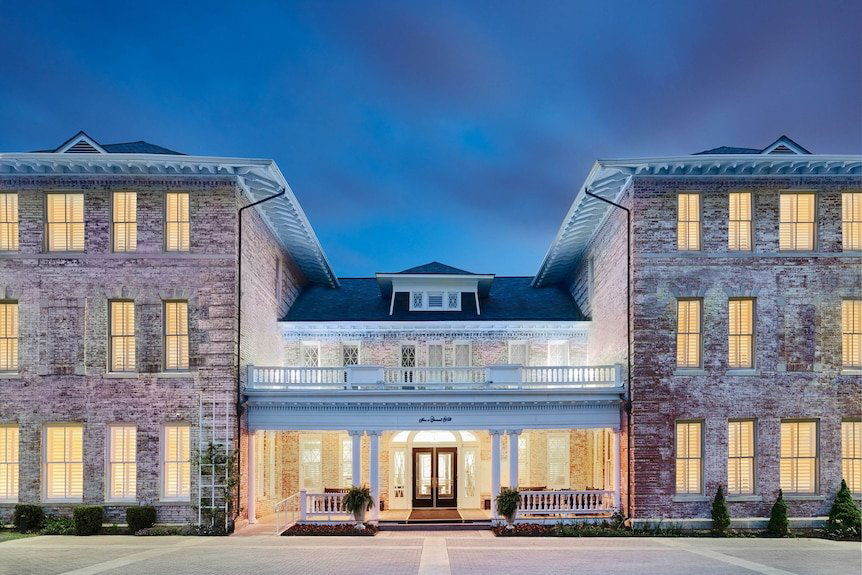
Inn at Carnall Hall reads like a campus story made habitable. The building's load-bearing brick, formal symmetry and covered entries register as deliberate, institutional gestures rather than boutique affectation, and the restoration leans into that historic fabric so the architecture itself becomes part of the guest experience. The public spaces and overall design favor restraint and permanence over trend-chasing, producing a quietly refined tone. Travelers who appreciate architectural narrative, tactile historic details and a hotel that feels like an extension of the university's visual grammar find the inn's atmosphere quietly compelling and characterful.
Best For
This inn suits visitors who prioritize context as much as comfort: alumni and campus guests who want to stay within the university's architectural story, couples seeking a low-key romantic escape rooted in place, and travelers who prize boutique recognition in a market with few standalone alternatives. Because the property is a restored campus building that earned regional boutique-hotel acclaim, it also appeals to travelers interested in design-minded stays and to academics or conference attendees looking for lodging that feels substantive rather than generic. The inn is especially apt for short weekend visits and anniversary getaways tied to the university calendar.
Stay Tips
Book with an eye to the academic calendar: campus events and commencement weekends can drive demand, so reserve early for peak dates. Treat the stay as an opportunity to engage the building itself: ask staff about the restoration choices and the property's history if that context matters to you. Because the inn emphasizes historic fabric and architectural presence rather than contemporary spectacle, prioritize room options that preserve period character if offered, and expect a restrained, heritage-driven service style rather than a flashy, trend-forward program. Confirm cancellation and event policies around university gatherings.
Venue details
Ambiance
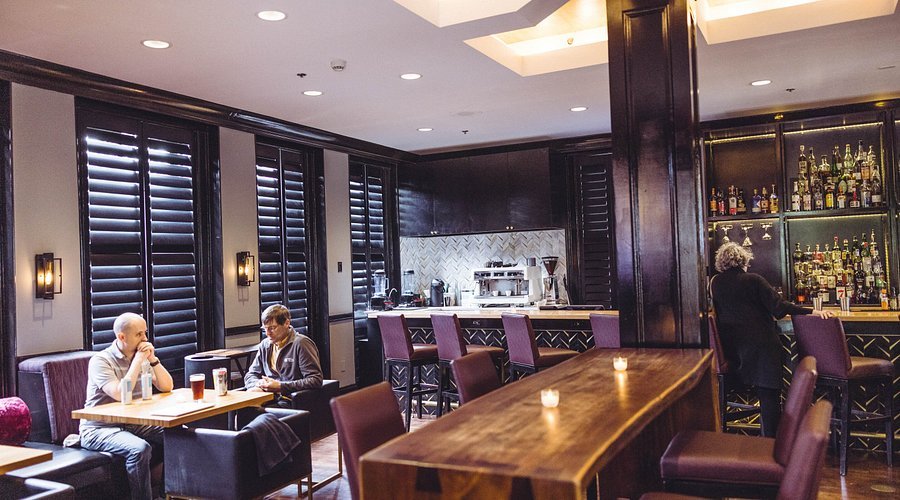
Graceful historic atmosphere with nostalgic charm, airy cheerful rooms, plush beds, cozy lounge, and relaxing porches overlooking green lawns.
Tags
Vibe
Best For
Experience
Amenities
View
Accessibility
About the Stay
- Rooms
- 49
- Check-in
- 15:00
- Check-out
- 11:00
- Property Type
- Boutique hotel
- Property Style
- Historic Boutique Inn on University Campus
- Design Style
- Classic Elegant with Architectural Details and Modern Comforts
Know before you go
Know Before You Go
- Getting there
- 465 Arkansas Ave, Fayetteville, AR 72701
Planning details
Location
465 Arkansas Ave, Fayetteville, AR 72701 · Directions
Recognition and awards

Also consider
Where to look if this is not the right fit
If Fayetteville access still matters, cross-shop Graduate by Hilton Fayetteville. If the trip shifts toward Bentonville, 21c Museum Hotel, Bentonville is the cleaner alternative.
Hotel context
How it compares in Fayetteville and nearby
Inn at Carnall Hall is the more character-led Fayetteville choice, while Graduate by Hilton Fayetteville is the easier default if brand familiarity and a campus-hotel rhythm matter more. For a first University of Arkansas trip, start with these two before widening the search.
21c Museum Hotel, Bentonville makes more sense when the itinerary is Bentonville-heavy, while Hotel Vandivort is a stronger cross-shop for travelers willing to base outside Fayetteville for a different downtown feel. Neither is the practical first choice if most plans are around Arkansas Ave.
For resort amenities, look beyond Fayetteville: Big Cedar Lodge and Chateau on the Lake Resort Spa & Convention Center are better fits for travelers prioritizing a resort-style stay over campus access. Choose Inn at Carnall Hall when Fayetteville itself is the reason for the trip.
Explore Fayetteville
Around this place
Discover more on Pearl
Unlock the full Inn at Carnall Hall guide in Pearl, including awards, comparisons, FAQs, planning details, and nearby places.
Compare Inn at Carnall Hall
| Venue | Location | Awards |
|---|---|---|
| Inn at Carnall Hall | Fayetteville | World Travel Awards 2025 |
| Graduate by Hilton Fayetteville | Fayetteville | No published awards |
| 21c Museum Hotel, Bentonville | Bentonville | No published awards |
| Big Cedar Lodge | Oliver | No published awards |
| Chateau on the Lake Resort Spa & Convention Center | Branson | No published awards |
| Hotel Vandivort | Springfield | No published awards |
How Inn at Carnall Hall Fayetteville compares with similar nearby venues.
FAQ
Frequently Asked Questions
When is the best time to book Inn at Carnall Hall?
If your dates are fixed, compare availability early and check the current booking terms directly. The World Travel Awards 2025 recognition is a useful boutique-hotel trust signal, and Graduate by Hilton Fayetteville is a natural Fayetteville comparison.
How is the location of Inn at Carnall Hall?
Inn at Carnall Hall is in Fayetteville. For location planning, use the hotel's current official listing and your own itinerary. For a different kind of trip, Chateau on the Lake Resort Spa & Convention Center may be worth comparing separately.
Is Inn at Carnall Hall good for business travel?
It may be worth considering for a Fayetteville business stay if a boutique hotel is what you want. If you need business amenities, meeting-space details, or loyalty-program information, check those details before booking. The World Travel Awards 2025 recognition adds a useful trust signal. If you need a different setup, compare it with Hotel Vandivort or Chateau on the Lake Resort Spa & Convention Center based on your specific requirements.
How does Inn at Carnall Hall compare to other hotels?
Choose Inn at Carnall Hall if a Fayetteville stay with 2025 World Travel Awards recognition is appealing. Graduate by Hilton Fayetteville is the easiest Fayetteville comparison among the listed options, while 21c Museum Hotel, Bentonville is a better fit if you want a base outside Fayetteville. Big Cedar Lodge and Chateau on the Lake Resort Spa & Convention Center are broader comparison points, so check which setting and services fit your trip.
Do loyalty programs work at Inn at Carnall Hall?
If points, elite benefits, or brand-program perks matter, check directly before booking and compare with Graduate by Hilton Fayetteville where relevant. For Inn at Carnall Hall, judge the stay on the Fayetteville location and the boutique-hotel recognition.
How is the pool and spa at Inn at Carnall Hall?
Do not assume pool or spa amenities are part of the stay without checking the hotel's current official information. If wellness amenities are central to the trip, compare current details for Big Cedar Lodge or Chateau on the Lake Resort Spa & Convention Center.