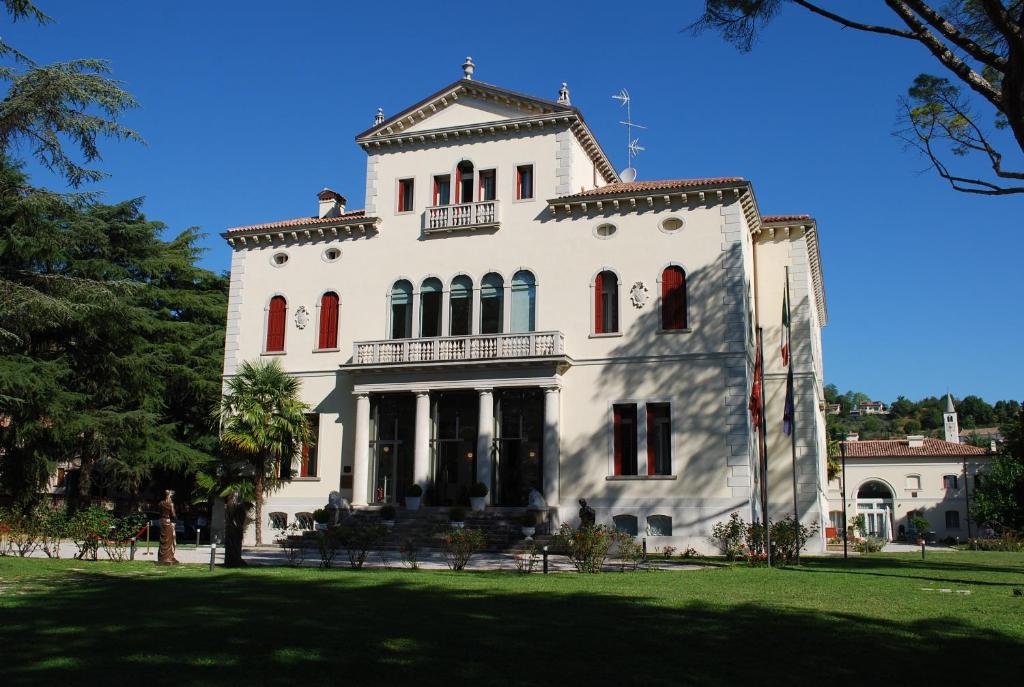

Villa Soligo
Farra di Soligo
Hotel in Farra di Soligo, Italy
 Book with Pearl
The Read
Palladian Estate Revival
Why go
Villa Soligo is a sensible Prosecco-country hotel for travelers who want a calm Farra di Soligo base with a service-led feel. Its Small Luxury Hotels of the World membership in 2025 gives it a stronger quality signal than a generic countryside stay, though travelers chasing a more destination-led hotel should compare Villa Abbazia and Albergo Al Sole.
About Villa Soligo
Villa Soligo is a venue in Farra di Soligo. It is a Small Luxury Hotels of the World member in 2025. For specific facilities, dining details, room formats, prices, or service features, travelers should confirm directly with the venue.
A Farra di Soligo venue with SLH membership
Villa Soligo is best considered by travelers who specifically want Farra di Soligo and value a venue with a recognized hospitality affiliation. Its Small Luxury Hotels of the World membership in 2025 is a useful trust signal.
The dress code is smart casual. For anything more specific, including dining arrangements, arrival procedures, facilities, accessibility, family services, or special requests, check the venue's official channels before booking.
Who should book it, and who should cross-shop
Book Villa Soligo if Farra di Soligo is the right base for your itinerary and you want a venue with Small Luxury Hotels of the World membership. It is a sensible shortlist choice when location and a hospitality affiliation matter more than specific details about a particular style of visit.
Cross-shop if your decision depends on a different location or a more specific type of venue. Villa Abbazia, Albergo Al Sole, Hotel Villa Cipriani, Locanda Cipriani, and Meltar Boutique Hotel may be relevant alternatives depending on the wider itinerary, but compare them on current official information rather than assumptions about shared features.
For planning around Villa Soligo, use it as the Farra di Soligo anchor and confirm the rest separately: dining, transport, and any venue services should be checked through current official sources. Quick reference: choose Villa Soligo for Farra di Soligo with Small Luxury Hotels of the World membership; cross-shop if another location or a more clearly defined brief is more important.
Planning details
- Location
- Via Guglielmo Marconi, 2, 31010 Farra di Soligo TV
- Website
- hotelvillasoligo.it
- Phone
- +39 0438 173 6929
The take
The Take
The Vibe
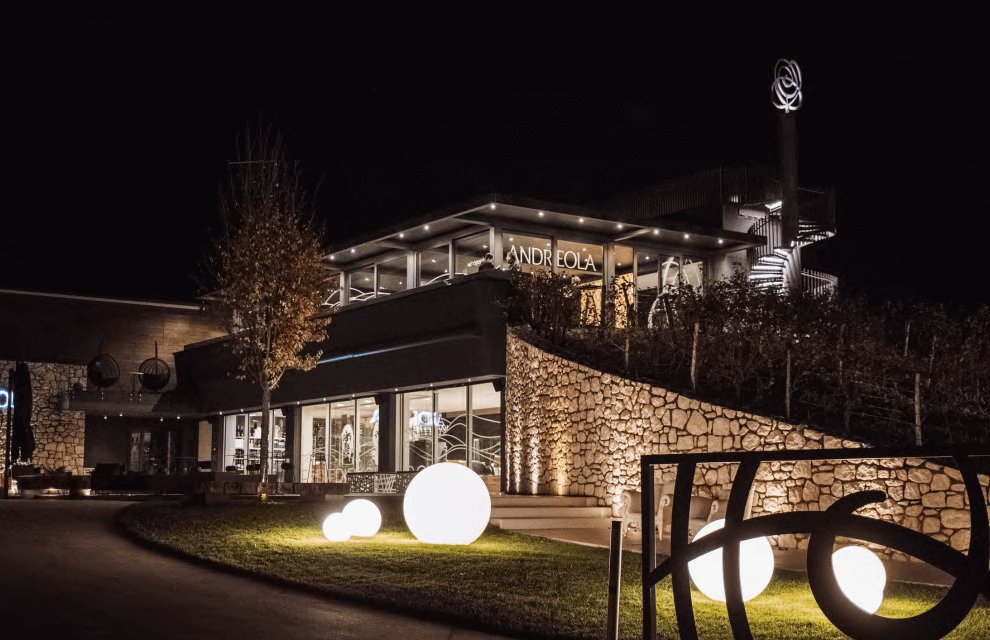
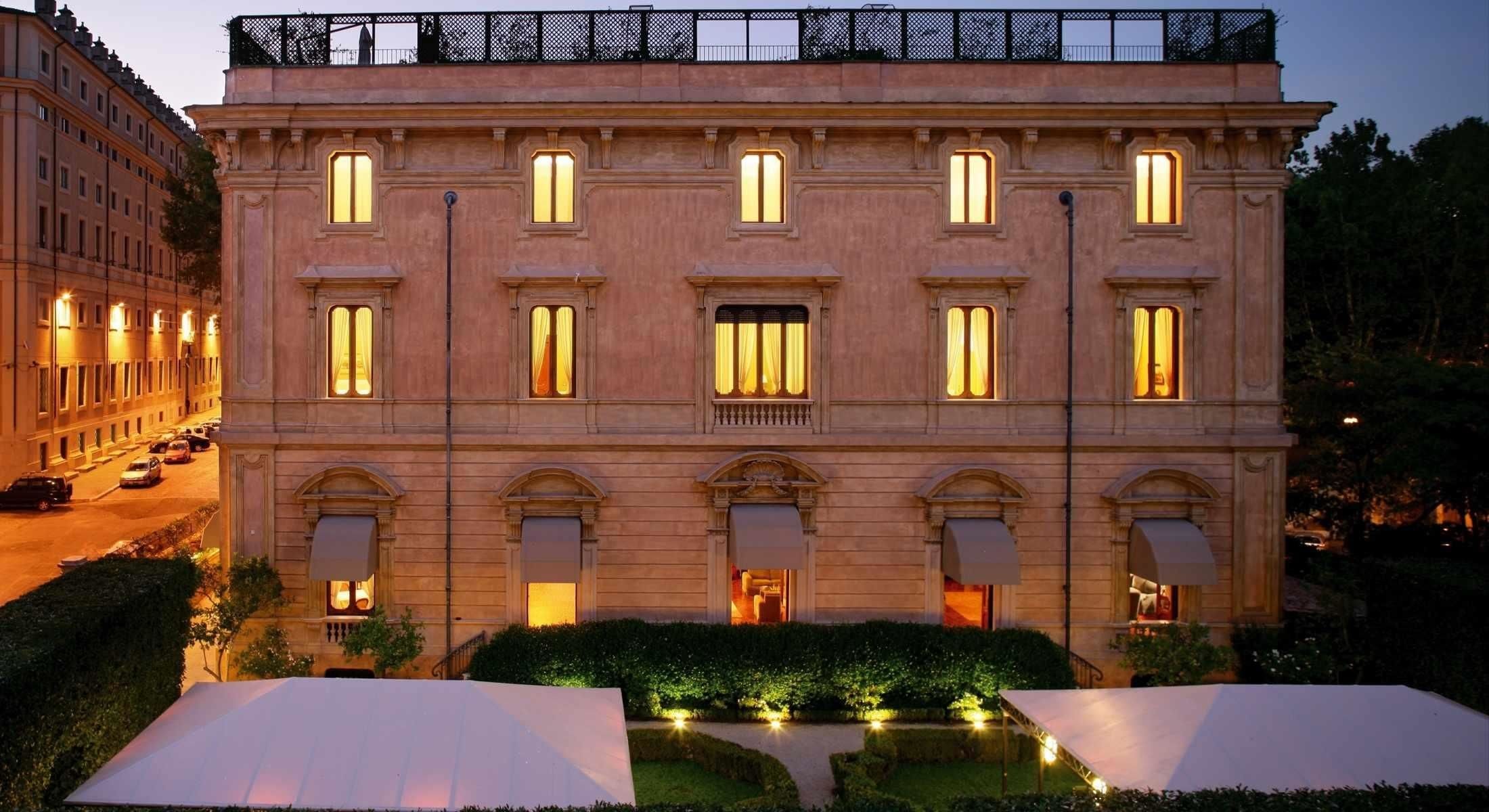
Villa Soligo presents as a quietly illustrious Palladian lodge set in the Prosecco hills. The building’s 1782 origins and classical proportions are central to the experience: symmetrical facades, measured rooms and a restoration that emphasizes architectural integrity. The property reads as a country residence of the Venetian patriciate rather than a modern resort, so the mood is refined, intimate and gentle rather than flashy. Guests encounter a serene, scenic pace that highlights the surrounding hillside vineyards and the deliberate geometry of the villa’s design, making architecture and landscape the primary points of charm.
Best For
This boutique villa is best for couples and small groups seeking a cultivated, quiet escape rooted in regional history and wine-country scenery. It is expressly suited to honeymoons, anniversaries and romantic getaways that value architecture as much as bucolic surroundings; travelers who appreciate Palladian design and the Conegliano Valdobbiadene Prosecco landscape will find the setting particularly resonant. The hotel’s intimate scale and meticulous restoration make it a strong pick for weekend escapes where the appeal is contemplative luxury rather than nightlife or large-group amenities.
Stay Tips
Book well in advance: Villa Soligo operates as a boutique property in a limited, high-demand area of the Prosecco hills, so rooms can be scarce during peak seasons. When reserving, request accommodations that face the surrounding countryside or vineyards to make the most of the site’s landscape relationship described in the hotel narrative. Note the villa’s rural setting lies roughly forty kilometres from Venice; plan transport accordingly. If architecture or vineyard views are a priority for your stay, confirm those room preferences with the property at the time of booking.
Venue details
Ambiance
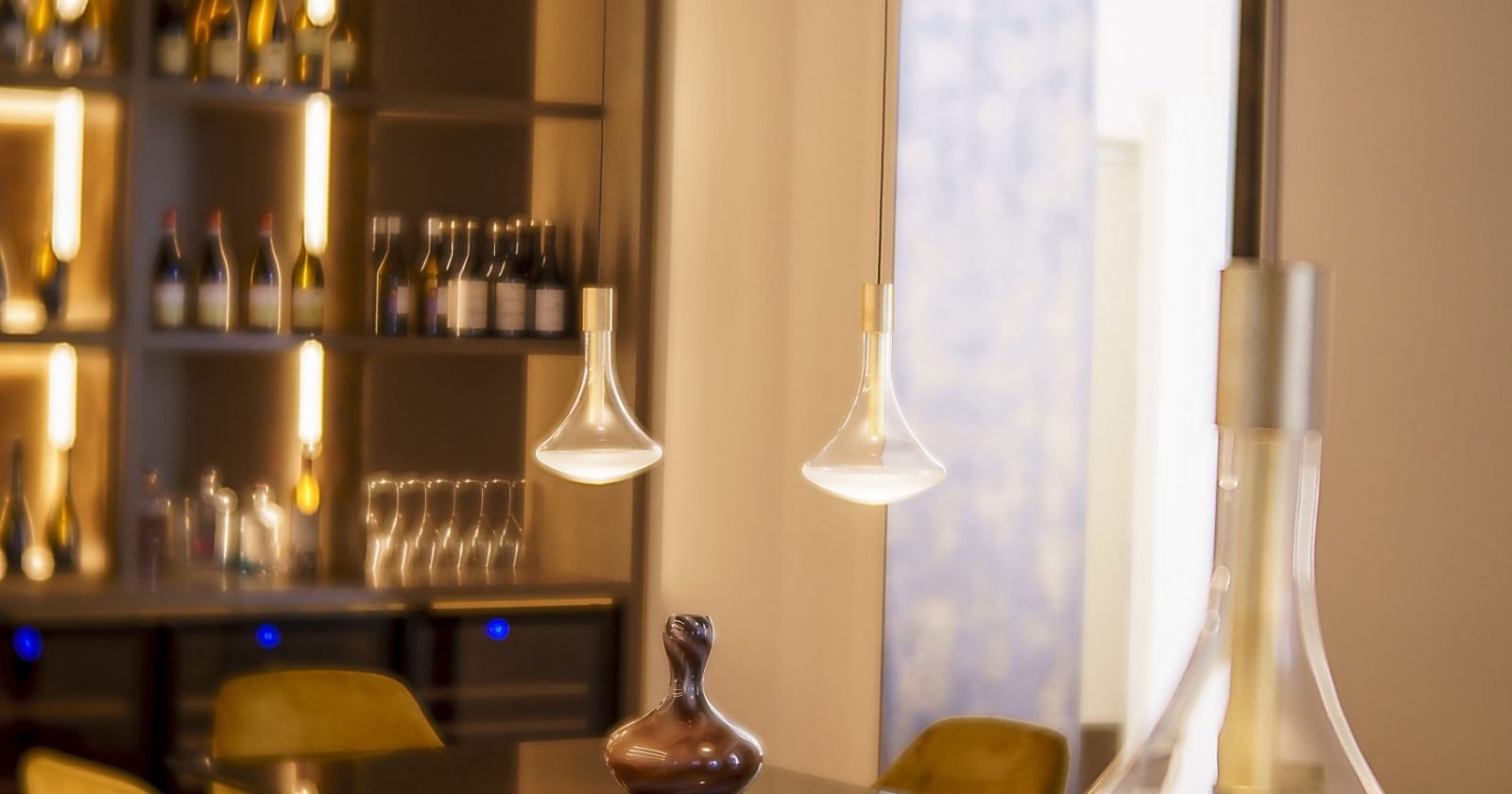
Peaceful and elegant atmosphere with neoclassical splendor, surrounded by centuries-old parkland, offering a relaxing retreat amid serene, scenic surroundings.
Tags
Vibe
Best For
Experience
Amenities
View
Accessibility
About the Stay
- Rooms
- 38
- Check-in
- 14:00
- Check-out
- 11:00
- Property Style
- Historic 18th Century Venetian Villa with Neoclassical Splendor and Extensive Parkland
- Design Style
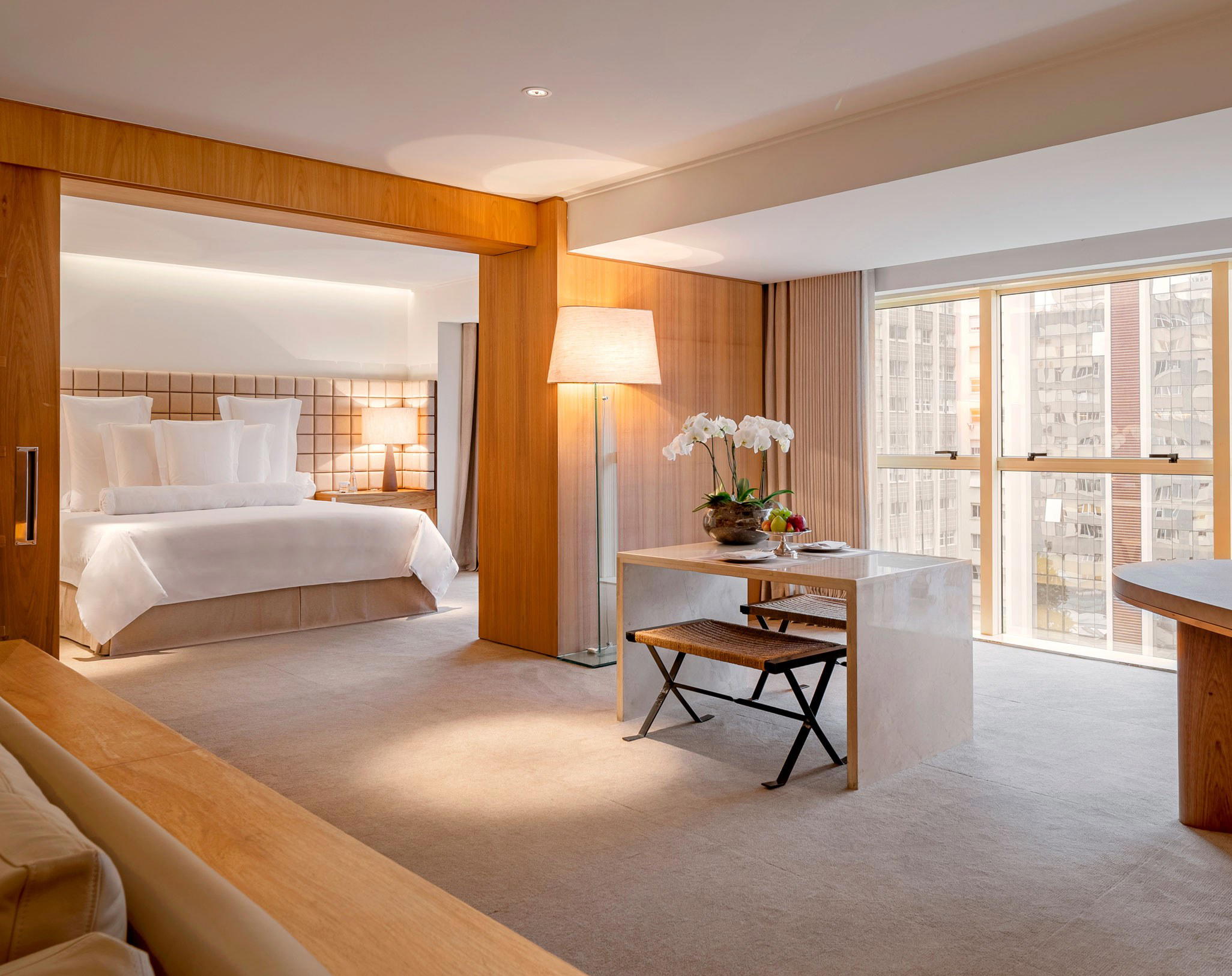
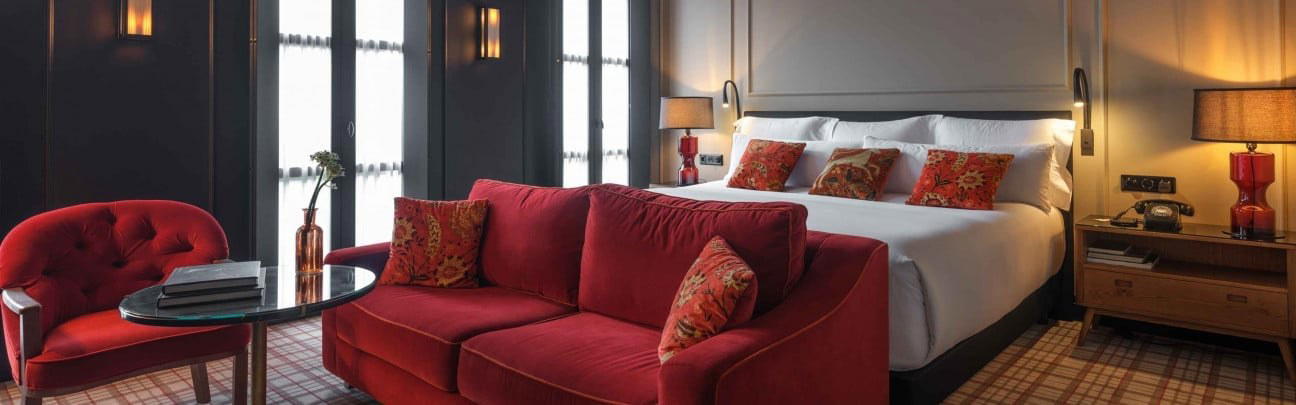
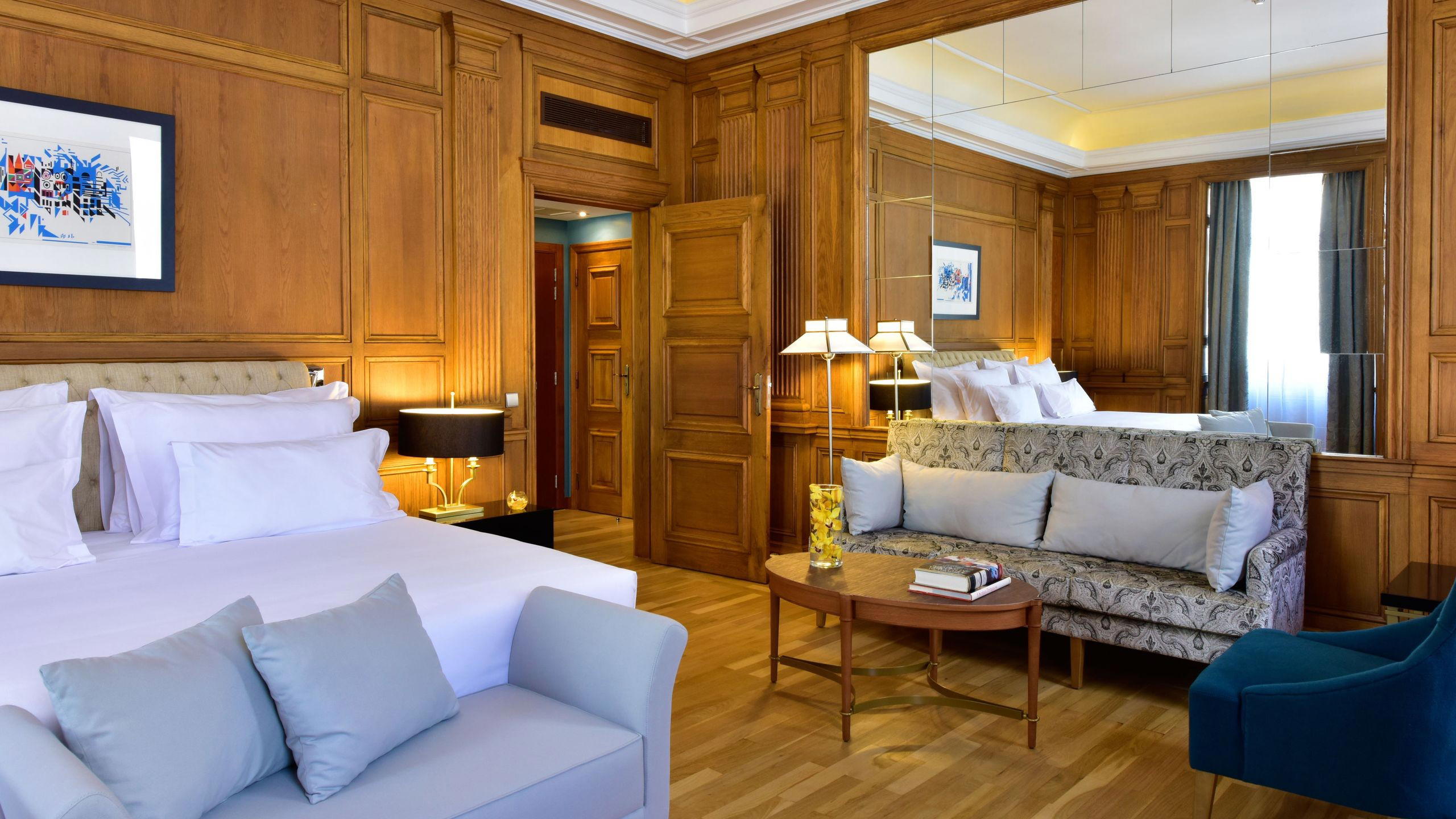
- Classical Elegance Blended with Contemporary Design, Featuring Parquet Floors and Individually Furnished Rooms
Know before you go
Know Before You Go
- Getting there
- Via Guglielmo Marconi, 2, 31010 Farra di Soligo TV
Planning details
Location
Recognition and awards

Also consider
Where to look if this is not the right fit
Choose Villa Abbazia if the hotel needs to feel like a larger part of the trip. Choose Albergo Al Sole if Asolo works better for the day-by-day route.
Hotel context
How Villa Soligo compares nearby
Villa Soligo is the practical pick if Farra di Soligo itself is the anchor and the trip needs a calm, service-minded base rather than a showpiece hotel. Villa Abbazia is the stronger cross-shop for travelers who want a more destination-led stay, while Albergo Al Sole makes more sense when Asolo is the better base for the itinerary.
Hotel Villa Cipriani and Locanda Cipriani are better fits for travelers placing hotel heritage and setting above proximity to Farra di Soligo. Meltar Boutique Hotel is the more relevant comparison for a boutique-style stay away from the immediate Prosecco-hills base decision.
For value, the right choice comes down to itinerary rather than a universal winner: book Villa Soligo when reducing local friction matters, choose Villa Abbazia or Hotel Villa Cipriani when the hotel itself is meant to carry more of the trip, and check Albergo Al Sole when the surrounding town matters as much as the room.
Explore Farra di Soligo
Around this place
Discover more on Pearl
Unlock the full Villa Soligo guide in Pearl, including awards, comparisons, FAQs, planning details, and nearby places.
Compare Villa Soligo
| Venue | Location | Awards |
|---|---|---|
| Villa Soligo | Farra di Soligo | Small Luxury Hotels Member 2025 |
| Villa Abbazia | Follina | 2026 Relais Chateaux Hotels2025 Relais Chateaux Award |
| Albergo Al Sole | Asolo | No published awards |
| Hotel Villa Cipriani | Asolo | No published awards |
| Meltar Boutique Hotel | Asiago | No published awards |
| Locanda Cipriani | Venice | No published awards |

How Villa Soligo Farra di Soligo compares with similar nearby venues.
FAQ
Frequently Asked Questions
Is Villa Soligo family-friendly?
Villa Soligo is in Farra di Soligo, and its dress code is smart casual. If you are traveling with children or a larger group, confirm setup, facilities, and any family policies directly with the venue. Hotel Villa Cipriani may also be worth comparing if your itinerary includes other locations.
How is the dining at Villa Soligo?
Do not assume a particular cuisine, menu format, meal service, price, or dietary policy without checking directly. Confirm the latest dining information through the venue's official channels.
What is check-in like at Villa Soligo?
Villa Soligo is in Farra di Soligo and is a Small Luxury Hotels of the World member in 2025, but arrival procedures, check-in times, and guest services should be confirmed directly with the venue. Travelers comparing other styles of venue may also look at Villa Abbazia.
Which booking option is best at Villa Soligo?
Choose only after reviewing the venue's current descriptions and policies. If the details are important to the trip, confirm layout, inclusions, and services directly with the venue before booking.
How does Villa Soligo compare to other properties?
Villa Soligo's key features include its Farra di Soligo location, smart casual dress code, and Small Luxury Hotels of the World membership in 2025. Villa Abbazia, Albergo Al Sole, Hotel Villa Cipriani, Locanda Cipriani, and Meltar Boutique Hotel can be useful comparisons depending on your itinerary, but their locations and current offerings should be checked separately.
Is Villa Soligo good for business travel?
If you need specific work-related facilities, confirm Wi-Fi, desk setup, meeting space, parking, transport, and invoice policies directly with Villa Soligo. Locanda Cipriani or other venues may also be worth comparing if another location better fits your schedule.