
Ikos Andalusia
New Golden Mile, Estepona
Hotel in Estepona, Spain
 Book with Pearl
The Read
All-Inclusive, Architecturally Reconsidered
Why go
Ikos Andalusia is a strong Estepona choice for a celebration or family resort stay, especially if ease matters more than Marbella nightlife. Its 95.5-point La Liste Top Hotels 2026 recognition gives it a credible quality signal, but compare total stay cost, inclusions, and loyalty eligibility before committing.
About Ikos Andalusia
Ikos Andalusia is an Estepona venue with a La Liste Top Hotels (2026) recognition of 95.5pts. The key practical note is the dress code: smart casual. For any stay or visit, confirm the details that matter to your trip directly with the venue before booking, including availability, terms, and any specific requirements.
A Estepona hotel note, with limited operational detail
Ikos Andalusia is in Estepona. Address, neighbourhood detail, room rate, seat count, dining format, opening schedule, loyalty-program detail, and family-facility information are not specified here, so those specifics should not be inferred.
The La Liste Top Hotels (2026): 95.5pts recognition is the strongest documented signal. Use it as a quality reference, then compare current booking terms and on-the-ground suitability through official channels before committing.
Who should compare it with nearby alternatives
Consider Ikos Andalusia if you are specifically looking at Estepona and want a venue with a La Liste Top Hotels score. If you are still deciding more broadly across the area, compare it with METT Marbella Estepona, Anantara Villa Padierna Palace Benahavís Marbella Resort, Gran Marbella Resort & Beach Club, ME Marbella, and Boho Club based on your own priorities and the latest booking details.
the recommendation is deliberately narrow: Ikos Andalusia has a confirmed Estepona location, smart-casual dress code, and La Liste Top Hotels (2026) score of 95.5pts. Treat anything beyond those points as something to verify directly before making a decision.
Planning details
- Location
- N-340, Km 164, 29680 Estepona, Málaga
- Website
- ikosresorts.com/resorts/ikos-andalusia
- Phone
- +34 951 02 90 00
The take
The Take
The Vibe
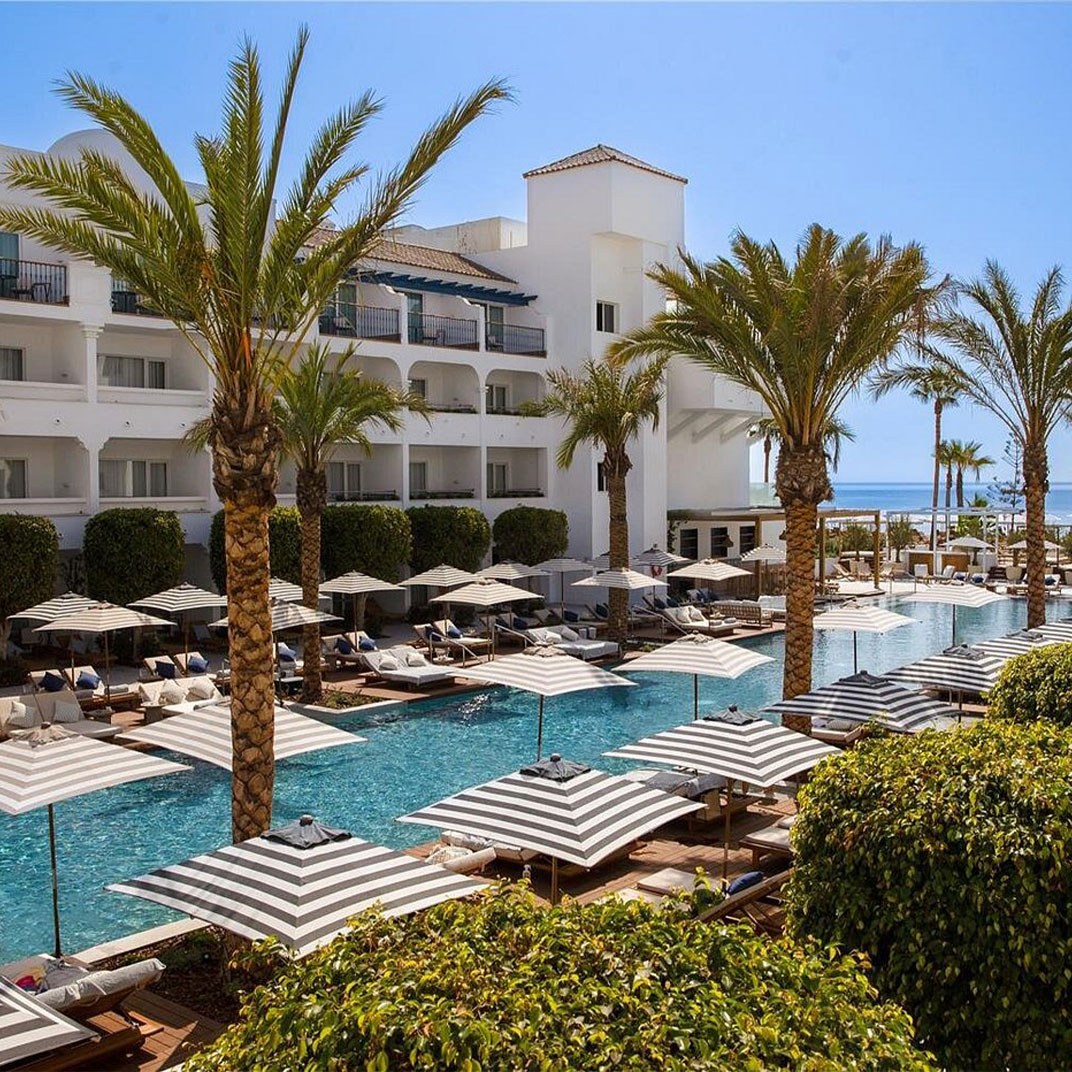
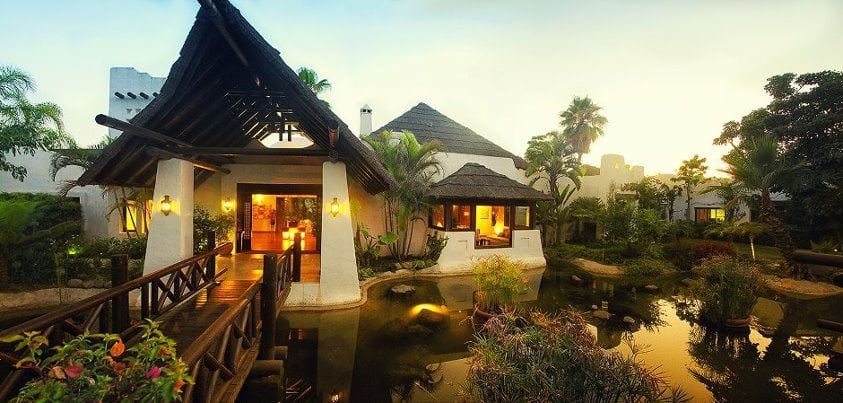
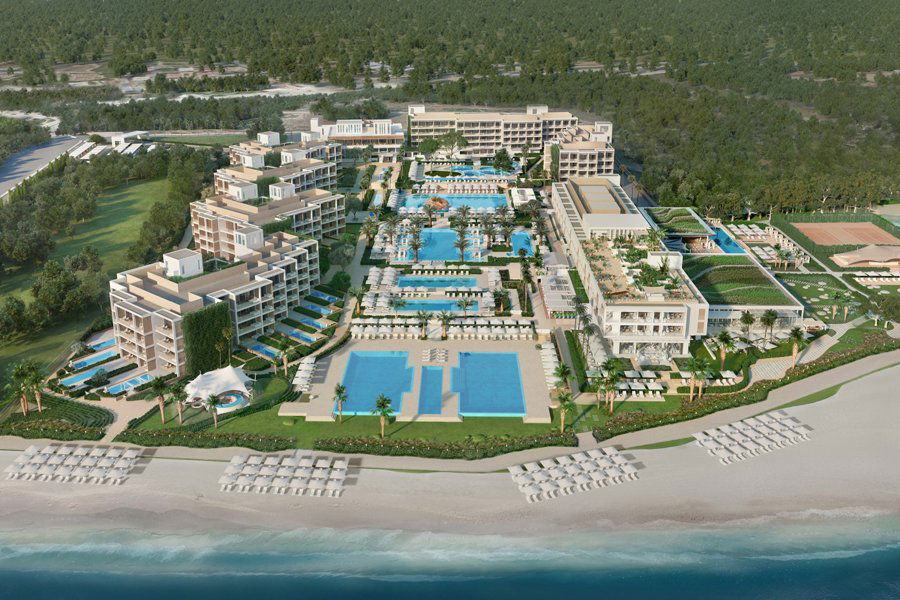
Ikos Andalusia presents a design-forward, restrained take on Costa del Sol hospitality. The property prioritises horizontal spread and a considered relationship to the Mediterranean landscape, so public spaces and rooms are arranged to frame sea views rather than stack into a high-rise. That approach feels measured and calm: not spare or minimal, but deliberately composed, with an emphasis on siting and proportion. A high La Liste score underscores an international level of refinement rather than beachfront spectacle, so the overall impression is one of composed luxury that privileges place and thoughtful design over volume.
Best For
This hotel suits travellers seeking a polished, low-density resort experience on the western Costa del Sol. It works well for couples and honeymooners who want framed Mediterranean views and a quieter alternative to the region's high-volume beach resorts. Families and guests on wellness-focused breaks benefit from the property's all-inclusive repositioning away from mass-market models, because public areas and accommodation are organised with attention to site logic rather than sheer capacity. The La Liste ranking signals a level of service and finish that also makes the hotel a sensible pick for anniversary or celebration stays where considered design matters.
Stay Tips
When booking, prioritise accommodation that references the Mediterranean outlook—descriptions that mention sea or framed views will best deliver the orientation the hotel is designed to showcase. The property spreads horizontally and organises public areas around site logic, so room location matters: ask how your room sits relative to the coastline and the principal public spaces. Given the hotel's repositioning of all‑inclusive service toward a higher standard, confirm the inclusions at booking so you understand dining and amenity access; this helps align expectations with the property's considered, non‑mass-market approach.
Venue details
Ambiance
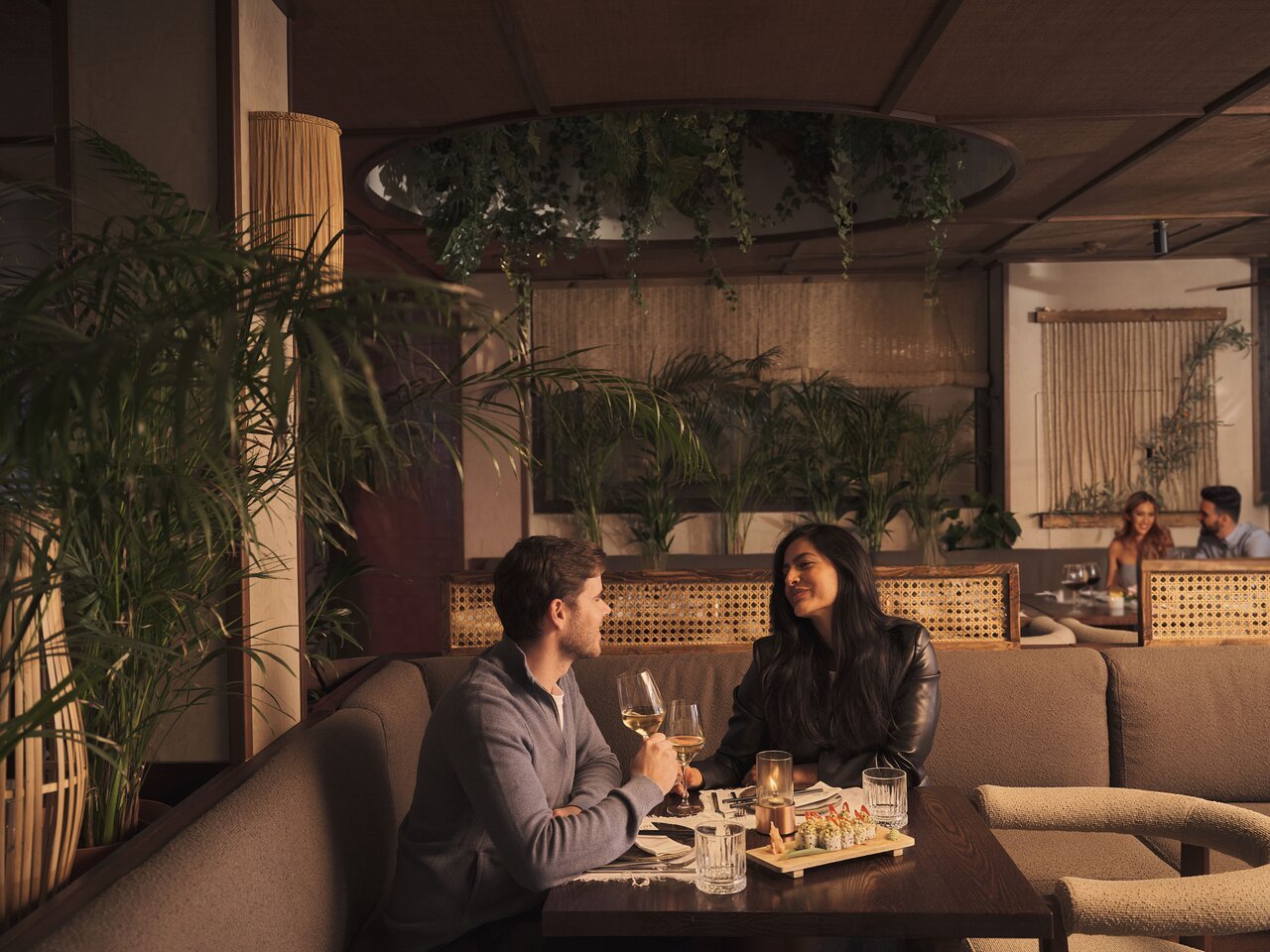
Vibrant yet refined Mediterranean atmosphere with contemporary styling, lively pool scenes with attentive service, warm Spanish sun, and sophisticated evening entertainment balanced by spacious landscaped gardens offering moments of tranquility.
Tags
Vibe
Best For
Experience
Amenities
View
Accessibility
About the Stay
- Rooms
- 411
- Check-in
- 15:00
- Check-out
- 11:00
- Property Style
- Contemporary Mediterranean Luxury with Eco Conscious Design Featuring Solar Panels, Green Roofs, and Locally Sourced Materials Integrated Into an Expansive Beachfront Resort.
- Design Style
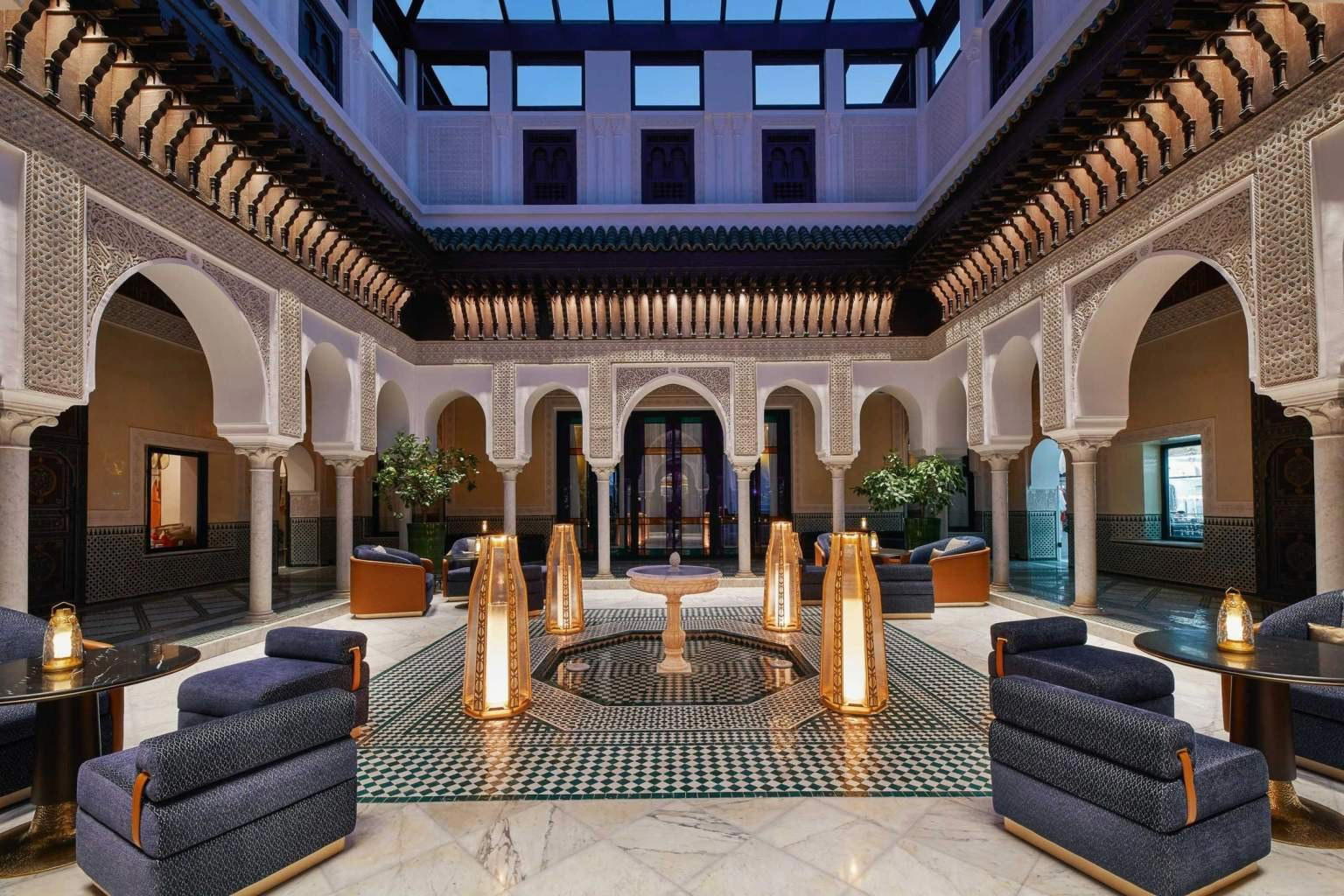
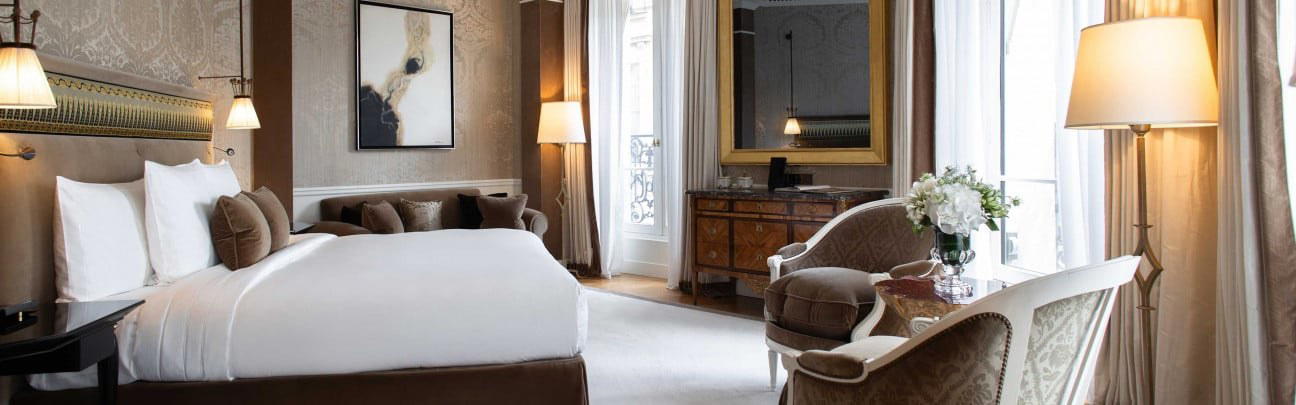
- Modern Mediterranean with Sophisticated Contemporary Elements, Marble Finishes, Stylish Furnishings, and Seamless Indoor Outdoor Living Spaces Overlooking Gardens and Sea.
Know before you go
Know Before You Go
- Getting there
- N-340, Km 164, 29680 Estepona, Málaga
Planning details
Location
N-340, Km 164, 29680 Estepona, Málaga · Directions
Recognition and awards

Also consider
Also Consider
- METT Marbella Estepona, Notable alternative
- Anantara Villa Padierna Palace Benahavís Marbella Resort, Notable alternative
- Gran Marbella Resort & Beach Club, Notable alternative
- ME Marbella, Notable alternative
- Boho Club, Notable alternative
Hotel context
How it compares in and around Estepona
Ikos Andalusia is the safer pick for a polished resort stay in Estepona, especially for families and celebration trips where easy logistics matter. METT Marbella Estepona is the closer alternative if the priority is a more lifestyle-led beach atmosphere, while Ikos Andalusia is the better fit when the hotel needs to do more of the work for a group stay.
Anantara Villa Padierna Palace Benahavís Marbella Resort is the cross-shop for guests who want a more formal resort mood outside Estepona. Gran Marbella Resort & Beach Club and ME Marbella make more sense when Marbella social energy is central to the trip. Boho Club is the better comparison for a smaller, design-conscious stay rather than a full resort setup.
On booking difficulty, Ikos Andalusia is listed as easy, so the decision should focus less on access and more on fit: room type, inclusions, cancellation terms, and whether any loyalty or upgrade path applies to the rate being considered. If the trip is a milestone stay with children or a mixed-age group, start here; if the trip is built around Marbella restaurants and nightlife, cross-shop the Marbella options first.
Explore Estepona
Around this place
Discover more on Pearl
Unlock the full Ikos Andalusia guide in Pearl, including awards, comparisons, FAQs, planning details, and nearby places.
Compare Ikos Andalusia
| Venue | Location | Awards |
|---|---|---|
| Ikos Andalusia | Estepona | 2026 La Liste Top Hotels |
| METT Marbella Estepona | Estepona | No published awards |
| Anantara Villa Padierna Palace Benahavís Marbella Resort | Marbella | 2026 Virtuoso Luxury Hotel CollectionLeading Hotels of the World 20262026 La Liste Top Hotels2025 Michelin 1 Key2024 Michelin 1 Key |
| Gran Marbella Resort & Beach Club | Elviria Hills Marbella | No published awards |
| ME Marbella | Elviria Hills Marbella | No published awards |
| Boho Club | Marbella | No published awards |



How Ikos Andalusia Estepona compares with similar nearby venues.
FAQ
Frequently Asked Questions
Is Ikos Andalusia family-friendly?
Ikos Andalusia is in Estepona and has a La Liste Top Hotels (2026): 95.5pts recognition, but family-specific details should be checked directly with the venue.
How is the location of Ikos Andalusia?
Ikos Andalusia is in Estepona. No more specific address or neighbourhood detail is provided here.
Do loyalty programs work at Ikos Andalusia?
What is check-in like at Ikos Andalusia?
How does Ikos Andalusia compare to nearby hotels?
Ikos Andalusia is a confirmed Estepona venue with La Liste Top Hotels (2026): 95.5pts. For broader comparison, look at current details for METT Marbella Estepona, Anantara Villa Padierna Palace Benahavís Marbella Resort, Gran Marbella Resort & Beach Club, ME Marbella, and Boho Club before deciding.