
The Farm
North Eleuthera, Eleuthera Island
Hotel in Eleuthera Island, Bahamas
 Book with Pearl
Why go
Book The Farm if your family wants a slower Eleuthera Island stay and is comfortable confirming room, dining, and arrival details before committing. Its 2026 Travel + Leisure It List Hotels recognition is a meaningful signal, but the available profile favors planners who ask practical questions upfront rather than travelers who need every family amenity published in advance.
About The Farm
Is The Farm in Eleuthera Island worth booking? Consider it a venue to explore after confirming the practical specifics you need for your trip. Key details include its Eleuthera Island location, a casual dress code, and Travel + Leisure It List Hotels (2026) recognition.
That recognition is useful as a credibility marker, but it should not replace direct confirmation of the details that matter to your plans. Before booking, check current availability, policies, and any other practical information directly with The Farm or your booking channel.
Book it if your family values details before committing
Families should treat this as a considered booking, not an automatic one. The Farm's profile may not provide enough detail to assess whether it fits specific family needs. That makes pre-arrival confirmation especially important if your trip depends on particular arrangements.
If the trip depends on specific practical requirements, ask those questions before locking dates. Confirm the current terms, any relevant policies, and the details your group needs directly with The Farm or your booking channel.
Use Eleuthera Island as the filter before choosing the venue
The safest way to evaluate The Farm is to start with whether Eleuthera Island is the right destination for your trip, then decide if it meets your group's needs. The Farm has Travel + Leisure It List Hotels (2026) recognition and a casual dress code, but other specifics should be checked directly.
For broader trip planning, compare The Farm with other Eleuthera Island options generically, then confirm the details that matter most before booking. The smarter move is to build the island plan around logistics first, then decide whether this venue gives you enough certainty for the dates you want.
Planning details
- Location
- Eleuthera Island, Bahamas
- Website
- littleislandhotels.com/the-farm
The take
The Take
The Vibe
The Farm reads like a cultivated idyll: the property is organized around 200 disciplined garden beds and thatched cottages instead of a conventional reception or lobby. Design and agriculture are inseparable here, so the architecture and guest experience feel intentionally restrained and quietly refined. An open-air restaurant, communal meals under yellow elder trees and low capacity (12 cottages) give it a small-scale, agriturismo-like intimacy rather than a typical Caribbean resort energy. The result is a charming, serene escape where the landscape and the table are one continuous experience.
Best For
This is a stay for travelers who prize slow, place-driven hospitality. Guests who want a quiet, intimate retreat — designers, food-minded travelers and those seeking a farm-to-table rhythm — will find the property especially appealing. The small cottage count and emphasis on on-site produce and eggs make it well suited to couples and small groups who enjoy low-capacity, intentional hotels. The Farm also appeals to anyone looking for a distinctive, agrarian-minded alternative to more conventional Bahamian resorts.
Stay Tips
Menus here are fluid and dictated by the garden and local catch rather than a fixed printed list: the property explicitly avoids conventional printed menus and draws breakfast from its own garden and eggs from 70 on-site chickens. Lunch and dinner follow the catch of the day, and Sunday communal brunches are served beneath the trees. Expect daily variation, embrace whatever the grounds yield, and plan around the communal brunch as a signature meal rather than looking for traditional à la carte predictability.
Venue details
Ambiance
Candlelit open-air dining with natural light flooding through floor-to-ceiling windows, barefoot staff, and an unhurried, meditative atmosphere that blurs the line between indoors and outdoors.
Tags
Vibe
Best For
Experience
Amenities
View
About the Stay
- Rooms
- 12
- Check-in
- 15:00
- Check-out
- 11:00
- Property Style
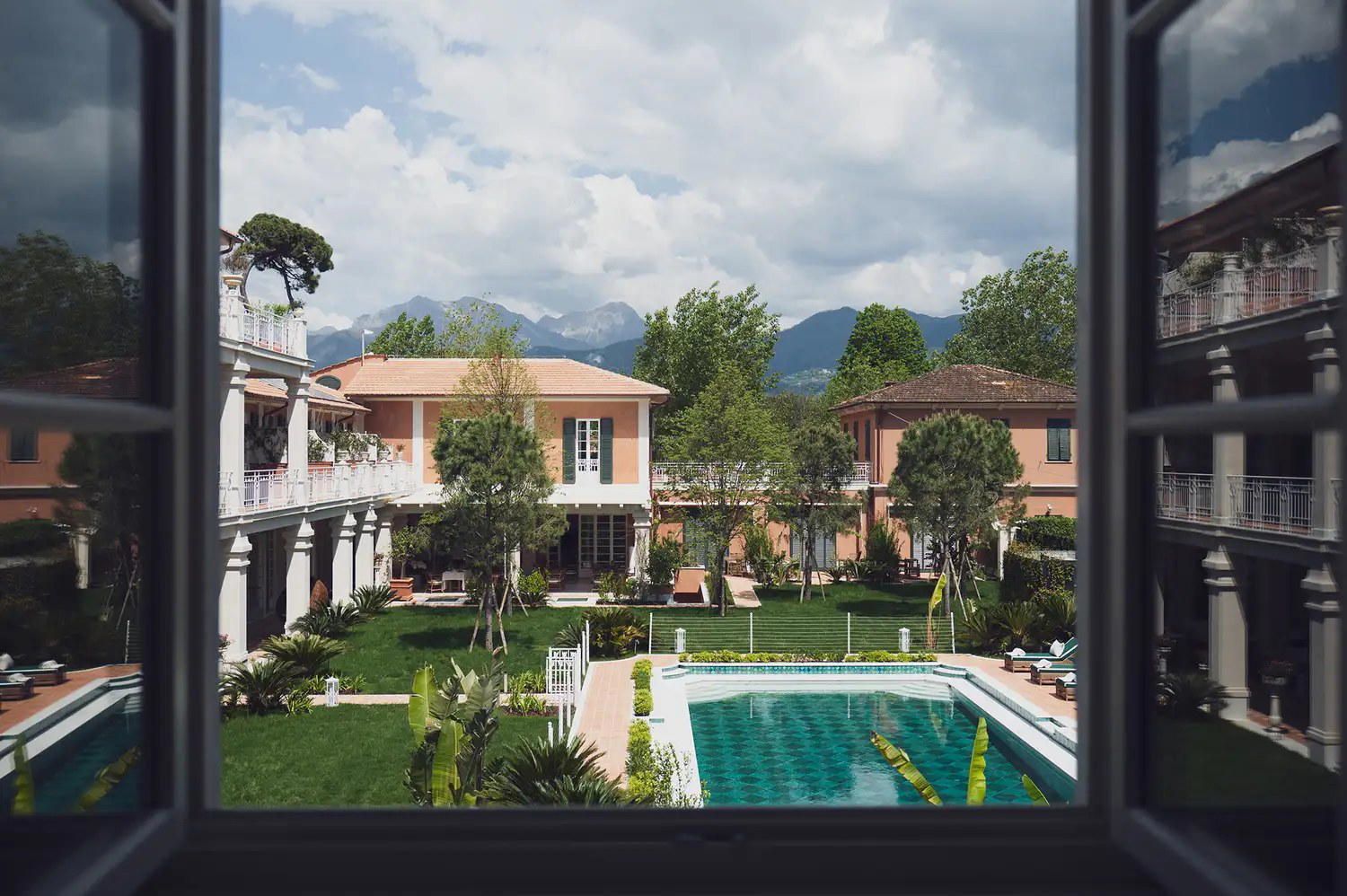
- Rustic Elegance with Cape Dutch Inspired Architecture and Repurposed Sustainable Materials, Designed by Amanda Lindroth.
- Design Style
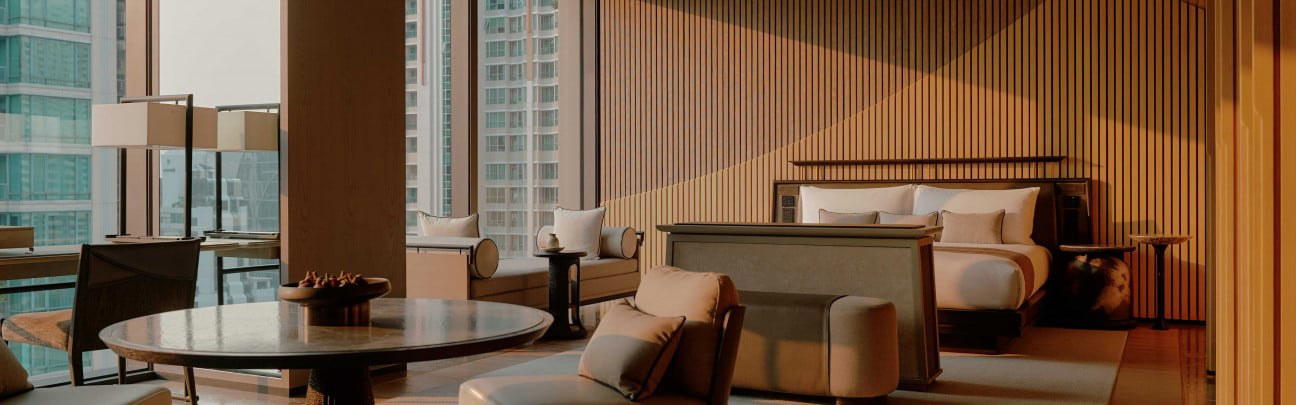
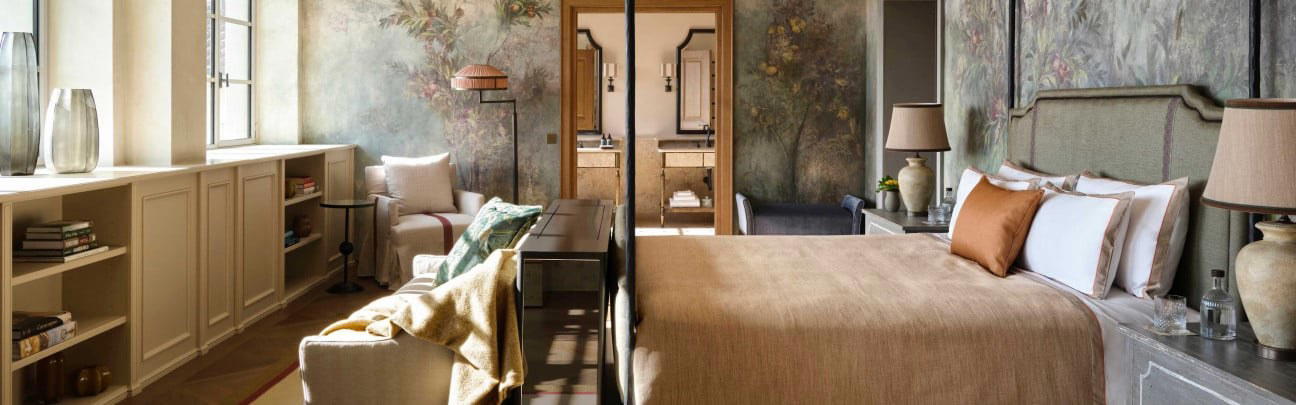
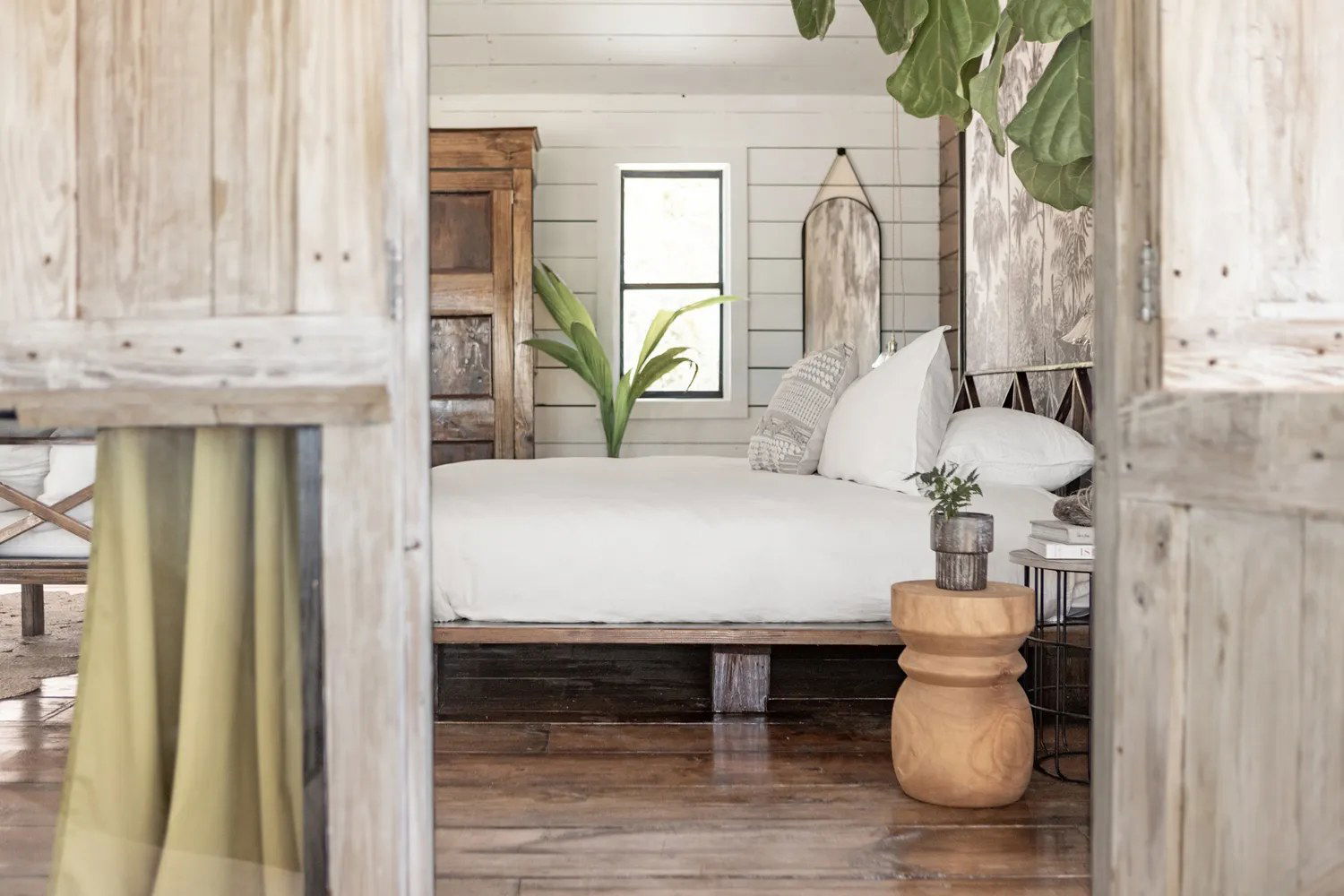
- Bohemian Chic with Vintage Furnishings, Custom Wallpaper, Teak and Rattan Accents, Soft Blues, Woven Textures, and Floor to Ceiling Windows Overlooking Organic Gardens.
Planning details
Location
Eleuthera Island, Bahamas · Directions
Recognition and awards

Explore Eleuthera Island
Around this place
Discover more on Pearl
Unlock the full The Farm guide in Pearl, including awards, comparisons, FAQs, planning details, and nearby places.
FAQ
Frequently Asked Questions
How does The Farm compare to nearby options?
The Farm is on Eleuthera Island and has Travel + Leisure It List Hotels (2026) recognition. Compare it with other Eleuthera Island options by confirming current details and policies directly.
When is the best time to book The Farm?
How is the dining at The Farm?
Dining details are not available. The Farm is on Eleuthera Island, has a casual dress code, and has Travel + Leisure It List Hotels (2026) recognition.
What is arrival like at The Farm?
Which room category is best at The Farm?
Room-category details are not available. Choose only after reviewing the current information available from The Farm or your booking channel.