

Hotel Marques de Riscal
Elciego
Hotel in Elciego, Spain
 Book with Pearl
The Read
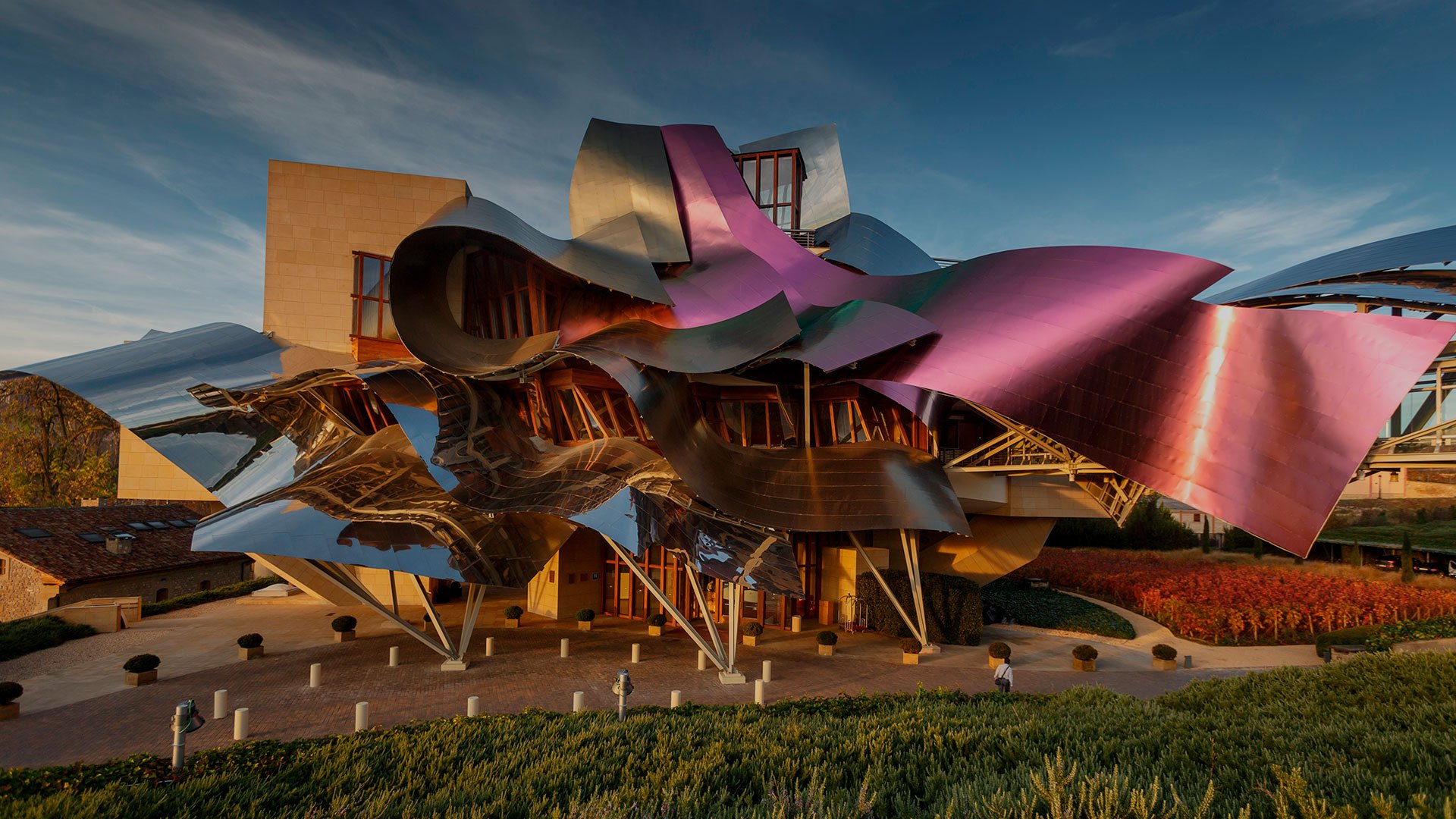
Titanium-Clad Winery Architecture
Why go
A hard-to-book Rioja Alavesa splurge for travelers who want the hotel itself to define the trip. Hotel Marques de Riscal makes the strongest case for special occasions, design-led weekends, and wine-country stays where room choice matters; value-focused travelers should compare nearby peers before paying a premium.
About Hotel Marques de Riscal
Hotel Marques de Riscal is a premium hotel choice in Elciego with clearly confirmed recognition: Michelin 1 Key in 2024 and Virtuoso Luxury Hotel Partner status for 2026. To best judge the stay, focus on whether you want a high-end Elciego hotel rather than making assumptions about specific details like rooms, amenities, dining, prices, or services.
Book this when the hotel itself is the reason to be in Elciego and when a smart-casual, premium setting fits the trip. If you need a simple overnight base, exact facilities, specific dining details, or a particular service setup, confirm those points directly before booking.
Making Your Selection
The value question here should be framed around the kind of stay you want, not around assumptions about specific room features. Hotel Marques de Riscal is a recognized hotel in Elciego, but specific details like room categories, views, size, pricing, or included services should be confirmed directly. Choose the room only after checking the current hotel listing and cancellation terms for your dates.
This is also not the right booking to treat casually if you need exact logistics. Elciego can work well as a focused base, but the details that matter most for your trip, dining availability, transport, amenities, and room inclusions, should be confirmed before you commit. Readers planning a broader route should use our Elciego hotels guide, then pair the stay with planning from our Elciego wineries guide and Elciego restaurants guide.
Timing matters more than squeezing the lowest rate
The strongest version of the stay is the one that gives you enough time to justify choosing a premium hotel in Elciego. Exact seasonal demand, minimum-stay patterns, or rate behavior are not established, so avoid building the plan around assumptions about when it will be cheapest or easiest to book.
Because this is a Michelin 1 Key hotel, it is reasonable to treat planning seriously and confirm availability early if your dates are fixed. If the available rate or room type does not fit the purpose of the trip, compare other regional options before deciding. If the trip is built around staying specifically at Hotel Marques de Riscal, prioritize the dates and room terms that make that choice feel worthwhile.
Who should book, and who should cross-shop
Book Hotel Marques de Riscal when you want a confirmed Michelin 1 Key hotel in Elciego and a smart-casual premium setting. Cross-shop if the priority is price, a different atmosphere, or clearer fit with your itinerary. Hotel Santa María Briones, Finca de los Arandinos, Palacio Tondón, Palacio de los Angeles, and Echaurren are names to check when you want to compare other regional stays or dining-led options without assuming the same style or services.
Part of
Luxury Collection87 locations on PearlInside Hotel Marques de Riscal
Planning details
- Location
- C. Torrea Kalea, 1, 01340 Elciego, Álava
- Website
- marriott.com/en-us/hotels/biolc-hotel-marques-de-riscal-a-luxury-collection-hotel-elciego/overview/?scid=f2ae0541-1279-4f24-b197-a979c79310b0
- Phone
- +34 945 18 08 80
The take
The Take
The Vibe
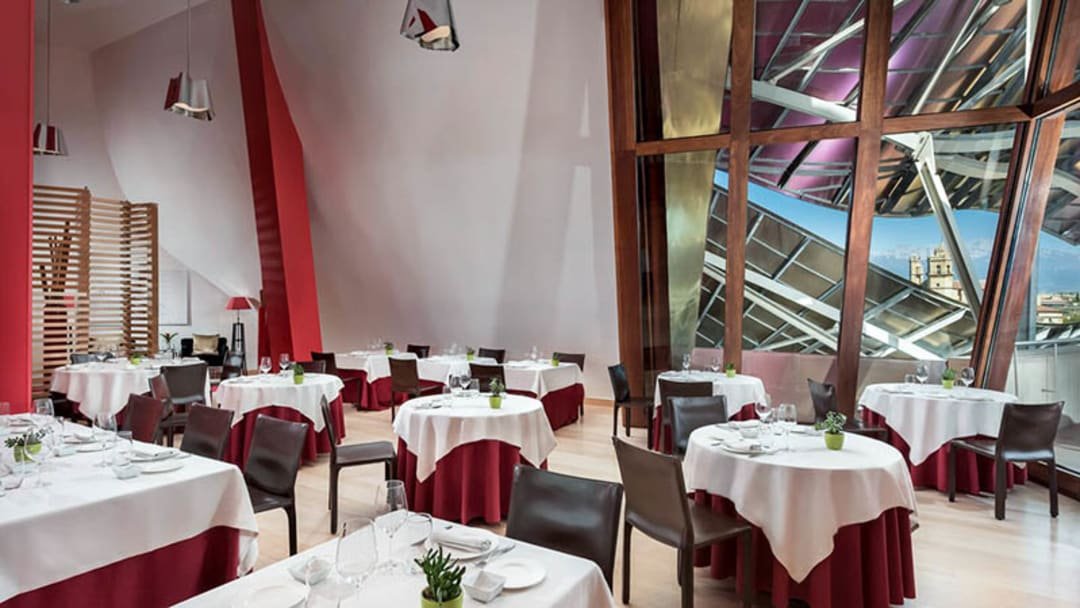
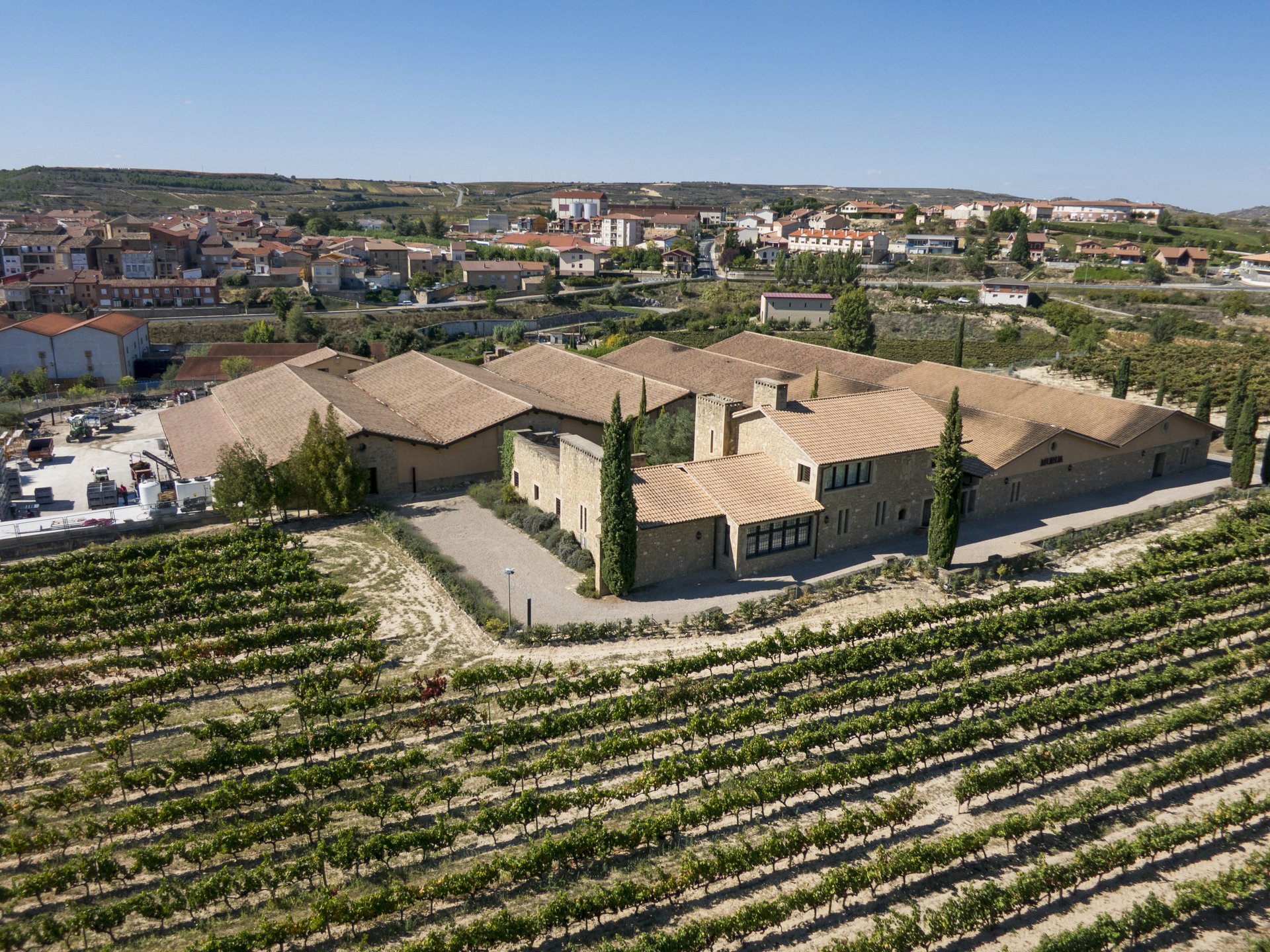
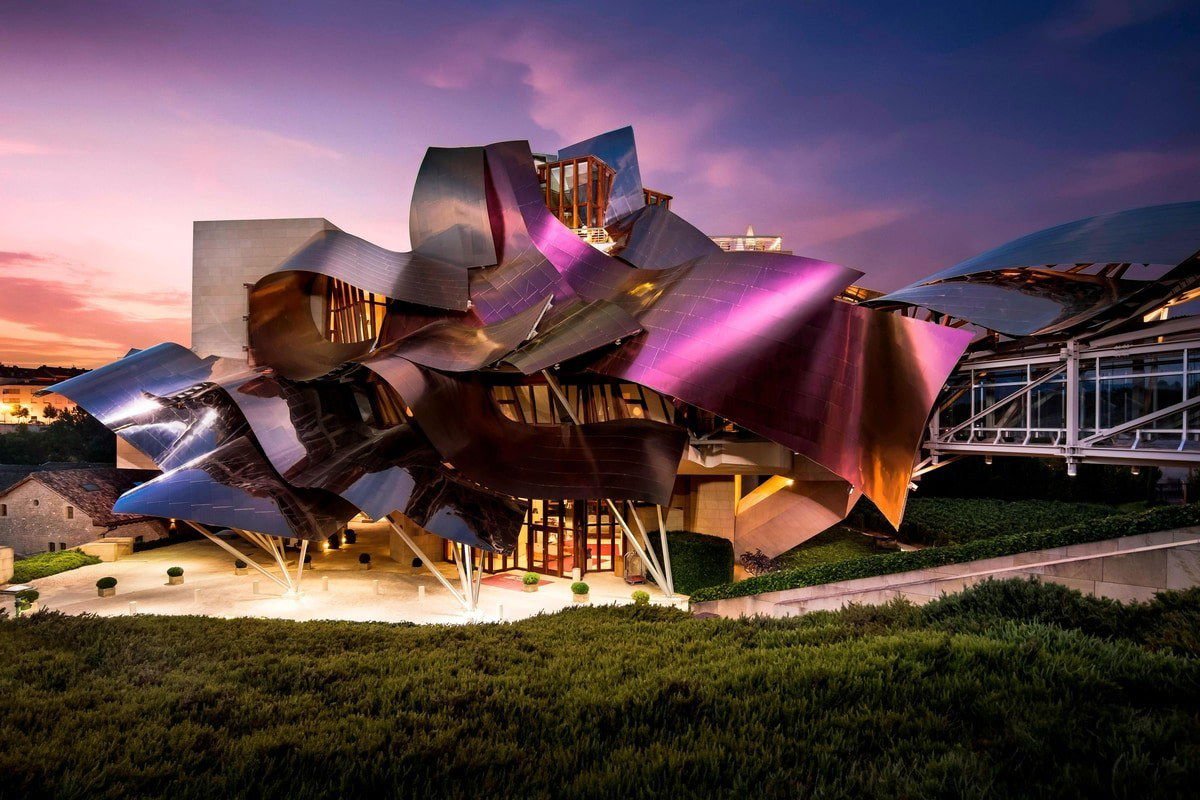
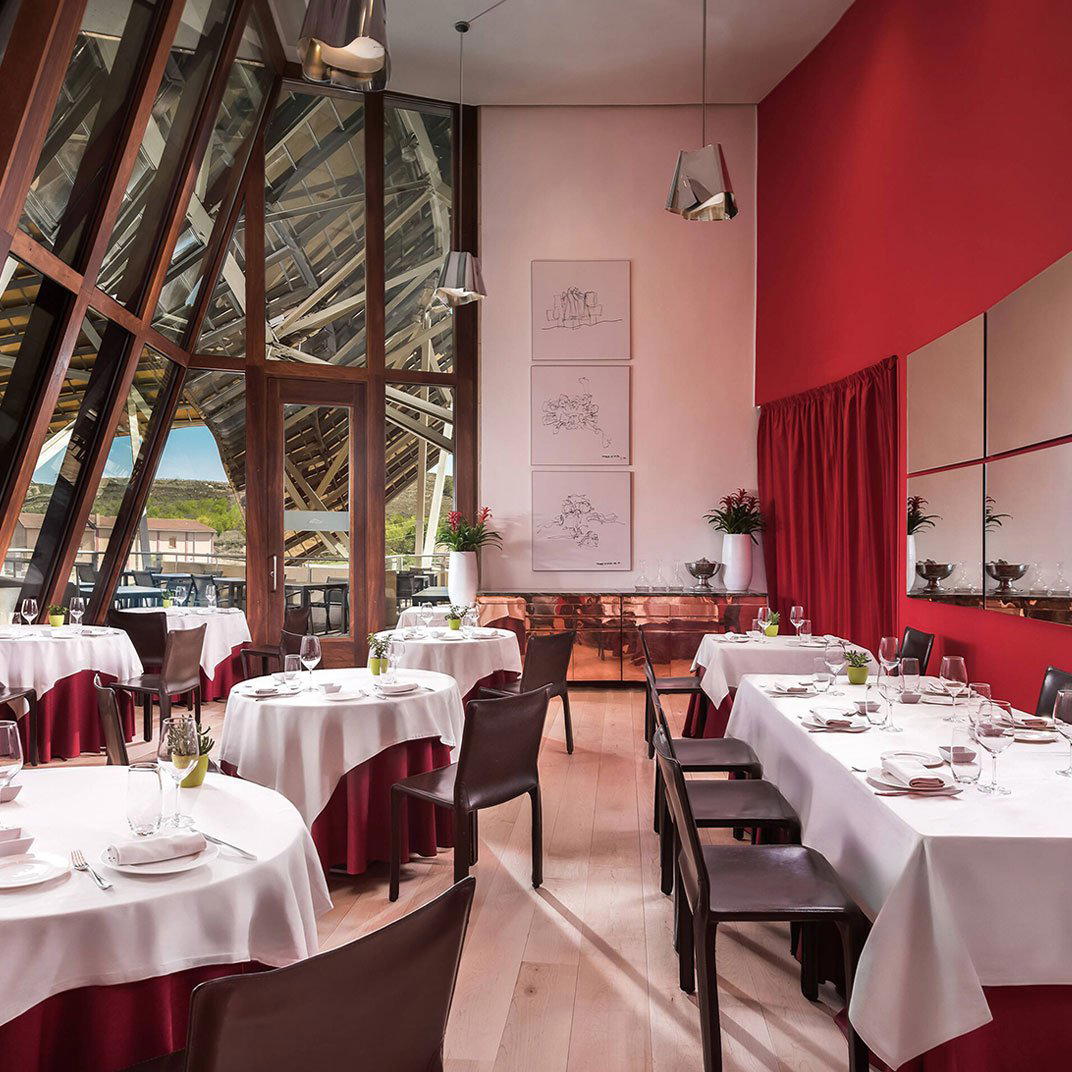
The hotel reads as an architectural statement as much as a place to sleep. Frank Gehry’s titanium ribbons and deconstructed geometry dominate the approach, setting up a deliberate contrast with the 19th‑century stone winery buildings. Inside, the rooms follow the building’s curves—windows cant outward through a web of steel supports—so much of the stay is framed as a viewing experience. The result is an artful collision of past and present: historic Rioja fabric anchored by a bold, modern shell that registers from every angle and rewards anyone with a taste for design and sculptural space.
Best For
This is a destination for travelers who prioritize architecture and place. Guests who want to be immersed in Gehry’s landmark—rather than simply use the hotel as a base for Rioja tasting—will get the clearest payoff: rooms operate as viewing platforms over vineyards and the village of Elciego. It also suits travelers seeking a distinctive, photo‑worthy stay in wine country: the juxtaposition of centuries‑old winery buildings and avant‑garde cladding makes the property memorable for anniversaries, design‑minded getaways, and weekend escapes centered on atmosphere.
Stay Tips
Book a room in the main Gehry building if your priority is the architecture and the views: the description notes that those rooms are intended as the primary experience, with canting windows and curved floor plans that frame the vineyards below. Bear in mind that layouts resist conventional right angles—expect unconventional room shapes and sightlines that emphasize the exterior ribbons and the surrounding landscape. Because the property reads from a distance, plan your arrival to experience the approach; if architecture is your interest, request high‑visibility orientations when making reservations.
Venue details
Ambiance
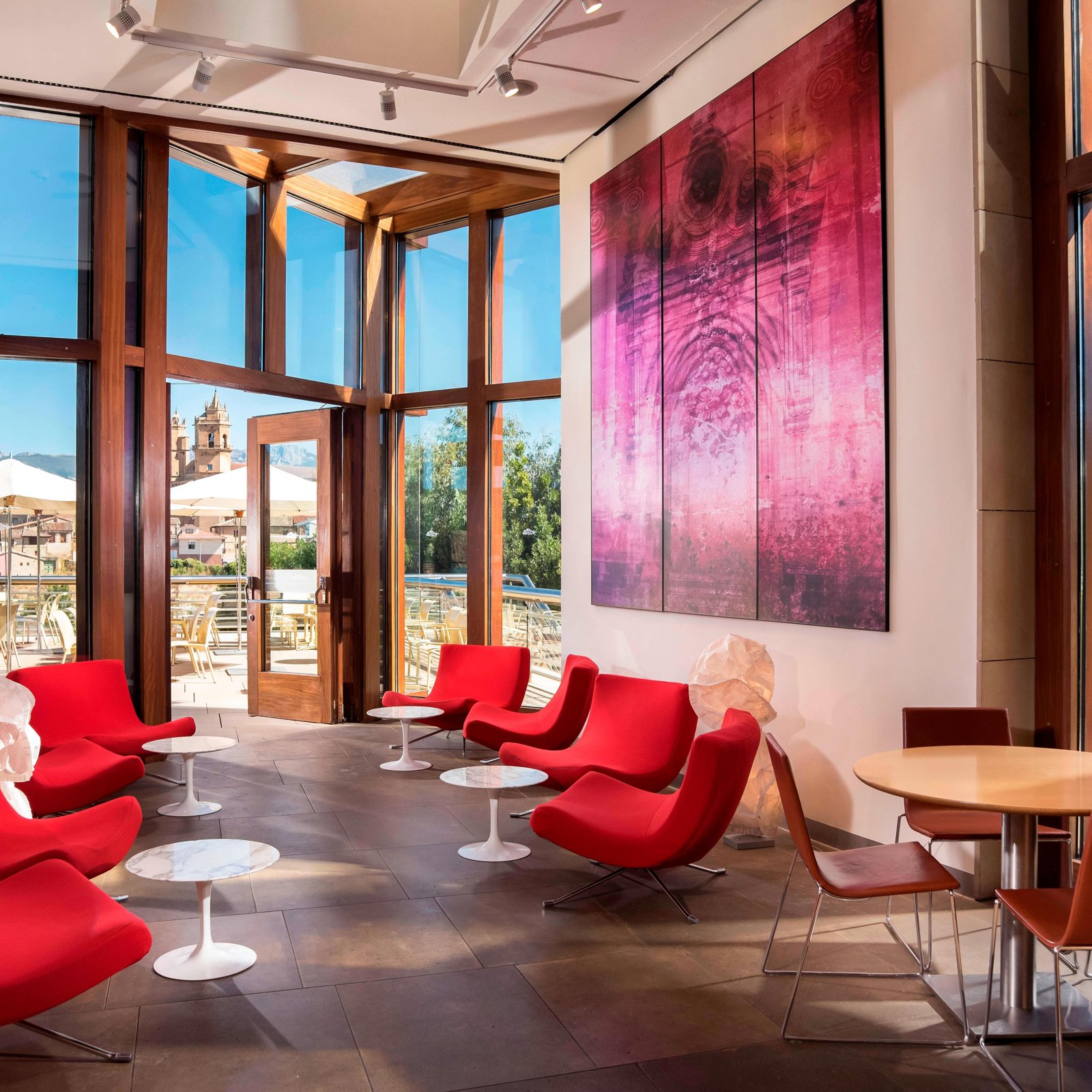
Luxurious and sophisticated with warm lighting, spacious modern rooms overlooking vineyards, and an opulent spa atmosphere praised for its tranquility and cleanliness.
Tags
Vibe
Best For
Experience
Amenities
View
Accessibility
About the Stay
- Rooms
- 61
- Check-in
- 15:00
- Check-out
- 12:00
- Property Style
- Visionary 21st Century Chateau Blending Modern Architecture with Wine Heritage
- Design Style
- Deconstructivist with Soft Natural Tones, Warm Woods, and Gehry's Signature Metallic Ripples
Know before you go
Know Before You Go
- Getting there
- C. Torrea Kalea, 1, 01340 Elciego, Álava
Planning details
Location
C. Torrea Kalea, 1, 01340 Elciego, Álava · Directions
Recognition and awards

Also consider
Also Consider
- Hotel Santa María Briones, Notable alternative
- Finca de los Arandinos, Notable alternative
- Palacio Tondón, Notable alternative
- Palacio de los Angeles, Notable alternative
- Echaurren, Notable alternative
Hotel context
Hotel Santa María Briones is the cleaner cross-shop if the goal is a calmer wine-country base with less emphasis on architectural spectacle. Choose Hotel Marques de Riscal for a celebration where the building and arrival moment matter; choose Santa María Briones when value and a quieter hotel rhythm are more important than the big-design statement.
Finca de los Arandinos and Palacio Tondón are practical alternatives when availability or price makes the target hotel difficult. They make more sense for travelers who want Rioja access without making the hotel the centerpiece. Marques de Riscal is the stronger pick for a milestone stay, but not automatically the smarter booking for a short winery route.
Palacio de los Angeles and Echaurren are worth checking when the priority shifts toward a more traditional atmosphere or a dining-led itinerary. If the brief is ambiance with lower booking friction, start there. If the brief is a high-impact Rioja hotel with Michelin 1 Key recognition and Virtuoso Luxury Hotel Partner status, Marques de Riscal is the clear splurge candidate.
Around this place
Discover more on Pearl
Unlock the full Hotel Marques de Riscal guide in Pearl, including awards, comparisons, FAQs, planning details, and nearby places.
Compare Hotel Marques de Riscal
| Venue | Location | Awards |
|---|---|---|
| Hotel Marques de Riscal | Elciego | 2026 Virtuoso Luxury Hotel CollectionMichelin 1 Key 20252025 Michelin 1 Key2024 Michelin 1 Key |
| Hotel Santa María Briones | Briones | 2026 Mr & Mrs Smith Luxury Hotels2025 Michelin 1 Key2024 Michelin 1 Key |
| Finca de los Arandinos | Entrena | No published awards |
| Palacio Tondón | Brinas | No published awards |
| Palacio de los Angeles | Haro | 2026 Michelin Guide New HotelsLeading Hotels of the World 20262025 Michelin Selected Hotels |
| Echaurren | Ezcaray | 2026 Michelin Guide New Hotels2026 Relais Chateaux Hotels2025 Michelin Selected Hotels2025 Relais Chateaux Award |



How Hotel Marques de Riscal Elciego compares with similar nearby venues.
FAQ
Frequently Asked Questions
Is Hotel Marques de Riscal family-friendly?
Specific family facilities or policies are not available. It is a Michelin 1 Key hotel in Elciego with a smart-casual dress code, so families should confirm room setup, age policies, and any child-specific services directly before booking. For a different regional option, compare it with Palacio Tondón.
Do loyalty programs work at Hotel Marques de Riscal?
Confirm loyalty perks before booking. The confirmed recognition is Michelin 1 Key in 2024 and Virtuoso Luxury Hotel Partner status for 2026, but points earning, redemption, upgrades, or member benefits are not established. If benefits matter most, compare the current terms against Hotel Santa María Briones and Palacio de los Angeles before deciding.
How is the pool and spa at Hotel Marques de Riscal?
Pool or spa details are not available. The grounded reason to consider the hotel is that it is a Michelin 1 Key property in Elciego with a smart-casual premium profile. If wellness facilities are a main priority, confirm current amenities directly and compare with Finca de los Arandinos.
How does Hotel Marques de Riscal compare to other regional hotels?
Choose Hotel Marques de Riscal if you specifically want a confirmed Michelin 1 Key hotel in Elciego. Compared with Hotel Santa María Briones, Palacio Tondón, Palacio de los Angeles, and Echaurren, the decision should come down to your dates, budget, location needs, and confirmed services rather than assumptions about amenities.
When is the best time to book Hotel Marques de Riscal?
The best season, rate pattern, or booking window are not established. If you want Hotel Marques de Riscal specifically, check availability early for your preferred dates and confirm the room terms before committing. For more flexible planning, compare the current options with other regional hotels.
Is Hotel Marques de Riscal good for business travel?
It may suit some business trips, but meeting facilities, work amenities, transport logistics, or corporate services are not confirmed. What is confirmed is that it is a Michelin 1 Key hotel in Elciego with a smart-casual dress code. If you need a more practical overnight or specific business setup, compare current details with Palacio de los Angeles.