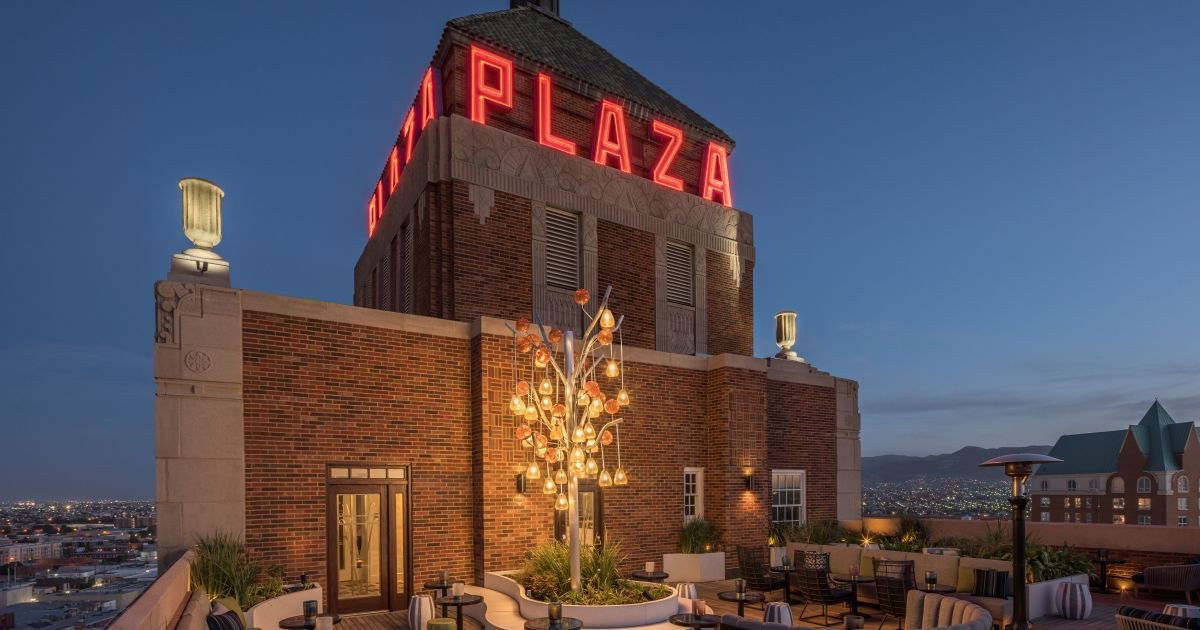

The Plaza Hotel Pioneer Park
Pioneer Park, El Paso
Hotel in El Paso, United States
 Book with Pearl
The Read
Art Deco Verticality
Why go
The Plaza Hotel Pioneer Park is the downtown El Paso pick for travelers who want a polished city stay with more character than a standard business hotel. It is strongest for couples, business travelers, and short stays where location matters; upgrade to a suite only if the extra space will be used.
About The Plaza Hotel Pioneer Park
The Plaza Hotel Pioneer Park is a El Paso hotel with a clearly confirmed Michelin 1 Key recognition for 2024. Beyond that accolade and the smart-casual dress code, the available data is limited, so the safest way to evaluate it is against your own itinerary, rate, and preference for staying in El Paso.
Book for an El Paso stay with a confirmed Michelin Key signal
The strongest reason to consider The Plaza Hotel Pioneer Park is its Michelin 1 Key recognition in 2024. That makes it a notable El Paso option for travelers who want a hotel with a confirmed premium-hotel accolade rather than relying on claims about amenities, room categories, or service style.
Where the value sits against other options
For comparison, consider Hotel Paso Del Norte, Autograph Collection and Stanton House when deciding whether The Plaza Hotel Pioneer Park is the right stay for your dates. The best choice may come down to current rates, availability, and the specific room details each property is offering when you book.
For broader planning, use an El Paso hotels guide first, then fill the trip around it with other El Paso dining, El Paso bars, and other El Paso experiences. That is the practical way to decide whether this hotel fits the rest of the trip.
When to avoid paying for an upgrade
Skip any paid upgrade unless the hotel's current booking details clearly show that the higher category solves a real need for your stay.
If you are still comparing, keep Hotel Paso Del Norte, Autograph Collection and Stanton House on the same shortlist. For a different kind of trip outside a direct El Paso hotel comparison, you may also look at Armendaris, A Ted Turner Reserve; Ladder, A Ted Turner Reserve; or Sierra Grande, A Ted Turner Retreat, depending on what type of stay you are planning.
Planning details
- Location
- 106 W Mills Ave, El Paso, TX 79901
- Website
- plazahotelelpaso.com
- Phone
- +1 915-440-7666
The take
The Take
The Vibe
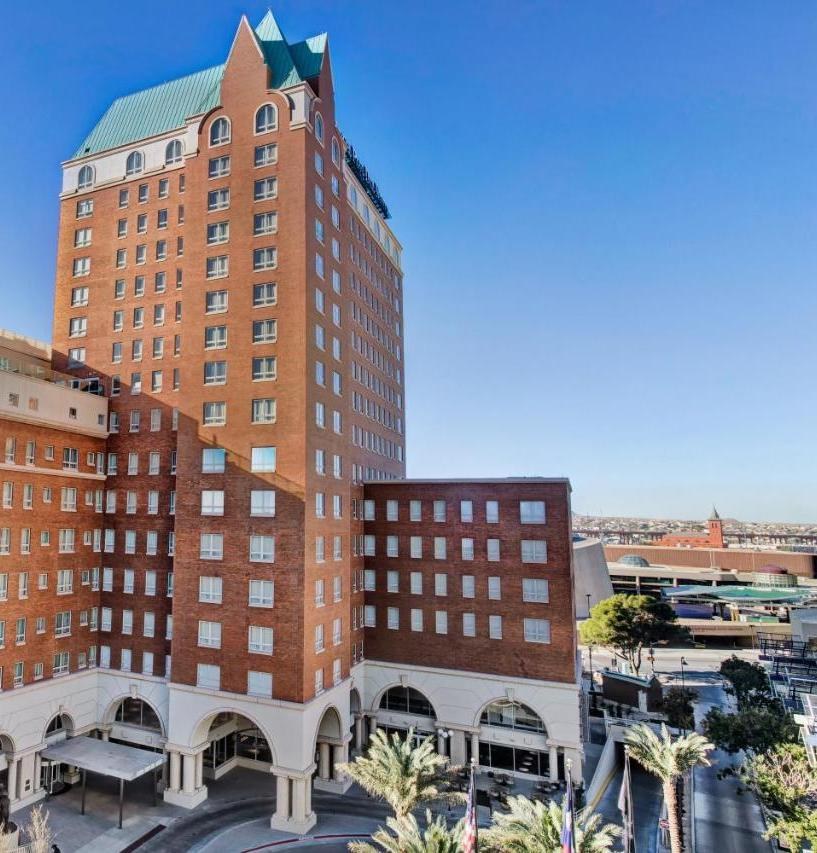
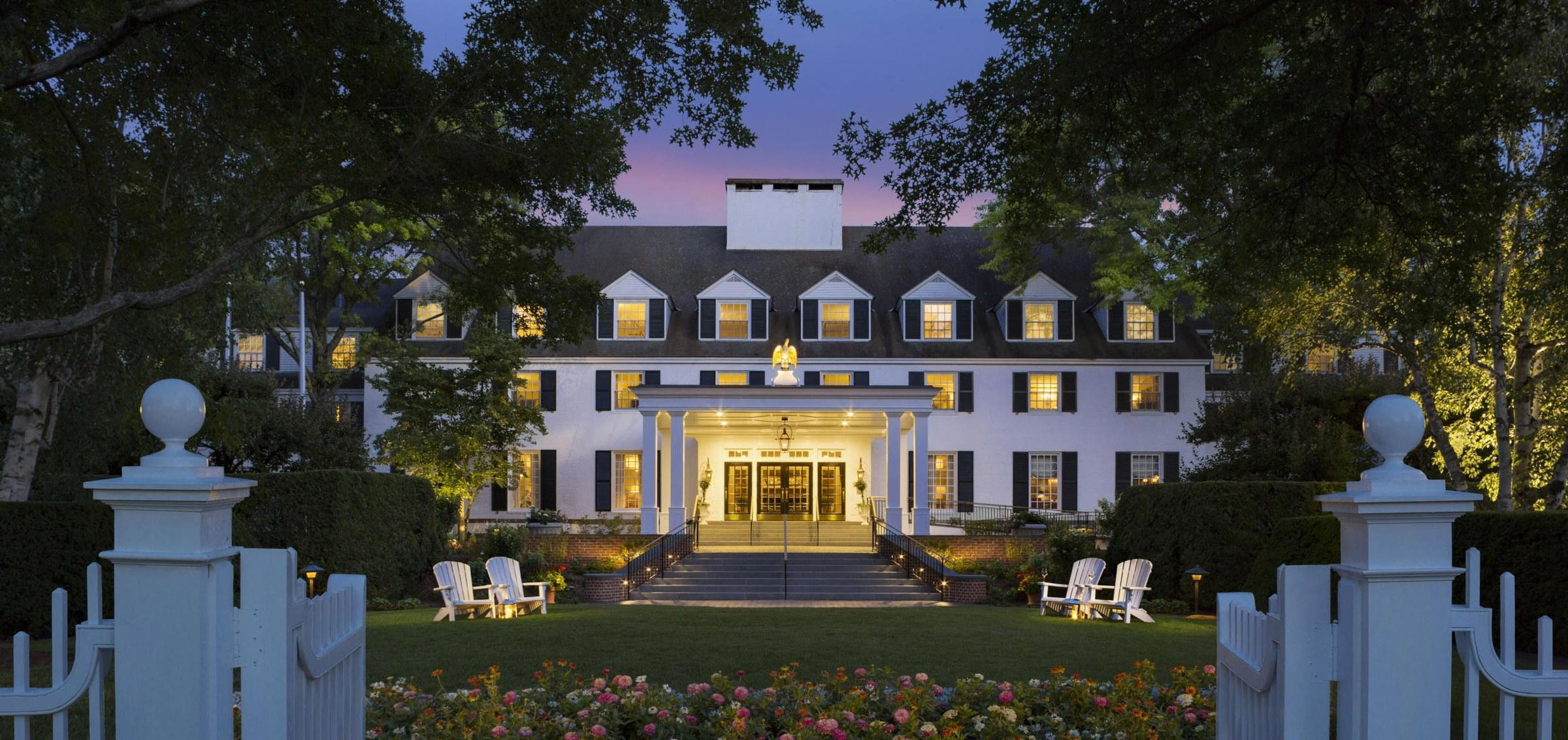
The Plaza Hotel Pioneer Park reads as a civic landmark first and a place to sleep second: its illuminated "PLAZA" signage and Art Deco tower announce the building before you reach street level. The restoration leans into the 1930s architecture, treating ornament and structure as the primary draw rather than layering on a contemporary, brand-driven gloss. Inside, the effect is one of historical presence — guests encounter period details and a sense of continuity with the city's past. For travelers who prize architecture and authenticity over cookie-cutter luxury, the hotel feels like a thoughtfully reclaimed piece of El Paso's urban fabric.
Best For
The Plaza suits travelers who prioritize character and location. Perched on Mills Avenue in downtown El Paso, it appeals to business travelers and weekend visitors who want a hotel that reads as a local landmark rather than an anonymous chain. With 130 rooms and a published rate around $246 per night, the property sits above basic midscale options while remaining accessible compared with ultra-premium hotels. Guests seeking an architecturally rich stay, civic-scale presence, and proximity to downtown amenities will find the Plaza a compelling choice for short urban stays and culturally minded city breaks.
Stay Tips
Expect to pay a mid‑upper price for the hotel's architectural cachet — the description notes a rate of about $246 per night and a 130-room scale. The restoration emphasizes the building's original Art Deco character, so book with the intention of experiencing period architecture rather than modern amenity theatrics. Because the hotel positions its design and historical fabric as the main product, ask reservation staff about rooms that showcase original details if that matters to you. Beyond that, plan around downtown logistics; the property announces itself along Mills Avenue, making it convenient for central El Paso outings.
Venue details
Ambiance
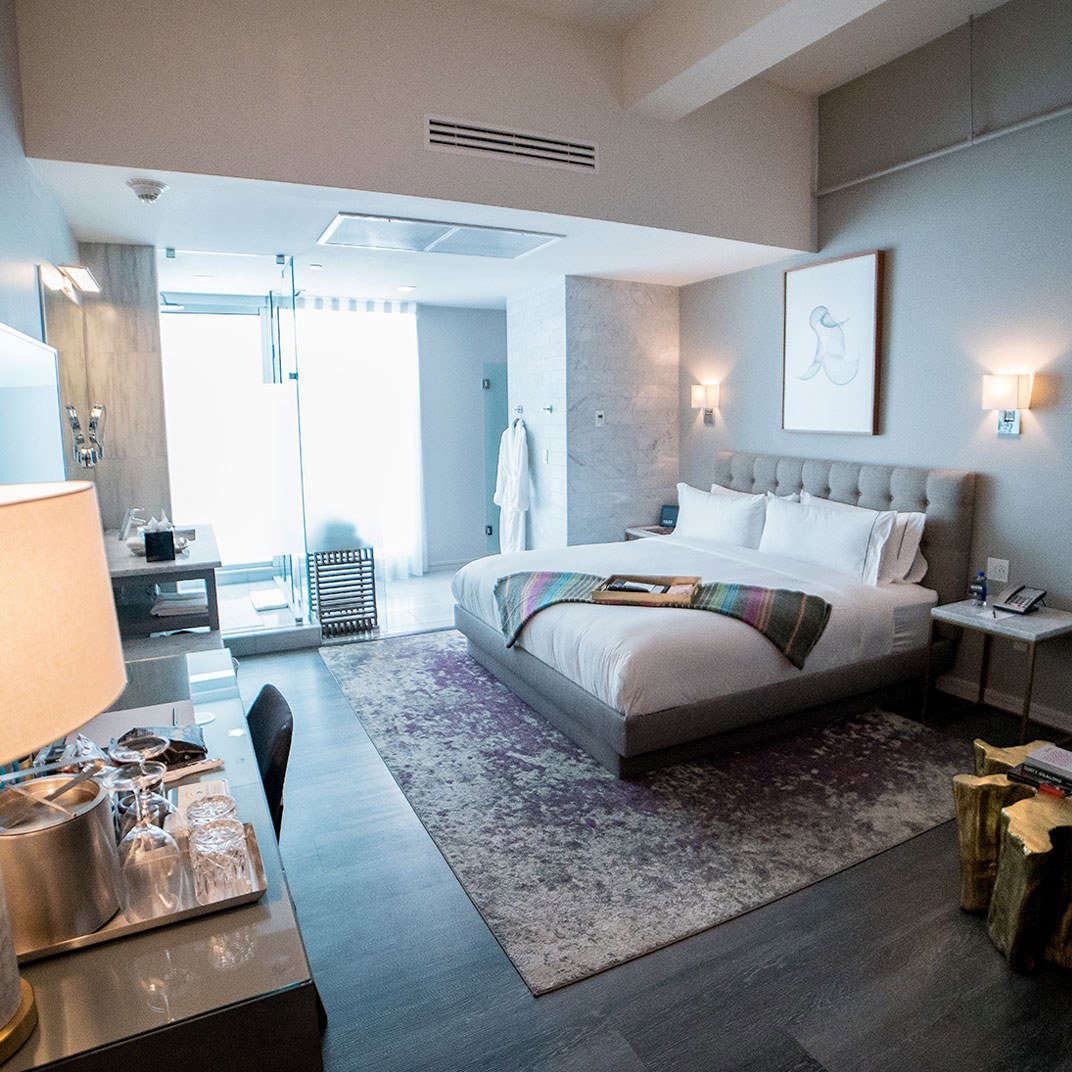
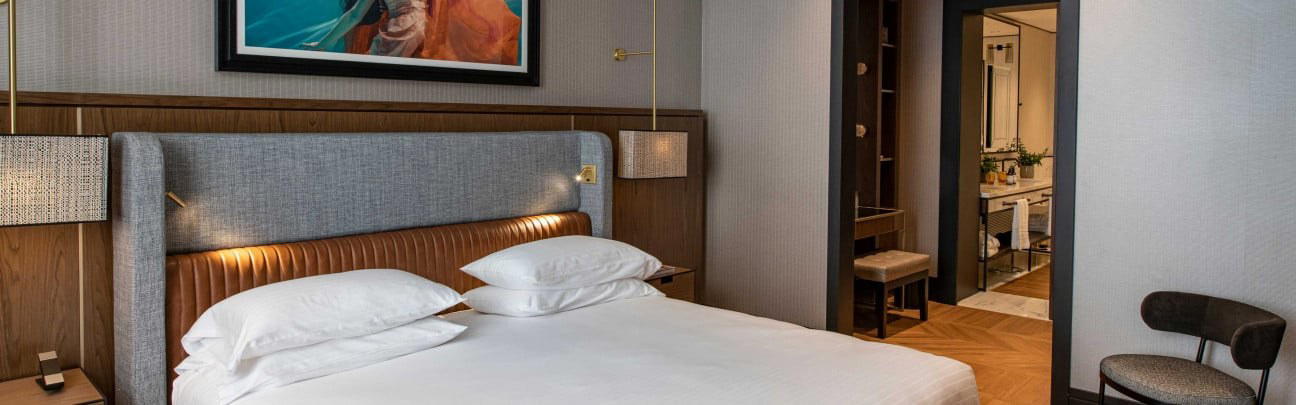
Refined and elegant with Art Deco architecture, spacious clean rooms, marble bathrooms, and warm lighting creating a luxurious historic atmosphere.
Tags
Vibe
Best For
Experience
Amenities
View
Accessibility
About the Stay
- Rooms
- 130
- Check-in
- 15:00
- Check-out
- 11:00
- Property Style
- Modern Luxury with Pueblo Revival Art Deco Inspirations
- Design Style
- Art Deco with Individual Furnishings and Southwest Influences
Know before you go
Know Before You Go
- Getting there
- 106 W Mills Ave, El Paso, TX 79901
Planning details
Location
Recognition and awards
Also consider
Also Consider
- Hotel Paso Del Norte, Autograph Collection, Notable alternative
- Stanton House, Notable alternative
- Armendaris, A Ted Turner Reserve, Notable alternative
- Ladder, A Ted Turner Reserve, Notable alternative
- Sierra Grande, A Ted Turner Retreat, Notable alternative
Hotel context
How It Compares
Against Hotel Paso Del Norte, Autograph Collection, The Plaza Hotel Pioneer Park is the better fit if the priority is a polished independent-feeling stay in downtown El Paso. Hotel Paso Del Norte is the safer cross-shop for travelers who want a larger branded-hotel feel or loyalty familiarity. If rates are close, choose by room style and location preference rather than assuming one is automatically better value.
Stanton House is the cleaner alternative for travelers who prefer a smaller boutique profile. The Plaza is easier to recommend for business travel and occasion stays where a more formal downtown hotel experience helps. Stanton House makes more sense for guests who want a quieter, more intimate base and do not need the same sense of civic-hotel scale.
The Ted Turner options, Armendaris, A Ted Turner Reserve, Ladder, A Ted Turner Reserve, and Sierra Grande, A Ted Turner Retreat, are not direct downtown substitutes. Pick them for a remote retreat-style trip, not for El Paso meetings or a city weekend. If the trip is built around downtown access, The Plaza is the more practical booking; if the trip is the property itself, look to the reserves instead.
Explore El Paso
Around this place
Discover more on Pearl
Unlock the full The Plaza Hotel Pioneer Park guide in Pearl, including awards, comparisons, FAQs, planning details, and nearby places.
Compare The Plaza Hotel Pioneer Park
| Venue | Location | Awards |
|---|---|---|
| The Plaza Hotel Pioneer Park | El Paso | 2026 Michelin 1 KeyMichelin 1 Key 20252025 Michelin 1 Key2024 Michelin 1 Key |
| Hotel Paso Del Norte, Autograph Collection | El Paso | No published awards |
| Stanton House | El Paso | No published awards |
| Armendaris, A Ted Turner Reserve | Truth Or Consequences | No published awards |
| Ladder, A Ted Turner Reserve | Caballo | No published awards |
| Sierra Grande, A Ted Turner Retreat | Truth Or Consequences | No published awards |

How The Plaza Hotel Pioneer Park compares with similar nearby venues.
FAQ
Frequently Asked Questions
Is The Plaza Hotel Pioneer Park good for business travel?
Hotel Paso Del Norte, Autograph Collection is another option to compare on rate and booking details.
How is the pool and spa at The Plaza Hotel Pioneer Park?
The grounded reason to note The Plaza Hotel Pioneer Park is its El Paso location and Michelin 1 Key recognition for 2024. If wellness amenities are important, confirm current facilities directly and compare with Stanton House before locking in dates.
Is The Plaza Hotel Pioneer Park family-friendly?
Families considering The Plaza Hotel Pioneer Park should confirm room setup, bedding, and any relevant services directly with the hotel. If you are considering a different style of trip, Sierra Grande, A Ted Turner Retreat may also be worth comparing.
Which room category is best at The Plaza Hotel Pioneer Park?
The best room category depends on the current options shown by the hotel and what you need for the trip. The hard signal here is the Michelin 1 Key recognition for 2024, not a specific room type, size, or layout. Confirm the details directly before paying more for an upgrade.
How does The Plaza Hotel Pioneer Park compare to other hotels?
Choose The Plaza Hotel Pioneer Park if its El Paso location, current rate, smart-casual dress code, and Michelin 1 Key recognition for 2024 fit your trip. Hotel Paso Del Norte, Autograph Collection and Stanton House are useful comparisons to check on your dates. The best value will depend on live pricing and the specific room details available when you book.