
Estancia Cristina
Parque Nacional Los Glaciares, El Calafate
Hotel in El Calafate, Argentina
 Book with Pearl
The Read
Glacial-Access All-Inclusive
Why go
Book Estancia Cristina for a Patagonia stay where remoteness and landscape are the point, not a side benefit. Michelin 1 Key recognition in 2025 gives it a strong quality signal, but it suits planned special-occasion trips better than flexible El Calafate itineraries. Cross-shop EOLO - Patagonia's Spirit if easier logistics matter more.
About Estancia Cristina
Estancia Cristina in El Calafate has Michelin 1 Key recognition in 2025. Travelers should still check details about format, services, dining, wellness facilities, and logistics directly for their dates.
Use that Michelin 1 Key signal as a starting point, not a complete trip plan. If you are comparing where to stay in and around El Calafate, use Our full El Calafate hotels guide and confirm current arrangements before booking.
A stay to evaluate on confirmed details
Estancia Cristina may belong on a shortlist for travelers considering an El Calafate stay, especially because of its Michelin 1 Key recognition in 2025. The practical decision should still come down to current details: arrival plans, room availability, included services, dining arrangements, and the overall fit with the rest of the itinerary.
Use El Calafate as the filter before committing
When comparing Estancia Cristina with other options, keep the comparison specific rather than assuming every property serves the same kind of trip. EOLO - Patagonia's Spirit is another named option to research, while Awasi Patagonia, Tierra Patagonia, Ecocamp Patagonia, and Las Torres Patagonia Hotel Torres del Paine are broader comparison points rather than simple El Calafate substitutes. For meals outside the hotel decision, consult Our full El Calafate restaurants guide and check current opening details directly.
Planning details
- Location
- Av. del Libertador 1037, Z9405 El Calafate, Santa Cruz
- Website
- estanciacristina.com
- Phone
- +54 9 2902 50-4180
The take
The Take
The Vibe
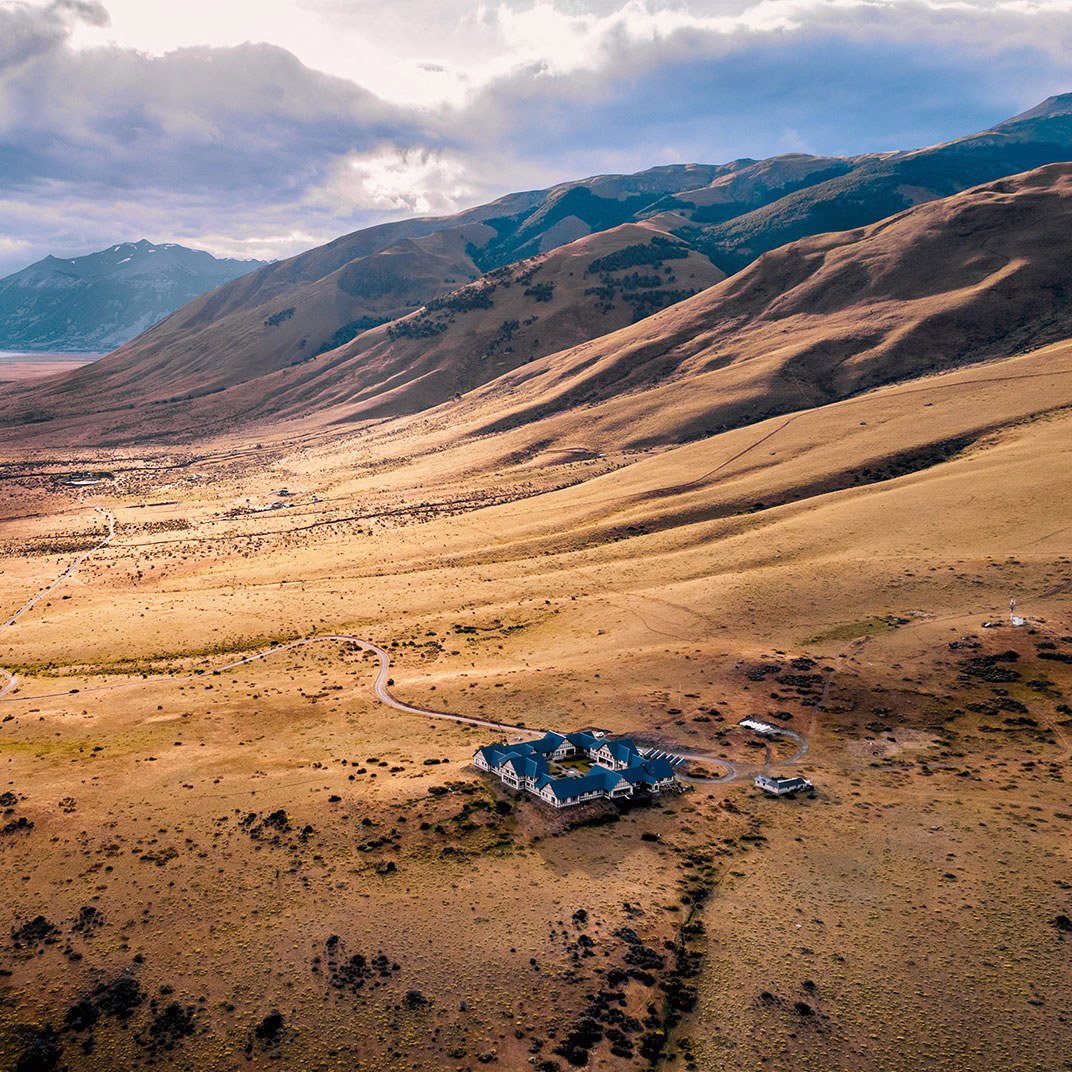
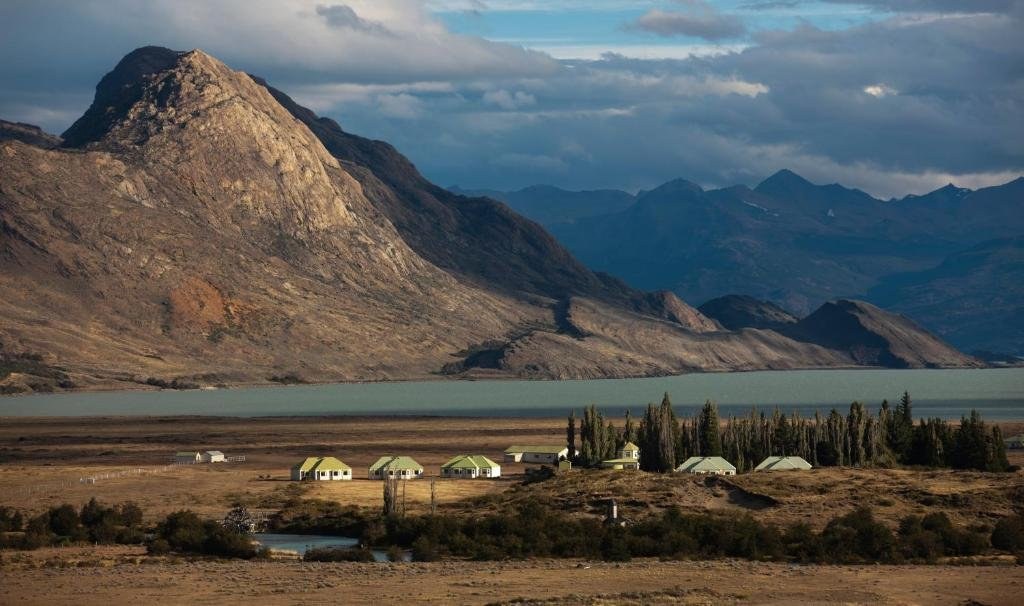
Estancia Cristina reads like a place that exists to serve the landscape rather than to dominate it. Arrival is nearly a rite of passage — a three‑hour boat across Lago Argentino that threads into glacial fingers before the low, utilitarian buildings resolve at the water’s edge. Interiors favor warm textures, raw wood and simple fabrics; the cottages feel like working ranch quarters tuned for long days outside and cold weather, not for show. The result is quietly persuasive: an intimate, unpretentious mountain-lodge mood where the primary spectacle is the Patagonian wilderness itself rather than any architectural flourish.
Best For
This is a stay for travelers who prize solitude, wide horizons and an immersive wilderness experience. The property’s small scale — four cottages and twenty rooms — suits couples on a romantic getaway or honeymoon, small groups seeking a remote weekend escape, and organized group retreats that want a singular base in Los Glaciares National Park. The lengthy boat approach from El Calafate makes the journey part of the appeal, so guests who enjoy travel as an element of the adventure and who want to prioritize scenery and outdoor activity will find the estancia especially rewarding.
Stay Tips
Plan logistics carefully: the estancia is deliberately remote and reached only after a long boat transfer from El Calafate, so factor travel time into your itinerary. Expect straightforward, cottage-style accommodation oriented toward cold-weather comfort rather than flashy amenities; the description emphasizes warm materials and working-ranch architecture. With only twenty rooms on the property, availability can be limited — book well in advance and confirm transfer schedules. Pack layers and gear for prolonged outdoor time by the lake and glaciers, since the programming and appeal are focused on the surrounding landscape rather than extensive on-site facilities.
Venue details
Ambiance
Remote, secluded, and scenic, with a quiet Patagonian lodge atmosphere shaped by wide mountain-facing windows, expansive wilderness, and warm rustic-comfortable interiors.
Tags
Vibe
Best For
Experience
Amenities
View
Accessibility
About the Stay
- Rooms
- 20
- Check-in
- 14:00
- Check-out
- 10:00
- Property Style
- Remote Patagonian Lodge
- Design Style
- Contemporary Classic Lodge Style with Rustic Patagonian Estancia Elements, Warm Textures, Simple Furnishings, and Large Picture Windows Oriented to the Mountains.
Know before you go
Know Before You Go
- Getting there
- Av. del Libertador 1037, Z9405 El Calafate, Santa Cruz
Planning details
Location
Av. del Libertador 1037, Z9405 El Calafate, Santa Cruz · Directions
Recognition and awards
Also consider
Also Consider
- EOLO - Patagonia's Spirit, Notable alternative
- Awasi Patagonia, Notable alternative
- Tierra Patagonia, Notable alternative
- Ecocamp Patagonia, Notable alternative
- Las Torres Patagonia Hotel Torres del Paine, Notable alternative
Hotel context
Estancia Cristina is the pick for travelers who want a more remote, estancia-led Patagonia stay and are comfortable with harder logistics. EOLO - Patagonia's Spirit is the cleaner alternative for staying in the El Calafate orbit with a more manageable base; choose EOLO if access and flexibility matter more than full-immersion remoteness.
Awasi Patagonia and Tierra Patagonia are better cross-shops for travelers building a wider luxury Patagonia circuit rather than an El Calafate-focused stay. Awasi is the stronger fit when privacy and guided structure drive the budget; Tierra Patagonia is better for guests who want a polished lodge feel with a clearer Torres del Paine orientation.
Ecocamp Patagonia and Las Torres Patagonia Hotel Torres del Paine make more sense for travelers prioritizing park access and a more activity-forward setup. Estancia Cristina is the more occasion-led choice; those peers are easier to justify when the trip is built around hiking days and location efficiency.
Explore El Calafate
Around this place
Discover more on Pearl
Unlock the full Estancia Cristina guide in Pearl, including awards, comparisons, FAQs, planning details, and nearby places.
Compare Estancia Cristina
| Venue | Location | Awards |
|---|---|---|
| Estancia Cristina | El Calafate | Michelin 1 Key 20252025 Michelin 1 Key |
| EOLO - Patagonia's Spirit | El Calafate | No published awards |
| Awasi Patagonia | Torres del Paine | 2026 Virtuoso Luxury Hotel Collection2026 Mr & Mrs Smith Luxury Hotels2026 Relais Chateaux Hotels2026 La Liste Top Hotels2025 Relais Chateaux Award2025 Michelin 3 Keys |
| Tierra Patagonia | Torres del Paine | 100 Most Incredible Hotels in the World · 20262026 Virtuoso Luxury Hotel Collection2026 La Liste Top Hotels2025 Conde Nast Hotels Gold List |
| Ecocamp Patagonia | Torres del Paine | No published awards |
| Las Torres Patagonia Hotel Torres del Paine | Torres del Paine | No published awards |






How Estancia Cristina El Calafate compares with similar nearby venues.
FAQ
Frequently Asked Questions
What is check-in like at Estancia Cristina?
How is the pool and spa at Estancia Cristina?
Is Estancia Cristina family-friendly?
How is the dining at Estancia Cristina?
How does Estancia Cristina compare to other Patagonia hotels?
Estancia Cristina has Michelin 1 Key recognition in 2025. For comparison, research EOLO - Patagonia's Spirit alongside other options such as Awasi Patagonia, Tierra Patagonia, Ecocamp Patagonia, and Las Torres Patagonia Hotel Torres del Paine, while checking each property's current location, services, and logistics directly.