

Explora Rapa Nui
Te Miro Oone, Easter Island
Hotel in Easter Island, Chile
 Book with Pearl
The Read
Remote-Island Expedition Lodging
Why go
Explora Rapa Nui is worth considering for a first Easter Island trip if the priority is a polished, experience-led base with strong luxury credentials. Do not upgrade just for status; without clear room-category value signals, spend for the guided-island format and only choose a suite if extra space matters.
About Explora Rapa Nui
Explora Rapa Nui is a premium hotel option on Easter Island, with recognition that includes a Michelin 1 Key in 2025, the Mr & Mrs Smith Seal of Approval in 2026, and Virtuoso Luxury Hotel Partner status in 2026. Treat it as a high-end Easter Island stay and check directly for the exact experience you want, including room count, dining format, spa offering, family setup, itinerary structure, and service package.
Book for a premium stay, then check the details
The strongest reason to shortlist Explora Rapa Nui is its recognition, especially the Michelin 1 Key. For trip planning, the practical next step is to check current room categories, inclusions, dining arrangements, and on-island logistics directly with the hotel or your advisor before committing. If your decision depends on a particular view, activity schedule, wellness facility, dietary accommodation, or family arrangement, do not assume it from the accolade alone.
Where it fits in a luxury route
For travelers comparing premium stays, Explora Rapa Nui belongs in the same broad luxury conversation as Nayara Hangaroa and other comparison points such as Hotel AWA, Mari Mari Natural Reserve Experience, Palacio Astoreca Hotel, and Refugia Chiloé. The key distinction is whether Explora Rapa Nui's current offering, availability, and inclusions match the kind of Easter Island trip you are planning.
Planning details
- Location
- Easter Island, Hanga Roa, Isla de Pascua, Valparaíso
- Website
- explora.com/easter-island-hotels
- Phone
- +56 2 2395 2700
The take
The Take
The Vibe
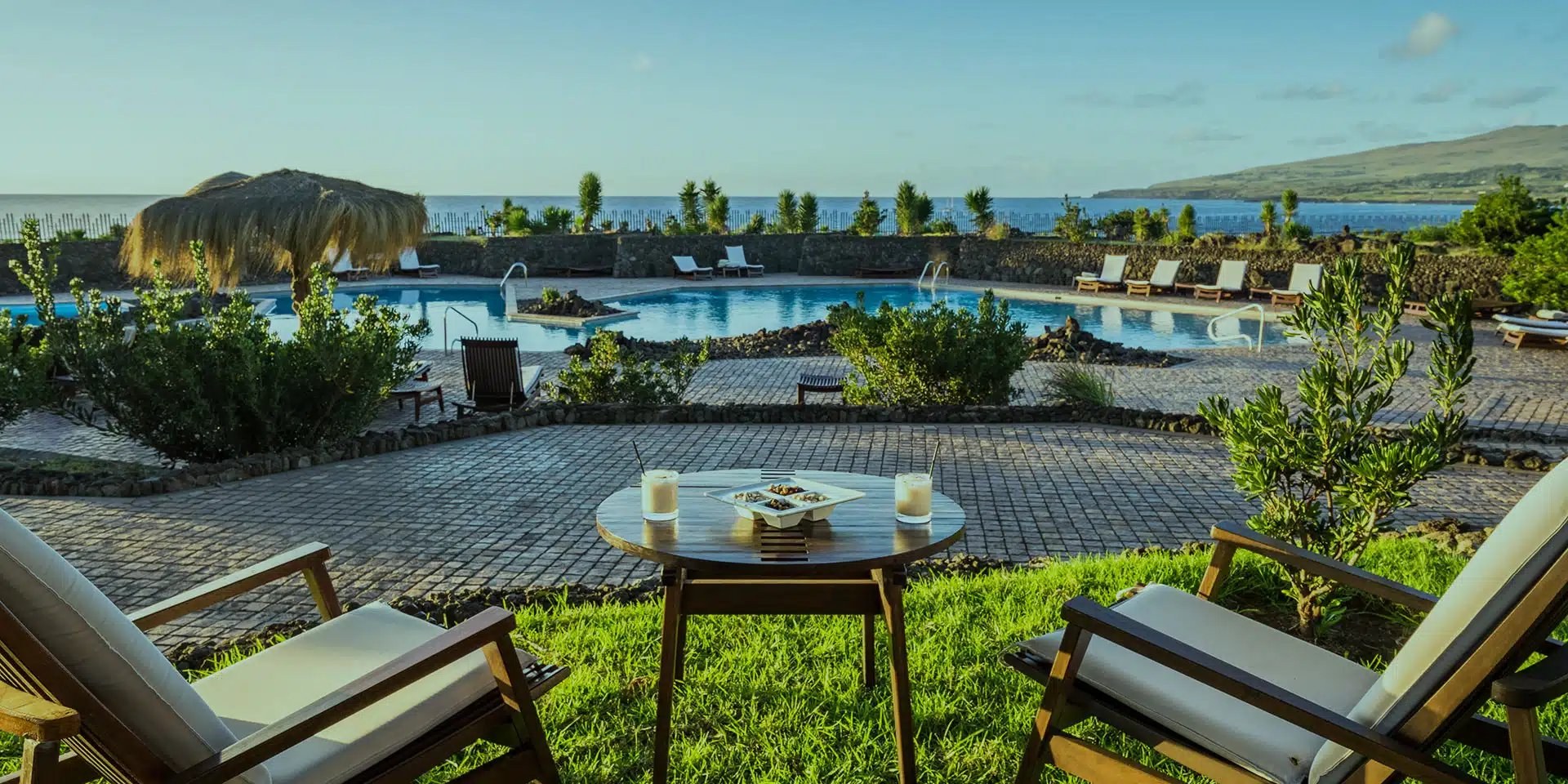
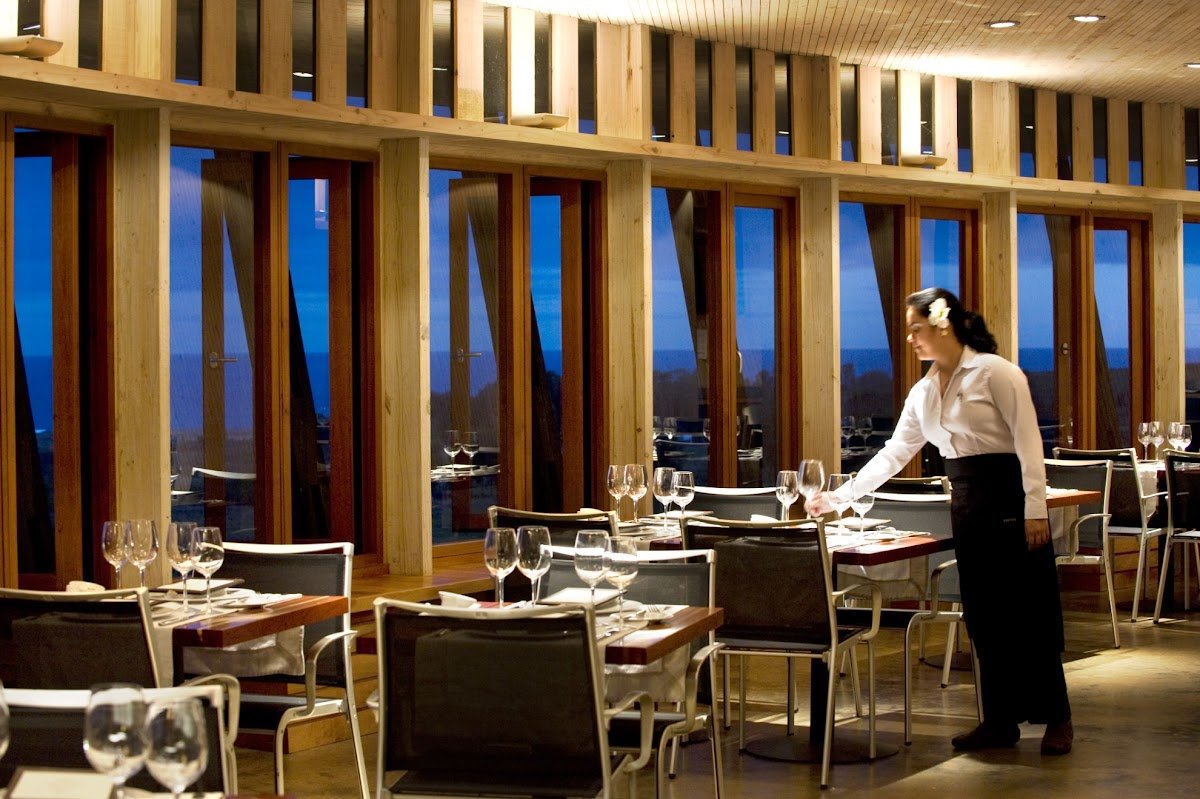
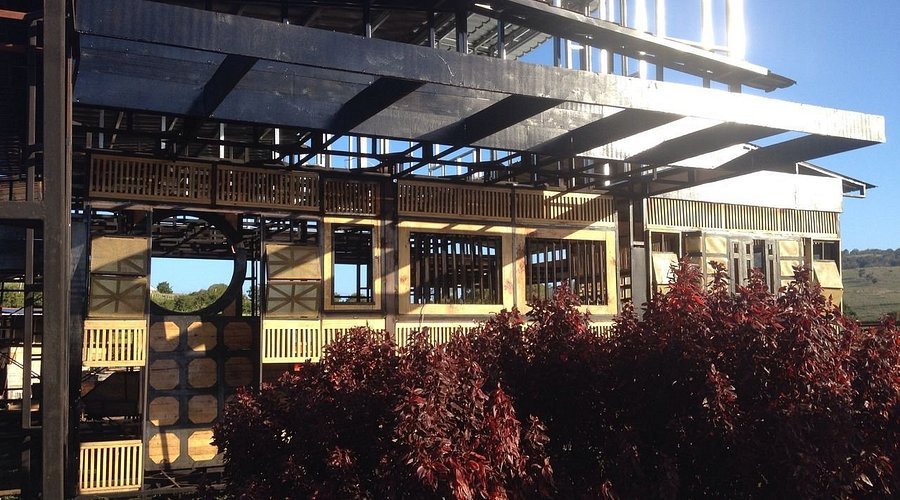
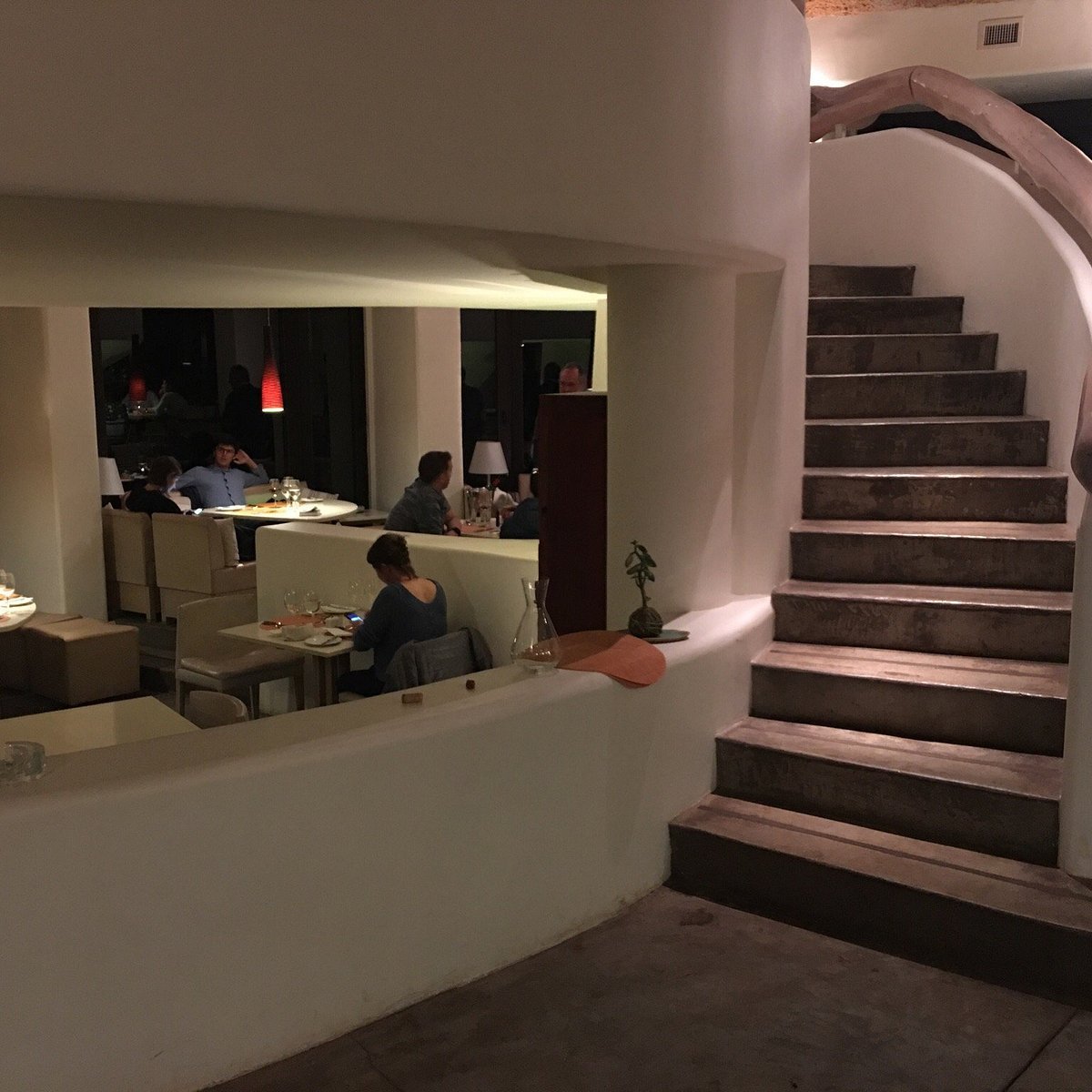
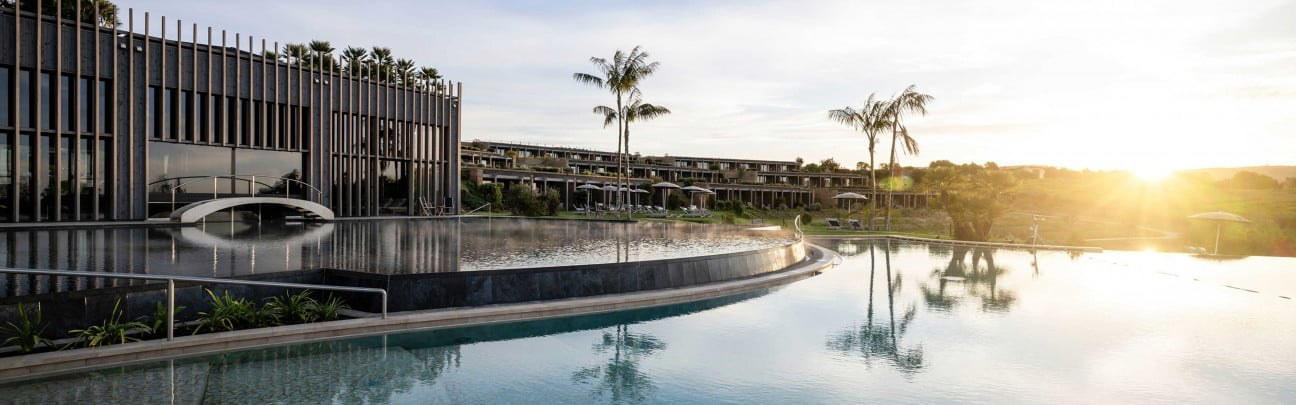
Explora Rapa Nui presents itself as architecture in dialogue with one of the planet’s most singular landscapes. The concrete forms and unfinished timber sit deliberately against the Pacific horizon, and large, open-plan interiors use wide-format windows to frame ocean, grassland and sky. That discipline gives the hotel a considered, sophisticated feel: it feels designed rather than decorative, quiet rather than theatrical. Remoteness is part of the personality here — the building reads as a self-contained world, so days unfold slowly and the landscape remains the principal attraction.
Best For
This property suits travelers who prize solitude, landscape and thoughtful design. Couples and honeymooners find the ocean-facing orientation and intimate scale appealing, while anyone seeking a remote, contemplative stay will appreciate the hotel’s isolation from the mainland. The architecture and framed views also attract design-conscious guests and those interested in the island’s archaeological setting. It’s not a bustling resort; it’s a place for quiet observation, immersive scenery and a deliberately paced visit.
Stay Tips
Rooms are limited (30 rooms, including four suites), and every room faces the Pacific, so you don’t need to request a specific aspect for an ocean view. The property’s remoteness is central: the nearest town is five miles away and the nearest continent a multi-hour flight, so factor travel time and connections into your plans. Book well in advance given the small inventory and the island’s distance from major transport hubs, and allow extra logistics time when arranging flights and transfers.
Venue details
Ambiance
Tranquil and serene with natural light, wide windows maximizing ocean views, and a peaceful atmosphere praised for silence and exclusivity.
Tags
Vibe
Best For
Experience
Amenities
View
Accessibility
About the Stay
- Rooms
- 30
- Check-in
- 15:00
- Check-out
- 12:00
- Property Style
- Contemporary Eco Lodge Integrated Into Volcanic Landscape
- Design Style
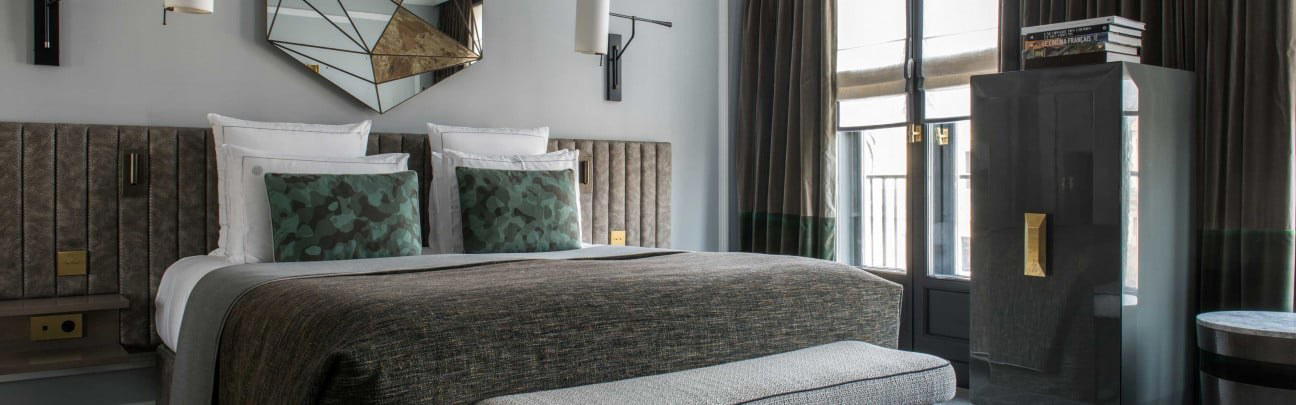
- Modern Minimalist with Natural Wood and Raw Concrete
Know before you go
Know Before You Go
- Getting there
- Easter Island, Hanga Roa, Isla de Pascua, Valparaíso
Planning details
Location
Easter Island, Hanga Roa, Isla de Pascua, Valparaíso · Directions
Recognition and awards

Also consider
Also Consider
- Nayara Hangaroa, Notable alternative
- Mari Mari Natural Reserve Experience, Notable alternative
- Refugia Chiloé, Notable alternative
- Palacio Astoreca Hotel, Notable alternative
- Hotel AWA, Notable alternative
Hotel context
How it compares
Choose Explora Rapa Nui if the trip needs a high-control, experience-led base on Easter Island and booking difficulty is not a dealbreaker. Nayara Hangaroa is the closer cross-shop for travelers who want an island stay with a resort feel; Explora is the better fit when the itinerary matters more than hanging around the property.
Mari Mari Natural Reserve Experience, Refugia Chiloé, and Hotel AWA make more sense if the reader is comparing Chilean nature lodges outside Easter Island. Those are better alternatives for mainland routing; they are not substitutes for seeing Rapa Nui itself.
Palacio Astoreca Hotel is the odd one out: better for a Valparaíso city stay, weaker for remote-landscape immersion. For value, compare total trip purpose rather than nightly rate alone. For ambiance, Explora Rapa Nui is the pick when open-island setting and itinerary structure beat urban character.
Explore Easter Island
Around this place
Discover more on Pearl
Unlock the full Explora Rapa Nui guide in Pearl, including awards, comparisons, FAQs, planning details, and nearby places.
Compare Explora Rapa Nui
| Venue | Location | Awards |
|---|---|---|
| Explora Rapa Nui | Easter Island | 2026 Virtuoso Luxury Hotel Collection2026 Mr & Mrs Smith Luxury Hotels2026 Michelin 2 KeysMichelin 1 Key 20252025 Michelin 1 Key |
| Nayara Hangaroa | Easter Island | Tablet Hotels Design Awards 2026: Best New Hotel Designs (Mexico & More)Leading Hotels of the World 20262025 Michelin Selected Hotels |
| Mari Mari Natural Reserve Experience | Los Muermos | Leading Hotels of the World 2026 |
| Refugia Chiloé | Chiloé | 2026 Robb Report The 50 Greatest Luxury Hotels on Earth2026 La Liste Top HotelsConde Nast Gold List 20262026 Michelin 2 Keys2025 Michelin 2 Keys |
| Palacio Astoreca Hotel | Valparaiso | No published awards |
| Hotel AWA | Puerto Varas | 2026 Virtuoso Luxury Hotel Collection2026 Mr & Mrs Smith Luxury HotelsLeading Hotels of the World 20262026 Michelin 1 KeyWorld Travel Awards 20252025 Michelin 1 Key |









How Explora Rapa Nui Easter Island compares with similar nearby venues.
FAQ
Frequently Asked Questions
What is check-in like at Explora Rapa Nui?
Do loyalty programs work at Explora Rapa Nui?
Explora Rapa Nui has Virtuoso Luxury Hotel Partner status for 2026. Do not assume a standard chain-loyalty program or points benefit unless the hotel or your travel advisor confirms it for your booking. If you are comparing premium stays, Nayara Hangaroa is another option to review.
Which room category is best at Explora Rapa Nui?
Choose only after checking current categories, layouts, views, and inclusions directly with Explora Rapa Nui or your advisor.