


The Mitre Hampton Court
East Molesey
Hotel in East Molesey, United Kingdom
 Book with Pearl
The Read
Palace-Side Riverside Retreat
Why go
The Mitre Hampton Court is worth shortlisting if the stay is built around Hampton Court and East Molesey, and if atmosphere matters more than chain-hotel predictability. It is less compelling for airport logistics or business-heavy London itineraries, where a more functional west-London option may make better sense.
About The Mitre Hampton Court
The Mitre Hampton Court is a hotel in East Molesey. It has a smart casual dress code and is listed as a Small Luxury Hotels of the World Member (2025). Travellers should avoid assuming specific facilities, dining formats, room features, prices, or services unless they are confirmed directly by the hotel at the time of booking.
That makes the booking decision direct: choose it when East Molesey is the right base for your trip and when the hotel's confirmed profile fits your plans. If your priorities depend on particular amenities, restaurant details, spa facilities, business services, or transport logistics, verify those points with the venue before committing.
Book it for East Molesey, with expectations checked in advance
The main reason to consider The Mitre Hampton Court is its East Molesey location. Exact street address, room categories, dining style, wellness facilities, or transport convenience are not specified, so those details should not be treated as guaranteed.
The Small Luxury Hotels of the World membership is a useful quality signal for travellers weighing it against other hotel options. Still, the safest move is to compare the exact rate, cancellation terms, and confirmed inclusions for your dates before booking. If a particular service matters, ask the hotel directly rather than relying on assumptions.
The room and public-space feel matter more than extras
This should be approached as a hotel to assess carefully on current room details, rate conditions, and confirmed services. Details regarding facilities, dining, spa access, business amenities, or on-property extras are not specified.
For broader comparison, travellers may look at options such as Dog & Fox (Hotel), High Road House, Hilton London Heathrow Airport, The Chelsea Harbour Hotel & Spa, and The Princess Victoria, depending on the type of stay or visit they are planning. The Mitre Hampton Court is best judged on whether East Molesey is the right location and whether the hotel confirms the details you need for your trip.
Planning details
- Location
- Hampton Ct Rd, Molesey, East Molesey KT8 9BN
- Website
- mitrehamptoncourt.com
- Phone
- +44 20 8979 9988
The take
The Take
The Vibe
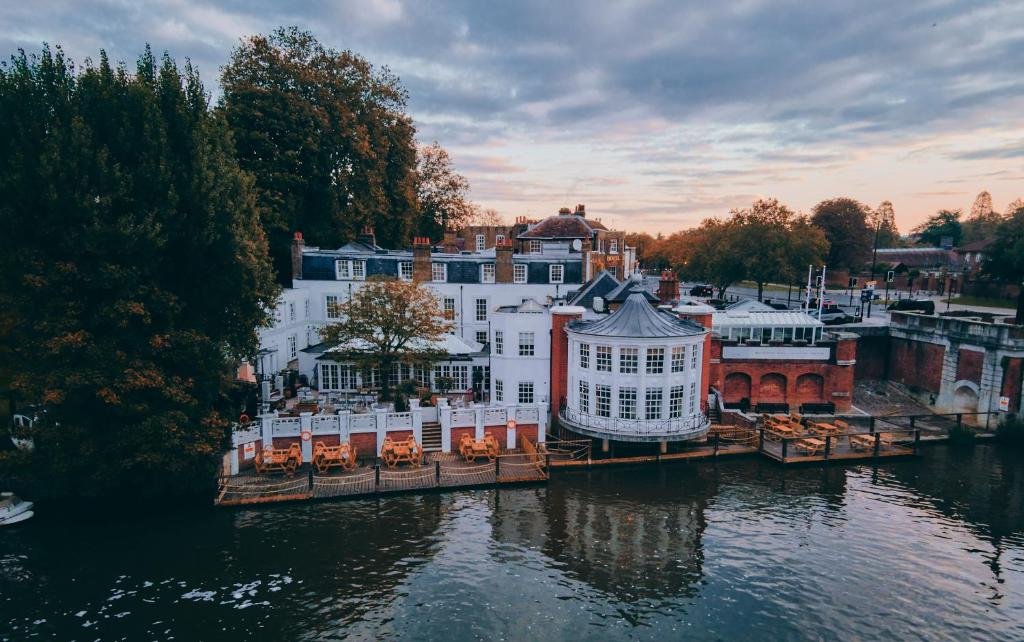
The Mitre marries Tudor-era provenance with a contemporary country-house sensibility. Housed in a former royal annex on the Thames, it keeps the gravitas of its history while adopting lighter palettes and considered materials that let the architecture speak. The hotel reads as a restrained, design-led boutique rather than a fusty country pile: period character is present but pared back, producing a calm, refined atmosphere. Its riverside siting and close relationship to Hampton Court Palace add a quietly dramatic backdrop, so the property feels historically anchored yet quietly modern in its execution.
Best For
The Mitre suits travellers who want immediate access to Hampton Court Palace and the Thames rather than rural seclusion. It is ideal for history-minded visitors, couples seeking a polished weekend escape and anyone who values architecture and thoughtful interiors over heavy period ornament. The hotel’s boutique scale and riverside siting make it a good pick for romantic short stays and cultural itineraries that centre on the palace and the river walk. Its contemporary country-house aesthetic also appeals to design-conscious guests looking for a quieter, refined base.
Stay Tips
Because the property’s charm stems from its riverside location and proximity to Hampton Court Palace, enquire about rooms with Thames-facing outlooks when you book. The hotel’s location adjacent to a major heritage attraction can make weekends and palace-event dates busier than typical Surrey stays, so reserve early for those peak periods. Mentioning your priorities—river views or proximity to the palace entrance—when requesting a room helps align expectations with the site’s historic layout and riverbank orientation.
Venue details
Ambiance
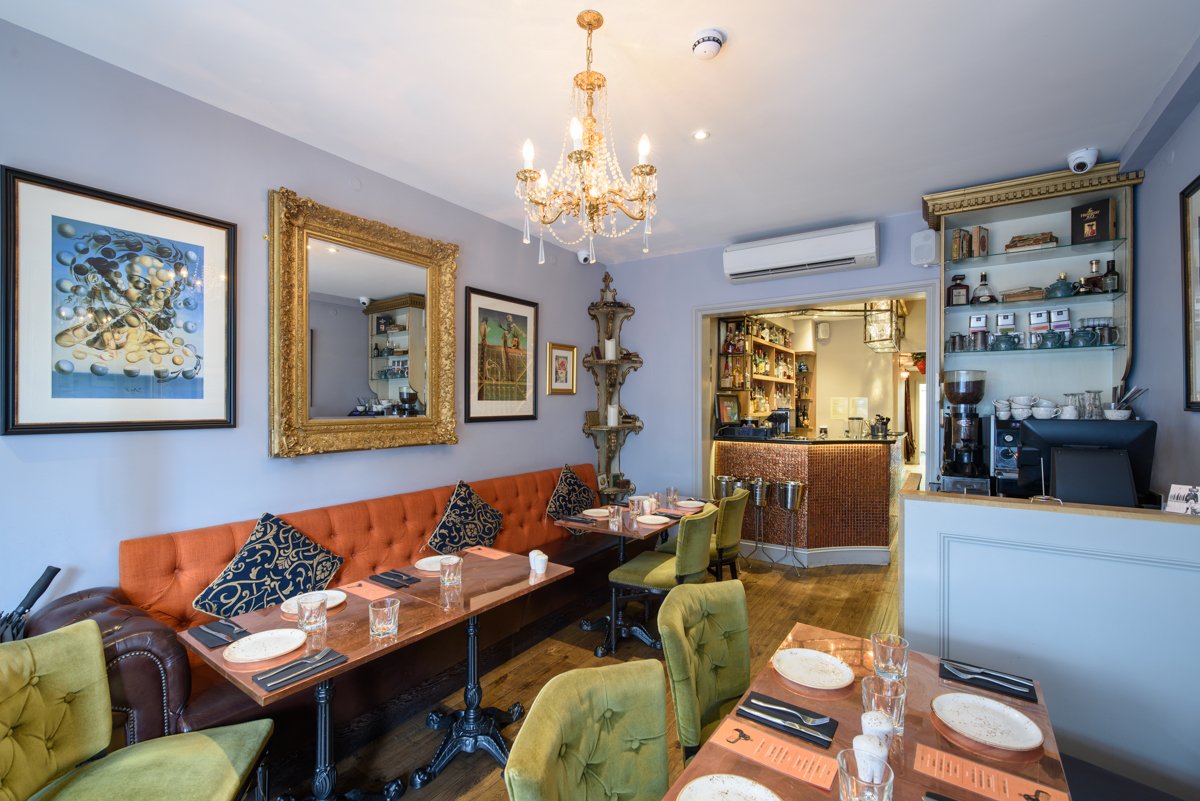
Charming blend of historic elegance and modern luxury with cozy library, riverside terrace, and individually designed rooms featuring personality and comfort.
Tags
Vibe
Best For
Experience
Amenities
View
Accessibility
About the Stay
- Rooms
- 36
- Check-in
- 16:00
- Check-out
- 11:00
- Property Style
- Historic Boutique Riverside Retreat Blending Old World Charm with Contemporary Luxury
- Design Style
- Individually Furnished Rooms with Unique Personality, Premium Bedding, and Modern Amenities in a Grade Ii Listed Building
Know before you go
Know Before You Go
- Getting there
- Hampton Ct Rd, Molesey, East Molesey KT8 9BN
Planning details
Location
Recognition and awards


Also consider
Where to look if this is not the right fit
If airport timing is the priority, cross-shop Hilton London Heathrow Airport first. If the trip needs more of a London hotel-and-spa setup, compare rates at The Chelsea Harbour Hotel & Spa before choosing East Molesey.
Hotel context
How it compares with nearby hotel options
The Mitre Hampton Court is the atmosphere-led choice in this set: better for a leisure stay around East Molesey than for travellers who only need transport convenience. Hilton London Heathrow Airport is the more practical pick for flight timing and airport access, but it will not give the same sense of place. Choose the airport hotel when the schedule matters more than the setting.
Against Dog & Fox (Hotel), High Road House, and The Princess Victoria, the decision is about ambience versus neighbourhood fit. Those peers may suit travellers who want a pub-hotel or west-London base; The Mitre Hampton Court makes more sense when Hampton Court itself is central to the trip. Booking difficulty is listed as easy, so this is not a venue to panic-book, but checking rates against those alternatives is still the right move.
The Chelsea Harbour Hotel & Spa is the stronger cross-shop for guests who want a fuller hotel-and-spa style stay closer to central London. The Mitre Hampton Court is the better call for a quieter East Molesey break with a more local setting; Chelsea Harbour is the safer choice when facilities and London access carry more weight.
Explore East Molesey
Around this place
Discover more on Pearl
Unlock the full The Mitre Hampton Court guide in Pearl, including awards, comparisons, FAQs, planning details, and nearby places.
Compare The Mitre Hampton Court
| Venue | Location | Awards |
|---|---|---|
| The Mitre Hampton Court | East Molesey | 2026 House & Garden Best Hotels in London2025 Michelin Selected HotelsSmall Luxury Hotels Member 2025 |
| Dog & Fox (Hotel) | London | No published awards |
| Hilton London Heathrow Airport | Hounslow | No published awards |
| High Road House | London | No published awards |
| The Princess Victoria | London | No published awards |
| The Chelsea Harbour Hotel & Spa | London | No published awards |
How The Mitre Hampton Court compares with similar nearby venues.
FAQ
Frequently Asked Questions
How does The Mitre Hampton Court compare to nearby hotels?
It makes sense to consider The Mitre Hampton Court if East Molesey is the right base for your trip. For other needs, compare it with options such as Hilton London Heathrow Airport, Dog & Fox (Hotel), or The Chelsea Harbour Hotel & Spa, depending on your location and service priorities.
When is the best time to book The Mitre Hampton Court?
Booking-pattern data, prices, or peak-period guidance are not available. If your dates are fixed, compare live rates and cancellation terms directly before booking.
Do loyalty programs work at The Mitre Hampton Court?
The Mitre Hampton Court is a Small Luxury Hotels of the World Member (2025). For exact earning, redemption, or benefit rules, check the relevant program terms and booking channel before reserving.