
Hotel Rebstock Durbach
Durbach
Hotel in Durbach, Germany
 Book with Pearl
The Read
Garden-Centred Black Forest Hospitality
Why go
Hotel Rebstock Durbach is worth considering if the priority is staying in Durbach itself and keeping logistics simple for a work trip, wine-country stop, or quiet overnight. Because published price, spa, loyalty, and room-category details are not listed here, compare it directly with nearby peers before using it for a celebration stay.
About Hotel Rebstock Durbach
Hotel Rebstock Durbach is a hotel in Durbach. The dress code is smart casual.
Good fit for a Durbach stay, less clear for trips that depend on specific facilities
If the schedule is centered on Durbach, Hotel Rebstock Durbach may be worth considering simply because it keeps the stay in the city. Beyond that, details such as room categories, wellness facilities, restaurant format, loyalty participation, and included services should be confirmed directly with the hotel.
For a special-occasion stay, confirm the essentials before booking. Do not assume a spa, pool, particular dining program, price tier, or package inclusions unless the hotel confirms them directly.
Use comparison hotels to decide how much hotel you need
If staying in Durbach is the priority, cross-shop Hotel Ritter Durbach first, then check the full Durbach hotels guide for alternatives. Other options to compare include Die Reichsstadt - Hotel Spa und Restaurant, Hotel Dollenberg, Hotel Engel Obertal - Wellness & Genuss Resort, and Hotel Liberty.
Quick reference: consider Hotel Rebstock Durbach for a stay in Durbach, and confirm all facilities, rates, and booking details directly before making plans around them.
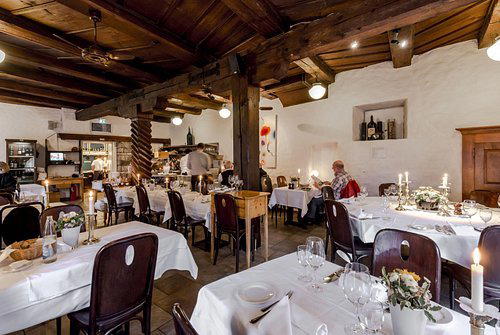
Inside Hotel Rebstock Durbach
Planning details
- Location
- Halbgütle 30, 77770 Durbach
- Website
- rebstock-durbach.de
- Phone
- +49 781 4820
The take
The Take
The Vibe
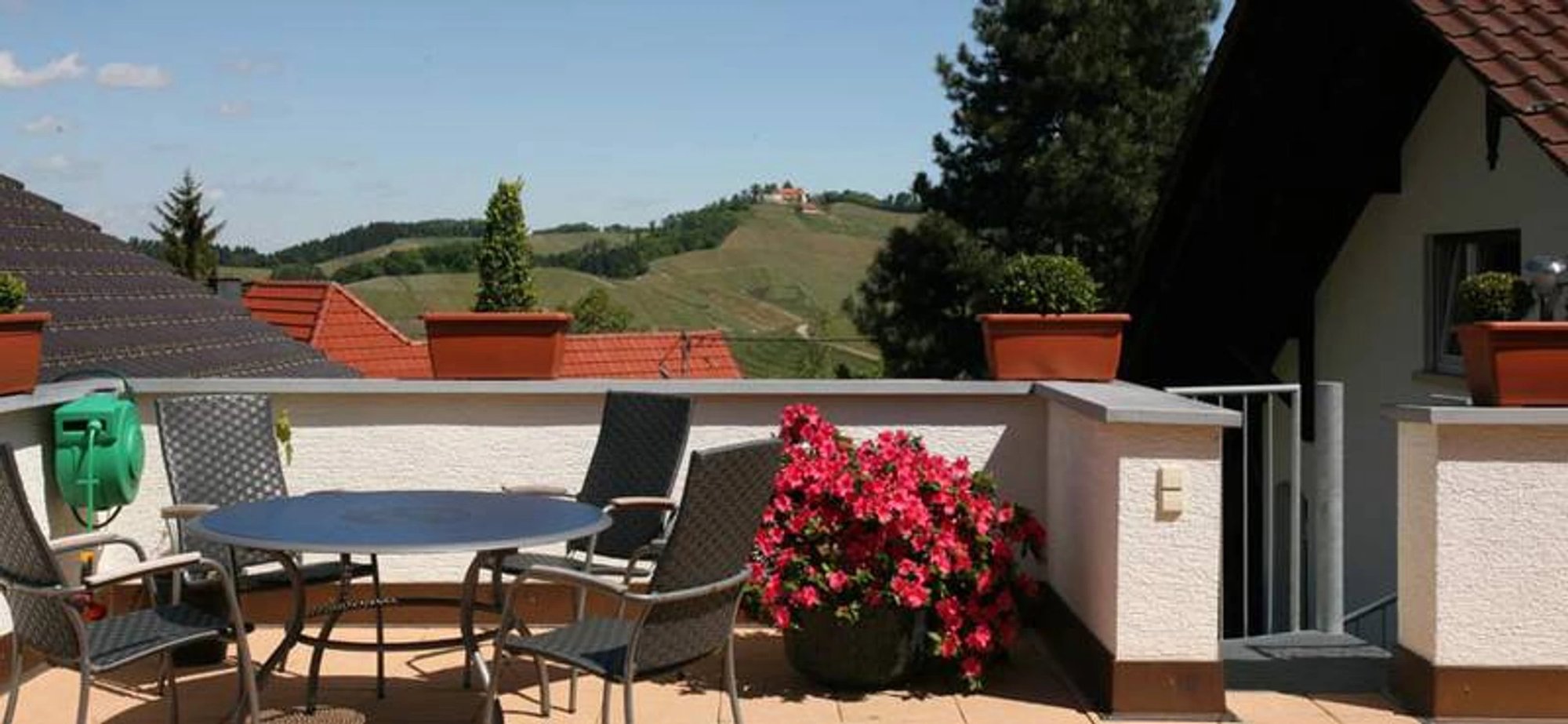
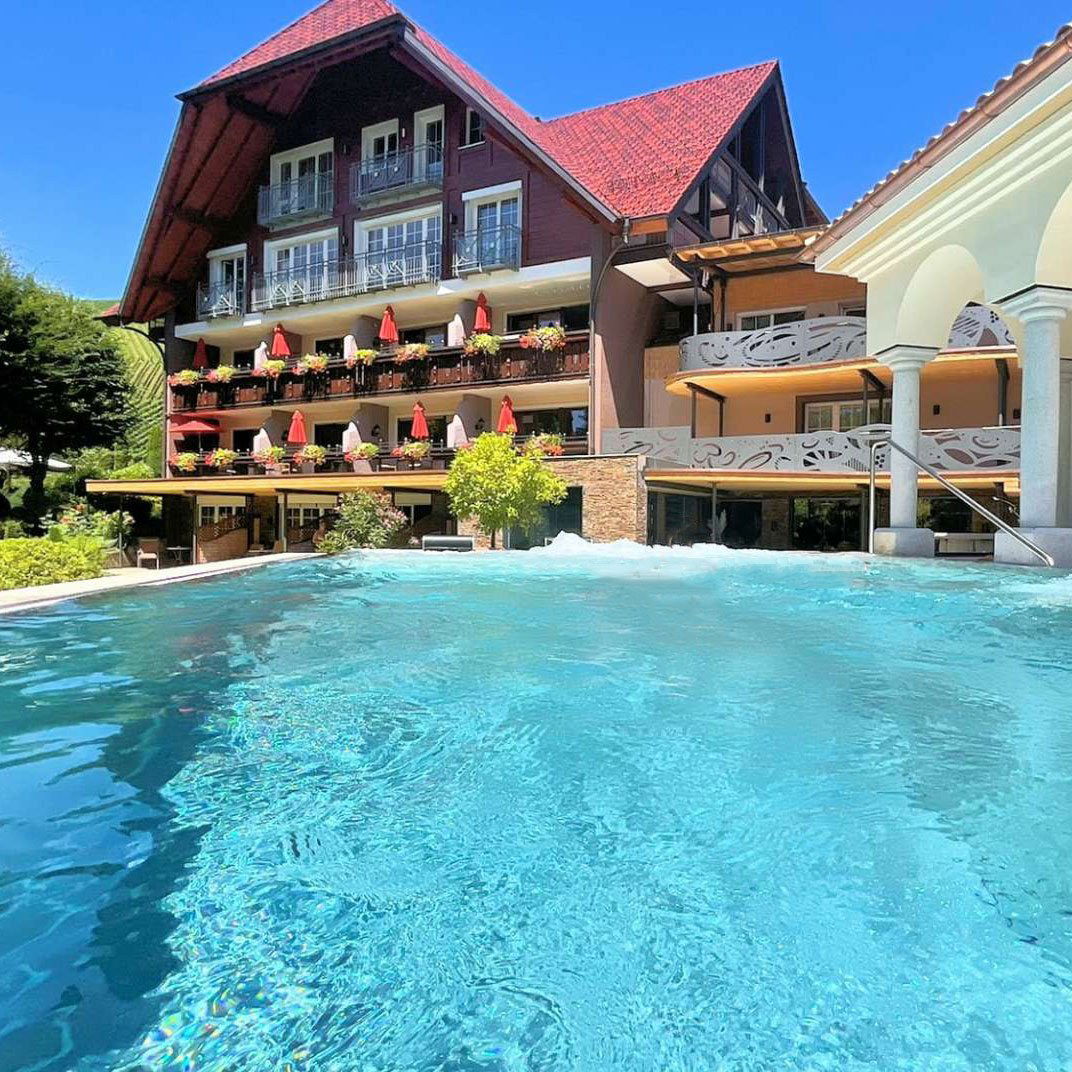
Hotel Rebstock Durbach presents a restrained, village-forward character that leans on place rather than spectacle. The Baumann family runs a mid-sized, family-managed house that feels timeless and unforced—classic regional hospitality with careful attention to the surrounding vineyards. The garden, arranged as a series of quiet corners, becomes the property's signature: private nooks replace a single grand plaza, encouraging slow discovery and repeat visits. Pricing and scale signal quality without ostentation, so the overall impression is quietly charming and intimate, geared to guests who appreciate context, calm, and the particular rhythms of a wine village.
Best For
Rebstock is best for travelers who want to use a hotel as a base for lingering in the Ortenau wine region rather than as a single-night stopover. Its mid-sized, family-managed approach suits couples seeking a peaceful, place-driven getaway and small families who value relaxed gardens and longer stays. The pricing and scale also appeal to visitors planning multi-night visits to explore nearby vineyards and village life. Guests looking for loud nightlife or urban spectacle will find this property more about slow discovery and the understated pleasures of rural Baden-Württemberg.
Stay Tips
Book multiple nights to reap the hotel's central design advantage: the garden's many corners reward time and repetition. Treat the Rebstock as a base for exploring local vineyards and the village—arrival by late afternoon gives you time to settle into a preferred garden spot. The description highlights a mid-range nightly rate (around $179) and a family-run operation, so expect a personable, quietly attentive experience rather than a high‑volume, transactional stay. If you prefer tranquility, mention a request for quieter garden-facing areas when reserving.
Venue details
Ambiance
Warm, inviting, and homelike with tastefully decorated interiors reflecting the charming Black Forest setting; guests describe it as a relaxing retreat with excellent lighting in dining areas and cozy common spaces.
Tags
Vibe
Best For
Experience
Amenities
View
Accessibility
About the Stay
- Rooms
- 40
- Property Style
- Traditional Black Forest Family Hotel with Heritage Charm and Contemporary Wellness Amenities; Positioned as a Refined Retreat Combining Regional Hospitality with Upscale Comfort.
- Design Style
- Charming Traditional German Aesthetic with Individually Furnished Rooms, Tasteful Interiors Adapted to the Natural Environment, and Well Maintained Period Details Throughout.
Know before you go
Know Before You Go
- Getting there
- Halbgütle 30, 77770 Durbach
Planning details
Location
Also consider
Also Consider
- Hotel Ritter Durbach, Notable alternative
- Hotel Liberty, Notable alternative
- Die Reichsstadt - Hotel Spa und Restaurant, Notable alternative
- Hotel Dollenberg, Notable alternative
- Hotel Engel Obertal - Wellness & Genuss Resort, Notable alternative
Hotel context
How Hotel Rebstock Durbach compares in and around Durbach
Choose Hotel Rebstock Durbach if location in Durbach is the main requirement and the stay needs to be easy rather than elaborate. Hotel Ritter Durbach is the closest natural cross-shop for travelers who want to stay in the same town, so compare room rate, breakfast terms, and cancellation rules before deciding.
If the trip can sit outside Durbach, Hotel Liberty and Die Reichsstadt - Hotel Spa und Restaurant are better checks for a more destination-led stay. For guests prioritising wellness scale, compare against Hotel Dollenberg and Hotel Engel Obertal - Wellness & Genuss Resort before committing to a Durbach base.
Booking difficulty is listed as easy, which helps for short-notice work travel. For a celebration, the stronger move is to verify the specific room and facilities first, then decide whether the convenience of Durbach outweighs the broader resort feel offered by the out-of-metro alternatives.
Explore Durbach
Around this place
Discover more on Pearl
Unlock the full Hotel Rebstock Durbach guide in Pearl, including awards, comparisons, FAQs, planning details, and nearby places.
Compare Hotel Rebstock Durbach
| Venue | Location | Awards |
|---|---|---|
| Hotel Rebstock Durbach | Durbach | 2025 Michelin 1 Key |
| Hotel Ritter Durbach | Durbach | No published awards |
| Hotel Liberty | Offenburg | No published awards |
| Die Reichsstadt - Hotel Spa und Restaurant | Gengenbach | No published awards |
| Hotel Dollenberg | Bad Peterstal | 2026 Relais Chateaux Hotels2025 Relais Chateaux Award2025 Michelin 1 Key |
| Hotel Engel Obertal - Wellness & Genuss Resort | Baiersbronn | 2025 Michelin 1 Key2024 Michelin 2 Keys |


How Hotel Rebstock Durbach compares with similar nearby venues.
FAQ
Frequently Asked Questions
How is the pool and spa at Hotel Rebstock Durbach?
Pool and spa details should be confirmed directly with Hotel Rebstock Durbach. If wellness facilities are important, compare with options such as Hotel Dollenberg or Hotel Engel Obertal - Wellness & Genuss Resort.
Which room category is best at Hotel Rebstock Durbach?
Is Hotel Rebstock Durbach good for business travel?
Hotel Rebstock Durbach may be considered for a stay in Durbach, but business-travel amenities and services should be confirmed directly with the hotel before booking.
Do loyalty programs work at Hotel Rebstock Durbach?
Do not plan around loyalty perks unless Hotel Rebstock Durbach confirms them directly.
How does Hotel Rebstock Durbach compare to other hotels?
For another Durbach option, compare it with Hotel Ritter Durbach. Other hotels to consider include Hotel Dollenberg, Hotel Engel Obertal - Wellness & Genuss Resort, Hotel Liberty, and Die Reichsstadt - Hotel Spa und Restaurant.
![[maki:'dan] im Ritter](https://cdn.enprimeurclub.com/storage/v1/object/public/images/locations/recnbHlFTLD8yNFP0/hero1.jpg?width=2560)