
Jangala Dunhuang
Qili Town, Dunhuang
Hotel in Dunhuang, China
 Book with Pearl
The Read
Desert Sanctuary Hospitality
Why go
Book Jangala Dunhuang if the hotel is meant to anchor a slower Dunhuang trip, not just cover a transit night. Its 2025 Small Luxury Hotels of the World membership is the main trust signal; value is strongest for travelers prioritizing a polished base for desert and cultural sightseeing.
About Jangala Dunhuang
For Dunhuang planning, consider Jangala Dunhuang if the stay itself matters, not just as a bed between transfers. The safest approach is to judge it on confirmed basics and on whether a Dunhuang base fits your itinerary.
Jangala Dunhuang's clearest trust signal is membership in Small Luxury Hotels of the World for 2025. That does not automatically make it the right booking for every traveler, but it does provide a useful reference point when comparing it with other premium stays in China.
Book it if Dunhuang is the main event, not a one-night transit stop
The value equation improves when the stay is built around time in Dunhuang itself. If the itinerary is only a late arrival and early departure, the premium is harder to justify because the hotel's facilities or programming may not be enough on their own.
For first-timers, the practical advantage is simple: the hotel is in Dunhuang. Treat it as a Dunhuang base rather than as an out-of-region add-on, and confirm any room, service, dining, or transfer details directly before booking.
The smart booking window is tied to your itinerary
Dunhuang's hotel value depends heavily on how much time you plan to spend in the city. The hotel is easier to rationalize when the room functions as a comfortable base for a fuller trip rather than as a quick overnight.
Dining, spa, pool, and room-category decisions should be made conservatively unless specific inclusions are confirmed at booking. The right move is to choose the room category based on your own comfort needs, cancellation flexibility, and confirmed booking terms rather than assuming a full resort-style program.
If a branded resort ecosystem or heavy loyalty benefits are the priority, compare Jangala Dunhuang with options such as Conrad Urumqi, Conrad Jiuzhaigou, InterContinental Resort Jiuzhai Paradise, Norden Camp, or Rissai Valley, a Ritz-Carlton Reserve, depending on the wider route you are considering. For Dunhuang itself, keep restaurant and activity planning separate unless the hotel confirms specific services for your stay.
Planning details
- Location
- 12999 Jing Guan Da Dao, Dun Huang Shi, Jiu Quan Shi, Gan Su Sheng, 736202
- Website
- slh.com/hotels/jangala-dunhuang?roomsList=adults%3D2+children%3D
- Phone
- +86 937 881 1118
The take
The Take
The Vibe
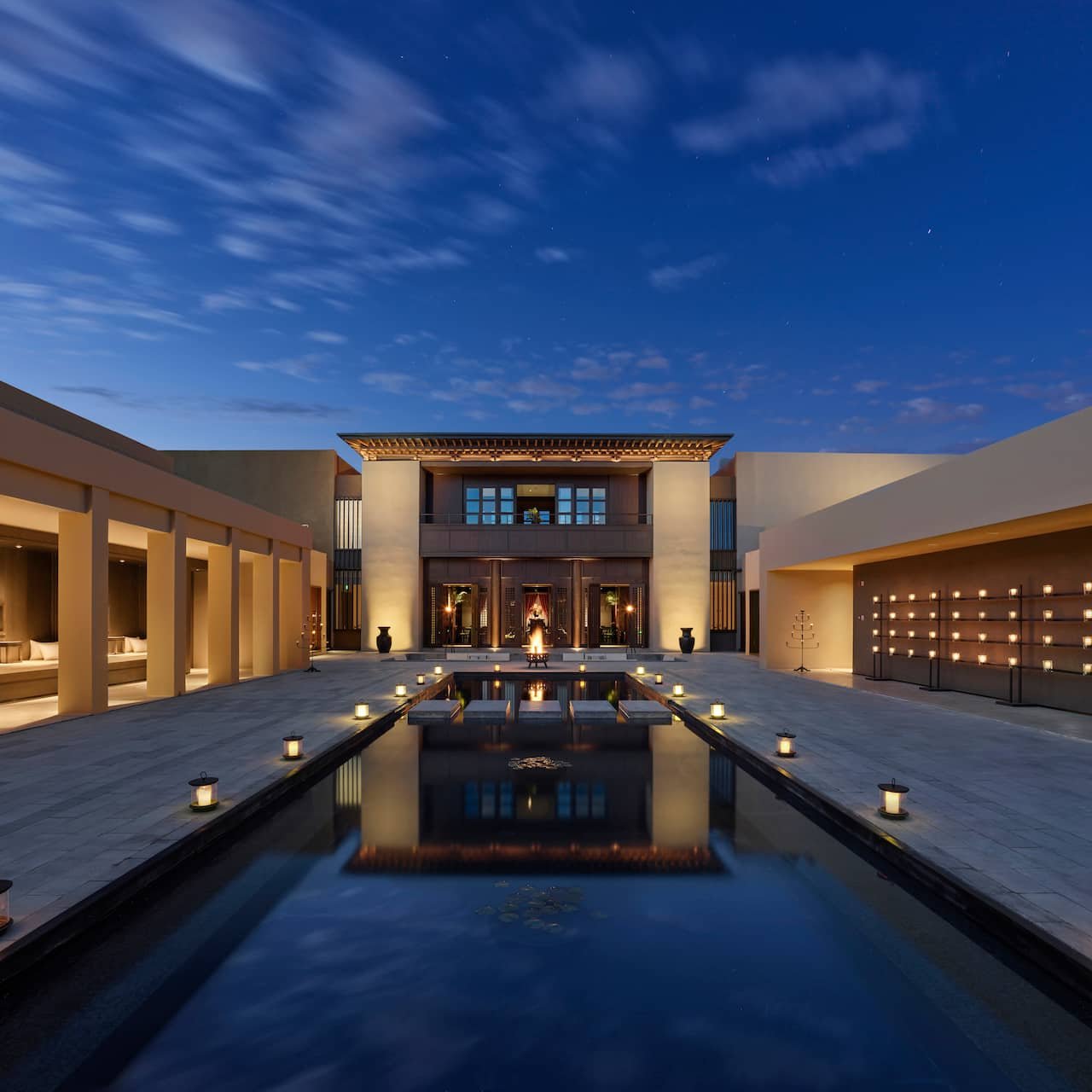
Jangala Dunhuang presents itself as an architectural refuge shaped by the desert rather than a property that merely frames it. The hotel leans on the language of place — drawing identity from dunes, the wide, open sky and the nearby Mingsha Mountain — and adopts the Sanskrit-rooted notion of an oasis as a programmatic aim. That approach yields a restrained, intimate boutique sensibility: buildings that read as an extension of the terrain, quiet and deliberate in scale, and conceived as a pause point for travelers who come to this part of China for landscape and history rather than urban bustle.
Best For
This hotel is best for travelers who prioritize solitude, landscape and cultural context. It suits couples or small parties seeking a contemplative weekend escape and people pursuing wellness or restorative breaks — the property is described as a 'pause point' amid the Gobi, where the wide sky and surrounding dunes recalibrate perspective. Visitors drawn to Silk Road history and design-aware hospitality find Jangala appealing; its boutique intent positions it as an alternative to chain hotels for those planning romantic getaways, wellness retreats or short, restorative stays in a remote setting.
Venue details
Ambiance
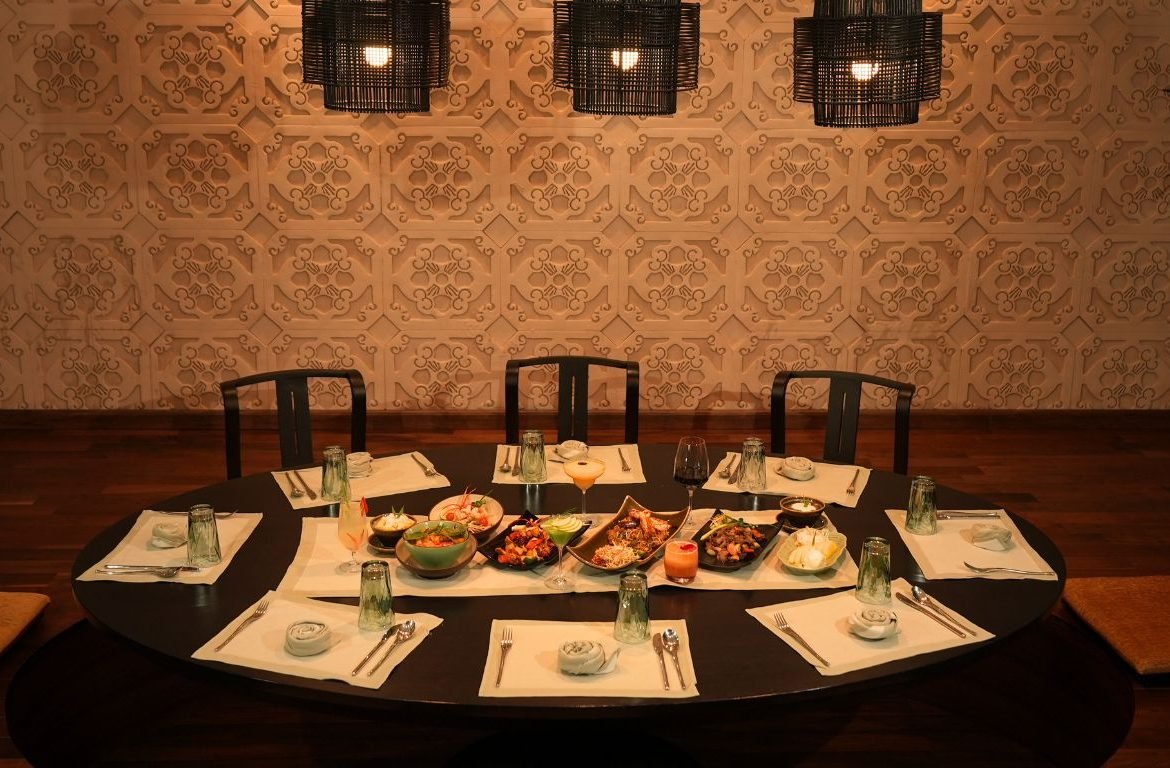
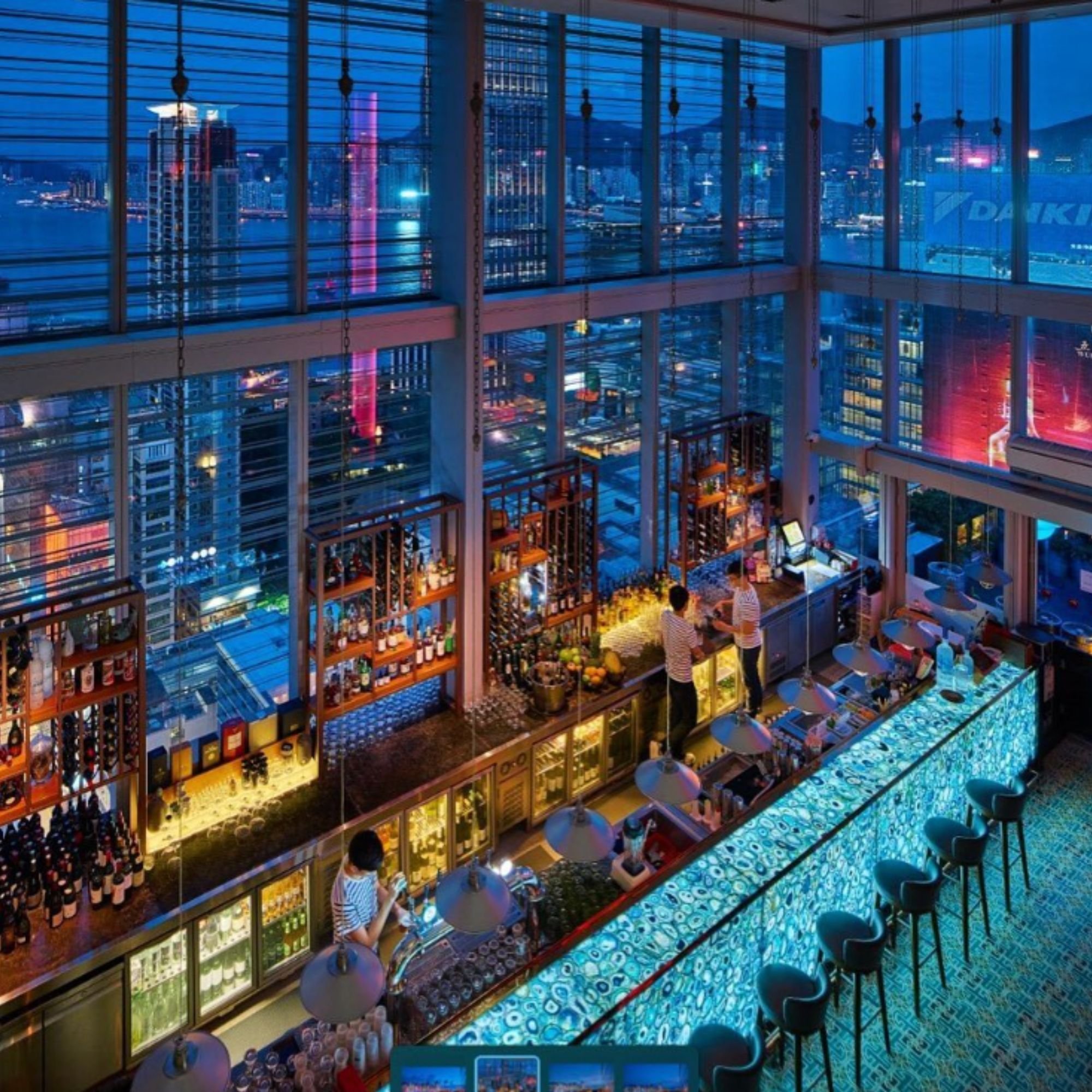
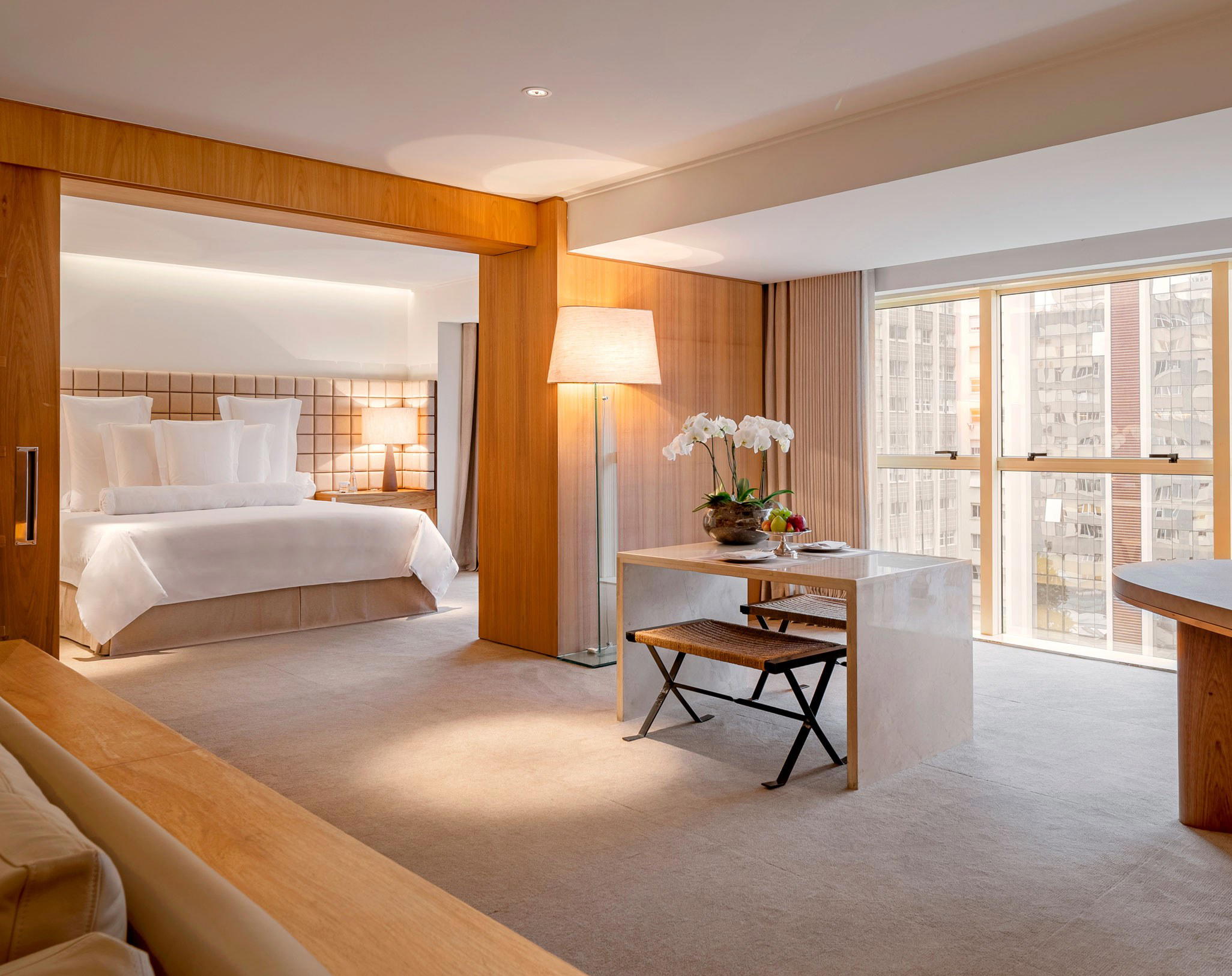
Light-filled lounges with thoughtful lighting, minimalist marble decor, cozy sofas, and a calm, serene atmosphere.
Tags
Vibe
Best For
Experience
Amenities
About the Stay
- Rooms
- 25
- Check-in
- 14:00
- Check-out
- 12:00
- Property Type
- Boutique hotel
- Property Style
- Contemporary Oasis Retreat with Regional Simplicity and Sustainable Design
- Design Style
- Minimalist with Warm Woods, Natural Fabrics, and Marble Elements
- Spa
- Yes
- Cancellation
- Moderate
Know before you go
Know Before You Go
- Getting there
- 12999 Jing Guan Da Dao, Dun Huang Shi, Jiu Quan Shi, Gan Su Sheng, 736202
Planning details
Location
12999 Jing Guan Da Dao, Dun Huang Shi, Jiu Quan Shi, Gan Su Sheng, 736202 · Directions
slh.com/hotels/jangala-dunhuang?roomsList=adults%3D2+children%3D
Recognition and awards

Also consider
Also Consider
- Conrad Urumqi, Notable alternative
- Norden Camp, Notable alternative
- Conrad Jiuzhaigou, Notable alternative
- InterContinental Resort Jiuzhai Paradise, Notable alternative
- Rissai Valley, a Ritz-Carlton Reserve, Notable alternative
Hotel context
How It Compares
Choose Jangala Dunhuang if the trip is centered on Dunhuang itself and the priority is a polished base close to the city's desert-and-culture circuit. Norden Camp is the more adventure-coded alternative for travelers who want the stay to feel more outdoors-driven, while this is the cleaner pick for first-timers who want less friction around comfort and logistics.
Conrad Urumqi is better for travelers who want a larger-city hotel format and easier brand familiarity, but it is not a Dunhuang substitute. Conrad Jiuzhaigou and InterContinental Resort Jiuzhai Paradise make more sense for a mountain-and-national-park itinerary than a Silk Road desert trip.
If the goal is a high-touch remote resort stay, Rissai Valley, a Ritz-Carlton Reserve is the more luxury-forward comparison, though it serves a different region and trip style. For value, Jangala Dunhuang is easiest to justify when Dunhuang is the destination focus; if the hotel is only a sleep stop, cross-shop a simpler local option instead.
Explore Dunhuang
Around this place
Discover more on Pearl
Unlock the full Jangala Dunhuang guide in Pearl, including awards, comparisons, FAQs, planning details, and nearby places.
Compare Jangala Dunhuang
| Venue | Location | Awards |
|---|---|---|
| Jangala Dunhuang | Dunhuang | Small Luxury Hotels Member 2025 |
| Conrad Urumqi | Urumqi | No published awards |
| Norden Camp | Xiahe | 2026 Conde Nast Traveler Hot List Hotels |
| Conrad Jiuzhaigou | Jiuzhaigou | 2026 Forbes 4-Star2025 Forbes 4-Star |
| InterContinental Resort Jiuzhai Paradise | Jiuzhaigou | No published awards |
| Rissai Valley, a Ritz-Carlton Reserve | Jiuzhaigou | 2026 Michelin 3 KeysTatler Best Hotels Asia-Pacific 20252025 Michelin 3 Keys |





How Jangala Dunhuang compares with similar nearby venues.
FAQ
Frequently Asked Questions
What is check-in like at Jangala Dunhuang?
Plan for a hotel-style arrival and keep your timing flexible. Confirm arrival timing and any transfer needs directly with the hotel before you travel to Dunhuang.
Which room category is best at Jangala Dunhuang?
The best room category depends on your own comfort needs and the confirmed booking terms. Compare space, cancellation rules, and any inclusions directly before booking.
How is the pool and spa at Jangala Dunhuang?
How is the dining at Jangala Dunhuang?
Treat any meal planning as something to confirm directly with the hotel, and compare it with other dining in Dunhuang if restaurants are a major part of your trip.
How is the location of Jangala Dunhuang?
Jangala Dunhuang is in Dunhuang. Use the hotel's current booking information for exact arrival planning.
Do loyalty programs work at Jangala Dunhuang?
Jangala Dunhuang is listed as a Small Luxury Hotels of the World member for 2025. Check the current booking channel for any benefits.
Is Jangala Dunhuang family-friendly?
It may work as a Dunhuang base depending on your room choice and itinerary, but confirm bedding, occupancy, and any child-related policies directly before booking.