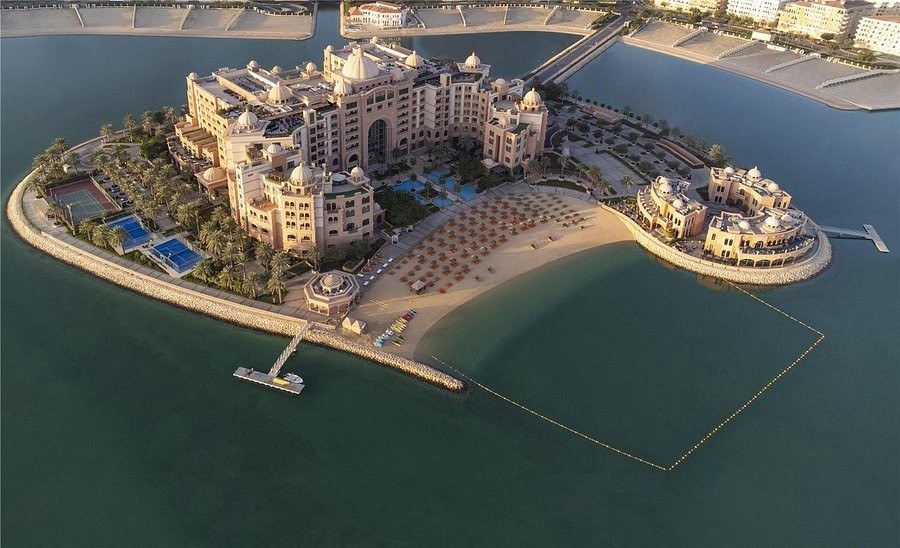


Souq Waqif Boutique Hotels by Tivoli
Al Jasra, Doha
Hotel in Doha, Qatar
 Book with Pearl
Why go
Souq Waqif Boutique Hotels by Tivoli is the right Doha choice if location and atmosphere matter more than a conventional tower-hotel setup. The market setting works especially well for a short celebration stay or first visit, backed by 2025 World Travel Awards and MICHELIN Guide hotel recognition.
About Souq Waqif Boutique Hotels by Tivoli
In Doha, the grounded reason to shortlist Souq Waqif Boutique Hotels by Tivoli is that it is a recognized boutique hotel option with a smart-casual dress code. It has 2025 recognition from World Travel Awards as Leading Boutique Hotel and appears in the MICHELIN Guide Hotels Selected list for 2025. Beyond those points, travelers should review current facilities, services, and booking terms directly before committing.
This is a better fit for travelers who want a Doha hotel with boutique-hotel recognition than for those choosing mainly on assumptions about facilities, dining, or logistics. If the priority is a different stay, compare it closely with Park Hyatt Doha or Mandarin Oriental, Doha before committing.
Choose it for boutique-hotel recognition
The strongest case for Souq Waqif Boutique Hotels by Tivoli is simple: it is in Doha, has a smart-casual dress code, and carries 2025 recognition from both World Travel Awards and the MICHELIN Guide hotel selection. Those signals make it a credible shortlist candidate for travelers who value recognized boutique hospitality.
For a Doha stay where the hotel choice itself matters, the awards are the clearest grounded hook. Souq Waqif Boutique Hotels by Tivoli was named World Travel Awards 2025 Leading Boutique Hotel and is selected in the MICHELIN Guide Hotels list for 2025. Those signals support the recommendation, though they should not be stretched into expectations about specific amenities, dining, service formats, or room features; check the details that matter before booking.
Who should cross-shop before deciding
Travelers should be honest about trip pattern and check the practical details that matter for their stay. If another Doha hotel may better match the schedule or booking needs, Doha tower hotel or Park Hyatt Doha may be worth comparing. Mandarin Oriental, Doha is another natural comparison.
Travelers considering other hotel options can also look at The Ned Doha. Guests comparing alternatives may want to review 21 High Street Residence By The Torch. Souq Waqif Boutique Hotels by Tivoli is easiest to justify when recognition and a Doha boutique-hotel identity are enough to put it on the shortlist; for detailed facility, dining, room, or service expectations, confirm directly before booking.
Quick reference: pick Souq Waqif Boutique Hotels by Tivoli for a recognized boutique hotel in Doha with 2025 World Travel Awards and MICHELIN Guide hotel recognition; cross-shop other hotels if another booking need may fit better.
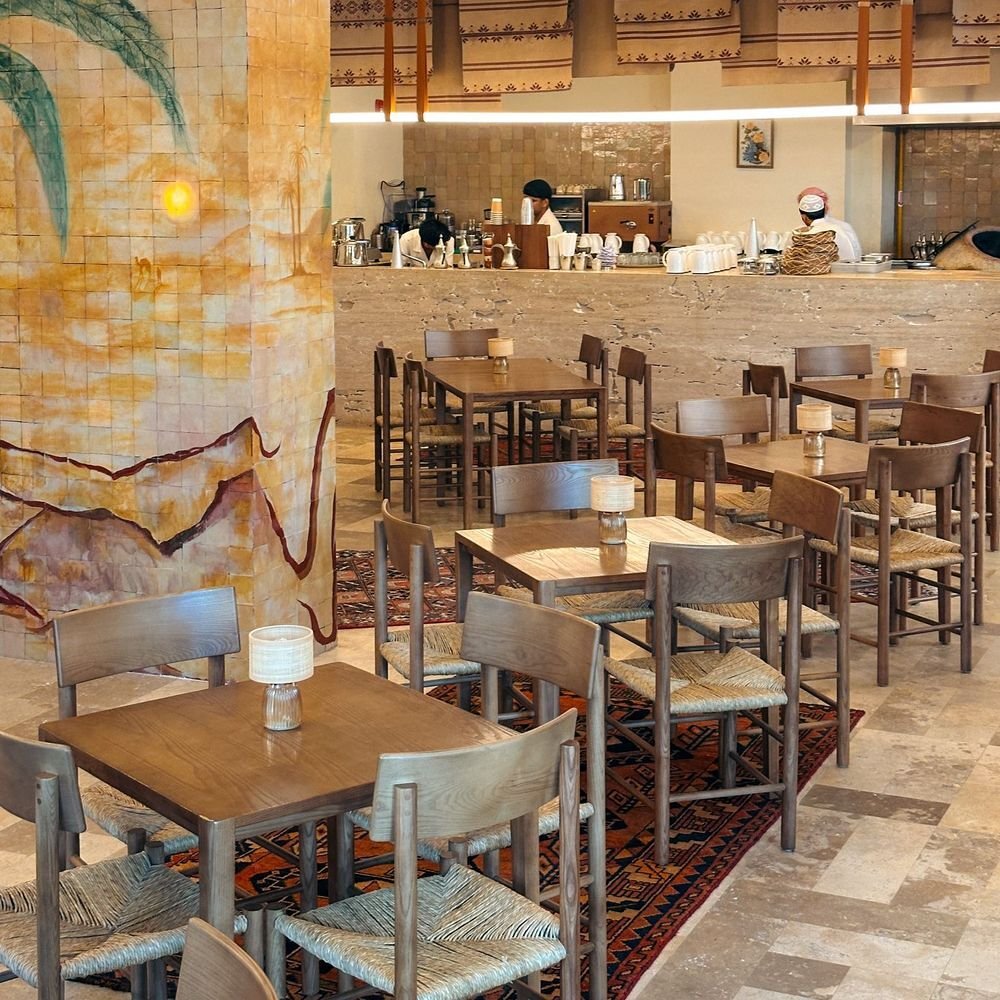
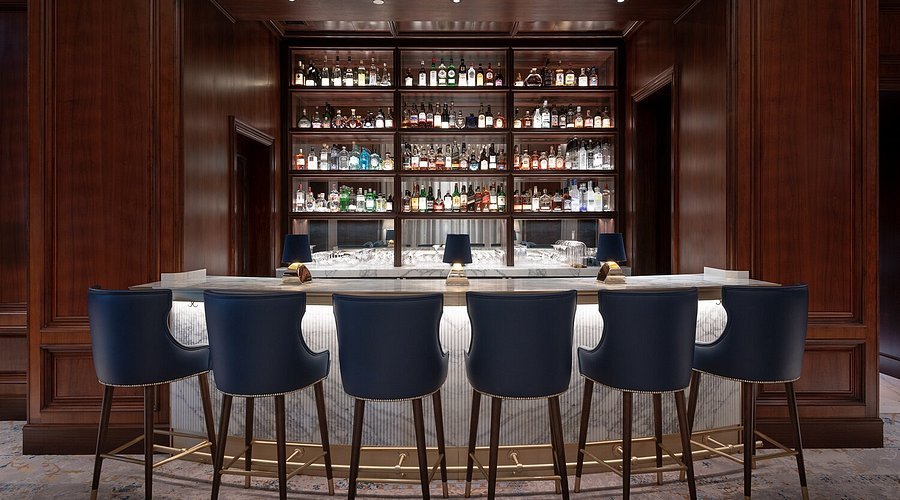
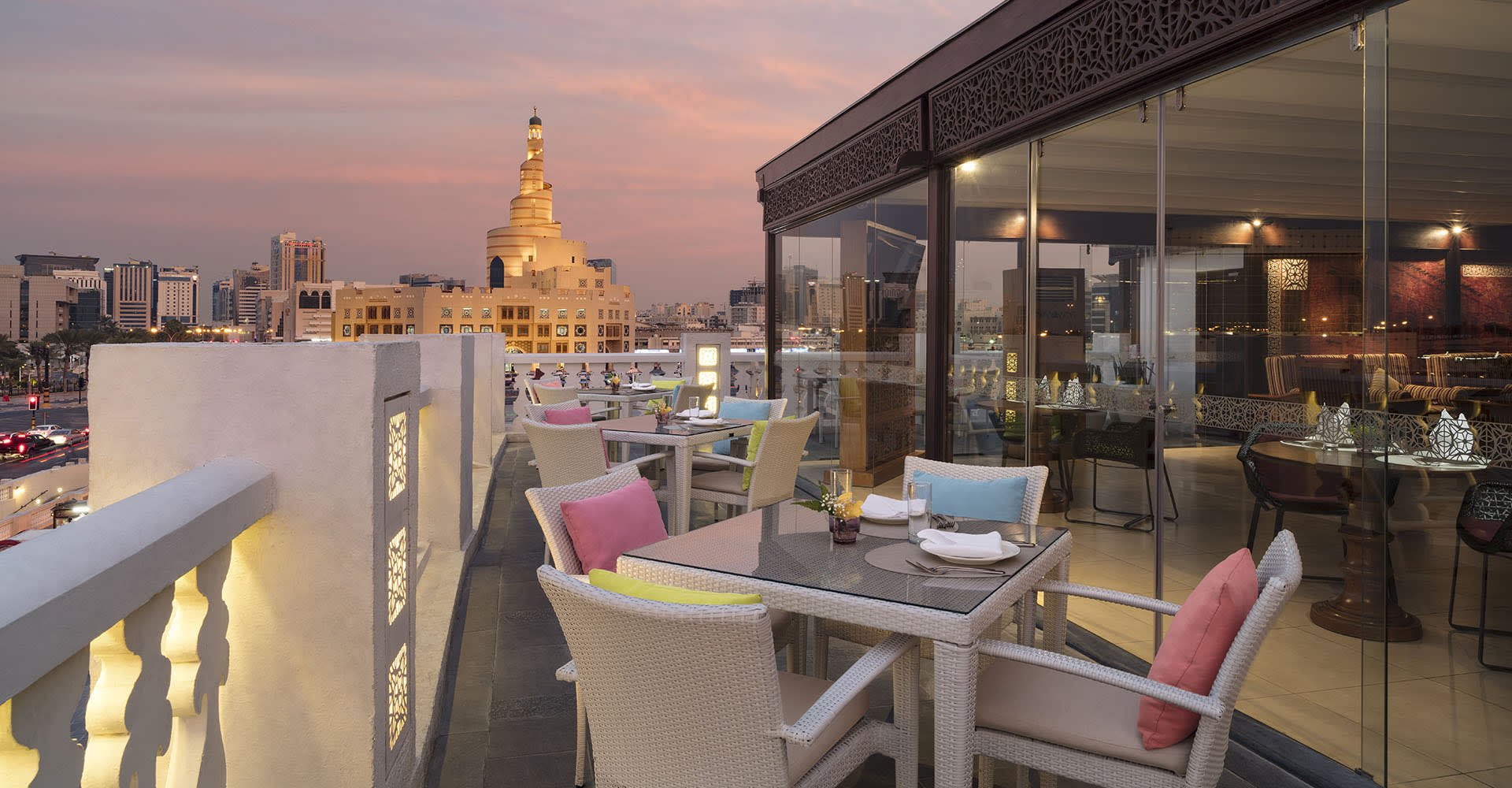
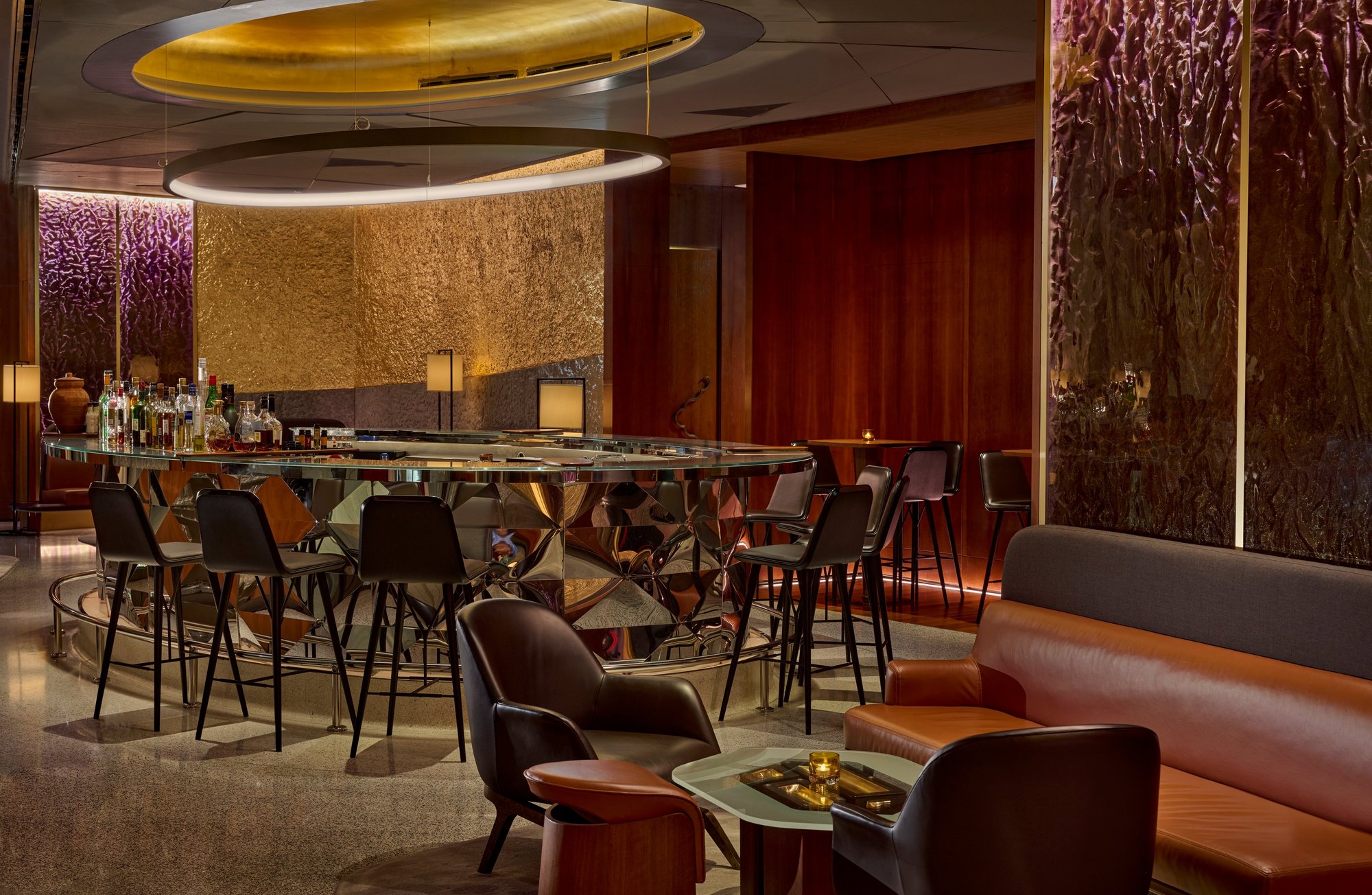
Inside Souq Waqif Boutique Hotels by Tivoli
Planning details
- Location
- Souq Waqif, Souq Waqif Boutique Hotels by Tivoli, Doha, Qatar
- Website
- tivolihotels.com/souq-waqif-doha
- Phone
- +974 4433 6666
The take
The Take
The Vibe
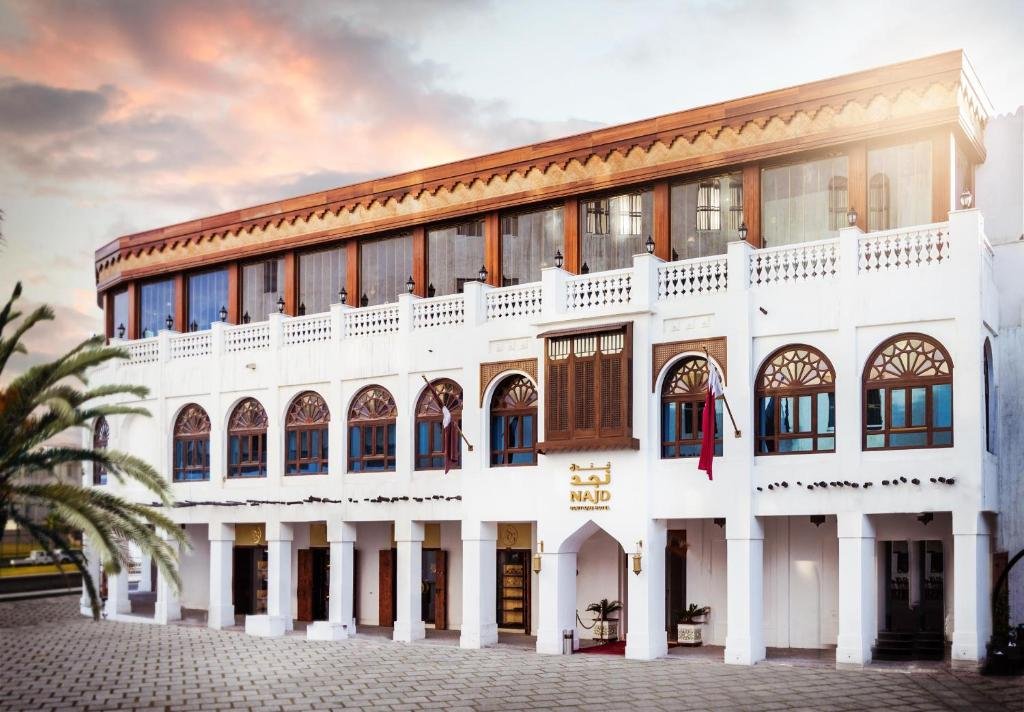
Souq Waqif Boutique Hotels by Tivoli presents a quiet, immersive kind of luxury rooted in place. Rather than asserting itself through scale, the property recedes into the restored mud‑brick fabric of the souq, using carved mashrabiyya screens, exposed timber beams and courtyard geometries to sustain an authentic vernacular. The result feels considered and intimate—the hotel reads as an extension of the market district rather than an object dropped into it. Design-minded travellers encounter a coherent approach that privileges traditional materials and proportion, so the stay feels like participating in the neighbourhood’s historic continuity.
Best For
This is a stay for travellers who prize cultural immersion and heritage architecture over skyline spectacle. Guests who want to be physically and visually inside Souq Waqif—wandering the lanes, taking in traditional craftsmanship and experiencing the market rhythm—find this hotel especially rewarding. It suits visitors seeking a boutique, place‑specific experience as an alternative to Doha’s glass-and-steel towers: people on short cultural breaks, solo explorers keen on wandering the souq, and anyone who values a hotel that deliberately blends into its historic surroundings.
Stay Tips
Plan your visit around the hotel’s defining asset: proximity to the souq. The property is built into the market’s fabric so you should expect to step from the entrance straight into narrow lanes and active storefronts—pack comfortable shoes and allow time to wander. Because the restoration emphasizes traditional materials and courtyard layouts, allow your senses to adjust to filtered light and layered textures rather than expecting contemporary gloss. If you want the fullest immersion, schedule arrivals and walks during souq hours to experience the neighborhood pulse that the hotel intentionally preserves.
Venue details
Ambiance
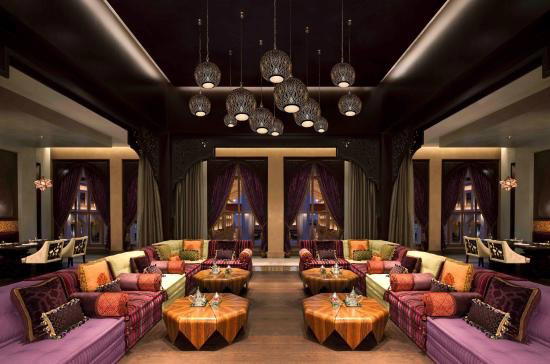
Enchanting Arabian-inspired decor with intricate details, soundproofed rooms, and a serene oasis-like atmosphere praised for its peacefulness and cultural immersion.
Tags
Vibe
Best For
Experience
Amenities
View
Accessibility
About the Stay
- Rooms
- 160
- Check-in
- 15:00
- Check-out
- 12:00
- Property Type
- Boutique hotel
- Property Style
- Collection of Heritage Inspired Boutique Hotels Reflecting Qatari Culture
- Design Style
- Traditional Arabic with Modern Sophistication and Individual Decor
- Airport Transfer
- Available
- Pool
- Yes
- Spa
- Yes
- Families
- Welcome
- Cancellation
- Moderate
Know before you go
Know Before You Go
- Getting there
- Souq Waqif, Souq Waqif Boutique Hotels by Tivoli, Doha, Qatar
Planning details
Location
Souq Waqif, Souq Waqif Boutique Hotels by Tivoli, Doha, Qatar · Directions
Recognition and awards

Also consider
Also Consider
- Doha tower hotel, Notable alternative
- Park Hyatt Doha, Notable alternative
- Mandarin Oriental, Doha, Notable alternative
- The Ned Doha, Notable alternative
- 21 High Street Residence By The Torch, Notable alternative
Hotel context
How it compares in Doha
Souq Waqif Boutique Hotels by Tivoli is the more atmospheric choice if the stay is built around the market and nearby cultural time. Doha tower hotel is the cleaner comparison for travelers who prefer a tower format, while Park Hyatt Doha is stronger for a more conventional city-hotel rhythm.
For a higher-polish luxury brief, Mandarin Oriental, Doha is the safer cross-shop. For a more social, design-led stay, The Ned Doha makes more sense. Souq Waqif Boutique Hotels by Tivoli wins when the guest values setting and a boutique feel over scale.
Families or longer-stay travelers should compare 21 High Street Residence By The Torch, especially if extra space matters. For an easier special-occasion choice with a stronger sense of place, this hotel is the better fit; for business convenience or larger hotel infrastructure, the may be more practical.
Explore Doha
Around this place
Discover more on Pearl
Unlock the full Souq Waqif Boutique Hotels by Tivoli guide in Pearl, including awards, comparisons, FAQs, planning details, and nearby places.
Compare Souq Waqif Boutique Hotels by Tivoli
| Venue | Location | Awards |
|---|---|---|
| Souq Waqif Boutique Hotels by Tivoli | Doha | World Travel Awards 20252025 Michelin Selected Hotels |
| Doha tower hotel | Doha | No published awards |
| Park Hyatt Doha | Doha | No published awards |
| Mandarin Oriental, Doha | Doha | 2026 Forbes 5-Star2026 La Liste Top Hotels2026 Michelin 1 Key2025 Michelin 1 Key2025 Forbes 5-Star |
| The Ned Doha | Doha | 2026 Forbes 4-Star2026 Mr & Mrs Smith Luxury Hotels2026 Michelin 1 KeyTatler Best Hotels Middle East 20252025 Michelin 1 Key |
| 21 High Street Residence By The Torch | Doha | No published awards |






How Souq Waqif Boutique Hotels by Tivoli Doha compares with similar nearby venues.
FAQ
Frequently Asked Questions
Is Souq Waqif Boutique Hotels by Tivoli good for business travel?
It can be, depending on the itinerary and booking needs. The essentials are that it is in Doha, has a smart-casual dress code, and has World Travel Awards 2025 Leading Boutique Hotel recognition plus MICHELIN Guide Hotels Selected recognition for 2025. If meetings or logistics are important, confirm the practical details directly and compare other Doha hotels as needed.
Is Souq Waqif Boutique Hotels by Tivoli family-friendly?
Ask the hotel directly about family-specific facilities and services before booking. For a Doha stay, the case for Souq Waqif Boutique Hotels by Tivoli is its boutique-hotel recognition and smart-casual dress code. For a different option, 21 High Street Residence By The Torch is a useful comparison.
Do loyalty programs work at Souq Waqif Boutique Hotels by Tivoli?
Confirm loyalty-program eligibility before you pay, especially if points, status benefits, or rate rules matter. The grounded draw is that Souq Waqif Boutique Hotels by Tivoli is in Doha and has 2025 World Travel Awards and MICHELIN Guide hotel recognition. If loyalty benefits are the main priority, compare policies directly with Park Hyatt Doha, Mandarin Oriental, Doha, or other hotels before booking.
How does Souq Waqif Boutique Hotels by Tivoli compare to other hotels?
Choose Souq Waqif Boutique Hotels by Tivoli if boutique-hotel recognition in Doha is the key appeal. Doha tower hotel, Park Hyatt Doha, Mandarin Oriental, Doha, and The Ned Doha are reasonable comparison points if you are weighing another hotel or booking need. Confirm current facilities and services directly before deciding.