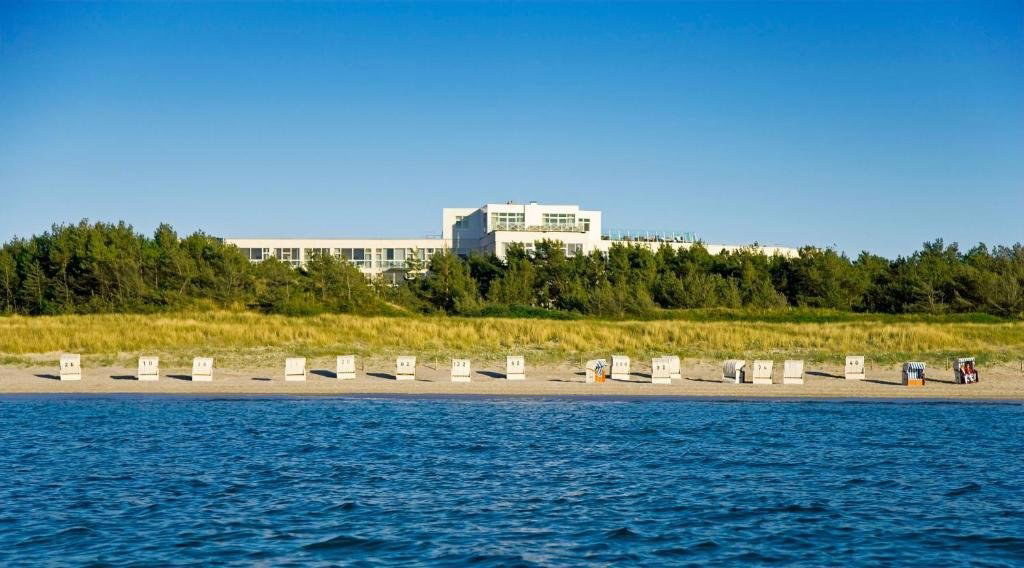

Strandhotel Fischland
Dierhagen, Fischland-Darß-Zingst peninsula, Dierhagen
Hotel in Dierhagen, Germany
 Book with Pearl
The Read
Wellness-Anchored Baltic Base
Price
$100–200per night
Why go
Strandhotel Fischland is a strong Dierhagen pick when the trip is about the Baltic coast itself: beach time, slower days, and a resort base with Michelin 1 Key recognition. Book early for peak coastal periods; cross-shop more city-practical or family-oriented hotels if the setting is not central to the trip.
About Strandhotel Fischland
Strandhotel Fischland is a Dierhagen hotel with a Michelin 1 Key for 2025. This recognition is a strong indicator of its quality as a hotel choice in Dierhagen, though travelers should confirm specific facilities, room style, dining, or services directly.
The recommendation is strongest for travelers who want to stay in Dierhagen and value a hotel with Michelin Key recognition. It is a weaker fit if the decision depends on details such as a specific restaurant format, wellness setup, loyalty program, room category, or service package, which should be confirmed directly with the hotel. The dress code is smart casual.
Book for a Dierhagen hotel with Michelin Key recognition
The most reliable reason to keep Strandhotel Fischland on the shortlist is its Michelin 1 Key recognition in 2025. Beyond that, travelers should confirm practical details directly with the hotel before booking, especially if the trip depends on particular amenities, meal plans, arrival arrangements, or seasonal services.
For planning, start with Dierhagen as the base for the stay, then consider meals and evenings through our full Dierhagen restaurants guide. If the stay depends on specific activities, check current local options and the hotel's own channels before committing.
Who should book, and who should cross-shop
Book this if the trip is specifically centered on staying in Dierhagen and you want the reassurance of a Michelin 1 Key hotel. Cross-shop if another destination, hotel style, or set of practical details matters more than the recognition. Comparisons should primarily focus on destination fit and the level of hotel recognition desired.
Cross-shop Grand Hotel Heiligendamm if that destination fits the trip better, Travel Charme Kurhaus Binz if Binz is more convenient, and Hotel AM Meer & Spa if you are comparing another hotel option. WONNEMAR Resort-Hotel is another hotel to consider, while Schlosshotel Burg Schlitz suits travelers considering a different setting from Dierhagen.
For a broader hotel shortlist, compare Strandhotel Fischland with other hotel options by location, recognition, and the practical details that matter for your stay. If the trip is not built around Dierhagen, it is worth widening the search rather than forcing this hotel into an itinerary where the destination itself is not the priority.
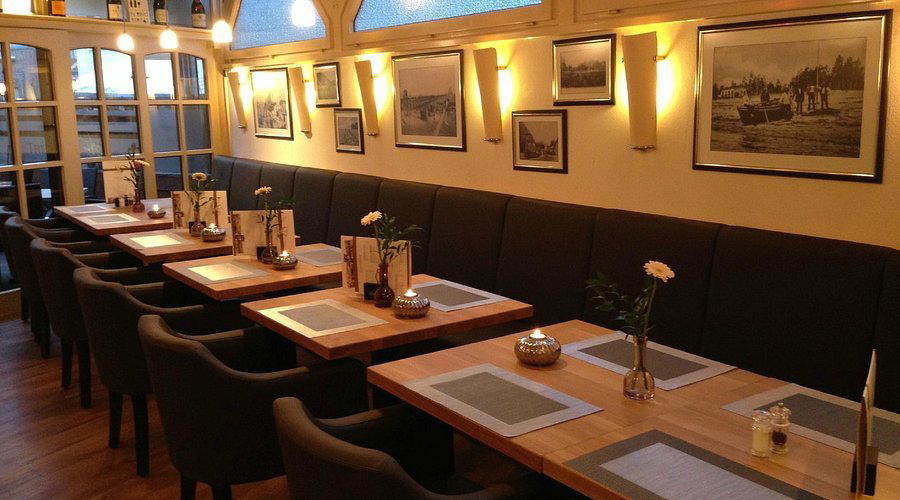
Inside Strandhotel Fischland
Planning details
- Location
- Ernst-Moritz-Arndt-Straße 6, 18347 Dierhagen
- Website
- strandhotel-fischland.de
- Phone
- +49 38226 520
The take
The Take
The Vibe
Strandhotel Fischland reads as a contemporary, quietly composed retreat on Germany’s Baltic coast. The prose leans into a northern stillness — wide skies, wind‑bent pines and a slower pace — and the hotel’s interiors mirror that restraint with clean lines and materials that nod to the shore. It deliberately positions itself against the region’s rusticated guesthouses, offering a modern, full‑service experience that still respects the peninsula’s low‑key character. The result is a calm, understated property that feels designed for rest and reflection rather than spectacle.
Best For
This hotel suits travelers who want a restful Baltic escape rather than a bustling resort scene. It is an apt choice for weekend escapes and quiet romantic getaways, and its mid‑to‑upper tier positioning makes it comfortable for family stays that prefer a full‑service base. Guests drawn to walking the national park, watching changing coastal light, or simply slowing down find the hotel’s calm setting and contemporary rooms aligned with those intentions. It is less appropriate for visitors seeking lively promenades or busy beachfront nightlife.
Venue details
Ambiance
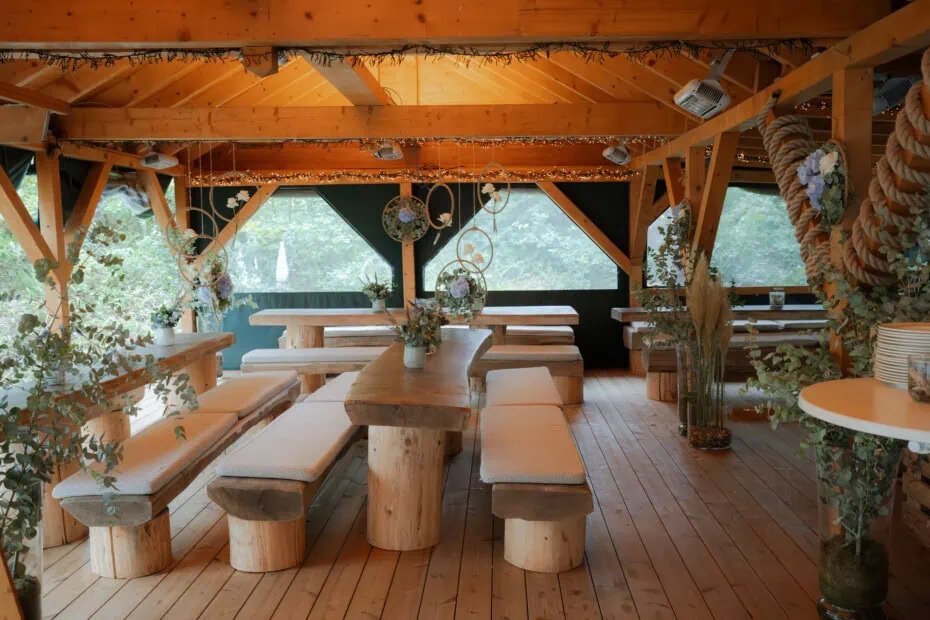
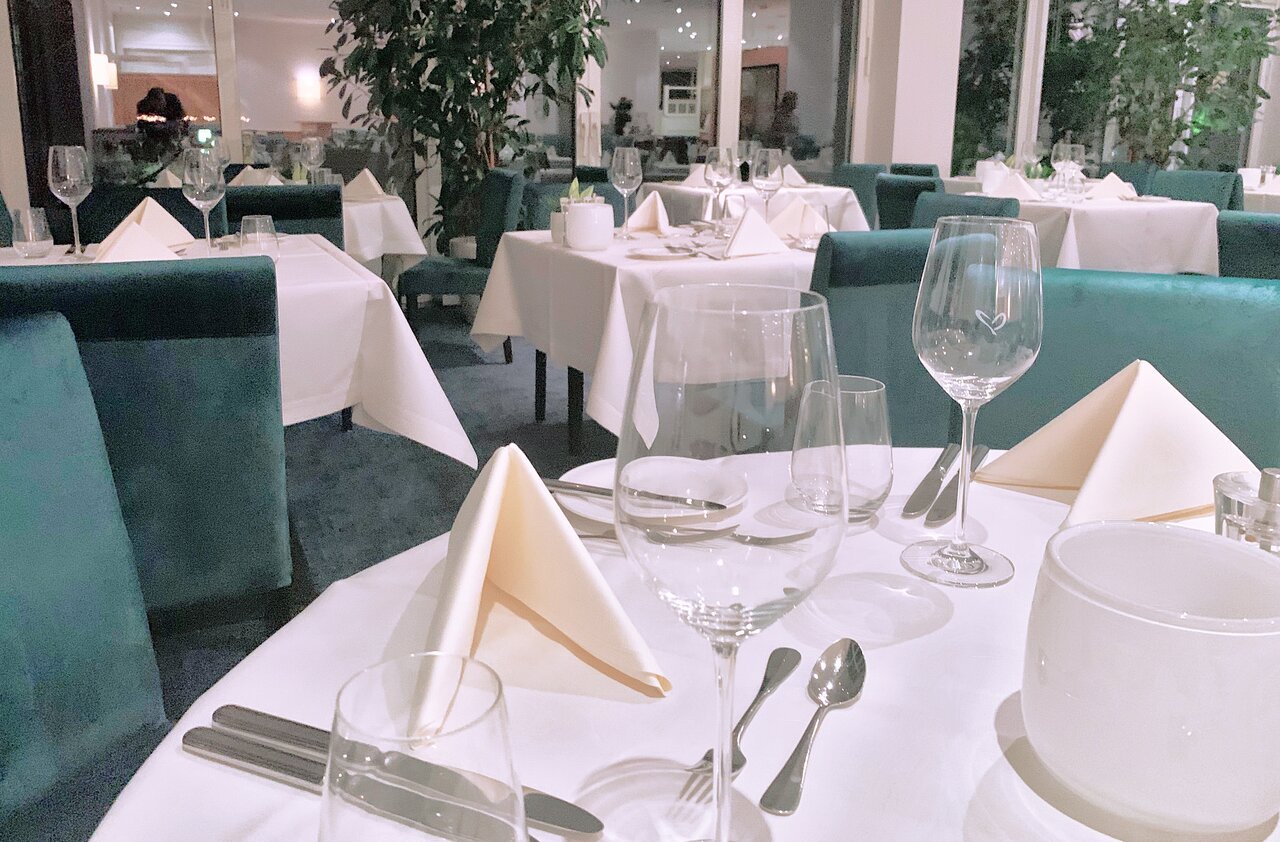
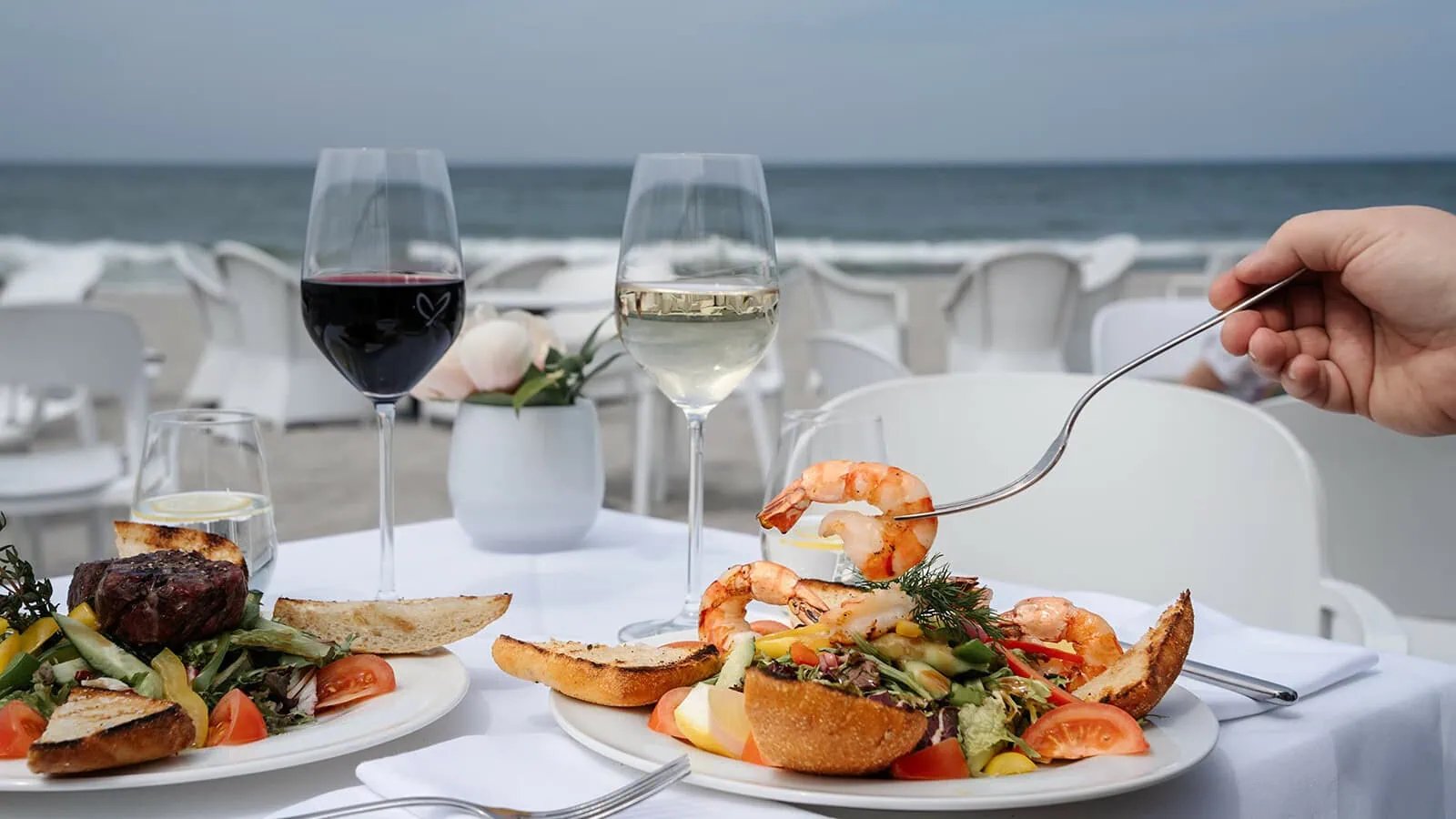
Bright, light-filled spaces with modern furnishings overlooking coastal forest and sea; peaceful, natural setting with contemporary design throughout.
Tags
Vibe
Best For
Experience
Amenities
View
Accessibility
About the Stay
- Rooms
- 0
- Property Type
- Design hotel
- Property Style
- Modern Four Star Superior Wellness Resort with Contemporary Design and Spacious, Light Filled Interiors Nestled in Coastal Forest Setting.
- Design Style
- Contemporary and Modern with Bright, Minimalist Furnishings; Natural Materials and Large Windows Emphasizing Connection to Baltic Sea Landscape.
- Airport Transfer
- Available
- Pool
- Yes
- Spa
- Yes
- Families
- Welcome
Know before you go
Know Before You Go
- Getting there
- Ernst-Moritz-Arndt-Straße 6, 18347 Dierhagen
Planning details
Location
Recognition and awards
Also consider
If it is booked, try these instead
Try Hotel AM Meer & Spa if the trip is mainly about spa time near the water. Try Travel Charme Kurhaus Binz if Binz is a better fit for the route and you still want a coastal hotel rather than an inland retreat.
Hotel context
How it compares
Strandhotel Fischland is the Dierhagen choice for travellers who want the Baltic setting to carry the stay. Compared with Grand Hotel Heiligendamm, it reads as the more direct coastal-resort decision rather than the grand-hotel play. Choose Grand Hotel Heiligendamm if you want a more formal seaside atmosphere; choose Strandhotel Fischland if Dierhagen itself is the point of the trip.
Hotel AM Meer & Spa and Travel Charme Kurhaus Binz are the natural cross-shops for spa-and-coast travellers. Hotel AM Meer & Spa is the cleaner alternative when spa time is the main brief, while Travel Charme Kurhaus Binz makes more sense if the itinerary is built around Binz. Strandhotel Fischland is the better call when Dierhagen's quieter coastal mood is the draw.
WONNEMAR Resort-Hotel is the practical comparison for families or travellers who care more about ease than polish. Schlosshotel Burg Schlitz is a different decision altogether: pick it for a country-house stay away from the beach, not as a substitute for a Baltic resort.
Explore Dierhagen
Around this place
Discover more on Pearl
Unlock the full Strandhotel Fischland guide in Pearl, including awards, comparisons, FAQs, planning details, and nearby places.
Compare Strandhotel Fischland
| Venue | Location | Awards |
|---|---|---|
| Strandhotel Fischland | Dierhagen | Michelin 1 Key 20252025 Michelin 1 Key |
| Grand Hotel Heiligendamm | Bad Doberan | Leading Hotels of the World 20262026 La Liste Top Hotels2026 Michelin 1 Key2025 Michelin 1 Key |
| Schlosshotel Burg Schlitz | Hohen Demzin | 2026 Relais Chateaux Hotels2026 Michelin 1 Key2025 Michelin 1 Key2025 Relais Chateaux Award |
| WONNEMAR Resort-Hotel | Wismar | No published awards |
| Hotel AM Meer & Spa | Binz | No published awards |
| Travel Charme Kurhaus Binz | Binz | No published awards |




How Strandhotel Fischland Dierhagen compares with similar nearby venues.
FAQ
Frequently Asked Questions
What is check-in like at Strandhotel Fischland?
Strandhotel Fischland is in Dierhagen and has a Michelin 1 Key for 2025. If arrival timing, luggage handling, or other front-desk details matter, confirm them directly with the hotel before booking.
How is the pool and spa at Strandhotel Fischland?
Do not book on the assumption of a particular wellness setup without checking the hotel's current information directly. If wellness facilities are central to the trip, compare details across Strandhotel Fischland, Hotel AM Meer & Spa, and other hotel options before deciding.
How is the location of Strandhotel Fischland?
Strandhotel Fischland is in Dierhagen. Book it if Dierhagen is the right base for your trip, and compare other hotels if a different destination is more convenient. Travel Charme Kurhaus Binz is a separate option to consider if Binz fits the itinerary better.
How does Strandhotel Fischland compare to other hotels?
Strandhotel Fischland has a Michelin 1 Key for 2025. Compare it with Hotel AM Meer & Spa, WONNEMAR Resort-Hotel, Grand Hotel Heiligendamm, Travel Charme Kurhaus Binz, and Schlosshotel Burg Schlitz based on destination fit and hotel details.
Is Strandhotel Fischland good for business travel?
It can make sense for business travel only if Dierhagen is the right location and the hotel's current services match your needs. If the trip depends on meeting space, transport logistics, loyalty benefits, or fast check-in arrangements, confirm those details directly before booking.