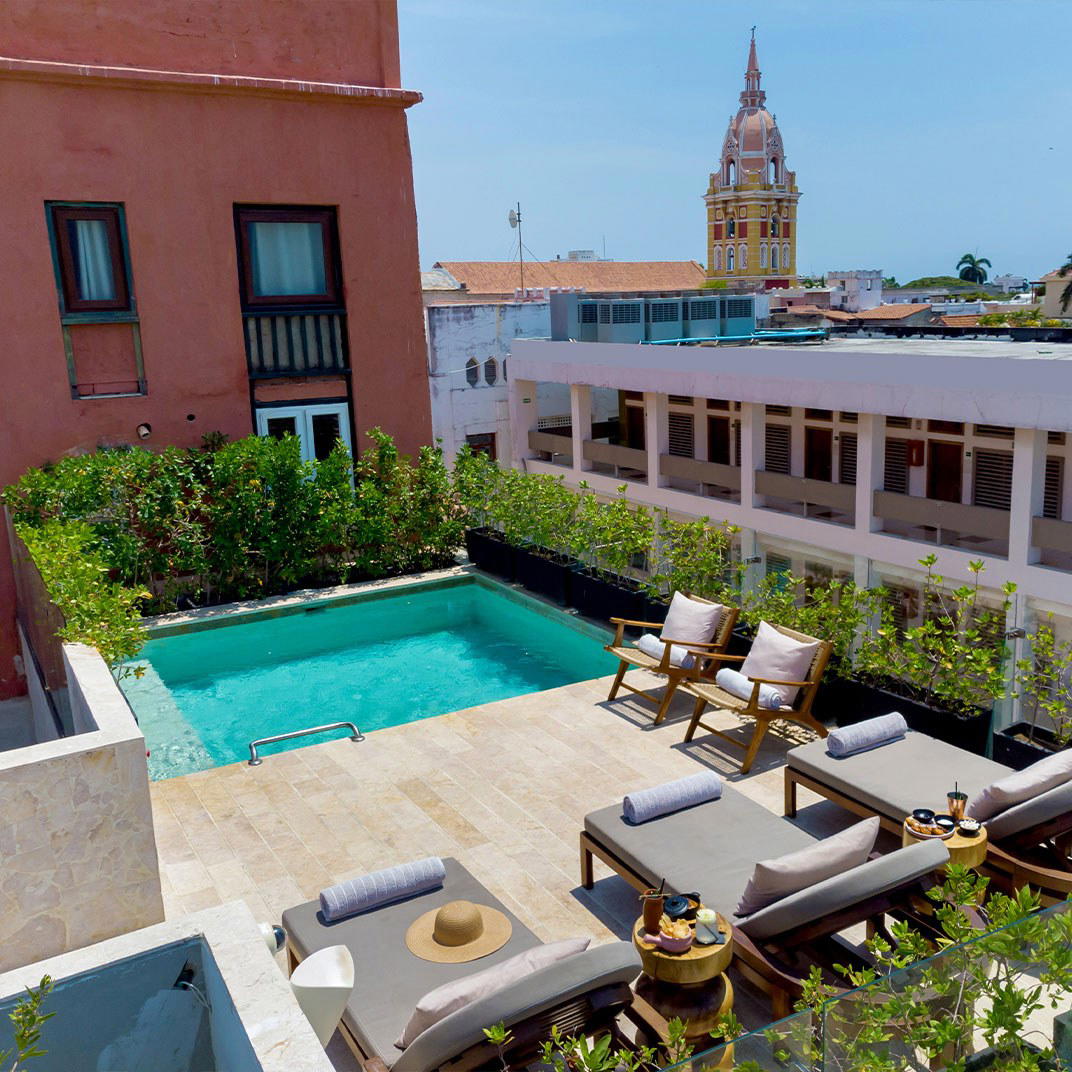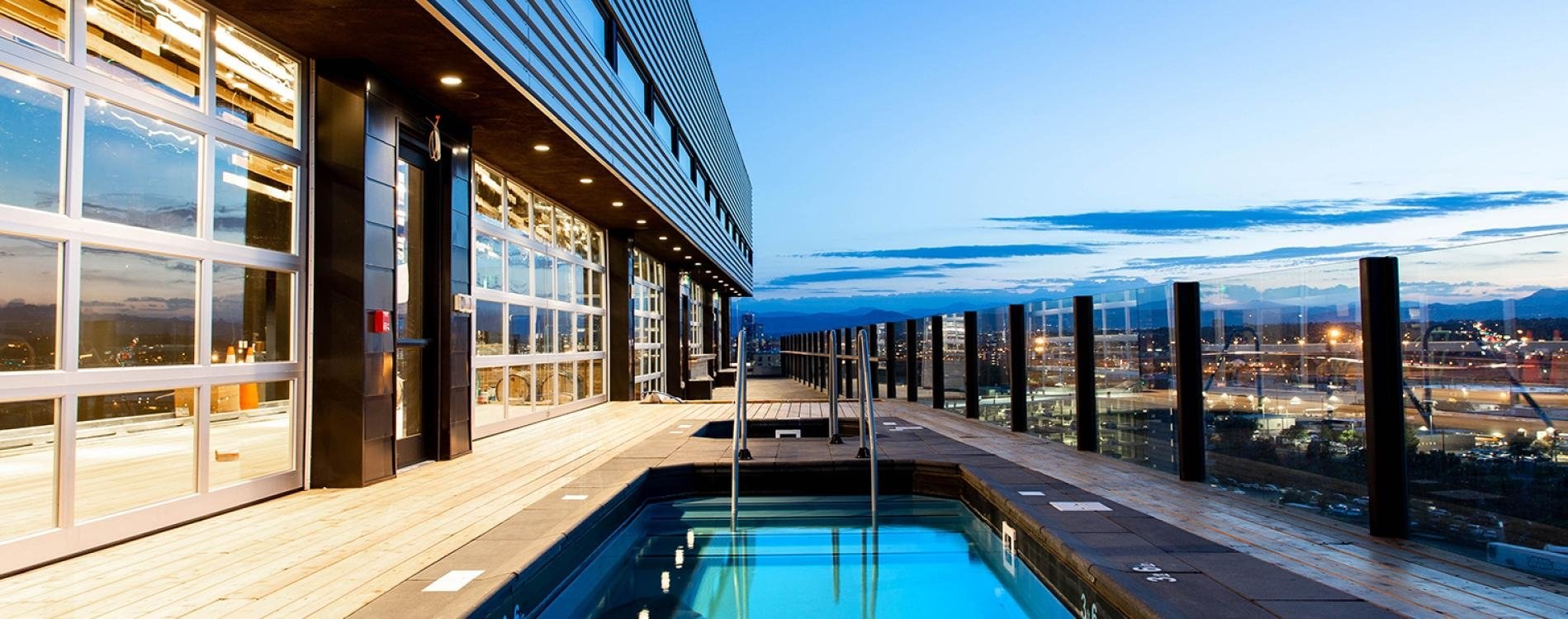


The Source Hotel
Curtis Park, Denver
Hotel in Denver, United States
 Book with Pearl
The Read
Industrial-Adaptive Hospitality
Why go
The Source Hotel is the Denver pick for travelers who want a RiNo base with credible hotel recognition rather than a default downtown stay. Choose it for design, neighborhood access, and an easy booking path; compare The Ritz-Carlton, Denver if full-service luxury matters more.
About The Source Hotel
For a trip to Denver, The Source Hotel. It is a Preferred Hotels Member for 2025 and is included in the MICHELIN Guide hotel selection for 2025. The dress code is smart casual.
Confirm current room types, rates, policies, and amenities directly before booking. If you are comparing hotels in Denver, consider The Source Hotel alongside Catbird Hotel, Gravity Haus Denver, The Rally Hotel at McGregor Square, The Ramble Hotel, and The Ritz-Carlton, Denver based on the needs of your trip.
Pick the room by purpose, not by status
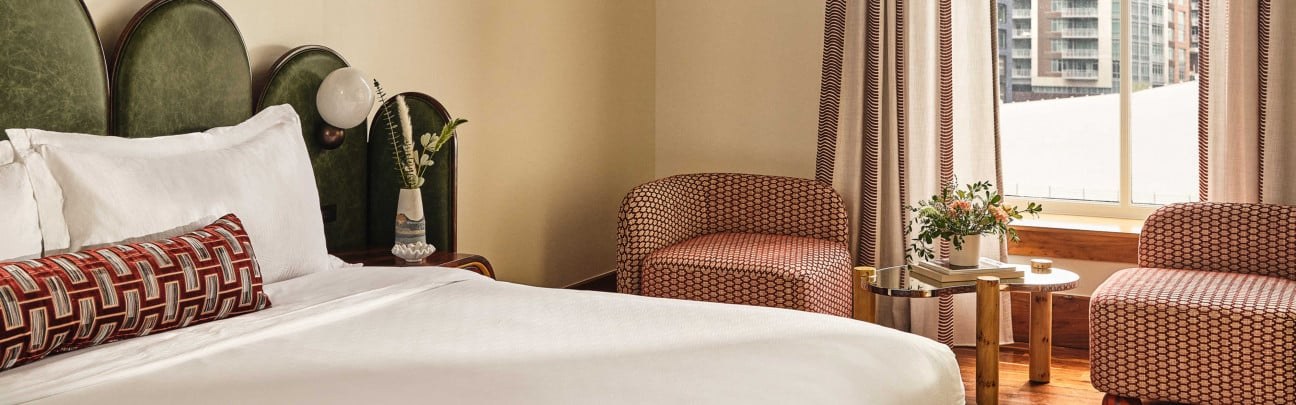
Details such as specific room categories, layouts, sizes, views, or inclusions are not provided. Choose a room based on the practical purpose of the stay: how many people are traveling, how much space you need, and whether the rate makes sense for your Denver plans.
For a short stay, avoid assuming that a higher room category is necessary unless the official booking details show a clear benefit you will use. For a longer stay the current room descriptions carefully and confirm any must-have features before committing.
What the recognition actually tells you
The clearest signals are external recognition: The Source Hotel is a Preferred Hotels Member for 2025 and is included in the MICHELIN Guide hotel selection for 2025. Those facts can be useful if you want a Denver hotel with some third-party hospitality validation.
Those recognitions do not, by themselves, indicate a specific service style, room feature, dining format, price level, or amenity list. If you are deciding between The Source Hotel and Catbird Hotel, Gravity Haus Denver, The Rally Hotel at McGregor Square, The Ramble Hotel, or The Ritz-Carlton, Denver, compare the current booking details rather than relying on assumptions.
Know before you choose it
- Best fit: Denver travelers who value hotel recognition and want to confirm the current details before booking.
- Booking difficulty: check live availability and rates before committing.
- Room strategy: choose based on the official room details and the needs of your trip.
- Dining plan: check official hotel information for current dining details, since no specific cuisine, chef, or restaurant format is specified.
- Location: Denver.
- Dress code: smart casual.
Bottom line: The Source Hotel is worth considering if you want a Denver hotel with Preferred Hotels Member status and MICHELIN Guide hotel selection recognition for 2025. Confirm current practical details before booking, and compare it with other Denver hotels if a particular room type, amenity, or service is essential.
Inside The Source Hotel
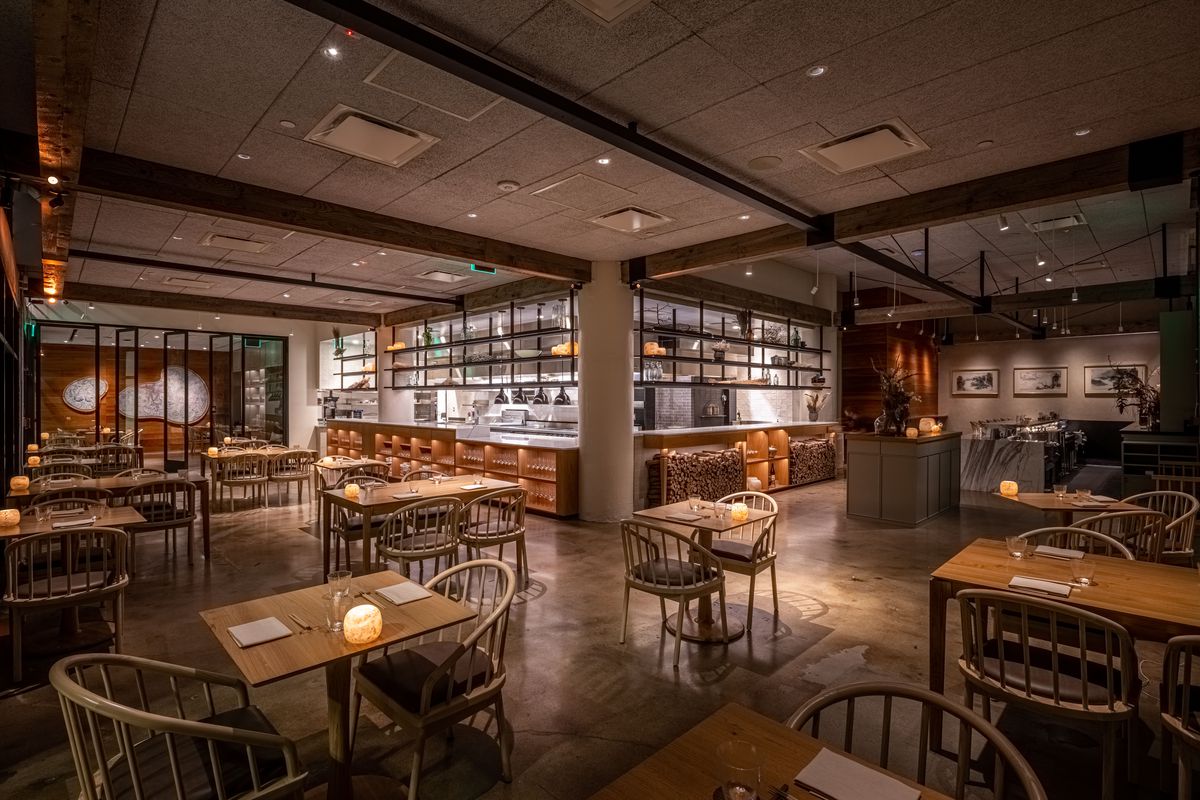 restaurantSaftaAlon Shaya's first restaurant outside Louisiana brings Israeli comfort cooking to Denver's RiNo district, anchored by the menu logic of salatim, hummus, and hearth-driven mains that define modern Israeli dining in the US. Housed inside the Source Hotel on Brighton Boulevard, Safta earned a Pearl recommendation in 2025 and holds a 4.5-star Google rating across more than 2,000 reviews. The price tier sits at $$$, comparable to Ash'Kara and a notch below the city's tasting-menu bracket.
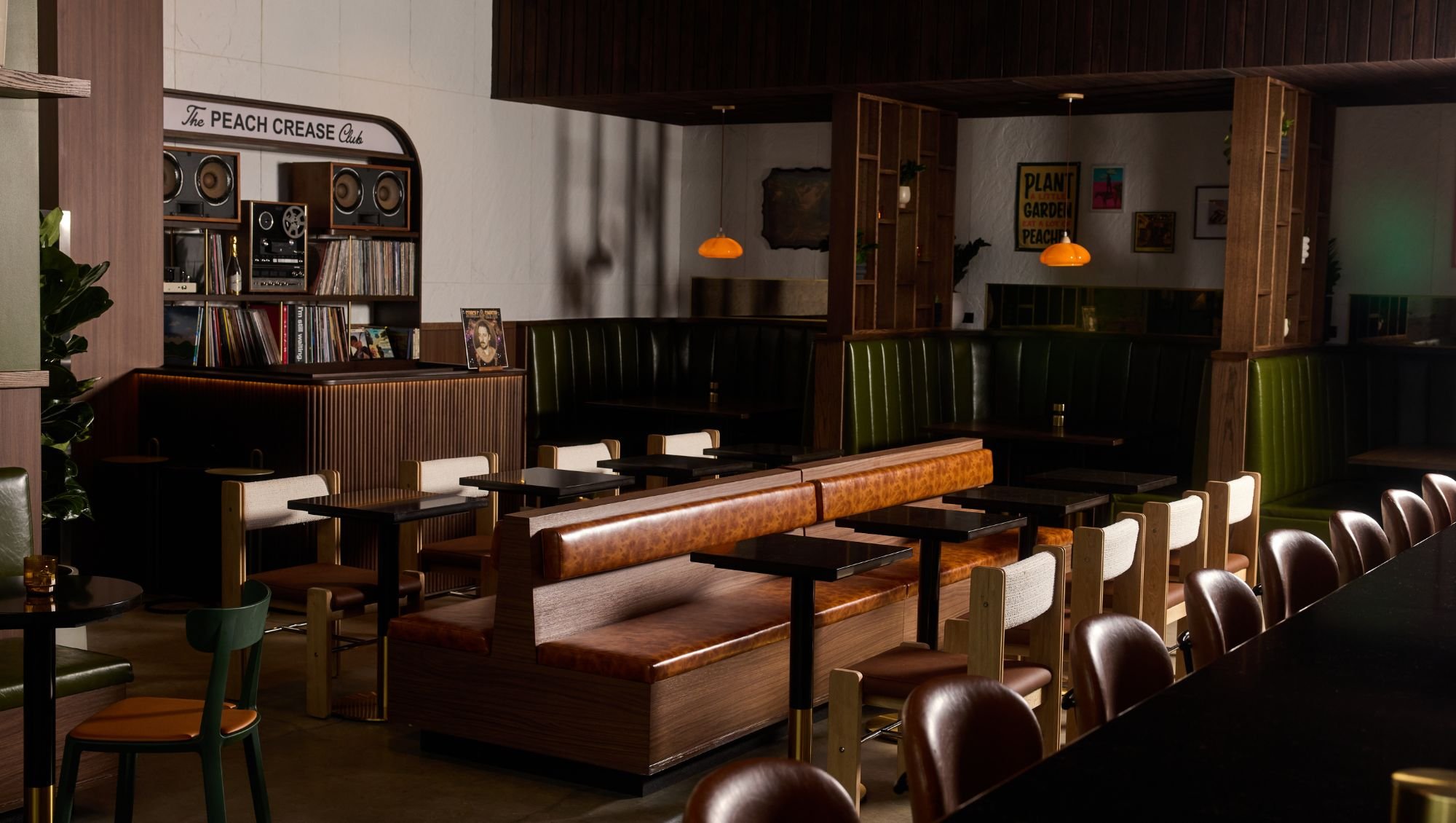
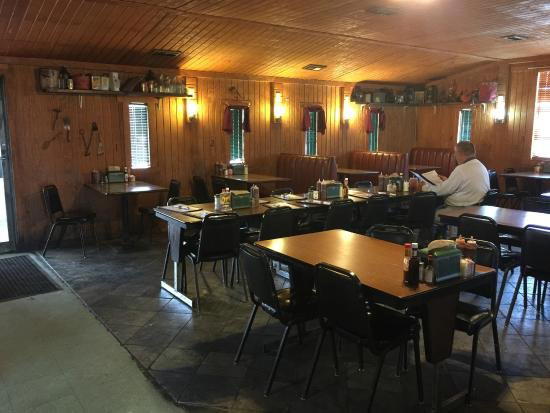 restaurantSmokA counter-service barbecue spot inside Denver's Source Hotel, Smok brings Texas pit discipline to the RiNo corridor without ceremony. Chef Bill Espiricueta's Austin roots show in the brisket and jalapeño-cheddar sausage links, both carrying the earned smoke character of low-and-slow technique. A 2024 Michelin Plate signals that the format is no obstacle to serious craft. Rated 4.4 across more than 1,100 Google reviews.
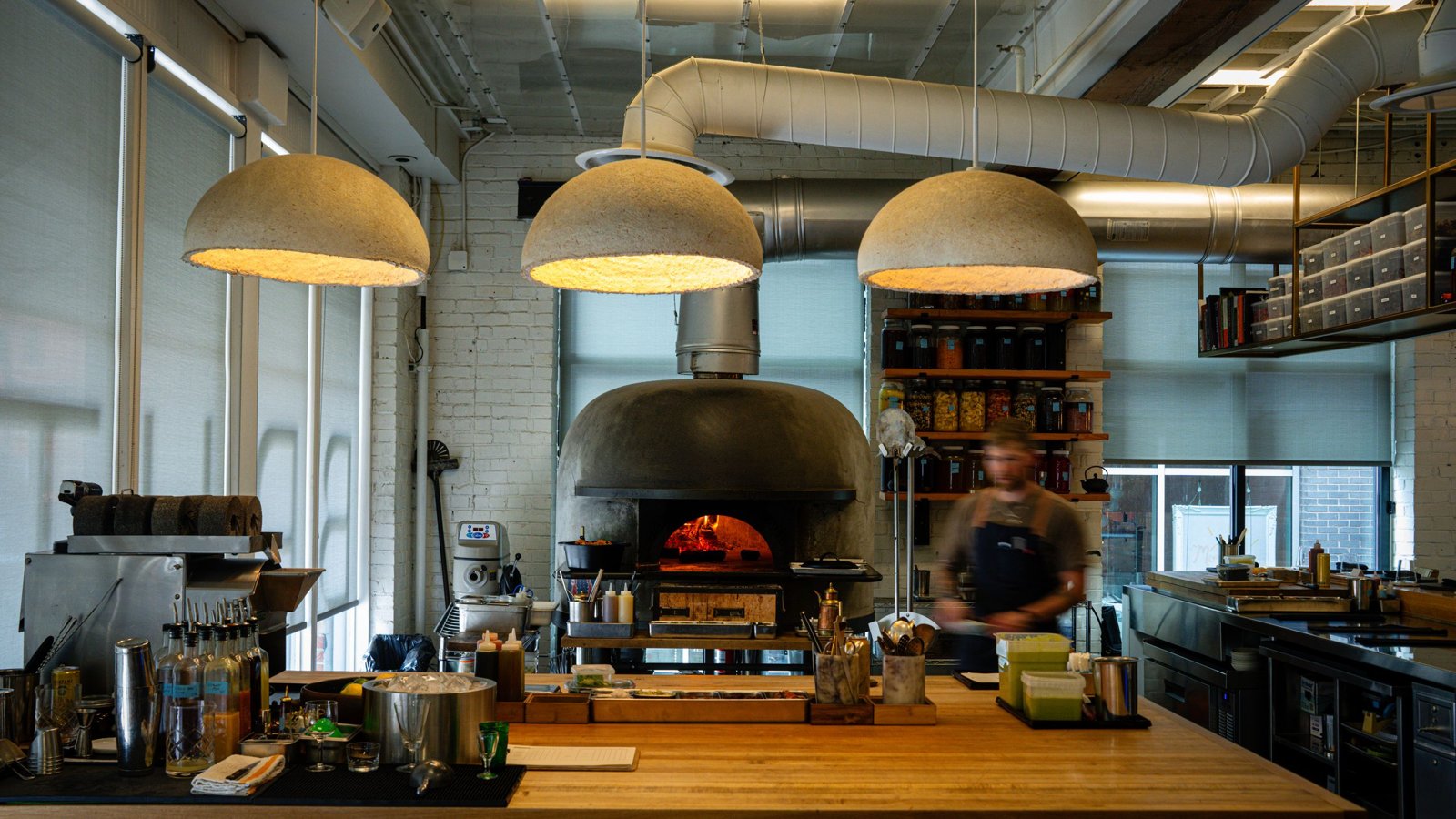
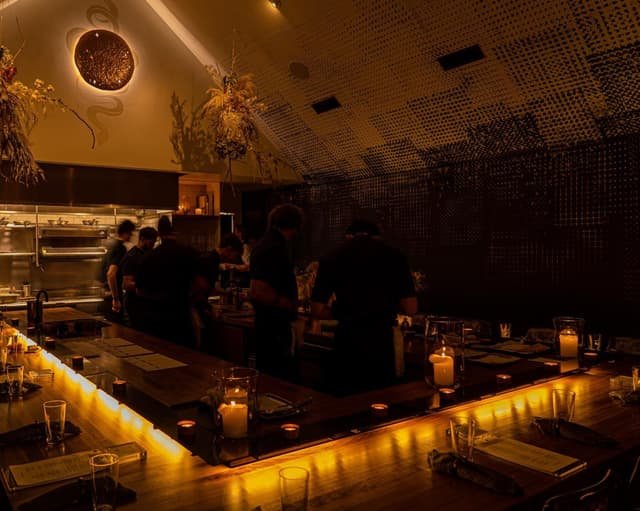
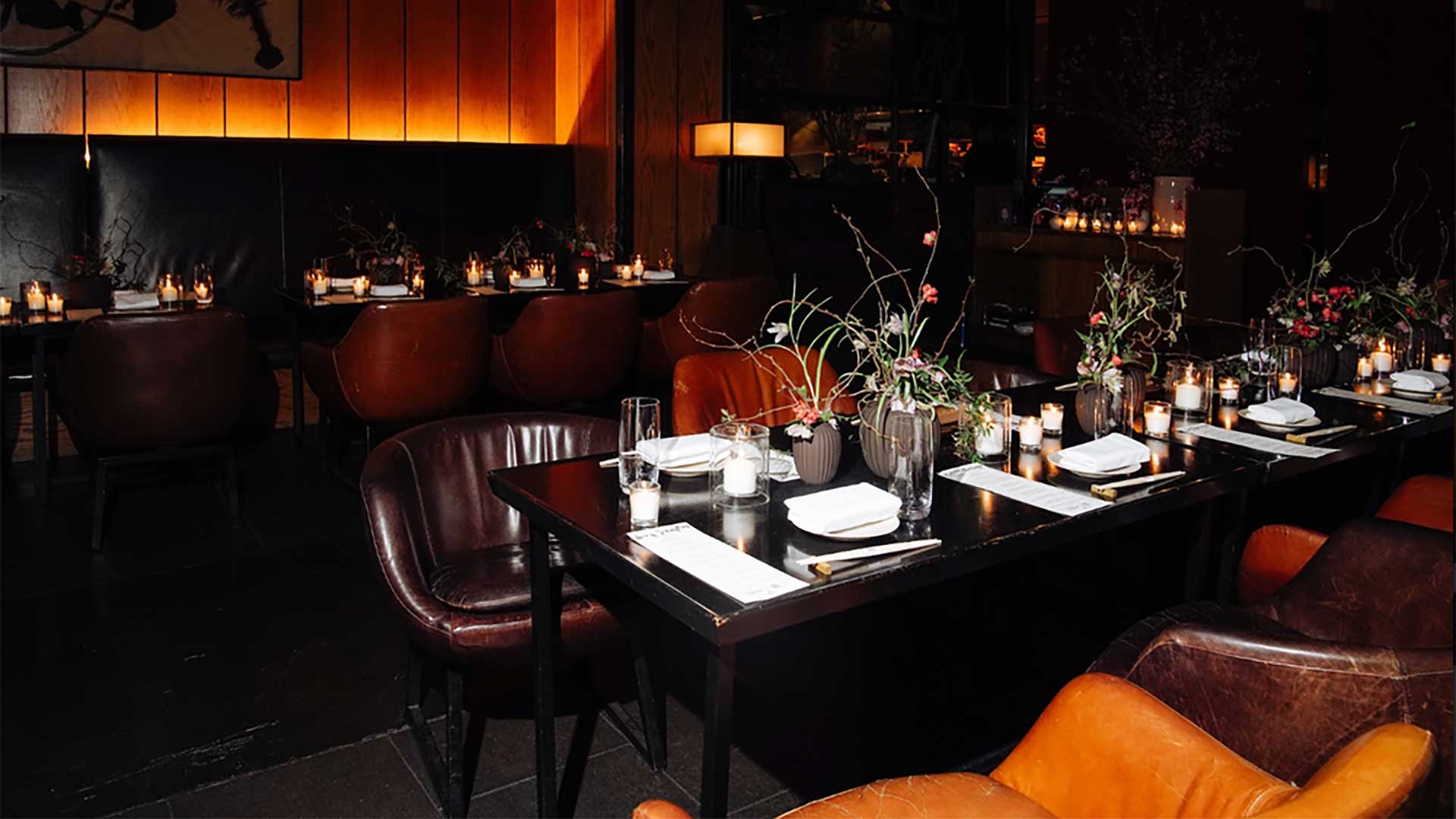 restaurantTemaki DenInside The Source Hotel + Market Hall on Brighton Boulevard, Temaki Den is Denver's focused answer to the handroll counter format, a Michelin Plate-recognised spot where temaki are rolled one at a time to order alongside aburi nigiri. The dark, market-hall setting keeps the mood casual but the sourcing serious, with Scottish salmon belly and flame-seared eggplant nigiri among the standout preparations. Google reviewers rate it 4.8 from over 1,100 submissions.
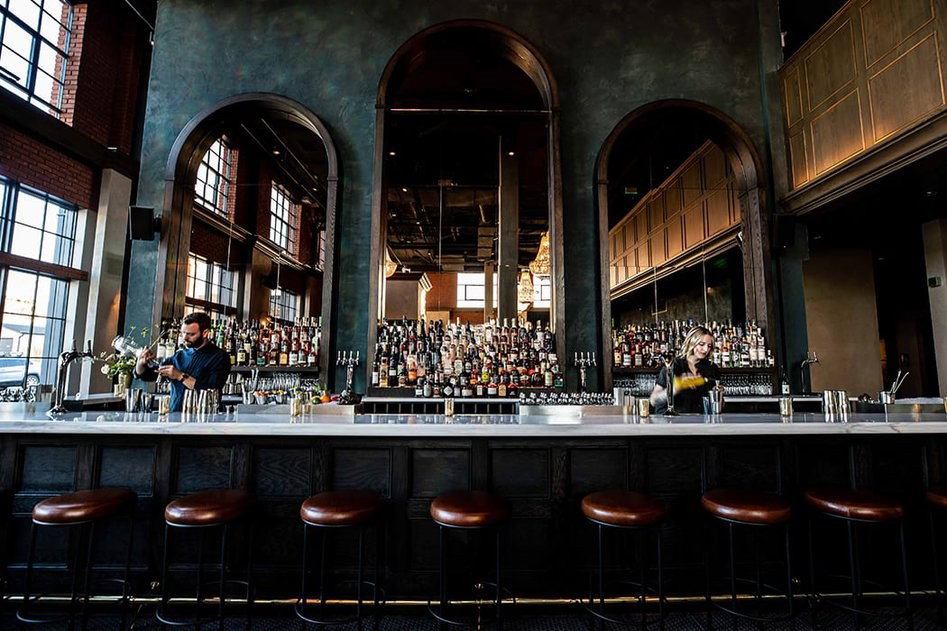
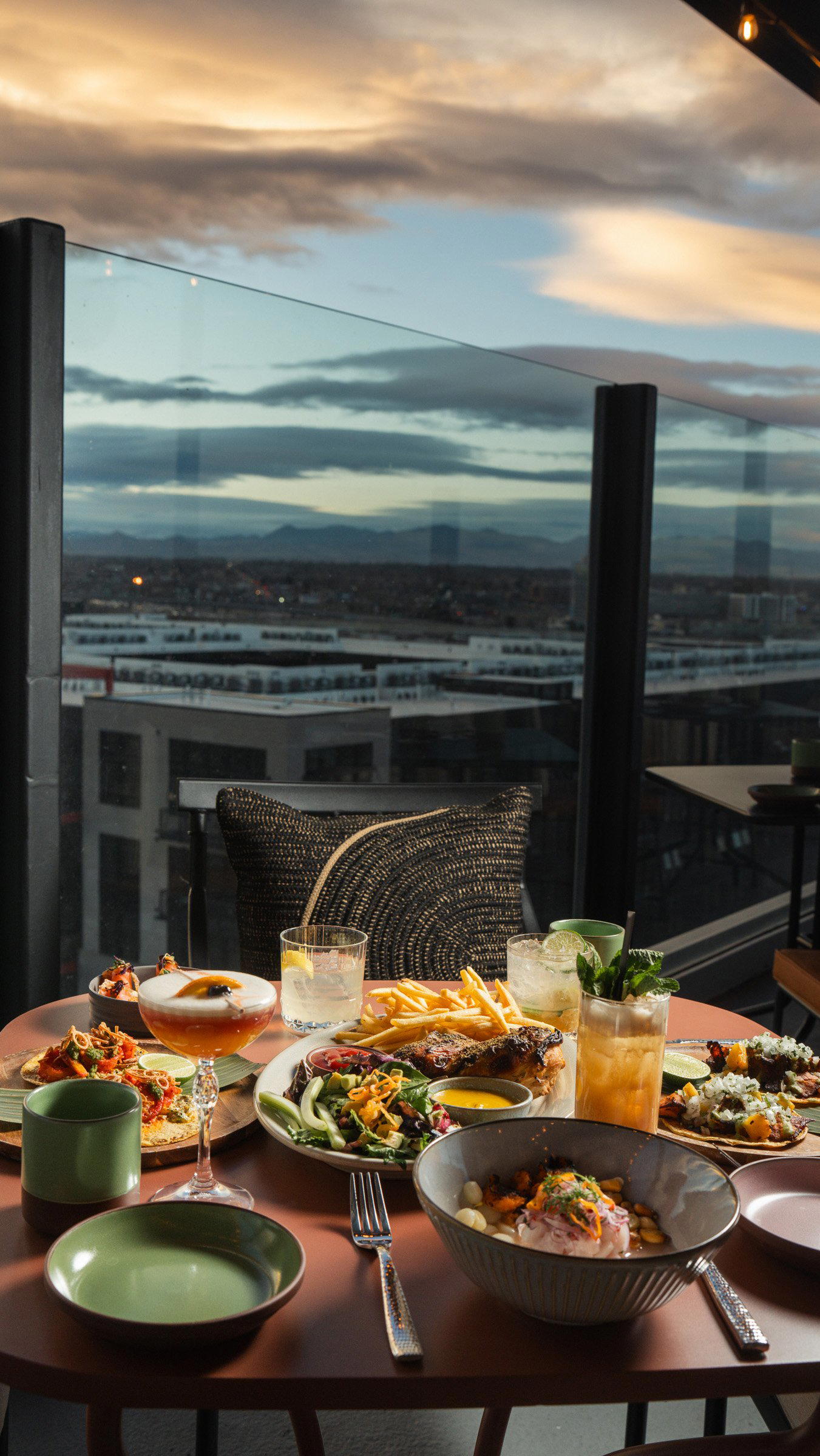 rooftop_barCimeraCimera occupies a distinctive address on Brighton Boulevard in Denver's RiNo corridor, positioning it within one of the city's most accelerated dining and arts districts. The surrounding neighbourhood has shifted from industrial vacancy to a concentrated stretch of serious kitchens, and Cimera reads as part of that trajectory rather than apart from it.
Planning details
- Location
- 3330 Brighton Blvd, Denver, CO 80216
- Website
- thesourcehotel.com
- Phone
- +1 720-409-1200
The take
The Take
The Vibe
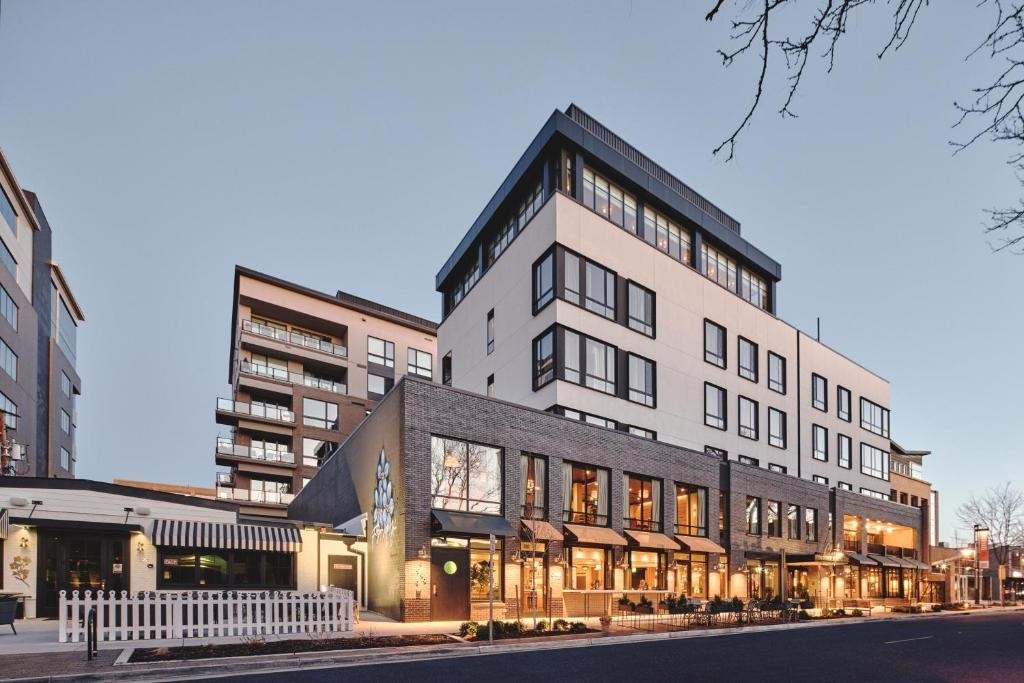
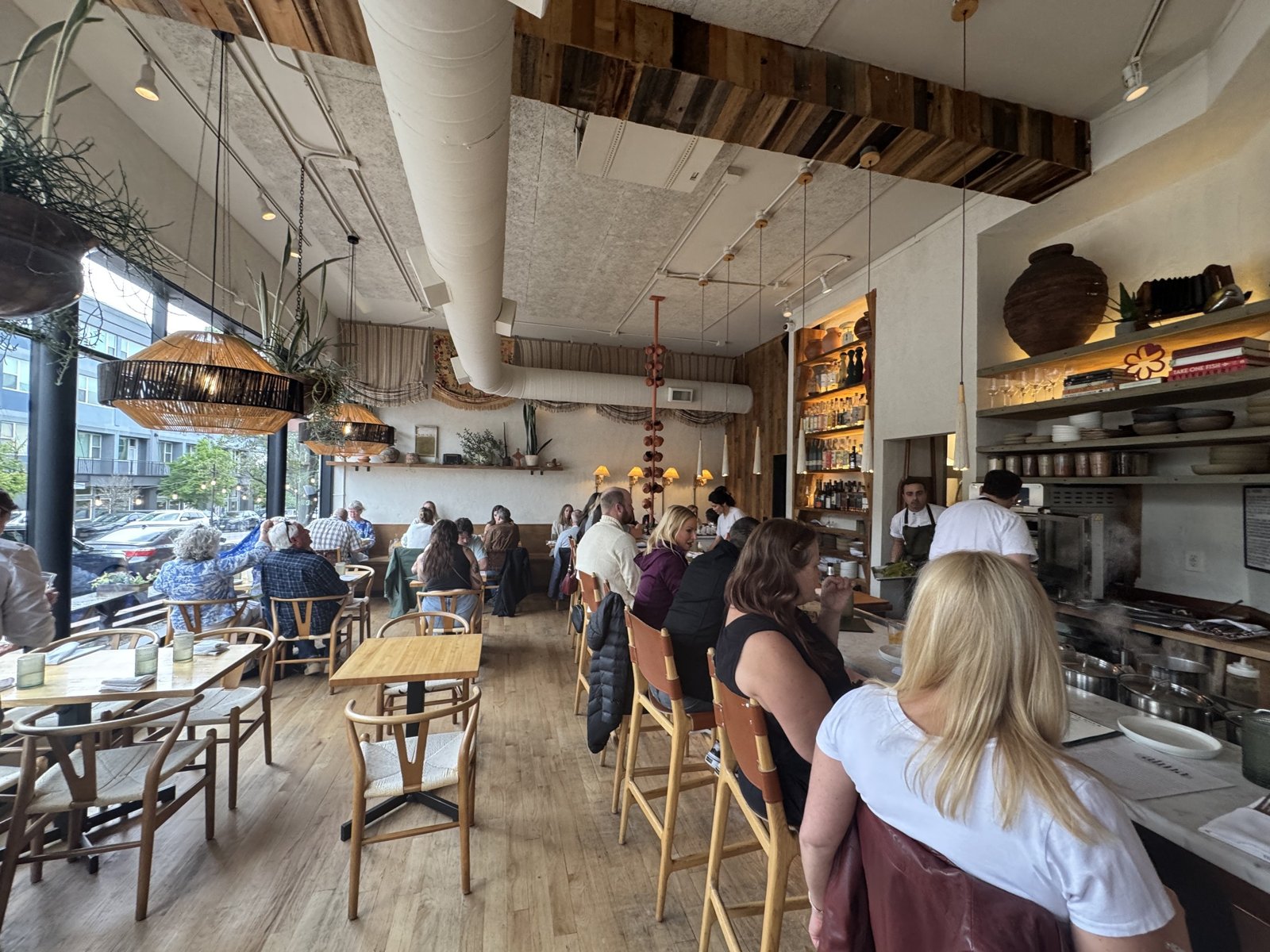
The Source Hotel foregrounds its industrial past, converting an 1880s ironworks into a hotel that wears its history openly. Heavy timber framing, exposed brick and original steel details give public spaces and rooms raw materiality rather than polished anonymity. The property treats adaptive reuse as a design brief: rather than masking odd proportions or factory-sized windows, architects and designers lean into those constraints, making the building’s original structure a defining element of the guest experience. The result feels rooted and authentic — historically anchored but presented with contemporary care.
Best For
This is a fit for travelers who prize architecture and urban texture. Design-minded weekend guests and business travelers seeking something characterful over generic chain hotels will appreciate the honest industrial bones and considered adaptive-reuse approach. It also works well for couples and small groups looking for a stylish base in RiNo — a neighborhood prized for converted warehouses, high ceilings and a distinctly urban identity — where the building itself is part of the attraction.
Venue details
Ambiance
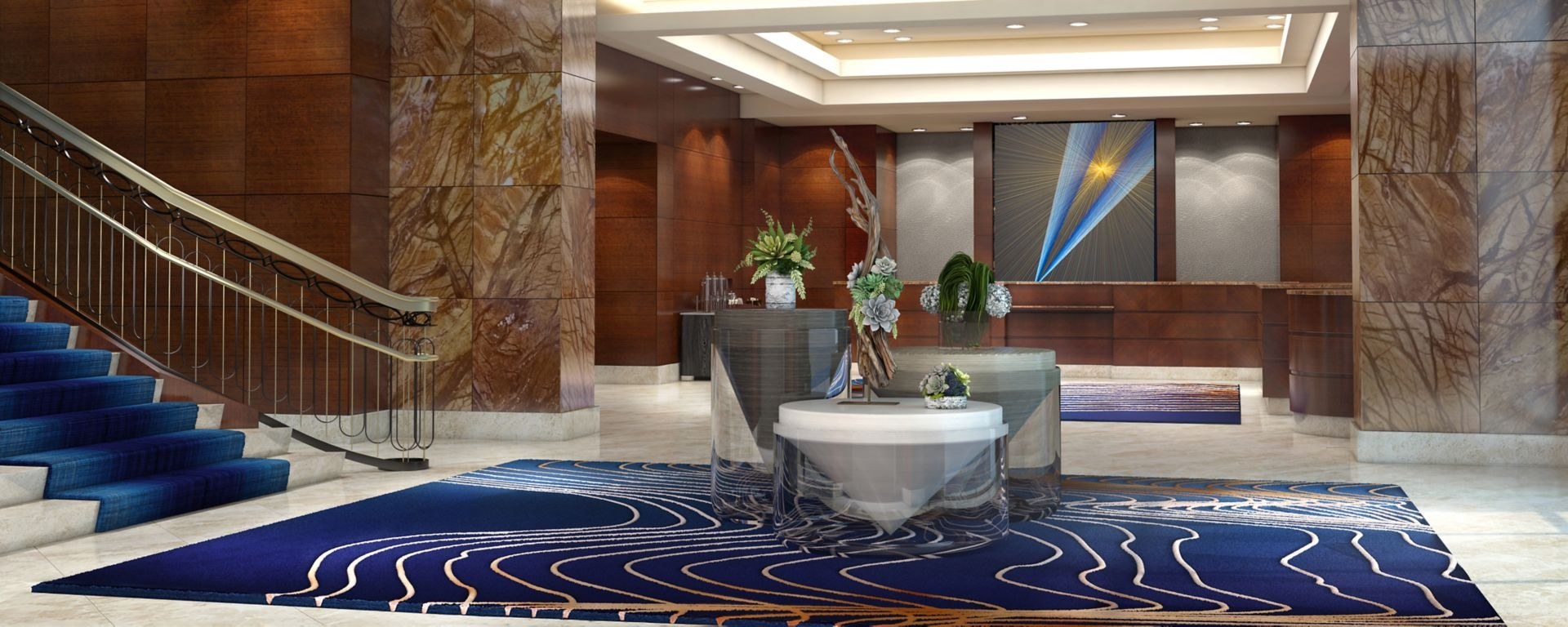
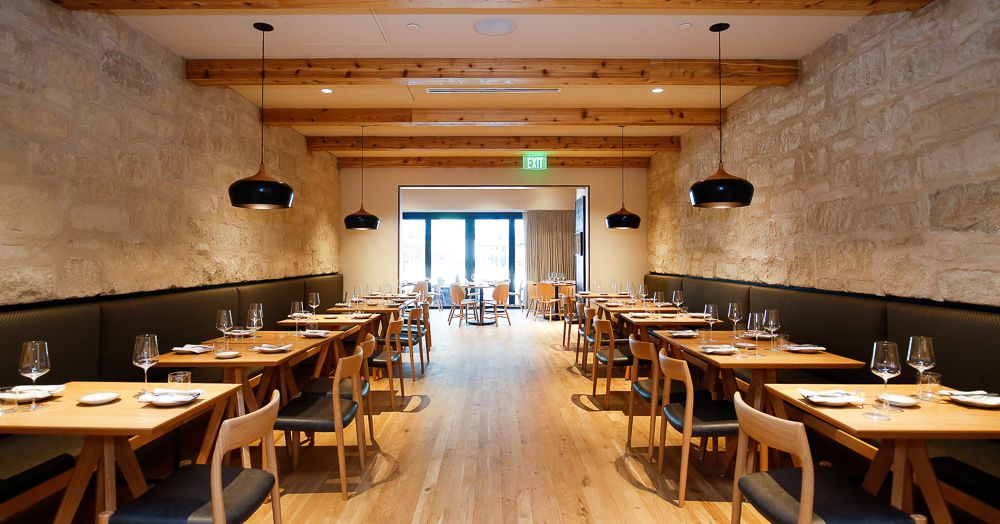
Bright and airy with high ceilings, huge windows, sleek finishes, and polished concrete flooring; warm and welcoming with locally-inspired design elements and sophisticated modern furnishings.
Tags
Vibe
Best For
Experience
Amenities
View
Accessibility
About the Stay
- Rooms
- 100
- Check-in
- 16:00
- Check-out
- 12:00
- Property Style
- Contemporary Design Hotel Blending Scandinavian and Japanese Minimalism with Mediterranean Influences, Featuring Baltic Birch Cabinetry and Polished Concrete Throughout.
- Design Style
- Modern Minimalist with Scandinavian and Japanese Design Inspiration; Clean Lines, Natural Materials, High Ceilings, and Abundant Natural Light.
Know before you go
Know Before You Go
- Getting there
- 3330 Brighton Blvd, Denver, CO 80216
Planning details
Location
Recognition and awards
Also consider
Also Consider
- Catbird Hotel, Notable alternative
- The Ramble Hotel, Notable alternative
- Gravity Haus Denver, Notable alternative
- The Rally Hotel at McGregor Square, Notable alternative
- The Ritz-Carlton, Denver, Notable alternative
Hotel context
How it compares in Denver
The Source Hotel is strongest for travelers who want RiNo access without turning the stay into a traditional luxury spend. Catbird Hotel is the better cross-shop for longer stays or guests who want a more residential setup, while The Ramble Hotel is better for a smaller, more intimate Denver hotel mood.
For business travel, compare location first. The Rally Hotel at McGregor Square makes more sense for downtown sports, meetings, and central plans. The Ritz-Carlton, Denver is the higher-service choice when polish matters more than neighborhood character.
Gravity Haus Denver is the more lifestyle-club-leaning comparison. The Source Hotel is easier to recommend for a clean RiNo hotel decision: credible recognition, generally easy booking, and a setting that works well when the trip is built around Denver's north-of-downtown dining and arts corridor.
Around this place
Discover more on Pearl
Unlock the full The Source Hotel guide in Pearl, including awards, comparisons, FAQs, planning details, and nearby places.
Compare The Source Hotel
| Venue | Location | Awards |
|---|---|---|
| The Source Hotel | Denver | 2025 Michelin Selected HotelsPreferred Hotels Member 2025 |
| Catbird Hotel | Denver | No published awards |
| The Ramble Hotel | Denver | 100 Most Incredible Hotels in the World · 20262025 Michelin Selected Hotels |
| Gravity Haus Denver | Denver | No published awards |
| The Rally Hotel at McGregor Square | Denver | No published awards |
| The Ritz-Carlton, Denver | Denver | 2026 Forbes 4-Star2026 Virtuoso Luxury Hotel Collection2026 Michelin Guide New Hotels2026 La Liste Top Hotels2025 Michelin Selected Hotels2025 AAA 5 Diamond Hotel2025 Forbes 4-Star |




How The Source Hotel Denver compares with similar nearby venues.
FAQ
Frequently Asked Questions
What is check-in like at The Source Hotel?
Specific check-in times or arrival processes are not provided. For exact check-in timing and arrival details, use your booking confirmation or the hotel's official channels.
Is The Source Hotel family-friendly?
A dedicated family or kid-focused offering is not provided. Families should review current room details and policies directly before booking a Denver stay.
When is the best time to book The Source Hotel?
Book when the rate and room type match your trip needs. Check live availability rather than assuming a specific booking window or pricing pattern.
Do loyalty programs work at The Source Hotel?
The Source Hotel is a Preferred Hotels Member for 2025. If loyalty benefits are important, confirm current earning, redemption, and membership details through official booking channels.
Which room category is best at The Source Hotel?
A best room category is not specified. Choose based on current room descriptions, the number of travelers, and how much space or flexibility you need.
How is the dining at The Source Hotel?
Specific cuisine, chef, restaurant format, or dining schedules are not provided. Check official hotel information for current dining details.
Is The Source Hotel good for business travel?
It may be worth considering for a Denver business trip if the current rate, location, room type, and policies fit your schedule. It holds 2025 Preferred Hotels Member status, is included in the 2025 MICHELIN Guide hotel selection, and has a smart-casual dress code.