
Maya Hotel Courchevel 1850
Courchevel (Commune Non Irisée), Courchevel
Hotel in Courchevel, France
 Book with Pearl
The Read
Franco-Japanese Alpine Restraint
Why go
Maya Hotel Courchevel 1850 is a sensible pick for a polished special-occasion stay in Courchevel 1850, especially if a smaller luxury-hotel feel matters more than a large resort footprint. The 2025 Small Luxury Hotels of the World membership is the main trust signal; choose it for an easier booking path, then plan dining and wellness separately if those are central to the trip.
About Maya Hotel Courchevel 1850
Maya Hotel Courchevel 1850 is a Courchevel hotel with Small Luxury Hotels of the World membership in 2025. The dress code is smart casual.
A Courchevel hotel with a confirmed SLH signal
The strongest reason to consider Maya Hotel Courchevel 1850 is its 2025 Small Luxury Hotels of the World member status. Dining format, spa details, room categories, prices, and service inclusions are not detailed here.
For a broader scan before choosing, use our full Courchevel hotels guide. If the trip is meal-led rather than room-led, pair the hotel search with our full Courchevel restaurants guide; for after-dinner planning, check our full Courchevel bars guide. Travelers comparing other Courchevel hotel options may also look at La Sivolière, Le Chabichou Hôtel & Spa, Le K2 Djola, Les Grandes Alpes, or Les Trois Vallées, Beaumier Hotel.
Who should choose it over another Courchevel hotel
Choose Maya Hotel Courchevel 1850 if a Courchevel stay with a Small Luxury Hotels of the World connection is appealing. If you need information on dining, wellness facilities, room layouts, family policies, or business services before deciding, compare it carefully with other Courchevel hotels and confirm the latest details through the hotel.
Planning details
- Location
- 193 Rue Park City, 73120 Courchevel
- Website
- maya-hotel.fr
- Phone
- +33 4 58 24 20 20
The take
The Take
The Vibe
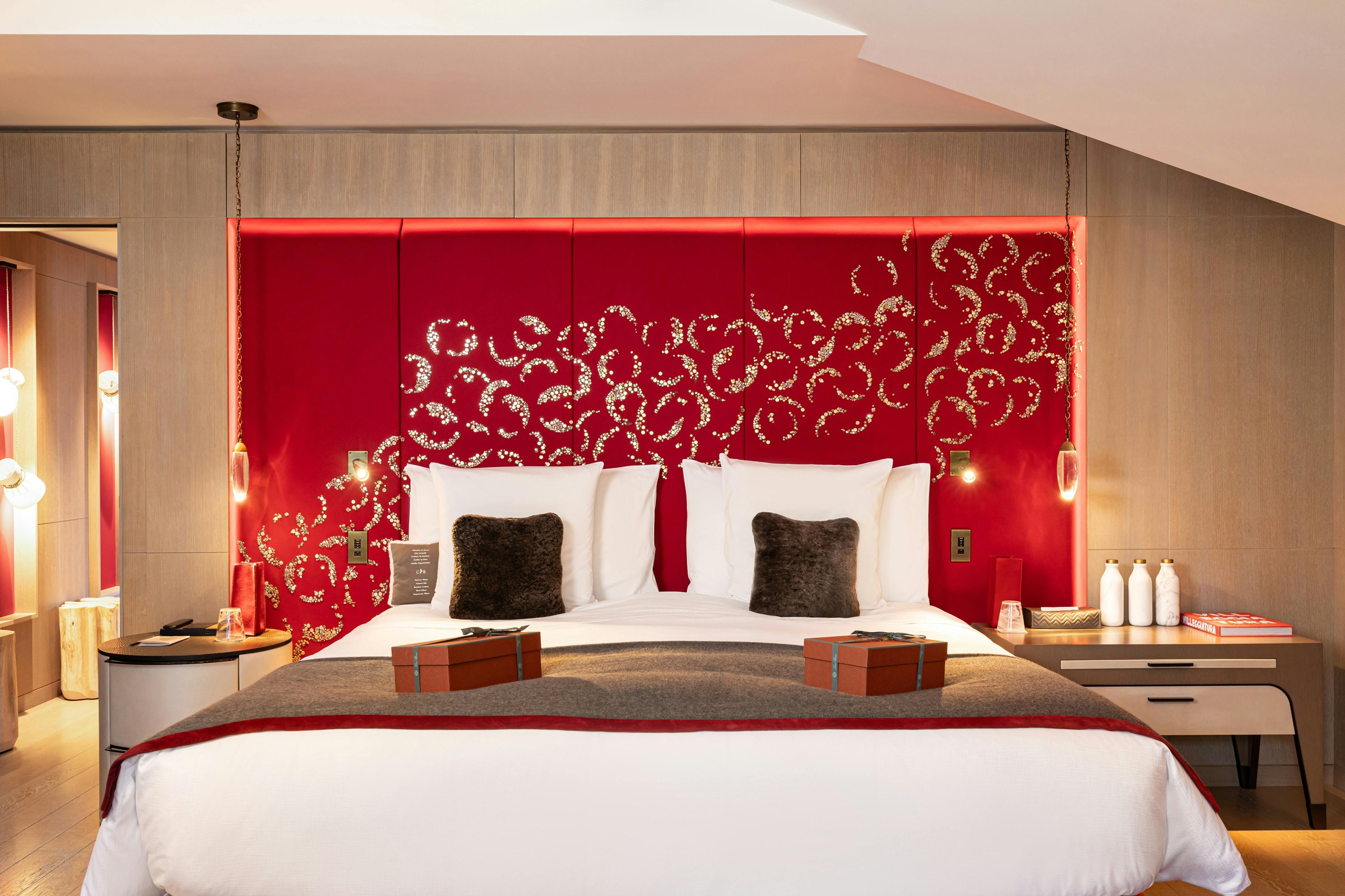
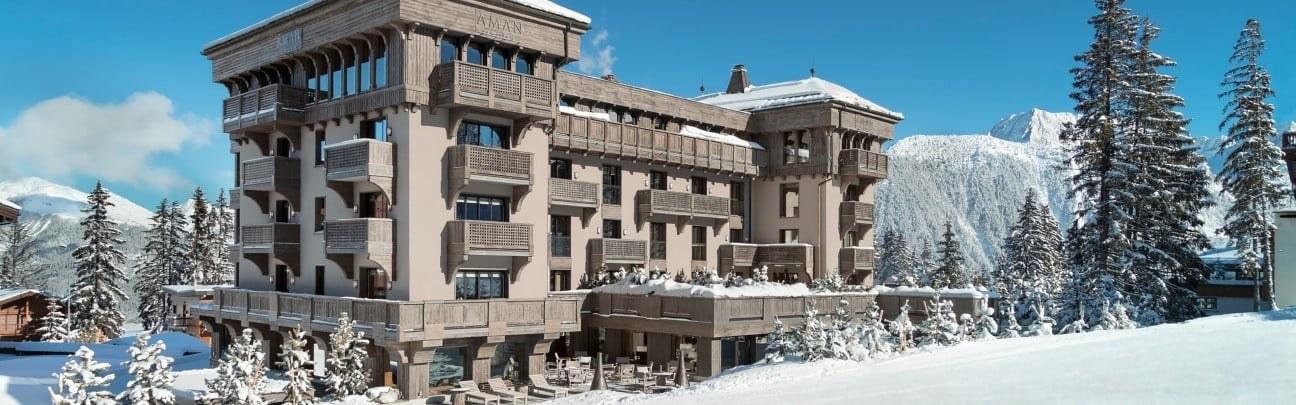
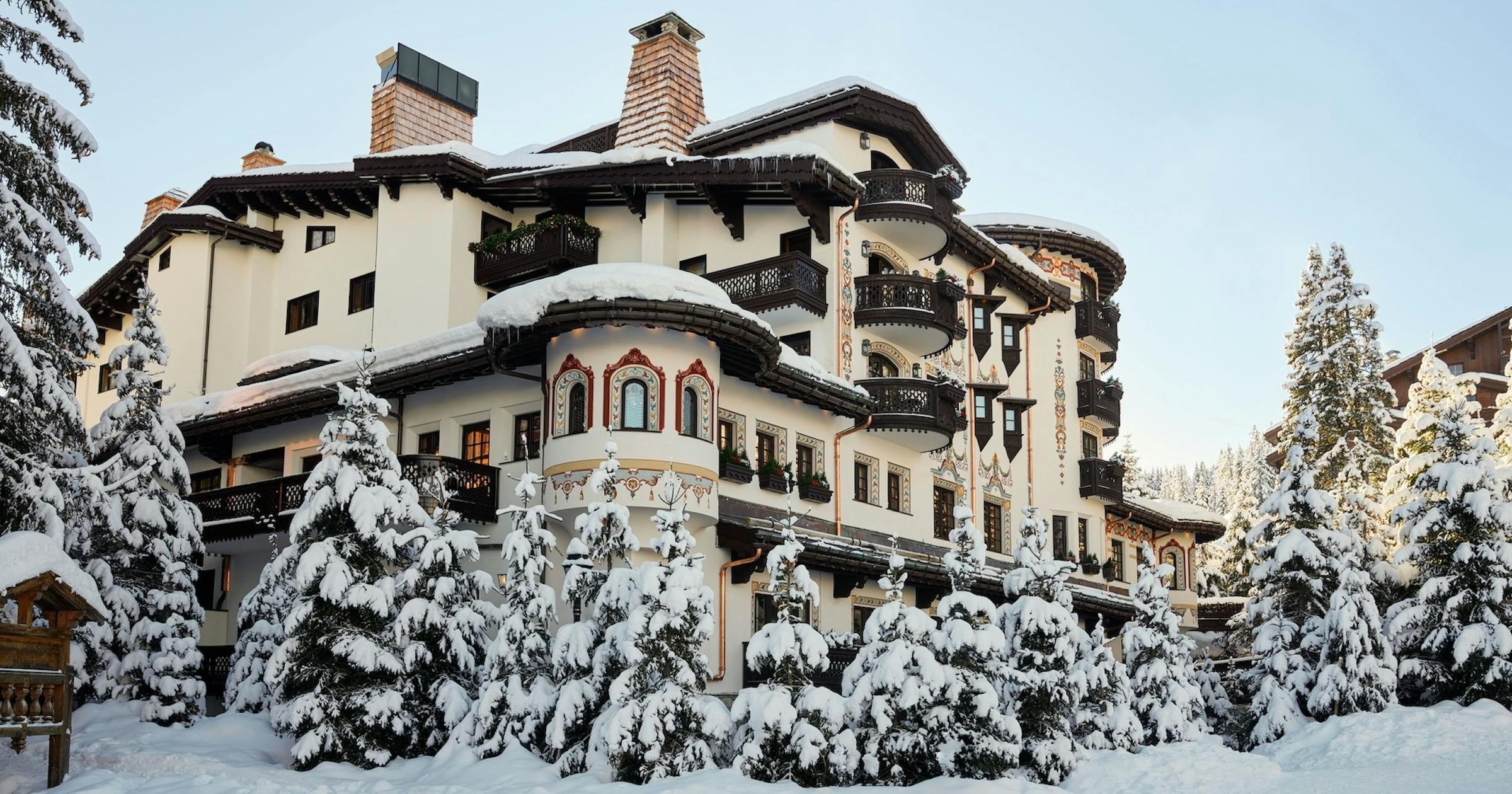
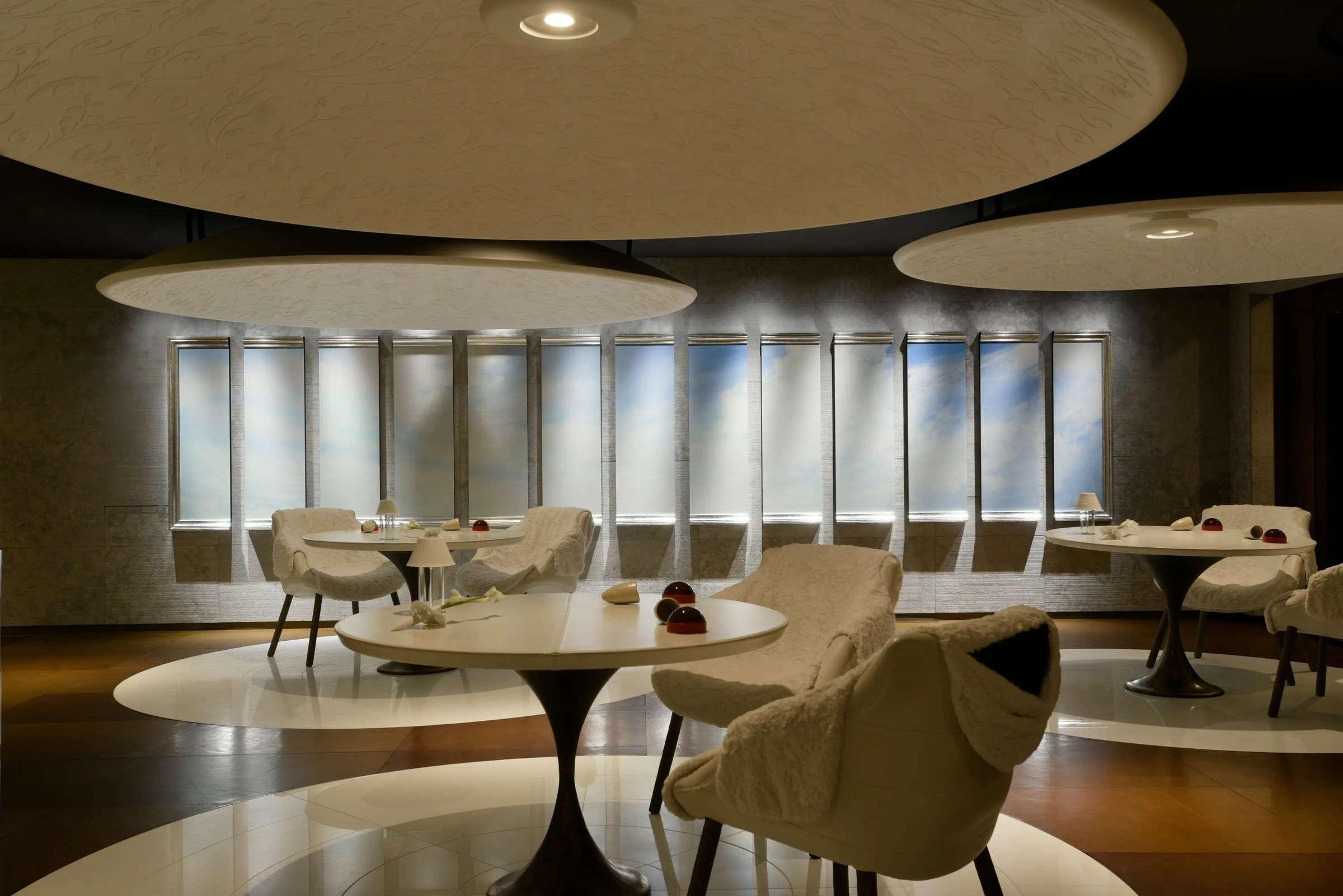
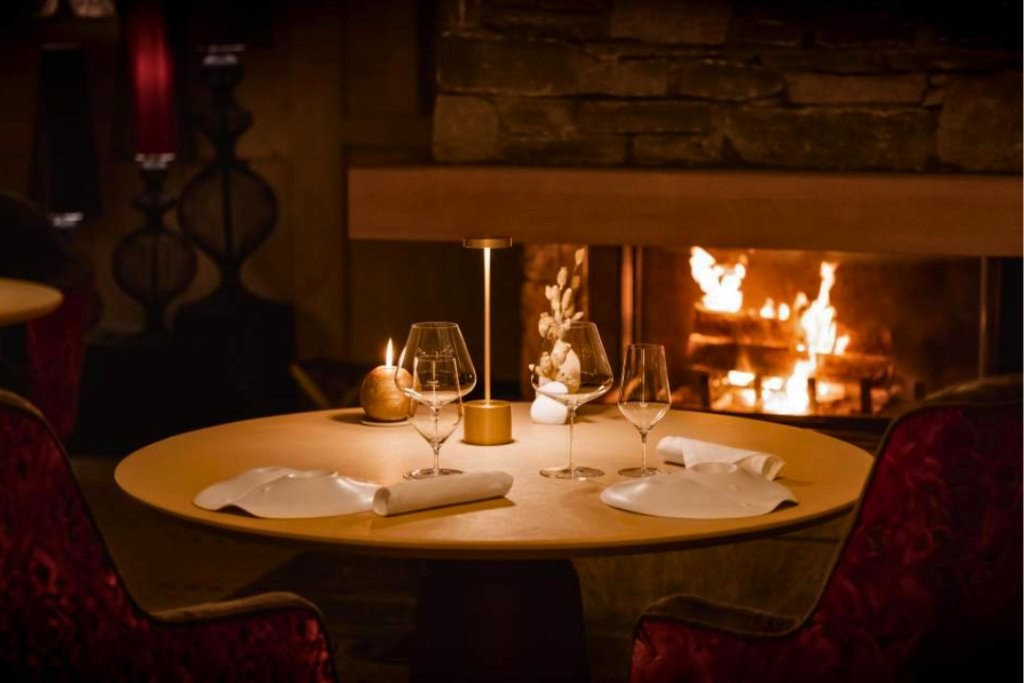
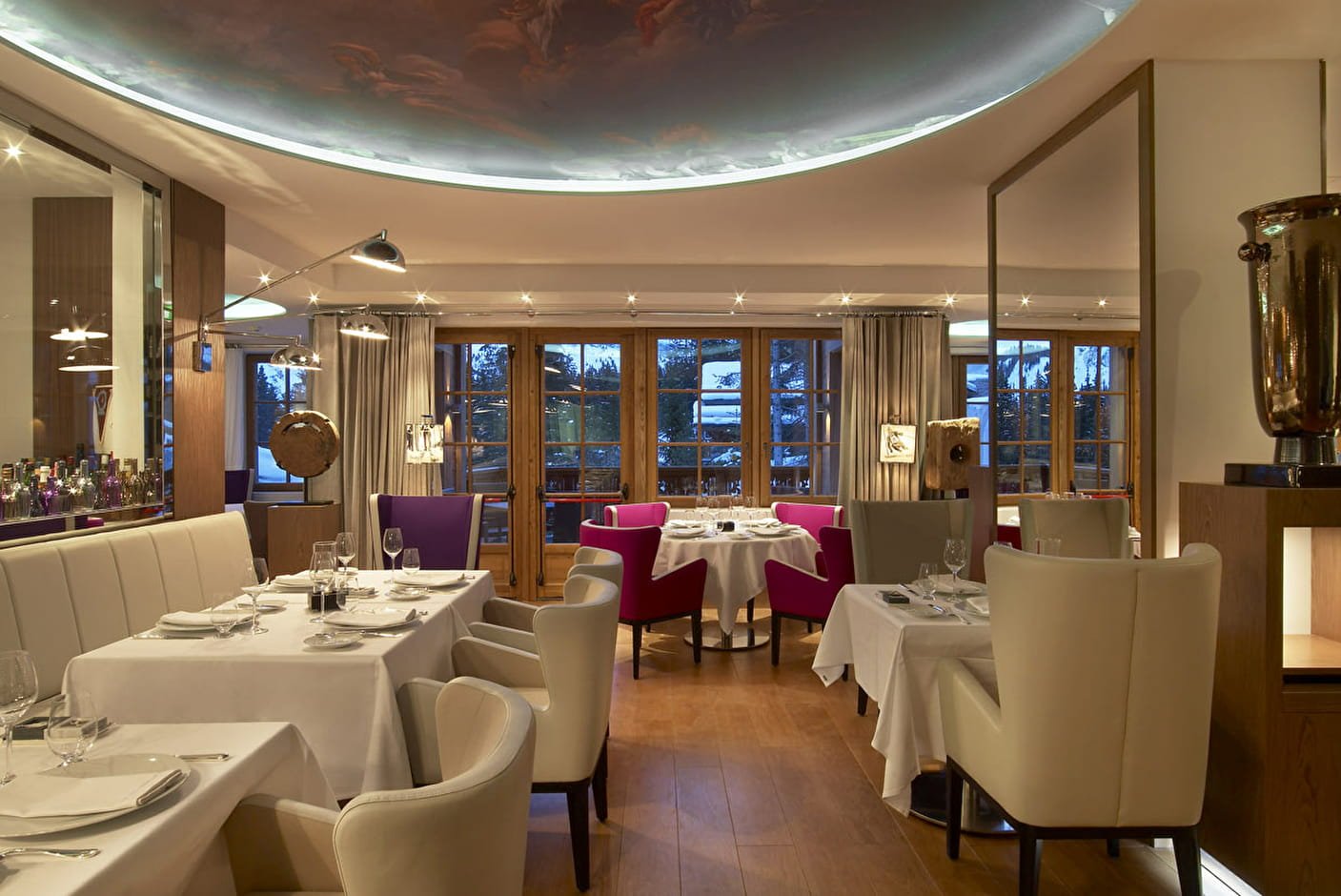
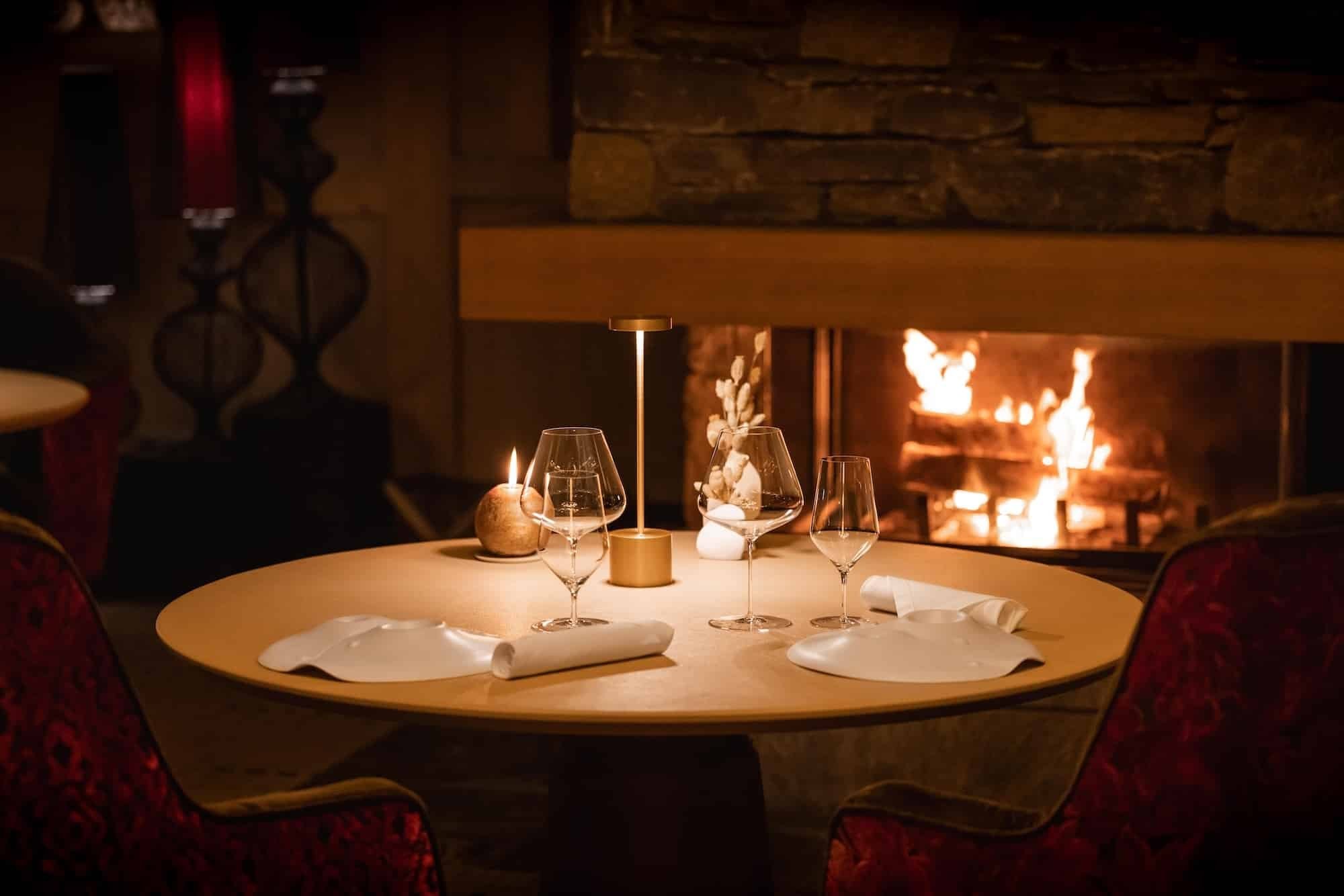
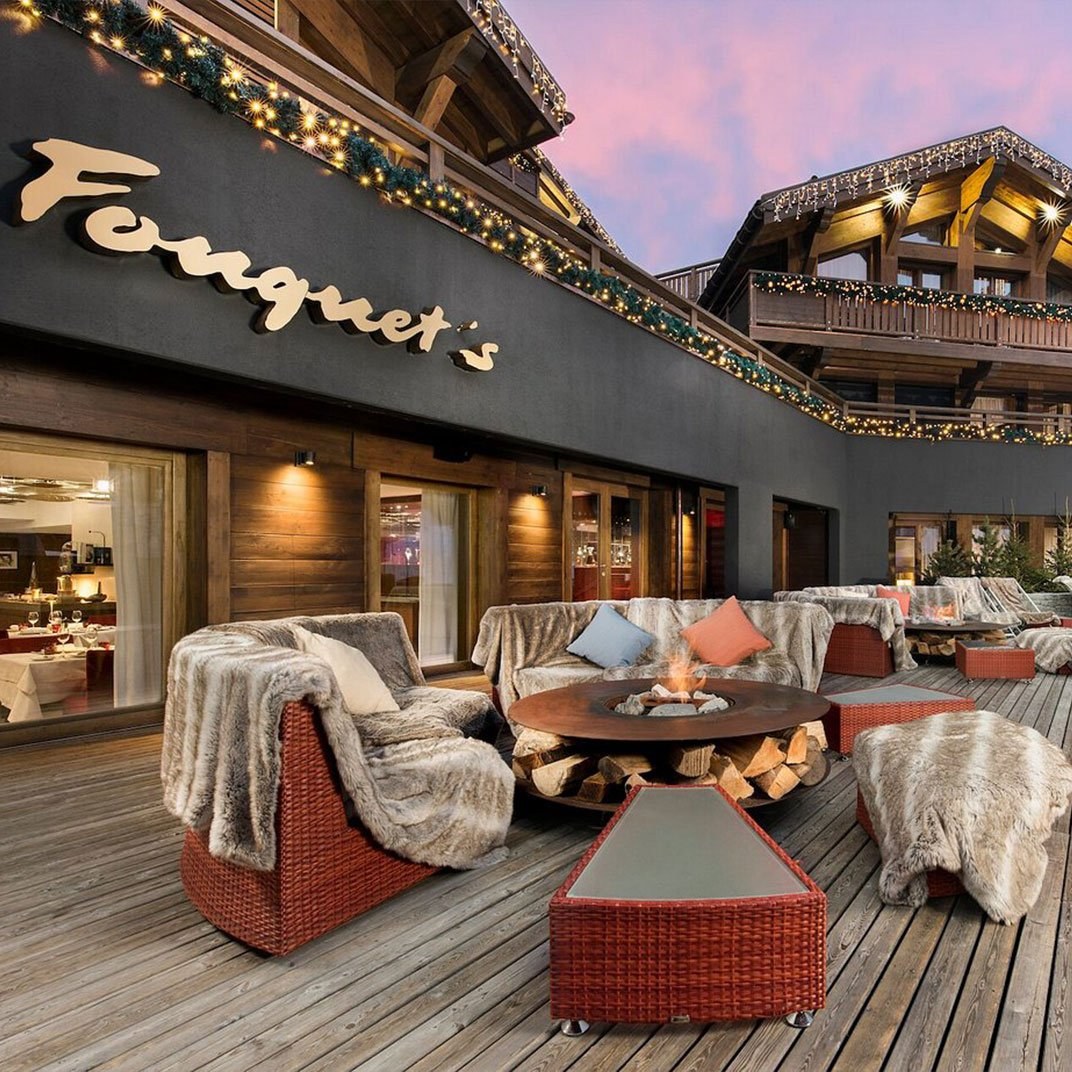
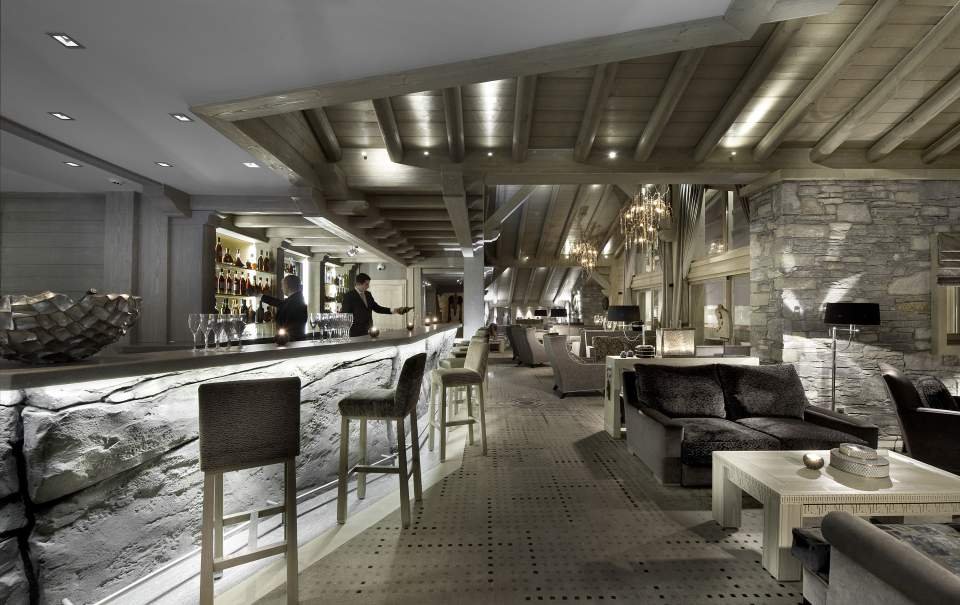
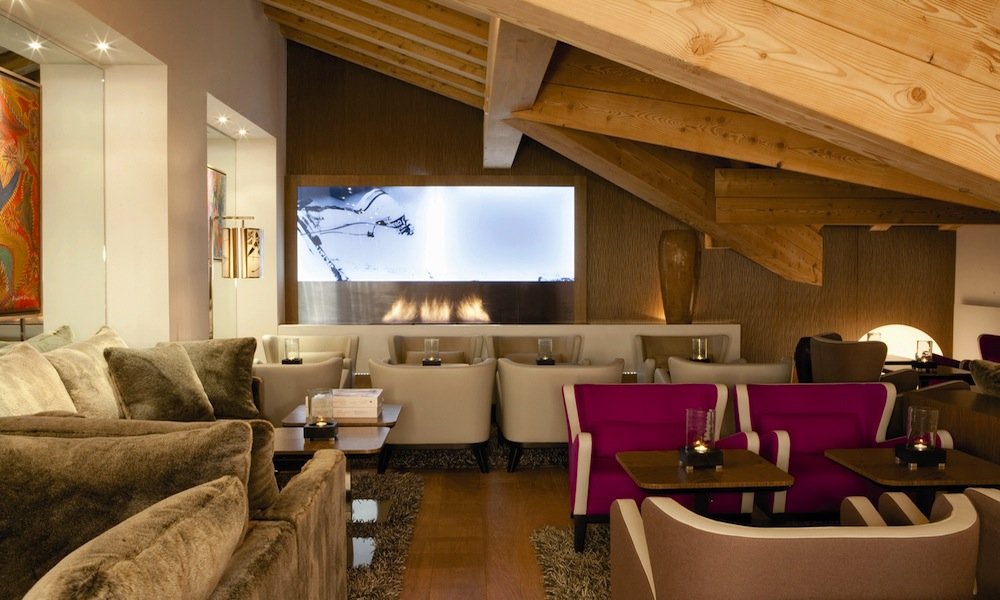
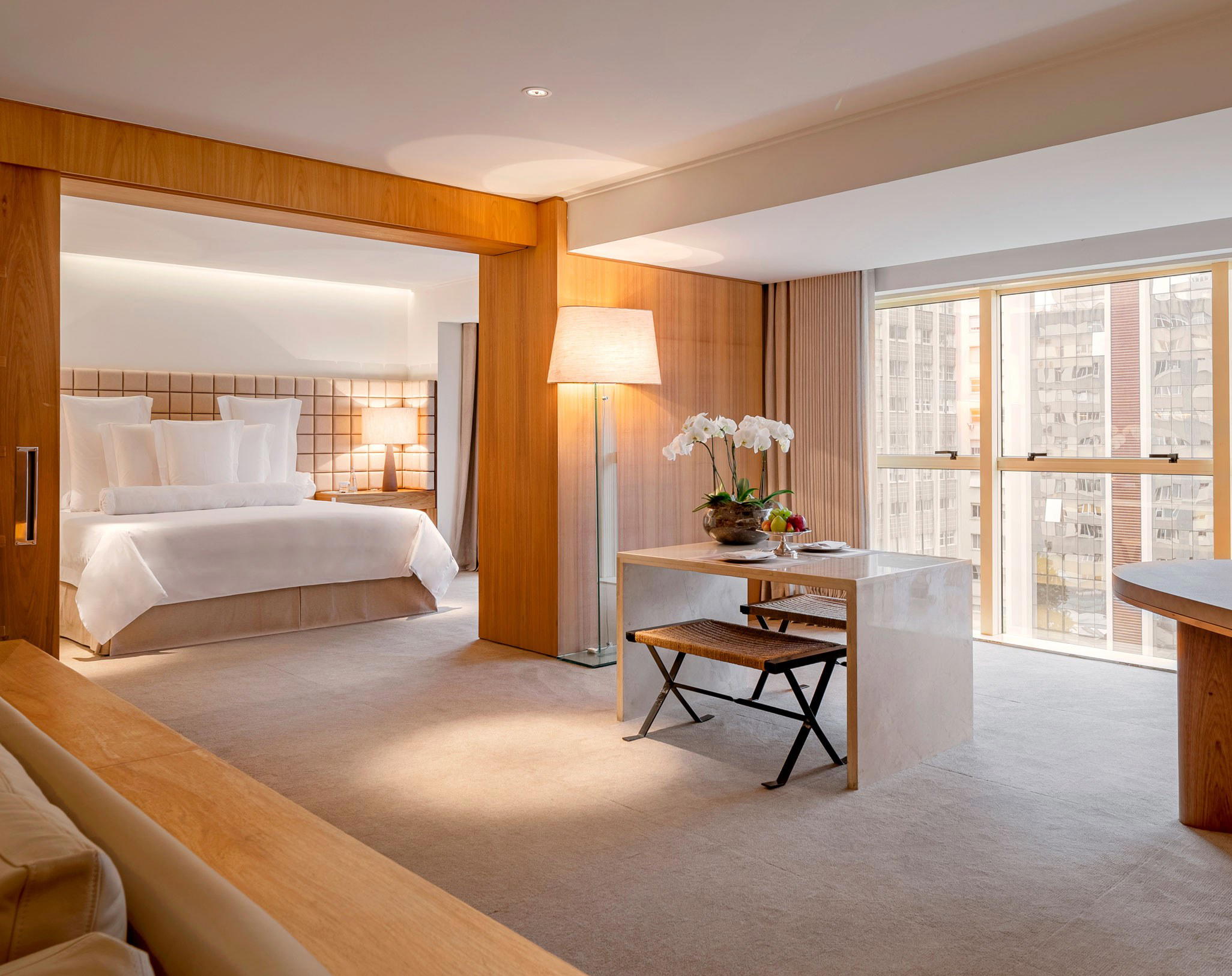
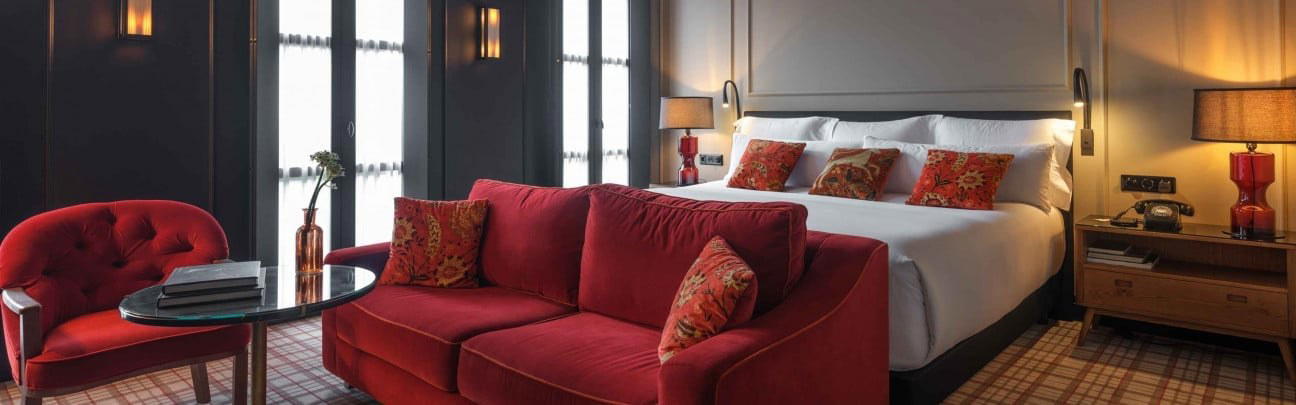
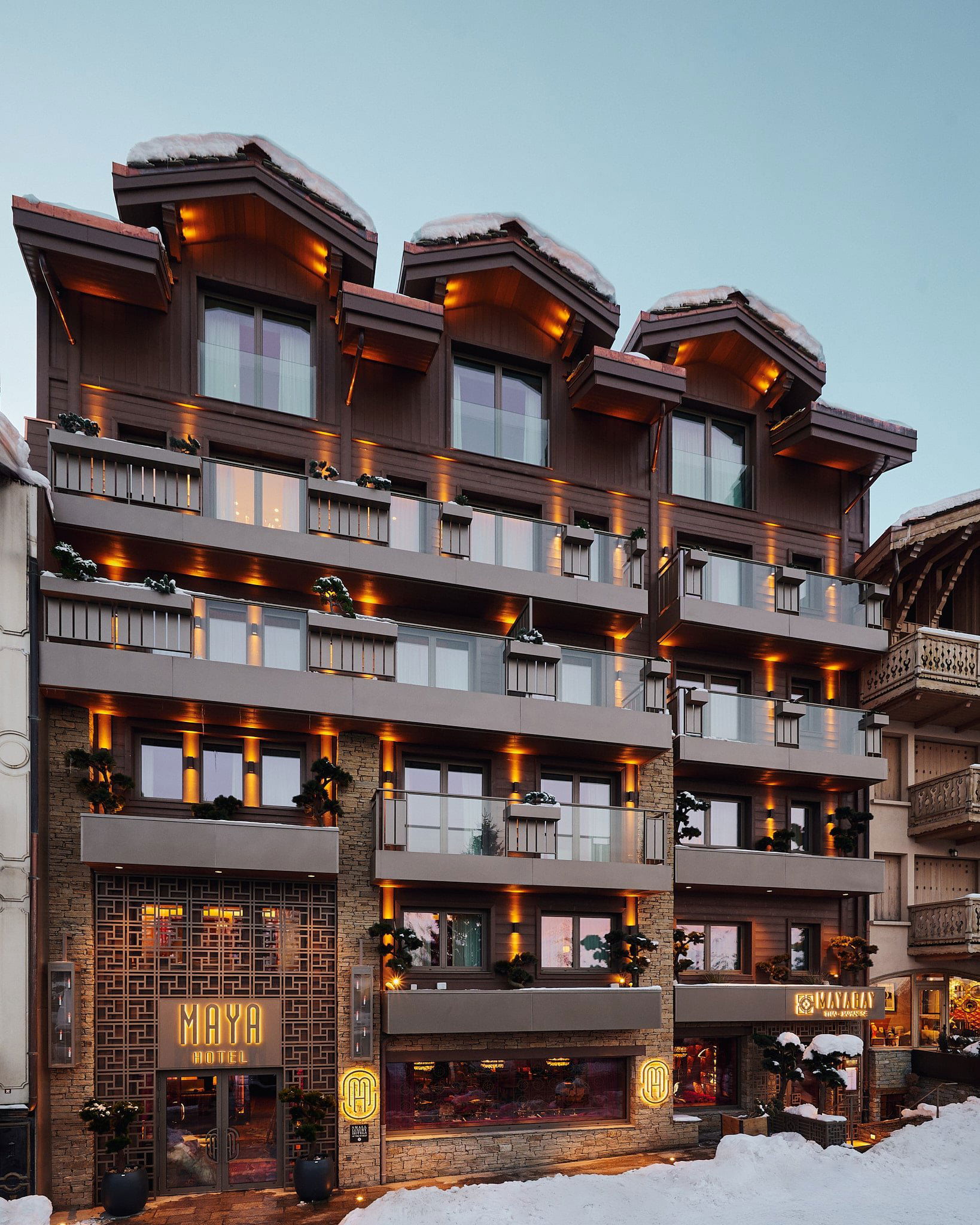
Maya Hotel reads as a restrained Alpine retreat that balances regional materials with minimalist Japanese influence. Timber and stone finishes root the interiors in the French mountain vernacular, while the use of negative space, muted tones and an absence of clutter give rooms and public areas a disciplined, quiet clarity. The effect is deliberately low-key—less theatrical than some neighboring palaces—so the property feels like a calm, design-led alternative to the grander resorts on the strip. Overall, Maya favors subtlety and composure over spectacle, making the atmosphere quietly refined rather than showy.
Best For
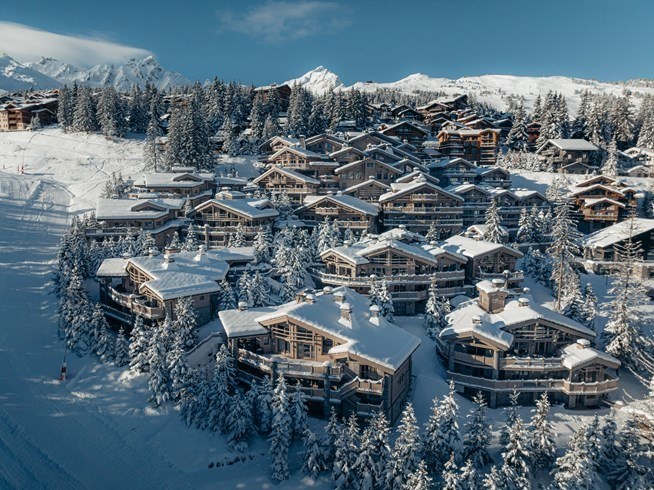
Maya is best for travelers who prioritize calm, considered design and proximity to the slopes without the noise of Courchevel’s busiest thoroughfare. Its boutique scale and quieter positioning suit couples and design-minded guests seeking a measured, intimate alpine stay rather than the theatrical grandeur of larger palaces. Because it sits within walking distance of the ski lifts and the resort strip but doesn’t front the busiest areas, Maya appeals to people who want convenient access to skiing and resort life while preserving a more peaceful retreat at the end of the day.
Stay Tips
Keep in mind that Maya deliberately trades scale for restraint: it offers fewer rooms and quieter common spaces than the larger, more ostentatious hotels nearby. If closeness to the lifts matters, confirm walking times when booking; if you want to avoid après-ski bustle, ask for a room set back from the central strip. For design-focused travelers, request descriptions or photos of the finishes—timber, stone and minimalist layouts are central to the hotel’s character. Early booking is sensible in peak ski season given the property’s smaller room count.
Venue details
Ambiance
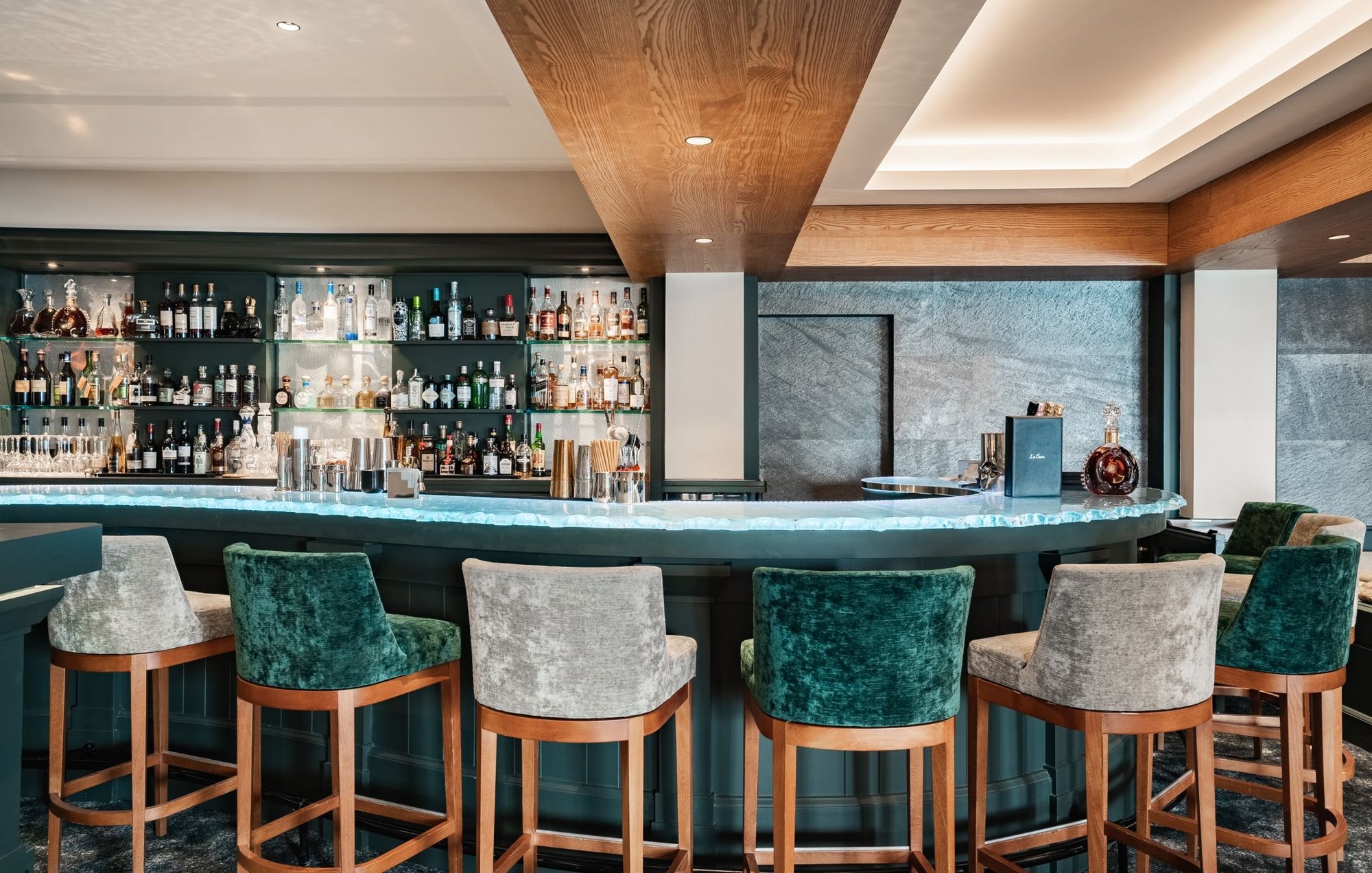
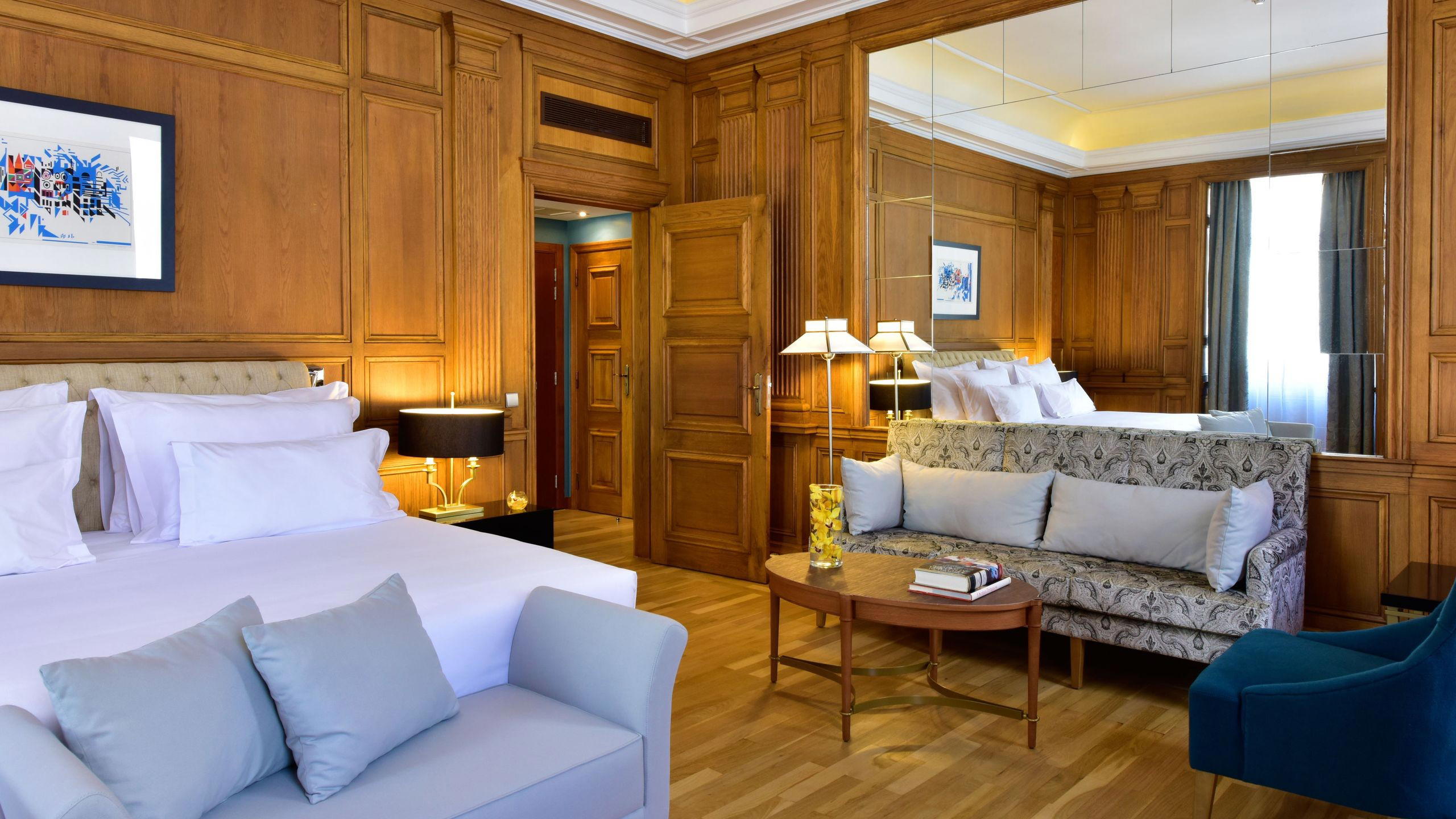
Calming space with Japanese minimalism, Monégasque opulence, sleek design anchored by stone, wood, and cool metals, illuminated by custom Lalique crystal chandeliers.
Tags
Vibe
Best For
Experience
Amenities
View
About the Stay
- Rooms
- 14
- Check-in
- 15:00
- Check-out
- 11:00
- Property Style
- Intimate Luxury Boutique in Prime Ski Location
- Design Style
- Japanese Inspired Minimalism with Lalique Crystal Opulence
Know before you go
Know Before You Go
- Getting there
- 193 Rue Park City, 73120 Courchevel
Planning details
Location
Recognition and awards

Also consider
Where to look if this is not the right fit
If Maya Hotel Courchevel 1850 is not the right match, start with Le Chabichou Hôtel & Spa for a stay where on-property dining and wellness reputation matter more. For a more central luxury alternative with a different mood, compare Les Grandes Alpes.
Hotel context
How It Compares
Against Le K2 Djola and Les Trois Vallées, Beaumier Hotel, Maya Hotel Courchevel 1850 is the cleaner choice for travelers who want a compact luxury stay with easier booking pressure. Le K2 Djola and Les Trois Vallées are better cross-shops if the decision is driven by a more established Courchevel hotel identity; Maya is more appealing when availability and a quieter base matter.
Compared with Le Chabichou Hôtel & Spa, Maya is the more cautious recommendation for guests who do not need a hotel defined by dining or spa reputation. If the trip is built around an on-property food-and-wellness program, Le Chabichou is the stronger name to compare first. If the stay is mainly about Courchevel 1850 access and a polished room-led base, Maya remains in play.
La Sivolière and Les Grandes Alpes are useful alternatives for travelers deciding by ambiance. Cross-shop La Sivolière if a softer Alpine hotel mood is the priority, and Les Grandes Alpes if the group wants a more central, apartment-style luxury feel. Maya is the practical pick when the brief is smaller-scale, SLH-backed, and easier to secure.
Explore Courchevel
Around this place
Discover more on Pearl
Unlock the full Maya Hotel Courchevel 1850 guide in Pearl, including awards, comparisons, FAQs, planning details, and nearby places.
Compare Maya Hotel Courchevel 1850
| Venue | Location | Awards |
|---|---|---|
| Maya Hotel Courchevel 1850 | Courchevel | Small Luxury Hotels Member 2025 |
| Le K2 Djola | Courchevel | 2026 Michelin 1 Key2025 Michelin 1 Key2024 Michelin 1 Key |
| Les Trois Vallées, Beaumier Hotel | Courchevel | No published awards |
| Le Chabichou Hôtel & Spa | Courchevel | 2025 Michelin Selected Hotels2025 Gault & Millau Exceptional Hotel |
| La Sivolière | Courchevel | 2025 Michelin Selected Hotels2025 Gault & Millau Exceptional Hotel |
| Les Grandes Alpes | Courchevel | No published awards |




How Maya Hotel Courchevel 1850 compares with similar nearby venues.
FAQ
Frequently Asked Questions
Is Maya Hotel Courchevel 1850 family-friendly?
Family policies and room layouts are not detailed here. If you are considering Maya Hotel Courchevel 1850 for a family stay in Courchevel, confirm the current room options and child policies directly before booking.
When is the best time to book Maya Hotel Courchevel 1850?
For a Courchevel stay, check current availability and cancellation terms directly with Maya Hotel Courchevel 1850 or your booking channel.
How does Maya Hotel Courchevel 1850 compare to nearby hotels?
Maya Hotel Courchevel 1850 has a 2025 Small Luxury Hotels of the World membership. If you are comparing it with Le Chabichou Hôtel & Spa or Les Grandes Alpes, focus on the details that matter for your trip and verify current services, room types, and rates directly.
Do loyalty programs work at Maya Hotel Courchevel 1850?
Is Maya Hotel Courchevel 1850 good for business travel?
Business facilities and meeting services are not detailed here. If you are considering Maya Hotel Courchevel 1850 for work travel in Courchevel, confirm the current facilities and services directly with the hotel.
How is the location of Maya Hotel Courchevel 1850?
Maya Hotel Courchevel 1850 is in Courchevel.