

Le Marne Relais
Costigliole d'Asti
Hotel in Costigliole d'Asti, Italy
 Book with Pearl
The Read
Monferrato Hillside Retreat
Why go
Le Marne Relais is a strong fit for a quiet Piedmont celebration stay near Costigliole d'Asti, especially if calm and recognized small-hotel positioning matter more than published dining detail. Cross-shop nearby relais options if business logistics, restaurant format, or loyalty-program inclusions will drive the decision.
About Le Marne Relais
Le Marne Relais is in Costigliole d'Asti with several notable recognition signals: Small Luxury Hotels of the World Member (2025), Mr & Mrs Smith Seal of Approval (2026), and MICHELIN Guide, Hotels Selected (2025). The dress code is smart casual.
A Costigliole d'Asti stay with confirmed recognition
For travelers comparing stays in and around Costigliole d'Asti, Le Marne Relais stands out for its accolades. These include Small Luxury Hotels of the World Member (2025), Mr & Mrs Smith Seal of Approval (2026), and MICHELIN Guide, Hotels Selected (2025).
For booking strategy, compare the live direct rate with any relevant third-party rate before reserving. Check inclusions such as breakfast, cancellation terms, room categories, and other benefits at the time of booking.
The property is in Costigliole d'Asti; ask about transfer times, meeting facilities, work amenities, and late-arrival arrangements.
Where it sits against other area options
If you are comparing Le Marne Relais with other stays in the broader region, Villa Pattono Wine Country Resort is another option to consider. Relais San Maurizio, Relais Almaranto, Dai Gresy - In Langa, and Castello di Guarene are also relevant names for travelers widening the search.
The dining question needs caution. Check details such as cuisine type, chef name, menu format, price range, and restaurant-specific recognition before booking, and do not reserve solely on the assumption of a particular dining experience. If dining is central to the trip, verify the current setup before locking dates.
Quick reference: consider Le Marne Relais for a recognized Costigliole d'Asti stay, compare booking channels for current inclusions, and cross-shop other properties if location, logistics, or dining specifics are decisive.
Planning details
- Location
- Str. Pasquana, 5, 14055 Costigliole d'Asti AT
- Website
- lemarnerelais.it
- Phone
- +39 0141 185 2115
The take
The Take
The Vibe
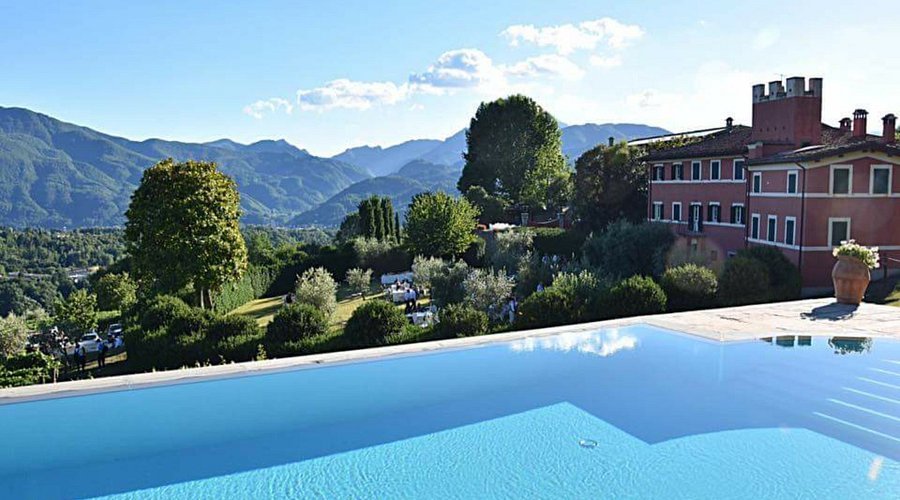
Le Marne Relais reads as a Piedmontese relais rooted in the Monferrato landscape: low, stone-and-brick building types, covered loggias and internal courtyards, and the slow geometry of vineyard-covered hills. The property reflects a regional architectural tradition, the cascina, and is a member of Small Luxury Hotels of the World. The result is a rural stay that balances authentic local form with contemporary design intent, where the largely intact agricultural setting, rows of Barbera and Moscato vines, remains the primary draw.
Best For
This relais suits travelers who prize landscape and wine as the central reasons to travel. It’s ideal for wine-minded visitors exploring Barbera d'Asti, Moscato and Nizza DOCG country, and for those seeking a quiet, design-forward rural base rather than a busy town hotel. The property also appeals to guests who value independently run luxury, the SLH affiliation signals elevated service and a local sensibility, and to anyone after a scenic, low-traffic alternative to the more visited Langhe region.
Stay Tips
Approach notes in the description are practical: the drive from Asti along the SP456 climbs through the vineyards, so plan arrival by car and allow time for the narrow, rural roads. Because the property’s selling point is its setting, ask at booking for a room facing the vineyards or a suite with access to the cascina’s loggias and courtyard. The write-up highlights "serious wine cellars," so inquire ahead about cellar access or any on-site wine programming and ask what SLH membership benefits might apply to your stay.
Venue details
Ambiance
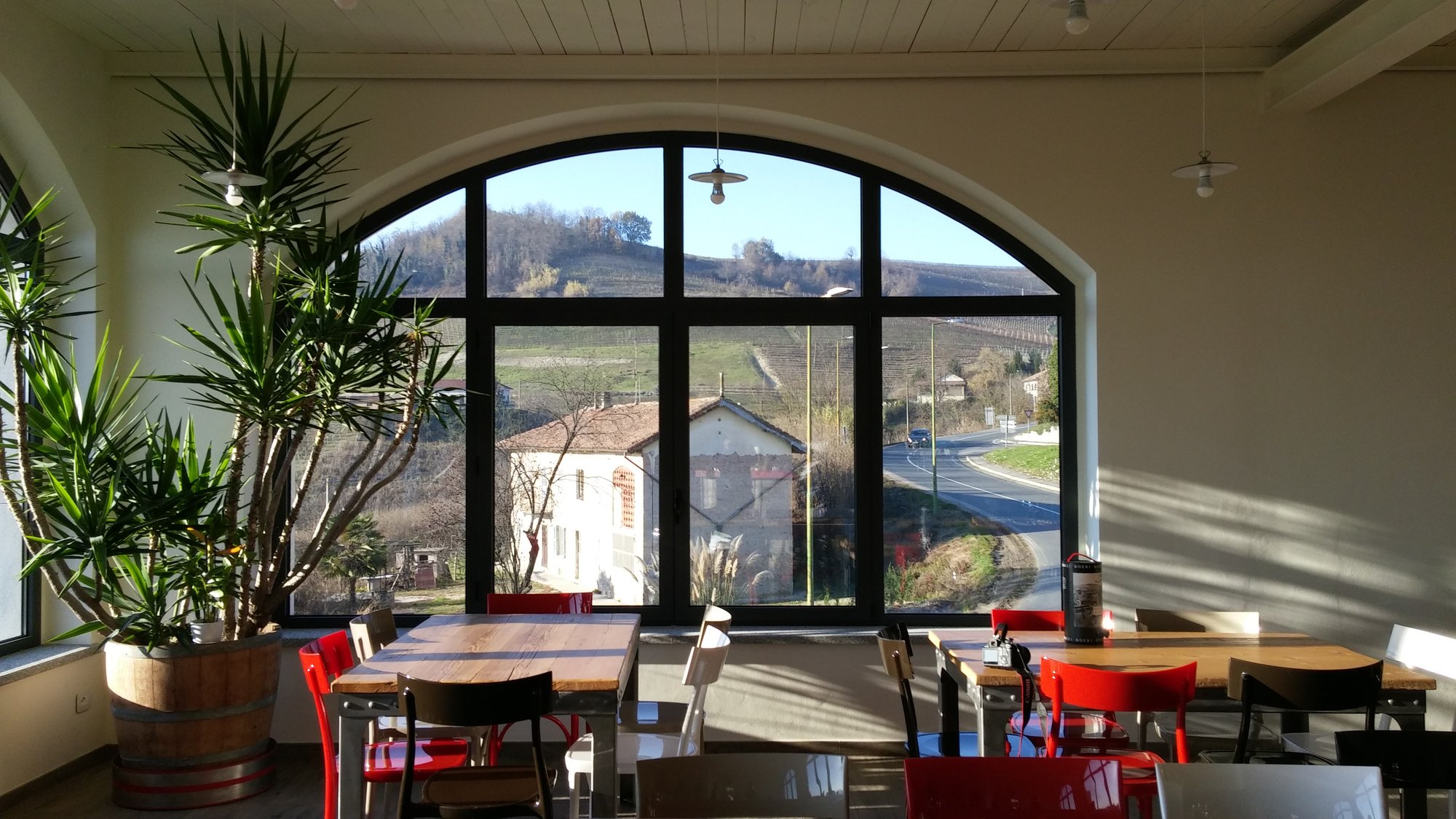
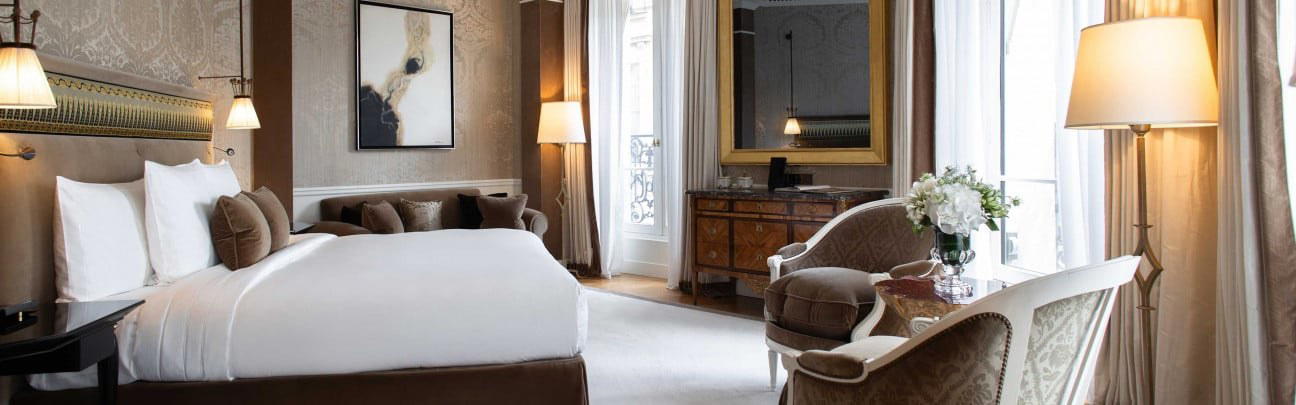
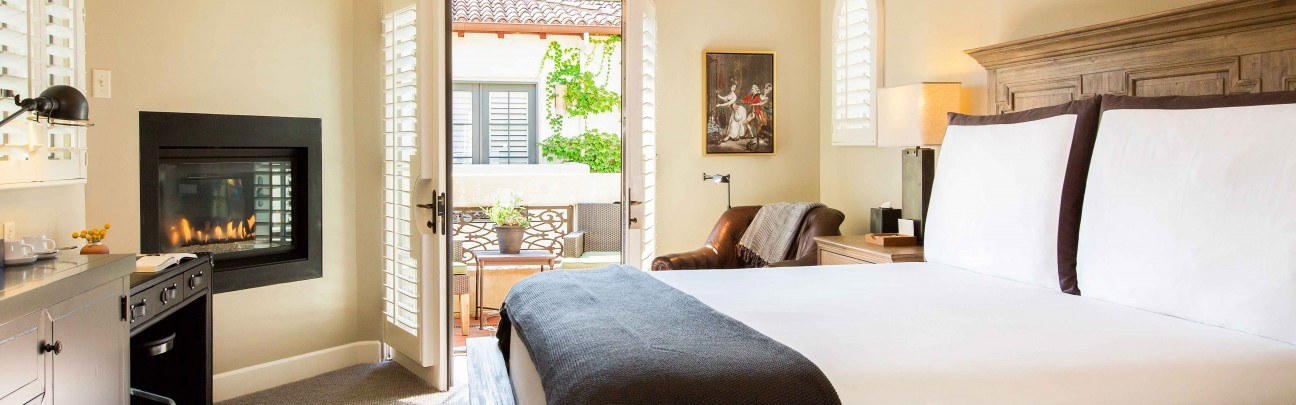
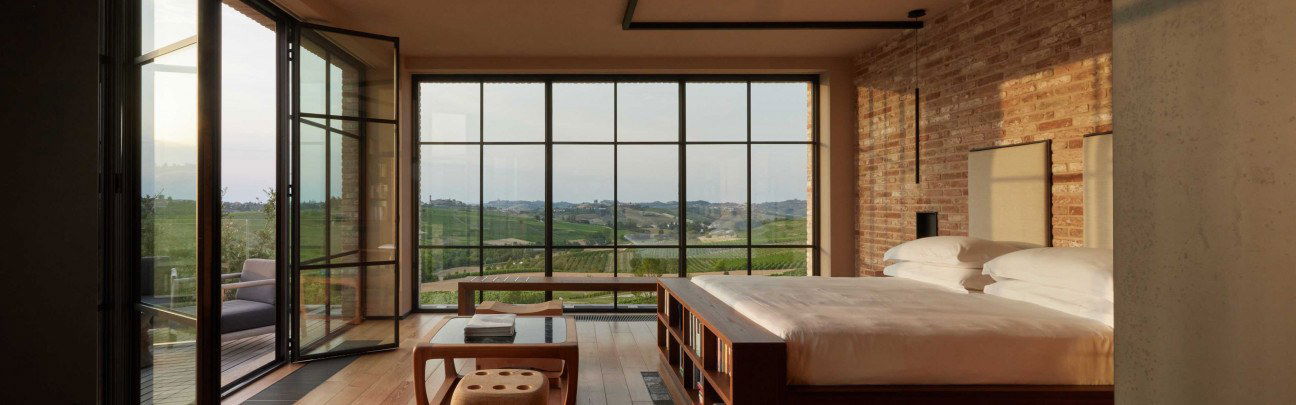
Warm terracotta walls, sunlit terraces, soft earthy tones, and tranquil vineyard views create a refined rustic atmosphere blending Italian charm with contemporary elegance.
Tags
Vibe
Best For
Experience
Amenities
View
About the Stay
- Rooms
- 14
- Check-in
- 15:00
- Check-out
- 11:00
- Property Type
- Boutique hotel
- Property Style
- Restored Country Estate Blending Rustic Charm with Refined Contemporary Style
- Design Style
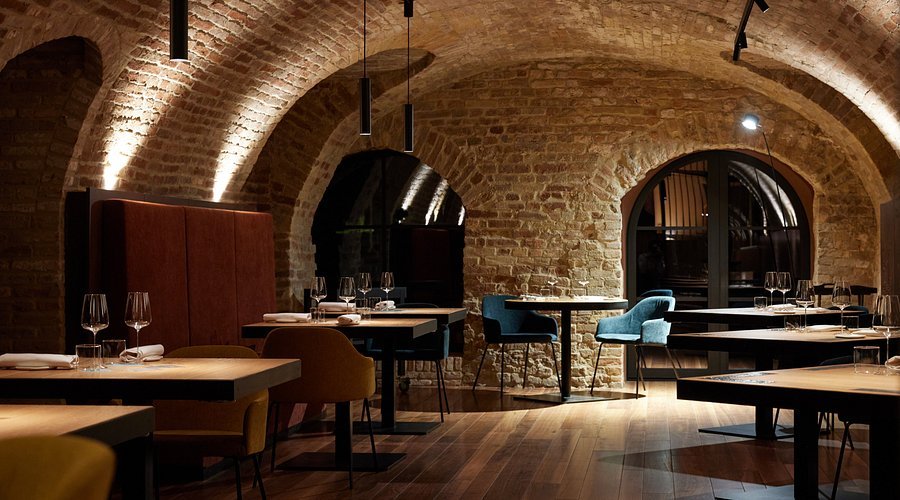
- Artist and Poet Inspired with Beamed Ceilings, Natural Stone Walls, Earthy Tones, and Italian Design
- Breakfast
- Included
- Pool
- Yes
- Spa
- Yes
- Cancellation
- Moderate
Know before you go
Know Before You Go
- Getting there
- Str. Pasquana, 5, 14055 Costigliole d'Asti AT
Planning details
Location

Also consider
Where to look if this is not the right fit
Start with Villa Pattono Wine Country Resort if staying in Costigliole d'Asti is the priority. Look at Relais San Maurizio or Castello di Guarene if the trip calls for a bigger destination-hotel feel and the location can be more flexible.
Hotel context
How it compares with nearby country hotels
Choose Le Marne Relais if the priority is a quieter Costigliole d'Asti base with a special-occasion feel and easy booking. Villa Pattono Wine Country Resort is the closest like-for-like cross-shop in town, so it is the first alternative to check if location matters and rates or room availability decide the stay.
Relais San Maurizio and Castello di Guarene make more sense for travelers who want the wider destination-hotel feeling and are comfortable looking beyond Costigliole d'Asti. They are better cross-shops for a splurge weekend where the hotel itself is the main event, while Le Marne Relais is easier to justify when the plan is quieter and more area-focused.
Relais Almaranto and Dai Gresy - In Langa are useful backups if availability or room style does not line up here. For value, compare live rates and included benefits rather than assuming the lowest nightly price wins; breakfast, cancellation flexibility, and room-category preference can change the better deal quickly.
Explore Costigliole d'Asti
Around this place
Discover more on Pearl
Unlock the full Le Marne Relais guide in Pearl, including awards, comparisons, FAQs, planning details, and nearby places.
Compare Le Marne Relais
| Venue | Location | Awards |
|---|---|---|
| Le Marne Relais | Costigliole d'Asti | 2026 Mr & Mrs Smith Luxury Hotels2025 Michelin Selected HotelsSmall Luxury Hotels Member 2025 |
| Villa Pattono Wine Country Resort | Costigliole d'Asti | No published awards |
| Relais San Maurizio | Santo Stefano Belbo | Leading Hotels of the World 20262025 Michelin Selected Hotels |
| Relais Almaranto | Calamandrana | No published awards |
| Dai Gresy - In Langa | Treiso | No published awards |
| Castello di Guarene | Guarene | 2026 Relais Chateaux Hotels2025 Michelin Selected Hotels2025 Relais Chateaux Award |


How Le Marne Relais Costigliole d'Asti compares with similar nearby venues.
FAQ
Frequently Asked Questions
Is Le Marne Relais good for business travel?
It may be worth considering if Costigliole d'Asti is the right base for your trip. Ask directly about meeting facilities, work amenities, transfer logistics, and late-arrival arrangements. Its recognition includes Small Luxury Hotels of the World Member (2025), Mr & Mrs Smith Seal of Approval (2026), and MICHELIN Guide, Hotels Selected (2025).
How does Le Marne Relais compare to other hotels?
Le Marne Relais is in Costigliole d'Asti and has recognition from Small Luxury Hotels of the World, Mr & Mrs Smith, and the MICHELIN Guide hotels selection. If you are comparing options, you may also look at Villa Pattono Wine Country Resort, Relais San Maurizio, Relais Almaranto, Dai Gresy - In Langa, and Castello di Guarene.